AntecedentesSe estudiaron 87 pacientes consecutivos con el objetivo de determinar la relación de índices de progresión intraventricular del flujo anterógrado mitral, evaluado mediante Doppler color en modo M con variables clínicas, ecocardiográficas y del flujo anterógrado mitral evaluado mediante Doppler pulsado . Material y métodoSe midió el diámetro diastólico y sistólico del ventrículo izquierdo, el grosor del septum interventricular y de la pared posterior, la dimensión de la aurícula izquierda, la velocidad e integral del flujo precoz de llenado, la velocidad e integral del flujo tardío de llenado, el tiempo de desaceleración del llenado precoz y el tiempo de relajación isovolumétrica . Se calculó la fracción de acortamiento, el índice de masa del ventrículo izquierdo, las relaciones de velocidad e integral del flujo precoz de llenado y la velocidad e integral del flujo tardío de llenado, y el flujo pico normalizado . Mediante Doppler color en modo M se midió la velocidad inicial y total de propagación intraventricular del flujo anterógrado mitral y el retraso de base a apex del mismo. ResultadosLa velocidad inicial y la total de propagación intraventricular del flujo anterógrado mitral no tuvieron correlación entre si . La velocidad inicial del flujo anterógrado mitral no se correlacionó con el retraso de base a apex del mismo . La velocidad total se correlacion6 en forma negativa con el retraso de base a apex . La velocidad inicial y la total y el retraso de base a apex no fueron diferentes en ambos sexos . Tanto en el análisis univariable como en el multivariable, la velocidad inicial se correlacionó en forma positiva con la velocidad del flujo integral de llenado y con el flujo pico normalizado. En el análisis univariable, la velocidad total se correlacionó en forma negativa con la edad, con el grosor de la pared posterior, con el índice de masa del ventrículo izquierdo, con la velocidad e integral del flujo tardío de llenado y con el tiempo de desaceleración del llenado precoz, pero en el multivariable dependió solo de la edad . En el análisis univariable, el retraso de base a apex del flujo anterógrado mitral se correlacionó en forma positiva con la edad, con el diámetro diastólico y sistólico del ventrículo izquierdo, con el grosor del septum interventricular y de la pared posterior, con la dimensión de la aurícula izquierda, con el índice de masa del ventrículo izquierdo, con la velocidad e integral del flujo tardío de llenado y con el tiempo de desaceleración del llenado precoz y, en forma negativa, con la fracción de acortamiento; en el multivariable dependió del diámetro sistólico del ventrículo izquierdo y de la edad. El análisis de la progresión intraventricular del flujo transmitral, mediante Doppler color en modo M, sería un método útil para el análisis de fenómenos diastólicos
Los aneurismas de seno Valsalva (ASV) son una malformación poco frecuente. SU ruptura puede sospecharse clínicamente y mediante el eco, pero basta hace pocos años sólo podía confirmarse por cateterismo. Teniendo en cuenta que en I: literatura mundial son sólo 14 los casos estudiados con eco-Doppler (ReoD), consideramos de interés presentar dos pacientes diagnosticados por este método, con confirmación anatómica. Una mujer de 21 años (caso 1) y un hombre de 43 años (caso 2) consultaron por disnea de esfuerzo, con soplo continuo y sin diagnóstico definido. El eco mostró dilatación del SV derecho con solución de continuidad, la que parecía múltiple en el caso 2. Con el volumen de muestreo del EcoD pulsado en el tracto de salida del ventrículo derecho (TSVD), adyacente al aneurisma, se detectó aliasing sistodiastólico. EI EcoD continuo mostró que la velocidad del cortocircuito era superior en la diástole. Existía hiperflujo pulmonar. En el caso 1 se buscó y halló flujo holodiastólico invertido en la aorta abdominal. En ninguno hubo signos de insuficiencia valvular aórtica (IA). El cateterismo confirmó todos los hallazgos del EcoD. El caso 1 fue operado (sutura directa del defecto). FJ EcoD postoperatorio no detectó flujos anormales. EI caso 2 rechazó la cirugía y falleció dos meses después por insuficiencia cardíaca. La autopsia mostró un aneurisma papiráceo y cribado, comunicado con el TSVD. El EcoD permite confirmar y ubicar de manera confiable la ruptura de un ASV, evaluar el cortocircuito estimando los flujos distales ala cámara receptora y pesquisar anomalías asociadas, como 1A y CN.
ObjetivosEvaluar las variables fisiológicas determinantes de la velocidad de las ondas de llenado precoz (E) y tardío (A) y las propagadas al tracto de salida del ventrículo izquierdo (ETSVI y ATSVI). MétodosSe estudiaron 49 pacientes (30 mujeres) de 64 ± 18 años. Se midieron: velocidades de E, A, ETSVI, ATSVI y la pérdida de velocidades de E y A hasta El TSVI (ETSVI /E y ATSVI/A). Se evaluaron como propiedades de la función diastólica: velocidad de propagación de E (Vp), presión auricular izquierda (PAI = 5,27E / Vp + 4,66) constante de rigidez del VI (KVI = [0,07 / tiempo de desaceleración de E (TD)]2) y presión de fin de diástole del VI (PFDVI = 46 0,22TD 0,10[2 / (E/A)]) y como propiedades de la función sistólica el estrés de fibra (SF) y un índice de estiramiento ([In(h0/h)] al comienzo (c-e) y al final (f-e) de la eyección ventricular. ResultadosEn el análisis multivariado de regresión múltiple resultaron predictores independientes: 1) Vp sólo para ETSVI, 2) KVI para E, ETSVI, ATSVI y ETSVI/E, 3) PFDVI para E, A y ETSVI, 4) [In(h0 / h)](c-e) para ATSVI y ATSVI/A y , finalmente, 5) [In(h0/h)](f-e) sólo para ATSVI/A. Ninguno de los parámetros Doppler analizados se determinó por el SF. ConclusionesEste estudio indica que E, A y ETSVI son determinadas exclusivamente por propiedades diastólicas del VI. Por el contrario, ATSVI está determinada tanto por variables diastólicas como sistólicas. Respecto de las pérdidas de velocidad en el VI, ETSVI/E depende sólo de propiedades diastólicas y ATSVI/A sólo de propiedades sistólicas.
Background:Long-term adverse consequences of the COVID-19 infection affect many organ systems, which requires comprehensive understanding of the disease burden and determinants of persistent long COVID-19 symptoms in diverse population. However, data on long COVID complications are sparse, particularly from low- and middle-income countries (LMICs). The World Heart Federation (WHF) global study assessed the incidence of vascular complications, persistent long COVID symptoms and factors associated with mortality and major adverse cardiovascular events (MACE) among patients with COVID-19 up to one year after hospitalization. Methods:We recruited a total of 2535 patients hospitalized with COVID-19 and followed up to one-year post-hospital discharge. We collected data on long COVID symptoms, quality of life, and clinical outcomes, including new onset diseases, MACE, and mortality at 1-, 3-, 6-, and 9-12 months post-discharge. Descriptive and generalized estimating equation (GEE) regression analysis was performed to assess the factors associated with mortality and MACE. Findings:The majority of participants were recruited from LMICs (64%) and male (56%) with a mean (SD) age of 59.5 (20.0) years. Among those tested for COVID-19 strain (52%), Omicron strain was the most prevalent (98%). The follow-up rate at one year was 90%. Over half of the participants (56%) reported experiencing at least one major long COVID symptom (fatigue, breathlessness, anxiety, chest pain, and palpitations) at 1-month, and one-quarter participants reported persistent long COVID symptoms at 9-12 months. On the EQ-5D scale, 49% reported difficulties in usual activities, 33% reported anxiety/depression, and 23% reported problems in mobility within the first 6 months. The most frequent new-onset illnesses were pulmonary embolism (8%), kidney disease (4%), and hypertension (3%). The cumulative all-cause mortality rate was 15% (n = 382) at one-year post-discharge. Long COVID symptoms were more common among females, individuals with pre-existing comorbidities, and those with more severe acute illness. Age, obesity, ICU admission, and underlying cardiovascular or pulmonary disease were associated with increased risk of mortality and MACE. Conclusion:The study showed a substantial burden of mortality and morbidity, and a quarter of patients reported at least one persistent long COVID symptom after one year. Our findings underscore the need for early identification and management of long COVID symptoms in LMICs.
On World Heart Day 2022, the Mexican Society of Cardiology, the Inter-American Society of Cardiology, and the World Heart Federation collaborated on a public call to action regarding the increased risk of adverse cardiovascular health outcomes in transgender and gender diverse (TGD) individuals. The aim of this article is to unpack the numerous factors that contribute to this, such as the social stigma faced by members of the TGD community, their reduced access to clinical care, and the scarcity of research regarding the unique needs of their community, which makes it difficult for clinicians to provide individualized medical care. Decreasing the incidence of adverse cardiovascular events among TGD individuals requires interventions such as educational reform in the medical community, an increase in inclusive research studies, and broader social initiatives intended to reduce the stigma faced by TGD individuals.
Cardiovascular diseases (CVDs) are the leading cause of mortality globally. Of the 20.5 million CVD-related deaths in 2021, approximately 80% occurred in low- and middle-income countries. Using data from the Global Burden of Disease Study, NCD Risk Factor Collaboration, NCD Countdown initiative, WHO Global Health Observatory, and WHO Global Health Expenditure database, we present the burden of CVDs, associated risk factors, their association with national health expenditures, and an index of critical policy implementation. The Central Europe, Eastern Europe, and Central Asia region face the highest levels of CVD mortality globally. Although CVD mortality levels are generally lower in women than men, this is not true in almost 30% of countries in the North Africa and Middle East and Sub-Saharan regions. Raised blood pressure remains the leading global CVD risk factor, contributing to 10.8 million deaths in 2019. The regions with the highest proportion of countries achieving the maximum score for the WHF Policy Index were South Asia, Central Europe, Eastern Europe, and Central Asia, and the High-Income regions. The Sub-Saharan Africa region had the highest proportion of countries scoring two or less. Policymakers must assess their country's risk factor profile to craft effective strategies for CVD prevention and management. Fundamental strategies such as the implementation of National Tobacco Control Programmes, ensuring the availability of CVD medications, and establishing specialised units within health ministries to tackle non-communicable diseases should be embraced in all countries. Adequate healthcare system funding is equally vital, ensuring reasonable access to care for all communities.
Chagas disease (ChD), a Neglected Tropical Disease, has witnessed a transformative epidemiological landscape characterized by a trend of reduction in prevalence, shifting modes of transmission, urbanization, and globalization. Historically a vector-borne disease in rural areas of Latin America, effective control measures have reduced the incidence in many countries, leading to a demographic shift where most affected individuals are now adults. However, challenges persist in regions like the Gran Chaco, and emerging oral transmission in the Amazon basin adds complexity. Urbanization and migration from rural to urban areas and to non-endemic countries, especially in Europe and the US, have redefined the disease's reach. These changing patterns contribute to uncertainties in estimating ChD prevalence, exacerbated by the lack of recent data, scarcity of surveys, and reliance on outdated models. Besides, ChD's lifelong natural history, marked by acute and chronic phases, introduces complexities in diagnosis, particularly in non-endemic regions where healthcare provider awareness is low. The temporal dissociation of infection and clinical manifestations, coupled with underreporting, has rendered ChD invisible in health statistics. Deaths attributed to ChD cardiomyopathy often go unrecognized, camouflaged under alternative causes. Understanding these challenges, the RAISE project aims to reassess the burden of ChD and ChD cardiomyopathy. The project is a collaborative effort of the World Heart Federation, Novartis Global Health, the University of Washington's Institute for Health Metrics and Evaluation, and a team of specialists coordinated by Brazil's Federal University of Minas Gerais. Employing a multidimensional strategy, the project seeks to refine estimates of ChD-related deaths, conduct systematic reviews on seroprevalence and prevalence of clinical forms, enhance existing modeling frameworks, and calculate the global economic burden, considering healthcare expenditures and service access. The RAISE project aspires to bridge knowledge gaps, raise awareness, and inform evidence-based health policies and research initiatives, positioning ChD prominently on the global health agenda.
Background:Secondary prevention lifestyle and pharmacological treatment of atherosclerotic cardiovascular disease (ASCVD) reduce a high proportion of recurrent events and mortality. However, significant gaps exist between guideline recommendations and usual clinical practice. Objectives:Describe the state of the art, the roadblocks, and successful strategies to overcome them in ASCVD secondary prevention management. Methods:A writing group reviewed guidelines and research papers and received inputs from an international committee composed of cardiovascular prevention and health systems experts about the article's structure, content, and draft. Finally, an external expert group reviewed the paper. Results:Smoking cessation, physical activity, diet and weight management, antiplatelets, statins, beta-blockers, renin-angiotensin-aldosterone system inhibitors, and cardiac rehabilitation reduce events and mortality. Potential roadblocks may occur at the individual, healthcare provider, and health system levels and include lack of access to healthcare and medicines, clinical inertia, lack of primary care infrastructure or built environments that support preventive cardiovascular health behaviours. Possible solutions include improving health literacy, self-management strategies, national policies to improve lifestyle and access to secondary prevention medication (including fix-dose combination therapy), implementing rehabilitation programs, and incorporating digital health interventions. Digital tools are being examined in a range of settings from enhancing self-management, risk factor control, and cardiac rehab. Conclusions:Effective strategies for secondary prevention management exist, but there are barriers to their implementation. WHF roadmaps can facilitate the development of a strategic plan to identify and implement local and national level approaches for improving secondary prevention.
Atherosclerotic cardiovascular diseases (including myocardial infarction, stroke, and peripheral artery disease) continue to be a leading cause of premature death, disability, and healthcare expenditures worldwide.Therefore, preventing the vascular accumulation of atherogenic cholesterol-containing lipoproteins is crucial in averting major cardiovascular events.The Colombian Cholesterol Roadmap update is the outcome of a meeting held during the 2023 National Cardiology Congress, with the support of the World Heart Federation and a panel of clinical and thematic experts, along with representatives from various institutions involved in the management of dyslipidaemias in Colombia.The present update of this Cholesterol Roadmap provides a conceptual framework to describe the findings and achievements derived from working groups focused on identifying barriers that hinder the appropriate treatment of hypercholesterolemia in Colombia.It also outlines proposed actions adjusted to the local context, aiming to develop national policies and approaches within our healthcare systems.Furthermore, it reaffirms the commitment to intersectoral collaboration to achieve the cardiovascular health goals set for the year 2030.
Infections, particularly those involving the respiratory tract, are associated with an increased incidence of cardiovascular events, both de novo and as exacerbations of pre-existing cardiovascular diseases. Influenza vaccination has consistently been shown to reduce the incidence of cardiovascular events. Nonetheless, vaccination rates among adults remain suboptimal, both in the general population and among high-risk individuals. Multiple barriers hinder achieving adequate vaccination rates, with physicians’ beliefs and attitudes towards these interventions being crucial. The FLUence project was developed within the framework of the World Heart Federation’s Emerging Leaders program, to address this issue. This project has two phases: a global quantitative survey to assess the perceptions, opinions, and attitudes and challenges of physicians worldwide regarding the safety and efficacy of the influenza vaccination use, and a qualitative survey to further investigate the barriers and facilitators of recommending and using this vaccination. The quantitative survey was created and disseminated in five languages (English, Spanish, French, Italian, and Portuguese) to physicians of all specialties who care for adults, with a particular focus on patients with cardiovascular disease. The survey included eight domains with a total of 36 questions with closed options; a Likert scale with five possible answers was used to gauge participants’ opinions. To gain deeper insights into the complexities behind the low vaccination rates in adults, the second part of the project comprises a qualitative survey, conducted in the two lower-middle- and upper-middle-income countries: India and Argentina, respectively. These countries were selected because patients with cardiovascular diseases have access to free influenza vaccination in Argentina, whereas patients must pay for the vaccine out of pocket in India. Thus, the FLUence study will provide valuable information to better understand the perceptions and barriers to improving influenza vaccination rates from the perspective of physicians. It is imperative to actively engage all healthcare providers to improve influenza vaccination rates.
Air pollution is a critical global health issue that significantly impacts cardiovascular health. The air pollutant PM2.5 (particulate matter with a diameter of 2.5 micrometres or less) has been positioned as a leading environmental risk factor for morbidity and mortality, especially from cardiovascular diseases (CVDs). Using data from the World Health Organization (WHO), Global Health Observatory, and the United Nations Environment Programme, we explored global trends in air pollution, with a focus on PM2.5 levels, the implications for cardiovascular health, and the policy measures aimed at reducing their impact. Despite progress in reducing pollution levels in high-income countries, global trends show a limited annual reduction in PM2.5 concentration. The analysis highlights disparities between regions, with low- and middle-income countries bearing the brunt of air pollution-related CVDs. In 2019 alone, ambient air pollution was responsible for approximately 4.2 million deaths worldwide. Of these, 70% were caused by CVDs, with approximately 1.9 million deaths from ischemic heart disease and 900,000 deaths from stroke. Policy gaps remain a challenge, with many countries lacking adequate legally binding air quality standards. We recommend the adoption of WHO air quality guidelines, enhanced monitoring of air pollution levels, and increased investment in interdisciplinary research to understand the full scope of air pollution’s effects on cardiovascular health. Addressing the global cardiovascular crisis linked to air pollution will require coordinated efforts from policymakers, healthcare systems, and global health organisations.
Rheumatic heart disease (RHD) is an important and preventable cause of morbidity and mortality among children and young adults in low-income and middle-income countries, as well as among certain at-risk populations living in high-income countries. The 2012 World Heart Federation echocardiographic criteria provided a standardized approach for the identification of RHD and facilitated an improvement in early case detection. The 2012 criteria were used to define disease burden in numerous epidemiological studies, but researchers and clinicians have since highlighted limitations that have prompted a revision. In this updated version of the guidelines, we incorporate evidence from a scoping review, an expert panel and end-user feedback and present an approach for active case finding for RHD, including the use of screening and confirmatory criteria. These guidelines also introduce a new stage-based classification for RHD to identify the risk of disease progression. They describe the latest evidence and recommendations on population-based echocardiographic active case finding and risk stratification. Secondary antibiotic prophylaxis, echocardiography equipment and task sharing for RHD active case finding are also discussed. These World Heart Federation 2023 guidelines provide a concise and updated resource for clinical and research applications in RHD-endemic regions. A panel of experts from the World Heart Federation provide a revised set of guidelines for the echocardiographic detection of rheumatic heart disease (RHD) in patients living in RHD-endemic regions. The guidelines provide updated screening and confirmatory criteria, as well as a new stage-based classification of RHD based on risk of disease progression, which will improve the diagnosis and subsequent management of patients with RHD.
Objective. To evaluate the self-perception of cardiology residents in Argentina regarding their abilities to help their patients stop smoking, as well as their opinions about their knowledge and skills in this area. Materials and methods. A cross-sectional study was carried out using secondary data from a study carried out in five Latin American countries and Spain, focusing on the information provided by cardiology residents in Argentina. Discrete variables were expressed as median and interquartile range, and categorical variables were expressed as percentages, and were analyzed using the chi-square test or Fisher’s exact test, depending on the relative frequency of the expected values. Results. 447 residents participated; 87.5% routinely provided brief advice to quit smoking, and 11.6% used validated questionnaires to assess the degree of addiction. Furthermore, 32.1% stated that they prescribed pharmacological treatment, but 53.1% were only familiar with a single drug. When asked about their self-perception of getting their patients to stop smoking, the median response was 5 (scale from 1 to 10); only 13.7% responded with a score of 8 or more. Conclusions. The present study suggests that cardiology residents in Argentina recognize the importance of carrying out smoking cessation interventions, but a high proportion of them do not feel qualified to do so.
 Pablo Perel合作论文数Department of Clinical Epidemiology, London School of Hygiene & Tropical Medicine;Department of Non-communicable Disease Epidemiology, London School of Hygiene & Tropical Medicine19
 Fausto Pinto合作论文数Serviço de Cardiologia, Departamento do Coração e Vasos, Centro Hospitalar Universitário de Lisboa Norte, Faculdade de Medicina, Universidade de Lisboa;Hospital de Santa Maria14
 Alvaro Sosa Liprandi合作论文数11
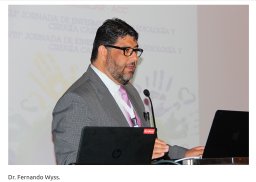 Fernando Wyss合作论文数Servicios y Tecnología Cardiovascular de Guatemala, Sociedad Centroamericana y del Caribe de Hipertensión Arterial y Prevención Cardiovascular7
 Karen Sliwa合作论文数Cape Heart Institute, Faculty of Health Sciences, University of Cape Town;Division of Cardiology, Department of Medicine, Groote Schuur Hospital, University of Cape Town;Private Academic Hospital, University of Cape Town;Hatter Institute for Cardiovascular Research in Africa7
 Amitava Banerjee合作论文数Institute of Health Informatics, University College London;University College London Hospitals6
 Adrian Baranchuk合作论文数Division of Cardiology, Department of Medicine, School of Medicine, Queen’s University6Jorge Lerman合作论文数6Jean-Luc Eiselé合作论文数U.R.A. 359 C.N.R.S. Département d'Immunologie, Institut Pasteur6
 Pedro Orduñez合作论文数Pan American Health Organization6
 Dorairaj Prabhakaran合作论文数London School of Hygiene and Tropical Medicine;Emory University6Wistremundo Dones合作论文数5
 Andres Rosende合作论文数Department of Non-Communicable Diseases and Mental Health, Pan American Health Organization5
 Donna Arnett合作论文数University of South Carolina5
 Jagat P Narula合作论文数Icahn School of Medicine, Mount Sinai5
 Raul Borracci合作论文数5
 Sidney C. Smith Jr.合作论文数Division of Cardiology, Department of Medicine, School of Medicine, University of North Carolina5
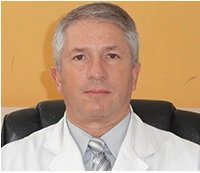 Daniel Piskorz合作论文数Servicio de Medicina Interna, Hospital Clínic Barcelona5
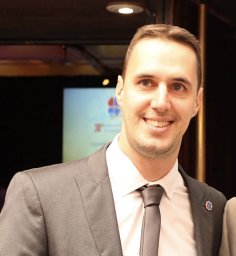 Sebastian Garcia-Zamora合作论文数Dept Cardiol, Delta Clin4
 Ricardo Gabriel Lopez Santi合作论文数4Mariano anibal Giorgi合作论文数4Manente Diego合作论文数4Campbell Norm R C合作论文数4Gregory A. Roth合作论文数4Patricio Lopez-Jaramillo合作论文数4Thomas Gaziano合作论文数Division of Cardiovascular Medicine, Brigham & Women's Hospital4Veronica I Volberg合作论文数4
 Jeffrey Brettler合作论文数3Kate Ralston合作论文数3Laura Pulido合作论文数3Carlos I. Ponte-Negretti N合作论文数3Lana Raspail合作论文数3
 Ezequiel J Zaidel合作论文数Dept Cardiol, Sanat Guemes3
 Kenneth Connell合作论文数Faculty of Medical Sciences, The University of the West Indies3
 Sarah Kraus合作论文数3
 Mark D Huffman合作论文数Cardiology, Department of Medicine, Feinberg School of Medicine, Northwestern University3
 K. Srinath Reddy合作论文数Public Health Foundation of India3Angell Sonia Y合作论文数New York City Dept Hlth & Mental Hyg3
 Janina Stepinska合作论文数Intensive Cardiac Therapy Department, National Institute of Cardiology3
 Liesl Zühlke合作论文数Faculty of Health Sciences, University of Cape Town;Division of Paediatric Cardiology, Red Cross War Memorial Children’s Hospital;Children’s Heart Disease Research Unit, University of Cape Town3Dipette Donald J合作论文数3
 Ruth Bonita合作论文数School of Population Health, University of Auckland;Faculty of Medical and Health Sciences, University of Auckland3
 Ralph L. Sacco合作论文数Miller School of Medicine, University of Miami3
 Joselyn Rwebembera合作论文数Department of Internal Medicine, Mbarara University of Science and Technology3
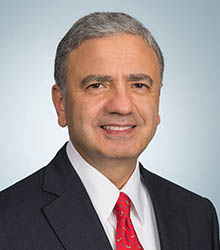 William A. Zoghbi合作论文数Department of Cardiology, Houston Methodist DeBakey Heart and Vascular Center;Weill Cornell Medical College;Houston Methodist Academic Institute3
 Kavita Singh Ongechi合作论文数Department of Maternal and Child Health, Gillings School of Global Public Health, The University of North Carolina at Chapel Hill3Moran Andrew E合作论文数3
 Kathryn A. Taubert合作论文数University of Texas Southwestern Medical School3
 Christopher J.L. Murray合作论文数School of Public Health, University of Washington;Department of Health Metrics Sciences, School of Medicine, University of Washington;Institute for Health Metrics and Evaluation, University of Washington3




