e18033 Background: Immunotherapy (IO), alone or with chemotherapy, is standard first-line treatment for recurrent/metastatic head and neck squamous cell carcinoma (HNSCC). Here, we evaluated molecular features associated with disease patterns and treatment response in HNSCC. Methods: Molecular profiling data were retrospectively reviewed for 80 patients with recurrent/metastatic HNSCC treated with systemic therapy. Clinically obtained next-generation sequencing reports (FoundationOne, Tempus, Caris, and institutional OncoPanel) were included. Genomic features were compared by metastatic pattern (bony vs non-bony) and clinical outcome (early failure ≤6 months vs sustained response ≥1 year). Non bony disease was defined as local-regional or visceral disease. Tumor mutational burden (TMB), somatic alterations, copy number changes, and mutational signatures were analyzed. Results: Among sequenced patients, 15 had bony metastases and 65 had non-bony metastatic disease. Patients with bony metastases were slightly older (mean 68.9 vs 64.6 years; p=0.11). Mean TMB was numerically higher in bony metastases (26.0 vs 5.8 mut/Mb), driven by high-TMB outliers, but was not statistically significant (p=0.28). Median overall survival was numerically longer in the TMB-high group (62.7 vs 48.3 months), (HR 1.47; 95% CI 0.72–3.01; p=0.29). Distinct genomic patterns were observed: non-bony metastases frequently demonstrated chromosome 11q13.3 amplifications ( CCND1, FGF3, FGF4, and FGF19 ) and tumor suppressor alterations ( TP53, CDKN2A, FAT1, and LRP1B ), while PTEN alterations were significantly enriched in bony metastatic disease by seven-fold (p<0.05). Clinical outcome analysis included 25 patients with early failure and 6 with sustained response. Mean TMB did not differ by outcome group (4.8 vs 5.1 mut/Mb; p=0.92). Early failure tumors demonstrated higher mutation frequencies in TP53 and CDKN2A , frequent co-occurring alterations, and greater mutational heterogeneity with increased transversions, including C>A substitutions. In contrast, sustained responders exhibited transition-dominant mutational patterns with low transversion rates and infrequent alterations, with occasional mutations in EP300, KMT2C, and FGFR3 observed in a small subset. Conclusions: Distinct molecular features characterize aggressive disease and treatment resistance in recurrent/metastatic HNSCC. Bony metastatic disease is enriched for PTEN alterations while early treatment failure is associated with TP53 and CDKN2A mutations, greater genomic complexity and heterogeneous mutational processes. These findings highlight biologic heterogeneity underlying metastatic behavior and treatment response and warrant validation in larger, uniformly characterized cohorts. Identifying mutational signatures in patients with metastatic HNSCC may guide treatment.
6119 Background: ACC with NOTCH1 pathway activation (ACC-N1) is associated with aggressive clinical behavior and poor outcomes. AL101, an inhibitor of gamma secretase-mediated Notch signaling, previously demonstrated modest clinical activity in metastatic NOTCH -mutant ACC. We conducted a window-of-opportunity study to evaluate the biological effects of AL101 in ACC-N1 and to identify biomarkers to inform rational combination strategies. Methods: Patients with ACC-N1 received AL101 (4 mg weekly) for 4 to 8 weeks prior to surgery. Eligibility required Notch1 pathway activation by cleaved Notch (NICD1) immunohistochemistry (≥ 70% nuclear staining). Treatment-related adverse events (AEs) were assessed per CTCAE v5.0 and radiographic response per RECIST v1.1. Whole-exome sequencing and RNA sequencing were performed on baseline samples, with paired analysis (pre- and post-treatment) in 12 patients. This report focuses on biomarker analysis; clinical endpoints and feasibility were previously presented. Results: 13 patients were enrolled between Nov/21 and Dec/23; 8 were newly diagnosed. The median number of AL101 doses were 6 (range: 4–7), the most common primary site was maxillary sinus (n=4). There were no grade 3-5 AEs. One patient achieved a partial response (ORR 7.7%), 11 had stable disease (including 2 with >20% tumor shrinkage), and one had progression in a non-target lesion. Post-treatment NICD1 expression was not significantly reduced (p=0.8). Genomic profiling revealed NOTCH1 activating mutations in 9/13 tumors and MYB-NFIB fusions in 8/13, with co-occurrence in 6 patients. MYB-NFIB fusion with MYB overexpression, irrespective of NOTCH1 mutation status, was associated with tumor shrinkage (p=0.02). Higher baseline NOTCH signaling activity by RNA sequencing (NOTCH signaling signature) correlated with greater tumor shrinkage (p=0.025). Although NICD1 IHC levels did not significantly change, AL101 treatment resulted in significant downregulation of NOTCH signaling activity, and the magnitude of signature reduction correlated with tumor shrinkage (p=0.037). Post-treatment transcriptomic analysis demonstrated upregulation of potentially druggable oncogenic pathways, providing biologic rationale for future combination therapeutic strategies. Conclusions: In this first window-of-opportunity study in ACC, AL101 demonstrated biological target modulation. Importantly, MYB overexpression and NOTCH signaling activity rather than NICD1 modulation or NOTCH1 mutation correlated with tumor shrinkage. These findings provide translational insights and support biomarker-driven development of rational combination strategies in NOTCH1-activated ACC. Clinical trial information: NCT04973683 .
Curative immune checkpoint blockade (ICB)-based multimodal therapy is now widely used across oncology; yet drivers of efficacy and resistance in most cancer types, including squamous cell carcinoma of the head and neck (SCCHN), are not well understood. To address this issue, we comprehensively characterized the tumor genome, microenvironment, microbiome, and TCR repertoire in a phase III international randomized trial to identify factors that shape outcomes to avelumab plus chemoradiotherapy versus chemoradiotherapy alone. Patients receiving avelumab whose tumors contained distinct immunologic and genetic features had superior outcomes compared to patients in the control arm that did not receive immunotherapy. In contrast, avelumab-treated patients with increased myeloid/neutrophil signatures had poorer outcomes compared to placebo. Strikingly, these tumors possessed telltale intratumoral bacteria, elevated tumor-associated neutrophils, high systemic neutrophil-to-lymphocyte ratio, suppressed levels of adaptive immunity, and were the least likely to respond to therapy. We use these findings to define tumor ecosystem classes that associate with response and resistance to combination chemoimmunotherapy. Importantly, our data demonstrate for the first time, the effects of intratumoral bacteria on ICB response within the context of a randomized trial. These discoveries enhance our understanding of combination immunotherapy response, provide a highly useful multi-omic resource, and identify unanticipated interactions between ICB and CRT that may guide future therapeutic strategies. Tyler Alban, Nadeem Riaz, Robert Haddad, Michelle Saul, Vladamir Makarov, Yingjie Zhu, Ezra Cohen, Robert Ferris, Peter Chang, Jin-Ching Lin, Amanda Pyrri, Prerana Parthasarathy, Ardijana Novaj, Mruniya Gawali, Jennifer Ko, Phineas Hamilton, Natalie Silver, Ivan Juric, Daniel Chawla, Ana Gradissimo, Daniel McGrail, Craig Davis, Nancy Lee, Timothy Chan. Tumor Ecosystem and Microbiome Features Associated with Efficacy from Avelumab-based Multimodal Therapy in a Phase III Randomized Trial [abstract]. In: Proceedings of the AACR Immuno-Oncology Conference (AACR IO): Discovery and Innovation in Cancer Immunology: Revolutionizing Treatment through Immunotherapy; 2026 Feb 18-21; Los Angeles, CA. Philadelphia (PA): AACR; Cancer Immunol Res 2026;14(2 Suppl):Abstract nr C064.
6118 Background: Despite the common indolent behavior of ACC, some patients will experience aggressive disease with short survival. These distinct clinical behaviors have been linked to two transcriptional profiles: ACC-I, defined by NOTCH1 activation, solid histology, and more aggressiveness, and ACC-II, characterized by predominant myoepithelial p63 expression and generally indolent behavior. DNA methylation has been widely used for tumor identification and subtyping; however, their relevance in distinguishing ACC-I and ACC-II has not yet been explored. Methods: Forty-one ACC tissue samples from the original subtype development cohort (41/54) and twenty-three cfDNA samples from a phase II trial of axitinib and avelumab in recurrent/metastatic ACC (NCT03990571) were profiled through target-enriched enzymatic methylation sequencing. ACC subtypes (ACC-I/II) in tissue samples were validated with unsupervised clustering of highly variable regions. To translate these signatures to liquid biopsy, we used the METER (METhylome AnalysER) pipeline to identify tumor-specific differentially methylated sites (DMS) and regions (DMRs) relative to 22 healthy donors, enabling ctDNA detection (METER-positive), tumor proportion score (TPS) quantification, and ACC subtype assignment in cfDNA. Methylation-derived TPS were validated with ichorCNA (copy number alterations) estimates, and cfDNA-assigned subtypes were benchmarked against matched tissue transcriptional signatures. Finally, we investigated if METER detection was associated with progression-free survival (PFS). Results: ACC tissue methylation identified two clusters that perfectly matched reference transcriptional subtypes (17/17 ACC-I and 24/24 ACC-II). ACC-I tumors were hypermethylated compared to ACC-II (11,205 hyper and 1,804 hypo DMR, p<0.05). Of 23 cfDNA samples, 15 (65.2%) were deemed as METER positive with a higher rate among ACC-I (8/9, 88.9%) compared to ACC-II (7/14, 50.0%), consistent with the more aggressive subtype of ACC-I. The median (range) estimated TPS among METER positive samples was (3.86%; range 0.7%-82%), with a numerical higher TPS among ACC-I (14.8% vs 2.0%, p=0.073). TPS had strong correlation with ctDNA estimation by ichorCNA (spearman 0.86, p<0.001). METER subtyping correctly identified ACC-subtypes in 15/15 (100%) METER positive and 4/8 (50%) METER negative samples. METER-positive patients had shorter PFS (HR = 4.32; 95%CI, 1.49–12.5, p=0.007), including among ACC-II patients (HR = 4.84; 95%CI, 1.20–19.5, p=0.026). Conclusions: Methylation-based subtyping of ACC is highly concordant with transcriptional profiles and enables detection and subtyping of ACC in liquid biopsies. Beyond subtyping, cfDNA detection may serve as an additional prognostic marker, identifying patients at high risk for progression even within traditionally indolent subgroups. Clinical trial information: NCT03990571 .
Abstract To systematically define tumor-intrinsic mechanisms driving immune resistance in ovarian cancer (OC), we integrated an in vitro genome-wide CRISPR immune screen, in vivo targeted immune screens, and analysis of 16 published ICB patient cohorts. From this pipeline, 693 candidate genes were shortlisted, and METTL5 emerged as a key regulator of tumor-intrinsic immune evasion. Pan-cancer TCGA analysis revealed significant METTL5 upregulation across multiple cancer types, with OC showing the second-highest expression among 34 malignancies. Although METTL5 expression did not correlate with OC stage or overall survival, higher expression was strongly associated with reduced cytolytic activity scores, suggesting suppressed antitumor immunity. In the MDACC HGSOC cohort (NCT03026062), patients with elevated METTL5 expression in baseline tumor samples exhibited significantly poorer responses and shorter overall survival after ICB therapy, supporting its clinical relevance. Mechanistically, METTL5 loss in OC models specifically reduced m6A methylation at A1832 of 18S rRNA, disrupting helix 44 structure and impairing ribosomal scanning and translation. RiboLace-based active ribosome profiling demonstrated that METTL5 knockout reprograms translation, notably downregulating genes enriched in the “Response of EIF2AK1 to Heme Deficiency” pathway, consistent with defective integrated stress response (ISR). Translation of ATF4 was markedly reduced, accompanied by decreased expression of downstream targets SLC7A11 and SLC3A2, key components of the cystine/glutamate antiporter that suppress lipid peroxidation and ferroptosis. As a result, METTL5-deficient OC cells displayed increased lipid peroxidation and heightened sensitivity to T cell-mediated ferroptosis in vitro and in vivo. Reintroduction of ATF4 restored SLC7A11/SLC3A2 expression and reversed ferroptosis sensitivity, while pharmacologic inhibition of ferroptosis produced similar effects. These findings identify METTL5 as a central regulator of ATF4 translation, oxidative stress control, and immune resistance in OC. Elevated METTL5 expression may serve as a biomarker for poor ICB response. Therapeutically, METTL5 inhibition, ATF4 translation suppression or ferroptosis induction represent potential strategies to enhance immunotherapy efficacy. This study establishes the METTL5-ATF4-ferroptosis axis as a critical tumor-intrinsic mechanism of immune evasion and provides a generalizable framework for decoding cancer-immune interactions. Citation Format: Jiakai Hou, Cheng-wei Ju, Nicholas A. Egan, Yanjun Wei, Yunfei Wang, Minghao Dang, Tianyi Zhou, Leilei Shi, Ningbo Zheng, Si Chen, Ashley Guerrero, Xiaofang Liang, Wanfu Wu, Areej Akhtar, Chitra Dhiman, Debanwita Roy Burman, Andro Gerges, Mason D. Flores, Han Li, Li-Sheng Zhang, Marleen Kok, Xiaobo Mao, Linghua Wang, Qin Feng, Yiwen Chen, Sanghoon Lee, Daniel McGrail, Nidhi Sahni, Chuan He, Amir A. Jazaeri, Weiyi Peng. Tumor-intrinsic METTL5 restricts T cell-induced ferroptosis by impairing ATF4 translation in ovarian cancer [abstract]. In: Proceedings of the American Association for Cancer Research Annual Meeting 2026; Part 1 (Regular Abstracts); 2026 Apr 17-22; San Diego, CA. Philadelphia (PA): AACR; Cancer Res 2026;86(7 Suppl):Abstract nr 2915.
BACKGROUND:Adenoid cystic carcinoma (ACC) is a common salivary gland carcinoma with high recurrence and distant metastasis rates. Currently, there is no standard systemic treatment available. TROP2 is a transmembrane glycoprotein involved in the oncogenesis of several tumors that can be therapeutically targeted by a TROP2-antibody-drug conjugate (ADC). We aimed to characterize TROP2 expression in ACC and assess TROP2 as a potential therapeutic target. METHODS:TROP2 immunohistochemistry was performed in a tissue microarray including 165 ACC of salivary gland. The tumors were grouped according to the histological pattern as non-solid, solid + non-solid, or solid. TROP2 protein expression in ACC cell lines was assessed and subjected to drug screening with TROP2-ADC. RESULTS:TROP2 expression was high in 59%, moderate in 30%, weak in 8%, and negative in 3% of cases. TROP2 expression was significantly higher in non-solid compared with solid or solid + non-solid (p < 0.001). Notably, TROP2 expression was heterogenous among the dual cellular component, with TROP2 expression identified predominantly in the ductal and not in the myoepithelial cells. In vitro drug screening demonstrated that TROP2-ADC had selective anti-tumor effect in TROP2 expressing ACC cells. CONCLUSIONS:TROP2 expression is prevalent in ACC, particularly in the ductal cell component of the non-solid tumors. The pre-clinical drug screening findings provide a biological rationale for exploring TROP2 as a therapeutic target in TROP2-expressing ACC. TRIAL REGISTRATION:clinicaltrials.gov: NCT05884320; NCI-2023-04260.
Tumor-initiated emergency granulopoiesis results in expansion of the circulating neutrophil compartment and neutrophil recruitment into the tumor microenvironment (TME), which may in turn promote tumor progression. Although an elevated circulating neutrophil-to-lymphocyte ratio (cNLR) has repeatedly been demonstrated to be an adverse prognostic factor in patients with non-small cell lung cancer (NSCLC), whether this neutrophil expansion in circulation reflects a similar relative neutrophil abundance in the TME remains unclear. We sought to characterize the relationships between cNLR and the intratumoral neutrophil-to-lymphocyte ratio (tNLR), between tNLR and proteogenomic and immune features of NSCLC tumors, and between tNLR and prognosis.We analyzed tNLR (transcriptomic signatures) and cNLR in a prospectively-enrolled cohort of patients with NSCLC (stage IA-III) that was subjected to multifaceted immunoprofiling (ImmunogenomiC prOfiling of early-stage Non-small cell lung cancer (ICON), N=150). We examined the relationship between tNLR and genomic, transcriptomic, and proteomic features of NSCLC tumors in The Cancer Genome Atlas (TCGA) and ICON. Finally, tNLR was analyzed for associations with postoperative recurrence-free survival (ICON) and overall survival (TCGA).In the ICON cohort, tNLR was significantly positively correlated with cNLR, but there was no association between intratumoral and circulating neutrophils or lymphocytes alone. High tNLR was associated with poor postoperative recurrence-free survival, and multivariate analysis indicated tNLR was a stronger driver of outcomes than cNLR. Mutations in KEAP1, STK11, PTEN, PI3K, and TSC2 were associated with an increased tNLR. Tumors with elevated tNLR were marked by proteomic and transcriptomic features indicative of increased cell cycle, receptor tyrosine kinase, and YAP signaling, as well as immunosuppression (reduced IFNG and GZMB expression). Flow cytometry and multiplex immunofluorescence confirmed reduced CD8+granzyme B+ T cells in the TME of tumors with high tNLR. Finally, TCGA confirmed associations between tNLR with prognosis, mutational status, and proteomic/transcriptomic features, and further showed that tNLR is prognostically relevant in multiple solid cancers.tNLR is mirrored by NLR in circulation (cNLR) in NSCLCs. High tNLR is associated with an immunosuppressed TME phenotype and poor prognosis across multiple cancers. These findings support ongoing investigations of the utility of cNLR and tNLR as clinical biomarkers in the context of patients with NSCLC treated with immune checkpoint inhibitor therapies.
The advent of immune checkpoint blockade (ICB) has revolutionized cancer management. However, not all patients will benefit from this powerful therapy, necessitating clinical biomarkers and combination treatment strategies to enhance therapeutic efficacy. Recently, high tumor mutation burden (TMB-H) was FDA-approved as a pan-cancer biomarker for treatment with ICB based on a limited sample size and diversity of tumors. In systematic analysis across cancer types, we observed that immune cell infiltration was only associated with TMB in a subset of cancers. Based on this, we divided cancers into “Category I” cancers where TMB is associated with increased immune infiltration, and “Category II” cancers where TMB is not associated with immune infiltration. Using these classifiers, we analyzed the ability of TMB to predict ICB outcomes across over 2, 000 patients. We found that TMB-H predicted ICB outcomes in Category I, but not Category II, cancers. As Category II cancers represent many of the most common cancers in the United States, including those of the breast, prostate, kidney, and brain, we next sought to identify biomarkers relevant to this subset of cancers. We identified that defects in DNA replication stress response predicts ICB response in 12 cohorts of Category II cancers, but not Category I cancers. Furthermore, induction of replication stress response defects sensitized otherwise resistant tumors to ICB. Based on these divergent molecular correlates of ICB response, we hypothesized that different mechanisms may underlie ICB activity in these tumors. Using single-cell RNA sequencing, we identified a non-canonical PD1+ dendritic cell population uniquely in mouse and human Category II cancers, and that this population undergoes extensive transcriptional rewiring following treatment with ICB. Together, this work illustrates the need for context-specific biomarkers for treatment with immune checkpoint blockade. Travis D. Kerr, Patrick G. Pilie, Hui Dai, Amy B. Heimberger, Renata Ferrarotto, Jeffrey M. Rosen, Shiaw-Yih Lin, Daniel J. McGrail. Divergent molecular features associated with immune checkpoint blockade response [abstract]. In: Proceedings of the American Association for Cancer Research Annual Meeting 2025; Part 1 (Regular Abstracts); 2025 Apr 25-30; Chicago, IL. Philadelphia (PA): AACR; Cancer Res 2025;85(8_Suppl_1):Abstract nr 7126.
Supplementary material including methods, supplementary table 1, supplementary table 2, and supplementary table 3
Chimeric Antigen Receptor (CAR) T-cell therapy represents a significant advancement in treating hematologic malignancies. However, its therapeutic efficacy against solid tumors remains hindered by several challenges, including suboptimal antitumor activity, high toxicity, and the emergence of resistance mechanisms. In recent years, the microbiome has emerged as a critical modulator of cancer immunotherapy outcomes. Yet, the precise molecular and cellular pathways through which the microbiome influences CAR-T cell efficacy remain largely unexplored. This chapter provides a comprehensive review of current knowledge regarding the interactions between CAR-T cell therapy and the microbiome, with particular emphasis on gut microbial dynamics. Additionally, it underscores the existing gaps in our understanding of these interactions and highlights key preclinical and clinical findings. We also discuss innovative strategies aimed at manipulating the microbiome to enhance CAR-T cell function, thereby presenting potential avenues for optimizing therapeutic outcomes.
In humans, selective and promiscuous interactions between 46 secreted chemokine ligands and 23 cell surface chemokine receptors of the G-protein-coupled receptor (GPCR) family form a complex network to coordinate cell migration. While chemokines and their GPCRs each share common structural scaffolds, the molecular principles driving selectivity and promiscuity remain elusive. Here, we identify conserved, semi-conserved, and variable determinants (i.e., recognition elements) that are encoded and decoded by chemokines and their receptors to mediate interactions. Selectivity and promiscuity emerge from an ensemble of generalized ("public/conserved") and specific ("private/variable") determinants distributed among structured and unstructured protein regions, with ligands and receptors recognizing these determinants combinatorially. We employ these principles to engineer a viral chemokine with altered GPCR coupling preferences and provide a web resource to facilitate sequence-structure-function studies and protein design efforts for developing immuno-therapeutics and cell therapies.
Phosphorylation of the JNK (pJNK) protein promotes an immunosuppressive tumor microenvironment (TME), enhancing aggressiveness in inflammatory triple-negative breast cancer (TNBC). This study evaluated the role of JNK signaling using a gene signature. RNA sequencing was performed on 347 TNBC tumors from the phase 3 International Breast Cancer Study Group (IBCSG) 22-00 trial, which evaluated adjuvant low-dose cyclophosphamide and methotrexate (CM). Immune-related tumors were identified by TNBC subtype or tumor-infiltrating lymphocytes (TILs). Associations between JNK and outcomes were analyzed using Cox models. Low pJNK levels were associated with better disease-free survival (DFS) in immune-related tumors. These tumors also had lower Treg levels and higher CD8+/Treg ratios. Notably, immunomodulatory (IM) tumors with high pJNK showed improved DFS when treated with CM. High pJNK expression identifies immunosuppressive TMEs with poor prognosis in inflamed TNBC. However, these tumors may benefit from CM, supporting pJNK as a potential biomarker for immunotherapy strategies.
Oropharyngeal squamous cell carcinoma (OPSCC) presents prognostic and therapeutic challenges. Trophoblast cell surface antigen 2 (TROP2) is a transmembrane glycoprotein involved in oncogenic signaling pathways and has been explored as a therapeutic target in many solid tumors. This study aims to evaluate the prevalence and prognostic significance of TROP2 expression in OPSCC and explore its association with the tumor immune microenvironment composition. A cohort of 112 OPSCC patients from two high-volume cancer centers was retrospectively analyzed. TROP2 expression was assessed by immunohistochemistry and categorized into negative/low versus moderate/high. Transcriptomic analysis was performed in a subset of samples to explore immune microenvironment correlations. Survival analyses were conducted using Kaplan-Meier curves and Cox regression models. Moderate/high TROP2 expression was observed in 42 % of patients and was significantly associated with lower levels of smoking and alcohol exposure, reduced rates of perineural invasion, and fewer positive lymph nodes. Patients with moderate/high TROP2 expression demonstrated a trend toward improved overall survival (OS) (HR = 0.54, P = 0.07) and significantly prolonged disease-free survival (DFS) (HR = 0.46, P = 0.03). In TCGA validation Kaplan-Meier survival analysis demonstrated that patients with high TROP2 gene expression had significantly improved OS compared to those with low TROP2 expression (P = 0.012, HR = 0.361 [0.14-0.93]). Transcriptomic analysis revealed an enrichment of cytotoxic immune populations in tumors with high TROP2 expression. In OPSCC patients, high TROP2 expression was associated with more favorable pathologic characteristics, improved DFS, and a higher presence of cytotoxic immune cells in the tumor microenvironment.
The intratumoral microbiome is emerging as an intrinsic microenvironment feature of some cancers, most notably those along the digestive tract. Opportunistic pathogenic bacteria, such as Fusobacterium nucleatum, can enrich within certain tumors, ultimately leading to alterations in the tumor microenvironment. However, why some tumors have a higher abundance of tumor-associated bacteria, or oncobacteria, than others remains unknown. To address this question, we quantified the presence of oncobacteria in head and neck squamous cell carcinomas (HNSCCs). We found that accumulation of oncobacteria was independent of tumor stage and size, as well as patient characteristics. In contrast, we discovered that human papillomavirus (HPV)-negative tumors exhibited significantly higher accumulation of oncobacteria than HPV+ tumors. Furthermore, the abundance of oncobacteria was associated with worse overall survival in HPV+ tumors. These findings were validated in an independent cohort. Subsequent analysis of Epstein-Barr virus (EBV)+ gastric cancer suggests this phenomenon generalizes to other virally mediated cancers. Co-culture studies of HNSCC cell lines with Fusobacterium nucleatum demonstrated that HPV-negative cells have enhanced proliferation in the presence of Fusobacterium nucleatum compared to HPV+ cells, suggestive of tumor cell intrinsic determinants of oncobacteria accumulation. Together, these results illuminate tumor features that contribute to the accumulation of oncobacteria.
KRAS mutations frequently co-occur with alterations in STK11/LKB1 and/or KEAP1, defining an aggressive subset of lung cancers resistant to immuno- and chemotherapy. While LKB1 loss is associated with vulnerability to DNA damage response-based therapies, the impact of KEAP1 alterations remains unknown. We demonstrate that KEAP1-NRF2 pathway drives a compensatory modulation of ATR-CHK1 signaling, enhancing vulnerability to ATR inhibitors (ATRi), particularly in the setting of increased replication stress associated with LKB1 loss. ATRi shows enhanced anti-tumor activity in LKB1 and/or KEAP1-deficient non-small cell lung cancer (NSCLC) models and synergizes with gemcitabine. ATRi also enhances antitumor immunity and mitigates the immunosuppressed phenotype of LKB1/KEAP1-deficient tumors. In the HUDSON trial, LKB1/KEAP1-deficient NSCLC patients demonstrate enhanced benefits to the ATRi ceralasertib plus durvalumab. These findings suggest that alterations in the KEAP1-NRF2 pathway and/or LKB1 are associated with enhanced sensitivity to ATRi and could serve as biomarkers for predicting response to ATRi combination regimens.
Poor clinical responses to immune checkpoint blockade (ICB) observed in ovarian cancer (OC) highlight an unmet need to understand the mechanisms driving immune evasion in this disease. To address this, an integrative analysis is conducted by combining in vitro genome-wide immune screens, in vivo ICB screens, and clinical data mining, and METTL5 is identified as a crucial OC-intrinsic factor that promotes immune resistance. Immunologically "cold" OC tumors and poor responders to ICB exhibit elevated METTL5 expression. Mechanistically, knocking out (KO) METTL5 in OC disrupts ATF4 translation by altering 18S rRNA m6A levels, leading to the downregulation of SLC7A11 and SLC3A2, whose function is to suppress ferroptosis activity. Consequently, METTL5 KO enhances tumor sensitivity to T cell-mediated antitumor immunity. Notably, the immune-sensitive phenotypes seen in METTL5-KO tumors can be reversed by either ATF4 overexpression or ferroptosis inhibition. These findings underscore the central role of the METTL5/ATF4/ferroptosis axis in controlling OC responses to immunotherapy.
Therapeutic strategies targeting the DNA damage response, such as poly (ADP-ribose) polymerase (PARP) inhibitors (PARPi), have revolutionized cancer treatment in tumors deficient in homologous recombination (HR). However, overcoming innate and acquired resistance to PARPi remains a significant challenge. Here, we employ a genome-wide CRISPR knockout screen and discover that the depletion of ubiquitin-activating enzyme E1 (UBA1) enhances sensitivity to PARPi in HR-proficient ovarian cancer cells. We show that silencing or pharmacological inhibition of UBA1 sensitizes multiple cell lines and organoid models to PARPi. Mechanistic studies uncover that UBA1 inhibition not only impedes HR repair to sensitize cells to PARP inhibition but also increases PARylation, which may subsequently be targeted by PARP inhibition. In vivo experiments using patient-derived xenografts demonstrate that combining PARP and UBA1 inhibition provided significant survival benefit compared to individual therapies with no detectable signs of toxicity, establishing this combination approach as a promising strategy to extend PARPi benefit.
Abstract Aberrant protein arginine methylation has been observed in multiple cancer types, making it an attractive drug target. Proteins can undergo asymmetric arginine methylation by type I protein arginine methyltransferases (PRMTs), predominately by PRMT1 and to a lesser extent PRMT4, or symmetric arginine methylation by type II PRMTs, predominately PRMT5. Here, we performed targeted proteomics following inhibition of PRMT1, PRMT4, and PRMT5 across cancer cell lines. We found that inhibition of both type I and type II PRMTs suppressed levels of total and phosphorylated ATR protein in cancer cell lines, and down-regulated expression of the ATR gene. Loss of ATR from PRMT inhibition resulted in defective DNA replication stress response activation in following exogenous replication stress. Since PARP inhibitors are known to induce replication stress, we next combined PRMT inhibition with PARP inhibition and found inhibition of PRMT1 or PRMT5 greatly exacerbated PARP inhibitor induced DNA damage. Based on this observation, we assessed the combination of PARP and PRMT inhibition in a panel of cell lines. While inhibition of both type I and type II PRMTs were synergistic with PARP inhibition in both cells with intact and deficient homologous recombination, type I PRMT inhibition resulted in higher toxicity in non-malignant cells. Therefore, we validated the synergy of combined PARP/PRMT5 inhibition in primary patient-derived organoids. Finally, we demonstrate that the combination of PARP and PRMT5 inhibition improves overall survival in both BRCA-mutant and wild-type patient-derived xenograft models without any detectable hematological toxicities typically associated with PARPi combination therapies. Taken together, these results demonstrate that PRMT5 inhibition may be a well-tolerated approach to improve tumor sensitivity to PARP inhibition. Citation Format: Deepa Bisht, Yang Li, Lacey E. Dobrolecki, Christina Sallas, Xudong Zhang, Travis D. Kerr, Yalong Wang, Sharad Awasthi, Babita Kaundal, Siqi Wu, Weiyi Peng, Marc L. Mendillo, Yiling Lu, Collene R. Jeter, Guang Peng, Jinsong Liu, Shannon N. Westin, Anil K. Sood, Michael T. Lewis, Jishnu Das, S. Stephen Yi, Mark T. Bedford, Daniel J. McGrail, Nidhi Sahni. PRMT blockade induces defective DNA replication stress response via ATR suppression and synergizes with PARP inhibition [abstract]. In: Proceedings of the American Association for Cancer Research Annual Meeting 2024; Part 1 (Regular Abstracts); 2024 Apr 5-10; San Diego, CA. Philadelphia (PA): AACR; Cancer Res 2024;84(6_Suppl):Abstract nr 3371.
 Shiaw-Yih Lin合作论文数Univ Texas MD Anderson Canc Ctr, Dept Syst Biol, Houston, TX 77030 USA55
 Nidhi Sahni合作论文数Cancer Prevention & Research Institute of Texas;The University of Texas MD Anderson Cancer Center44
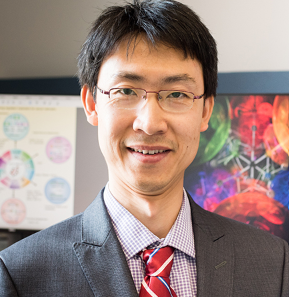 Song (Stephen) Yi合作论文数Department of Biomedical Engineering, Cockrell School of Engineering, University of Texas at Austin29
 Yongsheng Li (李永生)合作论文数哈尔滨医科大学生物信息科学与技术学院22
 Hui Dai合作论文数Univ Texas MD Anderson Canc Ctr, Dept Syst Biol, Houston, TX 77030 USA21
 Renata Ferrarotto合作论文数18
 Kathleen M. McAndrews合作论文数Georgia Institute of Technology, Georgia Institute of Technology15
 John V. Heymach合作论文数Department of Thoracic-Head & Neck Med Onc, Division of Cancer Medicine, The University of Texas MD Anderson Cancer Center;Graduate School of Biomedical Sciences, The University of Texas MD Anderson Cancer Center15
 Chantale Bernatchez合作论文数Cell Therapy Manufacturing Center14
 Cara Haymaker合作论文数Translational Molecular Pathology, University of Texas MD Anderson Cancer Center, Houston, Texas, USA13
 Ignacio I. Wistuba合作论文数Department of Translational Molecular Pathology, The University of Texas MD Anderson Cancer Center;Department of Pathology, The University of Texas MD Anderson Cancer Center13
 Gordon Mills合作论文数School of Medicine, Oregon Health Sciences University13Ming Sun (孙明)合作论文数12
 Boris Sepesi合作论文数Thoracic and Cardiovascular Surgery, University of Texas MD Anderson Cancer Center, Houston, Texas, USA12Reuben Alexandre合作论文数1 Department of Surgery, Massachusetts General Hospital;2 Harvard Medical School;5 Department of Surgical Oncology, University of Texas M.D. Anderson Cancer Center;Harvard Medical School, University of Texas M.D. Anderson Cancer Center12
 Patrick G. Pilié合作论文数Department of Genitourinary Medical Oncology, Division of Cancer Medicine, The University of Texas MD Anderson Cancer Center12
 Jeffrey N. Myers合作论文数Department of Head and Neck Surgery, Division of Surgery, The University of Texas MD Anderson Cancer Center;Department of Cancer Biology, The University of Texas MD Anderson Cancer Center12Yoshitsugu Mitani合作论文数Department of Pathology, The University of Texas MD Anderson Cancer Center12Kaiyi Li合作论文数12Negrao Marcelo V合作论文数Heart Institute (InCor),, University of São Paulo Medical School11Jonasch Eric合作论文数11
 Ara A Vaporciyan合作论文数11
 Michelle R. Dawson (Michelle Dawson)合作论文数Center for Biomedical Engineering, Department of Molecular Pharmacology, Physiology, and Biotechnology, Brown University11
 Erxi Wu合作论文数Texas A&M Irma Lerma Rangel College of Pharmacy11Brandon Burgman合作论文数10S. Gail Eckhardt合作论文数10
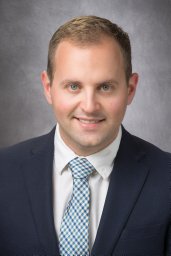 Mario L Marques-Piubelli合作论文数Department of Translational Molecular Pathology, The University of Texas MD Anderson Cancer Center, Houston, TX, USA.10Lorenzo Federico合作论文数Univ Texas MD Anderson Canc Ctr, Dept Melanoma Med Oncol, Houston, TX 77030 USA10Jared K. Burks合作论文数10Dan Qi (齐丹)合作论文数10
 Gleber-Netto Frederico Omar合作论文数School of Dentistry, Federal University of Minas Gerais10
 Natalie Silver合作论文数10
 Adel K. El-Naggar合作论文数Department of Pathology, Division of Pathology, MD Anderson Cancer Center, The University of Texas10
 Don L. Gibbons合作论文数Department of Thoracic-Head & Neck Med Onc, Division of Cancer Medicine, The University of Texas MD Anderson Cancer Center10
 Sharad Awasthi合作论文数Department of Biotechnology, Pondicherry University9
 Sachet Shukla合作论文数Department of Hematopoietic Biology Malignancy, Graduate School of Biomedical Sciences, The University of Texas MD Anderson Cancer Center;Broad Institute9
 Catherine J. Wu合作论文数Department of Medical Oncology, Dana-Farber Cancer Institute;Division of Stem Cell Transplantation and Cellular Therapies, Dana-Farber Cancer Institute;Harvard Medical School9Tina Cascone合作论文数Dipartimento Medico-Chirurgico di Internistica Clinica e Sperimentale “F. Magrassi e A. Lanzara, Seconda Università degli Studi di Napoli9
 Shlomo Koyfman合作论文数Department of Radiation Oncology, Cleveland Clinic;Department of Medicine, School of Medicine, Case Western Reserve University;Case Comprehensive Cancer Center, Case Western Reserve University9Mason D. Bartels合作论文数8Mitchell J Frederick合作论文数8Lin Tang合作论文数8
 Lindemann, A.合作论文数Dept. of Otorhinolaryngology, Univ. Hosp. of Schleswig-Holstein;c;Dept. of Otorhinolaryngology, Univ. Hosp. of Schleswig-Holstein8Patel Ameeta A合作论文数8
 Abdullah A. Osman合作论文数Department of Head and Neck Surgery, Division of Surgery, The University of Texas MD Anderson Cancer Center8
 Michelle R Dawson合作论文数Department of Molecular Pharmacology, Physiology, and Biotechnology, Brown University8
 Jianjun Zhang合作论文数Department of Thoracic Head and Neck Medical Oncology, The University of Texas MD Anderson8
 Diana M. Bell合作论文数Division of Anatomic Pathology, Department of Pathology, School of Medicine, University of Pittsburgh8Luana G Sousa合作论文数7




