Purpose Hot flashes are a common side effect reported by men receiving androgen-deprivation therapy (ADT) for the treatment of prostate cancer. We sought to determine whether oxybutynin could improve hot flash symptoms in men with prostate cancer. Patients and Methods Patients with prostate cancer receiving a stable regimen of ADT with at least 28 hot flashes per week were randomly assigned to receive either oxybutynin 2.5 mg twice daily, oxybutynin 5 mg twice daily, or matching placebo for 6 weeks. The primary end point was the change in patient-reported hot flash scores since baseline at 6 weeks. Additional outcomes included incidence of adverse events (AEs), changes since baseline in Hot Flash-Related Daily Interference Scale (HFRDIS) scores, and patient-reported symptoms. Results Eighty-eight patients were enrolled, with the 81 participants eligible for final analysis reporting an average of 10.1 (standard deviation [SD], 5.55) hot flashes per day and an average daily hot flash score of 18.2 (SD, 13.5) included in final analysis. On average, patients on the placebo arm, 2.5 mg oxybutynin arm, and 5 mg oxybutynin arm had reductions in hot flashes/day of 2.15, 4.77 (P = .02), and 6.89 (P < .001), respectively. Daily hot flash scores for placebo, 2.5 mg oxybutynin, and 5 mg oxybutynin reduced by an average of 4.85, 9.94 (P = .07), and 13.95 (P = .002) points, respectively. No treatment-related grade 3+ AEs occurred. HFRDIS total scores improved by 14.2 and 20.7 points in the 2.5 mg (P = .042) and 5 mg (P < .01) oxybutynin arms, respectively, compared with a 3.1-point improvement with placebo. Conclusion Oxybutynin is superior to a placebo for the management of ADT-associated hot flashes in men with prostate cancer.
Chemotherapy-induced neuropathy (CIN) is a persistent condition that impairs function and quality of life. Auricular point acupressure (APA) has shown short-term benefit for CIN, but the durability of these effects after treatment completion is unknown. This study evaluated the sustainability of symptom improvements for 3 months following a 4-week APA intervention. This prespecified secondary analysis of a randomized wait-list controlled trial compared mobile-supported APA (mAPA) and virtual APA (vAPA) in adults with moderate or greater CIN who received APA during the initial treatment phase (mAPA, n = 80; vAPA, n = 75). Outcomes at 1, 2, and 3 months post-intervention were analyzed using generalized estimating equations with multiple imputation. The primary outcome was CIN severity, measured with an individualized composite outcome (ICO); the secondary outcome was CIN interference. Reductions in CIN severity and interference were maintained throughout follow-up in both groups (all p < .001). ICO scores decreased by 3.10, 3.36, and 3.61 points in mAPA and by 2.88, 2.90, and 3.21 points in vAPA at 1, 2, and 3 months, respectively. Benefits were maintained post-treatment, with higher retention in the mAPA group. Improvements in CIN severity and interference after APA were sustained for up to 3 months post-treatment, suggesting a durable benefit as a self-management strategy. Larger studies with longer follow-up and untreated comparison groups are needed. APA may offer survivors a durable, self-administered, nonpharmacologic option for managing CIN well beyond active treatment, without requiring ongoing clinical visits. ClinicalTrials.gov, ID NCT04920097 registered on 3 June 2021.
Background Up to 60% of patients will experience CIPN: pain (P), numbness (N), and tingling (T). Scrambler therapy (ST) uses EKG electrodes on the affected dermatomes to capture the pain c-fiber receptors and generate an action potential of “non-pain” information to replace the pain information and reset central sensitization.(1) Methods We reviewed all available studies. Results: Smith (2010, VCU) noted a 59% P reduction in 16 subjects, and 4 had 0 pain. Pachman (2015, Mayo) showed reductions of 53% P; 44% T; 37% N, lasting 10 weeks. In a randomized trial of 50 patients using ST versus TENS Loprinzi (2), showed more than twice as many ST patients reported a 50% improvement (36-56%) vs. TENS (16-28%), still present at 8 weeks. In a subsequent crossover trial (Childs 2021, Mayo) 6 of 12 ST patients reduced by 50% P and T. Smith (2021, Hopkins) did a randomized sham-controlled trial with 35 patients with minimal effect but electrode placement was incorrect. Abdi (3) did a Phase 1/2 pilot trial of ST in 10 patients and found symptoms of N, T, trouble walking, disturbed sleep, pain med use and P improvements at 6 months. Wang Z (2025, Hopkins, unpublished) showed a 60% reduction in pain in twelve subjects. Strouse (2025, UCLA) will soon report similar results in over 60 patients. All studies show a 60% long lasting reduction in pain, and some relief of N and T. Spinal cord stimulation produces similar results. Wang (4) reviewed 1152 ST patients and found just 3 minor adverse events. Conclusions Scrambler Therapy is a safe and effective treatment for CIPN P, N, and T with rare side effects. It is hindered by reimbursement ($32/30 minutes, the same as TENS even though the technology is completely different). Scrambler Therapy should become more available in the future.
PURPOSE:To update the ASCO guideline on use of hematopoietic colony-stimulating factors (CSFs) in patients with cancer. METHODS:A systematic review identified randomized controlled trials (RCTs), meta-analyses, and systematic reviews that addressed use of CSFs for the prevention or treatment of neutropenic events, or for mobilization of stem cells, in adults with cancer. PubMed and the Cochrane Library were searched for articles published from September 1, 2014, to August 22, 2025. ASCO convened an Expert Panel to review the evidence and formulate recommendations. RESULTS:The updated systematic review included 33 RCTs and 16 systematic reviews. Additions to the body of evidence include approval of new CSFs and additional biosimilars, and approval of an additional CXCR4 inhibitor that may be used with CSFs for the mobilization of hematopoietic stem cells. RECOMMENDATIONS:Prophylactic use of CSFs to reduce the risk of febrile neutropenia is warranted when the risk of febrile neutropenia from chemotherapy is approximately 20% or higher and no other equally effective and safe regimen that does not require CSFs is available. For patients receiving chemotherapy with a <20% risk of febrile neutropenia, primary prophylaxis with a CSF may be warranted if patients are at a high risk of febrile neutropenia based on age, medical history, or disease characteristics. For stem-cell mobilization, CSFs may be used either alone, after chemotherapy, or in combination with plerixafor or motixafortide. The guideline also provides information about the dosing and selection of CSFs.Additional information is available at www.asco.org/supportive-care-guidelines.
Symptom management remains a critical priority in oncology, particularly as many survivors continue to experience fatigue, pain, sleep disturbance, neuropathy, and psychological distress despite advances in treatment. Conventional pharmacologic options often provide only partial relief and may be limited by side effects. Acupuncture and acupressure have emerged as promising non-pharmacologic approaches, but the supporting evidence is drawn from a broad and heterogeneous literature. In this opinion paper, we provide a preliminary overview of the current review-level evidence to highlight general trends and evolving areas of promise, while emphasizing the need for further sham-controlled studies to clarify effectiveness and guide integration of acupuncture and acupressure into supportive oncology.
5004 Background: Patients (pts) with metastatic hormone-sensitive prostate cancer (mHSPC) treated continuously with testosterone suppression (TS) plus an androgen receptor pathway inhibitor (ARPI) can experience cumulative toxicity. We conducted this single-arm phase 2 trial (NCT05241860) to test the hypothesis that pts who achieve favorable response to TS + ARPI can have prolonged treatment-free interval with testosterone recovery after treatment interruption (TI). Here we report on the primary endpoint. Methods: Eligible pts had mHSPC by conventional imaging with prostate-specific antigen (PSA) ≥ 5 ng/ml and testosterone ≥ 150 ng/dl prior to starting TS+ARPI, with PSA < 0.2 ng/ml and testosterone < 50 ng/dl at the time of enrollment after having received TS for 540-750 days and ARPI for ≥ 360 days. Prior local therapy, radiation to metastases and docetaxel were permitted. After enrollment, pts discontinued TS and ARPI and were followed with PSA and testosterone levels every 3 months (mo), CT/MRI and bone scan at least every 6 mo, and FACT-P questionnaire for patient-reported outcomes (PROs) every 6 mo. Treatment was resumed for PSA ≥ 5 ng/ml, radiographic change (progressive disease [PD] per RECIST 1.1 on CT/MRI or unconfirmed PD per PCWG3 on bone scan), or prostate cancer-related symptoms. The primary endpoint was proportion of men remaining treatment-free 18 mo after TI with eugonadal testosterone ( > 150 ng/dl). Target enrollment was 75 pts to differentiate 18-mo treatment-free rates of 0.30 (H 0 ) and 0.45 (H a ). Results: Of 79 pts enrolled between 07/2022 and 03/2024, 78 were eligible and underwent TI. Among these 78, median PSA prior to starting TS+ARPI was 19 (range 5-6759), 27 (35%) had high volume disease, 31 (40%) never received local therapy, and 55 (71%) did not receive radiation to metastases. By 18 mo after TI, 67% (52/78) recovered testosterone and 58% (45/78) remained treatment-free; 41% (32/78) remained treatment-free with testosterone recovery (80% CI 33.5-48.9%, one-sided p 0.0249). At median follow-up of 21.2 mo, 35% (27/78) resumed initial TS+ARPI after meeting re-initiation criteria (of whom 1 required treatment switch for PD 9 mo later); 5% (4/78) resumed prior to meeting criteria; 9% (7/78) pursued alternative therapy instead of resuming TS+ARPI per protocol; 5% (4/78) withdrew; 1 died of myocardial infarction prior to resuming treatment. 4 pts died, 1 of prostate cancer. Conclusions: The primary objective was achieved with 41% of favorable responders to TS+ARPI remaining treatment-free with testosterone recovery at 18 mo after TI. Analyses of biomarkers and PROs are in progress, and pts will be followed for long-term outcomes. Support: U10CA180821, U10CA180882, UG1CA189823, https://acknowledgments.alliancefound.org, Veracyte Inc. Clinical trial information: NCT05241860 .
Malignant gastrointestinal obstruction (MGIO), a frequent complication of peritoneal surface malignancies (PSM), often portends a poor prognosis. The lack of high-quality evidence on optimal management strategies necessitated a national consensus to address this clinical problem. A clinical management pathway was designed through a Delphi consensus process with national experts in peritoneal disease. Two rounds of voting were conducted to assess agreement levels with pathway blocks. Supporting evidence regarding procedural interventions for MGIO underwent evaluation via a rapid literature review. Of 111 participants responding in the first round, 90 (81
Objectives Patients with cancer frequently experience insomnia that significantly impacts their quality of life, worsens existing symptoms, and potentially hinders treatment outcomes and recovery. Here, we report on 3 cancer patients whose insomnia was improved with low-dose olanzapine. Methods A retrospective review of medical records was conducted for 3 cancer patients experiencing insomnia treated with olanzapine at Johns Hopkins Hospital. The data collection included the type of cancer diagnosis, the level of insomnia severity experienced by individuals, and treatment results and outcome. Results Olanzapine improved sleep in all 3 patients and decreased nausea/vomiting and anxiety in patients 2 and 3. Significance of results A low dose of olanzapine has potential to treat insomnia in cancer patients. The ideal dosing regimens and potential risks are unclear, especially for long-term use. More research and clinical trials are needed to evaluate off-label use of olanzapine for insomnia, including its efficacy and risks, and to optimize the dosage to reduce its side effects in cancer patients. Oncology providers should consider olanzapine as a potential treatment for insomnia, especially given its off-label uses and potential benefits.
BACKGROUND:Chronic pain is a common and distressing symptom associated with atypical parkinsonian disorders (APD); however, current pain treatment methods are often unsatisfactory. Scrambler therapy (ST), a noninvasive method of cutaneous electroanalgesia, can be an effective modality in treating chronic neuropathic pain in APD. CASE REPORT:We reviewed 7 consecutive patients with APD (2 with multiple system atrophy, 5 with corticobasal syndrome) who received ST to treat severe, refractory neuropathic pain. After ST treatment, reported pain scores were significantly reduced in all 7 patients, often to 0/10. Pain relief was immediate and lasted from weeks to months, and in 2 cases, up to 2 years. No adverse effects related to ST were reported. CONCLUSIONS:ST appears to be highly effective in providing immediate and sustained pain relief and thus may represent a novel, noninvasive pain treatment modality in APD. Future prospective studies are warranted to further assess its efficacy.
@ramsedhom and colleagues highlight the opportunity of palliative care to bend the cost (and value) curve in cancer. Enhanced, early, and expanded access to PC offers benefits to inpatients with cancer and cost savings to health systems and payors.
BACKGROUND:The experience of living with cancer is marked by suffering and loss, which creates a need for healing. Understanding what healing means to patients and how clinicians can play a role in the healing process is essential to holistic cancer care.OBJECTIVE:The aim of this study was to explore the perspectives of cancer patients on the meaning and experiences of healing and the qualities of a clinician and the clinician-patient relationship that are healing.METHODS:A qualitative study was conducted using semi-structured interviews with 14 cancer patients. Participants were asked about their illness experience, definition of healing, qualities of a healer, and relationships with clinicians that were healing. Interview transcripts were coded, and qualitative analysis was conducted to identify major themes.RESULTS:Participants defined the nature of healing as comprising aspects of physical, mental, emotional, and spiritual well-being. Participants described healing as alleviating pain and symptoms; promoting mental strength, emotional comfort, and spiritual connection; restoring and adapting to losses; and improving quality of life. The qualities of a clinician that contributed to a healing relationship included listening, empathy and compassion, understanding patients' values and goals, and caring for the patient as a whole person.CONCLUSION:Participants viewed healing as physical, psychosocial, and spiritual in nature and an important part of their cancer experience with an emphasis on quality of life. Clinicians played an important role beyond treating the cancer by helping in the healing process through their humanistic qualities and holistic approach to patient care.
Palliative medicine is an emerging field of specialized care for patients with serious illness which focuses on the physical, emotional, and spiritual domains of life-altering and/or life-limiting illnesses. Palliative medicine focuses on improving the quality of life for patients at all stages of serious illness through an interdisciplinary approach to pain and symptom management and goals of care exploration. Gastrointestinal oncology patients are at risk for high symptom burden and decreased quality of life due to the nature of their disease and palliative medicine consultation is recommended at all stages of disease. This section explores issues commonly encountered by palliative medicine specialists in the management of patients with gastrointestinal malignancies.
Journal Article Accepted manuscript Fellows Research Article: Use of Scrambler Therapy to Treat Small Fiber Neuropathy Get access Katherine Tovar Sanchez, MBBS, Katherine Tovar Sanchez, MBBS Fellow, Division of General Internal Medicine, Section of Palliative Medicine, Department of Medicine, Johns Hopkins Medicine Search for other works by this author on: Oxford Academic PubMed Google Scholar Thomas J Smith, MD, FACP FASCO FAAHPM Thomas J Smith, MD, FACP FASCO FAAHPM Fellow, Division of General Internal Medicine, Section of Palliative Medicine, Department of Medicine, Johns Hopkins MedicineProfessor, Sidney Kimmel Comprehensive Cancer Center, and Johns Hopkins Medicine Division of General Internal Medicine, Baltimore, Maryland, United States Corresponding author: Thomas J. Smith MD, tsmit136@jhmi.edu https://orcid.org/0000-0003-3040-6434 Search for other works by this author on: Oxford Academic PubMed Google Scholar Pain Medicine, pnad137, https://doi.org/10.1093/pm/pnad137 Published: 05 October 2023 Article history Received: 26 June 2023 Revision received: 01 September 2023 Accepted: 28 September 2023 Published: 05 October 2023
TPS5118 Background: Novel androgen receptor pathway inhibitors (ARPIs) improve overall survival (OS) in patients (pts) with metastatic hormone-sensitive prostate cancer (mHSPC) in conjunction with testosterone suppression (TS) relative to TS alone. However, the duration of treatment required to derive clinical benefit is unclear, as is whether continuous treatment is requisite for optimal cancer outcomes. Favorable PSA declines have been associated with prolonged OS in clinical trials testing TS + ARPIs. We thus designed this single-arm Phase 2 trial to test the hypothesis that pts who achieve exceptional response to upfront TS + ARPI can suspend treatment, allowing for T recovery and improvement in quality of life while maintaining favorable clinical outcomes. Methods: Eligible pts had mHSPC by conventional imaging with PSA ≥ 5 ng/ml and T ≥ 150 ng/dl (or not known to have been hypogonadal) prior to starting treatment, have been receiving TS for 540-750 days and ARPI for ≥ 360 days, and have achieved PSA < 0.2 ng/ml (stable or falling for 3 consecutive measurements) with castrate T <50 ng/dl at the time of enrollment. Intermittent ADT for biochemical recurrence prior to mHSPC diagnosis, prior local therapy, prior radiation to metastatic sites, and up to 6 cycles of docetaxel in mHSPC are permitted. Pts who underwent surgical castration, received ARPI prior to mHSPC diagnosis, or are receiving experimental treatment for mHSPC or participating in a clinical trial that does not allow for TS or ARPI interruption are excluded. After enrollment, pts discontinue both TS and ARPI and are followed with PSA and T levels every 3 months, conventional CT/MRI and bone scan at least every 6 months, and FACT-P questionnaire for patient-reported outcomes every 6 months. Treatment re-initiation triggers are PSA increase to ≥ 5 ng/ml, radiographic change (progressive disease per modified RECIST 1.1 on CT/MRI or unconfirmed progressive disease per PCWG3 on bone scan), or symptoms attributable to prostate cancer. Subsequent management is per physician discretion. The primary endpoint is remaining treatment-free with eugonadal T (> 150 mg/dl) 18 months after the start of treatment interruption, with 75 pts to be enrolled to differentiate 18-month treatment free rates of 0.30 (null hypothesis) and 0.45 (alternative hypothesis). Secondary endpoints include time to eugonadal T, duration off treatment, and changes in patient-reported outcomes. Exploratory endpoints include radiographic progression-free survival, time to next treatment, OS, and correlation of tissue- and blood-based biomarkers with clinical endpoints. The study was activated in July 2022 and accrual is ongoing throughout the NCTN. Support: U10CA180821, U10CA180882, UG1CA189823, https://acknowledgments.alliancefound.org , Veracyte Inc. Clinical trial information: NCT05241860 .
Abstract Pain at the end of life is influenced by a complex interplay of a person’s physical, cognitive, social, and spiritual experiences throughout their life. End of life is commonly described as the phase of life when a person is living with, and impaired by, an eventually fatal condition. Individuals in need of pain care at the end of life represent a group at increased risk of vulnerability, often with a lower quality of life and inadequate end-of-life pain management. Several factors increase vulnerability at the end of life, including clinical, social, cultural, structural, and economical barriers. Geriatric patients particularly may be among the most vulnerable adults, with factors such as frailty, cognitive impairment, lack of social support, and loss of independence resulting in negative outcomes. End-of-life care is often interdisciplinary and brings a unique and holistic perspective to address the needs of patients and families. As part of the interdisciplinary team, palliative care addresses pain and symptom management to patients at all stages of serious illness through evidence-based practices. Yet, many patients and families continue to experience unmet pain and symptom management. Hence, inclusive and accessible end-of-life pain management can become possible through building on the existing strengths in palliative care and addressing existing barriers to ensure better outcomes. This chapter defines dimensions of pain at the end of life and identifies specific, evidence-based strategies to evaluate and provide end-of-life pain relief. It also reviews the challenges faced during end-of-life pain management and suggests best practices.
LBA12004 Background: Hot flashes are among the most common adverse events impacting quality of life reported by patients receiving androgen deprivation therapy (ADT) for the treatment of prostate cancer. Oxybutynin is an effective therapy for reducing frequency and severity of hot flashes in women. Pilot information supports that this drug may also benefit men with hot flashes related to ADT. Methods: Patients with prostate cancer receiving a stable regimen of ADT with at least 28 hot flashes per week were randomized to receive either oral oxybutynin 2.5 mg twice a day, oxybutynin 5 mg twice a day, or matching placebo doses for 6 weeks. The primary endpoint was the change in patient-reported hot flash scores (determined by multiplying the number of hot flashes by the mean hot flash severity [grade 0: none, 1: mild, 2: moderate, 3: severe, and 4: very severe]) from baseline to 6 weeks, as measured by a daily hot flash diary. A total of 87 patients provided 76% power to reject the null hypothesis of no between-arm mean difference in hot flash score reduction from baseline to 6 weeks, when comparing each oxybutynin arm to the combined placebo arms. This was based on a two-sided contrast estimated from a generalized linear mixed model, α= 0.10, intraclass correlation of 0.50, population standardized mean difference of 0.50, and 10% missing data rate. Results: 88 patients were accrued between 10/28/21 and 12/02/23. Six patients cancelled before starting treatment and one was ineligible, leaving 81 analyzed patients with a median age of 68. Baseline characteristics were balanced between arms with patients reporting an average of 10.15 (SD = 5.55) hot flashes per day and an average daily hot flash score of 18.23 (SD = 13.48) at enrollment. On average, patients on the placebo arm, low dose oxybutynin arm, and high dose oxybutynin arm had reductions of 2.15, 4.77, and 6.89 hot flashes/day, respectively. Compared to placebo arm patients, high dose oxybutynin arm patients had a greater reduction in hot flashes/day (p < 0.001), as did low dose oxybutynin arm patients (p = 0.02). Daily hot flash scores for the same three protocol arms reduced by an average of 4.85, 9.94, and 13.95 points, respectively. Compared to placebo arm patients, high dose oxybutynin arm patients had a greater reduction in daily hot flash scores (p = 0.002), as did low dose oxybutynin arm patients (p = 0.07). No treatment-related grade 3+ adverse events occurred. The most commonly reported oxybutynin-related grade 2 adverse event was dry mouth. Conclusions: Oxybutynin is superior to a placebo for the management of hot flashes in men associated with androgen deprivation therapy and appears to be well tolerated. Support: UG1CA189823; https://acknowledgments.alliancefound.org . Clinical trial information: NCT04600336 .
ObjectiveChemotherapy-induced neuropathy (CIN) significantly impacts cancer patients, leading to functional disability, diminished quality of life, and increased healthcare costs amid the ongoing opioid crisis. Auricular point acupressure (APA), a non-invasive and non-pharmacological alternative, has shown potential for alleviating the pain, numbness, and tingling associated with CIN. This study aims to assess the efficacy of APA for CIN symptoms and physical function and to examine the mechanisms underlying APA’s effects on CIN.MethodsThis is a three-arm randomized controlled clinical trial protocol. Patients aged 18 and older who are experiencing CIN are randomly assigned to one of the three groups: an APA group (in-person APA; mAPA), a sham control group (virtual APA; vAPA), and a wait-list usual care control group (UC). During the four-week program, participants in the mAPA receive an in-person APA treatment and training; the sham control participants (vAPA) receive a self-guided smartphone APA application with APA demonstration videos; and the UC participants will continue with the usual care and be re-randomized into one of the APA groups. The primary outcomes are changes in CIN symptoms and physical function. Secondary outcomes include evaluating pain sensory thresholds, motor and cognitive functioning, inflammatory signaling, brain connectivity, opioid use, and quality of life. The outcomes are measured at baseline, program completion (4 weeks), and at monthly follow-up for 3 months post-intervention.DiscussionThis study will provide evidence supporting the potential viability of APA as an intervention for CIN.Trial registrationClinicalTrials.gov, IDNCT04920097registered on 3 June 2021.
 Patrick J Coyne合作论文数28
 Betty Ferrell合作论文数Division of Nursing Research and Education, Department of Population Sciences, City of Hope26
 Charles L. Loprinzi合作论文数Mayo Clinic Comprehensive Cancer Center24
 Bruce E. Hillner合作论文数23Somerfield Mark R合作论文数22
 Lauri Lyckholm合作论文数21
 Rebecca Aslakson合作论文数Medicine Department, Stanford University17
 Sarina R Isenberg合作论文数Bruyere Res Inst16
 Joann Bodurtha合作论文数16
 Rab Razzak合作论文数15CE DESCH合作论文数14
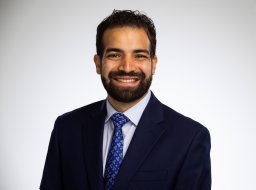 Ramy Sedhom合作论文数Division of Hematology and Oncology, University of Pennsylvania;Penn Center for Cancer Care Innovation, University of Pennsylvania;University of Pennsylvania, University of Pennsylvania14
 Sara R. Alcorn合作论文数Department of Radiation Oncology, Johns Hopkins School of Medicine14
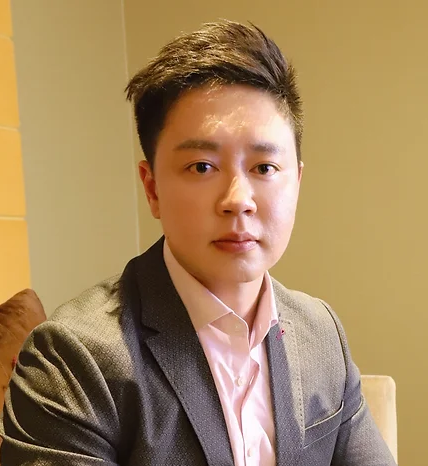 Vincent Chi-Ho Chung (鍾志豪)合作论文数Government of the Hong Kong Special Administrative Region14Theodore L. Deweese合作论文数Department of Urology, The Johns Hopkins University School of Medicine14
 J. Brian Cassel合作论文数Massey Cancer Center, Virginia Commonwealth University14Arjun Gupta合作论文数13
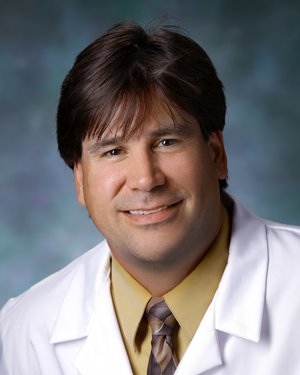 Todd R. McNutt合作论文数Radiation Oncology and Molecular Radiation Sciences, School of Medicine, Johns Hopkins University13James Khatcheressian合作论文数13
 Jennifer Temel合作论文数Massachusetts General Hospital Cancer Center;Harvard Medical School;National Cancer Institute, National Institutes of Health12Louise Knight合作论文数11
 Yael Schenker合作论文数11
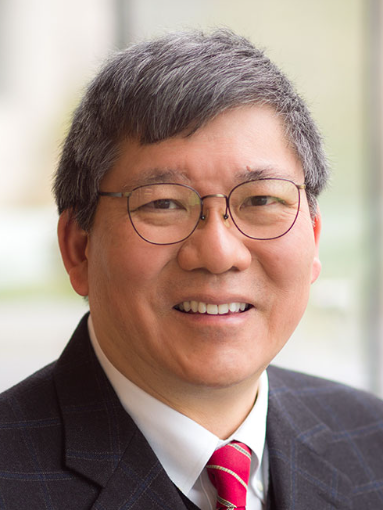 Edward Chu合作论文数Department of Oncology, Albert Einstein College of Medicine, Montefiore Einstein;Department of Medicine, Albert Einstein College of Medicine, Montefiore Einstein;Department of Molecular Pharmacology, Albert Einstein College of Medicine, Montefiore Einstein11
 Judith A Paice合作论文数Hematology and Oncologys, Department of Medicine, Feinberg School of Medicine, Northwestern University10
 Marianna Koczywas合作论文数10
 Robert M. Arnold合作论文数Division of General Internal Medicine, Department of Medicine, University of Pittsburgh School of Medicine;Center for Research on Health Care, Department of Medicine, University of Pittsburgh10
 Ronan J Kelly合作论文数Baylor University Medical Center, Baylor Scott & White Health;The Johns Hopkins University;College of Medicine, Texas A&M University10Alison Conca-Cheng合作论文数9
 Nada Lukkahatai合作论文数National Institutes of Health, National Institute of Nursing Research9
 Nancy E. Davidson合作论文数Fred Hutchinson Cancer Research Center/University of Washington9
 Fabian Johnston合作论文数Johns Hopkins University9John M. Quillin合作论文数Department of Human and Molecular Genetics, Virginia Commonwealth University9Robin K. Matsuyama合作论文数9M Jennifer Cheng合作论文数8
 Elizabeth Dzeng合作论文数Cicely Saunders Institute of Palliative Care, Policy & Rehabilitation, Florence Nightingale Faculty of Nursing, Midwifery & Palliative Care, King’s College London8Russell K. Hales合作论文数8
 Maureen Mealy合作论文数Viela Bio;Horizon;Amgen8
 Andrew D Althouse合作论文数8
 Susannah Ellsworth合作论文数Department of Radiation Oncology &Johns Hopkins Hospital, Johns Hopkins University School of Medicine;Johns Hopkins Hospital, Johns Hopkins University School of Medicine8
 Margaret Rosenzweig合作论文数School of Nursing, University of Pittsburgh8
 Douglas B. White合作论文数Department of Critical Care Medicine, School of Medicine, University of Pittsburgh;Center for Bioethics Health Law, University of Pittsburgh8
 Laurel Lyckholm合作论文数7
 Rhonda S Cooper合作论文数7
 Vered Stearns合作论文数Breast Center, Weill Cornell Medicine;Johns Hopkins School of Medicine7Sharon Kozachik合作论文数Walther Cancer Institute, Michigan State University7Jean L. Wright合作论文数University of Miami7christopher e desch合作论文数6Barton Bobb合作论文数6




