Abstract Marine microbes metabolize a wide range of carbon and nitrogen sources, shaping global biogeochemical cycles. Despite being crucial at the global scale, the coupling between carbon and nitrogen remains poorly understood at the level of individual metabolites and bacteria. By phenotyping a library of marine heterotrophic bacteria across increasingly complex carbon and nitrogen sources, we generated a snapshot of this coupling. Growth phenotypes were weakly explained by phylogeny, but could be organized around substrate properties, including C:N stoichiometry and degree of reduction. Beyond explainable average trends along these axes, different strains displayed significant variability. For some bacteria, nitrogen use efficiency was associated with ammonium secretion, consistent with their role in ecological interactions. Furthermore, nonlinearities emerged in how yields depend on combinations of resources, such as mixtures of amino acids and dipeptides. These organizing principles may help understand the ecological role of marine heterotrophic bacteria and parametrize models of biogeochemical cycles.
Jellyfish blooms have significant ecological and economic impacts, yet the microbial communities associated with these blooms remain poorly understood, despite their potential influence on host fitness and microbial communities in the surrounding water. In this study, we explored temporal and tissue-specific variations in the microbiota of Rhopilema nomadica, the dominant jellyfish species in the Eastern Mediterranean Sea, across winter and summer blooms. During late summer blooms, microbial richness declined, coinciding with an increase in Endozoicomonas and unclassified Rickettsiales, while Tenacibaculum predominantly characterized winter blooms. Tissue-specific analyses revealed bacterial groups that were more consistently associated with different jellyfish tissues (e.g., Bacteroides in the bell and Simkaniaceae in the gonads), suggesting different microbial niches within the host. Furthermore, some key bacteria associated with R. nomadica, including Endozoicomonas, unclassified Rickettsiales, and Bacteroides were detected in the surrounding bloom water but absent from remote seawater, suggesting potential localized transmission dynamics between jellyfish and their immediate marine environment. Finally, a comparative analysis with nine additional jellyfish species identified recurring microbial taxa, including Endozoicomonas, Mycoplasma, and Spiroplasma, though no universal core microbiota was observed. This study represents the first exploration of microbial dynamics within R. nomadica blooms and the most comprehensive analysis of jellyfish-associated microbiomes across bloom stages and tissues to date. Our findings reveal complex relationships between jellyfish species, bloom progression, their microbial communities, and the surrounding seawater.
Inferring the metabolic capabilities of an organism from its genome is a challenging process, relying on computationally-derived or manually curated metabolic networks. Manual curation can correct mistakes in the draft network and add missing reactions based on the literature, but requires significant expertise and is often the bottleneck for high-quality metabolic reconstructions. Here, we present a synopsis of a community curation workshop for the model marine bacterium Alteromonas macleodii ATCC 27126 and its genome database in BioCyc, focusing on pathways for utilizing organic carbon and nitrogen sources. Due to the scarcity of biochemical information or gene knock-outs, the curation process relied primarily on published growth phenotypes and bioinformatic analyses, including comparisons with related Alteromonas strains. We report full pathways for the utilization of the algal polysaccharides alginate and pectin in contrast to inconclusive evidence for one-carbon metabolism and mixed acid fermentation, in accordance with the lack of growth on methanol and formate. Pathways for amino acid degradation are ubiquitous across Alteromonas macleodii strains, yet enzymes in the pathways for the degradation of threonine, tryptophan and tyrosine were not identified. Nucleotide degradation pathways are also partial in ATCC 27126. We postulate that demonstrated growth on nitrate as sole nitrogen source proceeds via a nitrate reductase pathway that is a hybrid of known pathways. Our evidence highlights the value of joint and interactive curation efforts, but also shows major knowledge gaps regarding Alteromonas metabolism. The manually-curated metabolic reconstruction is available as a "Tier-2" database on BioCyc.
When phytoplankton die they release dissolved organic matter (DOM) that feeds co-occurring heterotrophic bacteria. We show that death due to phage infection and nitrogen starvation result in different changes to the macromolecular structure of Prochlorococcus , a globally abundant cyanobacterium, and that the resulting DOM elicits different microbial responses. Viral infection led to increased RNA and DNA content in Prochlorococcus whereas nitrogen starvation led to a lower protein content. DOM released from phage-infected cells induced high secondary (bacterial) production, while DOM from starved cells increased dark (heterotrophic) primary production in natural microbial communities from the oligotrophic Eastern Mediterranean Sea. Through 16S and 18S amplicon sequencing, metagenomics, and laboratory experiments we identify Alteromonadaceae and Rhodobacteraceae as heterotrophic taxa responding differently to the two DOM sources. We propose that distinct forms of phytoplankton mortality drive shifts in microbial community metabolism, including differential activity of pathways for heterotrophic carbon fixation, likely through anaplerotic reactions. ### Competing Interest Statement The authors have declared no competing interest. Israel Science Foundation, 1786/20 National Science Foundation - United States-Israel Binational Science Foundation, NSFOCE-BSF 1635070, NSF-BSF 2246707
Phytoplankton growth and death depend on interactions with heterotrophic bacteria, yet the underlying mechanisms remain mostly unclear. Here we ask whether mathematical models explicitly representing four putative mechanisms of interaction (overflow metabolism, mixotrophy, exoenzymes and reactive oxygen species detoxification) can recapitulate diverse dynamics observed in laboratory co-cultures between the cyanobacterium Prochlorococcus and eight heterotrophic bacteria. Two distinct modes of interaction emerge from our models: (1) organic carbon and nitrogen recycling through exoenzymes or an overflow metabolism, in which the high biomass of both organisms leads to more productivity and recalcitrant organic matter, and (2) reactive oxygen species detoxification, in which a small number of 'exploited' heterotrophs are sufficient to support Prochlorococcus survival. Recycling is probably the main process in laboratory co-cultures. Models do not reproduce total inhibition of Prochlorococcus, suggesting that additional mechanisms such as allelopathy may be involved. The models highlight cell death and biomass recycling as unconstrained, key processes that could enhance our understanding of how interactions impact ecologically and biogeochemically important processes.
People who live by and off the sea have a collective memory of it and how it has changed over the generations. This memory is a vital part of the connection between them and their environment, and can provide important scientific insights on how the sea has changed over time (e.g. species and habitat abundances, pollution, etc.). It can help guide the community as it searches for ways to responsibly harness the sea while conserving it for future generations. In this project, we explored means of recording the memory of the sea in collaboration with teenagers living near the coast of Israel from the two Arab villages of Jisr-az-Zarqa and Fureidis. The project included several field trips to the coast, each focusing on a different geological and ecological aspect, after which the teenagers interviewed and recorded their elders (parents, grandparents and/or fishermen) describing their memories of the coastal environment. These included songs about the sea, the role of women and their connection to the sea, descriptions of fish and plants, and more. The interviews were accompanied by photographic portraits, and initial scientific measurements were carried out by the students to assess current pollution in a nearby river. More advanced measurements are planned for the near future. A major challenge in the project was overcoming the language barrier and cultural differences between the academic researchers and the teenagers. This was facilitated by having the project led by educators from the villages themselves and/or other Arab communities. Efforts to finalize the interviews and translate the recordings into English and Hebrew are ongoing, and the more advanced scientific data has not yet been collected, with the project running into complications due to the current war between Israel and Gaza. The final aim is to have the project stay in the local communities as a cultural archive by housing the Memory of the Sea at a local museum in Jisr-az-Zarqa and in other venues around Israel.
Nutrient starvation and subsequent mortality are processes that can shape ecosystem dynamics and influence global biogeochemical cycles yet are poorly understood. Here, we examined the dynamics of culture decline in 15 strains of Prochlorococcus , globally abundant marine cyanobacteria, under nitrogen (N) and phosphate (P) starvation. We then ask whether mortality patterns can be related to the evolutionary history of each strain, the geographic location and environmental conditions where it was isolated from, or the copy number of specific acquisition genes. We observed diverse decline patterns across starvation conditions and strains, identifying three differential features: maximum culture fluorescence, the number of fluorescence peaks during the decline stage, and the decline rate. Based on these features, each strain was categorized as being more sensitive to either nitrogen starvation or phosphorus/co-starvation. High light (HL) strains are more sensitive to N starvation, whereas other facets of the strains’ evolutionary or ecological origin were not correlated with mortality features. Surprisingly, the number of genes known to be involved in either N or P acquisition in each genome was not correlated with starvation sensitivity. Rather, genes involved in DNA damage repair were associated with N sensitivity to starvation, especially in HL strains, whereas genes related to protein quality control were more abundant in LL strains and associated with P/co starvation sensitivity. These findings reveal a previously unrecognized diversity in the dynamics of starvation and mortality across closely related Prochlorococcus strains, potentially driven by differences in the responses to DNA and protein damage. ### Competing Interest Statement The authors have declared no competing interest. Israel Science Foundation, 1786/20 National Science Foundation - United States-Israel Binational Science Foundation, 1635070, 2246707
Phytoplankton Chl:C:N:P ratios are important from both an ecological and a biogeochemical perspective. We show that these elemental ratios can be represented by a phytoplankton physiological model of low complexity that includes major cellular macromolecular pools. In particular, our model resolves time-dependent intracellular pools of chlorophyll, proteins, nucleic acids, carbohydrates/lipids, and N and P storage. Batch culture data for two diatom and two prasinophyte species are used to constrain parameters that represent specific allocation traits and strategies. A key novelty is the simultaneous estimation of physiological parameters for two phytoplankton groups of such different sizes. The number of free parameters is reduced by assuming (i) allometric scaling for maximum uptake rates, (ii) shared half-saturation constants for synthesis of functional macromolecules, (iii) shared exudation rates of functional macromolecules across the species. The rationale behind this assumption is that across the different species, the same or similar processes, enzymes, and metabolites play a role in key physiological processes. For the turnover numbers of macromolecular synthesis and storage exudation rates, differences between diatoms and prasinophytes need to be taken into account to obtain a good fit. Our model fits suggest that the parameters related to storage dynamics dominate the differences in the C:N:P ratios between the different phytoplankton groups. Since descriptions of storage dynamics are still incomplete and imprecise, predictions of C:N:P ratios by phytoplankton models likely have a large uncertainty.
Metabolism is the complex network of chemical reactions occurring within every cell and organism, maintaining life, mediating ecosystem processes and affecting Earth's climate. Experiments and models of microbial metabolism often focus on one specific scale, overlooking the connectivity between molecules, cells and ecosystems. Here we highlight quantitative metabolic principles that exhibit commonalities across scales, which we argue could help to achieve an integrated perspective on microbial life. Mass, electron and energy balance provide quantitative constraints on their flow within metabolic networks, organisms and ecosystems, shaping how each responds to its environment. The mechanisms underlying these flows, such as enzyme-substrate interactions, often involve encounter and handling stages that are represented by equations similar to those for cells and resources, or predators and prey. We propose that these formal similarities reflect shared principles and discuss how their investigation through experiments and models may contribute to a common language for studying microbial metabolism across scales.
Heterotrophic marine bacteria utilize and recycle dissolved organic matter (DOM), impacting biogeochemical cycles. It is currently unclear to what extent distinct DOM components can be utilized by different heterotrophic clades. Here, we ask how a natural microbial community from the Eastern Mediterranean Sea responds to different molecular classes of DOM. These molecular classes - peptides, amino acids, amino sugars, disaccharides, monosaccharides and organic acids - together comprise much of the biomass of living organisms, released upon their death as DOM. Bulk bacterial activity increased after 24-hours for all treatments relative to the control, while glucose and ATP uptake decreased or remained unchanged. The relative abundance of several bacterial families, assessed using 16S rRNA amplicon sequencing, increased in some treatments: peptides promoted an increase in Pseudoalteromonadaceae , disaccharides promoted both Pseudoalteromonadaceae and Alteromonadaceae , and most other treatments were dominated by Vibrionaceae . While some results were consistent with recent laboratory-based studies, for example Pseudoalteromonadaceae favoring peptides, other clades behaved differently. Alteromonadaceae , for example, grew well in the lab on many substrates but dominated in seawater samples when disaccharides were added. These results highlight the diversity in DOM utilization among heterotrophic bacteria and complexities in the response of natural communities.Importance The marine DOM pool contains numerous molecular classes, which change depending on the phytoplankton species, environmental conditions and interactions with other microbes, viruses and predators. In turn, the availability of these macromolecular pools affects the composition and function of the whole microbial community. Tracing the path between different carbon sources to specific microbes is another step towards revealing the dynamic interaction between bacteria and the DOM pool. This is especially important in warm and oligotrophic marine systems (e.g., Eastern Mediterranean Sea) where nutrients are scarce and may therefore affect microbial activity and growth.
Having a profound influence on marine and coastal environments worldwide, jellyfish hold significant scientific, economic, and public interest.1,2,3,4,5 The predictability of outbreaks and dispersion of jellyfish is limited by a fundamental gap in our understanding of their movement. Although there is evidence that jellyfish may actively affect their position,6,7,8,9,10 the role of active swimming in controlling jellyfish movement, and the characteristics of jellyfish swimming behavior, are not well understood. Consequently, jellyfish are often regarded as passively drifting or randomly moving organisms, both conceptually2,11 and in process studies.12,13,14 Here we show that the movement of jellyfish is modulated by distinctly directional swimming patterns that are oriented away from the coast and against the direction of surface gravity waves. Taking a Lagrangian viewpoint from drone videos that allows the tracking of multiple adjacent jellyfish, and focusing on the scyphozoan jellyfish Rhopilema nomadica as a model organism, we show that the behavior of individual jellyfish translates into a synchronized directional swimming of the aggregation as a whole. Numerical simulations show that this counter-wave swimming behavior results in biased correlated random-walk movement patterns that reduce the risk of stranding, thus providing jellyfish with an adaptive advantage critical to their survival. Our results emphasize the importance of active swimming in regulating jellyfish movement and open the way for a more accurate representation in model studies, thus improving the predictability of jellyfish outbreaks and their dispersion and contributing to our ability to mitigate their possible impact on coastal infrastructure and populations.
The nutrient dynamics and biogeochemical properties of the Pelagic Eastern Mediterranean (EMS), an inland sea with many of the characteristics of a mid-ocean gyre, has been well studied. By contrast there are few studies designed to understand these processes on the coastal shelves of the EMS. In this study the nutrient dynamics were determined using ultra-sensitive analytical procedures together with Primary Productivity (PP) and Chlorophyll across the Israeli Coastal shelf (ICS). This includes 12 monthly cruises over a seasonal cycle at an outer shelf station and several transects from the coast to 100 m depth. Sample preservation tests were carried out for nutrients at the ultra-low concentrations found on the ICS, which found that filtered fresh samples were optimal while confirming that using unfiltered frozen samples gave results for Dissolved Inorganic Phosphorus (DIP) that were too high and NO3- and NO2- (N&N) were too low. The extra DIP released from frozen unfiltered samples may be due to DIP stored in the periplasm of cyano- and other bacteria (Kamennaya et al., 2020). Nutrient data for the ICS showed moderate concentrations of N&N (similar to 300-500 nM) throughout the water column in winter, which decreased to less than 50 nM in mid-late summer. DIP was depleted (<10 nM) throughout the year. Net PP at the outer shelf station (120 m) was 30 gC m(2) y(-1). The seasonality and concentration of nutrient concentrations and Net PP as well as the observed seasonal signal of Chlorophyll from remote sensing were similar to that found in the pelagic EMS. The ICS is ultra-oligotrophic and is very different from the eutrophied coastal shelves found in many locations globally because of the unusual anti-estuarine circulation.
Phytoplankton-bacterium interactions influence biogeochemical cycles of global importance. Phytoplankton photosynthetically fix carbon dioxide and subsequently release the synthesized compounds as dissolved organic matter (DOMp), which becomes processed and recycled by heterotrophic bacteria.
Amplicon sequencing of the 16S rRNA gene is extensively used to characterize bacterial communities, including those living in association with eukaryotic hosts. Deciding which region of the 16S rRNA gene to analyze and selecting the appropriate PCR primers remains a major decision when initiating any new microbiome study. Based on a detailed literature survey of studies focusing on cnidarian microbiomes, we compared three commonly used primers targeting different hypervariable regions of the 16S rRNA gene, V1V2, V3V4, and V4V5, using the jellyfish Rhopilema nomadica as a model. Although all primers exhibit a similar pattern in bacterial community composition, the performance of the V3V4 primer set was superior to V1V2 and V4V5. The V1V2 primers misclassified bacteria from the Bacilli class and exhibited low classification resolution for Rickettsiales, which represent the second most abundant 16S rRNA gene sequence in all the primers. The V4V5 primer set detected almost the same community composition as the V3V4, but the ability of these primers to also amplify the eukaryotic 18S rRNA gene may hinder bacterial community observations. However, after overcoming the challenges possessed by each one of those primers, we found that all three of them show very similar bacterial community dynamics and compositions. Nevertheless, based on our results, we propose that the V3V4 primer set is potentially the most suitable for studying jellyfish-associated bacterial communities. Our results suggest that, at least for jellyfish samples, it may be feasible to directly compare microbial community estimates from different studies, each using different primers but otherwise similar experimental protocols. More generally, we recommend specifically testing different primers for each new organism or system as a prelude to large-scale 16S rRNA gene amplicon analyses, especially of previously unstudied host-microbe associations.
Supplementary data for "The microbial community spatially varies during a Microcystis bloom event in Lake Kinneret":Table S1 - Samples metadata Table S2 - Taxonomic identification and abundance of Microcystis genotypes Table S3 - PERMANOVA results for the Microcystis population Table S4 - Taxonomic identification and abundance of the bacterial ASVs (16s rRNA gene counts) Table S5 - PERMANOVA results for the non-Microcystis bcaterial populations Table S6 - Alpha diversity indices Table S7 - LEfSe results Tables S8-S9 - Constrained correspondence analysis (CCA) of Particle-associated and Free-livinf bacteria
Two different hypotheses have been raised as to how temperature affects resource allocation in microorganisms. The translation-compensation hypothesis (TCH) predicts that the increase in enzymatic efficiency with temperature results in fewer required ribosomes per cell and lower RNA:protein ratio. In contrast, the growth rate hypothesis (GRH) predicts that increasing the growth rate with temperature requires more ribosomes and hence a higher cellular RNA:protein. We tested these two hypotheses in laboratory cultures of Prochlorococcus and Alteromonas as well as over an annual cycle in the Eastern Mediterranean Sea. The RNA:protein of Alteromonas mostly decreased with temperature in accordance with the TCH, while that of Prochlorococcus increased with temperature, as predicted by the GRH. No support was found for either hypothesis in surface waters from the Eastern Mediterranean, whereas the fraction of phosphorus in RNA was positively correlated with per-cell bacterial production in the deep chlorophyll maximum, supporting the GRH in this niche. A considerable part of the cellular phosphorus was not allocated to RNA, DNA, phospholipids or polyphosphate, raising the question which cellular molecules contain these P reserves. While macromolecular quotas differed significantly between laboratory cultures and field samples, these were connected through a power law, suggesting common rules of resource allocation.
Due to their potential impact on ecosystems and biogeochemistry, microbial interactions, such as those between phytoplankton and bacteria, have been studied intensively using specific model organisms. Yet, to what extent interactions differ between closely related organisms, or how these interactions change over time, or culture conditions, remains unclear. Here, we characterize the interactions between five strains each of two globally abundant marine microorganisms, Prochlorococcus (phototroph) and Alteromonas (heterotroph), from the first encounter between individual strains and over more than a year of repeated cycles of exponential growth and long-term nitrogen starvation. Prochlorococcus-Alteromonas interactions had little effect on traditional growth parameters such as Prochlorococcus growth rate, maximal fluorescence, or lag phase, affecting primarily the dynamics of culture decline, which we interpret as representing cell mortality and lysis. The shape of the Prochlorococcus decline curve and the carrying capacity of the co-cultures were determined by the phototroph and not the heterotroph strains involved. Comparing various mathematical models of culture mortality suggests that Prochlorococcus death rate increases over time in mono-cultures but decreases in co-cultures, with cells potentially becoming more resistant to stress. Our results demonstrate intra-species differences in ecologically relevant co-culture outcomes. These include the recycling efficiency of N and whether the interactions are mutually synergistic or competitive. They also highlight the information-rich growth and death curves as a useful readout of the interaction phenotype.
Bacterial membrane vesicles (MVs) are abundant in the oceans, but their potential functional roles remain unclear. In this study we characterized MV production and protein content of six strains of Alteromonas macleodii, a cosmopolitan marine bacterium. Alteromonas macleodii strains varied in their MV production rates, with some releasing up to 30 MVs per cell per generation. Microscopy imaging revealed heterogenous MV morphologies, including some MVs aggregated within larger membrane structures. Proteomic characterization revealed that A. macleodii MVs are rich in membrane proteins related to iron and phosphate uptake, as well as proteins with potential functions in biofilm formation. Furthermore, MVs harbored ectoenzymes, such as aminopeptidases and alkaline phosphatases, which comprised up to 20% of the total extracellular enzymatic activity. Our results suggest that A. macleodii MVs may support its growth through generation of extracellular ‘hotspots’ that facilitate access to essential substrates. This study provides an important basis to decipher the ecological relevance of MVs in heterotrophic marine bacteria.
AbstractBacterial membrane vesicles (MVs) are likely abundant in the oceans. Based on observations from non-marine bacteria, MVs are involved in a range of physiological processes and play important roles in interactions between microbial cells. In this study we characterized MV production of six different strains ofAlteromonas macleodii, a cosmopolitan marine bacterium.A. macleodiistrains produced MVs at rates of up to 30 MVs cell-1generation-1. The produced MVs had high morphological diversity that could potentially define their functional roles. Proteomic characterization revealed that MVs are rich in membrane proteins related to iron and phosphate uptake, as well as proteins with potential functions in biofilm formation. Furthermore, MVs were harboring hydrolytic enzymes. Taken together, our results suggest that in the largely oligotrophic oceans,A. macleodiiMVs may support its growth through generation of extracellular “hotspots” that facilitate access to essential substrates. This study provides an important basis for further investigation of the ecological relevance of MVs in heterotrophic marine bacteria.
Freshwater bodies are critical components of terrestrial ecosystems. The microbial communities of freshwater ecosystems are intimately linked water quality. These microbes interact with, utilize and recycle inorganic elements and organic matter. Here, we present three metagenomic sequence datasets (total of 182.9 Gbp) from different freshwater environments in Israel. The first dataset is from diverse freshwater bodies intended for different usages - a nature reserve, irrigation and aquaculture facilities, a tertiary wastewater treatment plant and a desert rainfall reservoir. The second represents a two-year time-series, collected during 2013-2014 at roughly monthly intervals, from a water reservoir connected to an aquaculture facility. The third is from several time-points during the winter and spring of 2015 in Lake Kinneret, including a bloom of the cyanobacterium Microcystis sp. These datasets are accompanied by physical, chemical, and biological measurements at each sampling point. We expect that these metagenomes will facilitate a wide range of comparative studies that seek to illuminate new aspects of freshwater microbial ecosystems and inform future water quality management approaches.
 Aharonovich Dikla合作论文数Leon H. Charney School of Marine Sciences, University of Haifa29
 Eliahu Zlotkin合作论文数11Dalit Roth-Rosenberg合作论文数10
 Yoav Lehahn合作论文数Weizmann Institute, Tel Aviv University9
 Mick Follows合作论文数Department of Earth, Atmospheric and Planetary Sciences, Massachusetts Institute of Technology9
 Eyal Rahav合作论文数Faculty of Life Sciences;Bar Ilan University;Faculty of Life Sciences, Bar Ilan University9
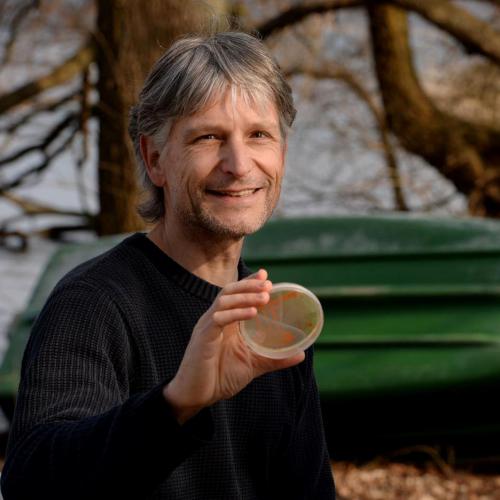 Hans Peter Grossart合作论文数Department of Plankton and Microbial Ecology, Leibniz-Institute of Freshwater Ecology and Inland Fisheries9
 Daniel Segre合作论文数Department of Biology, Boston University;Department of Biomedical Engineering, Boston University;Department of Physics, Boston University8Assaf Sukenik合作论文数Yigal Allon Kinneret Limnological Laboratory, Israel Oceanographic & Limnological Research7Maren Voss合作论文数6Osnat Weissberg合作论文数6
 Sophi Marmen合作论文数6
 Hemant Patil合作论文数Institute of Soil, Water and Environmental Sciences, Volcani Center6Luca Zoccarato合作论文数Leibniz-Institute for Limnology and Inland Fisheries6
 Eigemann Falk合作论文数Leibniz-Institute for Freshwater Ecology and Inland Fisheries6
 Eddie Cytryn合作论文数Faculty of Agricultural, Food and Environmental Quality Sciences, The Hebrew University of Jerusalem6
 Ashraf Al Ashhab合作论文数The Jacob Blaustein Institutes for Desert Research, Ben-Gurion University of the Negev6Noga Barak合作论文数5Tamar Rachamim合作论文数5Tal Ben-Ezra合作论文数5Maya Lalzar合作论文数5
 Eduard Fadeev合作论文数Department of Functional and Evolutionary Ecology, University of Vienna5
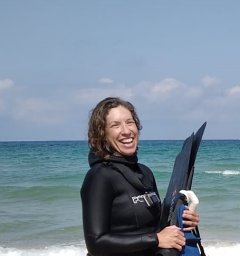 Anat Tsemel合作论文数The Leon Recanati Institute for Maritime Studies, University of Haifa5
 Dror Minz合作论文数The George S. Wise Faculty of Life Sciences, Tel-Aviv University5Shira Givati合作论文数4Tom Reich合作论文数4David Morgenstern合作论文数4Evgeni Bolotin合作论文数Technion Israel Inst Technol, Rappaport Family Inst Res Med Sci4
 Tamar Lotan合作论文数4Vogts Angela合作论文数4
 Haber Markus合作论文数Leon H. Charney School of Marine Sciences, University of Haifa Haifa4
 Matthias Wietz合作论文数4
 Steven Biller合作论文数School of Engineering,MIT4
 Anne Willem Omta合作论文数Earth, Atmospheric and Planetary Sciences, MIT4
 Ilana Berman-Frank合作论文数The Mina and Everard Goodman Faculty of Life Sciences, Bar-Ilan University4
 Shmuel Carmeli合作论文数School of Chemistry, Raymond & Beverly Sackler Faculty of Exact Sciences, Tel Aviv University4Assaf Malik合作论文数4
 Ruth Hershberg合作论文数Department of Molecular Genetics and Biotechnology;Faculty of Medicine;Hebrew University;Faculty of Medicine, Hebrew University4
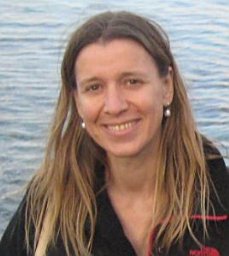 Laura Steindler合作论文数Bacteriology Group, International Centre for Genetic Engineering and Biotechnology4
 Orna Schweitzer-Natan合作论文数3
 Zhen Wu (吴桢)合作论文数College of Environmental Sciences and Engineering, Peking University3
 Miguel Frada合作论文数Institute of Marine and Coastal Sciences, Rutgers University;Plant Sciences Department, The Weizmann Institute of Science;The Weizmann Institute of Science, Rutgers University3Brekhman Vera合作论文数3
 Burgsdorf Ilia合作论文数Leon H. Charney School of Marine Sciences, University of Haifa Haifa3
 Blank Lior合作论文数3
 Kumar Saurav合作论文数Chinese Academy of Sciences, Chinese Academy of Sciences3
 Yehu Moran合作论文数Department of Plant Sciences;Faculty of Life Sciences;Tel-Aviv University;Faculty of Life Sciences, Tel-Aviv University3Tal Luzzatto合作论文数Laboratory of Natural Compounds for Medicinal Use, Galilee Technological Center3Tzachy Tal合作论文数3




