Rationale & Objective:Metabolic acidosis is a frequent complication after kidney transplantation, commonly treated with sodium bicarbonate. However, concomitant sodium loading raises concerns about potential volume retention. This study aims to assess its impact on clinical and biochemical markers of volume retention, as its effects post-transplant remain insufficiently studied. Study Design:Post-hoc analysis of a randomized, single-blinded, placebo-controlled multicenter trial (Preserve-Transplant Study). Setting & Participants:Total of 240 kidney transplant recipients with metabolic acidosis were randomized 1:1 across 3 University hospitals in Switzerland. Intervention:1.5-4.5 g/day sodium bicarbonate or placebo for 24 months. Outcomes:Primary outcomes included body weight, N-terminal prohormone of brain natriuretic peptide, plasma renin, plasma aldosterone, aldosterone-to-renin ratio (the latter 4 log-transformed), nocturnal systolic blood pressure dipping, and antihypertensive agent use. Secondary outcomes included the occurrence of hypertension, hospitalization due to uncontrolled hypertension or volume overload, and sodium and potassium balance over time. Analytical Approach:Descriptive statistics and mixed-effects regression models. Results:There was weak evidence for treatment effects in the sodium bicarbonate group compared with the placebo group regarding body weight (between-group difference [BGD]: 1.23 kg, 95% CI: -0.18 to 2.63; P = 0.09), no evidence for N-terminal prohormone of brain natriuretic peptide (BGD: -0.03, 95% CI: -0.21 to 0.16; P = 0.78), plasma renin (BGD: -0.12, 95% CI: -0.34 to 0.09; P = 0.26), and aldosterone-to-renin ratio (BGD: -0.05, 95% CI: -0.28 to 0.18; P = 0.69), whereas there was substantial evidence for a treatment effect on plasma aldosterone (BGD: -0.17, 95% CI: -0.3 to -0.05; P = 0.007), the latter 4 log-transformed. There was weak evidence for an increased chance of nocturnal systolic blood pressure dipping (OR: 2.28; 95% CI: 0.88 to 5.87; P = 0.09). The use of antihypertensives and diuretics remained similar in both groups. Weak evidence for higher serum sodium (BGD: 0.51 mEq/L, 95% CI: 0.08 to 0.94; P = 0.02) and strong evidence for higher log-transformed 24 hour-sodium excretion (BGD: 0.16, 95% CI: 0.07 to 0.26; P ≤ 0.001) in the sodium bicarbonate group were identified. There was no or weak evidence for treatment effects on other secondary outcomes. Subgroup analyses showed no major differential effects. Limitations:Post-hoc analysis, mainly Caucasian study population. Conclusions:Our findings did not provide clear evidence for unfavorable effects of sodium bicarbonate on volume retention. Further research is required to clarify risks. Trial Registration:ClinicalTrials.gov (ID: NCT03102996).
Solid organ transplantation is a life-saving treatment for end-stage organ disease, yet current methods to assess graft health rely on invasive biopsies. We applied an integrated targeted deep sequencing assay to simultaneously quantify donor-derived and tissue-of-origin (TOO) cell-free DNA (cfDNA) in plasma from liver and kidney transplant recipients and healthy individuals. The assay sensitively detected cell-type-specific cfDNA and revealed that cfDNA composition differed markedly between stable transplant recipients and healthy individuals. Early after transplantation, dynamic cfDNA changes were observed reflecting tissue-specific injury and recovery processes unique to each organ type. These findings show the potential of combining donor-derived and TOO cfDNA analysis to provide a more comprehensive view of transplant recipient health and possibly improve non-invasive monitoring of both graft-related and systemic complications.
BackgroundDonor-derived cell-free DNA (ddcfDNA) is increasingly being integrated into clinical practice for detecting allograft rejection in solid organ recipients. Natural fluctuations in ddcfDNA or other conditions can affect interpretation. Therefore, we investigated ddcfDNA trends in kidney (KT) and liver (LT) recipients over the first 2 years post-transplantation, assessing intra- and inter-individual variability in absolute and relative quantities. Additionally, we analysed urinary ddcfDNA in KT alongside plasma ddcfDNA and other biomarkers.MethodsBlood and urine from KT and LT were collected longitudinally at regular visits. Mismatched HLA-DRB1 alleles between donor and recipient were used to determine absolute (ddcfDNA_cpml) and relative (ddcfDNA%) quantities of ddcfDNA with droplet digital PCR.ResultsWe found comparable inter- and intra-individual variability in stable KT plasma for both absolute and fractional ddcfDNA. In stable and nonstable LT plasma, intra-individual variability accounted for most of the total variance. Urinary ddcfDNA in KT showed inter-sex variability in fractional quantities.ConclusionsThe large contribution of intra-individual variability suggests including individual ddcfDNA dynamics in addition to fixed cut-offs for the detection of allograft injury. In LT and urinary ddcfDNA in KT, ddcfDNA_cpml should be considered alongside ddcfDNA%, as they seem to directly represent the allograft status.
IntroductionThe Swiss allocation system for kidney transplantation has evolved over time to balance medical urgency, immunological compatibility, and waiting time. Since the introduction of the transplantation law in 2007, which imposed organ allocation on a national level, the algorithm has been optimized. Initially based on waiting time, HLA compatibility, and crossmatch performed by cell complement-dependent cytotoxicity techniques, the system moved in 2012 to a score including HLA compatibility, waiting time, anti-HLA antibodies detected by the Luminex® technology, and a virtual crossmatch. In 2015, the score was optimized to balance the impact of preemptive listing and HLA matching of hyperimmunized recipients.MethodsWe reviewed access to transplants and post-transplant outcomes along those changes, defining three periods (v0: 2007–2012, v1: 2012–2015, v2: 2015–2020).ResultsChanges in the Swiss allocation system improved the fairness of access to transplantation, particularly for hyperimmunized patients. However, the system still fails to grant fair access to some blood groups. Furthermore, our data showed that rule modifications did not impact early post-transplant complications, maintaining similar time to first rejection and 1-year graft survival across subgroups.DiscussionSuch an analysis is useful for validating changes made to the allocation system and identifying aspects that need to be implemented in future revisions.
Introduction:Most of Switzerland's population and employment opportunities are concentrated in urban areas. Although kidney transplantation (KT) is the preferred therapy for eligible candidates, individuals in rural areas face challenges accessing specialized medical services due to longer travel distances. Limited understanding exists regarding patients' perspectives on returning to work after KT and whether this correlates with their urbanization status, potentially influencing outcomes. Methods:Retrospective, nationwide (Swiss Transplant Cohort Study [STCS]) study, from May 2008 to 2020, including 1926 patients aged 18 to 60 years who underwent KT. We investigated the self-reported work reintegration at 1, 3, and 5 years after the KT, the recipient and allograft survival, and the allograft function at 12 months, contingent on urbanization status (urban, suburban, rural). Results:The return rate of sufficiently filled-in questionnaires was 81% (1053 participants). Urban recipients were younger, had longer dialysis time before KT, and had less living donor KT. At baseline, the level of education, as well as the workforce defined as work capacity > 50%, were lower in urban areas (37% urban, 39% suburban, and 47% rural). Regression analysis revealed significantly higher odds ratio for employment 1 year post-KT among patients residing in rural and suburban areas (odds ratio: 1.31 [confidence interval: 1.04-1.65] and 1.52 [confidence interval: 1.16-1.98], respectively) compared to patients from urban regions. Stratified according to urbanization environment, recipient and allograft survival were comparable across groups. Conclusion:Patient and graft outcomes were favorable, with improved work reintegration observed at the 1-year mark post-KT for recipients from rural backgrounds compared to those from suburban and urban areas.
Despite advances in kidney transplant surgery and immunosuppression, lymphoceles remain a frequent complication in the early postoperative period following kidney transplantation, often requiring reintervention. While long-term outcomes such as patient and allograft survival are well studied, the impact of lymphocele formation on mid-term allograft function remains unclear. This multicentric study included 711 recipients of living donor kidney transplants to investigate the impact of lymphocele formation on mid-term graft function. Outcomes assessed included estimated glomerular filtration rate (eGFR) at 12 months, eGFR slope, and both patient and allograft survival. Lymphoceles were detected in 17.4
Kidney transplantation offers life-extending treatment for patients with end-stage renal disease, yet long-term risks of graft loss and death persist. Traditional prediction models using only baseline data often fail to capture patients’ evolving health status post-transplant. In this study, we propose a two-stage machine learning (ML) framework for dynamic, next-year risk prediction of graft loss and death, updated annually with newly available clinical and laboratory data. Using a multi-center cohort from the Swiss Transplant Cohort Study (STCS), we trained and evaluated five ML models across 13 years of follow-up, demonstrating that incorporating longitudinal data significantly improved predictive performance compared to baseline-only models. LightGBM achieved the strongest performance, with AUROC values up to 0.896 for graft loss and 0.797 for death. Our findings suggest that dynamic, interpretable ML models can enhance personalized risk stratification, offering a practical and scalable tool for guiding follow-up strategies and early interventions in kidney transplant recipients.
BackgroundIn kidney transplant (KT) patients, magnesium (Mg2+) deficiency is widespread. It is often encountered early after KT, may persist longer, and is frequently promoted by calcineurin inhibitors (CNIs) and tubular leakage. Studies demonstrated an association between post-KT hypomagnesemia and allograft dysfunction. The concentration of the active form, the ionized Mg2+ (iMg2+), is not measured clinically, and total Mg2+ (tMg2+) and iMg2+ correlations are conflicting. We assess the cross-sectional prevalence of hypomagnesemia in KT patients. The correlation of demographic and anthropometric parameters was also studied.MethodsA prospective, single-center analysis of KT patients was conducted at the University Hospital of Bern, Switzerland (March 2023–August 2023). Blood samples were collected at least twice for the majority of patients. tMg2+ has been quantified from a plasma sample at the Clinical Chemistry Department of the University Hospital of Bern. The PRIME® ES analyzer (Nova Biomedical, USA) provided results for iMg2+. The following co-variables were considered: age, comorbidities, kidney disease, KT history, estimated glomerular filtration rate (eGFR), and treatment (including Mg2+ supplementation and immunosuppression).ResultsA total of 208 measurements in 104 patients were performed [once in 9/104 patients (8.7%), twice in 86/104 (82.7%), and three times in 9/104 (8.7%)]. Compared to that in healthy volunteers (51 measurements in 51 participants), mean iMg2+ was significantly lower in KT patients {KT: 0.46 mmol/L [interquartile range (IQR): 0.40–0.50], volunteers: 0.57 mmol/L (IQR 0.54–0.61), p < 0.01}. Overall, iMg2+ and tMg2+ showed strong category agreement (r2 = 0.93, p < 0.01). In linear regression, low iMg2+ correlated with CNI exposure. For 110/208 measurements (52.9%), a reduced iMg2+ (cutoff: 0.42 mmol/L) was shown. In 58/208 (27.9%), both values were reduced, and 52/208 (25%) had isolated reduced iMg2+. In principal component analysis, patients with isolated low iMg2+ clustered with patients with low iMg2+ and tMg2+.ConclusioniMg2+ and tMg2+ were strongly correlated. A substantial proportion of patients show isolated low iMg2+. Currently, it is unclear if these patients suffer from Mg2+ deficiency.
IntroductionSolid organ transplantation (SOT) is a lifesaving treatment for end-stage organ failure. Although many factors affect the success of organ transplantation, recipient and donor sex are important biological factors influencing transplant outcome. However, the impact of the four possible recipient and donor sex combinations (RDSC) on transplant outcome remains largely unclear.MethodsA scoping review was carried out focusing on studies examining the association between RDSC and outcomes (mortality, graft rejection, and infection) after heart, lung, liver, and kidney transplantation. All studies up to February 2023 were included.ResultsMultiple studies published between 1998 and 2022 show that RDSC is an important factor affecting the outcome after organ transplantation. Male recipients of SOT have a higher risk of mortality and graft failure than female recipients. Differences regarding the causes of death are observed. Female recipients on the other hand are more susceptible to infections after SOT.ConclusionDifferences in underlying illnesses as well as age, immunosuppressive therapy and underlying biological mechanisms among male and female SOT recipients affect the post-transplant outcome. However, the precise mechanisms influencing the interaction between RDSC and post-transplant outcome remain largely unclear. A better understanding of how to identify and modulate these factors may improve outcome, which is particularly important in light of the worldwide organ shortage. An analysis for differences of etiology and causes of graft loss or mortality, respectively, is warranted across the RDSC groups.Practitioner points Recipient and donor sex combinations affect outcome after solid organ transplantation. While female recipients are more susceptible to infections after solid organ transplantation, they have higher overall survival following SOT, with causes of death differing from male recipients. Sex-differences should be taken into account in the post-transplant management.
Deceased-donor kidney allografts are exposed to ischemic injury during ex vivo transport due to the lack of blood oxygen supply. Hypothermic machine perfusion (HMP) effectively reduces the risk of delayed graft function in kidney transplant recipients compared to standard cold storage. However, no free software implementation is available to analyze HMP data for state-of-the-art visualization and quality control. We developed the tool EXAM (ex-vivo allograft monitoring) as an interactive analytics dashboard. We wrote functions in the R programming language to read, process, and analyze HMP data from the LifePort kidney transporter (Organ Recovery Systems, USA). Time series for pressure, flow rate, organ resistance, and temperature are visualized, and relevant statistical indicators have been developed. We explain how data were processed, and indicators were calculated, and we present summary statistics for N = 255 kidney allografts receiving machine perfusion in Switzerland between 2020 and 2023. Median (interdecile range, IDR) of the main indicators were as follows: perfusion duration 5.18 hours (2.29-11.2), flow rate 110 ml/min (52.9-167), ice temperature 1.97°C (1.53-3.07), and perfusate temperature 6.68°C (5.58-8.36). We implemented the dashboard to identify issues, such as atypical perfusion parameters, high ice, or high perfusate temperature to inform transplant centers for quality assurance. In conclusion, EXAM is a free tool that statisticians and data scientists can quickly deploy to enable quality control at transplant organizations that use LifePort kidney transporters. An online viewer is available at https://data.swisstransplant.org/exam/.
ImportanceMedian organ waiting times published by transplant organizations may be biased when not appropriately accounting for censoring, death, and competing events. This can lead to overly optimistic waiting times for all transplant programs and, consequently, may deceive patients on the waiting list, transplant physicians, and health care policymakers.ObjectiveTo apply competing-risk multistate models to calculate probabilities for transplantation and adverse outcomes on the Swiss national transplant waiting list.Design, Setting, and ParticipantsThe WAIT (Waitlist Analysis in Transplantation) study was a retrospective cohort study of all transplant candidates in Switzerland listed from January 1, 2018, or later and observed until December 31, 2023. Transplant candidates were listed in 1 of the 6 transplant centers (Basel, Bern, Geneva, Lausanne, St Gallen, and Zurich) for heart, liver, lungs, kidney, or pancreas and/or islet transplant. A total of 4352 candidates were listed during the study period, of whom 709 (16.3%) were excluded due to living-donor transplant (691 in the kidney program and 18 in the liver program).ExposureWaiting for organ transplant.Main Outcomes and MeasuresTime to transplantation, death, or delisting. Competing-risk multistate models were used to analyze time-to-event data from the national organ waiting list with the Aalen-Johansen estimator to compute probabilities for both transplant and adverse outcomes. Results were compared with the sample median among only those undergoing transplant and the Kaplan-Meier method with censoring of competing events.ResultsData from 3643 transplant candidates (2428 [66.6%] male; median age, 56 [range, 0-79] years) were included in the analysis. The median time to transplantation (MTT) was 0.91 (95% CI, 0.83-1.07) years for heart, 3.10 (95% CI, 2.57-3.77) years for kidney, 1.32 (95% CI, 0.76-1.55) years for liver, 0.80 (95% CI, 0.37-1.12) years for lung, and 1.62 (95% CI, 0.91-2.17) years for pancreas and/or islet programs. Alternative estimation methods introduced bias to varying degrees: the sample median among only persons undergoing transplantation underestimated the waiting time by 38% to 61% and the Kaplan-Meier method by 2% to 12% compared with the MTT.Conclusions and RelevanceIn this cohort study of transplant candidates in Switzerland, the MTT, the duration at which the transplant probability is 0.50, was used as a measure of average waiting time. Suboptimal methods led to biased and overly optimistic waiting time estimations; thus, applying appropriate competing-risk methods to address censoring and competing events is crucial.
Background. Infectious diseases (IDs) are highly relevant after solid organ transplantation in terms of morbidity and mortality, being among the most common causes of death. Patients undergoing kidney retransplantation (re-K-Tx) have been already receiving immunosuppressive therapy over a prolonged period, potentially facilitating subsequent infections. Comparing ID events after re-K-Tx and first kidney transplantation (f-K-Tx) can delineate patterns and risks of ID events associated with prolonged immunosuppression. Methods. We included adult patients with records on f-K-Tx and re-K-Tx in the Swiss Transplant Cohort Study. We analyzed ID events after f-K-Tx and re-K-Tx within the same patients and compared infection rates, causative pathogens, and infection sites. Recurrent time-to-event analyses were performed for comparison of infection rates. Results. A total of 59 patients with a median age of 47 years (range, 18-73) were included. Overall, 312 ID events in 52 patients occurred. In multivariable recurrent event modeling, the rate of ID events was significantly lower after re-K-Tx (hazard ratio, 0.70; P = .02). More bacterial (68.9% vs 60.4%) and fungal (4.0% vs 1.1%) infections were observed after f-K-Tx but fewer viral infections (27.0% vs 38.5%) as compared with re-K-Tx (P = .11). After f-K-Tx, urinary and gastrointestinal tract infections were more frequent; after re-K-Tx, respiratory tract and surgical site infections were more frequent (P < .001). Conclusions. ID events were less frequent after re-K-Tx. Affected sites differed significantly after f-K-Tx vs re-K-Tx. [Graphics]
Surgical site infections (SSIs) are common health care -associated infections. SSIs after kidney transplantation (K -Tx) can endanger patient and allograft survival. Multicenter studies on this early posttransplant complication are scarce. We analyzed consecutive adult K -Tx recipients enrolled in the Swiss Transplant Cohort Study who received a K -Tx be- tween May 2008 and September 2020. All data were prospectively collected with the exception of the categorization of SSI which was performed retrospectively according to the Centers for Disease Control and Prevention criteria. A total of 58 out of 3059 (1.9%) K -Tx recipients were affected by SSIs. Deep incisional (15, 25.9%) and organ/space infections (34, 58.6%) predominated. In the majority of SSIs (52, 89.6%), bacteria were detected, most frequently Escherichia coli (15, 28.9%), Enterococcus spp. (14, 26.9%), and coagulase-negative staphylococci (13, 25.0%). A BMI >25 kg/m(2) (multivariable OR 2.16, 95% CI 1.07-4.34, P = .023) and delayed graft function (multivariable OR 2.88, 95% CI 1.56-5.34, P = .001) were independent risk factors for SSI. In Cox proportional hazard models, SSI was independently associated with graft loss (multivariable HR 3.75, 95% CI 1.35-10.38, P = .011). In conclusion, SSI was a rare complication after K -Tx. BMI >25 kg/ m(2) and delayed graft function were independent risk factors. SSIs were independently associated with graft loss.
Since the implementation of universal antiretroviral therapy, kidney transplantation (K-Tx) has become a valuable option for treatment of end-stage kidney disease for people with HIV (PWH) with similar patient and graft survival as compared to HIV-uninfected patients. Little is known about the hazards and manifestations of infectious disease (ID) events occurring in kidney transplant recipients with HIV. Using linked information collected in the Swiss HIV Cohort Study (SHCS) and the Swiss Transplant Cohort Study (STCS), we described in-depth demographical and clinical characteristics of PWH who received a K-Tx since 2008. Further, we performed recurrent time to event analyses to understand whether HIV was an independent risk factor for ID events. Overall, 24 PWH with 57 ID events were included in this study (100
Valganciclovir (VGC) is administered as prophylaxis to kidney transplant recipients (KTR) CMV donor (D)+/recipient (R)− and CMV R+ after thymoglobulin-induction (R+/TG). Although VGC dose adjustments based on renal function are recommended, there is paucity of real-life data on VGC dosing and associations with clinical outcomes. This is a retrospective Swiss Transplant Cohort Study-embedded observational study, including all adult D+/R− and R+/TG KTR between 2010 and 2020, who received prophylaxis with VGC. The primary objective was to describe the proportion of inappropriately (under- or over-) dosed VGC week-entries. Secondary objectives included breakthrough clinically significant CMV infection (csCMVi) and potential associations between breakthrough-csCMVi and cytopenias with VGC dosing. Among 178 KTR, 131 (73.6%) patients had ≥2 week-entries for the longitudinal data of interest and were included in the outcome analysis, with 1,032 VGC dose week-entries. Overall, 460/1,032 (44.6%) were appropriately dosed, while 234/1,032 (22.7%) and 338/1,032 (32.8%) were under- and over-dosed, respectively. Nineteen (14.5%) patients had a breakthrough-csCMVi, without any associations identified with VCG dosing (p = 0.44). Unlike other cytopenias, a significant association between VGC overdosing and lymphopenia (OR 5.27, 95% CI 1.71–16.22, p = 0.004) was shown. VGC prophylaxis in KTR is frequently inappropriately dosed, albeit without meaningful clinical associations, neither in terms of efficacy nor safety.
BackgroundEnterobacterales are often responsible for urinary tract infection (UTI) in kidney transplant recipients. Among these, Escherichia coli or Klebsiella species producing extended-spectrum beta-lactamase (ESBL) are emerging. However, there are only scarce data on frequency and impact of ESBL-UTI on transplant outcomes.MethodsWe investigated frequency and impact of first-year UTI events with ESBL Escherichia coli and/or Klebsiella species in a prospective multicenter cohort consisting of 1,482 kidney transplants performed between 2012 and 2017, focusing only on 389 kidney transplants having at least one UTI with Escherichia coli and/or Klebsiella species. The cohort had a median follow-up of four years.ResultsIn total, 139/825 (17%) first-year UTI events in 69/389 (18%) transplant recipients were caused by ESBL-producing strains. Both UTI phenotypes and proportion among all UTI events over time were not different compared with UTI caused by non-ESBL-producing strains. However, hospitalizations in UTI with ESBL-producing strains were more often observed (39% versus 26%, p = 0.04). Transplant recipients with first-year UTI events with an ESBL-producing strain had more frequently recurrent UTI (33% versus 18%, p = 0.02) but there was no significant difference in one-year kidney function as well as longer-term graft and patient survival between patients with and without ESBL-UTI.ConclusionFirst-year UTI events with ESBL-producing Escherichia coli and/or Klebsiella species are associated with a higher need for hospitalization but do neither impact allograft function nor allograft and patient survival.
BACKGROUND:The use of assays detecting cytomegalovirus (CMV)-specific T cell-mediated immunity may individualize the duration of antiviral prophylaxis after transplantation.METHODS:In this randomized trial, kidney and liver transplant recipients from 6 centers in Switzerland were enrolled if they were CMV-seronegative with seropositive donors or CMV-seropositive receiving antithymocyte globulins. Patients were randomized to a duration of antiviral prophylaxis based on immune monitoring (intervention) or a fixed duration (control). Patients in the control group were planned to receive 180 days (CMV-seronegative) or 90 days (CMV-seropositive) of valganciclovir. Patients were assessed monthly with a CMV ELISpot assay (T-Track CMV); prophylaxis in the intervention group was stopped if the assay was positive. The co-primary outcomes were the proportion of patients with clinically significant CMV infection and reduction in days of prophylaxis. Between-group differences were adjusted for CMV serostatus.RESULTS:Overall, 193 patients were randomized (92 in the immune-monitoring group and 101 in the control group), of whom 185 had evaluation of the primary outcome (87 and 98 patients). CMV infection occurred in 26 of 87 (adjusted percentage, 30.9%) in the immune-monitoring group and in 32 of 98 (adjusted percentage, 31.1%) in the control group (adjusted risk difference, -0.1; 95% confidence interval [CI], -13.0% to 12.7%; P = .064). The duration of prophylaxis was shorter in the immune-monitoring group (adjusted difference, -26.0 days; 95%, CI, -41.1 to -10.8 days; P < .001).CONCLUSIONS:Immune monitoring resulted in a significant reduction of antiviral prophylaxis, but we were unable to establish noninferiority of this approach on the co-primary outcome of CMV infection.CLINICAL TRIALS REGISTRATION:NCT02538172.
Background Metabolic acidosis is common in kidney transplant recipients and is associated with declining graft function. Sodium bicarbonate treatment effectively corrects metabolic acidosis, but no prospective studies have examined its effect on graft function. Therefore, we aimed to test whether sodium bicarbonate treatment would preserve graft function and slow the progression of estimated glomerular filtration rate (GFR) decline in kidney transplant recipients. Methods The Preserve-Transplant Study was a multicentre, randomised, single-blind, placebo-controlled, phase 3 trial at three University Hospitals in Switzerland (Zurich, Bern, and Geneva), which recruited adult (aged >= 18 years) male and female long-term kidney transplant recipients ifthey had undergone transplantation more than 1 year ago. Key inclusion criteria were an estimated GFR between 15 mL/min per 1middot73 m2 and 89 mL/min per 1middot73 m2, stable allograft function in the last 6 months before study inclusion (<15% change in serum creatinine), and a serum bicarbonate of 22 mmol/L or less. We randomly assigned patients (1:1) to either oral sodium bicarbonate 1middot5-4middot5 g per day or matching placebo using web-based data management software. Randomisation was stratified by study centre and gender using a permuted block design to guarantee balanced allocation. We did multi-block randomisation with variable block sizes of two and four. Treatment duration was 2 years. Acid-resistant soft gelatine capsules of 500 mg sodium bicarbonate or matching 500 mg placebo capsules were given at an initial dose of 500 mg (if bodyweight was <70 kg) or 1000 mg (if bodyweight was >= 70 kg) three times daily. The primary endpoint was the estimated GFR slope over the 24-month treatment phase. The primary efficacy analyses were applied to a modified intention-to-treat population that comprised all randomly assigned participants who had a baseline visit. The safety population comprised all participants who received at least one dose of study drug. The trial is registered with ClinicalTrials.gov, NCT03102996.Findings Between June 12, 2017, and July 10, 2019, 1114 kidney transplant recipients with metabolic acidosis were assessed for trial eligibility. 872 patients were excluded and 242 were randomly assigned to the study groups (122 [50%] to the placebo group and 120 [50%] to the sodium bicarbonate group). After secondary exclusion of two patients, 240 patients were included in the intention-to-treat analysis. The calculated yearly estimated GFR slopes over the 2-year treatment period were a median -0middot722 mL/min per 1middot73 m2 (IQR -4middot081 to 1middot440) and mean -1middot862 mL/min per 1middot73 m2 (SD 6middot344) per year in the placebo group versus median -1middot413 mL/min per 1middot73 m2 (IQR -4middot503 to 1middot139) and mean -1middot830 mL/min per 1middot73 m2 (SD 6middot233) per year in the sodium bicarbonate group (Wilcoxon rank sum test p=0middot51; Welch t-test p=0middot97). The mean difference was 0middot032 mL/min per 1middot73 m2 per year (95% CI -1middot644 to 1middot707). There were no significant differences in estimated GFR slopes in a subgroup analysis and a sensitivity analysis confirmed the primary analysis. Although the estimated GFR slope did not show a significant difference between the treatment groups, treatment with sodium bicarbonate effectively corrected metabolic acidosis by increasing serum bicarbonate from 21middot3 mmol/L (SD 2middot6) to 23middot0 mmol/L (2middot7) and blood pH from 7middot37 (SD 0middot06) to 7middot39 (0middot04) over the 2-year treatment period. Adverse events and serious adverse events were similar in both groups. Three study participants died. In the placebo group, one (1%) patient died from acute respiratory distress syndrome due to SARS-CoV-2 and one (1%) from cardiac arrest after severe dehydration following diarrhoea with hypotension, acute kidney injury, and metabolic acidosis. In the sodium bicarbonate group, one (1%) patient had sudden cardiac death.Interpretation In adult kidney transplant recipients, correction of metabolic acidosis by treatment with sodium bicarbonate over 2 years did not affect the decline in estimated GFR. Thus, treatment with sodium bicarbonate should not be generally recommended to preserve estimated GFR (a surrogate marker for graft function) in kidney transplant recipients with chronic kidney disease who have metabolic acidosis.Funding Swiss National Science Foundation.Copyright (c) 2023 Elsevier Ltd. All rights reserved.
 Huynh-Do Uyen合作论文数17
 Dela Golshayan合作论文数Department of Nephrology, CHUV Lausanne Lausanne16
 Cedric Hirzel合作论文数16Vanessa M. Banz合作论文数13Stefan Schaub合作论文数Klinik für Urologie;Klinik für Nephrologie;Klinik für Urologie, Klinik für Nephrologie13Binet Isabelle合作论文数12Karine Hadaya合作论文数11Christian Kuhn合作论文数11Andrea Karolin合作论文数10
 Daniel Candinas合作论文数10
 Michael Koller合作论文数Zentrum für Klinische Studien, University Hospital Regensburg10Fadi Haidar合作论文数9Aurelia Schnyder合作论文数9Daniel Inderbitzin合作论文数9
 Franz Immer合作论文数Swisstransplant9
 Guido Beldi合作论文数Bern University Hospital, University of Bern9
 Oriol Manuel合作论文数Transplantation Centre, University Hospital9
 Suzan Dahdal合作论文数8
 Katia Boggian合作论文数8Stefan Rudloff合作论文数Univ Hosp Bern, Bern, Switzerland8
 Spyridon Arampatzis合作论文数8
 Franziska Suter-Riniker合作论文数Department Clinical Microbiology, University of Bern;Institute for Infectious Diseases, University of Bern;Multidisciplinary Center for Infectious Diseases, University of Bern8
 Christian Van Delden合作论文数Division of Infectious Diseases, Department of Medicine, University of Geneva8
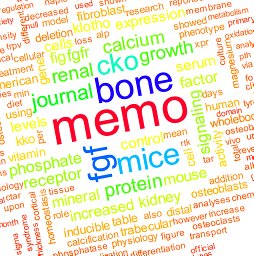 Moor Matthias合作论文数Department of Pharmacology and Toxicology, University of Lausanne;NCCR Kidney.CH, University of Zürich;University of Lausanne, University of Zürich8Neofytos D合作论文数8Bruno Vogt合作论文数8
 Rana Herro合作论文数La Jolla Inst Allergy & Immunol, Div Immune Regulat, La Jolla, CA 92037 USA7Walti Laura N合作论文数7Britta Maurer合作论文数7
 Michael Dickenmann合作论文数Transplant Immunology & Nephrology, University Hospital Basel7Thomas Schachtner合作论文数7Ursula Amstutz合作论文数7Alexander Born合作论文数6
 Michael P Horn合作论文数6
 Alexander Ritter合作论文数6
 Dennis Wolf合作论文数Atherogenesis Research Group, University of Freiburg6Wehmeier Caroline合作论文数6
 Beat Gloor合作论文数6
 Michael Croft合作论文数Division of Immune Regulation, La Jolla Institute for Allergy and Immunology;Department of Medicine, University of California, San Diego6
 Thomas Müller合作论文数Innere Medizin II, Universitätsklinikum Regensburg6
 Carlo R. Largiader合作论文数Zoological Institute;University of Bern;Zoological Institute, University of Bern6
 Nicolas Müller合作论文数Transplantation Center, University Hospital of Zurich;Department of Infectious Diseases and Hospital Epidemiology, University Hospital of Zurich6
 Laila-Yasmin Mani合作论文数5Urs Wirthmueller合作论文数5
 Nilufar Mohebbi合作论文数5Nilsson Jakob合作论文数Department of Molecular Biology, University of Aarhus5
 Thomas Muller合作论文数5
 Konrad Buscher合作论文数5Jean Villard合作论文数5




