Encephalitis is a rare and potentially fatal manifestation of herpes simplex type 1 infection. Following genome-wide genetic analyses, we identified a previously uncharacterized and very rare heterozygous variant in the E3 ubiquitin ligase WWP2, in a 14-month-old girl with herpes simplex encephalitis. The p.R841H variant (NM_007014.4:c.2522G > A) impaired TLR3 mediated signaling in inducible pluripotent stem cells-derived neural precursor cells and neurons; cells bearing this mutation were also more susceptible to HSV-1 infection compared to control cells. The p.R841H variant increased TRIF ubiquitination in vitro. Antiviral immunity was rescued following the correction of p.R841H by CRISPR-Cas9 technology. Moreover, the introduction of p.R841H in wild type cells reduced such immunity, suggesting that this mutation is linked to the observed phenotypes.
Background. Infectious diseases (IDs) are highly relevant after solid organ transplantation in terms of morbidity and mortality, being among the most common causes of death. Patients undergoing kidney retransplantation (re-K-Tx) have been already receiving immunosuppressive therapy over a prolonged period, potentially facilitating subsequent infections. Comparing ID events after re-K-Tx and first kidney transplantation (f-K-Tx) can delineate patterns and risks of ID events associated with prolonged immunosuppression. Methods. We included adult patients with records on f-K-Tx and re-K-Tx in the Swiss Transplant Cohort Study. We analyzed ID events after f-K-Tx and re-K-Tx within the same patients and compared infection rates, causative pathogens, and infection sites. Recurrent time-to-event analyses were performed for comparison of infection rates. Results. A total of 59 patients with a median age of 47 years (range, 18-73) were included. Overall, 312 ID events in 52 patients occurred. In multivariable recurrent event modeling, the rate of ID events was significantly lower after re-K-Tx (hazard ratio, 0.70; P = .02). More bacterial (68.9% vs 60.4%) and fungal (4.0% vs 1.1%) infections were observed after f-K-Tx but fewer viral infections (27.0% vs 38.5%) as compared with re-K-Tx (P = .11). After f-K-Tx, urinary and gastrointestinal tract infections were more frequent; after re-K-Tx, respiratory tract and surgical site infections were more frequent (P < .001). Conclusions. ID events were less frequent after re-K-Tx. Affected sites differed significantly after f-K-Tx vs re-K-Tx. [Graphics]
BACKGROUND:The use of assays detecting cytomegalovirus (CMV)-specific T cell-mediated immunity may individualize the duration of antiviral prophylaxis after transplantation.METHODS:In this randomized trial, kidney and liver transplant recipients from 6 centers in Switzerland were enrolled if they were CMV-seronegative with seropositive donors or CMV-seropositive receiving antithymocyte globulins. Patients were randomized to a duration of antiviral prophylaxis based on immune monitoring (intervention) or a fixed duration (control). Patients in the control group were planned to receive 180 days (CMV-seronegative) or 90 days (CMV-seropositive) of valganciclovir. Patients were assessed monthly with a CMV ELISpot assay (T-Track CMV); prophylaxis in the intervention group was stopped if the assay was positive. The co-primary outcomes were the proportion of patients with clinically significant CMV infection and reduction in days of prophylaxis. Between-group differences were adjusted for CMV serostatus.RESULTS:Overall, 193 patients were randomized (92 in the immune-monitoring group and 101 in the control group), of whom 185 had evaluation of the primary outcome (87 and 98 patients). CMV infection occurred in 26 of 87 (adjusted percentage, 30.9%) in the immune-monitoring group and in 32 of 98 (adjusted percentage, 31.1%) in the control group (adjusted risk difference, -0.1; 95% confidence interval [CI], -13.0% to 12.7%; P = .064). The duration of prophylaxis was shorter in the immune-monitoring group (adjusted difference, -26.0 days; 95%, CI, -41.1 to -10.8 days; P < .001).CONCLUSIONS:Immune monitoring resulted in a significant reduction of antiviral prophylaxis, but we were unable to establish noninferiority of this approach on the co-primary outcome of CMV infection.CLINICAL TRIALS REGISTRATION:NCT02538172.
Retransplantation after graft failure is increasingly performed, and inferior graft survival, patient survival, and quality of life has been reported. The role of infectious disease (ID) events in this less favorable outcome is unknown. We analyzed ID events after first liver transplantation (FLTpx) and retransplantation (reLTpx) in the Swiss Transplant Cohort Study. Clinical factors were compared after FLTpx and reLTpx, and survival analysis was applied to compare the time to ID events after FLTpx and after reLTpx, adjusted for age, sex, Model for End‐Stage Liver Disease score, donor type, liver transplant type (whole versus split liver), and duration of transplant surgery. In total, 60 patients were included (65.0% male, median age of 56 years). Overall, 343 ID events were observed: 204 (59.5%) after the FLTpx and 139 (40.5%) after reLTpx. Bacterial infections were most frequent (193/343, 56.3%), followed by viral (43/343, 12.5%) and fungal (28/343, 8.2%) infections, with less infections by Candida spp. but more by Aspergillus spp. after reLTpx (P = 0.01). The most frequent infection site was bloodstream infection (86, 21.3%), followed by liver and biliary tract (83, 20.5%) and intraabdominal (63, 15.6%) infections. After reLTpx, more respiratory tract and surgical site infections were observed (P < 0.001). The time to first infection was shorter after FLTpx (adjusted hazard ratio [HR], 0.5; 95%‐confidence interval [CI], 0.3‐1.0; P = 0.04). Reduced hazards for ID events after reLTpx were also observed when modelling recurrent events (adjusted HR, 0.5; CI, 0.3‐0.8; P = 0.003). The number of infections was comparable after FLTpx and reLTpx; however, differences regarding infection sites and fungal species were observed. Hazards were reduced for infection after reLTpx.
 Oriol Manuel合作论文数Transplantation Centre, University Hospital77
 Manuel Pascual合作论文数64
 Christian Van Delden合作论文数Division of Infectious Diseases, Department of Medicine, University of Geneva41Christian Garzoni合作论文数Departement of Infectious;Bern University Hospital;University of Bern34
 Nicolas Müller合作论文数Transplantation Center, University Hospital of Zurich;Department of Infectious Diseases and Hospital Epidemiology, University Hospital of Zurich32
 Hans H. Hirsch合作论文数Department of Biomedicine, University of Basel;University Hospital of Basel32
 Katia Boggian合作论文数30
 Christoph Berger合作论文数University Hospital Basel;Department of Biomedicine, University of Basel29
 Maja Weisser合作论文数25
 Pierre-Yves Bochud合作论文数University Hospital, University of Lausanne21
 John-David Aubert合作论文数Centre Hospitalier Universitaire;Université de Lausanne;Centre Hospitalier Universitaire, Université de Lausanne18
 Michel Pierre Glauser (Michel P Glauser)合作论文数Centre Hospitalier Universitaire Vaudois14Jean-Pierre Venetz合作论文数14
 Michael Koller合作论文数Zentrum für Klinische Studien, University Hospital Regensburg14
 Laurent Décosterd合作论文数Département des Laboratoires, Centre Hospitalier Universitaire Vaudois;Faculty of Biology and Medicine, Université de Lausanne13
 Laurent Kaiser合作论文数Division of Infectious Diseases, Department of Internal Medicine Specialties, University of Geneva;Department of Medicine, Faculty of Medicine, University of Geneva;Laboratory of Virology, University Hospitals of Geneva13
 Stephanie Bibert合作论文数Service Des Maladies Infectieuses, Centre Hospitalier Universitaire Vaudois13Cusini Alexia合作论文数12
 Thierry Buclin合作论文数CHUV-UNIL;Université de Lausanne12J P. Venetz合作论文数12
 Frederic Lamoth合作论文数CHUV | Lausanne University Hospital11Roland Sahli合作论文数10Nina Khanna合作论文数Institute for Medical Microbiology, University of Basel10
 David Nadal合作论文数10
 Renaud Du Pasquier合作论文数Centre Hospitalier Universitaire Vaudois9N. J. Mueller合作论文数8
 Amalio Telenti合作论文数Trail Biomed;The Scripps Research Institute;Caris Life Sciences8
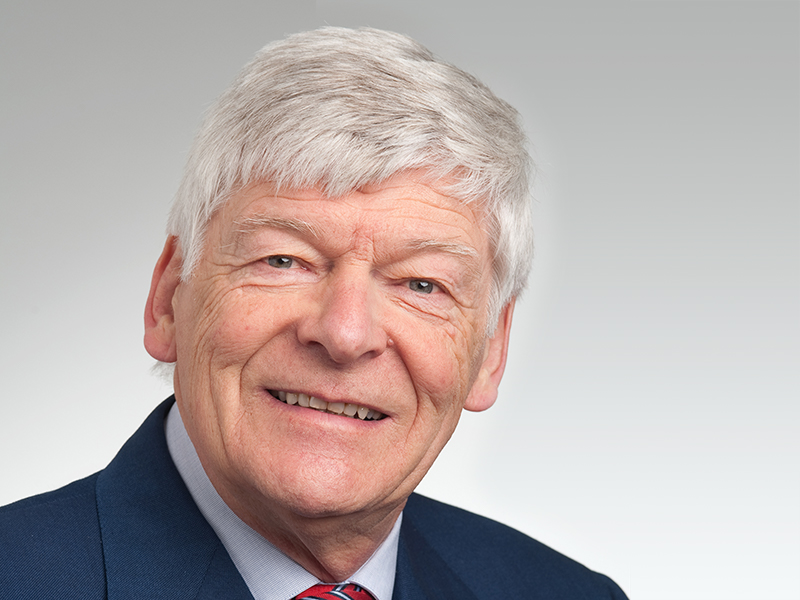 Jacques Bille合作论文数WHO Collaborative Center for Foodborne Listeriosis, Centre Hospitalier Universitaire Vaudois8Binet Isabelle合作论文数8
 Dela Golshayan合作论文数Department of Nephrology, CHUV Lausanne Lausanne8
 Thomas Fehr合作论文数8
 Miguel Munoz合作论文数8
 Cedric Hirzel合作论文数8A. Cusini合作论文数7agnieszka wojtowicz合作论文数7
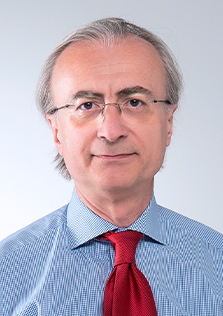 Giuseppe Pantaleo合作论文数Division of Immunology and Allergy, Centre Hospitalier Universitaire Vaudois, University of Lausanne;Laboratory of AIDS Immunopathogenesis, Department of Medicine, Centre Hospitalier Universitaire Vaudois, University of Lausanne7Jean Villard合作论文数7G. Kralidis合作论文数6Peter W Schreiber合作论文数Univ Zurich Hosp, Div Infect Dis & Hosp Epidemiol, Ramistr 100, CH-8091 Zurich, Switzerland6Giulieri Stefano G合作论文数6
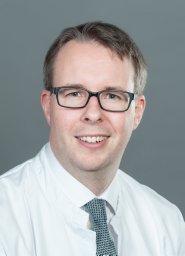 Adrian Egli合作论文数Swiss Intercooperation6Oscar Marchetti合作论文数6Paola M Soccal合作论文数6
 Martin Stern合作论文数Division of Hematology, Basel University Hospital6
 Christoph Hess合作论文数Departement Biomedizin, University of Basel;University Hospital in Basel;University of Cambridge6Bernard Vaudaux合作论文数6
 Patrick Francioli合作论文数6A. Wojtowicz合作论文数5Nancy Perrottet合作论文数5




