To address the limitations of current pharmacotherapies for postpartum depression (PPD), this study developed an innovative oral delivery system (EL@HRG) based on calcium-cross-linked alginate/WPI emulsion nanogel particles, leveraging the mechanism reported in Cell where in hydrogen (H2) drives the gut commensal bacterium Eggerthella lenta to convert host corticosterone into the neuroactive steroid allopregnanolone. The core innovation of this work lies in the of a controlled hydrogen-release carrier with a probiotic delivery platform into a unified system. Using a scaffold of sodium alginate and whey protein integrated with corn oil to form an emulsion, we leveraged the higher solubility of H2 in the oil phase to overcome the key bottleneck of maintaining effective intestinal hydrogen concentration after oral administration. Concurrently, l-arginine, an essential nutrient for E. lenta growth, was incorporated into the gel network, achieving an integrated "delivery-colonization-activation" function. In vitro experiments confirmed that EL@HRG provided sustained hydrogen release and efficiently encapsulated viable bacteria. In vivo studies demonstrated that EL@HRG significantly enhanced the intestinal colonization and retention of E. lenta, leading to sustained activation of the steroid conversion pathway and elevated levels of allopregnanolone in the brain. In a PPD mouse model, EL@HRG, acting via the gut-brain axis, inhibited hippocampal neuroinflammation, restored synaptic plasticity and GABAergic signaling, and consequently markedly improved depressive-like behaviors, anxiety, and maternal behavior deficits. Its therapeutic efficacy showed enhanced sustainability compared to the short-term effects of injected allopregnanolone, with no observed systemic toxicity. Metabolomic analysis further revealed a reshaping of the "steroid hormone biosynthesis" pathway, underpinning the therapeutic effect. In conclusion, this study provides a novel, nonpharmacological, long-acting, and safe interventional strategy for PPD. It also establishes a new paradigm of mechanism-guided delivery systems for precisely modulating the gut microenvironment to achieve specific physiological functions.
Orally targeted strategy of nutrients has attracted obvious attention for reducing side effects and enhancing the intervention efficiency of alcoholic liver disease (ALD). Herein, novel lactobionic acid-modified garlic exosome-like nanovesicles (LA-GELN) were designed to precise delivery astaxanthin (AXT) against alcohol-induced lipid metabolism disorders. The targeted modification of nanovesicles enhanced the encapsulation efficiency of AXT (80.03%). Meanwhile, the encapsulation strategy also improved the solubility and gastrointestinal stability of AXT. In the HepG2 cell model, LA-GELN-AXT demonstrated excellent cellular uptake capacity (Pearson correlation coefficient of 0.87) and effectively alleviated oxidative stress and lipid droplet formation. In vivo studies also demonstrated that 8 h after oral administration, the hepatic fluorescence intensity in the LA-GELN and GELN groups was 1.98-fold and 1.26-fold that of the Nile red group, respectively. In the ALD mouse model, LA-GELN-AXT effectively mitigated oxidative damage, reduced inflammatory cytokine levels, restored mitochondrial function, and further alleviated lipid accumulation. Its mechanism of action was associated with the modulation of the TLR4/MyD88/NF-κB inflammatory signaling pathway and the subsequent alleviation of ALD-induced hepatic metabolic disorders.
Benzo(a)pyrene (BaP), a widespread environmental and food pollutant, induces cellular toxicity through CYP1A1-mediated metabolic activation. This study demonstrated that neohesperidin (NH) and neohesperidin dihydrochalcone (NHDC) effectively inhibited CYP1A1 activity. The recombinant CYP1A1 protein expressed in E. coli confirmed these inhibitory effects in vitro. Using a HepG2 cell model, both NH and NHDC significantly alleviated BaP-induced cytotoxicity and oxidative stress, as evidenced by enhanced cell viability and upregulated HO-1, NQO-1, and Nrf-2 expression. Comet assay results further showed that NH and NHDC reduced BaP-induced DNA damage. Molecular docking revealed stable binding interactions between NH, NHDC, and CYP1A1 active sites. Collectively, NH and NHDC attenuated BaP-induced hepatocellular injury in association with CYP1A1 inhibition and enhancement antioxidant defense. These findings highlight their potential as natural chemoprotective agents and demonstrate the value of molecular docking for identifying bioactive compounds with specific functional properties.
Cold plasma (CP) was used as a non-thermal strategy to improve the solubility and foaming properties of mulberry leaf protein (MLP). MLP was treated for different times and evaluated for solubility, foaming capacity, foam stability, and structural changes. A 120 s CP treatment gave the best results, increasing solubility, foaming capacity, and foam stability by 3.50-fold, 3.27-fold, and 4.14-fold, respectively. CP cleaved disulfide (SS) bonds, increased exposed sulfhydryl groups, and raised surface hydrophobicity. It also reduced particle size and altered secondary structure, with lower α-helix and β-sheet contents and higher random coil. These changes partially unfolded MLP, enhancing molecular flexibility, water interaction, and interfacial adsorption, which strengthened foam formation and stability. Overall, CP effectively tailors the interfacial functionality of plant proteins and offers a promising route to valorize MLP for foam-based and aerated food products.
Accumulating evidence has shown that high-fat diet(HFD)can lead to intestinal epithelial barrier dysfunction.We previously found that 6-shogaol was able to attenuate palmitic acid(PA)-induced intestinal barrier damages in human intestinal epithelial Caco-2 cells through regulation of tight junctions(TJs).However,the in vivo protective effects and action mechanism of 6-shogaol against HFD-induced intestinal barrier dysfunction remains unexplored.In this study,HFD-fed C57BL/6J mice were used as the intestinal barrier dysfunction model to investigate the protective effects of 6-shogaol.The results showed that the 6-shogaol significantly(P<0.05)suppressed HFD-stimulated increase of serum fluorescein isothiocyanate(FITC)-dextran level and proinflammatory cytokines(interleukin(IL)-6,IL-1β,and tumor necrosis factor-alpha(TNF-α))in the ileum,whilst significantly(P<0.05)increased the expression of TJ-associated proteins(e.g.,Zona occludens 1,occludin,and claudin-1).Furthermore,miR-sequencing and qRT-PCR analysis revealed that miR-215-3p_R+1 was one of the highest expressed miRNAs in the ileum in response to the 6-shogaol treatment.MiR-215-3p_R+1 overexpression significantly(P<0.01)downregulated occludin expression in PA-treated Caco-2 cells compared with the mimics NC+PA+6-shogaol group,partially compromising the protective effects 6-shogoal against intestinal epithelial barrier dysfunction.Taken together,these findings provide the evidence for the first time that 6-shogaol has the potential to treat HFD-induced TJs impairment via the miR-215-3p_R+1/occludin axis.
Hyperuricemia, largely influenced by dietary patterns and high consumption of purine-rich foods, has become an important nutritional concern associated with gout and metabolic imbalance. Xanthine oxidase (XOD), the rate-limiting enzyme in uric acid production, is a well-recognized target for lowering uric acid levels. In this context, food-derived bioactive peptides are attracting increasing interest as natural agents for uric acid regulation and functional food development. Most reported XOD-inhibitory peptides are short fragments, particularly tripeptides and tetrapeptides, consistent with the fact that dietary proteins are predominantly digested into small peptides before absorption. Building on this knowledge, we employed an integrated computational–experimental strategy to identify novel XOD-inhibitory peptides. Multidimensional descriptors were constructed as an integrated feature set of 1D/2D/3D molecular descriptors, enabling comprehensive characterization of peptide–XOD binding profiles for downstream modeling. Molecular docking revealed distinct interaction patterns across peptide lengths, highlighting GLY737, GLU664, and ARG839 as key binding residues. Based on docking outputs, multidimensional molecular descriptors were generated and used in a one-class support vector machine (OC-SVM) model to identify high-confidence candidates. Two peptides, AGWK and VSW, were experimentally validated, showing effective XOD inhibition (IC50 = 1.24 and 1.59 mM, respectively). In vitro, both peptides lowered intracellular uric acid and modulated urate transporters. In vivo, they improved biochemical and histological markers in hyperuricemic mice. These findings demonstrate a novel approach to bioactive peptide discovery and support their potential in functional food development.
The diseases caused by disorders in glucose and lipid metabolism have become one of the prevalent health issues,posing a serious threat to human health.Previous studies have shown that food-derived polysaccharides have a certain intervention effect on disorders in glucose and lipid metabolism.This article reviewed the structure-function relationship of food-derived polysaccharides and elucidated their role in regulating glucose and lipid metabolism.Some new evidence suggests that secondary metabolites such as short-chain fatty acids,secondary bile acids,and lipopolysaccharide act as signaling molecules,activating pathways related to glucose and lipid metabolism,alleviating oxidative stress,inhibiting inflammation in the body,and regulating the homeostasis of glucose and lipid metabolism.These results indicated that food-derived polysaccharides have a positive impact on the regulation of glucose and lipid metabolism by improving the gut microbiota environment.On the other hand,gut microbiota disturbance can affect the host's health through the gut-liver,gut-brain and gut-adipose tissue axes.Therefore,it is speculated that food-derived polysaccharides may intervene in glucose and lipid metabolism through the inter-organ crosstalk between gut,liver,adipose tissue,and nervous system.This essay provides a theoretical basis for the development and utilization of food-derived polysaccharides as prebiotics in intervening disorders in glucose and lipid metabolism.
Silk fibroin (SF), a biopolymer derived from Bombyx mori, offers excellent biocompatibility, biodegradability and mechanical tunability, making it ideal for applications such as food structure formation, controlled release and active ingredient encapsulation. However, native SF hydrogels exhibit slow gelation under physiological conditions, limiting practical use. Cold plasma (CP) treatment effectively enhanced the surface hydrophobicity and charge density of SF by inducing partial protein unfolding and promoting aggregation through oxidative cross-linking. This led to a conformational shift from α-helix to β-sheet, strengthening intermolecular interactions. Compared with SF, CSF-8 (treated with CP for 8 min) formed a more compact and stronger three-dimensional structure. This enhancement significantly improved its water retention capacity and gel strength. The water retention capacity increased by 25.3%. The compressive stress at 50% strain rose from 15.2 kPa to 39.2 kPa. The gel hardness increased from 12.5 N to 34 N. The gelation time of CSF-8 was reduced by 81.2%, indicating that prolonged exposure promoted faster hydrogel formation. This study highlights CP as a green, tailoring SF structure and gelation via non-chemical strategies provides promising avenues for hydrogel design in functional foods, including structure building, controlled release and active ingredient encapsulation.
Garlic yellow are cultivated from bulbs under dark conditions, with cloves as natural seeds. This study explored the structural properties of differences between pre-germination garlic polysaccharides (GP) and post-germination garlic sprout polysaccharides (GSP) from garlic yellow and evaluated their effects on DSS-induced colitis mice. The results indicate germination induced glycosidic bond cleavage in GP, generating shorter chains and low-molecular-weight GSP with altered crystallinity and solubility. Both GP and GSP alleviated colitis by protecting the gut barrier, inhibiting the TLR4/MyD88/NF-κB pathway, and modulating inflammatory factors. Notably, GSP effectively elevated IL-10 levels and modulated the gut microbiota by reducing Escherichia-Shigella and increasing Akkermansia, demonstrating an advantage in anti-inflammatory mechanism compared with GP. Overall, we first evaluated the effects of germination on the functional properties of polysaccharides in garlic yellow seeds. Moreover, seeds remaining after garlic yellow mature, though considered waste products, seed-derived polysaccharide is effective in relieving colitis and shows promising applications.
Oral administration of probiotics holds great promise for regulating gut microbiota and maintaining intestinal homeostasis. However, its practical effectiveness can be limited due to the digestive tract's harsh environment. Natural polysaccharide-based hydrogel microsphere systems are increasingly used for probiotic protection and oral delivery; the conventional materials used in these systems exhibit defects such as poor structural strength and instability in gelation, causing premature probiotic release. Here, we created hydrogel microspheres with gut-adaptive structures (GG/GN-TA HMs) using gellan gum (GG) as the backbone and β-glucan-tannic acid (GN-TA) as the antioxidative, adhesive, and gut-targeting prebiotic donor, involving structural enhancement via TA-Ca2+ metal-phenol networks during cross-linking. The structurally optimized microspheres exhibited excellent structural integrity at low pH conditions while disassembling in the gut environment to release probiotics. Such advantages of GG/GN-TA HMs enabled the survival of probiotics in harsh environments and subsequent promotion of probiotic colonization in the colon. In colitis mice, EcN@GG/GN-TA exhibited superior therapeutic effects compared to those of other groups. GG/GN-TA HMs promoted probiotic-prebiotic synergy, which resulted in significant alleviation of gut inflammation, gut barrier repair, and gut microbiota remodeling. Given its simple preparation and efficacy, the GG/GN-TA HMs system has great potential for the protection and targeted delivery of probiotics.
Obesity is increasingly linked to high-fat, fiber-deficient dietary patterns that disturb the intestinal microenvironment and gut microbiota. Here, we tested whether pectin molecular weight determines efficacy by comparing high-molecular-weight apple pectin (HAP) with low-molecular-weight pectin (LAP) in a fiber-free, high-fat-diet (FF-HFD) mouse model. In young C57BL/6J mice, HAP more strongly improved body weight gain, glucose homeostasis, and lipid abnormalities than LAP, accompanied by enhanced barrier markers, reduced systemic inflammation, lower brain LPS, and partial normalization of fecal microbiota and fermentation outputs. Segment-resolved profiling further showed that HAP partially restored proximal-distal luminal microbiota patterns disrupted by FF-HFD. In an aged cohort, HAP also alleviated obesity-associated hepatic steatosis and behavioral deficits. These findings highlight molecular weight as a practical lever to optimize pectin-based interventions under fiber-deficient, high-fat feeding.
ABSTRACT Traditional solid fats contain a large amount of trans fatty acids and saturated fatty acids, which can have adverse effects on human health. Therefore, reducing or eliminating the intake of saturated and trans fats in daily diets and seeking new types of fat substitutes are of great significance to the development of the food industry. As a new type of semi‐solid lipid system, oleogels build a three‐dimensional network structure in liquid vegetable oil through gelling agents. It has both low trans/saturated fatty acid content and rheological properties similar to solid fats, and has become an excellent alternative to traditional solid fats. This article reviews the basic characteristics, factors affecting properties of oleogels, and preparation methods of oleogels. Meanwhile, their applications in meat products, dairy products, baked goods, and delivering bioactive compounds are highly summarized. This review provides references for the development of healthy fat substitutes and their applications in the food industry.
Precision nutrition refers to nutritional interventions tailored to individual biological variability (e.g., genetics, gut microbiome, and metabolic status). Within this framework, identifying bioactive food components that modulate disease-relevant targets and pathways in an individualized manner is a central goal. Targeted interventions are increasingly used for cancer, autoimmune disorders, and metabolic diseases, but are often limited by high prices and adverse effects. Dietary phenolic compounds have therefore attracted attention as safer and more sustainable candidates for health intervention strategies, owing to their ability to interact with disease-relevant protein targets. Examples include EGCG targeting the p53-MDM2 interaction, quercetin modulating HSP90-related ferroptosis, and sesamin inhibiting Syk activation in food allergy. Their structural diversity and bioactivity make them valuable for candidate screening and personalized intervention design. However, these features also create challenges for target identification and functional evaluation. More systematic and predictive strategies are therefore needed to accelerate the identification, evaluation, and optimization of phenolic bioactives. In this context, computational and AI-assisted approaches (e.g., molecular docking, machine learning, and network pharmacology) offer new opportunities to improve target discovery, candidate prioritization, and response prediction. These approaches can integrate individual-level genetic, microbiome, metabolic, dietary, and clinical data. This integration may help predict personalized molecular targets, phenolic metabolism, bioavailability, and intervention responses, thereby supporting tailored phenolic-based nutrition strategies. This review summarizes the therapeutic potential, computational discovery strategies, molecular targets, and translational gaps in applying phenolic compounds to precision nutrition.
Many hydrophilic food coating materials with antioxidant and antibacterial activities often exhibit weak adhesion to waxy hydrophobic surfaces of fruits and vegetables, which seriously limits the application of food coating in food preservation.Inspired by the adhesion strategy of mussels, dopamine hydrochloride (DA) was grafted onto pectin, enhancing the adhesion of pectin to hydrophobic surface through its catechol structure. The coating prepared by grafting DA onto the surface of low methoxyl pectin (LMP) had excellent surface adhesion, mechanical properties, wettability, and antibacterial properties. Using bananas as model fruits, the results showed that LMP-DA coating effectively reduced the weight loss rate of fruits, maintained the firmness and soluble solids, and extended the shelf life of fruits. These findings suggest that covalent grafting of DA enhanced the adhesion of pectin food coatings to the hydrophobic surfaces, showing significant potential for applications in fruit and vegetable preservation.
Type 2 diabetes mellitus (T2DM) has become a global metabolic disorder, and sprouted wheat (SW) exhibits potential for alleviating metabolic syndromes, although its mechanism remains unclear. This study aimed to investigate the effects and underlying mechanisms of SW on T2DM using a high−fat diet−induced T2DM mouse model. SW intervention significantly improved glycolipid metabolism disorders (p < 0.05), attenuated hepatic mitochondrial injury (p < 0.05) and maintained hepatic homeostasis. SW also reshaped the gut microbiota structure and inhibited the TLR4/NF−κB inflammatory pathway (p < 0.05). Untargeted metabolomics combined with network pharmacology identified five key functional metabolites and four core targets involved in the protective effects of SW. Germination optimized the nutritional composition of wheat, and SW regulated the microbe–liver axis through a multi−component, multi−target and multi-pathway mode. These results reveal the mechanism of SW in improving T2DM−related metabolic disorders and provide experimental support for its application. In the future, SW can be further developed as a dietary nutritional supplement for the prevention and adjuvant treatment of metabolic diseases.
Liver fibrosis is a chronic progressive disease sustained by a self-reinforcing fibrotic microenvironment, characterized by excessive reactive oxygen species (ROS), persistent inflammatory signaling, and continuous activation of hepatic stellate cells (HSCs). In this study, phospholipids and glycyrrhetinic acid (GA) were first assembled into liposomes, which were subsequently hybridized with porcine endothelial cell (PIEC) derived cell membranes to form HPEs (G). Further surface functionalization with cRGDyk yielded the oral bio-hybrid nanocarrier HPEs (GC). The HPEs (GC) tolerated gastrointestinal digestion, prolonged small-intestinal residence, and enhanced transepithelial transport, thereby improving the hepatic delivery of cyclopamine (Cyc). After reaching the fibrotic liver, cRGDyk promoted the interaction of HPEs (GC) with activated HSCs (aHSCs) expressing high levels of integrin αvβ3. The delivered Cyc suppressed Hedgehog signaling, attenuated HSCs activation and the profibrotic phenotype, while GA alleviated oxidative stress by restoring Nrf2/HO-1 antioxidant signaling. Collectively, these effects disrupt the Hedgehog–ROS positive feedback loop, reprogram aHSCs, and provide a practical strategy for targeted antifibrotic therapy.
Progressive estrogen decline during perimenopause drives glucose and lipid metabolic disorders, raising risks for diabetes and cardiovascular disease. Current therapies like hormone replacement carry safety concerns, creating a need for precise interventions. Using aged perimenopausal mice, this study applied an isoleucine-restricted diet, which reversed weight gain, insulin resistance, hepatic steatosis, and inflammation. Its core innovation is an integrated "diet-gut microbiota-host metabolism" model: the diet enriched beneficial bacteria like Ligilactibacillus murinus, elevating SCFAs (acetate/propionate). These SCFAs repaired gut barrier integrity, inhibited NF-κB, and synergistically modulated PI3K/AKT, mTOR, and AMPK pathways to restore metabolic homeostasis. This study first confirms the diet's value in estrogen-deficient perimenopause, breaking traditional calorie restriction limits, and provides novel targets for precise nutritional intervention, with significant theoretical and clinical transformation potential.
As an emerging protein source, edible insects are gradually gaining consumer acceptance. The protein content of Tenebrio molitor is about 58% with a balanced amino acid profile, but its poor solubility and limited water-oil interfacial properties restrict its use in the food industry. In this study, Cold Plasma (CP), an emerging non-thermal physical modification method for proteins, was employed to modify Tenebrio molitor Protein (TMP). Controlled CP treatment, especially for an intermediate duration of 5 min (CTMP-5), resulted in the maximum free sulfhydryl content and a significant increase in carbonyl groups. This oxidation level promoted the gradual transition of α-helix and β-sheet structures into random coils, increased surface hydrophobicity, and rearranged the secondary and tertiary structures of TMP, thereby markedly improving its functional properties. Oil-in-water emulsions stabilized by CP-treated TMP for 5 min (CTMP-5) showed the most stable emulsion structure and provided effective protection for curcumin, increasing its bioaccessibility from 58.26% to 65.57%. Overall, CP treatment for 5 min was identified as the optimal condition for improving the emulsifying performance of TMP and enhancing the bioaccessibility of encapsulated curcumin. This study offers meaningful insights into the use of CP treatment for modifying TMP.
Inflammatory bowel disease (IBD) is a chronic inflammatory disorder characterized by symptoms such as diarrhea, bleeding, and an elevated risk of colorectal cancer. Bacterial extracellular vesicles (EVs) have emerged as a promising delivery system for bioactive compounds, owing to their high biocompatibility, low immunogenicity, and cost-effectiveness. In this study, EVs were isolated from two Lactic acid bacteria (LAB)-Lactobacillus delbrueckii ssp. Bulgaricus and Streptococcus thermophilus, and curcumin was successfully encapsulated into these vesicles. Compared with those derived from S. thermophilus, the curcumin-loaded EVs from L. bulgaricus (L-EVs-C) demonstrated superior characteristics, including optimized particle size, higher encapsulation efficiency, enhanced antioxidant capacity, and improved gastrointestinal stability. In a DSS-induced colitis mouse model, L-EVs-C treatment significantly alleviated disease symptoms, and positively modulated the gut microbiota and enriching beneficial bacteria. These results underscore the potential of natural probiotics EVs as effective nanocarriers for bioactive compounds in the development of functional foods and therapeutic strategies.
This study focuses on the endophytic bacterium Bacillus subtilis HJ-1, originally isolated from Polygonatum sibiricum in Mountain Tai, China, and demonstrated to produce exopolysaccharides (EPS). Analysis of the structure and antioxidant activities of EPS suggested that the EPS of B. subtilis HJ-1 (EPS-HJ) were mainly composed of glucose and mannose in a 64.98:18.72 ratio and exhibited a superior antioxidant capacity compared to the polysaccharide extracted from P. sibiricum (PSP). Transcriptomic analysis revealed the mechanisms of EPS production, suggesting the improvement of EPS yield through the metabolic pathways of monosaccharide transportation, nucleotide sugar formation, EPS polymerisation, transportation and regulation. Homologous overexpressions of two key genes, bglP and bglH, demonstrated a 150% (283.1 mg/L) and a 210% (395.9 mg/L) increase in EPS yield, respectively. This study demonstrated a conceptual framework for biosynthetic route of EPS and contributes to its production and application in functional foods.
 Feng Li (李锋)合作论文数College of Food Science and Engineering,Shandong Agricultural University75
 Yang Jiang合作论文数52
 Dongxiao Sun-Waterhouse (孙东晓)合作论文数School of Chemical Sciences, University of Auckland;Henan University;Shandong Agricultural University;South China University of Technology38Hui Guan合作论文数24Rili Hao合作论文数23YiLun Chen (陈义伦)合作论文数22
 Yashuang Zhao (赵亚双)合作论文数Harbin Medical University21
 Shancang Zhao (赵善仓)合作论文数山东省农业科学院中心实验室第五检测室16Xintong Tan合作论文数Northwest A&F Univ, Coll Food Sci & Engn, Lab Funct Chem & Nutr Food, Yangling 712100, Shaanxi, Peoples R China15
 Qingrong Huang合作论文数Department of Food Science, School of Environmental and Biological Sciences, Rutgers, The State University of New Jersey15Yupeng Liu合作论文数14Jinming Fu合作论文数14Hongru Sun合作论文数13Dongjie Huang合作论文数12Lei Zhang合作论文数State Key Lab Nat & Biomimet Drugs, Peking Univ12
 Hao Huang (黄昊)合作论文数School of Biological Science and Medical Engineering, Southeast University12Wenyuan Zhang合作论文数11Yan-Jie Dong合作论文数10YongLi Wang (王永丽)合作论文数10Zhang Chen合作论文数10Yiyan Liu合作论文数9Ting Zheng合作论文数9
 Peizheng Zhang (张培正)合作论文数Shandong Agricultural University9Xue Rong合作论文数8Hui Liu合作论文数8LiXia Fan (范丽霞)合作论文数8Jing Xu合作论文数7Xinyu Song合作论文数7Yongli Wang合作论文数7Simin Sun合作论文数7Kun Li (李坤)合作论文数7
 Xuguang Qiao (乔旭光)合作论文数College of Food Science and Engineering,Shandong Agricultural University7Xiangyang Zhu合作论文数6Liyuan Zhao合作论文数6
 Da Pang (庞达)合作论文数Harbin Medical University Cancer Hospital6
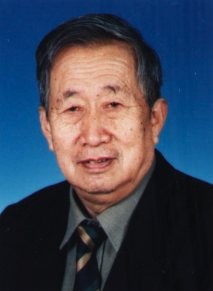 Huairui Shu (束怀瑞)合作论文数National Research Center for Apple Engineering and Technology, Shandong Agricultural University6Jinkui Li (李金奎)合作论文数6Yan-Long Liu (刘彦龙)合作论文数6
 Binbin Cui (崔滨滨)合作论文数Harbin Medical University Cancer Hospital6Hongru Chen合作论文数5Junlin Ge合作论文数5Fangxin Ouyang合作论文数5Fangtian Chen合作论文数5Zhinan Han合作论文数5Zunyang Song合作论文数5Xing Zhou合作论文数5Yangyang Shao合作论文数5Xinyan Liu合作论文数5




