Importance With improved survival, heart failure (HF) has become a major complication for individuals with human immunodeficiency virus (HIV) infection. It is unclear if this risk extends to different types of HF in the antiretroviral therapy (ART) era. Determining whether HIV infection is associated with HF with reduced ejection fraction (HFrEF), HF with preserved ejection fraction (HFpEF), or both is critical because HF types differ with respect to underlying mechanism, treatment, and prognosis. Objectives To investigate whether HIV infection increases the risk of future HFrEF and HFpEF and to assess if this risk varies by sociodemographic and HIV-specific factors. Design, Setting, and Participants This study evaluated 98 015 participants without baseline cardiovascular disease from the Veterans Aging Cohort Study, an observational cohort of HIV-infected veterans and uninfected veterans matched by age, sex, race/ethnicity, and clinical site, enrolled on or after April 1, 2003, and followed up through September 30, 2012. The dates of the analysis were October 2015 to November 2016. Exposure Human immunodeficiency virus infection. Main Outcomes and Measures Outcomes included HFpEF (EF≥50%), borderline HFpEF (EF 40%-49%), HFrEF (EF<40%), and HF of unknown type (EF missing). Results Among 98 015 participants, the mean (SD) age at enrollment in the study was 48.3 (9.8) years, 97.0% were male, and 32.2% had HIV infection. During a median follow-up of 7.1 years, there were 2636 total HF events (34.6% were HFpEF, 15.5% were borderline HFpEF, 37.1% were HFrEF, and 12.8% were HF of unknown type). Compared with uninfected veterans, HIV-infected veterans had an increased risk of HFpEF (hazard ratio [HR], 1.21; 95% CI, 1.03-1.41), borderline HFpEF (HR, 1.37; 95% CI, 1.09-1.72), and HFrEF (HR, 1.61; 95% CI, 1.40-1.86). The risk of HFrEF was pronounced in veterans younger than 40 years at baseline (HR, 3.59; 95% CI, 1.95-6.58). Among HIV-infected veterans, time-updated HIV-1 RNA viral load of at least 500 copies/mL compared with less than 500 copies/mL was associated with an increased risk of HFrEF, and time-updated CD4 cell count less than 200 cells/mm3 compared with at least 500 cells/mm3 was associated with an increased risk of HFrEF and HFpEF. Conclusions and Relevance Individuals who are infected with HIV have an increased risk of HFpEF, borderline HFpEF, and HFrEF compared with uninfected individuals. The increased risk of HFrEF can manifest decades earlier than would be expected in a typical uninfected population. Future research should focus on prevention, risk stratification, and identification of the mechanisms for HFrEF and HFpEF in the HIV-infected population.
OBJECTIVE Type 2 diabetes is increasingly common in HIV-infected individuals. The objective of this study was to compare the glycemic effectiveness of oral diabetic medications among patients with and without HIV infection. RESEARCH DESIGN AND METHODS A longitudinal cohort study was conducted among HIV-infected and uninfected veterans with type 2 diabetes initiating diabetic medications between 1999 and 2010. Generalized estimating equations were used to compare changes in hemoglobin A1c (HbA1c) through the year after medication initiation, adjusting for baseline HbA1c level and clinical covariates. A subanalysis using propensity scores was conducted to account for confounding by indication. RESULTS A total of 2,454 HIV-infected patients and 8,892 HIV-uninfected patients initiated diabetic medications during the study period. The most commonly prescribed medication was metformin (n = 5,647, 50%), followed by a sulfonylurea (n = 5,554, 49%) and a thiazolidinedione (n = 145, 1%). After adjustment for potential confounders, there was no significant difference in the change in HbA1c level among the three groups of new users. HIV infection was not significantly associated with glycemic response (P = 0.24). Black and Hispanic patients had a poorer response to therapy compared with white patients, with a relative increase in HbA1c level of 0.16% (95% CI 0.08, 0.24) [1.7 mmol/mol (0.9, 2.6)] (P < 0.001) and 0.25% (0.11, 0.39) [2.7 mmol/mol (1.2, 4.3)] (P = 0.001), respectively. CONCLUSIONS We found that glycemic response was independent of the initial class of diabetic medication prescribed among HIV-uninfected and HIV-infected adults with type 2 diabetes. The mechanisms leading to poorer response among black and Hispanic patients, who make up a substantial proportion of those with HIV infection and type 2 diabetes, require further investigation.
Objectives: Obesity prevalence among people living with HIV (HIV+) is rising. HIV and obesity are proinflammatory states, but their combined effect on inflammation (measured by interleukin 6, IL-6), altered coagulation (D-dimer), and monocyte activation (soluble CD14, sCD14) is unknown. We hypothesized inflammation increases when obesity and HIV infection co-occur. Methods: The Veterans Aging Cohort Study survey cohort is a prospective, observational study of predominantly male HIV+ veterans and veterans uninfected with HIV; a subset provided blood samples. Inclusion criteria for this analysis were body mass index ≥ 18.5 kg/m2 and biomarker measurement. Dependent variables were IL-6, sCD14, and D-dimer quartiles. Obesity/HIV status was the primary predictor. Unadjusted and adjusted logistic regression models were constructed. Results: Data were analyzed for 1477 HIV+ and 823 uninfected participants. Unadjusted median IL-6 levels were significantly higher and sCD14 levels significantly lower in obese/HIV+ compared with nonobese/uninfected (P <0.01 for both). In adjusted analyses, the odds ratio for increased IL-6 in obese/HIV+ patients was 1.76 (95% confidence interval: 1.18 to 2.47) compared with nonobese/uninfected, and obesity/HIV+ remained associated with lower odds of elevated sCD14. We did not detect a synergistic association of co-occurring HIV and obesity on IL-6 or sCD14 elevation. D-dimer levels did not differ significantly between body mass index/HIV status groups. Conclusions: HIV–obesity comorbidity is associated with elevated IL-6, decreases in sCD14, and no significant difference in D-dimer. These findings are clinically significant, as previous studies associated these biomarkers with mortality. Future studies should assess whether other biomarkers show similar trends and potential mechanisms for unanticipated sCD14 and D-dimer findings.
BACKGROUND:The health implications of weight gain after antiretroviral therapy (ART) for HIV infection are not well characterized and may differ from weight gain among uninfected individuals. We use data from the Veterans Aging Cohort Study to determine whether weight gain after ART has a similar association with incident type 2 diabetes mellitus (DM) as weight gained among HIV-uninfected (uninfected) individuals.METHODS:We explored associations of weight gain and incident diabetes (A1c ≥ 6.5%), in the Veterans Aging Cohort Study, a national observational study of HIV-infected (HIV+) individuals demographically matched 1:2 to uninfected controls. From 2000 to 2011, weight change was assessed in the year following ART initiation for HIV+ individuals and date of first available body mass index for uninfected individuals. We estimated hazard ratios (HRs) and 95% confidence intervals (CIs) adjusted for baseline body mass index using Cox regression.RESULTS:HIV+ individuals had lower prevalence of DM at baseline (12% HIV+, 23% uninfected) and lower incident diabetes (5% HIV+, 11% uninfected). The association of weight gain with risk of DM was linear for HIV+ and uninfected but the slope of the association was steeper for HIV+. For each 5 pounds of weight gained, HIV+ had 14% increased risk of DM (HR, 1.14; 95% CI: 1.10 to 1.17) and uninfected individuals had 8% increased risk (HR, 1.08; 95% CI: 1.07 to 1.10) (P < 0.01 for interaction).CONCLUSIONS:Weight gained in the first year after ART initiation is associated with greater risk of DM than that among uninfected individuals. HIV+ individuals initiating ART who are not underweight should avoid substantial weight gain.
Background. After adjustment for cardiovascular risk factors and despite higher mortality, those with human immunodeficiency virus (HIV+) have a greater risk of acute myocardial infarction (AMI) than uninfected individuals.Methods. We included HIV+ individuals who started combination antiretroviral therapy (cART) in the Veterans Aging Cohort Study (VACS) from 1996 to 2012. We fit multivariable proportional hazards models for baseline, time-updated and cumulative measures of HIV-1 RNA, CD4 counts, and the VACS Index. We used the trapezoidal rule to build the following cumulative measures: viremia copy-years, CD4-years, and VACS Index score-years, captured 180 days after cART initiation until AMI, death, last clinic visit, or 30 September 2012. The primary outcomes were incident AMI (Medicaid, Medicare, and Veterans Affairs International Classification of Diseases-9 codes) and death.Results. A total of 8168 HIV+ individuals (53 861 person-years) were analyzed with 196 incident AMIs and 1710 deaths. Controlling for known cardiovascular risk factors, 6 of the 9 metrics predicted AMI and all metrics predicted mortality. Time-updated VACS Index had the lowest Akaike information criterion among all models for both outcomes. A time-updated VACS Index score of 55+ was associated with a hazard ratio (HR) of 3.31 (95% confidence interval [CI], 2.11-5.20) for AMI and a HR of 31.77 (95% CI, 26.17-38.57) for mortality.Conclusions. Time-updated VACS Index provided better AMI and mortality prediction than CD4 count and HIV-1 RNA, suggesting that current health determines risk more accurately than prior history and that risk assessment can be improved by biomarkers of organ injury.
Background: HIV infection and biomarkers of inflammation [measured by interleukin-6 (IL-6)], monocyte activation [soluble CD14 (sCD14)], and coagulation (D-dimer) are associated with morbidity and mortality. We hypothesized that these immunologic processes mediate (explain) some of the excess risk of mortality among HIV infected (HIV+) versus uninfected people independently of comorbid diseases. Methods: Among 2350 (1521 HIV+) participants from the Veterans Aging Cohort Study Biomarker Cohort (VACS BC), we investigated whether the association between HIV and mortality was altered by adjustment for IL-6, sCD14, and D-dimer, accounting for confounders. Participants were followed from date of blood draw for biomarker assays (baseline) until death or July 25, 2013. Analyses included ordered logistic regression and Cox Proportional Hazards regression. Results: During 6.9 years (median), 414 deaths occurred. The proportional odds of being in a higher quartile of IL-6, sCD14, or D-dimer were 2–3 fold higher for viremic HIV+ versus uninfected people. Mortality rates were higher among HIV+ compared with uninfected people [incidence rate ratio (95% CI): 1.31 (1.06 to 1.62)]. Mortality risk increased with increasing quartiles of IL-6, sCD14, and D-dimer regardless of HIV status. Adjustment for IL-6, sCD14, and D-dimer partially attenuated mortality risk among HIV+ people with unsuppressed viremia (HIV-1 RNA ≥10,000 copies per milliliter) compared with uninfected people—hazard ratio (95% CI) decreased from 2.18 (1.60 to 2.99) to 2.00 (1.45 to 2.76). Conclusions: HIV infection is associated with elevated IL-6, sCD14, and D-dimer, which are in turn associated with mortality. Baseline measures of these biomarkers partially mediate excess mortality risk among HIV+ versus uninfected people.
IMPORTANCE With the advent of highly effective antiretroviral therapy and improved survival, human immunodeficiency virus (HIV)-infected people are living longer and are now at an increased risk for cardiovascular disease (CVD). There is an urgent need to identify novel risk factors and primary prevention approaches for CVD in HIV. Although depression is prevalent in HIV-infected adults and is associated with future CVD in the general population, its association with CVD events has not been examined in the HIV-infected population.OBJECTIVE To examine whether depressive disorders are prospectively associated with incident acutemyocardial infarction (AMI) in a large cohort of adults with HIV.DESIGN, SETTING, AND PARTICIPANTS Included in this cohort studywere 26 144 HIV-infected veterans without CVD at baseline (1998-2003) participating in the US Department of Veterans Affairs Veterans Aging Cohort Study from April 1, 2003, through December 31, 2009. At baseline, 4853 veterans (19%) with major depressive disorder (MDD; International Classification of Diseases, Ninth Revision [ICD-9] codes 296.2 and 296.3) and 2296 (9%) with dysthymic disorder (ICD-9 code 300.4) were identified. The current analysis was conducted from January 2015 to November 2015.MAIN OUTCOMES AND MEASURES Incident AMI (defined by discharge summary documentation, enzyme/electrocardiography evidence of AMI, inpatient ICD-9 code for AMI (410), or AMI as underlying cause of death [International Statistical Classification of Diseases and Related Health Problems, Tenth Revision code 121]) between the enrollment date and December 31, 2009.RESULTS The mean (SD) age of those with MDD was 47.3 (7.9) years and for those without MDD was 48.2 (9.7) years. During 5.8 years of follow-up, 490 AMI events (1.9%) occurred. Baseline MDD was associated with incident AMI after adjusting for demographics (hazard ratio [HR], 1.31; 95% CI, 1.05-1.62), CVD risk factors (HR, 1.29; 95% CI, 1.04-1.60), and HIV-specific factors (HR, 1.30; 95% CI, 1.05-1.62). Further adjustment for hepatitis C, renal disease, substance abuse, and hemoglobin level (HR, 1.25; 95% CI, 1.00-1.56) and antidepressant use (HR, 1.12; 95% CI, 0.87-1.42) attenuated associations. Baseline dysthymic disorder was not associated with incident AMI.CONCLUSIONS AND RELEVANCE We report novel evidence that HIV-infected adults with MDD have a 30% increased risk for AMI than HIV-infected adults without MDD after adjustment for many potential confounders. Our findings raise the possibility that MDD may be independently associated with incident atherosclerotic CVD in the HIV-infected population.
Depression is associated with an increased risk of heart failure (HF) among HIV infected (HIV+) and uninfected (HIV-) veterans. Antidepressants are commonly prescribed to mitigate psychosocial symptoms related to major depressive disorder (MDD). The purpose of this study was to determine whether antidepressant use was associated with lower HF risk among a large cohort of HIV+ and HIV- veterans with MDD. We analyzed data on 13,849 veterans (36.5% HIV+) from the Veterans Aging Cohort Study (VACS), a prospective study of HIV+ and matched HIV- veterans who had a diagnosis of MDD (ICD-9 codes 296.2x & 296.3x) and were free of cardiovascular disease (CVD) at baseline. Antidepressant use was defined as documentation of selective serotonin reuptake inhibitor (SSRIs), tricyclic antidepressant (TCAs), and non-SSRI, non-TCA antidepressant use from the VA pharmacy records during the baseline period (1998 - 2003). Incident HF was identified using ICD-9 codes and defined as first HF event on or after 4/1/2003 until 12/31/2009. We used Cox proportional hazards regression to assess the association between HIV infection, antidepressant use and incident HF, adjusting for covariates (Table). Most participants were on antidepressant therapy [90.2% (12,498 of 13,849)]. In the total sample, baseline antidepressant use was associated with a lower risk of HF, adjusting for all covariates including HIV (adjusted HR = 0.76, 95% CI = 0.58 - 0.99). The rates of incident HF were highest among HIV+ participants who did not use antidepressants (Table). Among the HIV+ participants, the association between antidepressant use and lower HF risk neared significance (p = 0.053). Antidepressant use was common among this cohort of veterans with MDD and was associated with a lower risk of incident HF. Our study lends support to further investigations to determine the importance of antidepressants as additional therapy for CVD prevention among MDD patients with and without HIV.
BACKGROUNDWeight gain after antiretroviral therapy (ART) initiation is common, but its implication for mortality is unknown. We evaluated weight change in the first year after ART initiation and its association with subsequent mortality.METHODSHuman immunodeficiency virus-infected patients from the Veterans Aging Cohort Study (VACS) who initiated ART between 2000 and 2008, with weight recorded at baseline and 1 year later, were followed another 5 years for mortality. Baseline body mass index (BMI) was classified as underweight (<18.5 kg/m(2)), normal (18.5-24.9 kg/m(2)), overweight (25-29.9 kg/m(2)), and obese (≥30 kg/m(2)). We used multivariable Cox models to assess mortality risk with adjustment for disease severity using the VACS Index.RESULTSThe sample consisted of 4184 men and 127 women with a mean age of 47.9 ± 10.0 years. After 1 year of ART, median weight change was 5.9 pounds (2.7 kg) (interquartile range, -2.9 to 17.0 pounds, -1.3 to 7.7 kg). Weight gain after ART initiation was associated with lower mortality among underweight and normal-weight patients. A minimum threshold of 10- to 19.9-pound (4.5 to 9.0 kg) weight gain was beneficial for normal-weight patients (hazard ratio, 0.56; 95% confidence interval, .41-.78), but there was no clear benefit to weight gain for overweight/obese patients. Baseline weight, CD4 cell count status, and hemoglobin level were strongly associated with weight gain. Risk for weight gain was higher among those with greater disease severity, regardless of weight at initiation.CONCLUSIONSThe survival benefits of weight gain after ART initiation are dependent on starting BMI. Weight gain after ART is associated with lower mortality for those who are not initially overweight.
OBJECTIVE:Given conflicting data regarding the association of HIV infection and ischemic stroke risk, we sought to determine whether HIV infection conferred an increased ischemic stroke risk among male veterans.METHODS:The Veterans Aging Cohort Study-Virtual Cohort consists of HIV-infected and uninfected veterans in care matched (1:2) for age, sex, race/ethnicity, and clinical site. We analyzed data on 76,835 male participants in the Veterans Aging Cohort Study-Virtual Cohort who were free of baseline cardiovascular disease. We assessed demographics, ischemic stroke risk factors, comorbid diseases, substance use, HIV biomarkers, and incidence of ischemic stroke from October 1, 2003, to December 31, 2009.RESULTS:During a median follow-up period of 5.9 (interquartile range 3.5-6.6) years, there were 910 stroke events (37.4% HIV-infected). Ischemic stroke rates per 1,000 person-years were higher for HIV-infected (2.79, 95% confidence interval 2.51-3.10) than for uninfected veterans (2.24 [2.06-2.43]) (incidence rate ratio 1.25 [1.09-1.43]; p < 0.01). After adjusting for demographics, ischemic stroke risk factors, comorbid diseases, and substance use, the risk of ischemic stroke was higher among male veterans with HIV infection compared with uninfected veterans (hazard ratio 1.17 [1.01-1.36]; p = 0.04).CONCLUSIONS:HIV infection is associated with an increased ischemic stroke risk among HIV-infected compared with demographically and behaviorally similar uninfected male veterans.
IMPORTANCE:Knowing the rate of liver fibrosis progression in hepatitis C virus (HCV)-infected persons can help inform patients and providers (clinicians, medical institutions or organizations, and third-party payers) in making treatment decisions.OBJECTIVE:To determine the rate and factors associated with liver fibrosis progression and hepatic decompensation in persons after acquiring HCV infection.DESIGN, SETTING, AND PARTICIPANTS:Secondary data analysis of persons in the Electronically Retrieved Cohort of HCV Infected Veterans (ERCHIVES), a national Veterans Affairs (VA) database, between 2002 and 2012. Among 610 514 persons in ERCHIVES (half were HCV positive), we identified those with an initial negative and subsequent positive test result for HCV antibody and positive HCV RNA test result (HCV+). Controls had 2 negative HCV antibody test results (HCV-) in a comparable time frame and were matched 1:1 on age (in 5-year blocks), race, and sex. We excluded persons with human immunodeficiency virus, hepatitis B, less than 24 months of follow-up, hepatocellular carcinoma, and cirrhosis at baseline.MAIN OUTCOMES AND MEASURES:Progression of liver fibrosis as estimated by the Fibrosis-4 (FIB-4) index; development of cirrhosis, defined by a FIB-4 score greater than 3.5; and development of hepatic decompensation.RESULTS:The evaluable data set consisted of 1840 persons who were HCV+ and 1840 HCV- controls. The HCV+ persons were younger and had a lower mean (SD) body mass index (27.39 [5.51] vs 29.49 [6.16]; P < .001), a higher prevalence of alcohol and drug abuse and dependence diagnoses, and higher serum aminotransferase levels, but had a lower prevalence of diabetes and hypertension. Fibrosis progression started early after infection among HCV+ persons and tapered off after 5 years. A total of 452 cirrhosis and 85 hepatic decompensation events were recorded. After 10 years of follow-up, HCV+ persons were more likely to have a diagnosis of cirrhosis compared with HCV- controls (18.4% vs 6.1%). Nine years after diagnosis of cirrhosis, hepatic decompensation events were uncommon but had a higher rate in the HCV+ group (1.79% vs 0.33%).CONCLUSIONS AND RELEVANCE:Persons who seroconverted for HCV have a more rapid progression of liver fibrosis and accelerated time to development of cirrhosis after seroconversion compared with HCV- controls. Fibrosis progression occurs early after infection; however, hepatic decompensation is uncommon after diagnosis of cirrhosis.
Introduction: Hepatitis C and human immunodeficiency virus (HCV, HIV) are associated with cardiovascular disease (CVD). Liver injury is common in HIV and HCV and is associated with pro-atherosclerotic conditions e.g. altered coagulation. We assessed whether liver injury independently predicts CVD risk including among participants without major liver-related co-morbidities. Methods: Participants from the Veterans Aging Cohort Study Virtual Cohort (VACS VC), without CVD at baseline (first clinical visit after 4/1/2003) were included. Liver injury was defined by liver fibrosis index 4 at baseline (FIB4 calculated using age, liver transaminases and platelets) and ICD-9 codes for cirrhosis and hepatic decompensation. Total fatal and non-fatal CVD were assessed using 1) National Death Index cause of death data; 2) VA; 3) VA Fee For Service; and 4) Medicare ICD-9 and procedure codes for acute myocardial infarction, heart failure (HF), coronary heart disease (CHD) and stroke. Follow-up ended after a CVD event, or death, or on 9/30/2012. Cox regression analyses were used to estimate the risk of total CVD, HF, stroke, CHD and AMI by liver injury. Results: Mean (SD) age was 49.6 (9.5) years in this cohort (N=104731, 90% male) followed for a median (IQR) of 7 (3, 9) years. LDL cholesterol and BMI decreased with increasing FIB4 while age increased. African American race, HIV, HCV, HBV, current smoking, type 2 diabetes, alcohol abuse, cocaine use and anemia were more common among participants with FIB4 >1.45 compared to those with FIB4 <1.45. Incident CVD rates increased with increasing FIB4. FIB4 >3.25 or a clinical diagnosis of cirrhosis or hepatic decompensation was independently associated with significantly elevated CVD risk. This association persisted in Veterans without HCV, HBV, HIV, alcohol use disorder and BMI >30 kg/m2. Conclusions: Liver injury is associated with increased risk of CVD. Future studies should assess whether FIB4 improves CVD risk prediction algorithms.
Background HIV infection is associated with increased risk of cardiovascular disease ( CVD ) in men. Whether HIV is an independent risk factor for CVD in women has not yet been established. Methods and Results We analyzed data from the Veterans Aging Cohort Study on 2187 women (32% HIV infected [ HIV + ]) who were free of CVD at baseline. Participants were followed from their first clinical encounter on or after April 01, 2003 until a CVD event, death, or the last follow‐up date (December 31, 2009). The primary outcome was CVD (acute myocardial infarction [ AMI ], unstable angina, ischemic stroke, and heart failure). CVD events were defined using clinical data, International Classification of Diseases, Ninth Revision, Clinical Modification codes, and/or death certificate data. We used Cox proportional hazards models to assess the association between HIV and incident CVD , adjusting for age, race/ethnicity, lipids, smoking, blood pressure, diabetes, renal disease, obesity, hepatitis C, and substance use/abuse. Median follow‐up time was 6.0 years. Mean age at baseline of HIV + and HIV uninfected ( HIV − ) women was 44.0 versus 43.2 years ( P <0.05). Median time to CVD event was 3.1 versus 3.7 years ( P =0.11). There were 86 incident CVD events (53%, HIV + ): AMI, 13%; unstable angina, 8%; ischemic stroke, 22%; and heart failure, 57%. Incident CVD /1000 person‐years was significantly higher among HIV + (13.5; 95% confidence interval [ CI] =10.1, 18.1) than HIV − women (5.3; 95% CI =3.9, 7.3; P <0.001). HIV + women had an increased risk of CVD, compared to HIV − (hazard ratio=2.8; 95% CI =1.7, 4.6; P <0.001). Conclusions HIV is associated with an increased risk of CVD in women.
Background: Studies suggest HIV infected (HIV+) people have similar rates of major adverse cardiovascular events (MACE) after AMI and/or after percutaneous coronary interventions (PCI) compared to uninfected (HIV-) people. However, these studies were limited by a lack of CD4 cell count and/or stent type data. Low CD4 cell count and bare metal stents (BMS) are associated with higher MACE rates than high CD4 cell count and drug eluding stents (DES), respectively. Our study compared the rates and risk of MACE and mortality after PCI between HIV+ and HIV- stratified by stent type and CD4 cell count. Methods: We included 611 HIV+ and 1,564 HIV- from the Veterans Aging Cohort Study Virtual Cohort, a prospective, longitudinal, observational study of HIV+ and 1:2 matched HIV- who underwent PCI with stent placement between 1/2002-1/2010. 1-year incidence rates (IR) per 1000 person years and 95% confidence intervals (CI) for MACE and mortality were calculated by HIV and CD4 (<200/≥200 cells/mm3) status and stent type (BMS vs. DES). To compare 1-year MACE and mortality between HIV+ with CD4 <200 and ≥200 to HIV-, hazard ratios (HR) were generated from multivariate Cox proportional hazards models adjusted for age, gender, race/ethnicity, hypertension, diabetes, dyslipidemia, smoking, hepatitis C, renal disease, anemia, and substance use. MACE was defined as a composite of repeat PCI, CABG, AMI using ICD9 and ICD10 codes and all-cause mortality. Results: There were 594 MACE including 108 deaths after PCI. Percent receiving DES was similar by HIV status (57% in HIV+ vs. 56% in HIV-). MACE rates were higher among those who received BMS (429.0, 95% CI 383.8-479.5) compared to DES (318.7, 95% CI 285.5-355.9), p=0.004 and the pattern is similar by HIV status. MACE rates were similar between HIV+ with CD4≥200 and HIV- (p=0.8), but higher for HIV+ with CD4<200 (p<0.001 compared to both HIV+ with CD4≥200 and HIV-). Mortality was also similar between HIV+ with CD4≥200 and HIV- (p=0.2), but higher for HIV+ with CD4<200 (p<0.01 compared to both HIV+ with CD4≥200 and HIV-). Adjusted HRs are shown in the table. Conclusion: Stent type received did not vary by HIV status. HIV+ with CD4<200 have worse outcomes post PCI with stent placement than both HIV- and HIV+ with CD4≥200. Management of HIV may be important for decreasing MACE and mortality after PCI.
IMPORTANCE:Whether people infected with human immunodeficiency virus (HIV) are at an increased risk of acute myocardial infarction (AMI) compared with uninfected people is not clear. Without demographically and behaviorally similar uninfected comparators and without uniformly measured clinical data on risk factors and fatal and nonfatal AMI events, any potential association between HIV status and AMI may be confounded.OBJECTIVE:To investigate whether HIV is associated with an increased risk of AMI after adjustment for all standard Framingham risk factors among a large cohort of HIV-positive and demographically and behaviorally similar (ie, similar prevalence of smoking, alcohol, and cocaine use) uninfected veterans in care.DESIGN AND SETTING:Participants in the Veterans Aging Cohort Study Virtual Cohort from April 1, 2003, through December 31, 2009.PARTICIPANTS:After eliminating those with baseline cardiovascular disease, we analyzed data on HIV status, age, sex, race/ethnicity, hypertension, diabetes mellitus, dyslipidemia, smoking, hepatitis C infection, body mass index, renal disease, anemia, substance use, CD4 cell count, HIV-1 RNA, antiretroviral therapy, and incidence of AMI.MAIN OUTCOME MEASURE:Acute myocardial infarction.RESULTS:We analyzed data on 82 459 participants. During a median follow-up of 5.9 years, there were 871 AMI events. Across 3 decades of age, the mean (95% CI) AMI events per 1000 person-years was consistently and significantly higher for HIV-positive compared with uninfected veterans: for those aged 40 to 49 years, 2.0 (1.6-2.4) vs 1.5 (1.3-1.7); for those aged 50 to 59 years, 3.9 (3.3-4.5) vs 2.2 (1.9-2.5); and for those aged 60 to 69 years, 5.0 (3.8-6.7) vs 3.3 (2.6-4.2) (P < .05 for all). After adjusting for Framingham risk factors, comorbidities, and substance use, HIV-positive veterans had an increased risk of incident AMI compared with uninfected veterans (hazard ratio, 1.48; 95% CI, 1.27-1.72). An excess risk remained among those achieving an HIV-1 RNA level less than 500 copies/mL compared with uninfected veterans in time-updated analyses (hazard ratio, 1.39; 95% CI, 1.17-1.66).CONCLUSIONS AND RELEVANCE:Infection with HIV is associated with a 50% increased risk of AMI beyond that explained by recognized risk factors.
 Amy Justice合作论文数Department of General Medicine, School of Medicine, Yale University29
 Adeel Ajwad Butt合作论文数Weill Cornell Medicine-Qatar23
 Cynthia L. Gibert合作论文数23
 David Rimland合作论文数VA Medical Center, Emory University School of Medicine22
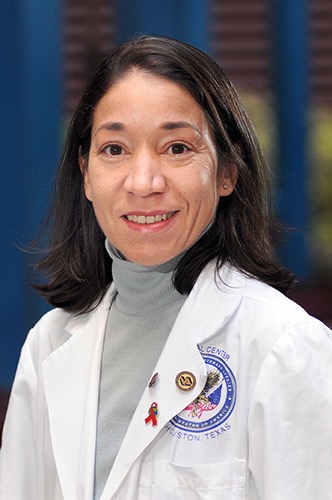 Maria C Rodriguez-Barradas合作论文数Baylor College of Medicine22
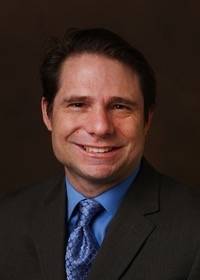 Matthew S. Freiberg合作论文数School of Medicine, Vanderbilt University;Division of Cardiovascular Medicine, Vanderbilt University Medical Center18
 (Joyce) Chung-Chou H. Chang合作论文数Division of General Internal Medicine, Department of Medicine, University of Pittsburgh;Center for Research on Health Care, Department of Medicine, University of Pittsburgh12
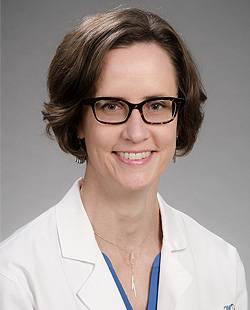 Kristina Crothers合作论文数Division of Pulmonary, Critical Care and Sleep Medicine, School of Medicine, University of Washington10
 Matthew Budoff合作论文数The Lundquist Institute;Division of Cardiology, Harbor-UCLA Medical Center;David Geffen School of Medicine, University of California, Los Angeles9Janet P. Tate合作论文数Connecticut Childrens Medical Center;University of Connecticut;Sports Medicine, JRSI;Connecticut Childrens Medical Center, University of Connecticut9
 Matthew B Goetz合作论文数David Geffen School of Medicine, University of California, Los Angeles;VA Greater Los Angeles Health Care System9Joseph Lucien Goulet合作论文数Department of Emergency Medicine, Yale University7
 Sheldon Brown合作论文数James J Peters VAMC7Kathleen McGinnis合作论文数6Kendall Bryant合作论文数6Crystal Stephen合作论文数6
 Lewis H. Kuller合作论文数University of Pittsburgh6
 Stephen S. Gottlieb合作论文数Division of Cardiology, Department of Medicine, School of Medicine, University of Maryland;Baltimore VA Medical Center;University of Maryland Hospital6
 Hilary Tindle合作论文数Department of Psychiatry and Behavioral Sciences, Vanderbilt University Medical Center5Oursler Krisann K合作论文数5Skanderson Melissa合作论文数5
 Russell Tracy合作论文数Division of Molecular Epidemiology, Department of Pathology & Laboratory Medicine, Larner College of Medicine, University of Vermont5
 Kaku So-Armah合作论文数Chobanian & Avedisian School of Medicine, Boston University5
 Roger Bedimo合作论文数North Texas Veterans Affairs Health Care Systems5
 Julie Womack合作论文数School of Nursing, Yale University4
 Vincent Lo Re合作论文数Division of Infectious Diseases, Department of Medicine, Perelman School of Medicine, University of Pennsylvania4Samet Jeffrey H合作论文数4
 John Simon Gottdiener合作论文数Adult Echocardiography Laboratory, School of Medicine, University of Maryland4
 Kevin L Kraemer合作论文数4
 Vincent C. Marconi合作论文数Division of Infectious Diseases, Department of Medicine, Emory University School of Medicine;The Rollins School of Public Health, Emory University4
 Heidi M Crane合作论文数Department of Medicine, Division of Allergy & Infectious Diseases, University of Washington;School of Public Health, University of Washington4Kris Ann Oursler合作论文数3Charles Alcorn合作论文数3
 Jason Sico合作论文数Department of Neurology, Yale School of Medicine, Yale University3
 Kathleen Akgün合作论文数Pulmonary, Critical Care & Sleep Medicine, Internal Medicine, Yale School of Medicine, Yale University3
 Joseph Lim合作论文数Department of Medicine, Yale School of Medicine, Yale University;Section of Digestive Diseases, Department of Internal Medicine, Yale School of Medicine, Yale University3
 Lewis E Kazis合作论文数Center for the Assessment of Pharmaceutical Practices, School of Public Health, Boston University;Center for Health Quality, Outcomes and Economic Research, Bedford VA Medical Center3Alberta Warner合作论文数3Armah Kaku A合作论文数3Mariana Gerschenson合作论文数3Lynn Sullivan合作论文数2S Weissman合作论文数2Todd T. Brown合作论文数Epidemiology, Bloomberg School of Public Health, Johns Hopkins University2
 Emily Wang (王爱华)合作论文数Health Justice Lab, SEICHE Center for Health and Justice, Yale University2
 David Fiellin合作论文数General Internal Medicine, Internal Medicine, Yale School of Medicine, Yale University2
 Kristin Michelle Mattocks合作论文数Department of Population and Quantitative Health Sciences, University of Massachusetts Chan Medical School2
 Steven Deeks合作论文数School of Medicine, University of California, San Francisco;Division of HIV, Infectious Diseases and Global Medicine, Zuckerberg San Francisco General Hospital2
 Khambaty Tasneem合作论文数Department of Psychology (T.K., Indiana University-Purdue University Indianapolis (IUPUI),;Heart &Vascular Institute (M.F.M),, University of Pittsburgh School of Medicine;and Department of Psychology (T.W.K.),, University of Pittsburgh;University of Pittsburgh School of Medicine, University of Pittsburgh2




