Consort diagram for status of trial. Progression (PD) includes protocol defined progression and clinical/symptomatic progression per physician.
Immune cell functional states differ in clinical responders compared to non-responders. (A) Heat maps summarizing log2 fold changes resulting from statistical scaffold analysis of functional markers 4-1BB, CD44, CTLA-4, GITR, HLA-DR, ICOS, Ki-67, OX40, PD-1, PD-L1, PD-L2, TIGIT, TIM3 and VISTA are shown for Week 1, Week 5, and Week 9, when comparing responders to non-responders as defined by rPFS.
Immunofluorescence staining of PD-L1+ CD68 myeloid cells in the bone biopsies. A. RNAscope staining of DAPI (cyan), CD68 (orange), PD-L1 (magenta), Tim3 (green), TIGIT (white) and overlay of bone marrow metastasis. CD68+ cells that co-express PD-L1 are indicated with arrow. Tim3+ cells are indicated with pointer. Scale bar, 20 μm. B. Scatterplot of PDL1+ CD68+ cell frequencies of tissue imaging data and PDL1+ CD14+ CD3-CD19- myeloid cell frequencies of CyTOF data from blood samples taken at the same timepoint (baseline, n=10 patients). R2 value is based on Pearson correlation. C. Scatterplot of TIM3+ CD68- cell frequencies on tissue imaging and TIM3+ CD3+ T cell frequencies of CyTOF data from blood samples taken at the same timepoint (baseline, n=10 patients). R2 value is based on Pearson correlation.
Kaplan-Meier estimates of time to treatment failure (TTF), radiographic progression-free survival (rPFS), and overall survival (OS) by A. baseline CD4+FoxP3- (effector) proportion above (high) vs. below (low) median. B. baseline CD8+ proportion above vs. below median. C. baseline CD8+ / CD4+FoxP3+ (Treg) ratio above vs. below median. N.B. Patients were event-free for 2 months as they need to have on treatment biopsy at week 8 of treatment.
Time to event (months) clinical endpoints by baseline and change in CD4+/FoxP3- (effector) proportion, CD8+ proportion, CD8+ / CD4+FoxP3- (Treg) ratio
Changes in A. CD4+FoxP3- effector cells and B. ratio of CD8+ to CD4+/FoxP3+ (Treg) cells from baseline to 8 weeks on treatment
Kaplan-Meier estimates of time to treatment failure (TTF), radiographic progression-free survival (rPFS), and overall survival (OS) by A. CD4+FoxP3- (effector) proportion increase vs. decrease from baseline to 8-week biopsy. B. CD8+ increase vs. decrease. C. CD8+ / CD4+FoxP3+ (Treg) ratio increase vs. decrease. N.B. Patients were event-free for 2 months as they need to have on treatment biopsy at week 8 of treatment.
Clinical characteristics at time of randomization of PSA responders vs. non-responders
Summary of genetic findings from targeted sequencing of ctDNA and whole exome sequencing (WES) from bone biopsy specimen.
Radium-223 was administered as 55 kBq/kg q4weeks and pembrolizumab as 200 mg q3weeks. Biopsies were performed pre-treatment and after 8 weeks of treatment.
Idiopathic pulmonary fibrosis (IPF) is a chronic and progressive lung disease with limited therapeutic options. Cyclin-dependent kinase 9 (CDK9), a key transcriptional regulator, has been implicated in fibrotic diseases, but no therapies targeting CDK9 have been developed for IPF. This investigation found that CDK9 expression was significantly elevated in IPF lung fibroblasts, correlating with an enhanced fibrogenic transcriptional profile and phenotype. Treatment with our designated CDK9 inhibitor, flavopiridol, exhibited significant anti-fibrotic effects, including suppression of fibrotic marker expression, reduction of fibroblast invasion and proliferation in vitro, and inhibition of fibroblastic lesion expansion in precision-cut lung slices ex vivo. In a bleomycin-induced mouse model of lung fibrosis, systemic administration of flavopiridol improved survival, attenuated body weight loss, and reduced fibrotic lesions and collagen deposition, outperforming the FDA-approved drug nintedanib. Further, we developed an inhalable formulation of flavopiridol and demonstrated its efficacy in mitigating fibrosis through local lung delivery, which minimized systemic drug exposure and potential adverse effects. These findings establish CDK9 as a critical regulator of lung fibrosis and provide compelling evidence for developing CDK9 inhibitors as novel therapeutic agents for IPF.
Precision-cut lung slices (PCLS) are commonly used as an ex vivo model to study lung fibrosis; however, traditional models lack immune cell infiltration, including the recruitment of monocytes and macrophages, which are critical for inflammation and fibrosis. To address this limitation, we developed novel autologous PCLS-immune co-culture models that better replicate the processes of inflammation, repair, and immune cell recruitment associated with fibrosis. Fibrotic responses to nicotine, cigarette smoke extract (CSE), and a fibrosis-inducing cocktail (FC) were first evaluated in PCLS containing only tissue-resident macrophages, with upregulation of α-SMA-expressing fibroblasts confirmed by immunofluorescence and Western blotting, and collagen deposition quantified using Sirius Red staining. To study macrophage recruitment, we employed an indirect co-culture model using transwells to approximate blood vessel function. Chemotactic studies revealed increased migration of autologous bone marrow-derived macrophages (BMDMs) toward and infiltration into CSE-injured PCLS. In a direct co-culture model simulating the repair phase of fibrosis, PCLS exposed to CSE and FC showed further increased collagen deposition in the presence of autologous BMDMs, but not heterologous ones. These findings suggest that our novel PCLS-immune co-culture models provide a platform for studying macrophage involvement in fibrosis and offer potential for developing macrophage-targeted therapeutic strategies in pulmonary fibrosis.
Abstract Although initial therapy of mantle cell lymphoma (MCL) is not standardized, bendamustine plus rituximab (BR) is commonly used in older patients. Rituximab (R) maintenance after induction is often used. Thus, the open-label, randomized phase 2 ECOG-ACRIN Cancer Research Group E1411 trial was designed to test 2 questions: (1) does addition of bortezomib to BR induction (BVR) and/or (2) addition of lenalidomide to rituximab (LR) maintenance improve progression-free survival (PFS) in patients with treatment-naïve MCL? From 2012 to 2016, 373 previously untreated patients, 87% aged ≥60 years, were enrolled in this trial. At a median follow-up of 7.5 years, there is no difference in the median PFS of BR compared with BVR (5.5 vs 6.4 years; hazard ratio [HR], 0.90; 90% confidence interval [CI], 0.70-1.16). There were no unexpected additional toxicities with BVR treatment compared with BR, with no impact on total dose/duration of treatment received. Independent of the induction treatment, addition of lenalidomide did not significantly improve PFS, with median PFS in R vs LR (5.9 vs 7.2 years; HR, 0.84; 90% CI, 0.62-1.15). Most patients completed the planned 24 cycles of LR at the scheduled dose. In summary, adding bortezomib to BR induction does not prolong PFS in treatment-naïve MCL, and LR maintenance was not associated with longer PFS compared with R alone after BR. Nonetheless, the >5-year median PFS outcomes in this prospective cooperative group trial indicate the efficacy of BR followed by R maintenance as highly effective initial therapy for older patients with MCL. This trial was registered at www.clinicaltrials.gov as #NCT01415752.
Prostate cancer has substantial heterogeneity in clinical outcomes and therapeutic responses, posing challenges in predicting disease progression and tailoring treatment strategies. Recent studies have highlighted the potential prognostic value of evaluating the tumor microenvironment, including the presence of a histologically overt stromal response (HOST-response) characterized by peri-glandular stromal changes and architectural distortions. This retrospective study examined patient records from The Cancer Genome Atlas database to identify genomic alterations associated with the HOST-response in prostate cancer. Among 348 patients who underwent radical prostatectomy, 160 (45.98%) were identified as having a HOST-response. A gene expression analysis revealed 1263 genes with significantly higher expression in patients with a HOST-response. A protein–protein interaction network analysis identified seven hub genes (KIF2C, CENPA, CDC20, UBE2C, ESPL1, KIF23, and PLK1) highly interconnected in the network. A functional enrichment analysis revealed alterations in the cell division, cytoskeletal organization, cytokinesis, and interleukin-16 signaling pathways in patients with a HOST-response, suggesting dysregulated proliferation and inflammation. The distinct molecular signature associated with the HOST-response provides insights into the tumor–stroma interactions driving adverse outcomes and potential targets for tailored therapeutic interventions in this subset of patients with prostate cancer.
Abstract Background Esophagogastroduodenoscopy (EGD) is recommended for initial endoscopic evaluation of patients with suspected upper gastrointestinal bleeding (UGIB). When this is negative, the standard recommendation is to perform a colonoscopy, despite low diagnostic yield of less than 5%. In these patients, the question remains as to whether small bowel investigations would be of higher yield prior to colonoscopy. Aims To compare the diagnostic yield between early video capsule endoscopy (VCE) versus colonoscopy after a negative EGD in patients with suspected UGIB. Methods This is preliminary data from a prospective randomized control trial (RCT) of adult patients with suspected UGIB (melena and hemoglobin drop of more than 20 g/L within 48 hours of admission). Patients at a single centre were enrolled prior to initial EGD; those with negative EGD were included and randomized to either colonoscopy (next day) or early VCE (immediately after EGD). Patients with a confirmed source of bleeding in their group required no further testing, but those without underwent further testing with the alternative (VCE or colonoscopy). We evaluated patient outcomes, including bleeding localization time, hospitalization duration, procedure count, complications and rebleeding rates. Results A total of 19 adult patients have been enrolled, of which 12 had negative EGD and were randomized to either VCE or colonoscopy, with six patients in each arm (Figure 1). In the VCE group, 100% (6/6) of patients had bleeding sources detected by early VCE, with 50% (3/6) of them undergoing endoscopic treatment. In the colonoscopy group, only one patient had a positive finding (1/6), the rest underwent subsequent VCE. The VCE identified the bleeding source in 80% (4/5) of patients with negative colonoscopy. Patient are outlined in Table 1. Conclusions Based on our preliminary data, the diagnostic yield of early and subsequent VCE was higher when compared to colonoscopy after initial negative EGD in patients with suspected UGIB. Table 1. Summary of findings and patient outcomes Funding Agencies Medtronic Canada (Brampton, ON, CA) will provide the video capsule in the treatment group. This is the only equipment funding required in this study.
Head and neck squamous cell carcinoma (HNSCC) is diagnosed in more than 71,000 patients each year in the United States, with nearly 16,000 associated deaths. One significant hurdle in the treatment of HNSCC is acquired and intrinsic resistance to existing therapeutic agents. Over the past several decades, the University of Wisconsin has formed a multidisciplinary team to move basic scientific discovery along the translational spectrum to impact the lives of HNSCC patients. In this review, we outline key discoveries made throughout the years at the University of Wisconsin to deepen our understanding of therapeutic resistance in HNSCC and how a strong, interdisciplinary team can make significant advances toward improving the lives of these patients by combatting resistance to established therapeutic modalities. We are profoundly grateful to the many scientific teams worldwide whose groundbreaking discoveries, alongside evolving clinical paradigms in head and neck oncology, have been instrumental in making our work possible.
Triple-negative breast cancer (TNBC) is characterized by the absence of the estrogen receptor, progesterone receptor, and receptor tyrosine kinase HER2 expression. Due to the limited number of FDA-approved targeted therapies for TNBC, there is an ongoing need to understand the molecular underpinnings of TNBC for the development of novel combinatorial treatment strategies. This study evaluated the role of the MerTK receptor tyrosine kinase on proliferation and invasion/metastatic potential in TNBC. Immunohistochemical analysis demonstrated MerTK expression in 58% of patient-derived TNBC xenografts. The stable overexpression of MerTK in human TNBC cell lines induced an increase in proliferation rates, robust in vivo tumor growth, heightened migration/invasion potential, and enhanced lung metastases. NanoString nCounter analysis of MerTK-overexpressing SUM102 cells (SUM102-MerTK) revealed upregulation of several signaling pathways, which ultimately drive cell cycle progression, reduce apoptosis, and enhance cell survival. Proteomic profiling indicated increased endoglin (ENG) production in SUM102-MerTK clones, suggesting that MerTK creates a conducive environment for increased proliferative and metastatic activity via elevated ENG expression. To determine ENG’s role in increasing proliferation and/or metastatic potential, we knocked out ENG in a SUM102-MerTK clone with CRISPR technology. Although this ENG knockout clone exhibited similar in vivo growth to the parental SUM102-MerTK clone, lung metastasis numbers were significantly decreased ~4-fold, indicating that MerTK enhances invasion and metastasis through ENG. Our data suggest that MerTK regulates a unique proliferative signature in TNBC, promoting robust tumor growth and increased metastatic potential through ENG upregulation. Targeting MerTK and ENG simultaneously may provide a novel therapeutic approach for TNBC patients.
Targeted radionuclide therapy (TRT) for internal pathway-directed treatment is a game changer for precision medicine. TRT improves tumor control while minimizing damage to healthy tissue and extends the survival for patients with cancer. The application of theranostic-paired TRT along with cellular phenotype and genotype correlative analysis has the potential for malignant disease management. Chelation chemistry is essential for the development of theranostic-paired radiopharmaceuticals for TRT. Among image-guided TRT, 68Ga and 99mTc are the current standards for diagnostic radionuclides, while 177Lu and 225Ac have shown great promise for β- and α-TRT, respectively. Their long half-lives, potent radiobiology, favorable decay schemes, and ability to form stable chelation conjugates make them ideal for both manufacturing and clinical use. The current challenges include optimizing radionuclide production processes, coordinating chelation chemistry stability of theranostic-paired isotopes to reduce free daughters [this pertains to 225Ac daughters 221Fr and 213Bi]-induced tissue toxicity, and improving the modeling of micro dosimetry to refine dose–response evaluation. The empirical approach to TRT delivery is based on standard radionuclide administered activity levels, although clinical trials have revealed inconsistent outcomes and normal-tissue toxicities despite equivalent administered activities. This review presents the latest optimization methods for chelation-based theranostic radiopharmaceuticals, advancements in micro-dosimetry, and SPECT/CT technologies for quantifying whole-body uptake and monitoring therapeutic response as well as cytogenetic correlative analyses.
 Yu D F合作论文数84E E Kim合作论文数65Richard Mendez合作论文数59Saady Kohanim合作论文数54Fan-Lin Kong合作论文数Univ Texas MD Anderson Canc Ctr47
 Ali Azhdarinia合作论文数MD Anderson Cancer Center, University of Texas42Jerry Bryant合作论文数39
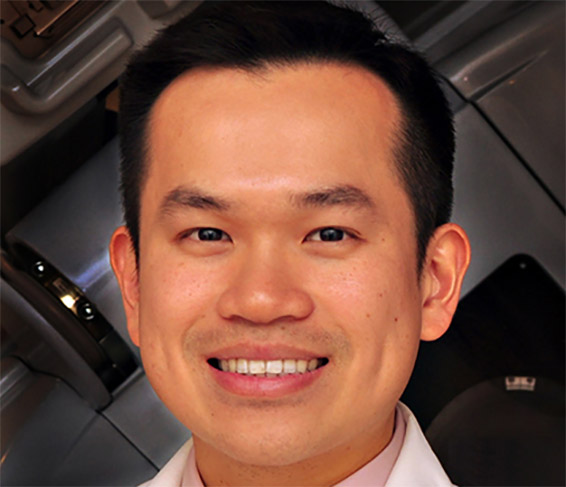 Paul L. Nguyen合作论文数Brigham and Women's Hospital;75 Francis Street;Boston, MA 02115/Dana-Farber Cancer Institute;450 Brookline Avenue;Boston, MA 0221534Yinhan Zhang合作论文数28Sidney Wallace合作论文数University of Texas M.D. Anderson Cancer Center27
 Peter F. Orio III合作论文数Department of Radiation Oncology, Dana-Farber Cancer Institute, Brigham and Women’s Hospital26
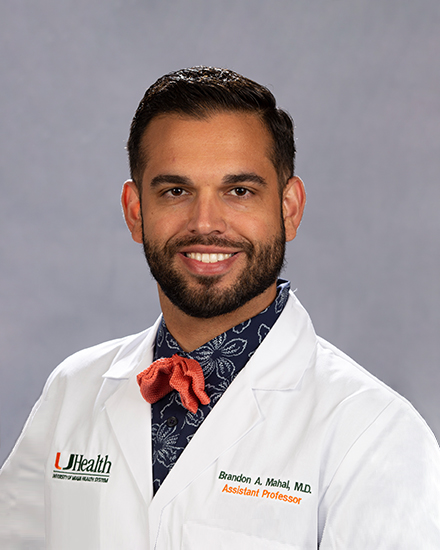 Brandon A. Mahal合作论文数Sylvester Comprehensive Cancer Center, Miller School of Medicine, University of Miami;Sylvester Comprehensive Cancer Center;Department of Radiation Oncology, Miller School of Medicine, University of Miami25
 Ching-Hsien Chen合作论文数23King Martin T合作论文数23
 Muralidhar Vinayak合作论文数Harvard Medical School, MIT21
 Brad S. Kahl合作论文数Division of Oncology, John T. Milliken Department of Medicine, Washington University School of Medicine21Chang‐Sok Oh合作论文数20Mohammad S. Ali合作论文数20Mithu Chanda合作论文数19Kurihara Hiroaki合作论文数17Li Chun合作论文数17
 Tomio Inoue合作论文数Yokohama City University15Chang-Sok Oh合作论文数15
 Anthony V. D'Amico合作论文数Harvard Medical School;Division of Genitourinary Radiation Oncology, Brigham And Women's Hospital;Dana-Farber Cancer Institute14Deric L. Wheeler合作论文数14Mari Iida合作论文数14
 Ravi Salgia合作论文数Department of Medical Oncology and Therapeutics Research, City of Hope13
 Ssu-Wei Hsu合作论文数13Lan V Pham合作论文数Department of Hematopathology, The University of Texas MD Anderson Cancer Center13
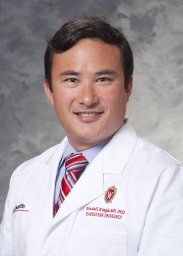 Randall Kimple合作论文数Department of Human Oncology, School of Medicine and Public Health, University of Wisconsin-Madison;Carbone Cancer Center, University of Wisconsin-Madison13Mark M Pomerantz合作论文数12
 Mary-Ellen Taplin合作论文数Dana-Farber Cancer Institute, Inc.12McGregor Bradley A合作论文数12Atish D. Choudhury合作论文数Institute for Cancer Genetics, Columbia University12
 Abhishek Tripathi合作论文数11Rebecca Reichel合作论文数11Amanda F. Pace合作论文数11Brianna Maynard合作论文数11Brandon K. Chen合作论文数11Jacqueline M. Kilar合作论文数11Meredith Flynn合作论文数11Jaqueline Marquez合作论文数11Kathryn Allaire合作论文数11Lucia Kwak合作论文数Dana-Farber Cancer Institute;Dana-Farber Cancer Institute11
 Firas Mourtada合作论文数11Jacene Heather A合作论文数11
 Eliezer Van Allen合作论文数Division of Population Sciences, Dana-Farber Cancer Institute;Harvard Medical School11
 Christopher Sweeney合作论文数South Australian Immunogenomics Cancer Institute, Faculty of Health and Medical Sciences, University of Adelaide;University of Sydney;Massachusetts Institute of Technology11Xiao Wei合作论文数11




