BACKGROUND:Staphylococcus aureus infections are frequently complicated by metastatic foci, recurrence, and death. Antimicrobial resistance and intracellular bacterial persistence limit the effectiveness of conventional antimicrobials. Host-directed therapies could improve outcomes, but the interpretive complexity of pathogen-host interactions impedes identification of critical responses suitable for therapeutic targeting. To address this, we performed a meta-analysis of genome-scale studies aiming to prioritize host responses to S aureus. METHODS:Lists of genes associated with host responses to S aureus were retrieved from systematically identified genome-scale studies, then integrated using the meta-analysis by information content (MAIC) algorithm. This generated a single aggregated gene list, ranked based on the cumulative evidence supporting each gene. RESULTS:MAIC prioritized 3867 host genes. Myeloid cell immune responses were enriched with specific hubs including TLR2, IL-17, IFN-γ, and IL-1β. Noncanonical effector pathways were also enriched: autophagy (specific factors including mTOR and LAMP2), apoptosis (including BAD and BID), ferroptosis and iron metabolism (TFRC ranked 8/3876), and proteasomal antimicrobial responses (including PSME3 and the novel antimicrobial peptide PPP1CB). Prioritized genes were associated with genome-wide association study traits related to platelet count. In a cohort of patients with S aureus bacteremia, platelet count was differentially associated with clinical outcomes. Targets with immediate therapeutic relevance included S aureus/fibrin/platelet microthrombus formation (VWF, GP11b), S aureus-induced platelet loss (ASGR2), autophagy (mTOR), BID-mediated apoptosis, and intracellular bacterial killing (IFN-γ). CONCLUSIONS:This in silico analysis identifies cytokine hubs associated with the response to S aureus infection and prioritizes additional host responses including apoptosis, autophagy, iron metabolism, and thrombosis as therapeutic targets.
Respiratory infectious diseases are associated with substantial morbidity and mortality rates worldwide, especially at the extremes of age and in immunocompromised individuals. Over the past two decades, respiratory viruses have driven nine epidemics and pandemics (including the COVID-19 pandemic); and their ongoing emergence, persistence and evolution continue to threat global health security. The upper respiratory tract (URT) represents the primary access point for respiratory viruses, where initial host infection occurs. Vaccine-mediated URT mucosal memory responses can control infection, prevent transmission and limit viral evolution. However, vaccines against respiratory viruses predominantly have systemic administration routes that elicit strong responses in the circulation to prevent severe respiratory disease, but do not effectively block infection and onward community transmission. To overcome the limitations of systemic vaccination alone, we present a novel intervention combining systemic vaccination with targeted non-antigenic inflammatory stimulation of the URT, to induce vaccine-specific immune responses in the URT mucosa. Using SARS-CoV-2 vaccination as a test case, we demonstrate for the first time, that intranasal coadministration of exogenous IFN-α as a targeted inflammatory URT signal, alongside systemic vaccination, induces vaccine-specific T-cell responses in the URT. ### Competing Interest Statement R.F and J.S. declare no competing interests. D.H.D. acts as Commissioner for Medicines and Healthcare products Regulatory Agency (MHRA), UK, and reports previous participation in Data and Safety Monitoring Boards for COV HIC001, COV HIC002, and Oxford SARS-CoV-2 CHIM study in seropositive volunteers. Medical Research Council, https://orcid.org/0000-0002-6899-748X
Kaposi sarcoma (KS) is the commonest HIV-associated malignancy. It is caused by co-infection with Kaposi sarcoma herpesvirus (KSHV), which upregulates the MAPK pathway. The aim of the SCART trial was to identify a safe dose for the MEK inhibitor selumetinib in combination with antiretroviral therapy (ART) and to establish evidence of the combination’s efficacy. SCART was a prospective, single arm, open-label, multi-centre, phase I/II trial, recruiting from four UK centres. Eligible patients were HIV positive, established on an ART regimen ≥ 3 months, had HIV viral load ≤ 200/ml, and had histologically confirmed KS with progressive disease. Phase I primary outcomes were occurrence of dose limiting toxicity (DLT) to determine the maximum tolerated dose/recommended phase II dose (RP2D), and pharmacokinetic assessments of selumetinib and N-desmethyl metabolite. Phase II primary outcome was occurrence of objective response (OR) as defined by AIDS Clinical Trials Group (ACTG) criteria. Between 15-Jun-2012 and 25-Sep-2018, 19 patients were recruited; three did not start treatment and were not included in the final analysis. Ten eligible patients were treated in phase I and an additional six in phase II. There was one DLT at the 75 mg bd dose, which was deemed to be the RP2D. Of those patients receiving the RP2D (six within phase I, six within phase II), one achieved a partial response (OR 8.3
BACKGROUND:Hyaluronan (HA) is an extracellular glycosaminoglycan polysaccharide with widespread roles throughout development and in healthy and neoplastic tissues. In pluripotent stem cell culture it can support both stem cell renewal and differentiation. However, responses to HA in culture are influenced by interaction with a range of cognate factors and receptors including components of blood serum supplements, which alter results. These may contribute to variation in cell batch production yield and phenotype as well as heighten the risks of adventitious pathogen transmission in the course of cell processing for therapeutic applications. MAIN: Here we characterise differentiation of a human embryo/pluripotent stem cell derived Mesenchymal Stromal Cell (hESC/PSC-MSC)-like cell population by culture on a planar surface coated with HA in serum-free media qualified for cell production for therapy. Resulting cells met minimum criteria of the International Society for Cellular Therapy for identification as MSC by expression of. CD90, CD73, CD105, and lack of expression for CD34, CD45, CD14 and HLA-II. They were positive for other MSC associated markers (i.e.CD166, CD56, CD44, HLA 1-A) whilst negative for others (e.g. CD271, CD71, CD146). In vitro co-culture assessment of MSC associated functionality confirmed support of growth of hematopoietic progenitors and inhibition of mitogen activated proliferation of lymphocytes from umbilical cord and adult peripheral blood mononuclear cells, respectively. Co-culture with immortalized THP-1 monocyte derived macrophages (Mɸ) concurrently stimulated with lipopolysaccharide as a pro-inflammatory stimulus, resulted in a dose dependent increase in pro-inflammatory IL6 but negligible effect on TNFα. To further investigate these functionalities, a bulk cell RNA sequence comparison with adult human bone marrow derived MSC and hESC substantiated a distinctive genetic signature more proximate to the former. CONCLUSION:Cultivation of human pluripotent stem cells on a planar substrate of HA in serum-free culture media systems is sufficient to yield a distinctive developmental mesenchymal stromal cell lineage with potential to modify the function of haematopoietic lineages in therapeutic applications.
Background Neutrophils are essential in the early innate immune response to pathogens. Harnessing their antimicrobial powers, without driving excessive and damaging inflammatory responses, represents an attractive therapeutic possibility. The neutrophil population is increasingly recognised to be more diverse and malleable than was previously appreciated. Hypoxic signalling pathways are known to regulate important neutrophil behaviours and, as such, are potential therapeutic targets for regulating neutrophil antimicrobial and inflammatory responses. Methods We used a combination of in vivo and ex vivo models, utilising neutrophil and myeloid specific PHD1 or PHD3 deficient mouse lines to investigate the roles of oxygen sensing prolyl hydroxylase enzymes in the regulation of neutrophilic inflammation and immunity. Mass spectrometry and Seahorse metabolic flux assays were used to analyse the role of metabolic shifts in driving the downstream phenotypes. Results We found that PHD1 deficiency drives alterations in neutrophil metabolism and recruitment, in an oxygen dependent fashion. Despite this, PHD1 deficiency did not significantly alter ex vivo neutrophil phenotypes or in vivo outcomes in mouse models of inflammation. Conversely, PHD3 deficiency was found to enhance neutrophil antibacterial properties without excessive inflammatory responses. This was not linked to changes in the abundance of core metabolites but was associated with increased oxygen consumption and increased mitochondrial reactive oxygen species (mROS) production. Conclusions PHD3 deficiency drives a favourable neutrophil phenotype in infection and, as such, is an important potential therapeutic target.
BACKGROUND:Staphylococcus aureus bacteremia (SAB) is a clinically heterogeneous disease. The ability to identify subgroups of patients with shared traits (subphenotypes) is an unmet need to allow patient stratification for clinical management and research. We aimed to test the hypothesis that clinically relevant subphenotypes can be reproducibly identified among patients with SAB. METHODS:We studied 3 cohorts of adults with monomicrobial SAB: a UK retrospective observational study (Edinburgh cohort, n = 458), the UK ARREST trial (n = 758), and the Spanish SAFO trial (n = 214). Latent class analysis was used to identify subphenotypes using routinely collected clinical data without considering outcomes. Mortality and microbiologic outcomes were then compared between subphenotypes. RESULTS:Included patients had predominantly methicillin-susceptible SAB (1366 of 1430, 95.5%). We identified 5 distinct, reproducible clinical subphenotypes: (A) SAB associated with older age and comorbidity, (B) nosocomial intravenous catheter-associated SAB in younger people without comorbidity, (C) community-acquired metastatic SAB, (D) SAB associated with chronic kidney disease, and (E) SAB associated with injection drug use. Survival and microbiologic outcomes differed between the subphenotypes. Mortality was highest in subphenotype A and lowest in subphenotypes B and E. Microbiologic outcomes were worse in subphenotype C. In a secondary analysis of the ARREST trial, adjunctive rifampicin was associated with increased mortality in subphenotype B and improved microbiologic outcomes in subphenotype C. CONCLUSIONS:We have identified reproducible and clinically relevant subphenotypes within SAB and provide proof of principle of differential treatment effects. Through clinical trial enrichment and patient stratification, these subphenotypes could contribute to a personalized medicine approach to SAB.
Background Neutrophils are essential in the early innate immune response to pathogens. Harnessing their antimicrobial powers, without driving excessive and damaging inflammatory responses, represents an attractive therapeutic possibility. The neutrophil population is increasingly recognised to be more diverse and malleable than was previously appreciated. Hypoxic signalling pathways are known to regulate important neutrophil behaviours and, as such, are potential therapeutic targets for regulating neutrophil antimicrobial and inflammatory responses. Methods We used a combination of in vivo and ex vivo models, utilising neutrophil and myeloid specific PHD1 or PHD3 deficient mouse lines to investigate the roles of oxygen sensing prolyl hydroxylase enzymes in the regulation of neutrophilic inflammation and immunity. Mass spectrometry and Seahorse metabolic flux assays were used to analyse the role of metabolic shifts in driving the downstream phenotypes. Results We found that PHD1 deficiency drives alterations in neutrophil metabolism and recruitment, in an oxygen dependent fashion. Despite this, PHD1 deficiency did not significantly alter ex vivo neutrophil phenotypes or in vivo outcomes in mouse models of inflammation. Conversely, PHD3 deficiency was found to enhance neutrophil antibacterial properties without excessive inflammatory responses. This was not linked to changes in the abundance of core metabolites but was associated with increased oxygen consumption and increased mitochondrial reactive oxygen species (mROS) production. Conclusions PHD3 deficiency drives a favourable neutrophil phenotype in infection and, as such, is an important potential therapeutic target.
Smoking is one of the major contributors to airway injuries. N-acetylcysteine (NAC) has been proposed as a treatment or preventive measure for such injuries. However, the exact nature of the smoking-induced injury and the protective mechanism of NAC are not yet fully understood. Here, patient tissue-derived airway organoids for modeling smoking-induced injury, therapeutic investigation, and mechanism studies are developed. Airway organoids consist mainly of ciliated cells, together with basal cells, goblet cells, and myofibroblast-like cells. The organoids display apical-out and basal-in polarity and are enriched in beating cilia, which are sensitive to smoking challenge and NAC treatment. An algorithm is developed to measure ciliary beating activity by analyzing the altered beating pattern of cilia in response to nicotine challenge and NAC treatment. Nicotinic acetylcholine receptors (nAChRs) expressed by airway organoids are involved in the mechanisms of nicotine-induced injury through the nicotine-nAChR pathway. In contrast to the common understanding that NAC has an antioxidative effect that mitigates airway damage, it is elucidated that NAC binding to nicotine can abolish the binding capacity of nicotine to nAChRs and thus prevent nicotine-induced injury. This study focuses on the advances and potential of humanized organoids in understanding biological processes, mechanisms, and identifying therapeutic targets.
Background: The probability of developing an autoimmune inflammatory rheumatic disease (RMD) in one's lifetime is 1 in 12 for women and 1 in 20 for men. [1]. Fatigue is reported as one of the most common symptoms of RMDs but remains poorly understood or treated. Studies have shown that fatigue is present in 1 in every 2 patients with RMDs [2]. Up to 70% of patients experience a negative effect on quality of life as result of their fatigue [3]. Fatigue management is not standardised in the United Kingdom and remains inadequately addressed in a real-world setting for RMD patients. [4]. The EULAR 2023 overarching principles and recommendations for fatigue management in RMDs and MSK diseases advocates for, amongst others, shared decision making on treatment between patient and HCP and access to tailored physical activity interventions, and structured psychoeducational interventions [5,6]. Objectives: The primary objective was to establish whether personal choice of fatigue management approaches was important to RMD patients with fatigue. The secondary objective was to determine which would be their preferred fatigue management approach when given that choice. Methods: A cross sectional survey using the JISC online survey tool was distributed to NHS Lothian RMD patients in Autumn 2023. All respondents had previously been referred to the fatigue management team between January 2020 and September 2023. Results: Of those who responded (n=50), 83% indicated that they would like the opportunity to choose their fatigue management plan. Respondents were then asked to choose their top preferences, Table 1. Table 1. Fatigue management options The most popular fatigue management option was a live online group fatigue programme, with 68% of respondents choosing this as their first or second option. This was followed by occupational therapy, which was a first or second option for 44% of the group. Conclusion: The majority of RMD patients would prefer to have a choice in their fatigue management approach, there is limited patient interest in physiotherapy as an option. Despite increasing recognition of the impact of fatigue on RMD patients [5] the only option provided by the majority of NHS hospitals are booklets, which were found to be of minimal interest in this study population. When clinicians and stakeholders consider which fatigue management options to fund, this study indicates increased weight should be given to live online groups and occupational therapy. REFERENCES: [1] Crowson, C.S., Matteson, E.L., Myasoedova, E., Michet, C.J., Ernste, F.C., Warrington, K.J., Davis, J.M., Hunder, G.G., Therneau, T.M. and Gabriel, S.E. (2011). The lifetime risk of adult-onset rheumatoid arthritis and other inflammatory autoimmune rheumatic diseases. Arthritis & Rheumatism, 63(3), pp.633–639. doi:https://doi.org/10.1002/art.30155. [2] Katie L Druce, Neil Basu, Predictors of fatigue in rheumatoid arthritis, Rheumatology, Volume 58, Issue Supplement_5, November 2019, Pages v29–v34, https://doi.org/10.1093/rheumatology/kez346. [3] Seifert O, Baerwald C. Impact of fatigue on rheumatic diseases,Best Practice & Research Clinical Rheumatology,Volume 33, ISjSue 3,2019,101435,ISJSN 1521-6942,https://doi.org/10.1016/j.berh.2019.101435. [4] Pope JE. Management of Fatigue in Rheumatoid Arthritis. SJS Open 2020;6: e001084. doi:10.1136/ SjSopen-2019-001084. [5] Dures E, Farisoğullari B, Santos EJF, Molto A, Feldthusen C, Harris C, Elling-Audersch C, Connolly D, Elefante E, Estévez-López F, Bini I, Primdahl J, Hoeper K, Urban M, van de Laar MAFJ, Redondo M, Böhm P, Amarnani R, Hayward R, Geenen R, Rednic S, Pettersson S, Thomsen T, Uhlig T, Ritschl V, Machado PM. 2023 EULAR recommendations for the management of fatigue in people with inflammatory rheumatic and musculoskeletal diseases. Ann Rheum Dis. 2023 Nov 22:ard-2023-224514. doi: 10.1136/ard-2023-224514. Epub ahead of print. PMID: 38050029. [6] Clark NM, Janz NK, Dodge JA, Mosca L, Lin X, Long Q, Little RJ, Wheeler JR, Keteyian S, Liang J. The effect of patient choice of intervention on health outcomes. Contemp Clin Trials. 2008 Sep;29(5):679-86. doi: 10.1016/j.cct.2008.04.002. Epub 2008 Apr 20. PMID: 18515187; PMCID: PMC2577598. Acknowledgements: NIL. Disclosure of Interests: Joanne Dobson: None declared, Dervil Dockrell: None declared, Kathryn Berg: None declared, Helen Harris Galapagos.
Rationale: High circulating galectin-3 is associated with poor outcomes in patients with coronavirus disease (COVID-19). We hypothesized that GB0139, a potent inhaled thiodigalactoside galectin-3 inhibitor with antiinflammatory and antifibrotic actions, would be safely and effectively delivered in COVID-19 pneumonitis. Objectives: Primary outcomes were safety and tolerability of inhaled GB0139 as an add-on therapy for patients hospitalized with COVID-19 pneumonitis. Methods: We present the findings of two arms of a phase Ib/IIa randomized controlled platform trial in hospitalized patients with confirmed COVID-19 pneumonitis. Patients received standard of care (SoC) or SoC plus 10 mg inhaled GB0139 twice daily for 48 hours, then once daily for up to 14 days or discharge. Measurements and Main Results: Data are reported from 41 patients, 20 of which were assigned randomly to receive GB0139. Primary outcomes: the GB0139 group experienced no treatmentrelated serious adverse events. Incidences of adverse events were similar between treatment arms (40 with GB01391SoC vs. 35 with SoC). Secondary outcomes: plasma GB0139 was measurable in all patients after inhaled exposure and demonstrated target engagement with decreased circulating galectin (overall treatment effect post-hoc analysis of covariance [ANCOVA] over days 2-7; P = 0.0099 vs. SoC). Plasma biomarkers associated with inflammation, fibrosis, coagulopathy, and major organ function were evaluated. Conclusions: In COVID-19 pneumonitis, inhaled GB0139 was well-tolerated and achieved clinically relevant plasma concentrations with target engagement. The data support larger clinical trials to determine clinical efficacy. Clinical trial registered with ClinicalTrials.gov (NCT04473053) and EudraCT (2020-002230-32).
Background: Live attenuated influenza vaccine (LAIV) alters nasopharyngeal microbial community structures in adults. Additionally, LAIV immunogenicity varies across populations for reasons poorly understood, but may be linked to the microbiome. We investigated the impact of LAIV on nasopharyngeal microbiota, and the impact of nasopharyngeal microbiota on LAIV immunogenicity in an open label randomised controlled trial in Gambian children.Methods: We conducted a phase IV open label randomised controlled trial in clinically well children aged 24-59 months in The Gambia (NCT02972957). Participants (n=330) were randomised 2:1 to receive trivalent LAIV at recruitment (day 0 (D0), LAIV group) or after follow-up (day 21, control group) (NCT02972957). Primary outcomes were impact of LAIV on microbial communities as determined by 16S rRNA sequencing, and the impact of microbiota profiles on LAIV-induced mucosal IgA responses. Secondary outcomes were impact of microbiota on seroconversion, Influenza A Matrix and Nucleoprotein CD4+T-cell responses (MNP), and induction of ex vivo peripheral T follicular helper (Tfh)-like CD4+ cells. Respiratory viral co-infection (asymptomatic) at recruitment, and year of recruitment were included as covariates.Findings: Between February and April 2017, and January and March 2018, of 343 children were screened for eligibility. We analysed samples from 213 children receiving LAIV and 108 controls. Although we did not observe an independent impact of LAIV on microbial community structure at day 7 or day 21, we observed an effect of LAIV depending on year of recruitment. We observed that LAIV impacted microbiome structure significantly in 2018 (Effect size(R2)=1.97%, p=0.037) but not in 2017 (R2=1.23%, p=0.091). We also observed a significant impact of viral co-infection at baseline on day 7 microbiota regardless of year (R2=0.96%, p=0.026). D0 microbiota had no impact on mucosal IgA responses (R2=0.5% p=0.463), however, they did impact MNP-responses (R2=2.4%, p=0.003) and Tfh-responses (R2=4.0%, p=0.012).Interpretation: The impact of LAIV on nasopharyngeal microbiota in children is modest and temporary. Nasopharyngeal microbiota may play an important role in LAIV immunogenicity.Trial Registration: The study was a randomised controlled phase 4 clinical trial with registration number NCT02972957Funding: This study was funded by a Wellcome Trust Intermediate Clinical Fellowship award (to TIdS; 110058/Z/15/Z). Research at the MRC Unit The Gambia at LSHTM is jointly funded by the UK MRC and the UK Department for International Development (DFID) under the MRC/DFID Concordat agreement and is also part of the European & Developing Countries Clinical Trials Partnership 2 programme supported by the EU. DHD is funded by the MRC SHIELD consortium (MR/N02995X/1). BK is supported by the UK MRC (MR/K007602/1). CP is funded by the UK National Institute for Health Research (reference 16/136/46). DB is funded by the Chief Scientist Office (CSO) Scotland (reference SCAF/16/03) and WdSP by a grant from the Netherlands Organisation for Scientific research (NWO-VIDI; grant 91715359 to DB).Declaration of Interests: The authors declare no competing interests.Ethics Approval: The study was approved by The Gambia Government and UK Medical Research Council joint ethics committee and the Medicines Control Agency of The Gambia. Parents provided written or thumb printed informed consent for their children to participate. For parents who were not English literate, an informed consent discussion was conducted in a local language in the presence of an impartial witness. The impartial witness signed to confirm completeness of the consent provided.
Cathepsin D is a protease that is an effector in the immune response of macrophages, yet to date, only a limited number of probes have been developed for its detection. Herein, we report a water soluble, highly sensitive, pH insensitive fluorescent probe for the detection of Cathepsin D activity that provides a strong OFF/ON signal upon activation and with bright emission at 515 nm. The probe was synthesised using a combination of solid and solution-phase chemistries, with probe optimisation to increase its water solubility and activation kinetics by addition of a long PEG chain (5 kDa) at the C -terminus. A BODIPY fluorophore allowed detection of Cathepsin D across a wide pH range, important as the protease is active both at the low pH found in lysosomes and also in higher pH phagolysosomes, and in the cytosol. The probe was successfully used to detect Cathepsin D activity in macrophages challenged by exposure to bacteria.
Background Pain is the most common symptom of Paget’s Disease of Bone (PDB) and affects between 60% and 70% of patients who present to clinic in the UK, but its mechanisms are incompletely understood [1]. Quantitative sensory testing (QST) has historically been used in the assessment of neuropathic pain [2]. but has precedent in patients with bone metastases and osteoarthritis [3,4]. In this study we used QST to dissect the mechanisms of pain in PDB, taking advantage of the disease’s focal nature which allows the participant to act as their own control by testing at a contralateral site. Objectives To explore the sensory profiles of PDB patients with and without musculoskeletal pain. Methods All study data was collected and stored on the secure web-based software platform Research Electronic Data Capture (REDCap). Quantitative sensory testing (QST) measured the sensory response to various stimuli applied to the skin overlying the Pagetic bone and compared this to an unaffected site in 120 study participants. Differences between QST assessments in sites overlying Pagetic bone and control sites were assessed by the Mann-Whitney test. Results Significantly higher pain scores were reported above the site of PDB when compared to the control site, irrespective of whether the patient complained of musculoskeletal pain. The differences were apparent for hot roller testing (p = 0.047), pain threshold testing (p = 0.007), pin prick testing (p= <0.001) (see Figure 1), and wind-up pinprick testing (p = <0.001). Pain thresholds were significantly reduced above Pagetic bone (p = 0.007). Additionally, temporal summation scores were significantly higher (p = 0.007) in the pain subgroup compared with the no pain subgroup which could indicate higher levels of central sensitisation in patients who experience pain. Conclusion This study illustrates that there are significant differences in the way that sensation is processed above Pagetic bone when compared to unaffected contralateral sites, regardless of the presence of current musculoskeletal pain. Our data suggest that patients who experience pain may do so, in part, because of higher levels of central sensitisation. References [1]Langston AL, Campbell MK, Fraser WD, MacLennan GS, Selby PL, Ralston SH (2010) Randomised Trial of Intensive Bisphosphonate Treatment Versus Symptomatic Management in Paget’s Disease of Bone. J. Bone Miner. Res 25:20-31 [2]Rolke R, Baron, R., Maier, C.A., Tölle, T.R., Treede, R.D., Beyer, A., Binder, A., Birbaumer, N., Birklein, F., Bötefür, I.C. and Braune, S. (2006) Quantitative sensory testing in the German Research Network on Neuropathic Pain (DFNS): standardized protocol and reference values. 123:231-243 [3]Scott AC, McConnell, S., Laird, B., Colvin, L. and Fallon, M. (2012) Quantitative Sensory Testing to assess the sensory characteristics of cancer-induced bone pain after radiotherapy and potential clinical biomarkers of response. 16:123-133 [4]Kosek E, Ordeberg G (2000) Lack of pressure pain modulation by heterotopic noxious conditioning stimulation in patients with painful osteoarthritis before, but not following, surgical pain relief. 88:69-78 Acknowledgements: NIL. Disclosure of Interests Kathryn Berg: None declared, Dervil Dockrell: None declared, Terry Aspray: None declared, Lesley Colvin: None declared, Elaine Dennison Speakers bureau: Speakers/consultancy fees - Viatris, Lilly, UCB, Pfizer, Hrushikesh Divyateja Speakers bureau: Speaker fee from Amgen, Sanofi, and Dianchi Sankyo for talks about their products, Nazim Ghouri Speakers bureau: Honoraria from Boehringer Ingelheim and Novo Nordisk for diabetes related talks over the past 3 years, Richard Keen: None declared, Terence O’Neill Grant/research support from: Financial support to attend conference from UCB, Faiz Rahman Speakers bureau: Have received speakers fees from Sanofi in relation to their product ‘Praluent’ a lipid lowering drug, and from Amgen in relation to their product ‘Repatha’ another lipid lowering drug., Grant/research support from: Department has received grants from Sanofi., Mashood Siddiqi Speakers bureau: Received Speaker fees from, Thornton and Ross, Amgen, Lilly Pharmaceuticals, MSD and Servier Labs, Stephen Tuck Speakers bureau: Speaker fees from UCB to speak about NOGG and romosozumab, Jane Turton Speakers bureau: A speaker fee from AMGEN for a talk about a self-injection service, Grant/research support from: The Bone Research Unit in Cardiff received an educational grant from AMGEN to start up the self-injection service., Stuart Ralston Speakers bureau: Speaker fees from UCB Pharma, Novartis, Janssen (fees paid to University of Edinburgh)., Grant/research support from: Research support from Astra-Zeneca and Kyowa Kirin (Local investigator on clinical studies, fees paid to NHS Lothian). Eli Lilly donated an IMP for clinical trial. Abbvie, Alexion, Amgen, Bristol Myers-Squibb, Celgene, Consilient Health, Janssen, Eli-Lilly, Novartis, Pfizer, Roche, Sandoz, Sanofi-Genzyme, Thornton & Ross, UCB all provided sponsorship of 14th Scientific Symposium on Bone and Joint disease 2022 (Fees paid to University of Edinburgh).
Rationale: Chronic obstructive pulmonary disease (COPD) is a disease characterized by persistent airway inflammation and disordered macrophage function. The extent to which alterations in macrophage bioenergetics contribute to impaired antioxidant responses and disease pathogenesis has yet to be fully delineated. Objectives: Through the study of COPD alveolar macrophages (AMs) and peripheral monocyte-derived macrophages (MDMs), we sought to establish if intrinsic defects in core metabolic processes drive macrophage dysfunction and redox imbalance. Methods: AMs and MDMs from donors with COPD and healthy donors underwent functional, metabolic, and transcriptional profiling. Measurements and Main Results: We observed that AMs and MDMs from donors with COPD display a critical depletion in glycolytic- and mitochondrial respiration-derived energy reserves and an overreliance on glycolysis as a source for ATP, resulting in reduced energy status. Defects in oxidative metabolism extend to an impaired redox balance associated with defective expression of the NADPH-generating enzyme, ME1 (malic enzyme 1), a known target of the antioxidant transcription factor NRF2 (nuclear factor erythroid 2-related factor 2). Consequently, selective activation of NRF2 resets the COPD transcriptome, resulting in increased generation of TCA cycle intermediaries, improved energetic status, favorable redox balance, and recovery of macrophage function. Conclusions: In COPD, an inherent loss of metabolic plasticity leads to metabolic exhaustion and reduced redox capacity, which can be rescued by activation of the NRF2 pathway. Targeting these defects, via NRF2 augmentation, may therefore present an attractive therapeutic strategy for the treatment of the aberrant airway inflammation described in COPD.
 Moira Whyte合作论文数Centre for Inflammation Research, Institute for Regeneration and Repair, University of Edinburgh72
 Helen Marriott合作论文数Department of Infection, Immunity and Cardiovascular Disease, The Medical School, Faculty of Medicine, Dentistry & Health, The University of Sheffield56
 Ian Sabroe合作论文数From the School of Medicine and Biomedical Sciences, University of Sheffield36
 Walmsley Sarah R合作论文数The University of Edinburgh Centre for Inflammation Research, The Queen's Medical Research
Institute, 47 Little France Crescent, United Kingdom35Bewley Martin A合作论文数25
Walmsley Sarah R合作论文数The University of Edinburgh Centre for Inflammation Research, The Queen's Medical Research
Institute, 47 Little France Crescent, United Kingdom35Bewley Martin A合作论文数25 Stephen A Renshaw合作论文数Department of Infection, Immunity and Cardiovascular Disease, The Medical School, Faculty of Medicine, Dentistry & Health, The University of Sheffield19
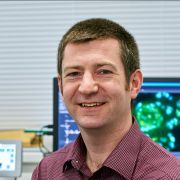 Roger Thompson合作论文数Department of Infection, Immunity and Cardiovascular Disease, The Medical School, Faculty of Medicine, Dentistry & Health, The University of Sheffield17Paul G. Hellewell合作论文数Department of Pharmacology, National Heart and Lung Institute16
 Robert Read合作论文数University of Southampton15Cv Paya合作论文数14
 Edwin r Chilvers合作论文数Dept Med, Univ Cambridge14
 Ananda Mirchandani合作论文数Univ Edinburgh, Queens Med Res Inst, Ctr Inflammat Res, MRC, Edinburgh EH16 4TJ, Midlothian, Scotland13
 Timothy J. Mitchell合作论文数Institute for Microbiology and Infection, University of Birmingham13Paul Collini合作论文数Department of Infection, Immunity and Cardiovascular Disease, The Medical School, Faculty of Medicine, Dentistry & Health, The University of Sheffield13Pranvera Sadiku合作论文数12
 Chris Pugh合作论文数Nuffield Department of Medicine, University of Oxford;Kellogg College, University of Oxford12Emily R Watts合作论文数11
 Dave Singh合作论文数Division of Immunology, Immunity to Infection and Respiratory Medicine, University of Manchester;Medicines Evaluation Unit;North West Lung Centre, Manchester University NHS Foundation Trust11Cole Joby合作论文数11
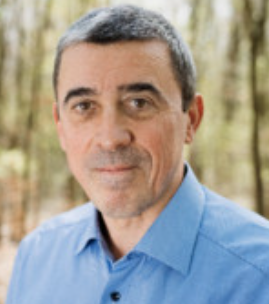 Peter Carmeliet合作论文数Department of Oncology, Faculty of Medicine, KU Leuven;Laboratory of Angiogenesis and Vascular Metabolism, VIB-KU Leuven Center for Cancer Biology10
 Randall S. Johnson合作论文数Department of Cell and Molecular Biology, Karolinska Institutet10Amy Lewis合作论文数Department of Infection, Immunity and Cardiovascular Disease, The Medical School, Faculty of Medicine, Dentistry & Health, The University of Sheffield10
 Patricia Coelho合作论文数9
 Harry Campbell合作论文数College of Medicine and Veterinary Medicine, University of Edinburgh;Usher Institute, University of Edinburgh;NIHR Global Health Research Unit on Respiratory Health9Lynne Prince合作论文数Department of Infection, Immunity and Cardiovascular Disease, The Medical School, Faculty of Medicine, Dentistry & Health, The University of Sheffield9
 Peter Barnes合作论文数National Heart & Lung Institute, Faculty of Medicine, Imperial College London;Royal Brompton Hospital9
 Bart Ghesquière合作论文数Flanders Interuniversity Institute for Bio, Ghent University9
 Simone Arienti合作论文数8R Budd合作论文数8
 Tyler Morrison合作论文数8
 Manuel Alejandro Sanchez Garcia合作论文数Univ Seville, CSIC, Hosp Univ Virgen del Rocio, Inst Biomed Sevilla IBiS, Seville, Spain8
 Emmet McGrath合作论文数Department of Respiratory Medicine, Royal Hallamshire Hospital8
 Simon Foster合作论文数School of Biosciences, University of Sheffield8Lisa Parker合作论文数Department of Infection, Immunity and Cardiovascular Disease, The Medical School, Faculty of Medicine, Dentistry & Health, The University of Sheffield8M.K.B. Whyte合作论文数8
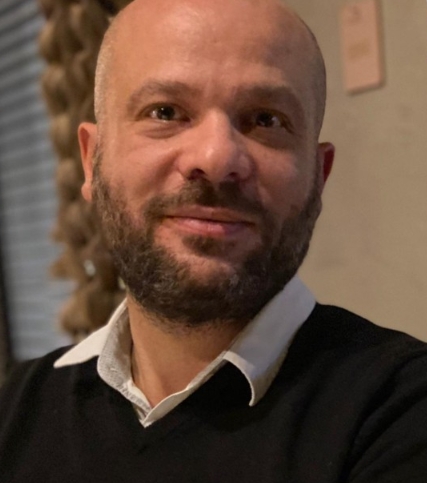 Max Mazzone (Massimiliano)合作论文数Laboratory of Tumor Inflammation and Angiogenesis, Katholieke Universiteit Leuven;Department of Oncology, Katholieke Universiteit Leuven;Faculty of Medicine, Katholieke Universiteit Leuven;Vesalius Research Center, Vlaams Instituut Voor Biotechnologie;Center for Cancer Biology, Vlaams Instituut Voor Biotechnologie;Molecular Biotechnology Center, University of Turin8
 Julie Preston合作论文数8
 Shams El Arifeen合作论文数7
 Eilise Ryan合作论文数7
 Steven K Dower合作论文数CSL;Sheffield University7
 Fiona A Murphy合作论文数7
 Steve Cunningham合作论文数MRC Centre for Inflammation Research, Edinburgh Medical School,The University of Edinburgh7
 Patrick Maxwell合作论文数School of Clinical Medicine, University of Cambridge7Parmar Selina合作论文数7Gary Shaw合作论文数7
 Robert Storey合作论文数Division of Clinical Medicine, School of Medicine and Population Health, The University of Sheffield7
 Sheila Francis合作论文数School of Medicine and Population Health, University of Sheffield7
 Louise Donnelly合作论文数National Heart & Lung Institute, Faculty of Medicine, Imperial College London7
 Marc Daigneault合作论文数University of Sheffield7




