Helping professionals, including clergy, experienced disproportionate sleep disturbance during the COVID-19 pandemic. Unlike other groups of helping professionals, little is known about sleep quality or predictors of poor sleep quality among clergy. This investigation sought to fill this important gap. This investigation was a secondary analysis of baseline data from the Selah trial, a preference-based, randomized, waitlist-controlled trial of stress management interventions delivered during the pandemic. Baseline data collection occurred between April 2020- October 2021. Lifestyle factors (e.g., physical activity), mental health outcomes (e.g., symptoms of anxiety and depression), stress (e.g., symptoms of stress), and sleep quality were measured using validated questionnaires. Poor sleepers were categorized using a global Pittsburgh Sleep Quality Index score > 5. Logistic regressions were used to model predictors of good versus poor sleepers. Data were available from 286 clergy. Participants were on average 52.8 (SD 11.6) years of age. Approximately 66
Analogous to other “helping professions,” clergy often experience a higher prevalence of adverse mental health outcomes than the general population. However, it remains unclear whether this elevated risk can be attributed to work-related factors (e.g., high emotional demand and burnout) or experiences prior to entry into ministry. This study compares suicidal ideation (SI) among seminarians at matriculation to a weighted national sample and examines SI at multiple points during their degree program using repeated cross-sectional samples (n = 463 at matriculation, n = 421 at mid-program, and n = 277 at graduation). As pastors-in-training, seminarians offer insight into selection effects, including mental health factors, that shape entry into the clergy profession. Results demonstrated higher SI among seminarians at matriculation compared to a weighted national sample asked a separate SI measure (OR = 1.79; 95
Religious leaders are important actors on the pathway to care for many people experiencing mental distress, particularly in low-resource settings. There is a need for collaboration with religious leaders in suicide risk recognition and interventions. From May-June, 2024, we conducted qualitative interviews with 14 religious leaders and eight mental health workers in Kilimanjaro, Tanzania to explore the potential to integrate aspects of faith into IDEAS for Hope, a telehealth-delivered counselling intervention for people living with HIV experiencing suicidal ideation. In these interviews, social and economic challenges and stigma were identified as key drivers of suicide risk. Religious leaders were largely considered to be complementary to mental health professionals by providing referrals, offering spiritual counselling, and supporting HIV treatment engagement. Religious leaders were open to undertaking education and collaborating with health professionals. Results suggest that communities of faith could serve a critical role in addressing barriers to mental health treatment to reduce suicide risk in Tanzania.
The purpose of this study was to examine the influence of body mass index (BMI), physical activity (PA) level, dietary inflammatory index (DII), and oral contractive (OC) use on C-reactive protein (CRP) levels, and to determine if elevated CRP values reflect systemic inflammation in OC users. Data were obtained from four cycles (1999-2006) of the U.S. National Health and Nutrition Examination Survey (NHANES) study, yielding a sample of 496 current OC users and a comparator group of 1,583 regularly menstruating women. A general linear model was used to test for interaction effects among BMI, PA level, and OC use, after adjusting for age and smoking status, with log-transformed CRP (lnCRP) identified as the outcome variable. Sequential general linear models with no interaction terms were then constructed to examine the impact of BMI, PA level, and OC use on circulating lnCRP after adjusting for age and smoking status. Follow-up analyses used general linear models to assess the relationship between lnCRP and other indices of systemic inflammation among OC users and nonusers, and to examine the predictors of lnCRP within each subgroup. The omnibus model including smoking status, age, PA level, OC use, and BMI did not identify any statistically significant two-way or three-way interaction effects (all p ≥ .259). The adjusted r 2 value of the model modestly increased from 0.3789 to 0.3801 when all interaction terms were removed. After adjusting for smoking status and age, a sequentially built model indicated that PA level was inversely related to lnCRP values ( p = .0019). When OC use was added to the model, it was positively associated with lnCRP values ( p < .0001), with statistically and clinically significant lnCRP differences between OC users and nonusers. BMI was the last variable entered into the model, which was positively associated with lnCRP ( p < .0001). Among OC nonusers, PA level ( p = .0008) and BMI ( p < .0001) were significantly predictive of lnCRP levels after adjusting for smoking status and age. In contrast, PA level was not significantly predictive of lnCRP values ( p = .718) among OC users. All alternative indices of inflammation were positively correlated with lnCRP values (all p < .0001), but correlations were significantly stronger among OC users than nonusers (all p < .05). In a subset of OC nonusers with complete nutrition data, PA level ( p = .021), BMI ( p < .0001), and DII ( p = .007) were significantly predictive of lnCRP after adjusting for smoking status and age. In contrast, PA level ( p = .709) and DII ( p = .690) were not significantly predictive of lnCRP values among OC users. In conclusion, OC-induced elevations in CRP appear to be reflective of a chronic, systemic inflammatory response. PA and low DII are associated with lower CRP among OC nonusers, but do not mitigate CRP elevations among OC users.
Relational inequalities theory relies on categorical differences in status to explain why the claims of people of color may be discouraged or denied. However, this mechanism may be insufficient to explain intraracial inequalities in claims-making. In this study, we draw from 17 semistructured interviews with pastors of color in the United Methodist Church to examine how racial salience affects the success of claims to leadership positions, congregational acceptance, and ordination in an antiracist organization. We find that status differences created by racial categories do not always reduce the success of these pastors' claims. However, when pastors of color express high levels of racial salience, their claims to organizational resources are delegitimated and their presence in the denomination often becomes untenable. This study contributes to understandings of how race interacts with the claims-making process to generate inequalities, intraracial discrimination within organizations, and the limits of formal policies of antiracism.
We conducted a secondary analysis of the Selah trial, a preference-based, partially randomized, wait-list-controlled trial, to evaluate mediators and effect modifiers of a mindfulness-based stress reduction (MBSR) intervention. Participants were United Methodist clergy enrolled in the Selah trial and allocated to MBSR or wait-list control. Interventions spanned 12 weeks. Self-reported symptoms of stress and cardiac vagal control (CVC) were coprimary outcomes. Participants completed surveys collected 48-hr heart rate data pre- and postintervention and responded to daily text messages to record MBSR practice. Ninety-six participants (M-age = 52.4 years; 92% White; 49% female) were allocated to MBSR (n = 54) or wait-list control (n = 42), with 11 participants completing MBSR following the waiting period. Participants allocated to MBSR evidenced significantly greater change in symptoms of stress, M-Diff = 0.248, 95% CI [0.13, 0.37]; CVC, M-Diff = 2.30, 95% CI [0.13, 4.47]; mindfulness, M-Diff = 1.26, 95% CI [0.27, 3.79]; self-reported reactivity to stressors, M-Diff = 6.09, 95% CI [3.00, 9.19]; and positive mental health, M-Diff = 3.54, 95% CI [0.69, 6.39], relative to wait-list control. Improvement in symptoms of stress was partially mediated by a change in mindfulness and perceived stress reactivity. Effects were not modified by a preference for MBSR intervention, minutes of daily practice, or sex. Finally, changes in symptoms of stress and CVC were bidirectionally related, acting as a partial mediator and suppressor variable, respectively. Results support a central, biological stress resilience pathway underlying the effects of MBSR on health-related outcomes, which is consistent with the mechanistic stress buffering framework.
Why do students in higher education tend to become more liberal? The authors outline a model of belief change wherein cognitive motivations for ideological consistency interact with social factors in peer networks to influence how students in higher education engage with social change, often resulting in a shift toward more liberal views. Hypotheses derived from this framework are tested using longitudinal data on two cohorts of divinity school students during a time of intense debate over the morality of same-sex relationships and ordaining gay clergy. Connecting individual-level belief change data with structural data from peer networks and in-depth interviews shows that student communities, beyond faculty and curricular influences, significantly shape belief liberalization. The authors discuss the implications and possible scope conditions for student liberalization and belief change.
OBJECTIVE:This brief report examines the prevalence of adverse childhood experiences (ACEs) among United Methodist Church clergy in North Carolina. Clergy serve the mental, spiritual, emotional, and material needs of their congregants and communities, making it important to understand whether childhood adversity is associated with occupational selection as in other caregiving occupations. METHOD:Using data from the 2023 wave of the Clergy Health Initiative Longitudinal Survey and the 2023 Behavioral Risk Factor Surveillance System survey, we compared the prevalence of ACEs among clergy to a general population sample. Propensity score matching was used to balance covariates between samples. RESULTS:Clergy were more likely to report growing up in a household with an individual experiencing mental illness and experiencing childhood sexual abuse. Clergy were less likely to have experienced physical abuse, to have experienced parental separation or divorce, and to have lived with an incarcerated person. CONCLUSIONS:These results contribute to the study of ACEs and career choice, highlighting the need for targeted support and training for clergy with these experiences. (PsycInfo Database Record (c) 2025 APA, all rights reserved).
RELTRAD is a major religious taxonomy used by a large number of researchers. Although criticisms have been raised about its utility, improving the algorithm to capture contemporary religious dynamics is important given its widespread use. The present RELTRAD taxonomy classifies more religiously active nondenominational respondents as Conservative Protestants and codes the remainder as missing data. A growing number of Americans indicate they are either nondenominational or only Christian or Protestant, which means using RELTRAD in its existing form codes a nonrandom and increasingly large number of respondents with a missing value for religious affiliation (growing from 2 percent to 5 percent of the US General Social Survey (GSS) sample between 2000 and 2018). Using a machine learning algorithm to predict the likely religious tradition of nondenominational respondents, we demonstrate the shortcomings of this approach and introduce a new coding scheme, RELTRAD2, which classifies nondenominational respondents who report a Black racial identity as Black Protestant, non-Black respondents who never attend religious services as Mainline Protestant, and the remainder as Conservative Protestant. Code to derive RELTRAD2 from the GSS is provided.
Seminary students have been found to be at a higher risk of experiencing abuse in childhood compared with the general U.S. population, as well as demonstrate mental health struggles. This study aims to understand how R/S struggles might explain the relationship between childhood abuse (emotional, physical, and sexual) among a sample of seminary students, a group that is at a higher risk of experiencing emotional and physical abuse in childhood compared to the general U.S. population. Drawing on a unique sample of seminary students at a Mainline Protestant seminary, ( N = 535), regression results suggest that among seminary students, all forms of childhood abuse studied (emotional, physical, and sexual) were associated with greater depressive and anxiety symptoms. We also found consistent evidence that R/S struggles were a mediator of this pathway, explaining anywhere between 20 percent and 35 percent of the overall association between each form of childhood abuse and depressive and anxiety symptoms. This study adds to the growing body of literature describing the associations between childhood trauma and mental health, as well as the role of R/S struggles. We also discuss how seminaries and divinity schools should implement targeted programs for students with a history of childhood abuse.
OBJECTIVE:This systematic review aims to summarize the current body of evidence concerning the prevalence of obesity among clergy (i.e., the officially designated leaders of a religious group) in the United States. METHOD:From November 2022 to February 2023, five databases, one data repository, and gray matter were searched for articles and data sources. The search was restricted to articles published or raw data collected from 2001 to 2021. Study quality was assessed with a template, and heterogeneity was assessed using the I 2 statistic. The protocol for this review was registered with PROSPERO (CRD42022376592). RESULTS:Forty-seven studies of clergy obesity involving 35,064 individuals were eligible. The pooled prevalence estimate of obesity across studies was 34.8% (95% confidence interval [CI]: 32.5-37.2). Obesity prevalence was found to be increasing over time and to vary considerably between clergy from different religious traditions. Compared to national estimates, from 2005 onwards, obesity prevalence was higher than in the US adult population.
Recent research has shown Mainline Protestant clergy evidence poor mental health. In accounting for this, research has focused on occupational factors that impact health, with less attention paid to the role of selection into ministry as it relates to health. We investigate one possible selection characteristic, adverse childhood experiences (ACEs), among a sample of 535 seminarians attending a Mainline seminary. Compared with a demographically matched national sample, these seminarians reported higher prevalence of the childhood experiences of emotional abuse, of living with someone with mental illness, and of sexual abuse. These seminarians also reported lower prevalence of parental separation/divorce and of familial incarceration. Furthermore, we found demographic variations in the prevalence of certain ACEs among the sample of seminarians. In addition to informing the scholarly discussion regarding mechanisms associated with clergy well-being, this work highlights the need for seminaries to attend to the ministerial formation of students with these experiences.
ABSTRACTObjectiveChronic stress can undermine psychological and physiological health. We sought to evaluate three stress management interventions among clergy, accounting for intervention preferences.MethodsUnited Methodist clergy in North Carolina enrolled in a partially randomized, preference-based waitlist control trial. The interventions were: mindfulness-based stress reduction (MBSR), Daily Examen prayer practice, and Stress Proofing (stress inoculation plus breathing skills). The intervention period spanned 12 weeks with a 12-week follow-up. Daily text message data were collected to assess practice across the 24 weeks. Co-primary outcomes were symptoms of stress using the Calgary Symptoms of Stress Inventory and 48-hour ambulatory heart rate variability (HRV) at 12-weeks post-intervention compared to waitlist control. Survey data were collected at 0, 12 and 24 weeks, with HRV collected at 0 and 12 weeks.Results255 participants (mean age=54 years old; 91% white; 48% female) were randomized and initiated an intervention (n=184) or waitlist control (n=71). Compared to waitlist control, lower stress symptoms were found for MBSR participants [Mean Difference (MD)=-0.30, 95% CI:-0.41,-0.20;p<.001] and Stress Proofing (MD=-0.27, 95% CI:-0.40,-0.14;p<.001) at 12 weeks, and Daily Examen participants not until 24 weeks (MD=-0.24, 95% CI:-0.41,-0.08). Only MBSR participants demonstrated improvement in HRV at 12 weeks (MD=+3.32 millisecond; 95% CI:0.21,6.44;p=.036).ConclusionsMBSR demonstrated robust improvement in self-reported and objective physical correlates of stress whereas Stress Proofing and Daily Examen resulted in improvements in self-reported correlates of stress only. These brief practices were sustainable and beneficial for an occupational sample during the COVID pandemic.RegistrationClinicalTrials.govidentifier:NCT04625777(https://clinicaltrials.gov/ct2/show/NCT04625777)
In this study, we examine the role of spiritual struggles among clergy, in the form of “divine struggle” or feelings of alienation from God and their associations with well-being (depressive symptoms and burnout) among clergy. Drawing from a life-stress perspective, we also test whether received and anticipated congregational support moderates these associations. Using two waves of data (2016–2019) of the Clergy Panel Health Survey of United Methodist clergy in North Carolina (n = 1,261), results suggest that it was clergy who increased in divine struggles over time who had the highest depressive symptom and burnout scores. However, clergy who received significant emotional support from members of their congregation were protected from elevated depressive symptoms and greater burnout. Anticipated congregational support only buffered the relationship between increasing divine struggles and one component of burnout (positive achievement). We offer some broader implications for supporting clergy well-being in the face of divine struggles.
Background Community Health Workers (CHWs) provide vital services during disease outbreaks. Appropriate burials of those who died from an infectious disease outbreak is a critical CHW function to prevent infection and disease spread. During the 2018 Ebola Virus Disease (EVD) outbreak in Beni Town, North Kivu, Democratic Republic of the Congo, we sought to understand the levels of understanding, trust, and cooperation of the community in response to the outbreak, the barriers burial workers faced in their health work and its impact on local burial workers and other CHWs. Methods 12 EVD burial CHWs in Beni Town completed an hour-long qualitative in-depth interview on their experiences. They were recruited from a local counseling center. Interviews were recorded, transcribed and translated into English. A team of 3 researchers identified structural and emergent themes using applied thematic analysis. Results Workers reported major misconceptions in the community surrounding the initiation of the outbreak. Community misconceptions were based on widespread governmental mistrust as well as a belief system that intertwines traditional and scientific understandings of the world. EVD burial workers identified violence directed at them and community misinformation as the two largest barriers to effectively carrying out their work. They named several important support systems including family and friends, personal relaxation techniques, and a local counseling center. Conclusions As with other disease outbreaks globally, we found that government mistrust and religious beliefs strongly impacted community perceptions of the EVD outbreak. Previous studies have demonstrated clinic-based medical personnel are often the targets of violence. Our research shows that burial workers were also targeted and exposed to extreme levels of violence in their work. Along with their ability to effectively respond to the outbreak, violence has a negative impact on their own mental wellbeing. Burial workers found group counseling sessions to be an effective tool for managing the stress associated with their work. Further developing and testing of group-based interventions for this group is a priority for future research.
The job-demand-control-support model indicates that clergy are at high risk for chronic stress and adverse health outcomes. A multi-group pre-test-post-test design was used to evaluate the feasibility, acceptability, and range of outcome effect sizes for four potentially stress-reducing interventions: stress inoculation training, mindfulness-based stress reduction (MBSR), the Daily Examen, and Centering Prayer. All United Methodist clergy in North Carolina were eligible and recruited via email to attend their preferred intervention. Surveys at 0, 3, and 12 weeks assessed symptoms of stress, anxiety, and perceived stress reactivity. Heart rate variability (HRV) was assessed at baseline and 12 weeks using 24 h ambulatory heart rate monitoring data. A subset of participants completed in-depth interviews and reported skill practice using daily text messages. Standardized mean differences with 95% and 75% confidence intervals were calculated for the change observed in each intervention from baseline to 3 and 12 weeks post-baseline to determine the range of effect sizes likely to be observed in a definitive trial. 71 clergy participated in an intervention. The daily percentage of participants engaging in stress management practices ranged from 47% (MBSR) to 69% (Examen). Results suggest that participation in Daily Examen, stress inoculation, or MBSR interventions could plausibly result in improvement in stress and anxiety at 12 weeks with small-to-large effect sizes. Small effect sizes on change in HRV were plausible for MBSR and Centering Prayer from baseline to 12 weeks. All four interventions were feasible and acceptable, although Centering Prayer had lower enrollment and mixed results.
Maintaining healthy behaviors is challenging. Based upon previous reports that in North Carolina (NC), USA, overweight/obese clergy lost weight during a two-year religiously tailored health intervention, we described trajectories of diet, physical activity, and sleep. We investigated whether behavior changes were associated with weight and use of health-promoting theological messages. Improvements were observed in sleep, calorie-dense food intake, and physical activity, with the latter two associated with weight loss. While theological messages were well-retained, their relationship with behaviors depended on the specific message, behavior, and timing. Findings offer insights into weight loss mechanisms, including the role of theological messages in religiously tailored health interventions.
COVID-19 and its associated restrictions around in-person gatherings fundamentally unsettled routine ways of doing ministry. In this article, we draw on 50 in-depth interviews conducted with United Methodist clergy in the early period of the COVID-19 pandemic (June 2020–January 2021) to examine the sources and t ypes of social support pastors relied on during this time. We found that most clergy reported drawing from a diverse eco-system of social supports and turned to different sources of support—for example, other clergy, local church members, and denominational leaders—for different types of support—for example, informational, instrumental, and/or emotional. This study extends existing research on clergy well-being by examining whether the social support used by clergy during the COVID-19 map onto those identified in previous research and by specifying the types of support that were most salient. In the discussion, we consider the broader implications of our findings for clergy well-being beyond the pandemic period.
The Seminary to Early Ministry (SEM) Study is a mixed-method, prospective study designed to provide high-quality empirical data on student formation in theological education. The study will use a series of surveys and in-depth interviews to track three cohorts of divinity school students from matriculation into the early years of their careers. As a result, the study hopes to compile the most comprehensive longitudinal dataset on theological education to date, enabling researchers to better understand who attends seminaries, how seminaries form students, and how the training of future religious leaders can be improved.
 Rae Jean Proeschold-Bell合作论文数24
 Yao Jia合作论文数10
 Joshua A Rash合作论文数Department of Psychology, University of Calgary9Anna Holleman合作论文数8Erin F. Johnston合作论文数7
 Logan Tice合作论文数6
 Jennifer Headley合作论文数5Hybels Celia F合作论文数5Heather Parnell合作论文数5Vanroth Vann合作论文数4Cyrilla Amanya合作论文数4
 Kathryn Whetten合作论文数Terry Sanford School of Public Policy, Duke University/Duke Global Health Institute4Jessica Y. Choi合作论文数3Sofia M. Labrecque合作论文数3Beth Stringfield合作论文数3Senti Tzudir合作论文数3
 Venkata Gopala Krishna Kaza合作论文数3Josh Gaghan合作论文数3
 Blen M. Biru合作论文数Duke Univ3
 Laura Upenieks合作论文数Department of Sociology, Baylor University3
 Warren A. Kinghorn合作论文数Adult Psychiatry & Psychology Division, Department of Psychiatry & Behavioral Sciences, Duke University School of Medicine;Duke University Medical Center3
 Elizabeth Louise Turner合作论文数Department of Biostatistics and Bioinformatics, Duke University School of Medicine;Duke Global Health Institute, Duke University3
 Jen'nan Read合作论文数Department of Sociology, Trinity College of Arts & Sciences, Duke University3Jessie S. Larkins合作论文数2Misganaw Eticha Dubie合作论文数2Grace Y Cai合作论文数2
 Eunsoo Timothy Kim合作论文数Duke Global Health Institute2Dori Steinberg合作论文数MSN Program Faculty, School of Nursing, Duke University2
 Corey Lee M. Keyes合作论文数Department of Sociology, Emory University2
 Timothy W. Smith合作论文数Department of Psychology, College of Social and Behavioral Science, University of Utah2
 Lisa A. Keister合作论文数Department of Sociology, Duke University2Alyssa Platt合作论文数2Malik Muhammad Sohail合作论文数1Kelly Keefe合作论文数1H Edgar Moore合作论文数1Yohannes Benyam Saddo合作论文数1Isabeaux Kennedy Mitton合作论文数1Hana Zwick合作论文数1Nneka Molokwu合作论文数1
 Marc Asobee合作论文数1
 Oneya Okuwobi合作论文数Sociol, Ohio State Univ1
 Jennifer Lutz合作论文数North Carolina State Univ1
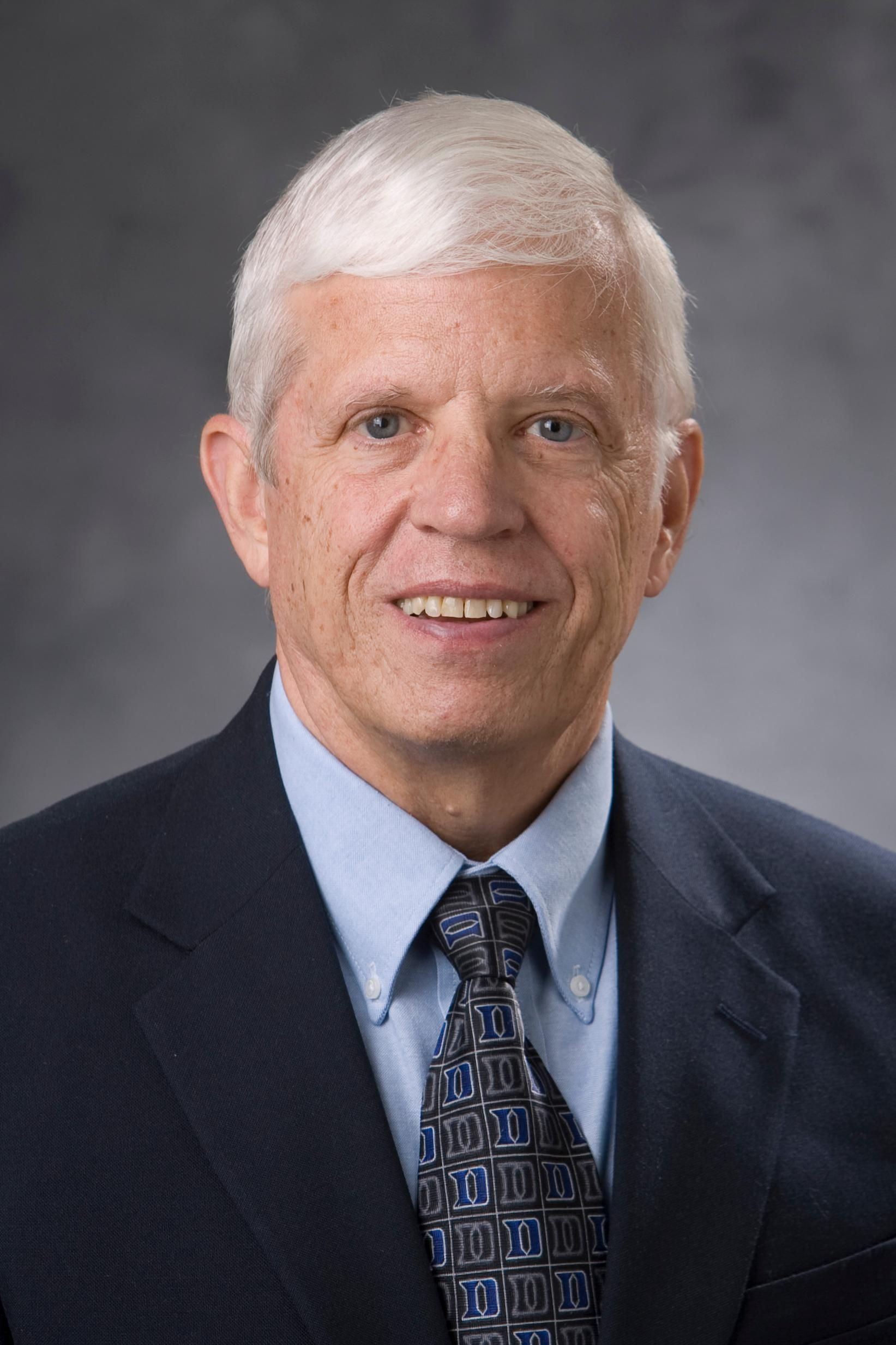 Daniel German Blazer合作论文数Division of Behavioral Medicine & Neurosciences, Department of Psychiatry & Behavioral Sciences, Duke University School of Medicine1
 Dean Lewis合作论文数1
 Andrew Miles合作论文数Morality, Action, and Cognition Lab, Department of Sociology, University of Toronto Mississauga1
 Neil Prose合作论文数Duke University Medical Center Affiliate, Duke Global Health Institute1
 Amy Lynn Corneli合作论文数Department of Population Health Sciences, Duke University School of Medicine1
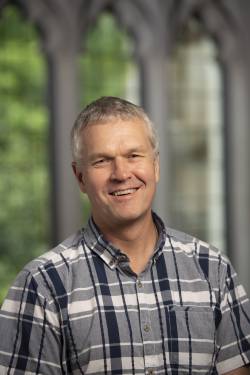 David Toole合作论文数Divinity School, Duke University1




