Objectives At the time of the bombing of the federal building in Oklahoma City, Oklahoma (OKC), it was the deadliest terrorist attack in the United States of America. Available research on this incident, and in general, has been quantitative, using deductive methods. The purpose of the current study was to systematically examine professional disaster response workers’ emotions elicited spontaneously and in detail as they were experienced over time after a major disaster. This qualitative study will add to existing knowledge of psychopathology and the psychosocial effects of disasters on professional responders, which have not been explored by prior quantitative studies. Methods A volunteer sample of 181 rescue and recovery workers for the 1995 bombing of the OKC Murrah Federal Building was interviewed approximately 3 years after the bombing. These responders were asked open-ended questions to elicit undirected responses in their own words. In these interviews, they were prompted to describe their feelings at 3 distinct time points: upon their arrival at the bombing scene (“immediately”), in the first 1 week following the bombing, and currently at the time of the interview (“now”). Results Data items were coded into the 5 themes: Anticipation, Shock and awe, Negative reactions, Positive reactions, and Emotionally unengaged/unaffected. The emotional themes of the responders mapped into 2 conceptual domains. The first domain is related to common human responses to horrible events such as the bombing. The second domain is related to the professional identities of the disaster responders. Conclusions Specific aspects of the professional responder roles asserted themselves, shaping their emotional responses distinctly from those of the bomb blast survivors. This study identified both negative and positive emotions, which may help identify risk for or resistance to posttraumatic stress disorder (PTSD).
Acknowledgement of the importance of students interacting with faculty in a social context has prompted the development of Learning Communities (LCs) in many medical schools. Understanding successful LC and fruitful mentor–mentee relationships is essential to recognize the perspective of multiple stakeholders, i.e., both mentors and mentees. This study used inductive qualitative analysis methods to compare the key attributes and competencies of mentors that are most important to mentors with those most important to mentees in LCs. Six mentor focus groups (N = 50) and four mentee focus groups (N = 22) were conducted. Thematic analysis revealed twelve distinct themes. Three were categorized as mentor/mentee similarities: (1a) individualized approach, (1b) history and physical skills, and (1c) group interaction. Three were categorized as mentor/mentee differences: (2a) teaching versus relationship competence, (2b) mentor as a relatable figure, and (2c) faculty development. Four themes were unique to mentees: (3a) cultural competence and role modeling, (3b) feedback to students, (3c) one-on-one sessions, and (3d) clinical pearls, and two themes were unique to mentors: (4a) communication and (4b) peer development. Formative evaluation is needed to recognize new styles of learning preferences and new forms of feedback. Awareness of the similarities and differences in the perspectives of mentors and mentees can inform modifications to LCs that can potentially improve the experience of both mentors and mentees.
Existing empirical research examining PTSD related to disaster exposure has generally been limited to quantitative methods and also cross-sectional rather than over time. The purpose of this qualitative study was to retrospectively examine postdisaster emotions emerging over time in highly trauma-exposed disaster survivors, comparing individuals with and without PTSD. Survivors of the 1995 Oklahoma City bombing were interviewed approximately 17 months after the bombing, assessed for PTSD, and asked to recall their feelings at 3 different time points. The primary finding was that survivors with and without PTSD reported emotions similarly immediately following the disaster, and over time they diverged in reported emotions. Regarding both amount of emotional responses and their content such as intensity in the immediate postdisaster timeframe, some emotions differed between the groups with and without PTSD, reflecting or portending the development of psychopathology. PTSD was associated with more intense feelings of anger and fear and inability to face the reality of the bombing, indicating continuing struggles to successfully process their disaster experience that are characteristic of PTSD. Understanding similarities and differences in the expression of emotional responses over time among survivors in the context of the development and course of PTSD could aid in designing disaster relief protocols targeted to individual mental health needs over time. Further studies are needed to understand how survivors' emotional responses to catastrophic events develop and evolve over a much longer course such as a lifetime.
Background Disaster mental health outcomes of individuals may be affected by the families they inhabit, with effects rippling through the entire family system. Existing research on the experience of children in disasters has typically been limited to examining single individuals or, at most, family dyads. Research is needed to explore interactions within families as a whole, including interactions among multiple family members, as well as with community entities in a broad systems approach with dynamic analysis of family systems over time. The purpose of this study was to combine quantitative and qualitative data using structured diagnostic interviews and accompanying open-ended narratives of family members (spouses and children) of survivors of the 9/11 attacks. Methods This study examined 60 members in 25 families of employees affected by the 9/11 attacks on New York City’s World Trade Center, using a mixed methods approach, collecting quantitative data using full assessments of psychiatric disorders and qualitative data from detailed personal disaster narratives. The employees were a highly 9/11 trauma-exposed group, with about one-fourth developing posttraumatic stress disorder (PTSD). The employees’ exposures and PTSD did not regularly appear to propagate straightforwardly to psychopathology in their spouses or children. Based on the impact of disaster experience, 4 illustrative families were selected for narrative and family systems analyses. Results Qualitative analysis of their narratives suggested distinct family system patterns or archetypes that may reflect different ways that families cope with disaster. Conclusion Findings suggest that family systems and family dynamics may influence not only disaster trauma-exposed members but also other family members in supporting one another and coping with the disaster, with interactions with outside community influences adding further complexity. This information may help guide disaster response efforts to provide psychosocial support targeted to specific family patterns.
Many veterans returning to civilian life face medical and mental health issues. As there is a stigma of using mental health services, equine-assisted activities and therapy (EAAT) has been considered a nonconventional intervention to support the mental health and well-being of veterans. In this qualitative study, 14 focus groups with 67 participants and program volunteers and staff of a veteran-led EAAT program were conducted to explore perspectives among current and past participants in the program. Five themes emerged: (a) benefits of EAAT, (b) connections with horses, (c) program engagement, (d) equestrian experience related to military experience, and (e) recommendations for the program. In spite of emotional and physical challenges, they indicated that they felt stronger, confident, and fulfilled. The participants developed meaningful relationships with the horses and developed horsemanship skills. Some participants connected their involvement in the program to their past military experience based on interactions with peers in a group setting. Recommendations made by the participants included efforts to increase community awareness and expand the program by including families and adding therapeutic and aftercare components. Findings from this study suggest relevance for care of veterans reintegrating to civilian life from the point of view of individuals participating in EAAT.
Introduction: A large proportion of the existing voluminous disaster mental health research literature represents the quantitative study of psychopathology, especially posttraumatic stress disorder. Subjective disaster experience is relatively unexplored. Qualitative narratives of surviving a disaster may provide insight into individual experiences of it and efforts to derive meaning from it. Methods: From an initial random sample of 182 survivors of the Oklahoma City bombing, narrative descriptions of this experience were collected 7 years after the bomb blast from 116 of the original sample, for the purpose of examining persistent as well as newly evolving content through qualitative analysis. The narrative content was analyzed for the evolution of thematic content in narrative data also collected at 6 months post-disaster and 1 year later. Results: The thematic content of the bombing experience was structured in a chronological fashion from the bomb blast (sensory, cognitive, and emotional), its immediate aftermath (e.g., escaping danger), and later experiences, (e.g., leaving the bomb site and receiving hospital treatment). During the time between interviews, the focus and general content of the narratives changed minimally, despite considerable compression of detail. Conclusions: The consistency of the material in these narratives over 7 years may reflect the persistence and salience of disaster memories, with the potential for its continuation for the rest of their lives.
OBJECTIVE:To identify organizational service features associated with positive patient ratings of primary care within primary care clinics tailored to accommodate persons with ongoing and recent experiences of homelessness (PEH). DATA SOURCES AND STUDY SETTING:PEH receiving primary care in 29 United States Veterans Health Administration homeless-tailored clinics were surveyed about their primary care experience using the validated Primary Care Quality-Homeless (PCQ-H) survey. Characteristics of the clinics were assessed through surveys of clinic staff using a new organizational survey developed through literature review, site visits, statistical analysis, and consensus deliberation. STUDY DESIGN:Cross-sectional examination of patients' ratings of care based on surveys of patients, and of clinic characteristics, analyzed with Classification and Regression Tree (CART) analysis, a form of machine learning. DATA COLLECTION METHODS:Patient surveys (n = 3394) were obtained from a random sample of enrolled patients by both mail and telephone by an external survey contractor. Staff (n = 52 from 29 clinics) were interviewed by telephone. PRINCIPAL FINDINGS:This analysis identified service features that impact patient experience favorably, including aspects of patient-centeredness, team identity, strong external leadership support, and service that reach beyond traditional primary care clinic confines. Results varied according to the patient experience scale analyzed. Individual characteristics of PEH, such as degree of social support, general health, and unsheltered status, were also correlated with how they rate care. CONCLUSIONS:Organizational characteristics correlate with ratings of primary care from patients with recent and ongoing homelessness. Primary care programs serving homeless individuals can assure better care based on who they hire, how they foster team identity, what services they provide, and the strength of leadership support to protect a homeless-focused mission.
Objective Much of disaster mental health research uses quantitative methods, focusing on numerical prevalence, services, and outcomes. Methods Qualitative methods can provide more detailed, rich, and spontaneous insights into personal disaster experiences, yielding important insights beyond deductive methods. This large-scale qualitative narrative study examined experiences of 181 Oklahoma City bombing rescue/recovery workers. Results Thematic narrative content of the bombing experience arose from personal accounts of the bomb blast by rescue/recovery workers proceeding chronologically from initial awareness and deployment to harrowing onsite search and rescue/recovery missions to the aftermath with reflections on the bombing. Conclusions Beyond disaster recovery/rescue worker stories published in popular media, little other substantive published knowledge on this topic is available, and therefore this research study provides a wealth of new in-depth information that can provide guidance for policy and practice for disaster response.
The Oklahoma City bombing in 1995 was one of the most devastating incidents of terrorism in America at that time. Existing research has not examined changes in emotional responses outside of psychopathology to disaster over time. The sample for this study consisted of adult participants randomly selected from a state registry of survivors who were directly exposed to the 1995 bombing in Oklahoma City. The Disaster Supplement to the Diagnostic Interview Schedule was used to collect participants' demographic information and qualitative details of their disaster experience, perceptions, and feelings. A total of 315 items resulted from the coding of responses pertaining to emotions (125 immediately after the disaster event, 140 in the following week, and 50 at approximately seven years postdisaster). The most common emotions in the immediate postdisaster period were shock, fear, and anxiety. In the following week, the most common were sorrow and anger. At seven years, sorrow was the most frequently expressed of all emotions. Understanding the progression of these feelings across time enhances the ability to anticipate responses at different postdisaster timeframes and to intervene in a timely manner.
BACKGROUND: There is little systematic information about intelligence and academic achievement among sheltered homeless adults. This study adds descriptive data on intelligence and academic achievement, examines discrepancies across these concepts, and explores the associations among demographic and psychosocial characteristics in the context of intelli-gence categories and discrepancies.METHODS: We studied intelligence, academic achievement, and discrep-ancies between IQ and academic achievement among 188 individuals experiencing homelessness who were systematically recruited from a large, urban, 24-hour homeless recovery center. Participants completed structured interviews, urine drug testing, the Wechsler Abbreviated Scale of Intelligence, and the Wide Range Achievement Test, 4th edition.RESULTS: Average full-scale intelligence was low average (90) but higher than scores obtained in other studies of homeless populations. Academic achievement was lower than average (82 to 88). Performance/math defi-cits in the higher intelligence group indicate functional difficulties that could have contributed to homeless risk.CONCLUSIONS: The low-normal intelligence and below-average achieve-ment scores are not extreme enough to warrant immediate attention and intervention for most individuals. Systematic screening during entry into homeless services might identify learning strengths and weaknesses, pre-senting modifiable factors that could be addressed in focused educational/ vocational interventions.
Background: Over 100 student-run free clinics (SRFCs) operate in the United States (US), typically serving uninsured populations. To date, there has been no effort to compare the patient-reported primary care experience in SRFCs to those of mainstream primary care (PC) clinics serving similar populations. In this study, we surveyed patients at Equal Access Birmingham (EAB), an SRFC, and compared our results to those from two PC clinics serving homeless-experienced clientele. Methods: We surveyed 60 EAB patients with the validated “Primary Care Quality-Homeless” survey. It generates an overall score and 4 subscale scores (clinician-patient Relationship, perceived inter-provider Cooperation, Accessibility/Coordination, Homeless-Specific Needs). We compared EAB’s ratings to those published for a Veterans Affairs (VA) mainstream PC (n=150) clinic and a homeless-tailored non-VA Health Care for the Homeless (HCH) program (n=195). Results: EAB’s ratings were similar to those of the mainstream VA clinic (p>0.4). EAB scored lower than the homeless-tailored non-VA HCH program in each subscale, though the difference did not achieve statistical significance. EAB patients most often praised the staff’s interpersonal skills. Items in which >25% of respondents gave a negative rating concerned wait times (29%), coordination of care (65%), and perceptions of provider skill (43%). Conclusions: Despite constrained resources, an SRFC scored comparably to a mainstream VA PC setting. SRFCs will play a continuing role in care of uninsured individuals, and while these data suggest SRFC patient experiences are mostly favorable, additional resources may be required to approximate the care experience achieved in clinics tailored for homeless persons.
To assess the elements necessary to be a successful learning community (ClinCalc) mentor to medical students from the mentee’s perspective. Few such studies have utilized the in-depth and richness of detail obtained in qualitative studies. This qualitative study analyzed four focus group discussions lasting 45–90 min conducted at the University of Texas Southwestern Medical School, which has an established LC, in the year 2018. The groups included 14 pre-clerkship and 8 clerkship students. Investigators evaluated transcriptions of the focus group discussions using ATLAS.ti software. Three overarching categories of discussion emerged from the group discussions: (1) Relationship Competence, (2) Teaching Competence, and (3) Ethical and Compassionate Medical Practice Competence. Relationship Competence themes included “walk with me,” relationship is most important, and one-on-one. Teaching Competence themes included above and beyond, recognize and address mentor limitations, and safe and enriching environment. Ethical and Compassionate Medical Practice Competence themes included ethical decision making and compassionate care for diverse patient populations. Mentees focused on various aspects of the mentor-mentee relationship as the single most essential competence. Themes mentees discussed as important qualities of a successful mentor may denote qualities to be prioritized in faculty development and mentor recruitment. Future studies could investigate how the LC environment informs former medical students and promotes patient outcomes.
Objective: No previous studies examined how survivors made meaning (i.e. interpreted the personal significance) of a disaster experience after seven years. This qualitative study follows up on a previously published analysis of 182 directly-exposed survivors of the Oklahoma City bombing, assessed after six months had elapsed for bombing-related psychopathology and meaning-making processes. The current study examines how 113 survivors (62% follow-up rate) made meaning of their bombing experience after seven years. Method: Survivors answered questions about the effects of the bombing on their beliefs and perspectives. Their responses were hand recorded by interviewers and transcribed. Content was coded into themes, allowing codes of multiple themes. Excellent interrater reliability was obtained (Cohen’s kappa≥.8). Results: The survivors were 50% (57/113) male, 93% (105/113) Caucasian, 34% (38/113) college educated, and 71% (80/113) married with a mean (SD) age of 42.5 (10.6) (range = 19-69) years at the time of the bombing. Eight themes emerged and indicated that survivors matured in personal goals and character, interpersonal relationships, and philosophical thought (e.g., reconsideration of human nature and religion). More than one third of the comments included negative remarks about personal harm, especially psychological effects. Conclusions: Nearly two thirds of the material was positive in tone and consistent between six months and seven years. Negative content was entirely new relative to six-month baseline interview responses, suggesting many survivors incorporate greater reflection on negative outcomes in meaning-making processes over time. After several years, clinicians could encourage survivors to integrate positive and negative consequences as meaning. Longer-term studies are needed.
BACKGROUND:After disasters, mental health professionals might be called upon to help address the emotional consequences of the disaster among survivors and other affected groups, but the clinicians themselves could be affected. This exploratory study examined the experiences of 60 mental health professionals, most of whom provided mental health care to individuals affected by the September 11, 2001 terrorist attacks (9/11), and/or experienced 9/11 sequelae themselves.METHODS:Participants completed structured interviews 3 and/or 6 years after the disaster, with full diagnostic assessment of psychiatric disorders and questions specific to their personal and professional post-9/11 experience.RESULTS:Providing postdisaster care was somewhat stressful initially, but long-term effects were more positive than negative, with overall benefit to many personal lives. Most found their clients' 9/11 stories emotionally upsetting, yet characterized their 9/11 mental health work as positive. Work satisfaction increased by 3-fold, but this effect was transitory. One-third had postdisaster psychopathology, but most was pre-existing and therefore not a product of disaster-related stressors.CONCLUSIONS:Although most mental health professionals initially found the emotional difficulty of their work increased after 9/11, this negative effect had largely dissipated over the years. Opportunities for disaster mental health training and initial logistical support could benefit these professionals.
Favorable outcomes for patients with HCV depend on patients receiving accurate information about HCV and treatments.Effective patient communication consists of providers transmitting clear information and patients receiving and interpreting information accurately.Most patient communication research has focused on the former.The purpose of this study is to identify sources of patient information about HCV and treatment and examine accuracy.Data from 9 focus groups (N=48) were collected from patients recruited from large metropolitan public clinics and hospitals.Passages related to HCV (n=43) and treatment (n=50) were identified and coded by source and accuracy.Most (63%) information on HCV came from healthcare providers.In contrast, only 28% of treatment information came from providers.Accuracy of information received was 71%-89%.It is concerning that a substantial minority of disease process information and a majority of treatment information came from non-providers.It is also problematic that about ¼ of information was inaccurate.Focusing on communications from providers to clients to improve disease outcomes is overly simplistic.
Background The use of older data and references is becoming increasingly disfavored for publication. A myopic focus on newer research risks losing sight of important research questions already addressed by now-invisible older studies. This creates a 'Groundhog Day' effect as illustrated by the 1993 movie of this name in which the protagonist has to relive the same day (Groundhog Day) over and over and over within a world with no memory of it. This article examines the consequences of the recent preference for newer data and references in current publication practices and is intended to stimulate new consideration of the utility of selected older data and references for the advancement of scientific knowledge. Methods Examples from the literature are used to exemplify the value of older data and older references. To illustrate the recency of references published in original medical research articles in a selected sample of recent academic medical journals, original research articles were examined in recent issues in selected psychiatry, medicine, and surgery journals. Results The literature examined reflected this article's initial assertion that journals are emphasizing the publication of research with newer data and more recent references. Conclusions The current valuation of newer data above older data fails to appreciate the fact that new data eventually become old, and that old data were once new. The bias demonstrated in arbitrary policies pertaining to older data and older references can be addressed by instituting comparable treatment of older and newer data and references.
Objective: Research is needed on disaster-affected workplaces, particularly on employee job satisfaction and performance, to inform workplace responses promoting employee postdisaster adjustment and wellbeing. Methods: Quantitative and qualitative data were collected from a volunteer sample of 255 employees of eight workplaces affected by the 9/11 attacks on New York City's World Trade Center nearly 3 years post disaster. Results: The effects of 9/11 on both job satisfaction and job performance were more negative than positive, especially for the Ground Zero employees. Effects on job satisfaction and job performance were generally congruent. Workplace responses focused on individual needs were perceived as positive and those focused on workplace needs as negative. Conclusions: Workplace responses focused on business improvement intended to improve workplace performance may not have the desired effect and may reduce employee job satisfaction and performance.
Disaster mental health is a consequential topic in today's world in which disasters are increasing in both numbers and magnitude and inflicting deep psychological wounds across wide populations [...].
This study compared perspectives of highly trauma-exposed Oklahoma City bombing survivors (N=141) with and without PTSD. Survivors' responses to questions about the effects of the bombing on their perspectives were hand-recorded and transcribed, six themes identified, and interrater reliability established. Both diagnostic groups (with and without PTSD) expressed greater appreciation for life, greater concern with human vulnerability and mortality, and positive changes in religion/spirituality as consequences of the bombing. Survivors with PTSD also expressed negative religious/spiritual changes and substantive gains in self-confidence. Results indicate that disaster survivors may experience profound changes in their perspectives with ramifications for their mental health.
This study's purpose was to learn about survivors' raw personal experiences of the Oklahoma City bombing in terms of reported actions, thoughts, and feelings, and to examine the evolution of their feelings with the passage of time, post-disaster. A randomly selected sample of 182 directly-exposed survivors of the 1995 Oklahoma City bombing were interviewed approximately six months after the disaster and asked four open-ended questions about reactions to the bombing and to reminders of it. Responses to questions were conceptually divided, providing structure for a subsequent qualitative content analysis. Initial thoughts and actions at the time of the bomb blast included efforts to make sense of what was happening and helping themselves and others to safety. Feelings evolved in type and intensity, with varied time courses. Based on these findings, responders, clinicians, and health authorities can anticipate different emotional responses over time, allowing tailoring of mental health interventions to needs.
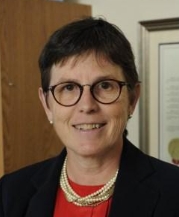 Carol North合作论文数Departments of Psychiatry, The University of Texas Southwestern Medical Center;Altshuler Center for Education & Research104
 Barry Hong合作论文数31
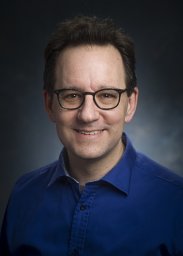 Stefan G. Kertesz合作论文数School of Medicine and the Deep South Center on Effectiveness at, University of Alabama at Birmingham;15;School of Medicine and the Deep South Center on Effectiveness, University of Alabama at Birmingham25
 Austin Erika Laine合作论文数Department of Sociology and Social Work, University of Alabama at Birmingham23
 Sanna J. Thompson合作论文数School of Social Work, University of Texas at Austin16
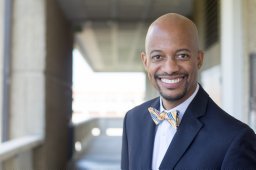 Sims Omar T合作论文数a School of Social Work, The University of Alabama12
 Adam Joseph Gordon合作论文数School of Medicine, University of Utah12Sally K. Holmes合作论文数11April E Hoge合作论文数10
 Kimberly Ann Bender合作论文数Graduate School of Social Work, University of Denver10
 Montgomery Ann Elizabeth合作论文数Utah State University, University of Pennsylvania, Philadelphia10DeRussy Aerin合作论文数The Center for Surgical, Medical Acute Care Research, and Transitions, Birmingham Veterans Administration Hospital10
 E. Whitney Pollio合作论文数9Betty J. Pfefferbaum合作论文数Department of Psychiatry and Behavioral Sciences, College of Medicine, University of Oklahoma Health Sciences Center9
 Erin J Stringfellow合作论文数Boston Health Care for the Homeless Program9Jocelyn L. Steward合作论文数9
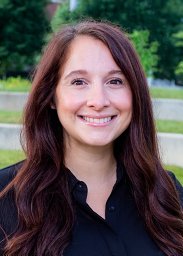 Allyson Varley合作论文数Heart Rhythm Clinical and Research Solutions8Gabrielian Sonya合作论文数8
 Kristin Ferguson合作论文数Center for Human Capital & Youth Development, Arizona State University;School of Social Work, Arizona State University8Jones Audrey L合作论文数8
 Cheryl L. Holt合作论文数Division of Preventive Medicine, University of Alabama at Birmingham School of Medicine8
 Riggs Kevin R合作论文数7Mamta K Jain合作论文数6Min Hyung Lee合作论文数6Nancy Johnson合作论文数6
 Blosnich John R合作论文数Suzanne Dworak Peck Sch Social Work, Univ Southern Calif6
 Lillian Gelberg合作论文数University of California,Los Angeles6Josh M Raitt合作论文数5Kimberly Roaten合作论文数5Reid Donna L合作论文数5
 Michael F. Polgar合作论文数5
 Rebecca Smith合作论文数School of Human Sciences, Faculty of Education, Health and Human Sciences, University of Greenwich5
 Young-Il Kim合作论文数Department of Chemistry, Seoul National University5Theresa W. Kim合作论文数5
 Alexander S. Young合作论文数Department of Veterans Affairs, Desert Pacific Mental Illness Research, Education and Clinical Center (MIRECC), Los Angeles, CA USA5Dana L. Downs合作论文数5Katy McDonald合作论文数4Fuad Khan合作论文数4Shanette Daigle合作论文数4Wallace Nancy E合作论文数4Lukas Carol VanDeusen合作论文数4Chrystal Joya G合作论文数Mental Illness Research, Education, and Clinical Center (MIRECC),, Veterans Affairs Greater Los Angeles Healthcare System4
 James Petrovich合作论文数4
 Ayvaci Emine R合作论文数4
 Mauricio Lisker-Melman合作论文数Department of Medicine, Washington University School of Medicine4
 Adam Gordon合作论文数Wolfson Institute of Population Health, Queen Mary University of London4
 Alina Suris合作论文数4
 Edward Spitznagel合作论文数Department of Mathematics and Statistics, College of Arts & Sciences, Washington University in St. Louis;Division of Biostatistics, School of Medicine, Washington University4karin m eyrich合作论文数3




