Within-individual consistency and between-individual variation in migratory and foraging behaviour have been observed in many species, including seabirds. Migratory differences among individuals within species have been linked to factors such as age, sex and animal personality, and may have fitness consequences. Therefore, we aimed to investigate individual consistency in distribution (i.e. location, distance from colony), foraging dive depth and dietary metrics for razorbills Alca torda during non-breeding seasons across years and whether these behaviours were related to a personality trait. Between 2017 and 2023, we deployed light-level geolocator (global location sensor, GLS) and combination geolocator temperature-depth recorder (GLS/TDR) tags on personality-tested razorbills (docile-aggressive continuum) during chick-rearing in coastal Newfoundland, Canada, and collected feathers (head, belly, secondary) to quantify stable isotope ratios of nitrogen (delta 15N) as a proxy of trophic level. Razorbills displayed high repeatability (R) in their non-breeding locations and the distances travelled north (R = 0.592) and south (R = 0.564) from the colony. Razorbills also displayed low but significant repeatability in dive depth (R = 0.133) and delta 15N values (R = 0.128). However, these metrics were not related to docility. Overall, the small but consistent differences in non-breeding location and foraging behaviour among individuals suggest that environmental conditions causing negative fitness consequences may be experienced by certain subsets of the population, thereby minimising the impacts of localised threats at the population-level. Although relationships between our measured personality trait (docility) and non-breeding behaviours were not observed, we suggest future studies investigate personality to understand the between-individual variation shown in a growing number of studies.
Trace elements occur naturally in the environment, but anthropogenic activities can amplify their release, increasing exposure and bioaccumulation in marine predators such as seabirds. Mercury (Hg) in liver, blood, and eggs of Leach's storm-petrels (Hydrobates leucorhous), has been investigated as a short-term exposure indicator of hatching and fledging success. However, chronic Hg intake and exposure to other trace elements during the non-breeding period remain poorly understood. This study assessed geographic variation in trace element exposure and relative trophic position in Leach's storm-petrels from five overwintering locations in the Atlantic Ocean, using secondary feathers (S4s) and geolocation data. Hg concentrations and trophic position (δ15N) varied significantly among overwintering locations, whereas other trace elements varied without clear spatial patterns. Sea surface temperature was positively correlated with Hg concentrations, whereas dietary origin (δ13C) and year were associated with relative trophic position. Colony of origin had no effect on Hg or trophic position, likely reflecting high intra-colony variability in wintering locations. Additionally, Hg concentrations were highest in birds overwintering in oligotrophic regions where δ15N values were low, suggesting lower nitrogen baselines in areas dominated by diazotrophic organisms and enhanced methylmercury availability via sulfate-reducing bacteria. In contrast, storm-petrels overwintering in productive upwelling regions such as the Benguela system exhibited lower Hg concentrations, consistent with Hg biodilution driven by rapid decaying phytoplankton export to deep sediments. These findings provide baseline information on trace element exposure during the non-breeding period of Leach's storm-petrels and inform future studies on migratory carry-over effects influencing adult survival and reproductive success.
Noise from human activities has increased and been shown to negatively impact marine animals. Marine mammals and fish are vulnerable to anthropogenic noise because they rely on sound to communicate, find food, avoid predators and sense their environment. Forage fish are small schooling pelagic fish, important to many predators and instrumental in moving energy to higher trophic levels. There are limited studies investigating how noise influences forage fish behaviour, especially their anti-predator behaviour. Here, we investigate how noise from boats, pile driving and wind farms affects the anti-predator behaviour of Pacific sand lance (Ammodytes personatus, PSL), a key forage fish in the Northeast Pacific Ocean. We exposed PSL to four different noise playbacks and documented anti-predator behaviour (i.e., burying in the sand and startling). We hypothesized that exposure to anthropogenic noise would increase anti-predator behaviour in PSL. Contrary to our hypothesis, exposure to boat noise and pile driving noise decreased startling behaviour and burying behaviour, while wind farm noise increased both. These results suggest that different noise sources may impact behaviour through different mechanisms such as noise-induced stress or distraction and, as a consequence, can both increase PSL short- term availability in some contexts while decreasing availability overall. Understanding how fish and their predators respond to different noise sources over longer periods of time is critical in understanding the effects of noise on marine communities and necessary to facilitate recommendations on the management of marine anthropogenic stressors and highlight conservation efforts for coastal areas.
Seabirds serve as key indicators of marine environmental changes, with adult survival being a critical parameter for assessing population health. Iceland hosts some of the largest seabird populations in the North Atlantic, making it a valuable location for studying long-term trends in seabird demographics. Using data from a bird-ringing programme spanning 1974-2021, we estimated adult survival rates for five seabird species - Atlantic Puffin Fratercula arctica, Northern Fulmar Fulmarus glacialis, Black Guillemot Cepphus grylle, Black-legged Kittiwake Rissa tridactyla and European Shag Gulosus aristotelis - breeding sympatrically in Brei & eth;afj & ouml;r & eth;ur, western Iceland. We examined survival over different time periods to explore the potential effects of environmental variability and anthropogenic pressures. Overall, adult survival rates were comparable to those observed in other North Atlantic populations, contrasting with previous findings in other species that indicated higher survival in Icelandic birds. Our results indicated temporal variation in survival for most species, with a notable decline in the late 1990s to early 2000s, followed by partial recovery. This pattern coincided with ecosystem changes, including a collapse of local fish stocks and increased fishing pressures. Species-specific differences in survival rates over time were probably influenced by variation in foraging ecology and nesting habits, with Fulmars exhibiting the highest survival rates, consistent with their broad foraging range and generalist diet. In contrast, Puffins, Shags and Guillemots, which rely on more localized prey, appeared more susceptible to environmental fluctuations. These findings highlight the importance of long-term monitoring in understanding the interplay between ecological traits, environmental factors, anthropogenic stressors and seabird population dynamics.
The Arctic is warming at four times the global average rate and most studies have focused on the indirect (e.g., changes in food web) rather than the direct effects of climate change. However, as Arctic animals often have low capacity to dissipate heat, the direct effect of warming could impact them significantly (heat stress). To study heat stress, biophysical models have been used in many species to estimate operative temperature (Te, integrated temperature of the thermal environment experienced by an individual). Here, we developed biophysical models of an Arctic seabird, the thick-billed murre (Uria lomvia). We demonstrated that 3D-printed painted models perform similarly to the more traditionally used feather-covered models. We deployed our models on Coats Island, Nunavut, Canada to study heat stress, which occurs in murres when operative temperature is above 21.2 °C (the temperature at which evaporative water loss (EWL) rates increase to maintain a constant body temperatures). Murre operative temperatures ranged from 5.5 °C to 46.5 °C despite ambient temperatures never exceeding 24.7 °C (range: 3.4-24.7 °C), and murres experienced heat stress on 61 % of the days during the breeding season (range: 24-85 %). Using known equations of EWL as a function of temperature, we estimated that murres lost 3.79 % to 4.61 % of their body mass in water daily. Our study confirms the physiological challenges faced by Arctic seabirds during the breeding season, while also demonstrating the value of biophysical models as non-invasive tools to study the effects of heat stress on seabirds.
Seabirds are important sentinels of climate and ecosystem change, but many breeding populations are difficult to monitor because of the remoteness and inaccessibility of their colonies, and the sometimes cryptic nature of their nests and burrows. Large‐scale monitoring of seabird populations at sea can also be used to estimate population trends and inform conservation efforts. However, although modern survey techniques can be used to estimate absolute abundance, many older survey methodologies have recorded only relative, and possibly biased, abundance. These approaches are exemplified in the western North Atlantic, where seabirds have been surveyed at sea using modern methods (Eastern Canada Seabirds at Sea, or ECSAS) since 2006, but under the simpler PIROP (Programme intégré de recherches sur les oiseaux pélagiques) protocol from 1965 to 1992. Methodological differences between these survey types limit our understanding of long‐term trends in seabird populations, both in the western North Atlantic and elsewhere. Hence, we conducted simultaneous surveys using both methods from 2014 to 2021 and used advances in model‐based distance sampling to allow comparison across these longer‐term datasets. We validated our methodology by comparing population trends of Northern Gannets Morus bassanus using the at‐sea data and breeding colony surveys. The trend in abundance at sea (2.69% increase annually) was similar to that at breeding colonies (2.91% increase annually), suggesting that our combined approach can be used to estimate seabird population changes robustly across the period spanned by the two survey programmes. We envision that analyses using similar combined survey methods could reveal decadal population trends and changes in conservation status of many seabird species that currently lack such information because of the absence of colony counts.
MotivationHere, we make available a second version of the BioTIME database, which compiles records of abundance estimates for species in sample events of ecological assemblages through time. The updated version expands version 1.0 of the database by doubling the number of studies and includes substantial additional curation to the taxonomic accuracy of the records, as well as the metadata. Moreover, we now provide an R package (BioTIMEr) to facilitate use of the database.Main Types of Variables IncludedThe database is composed of one main data table containing the abundance records and 11 metadata tables. The data are organised in a hierarchy of scales where 11,989,233 records are nested in 1,603,067 sample events, from 553,253 sampling locations, which are nested in 708 studies. A study is defined as a sampling methodology applied to an assemblage for a minimum of 2 years.Spatial Location and GrainSampling locations in BioTIME are distributed across the planet, including marine, terrestrial and freshwater realms. Spatial grain size and extent vary across studies depending on sampling methodology. We recommend gridding of sampling locations into areas of consistent size.Time Period and GrainThe earliest time series in BioTIME start in 1874, and the most recent records are from 2023. Temporal grain and duration vary across studies. We recommend doing sample-level rarefaction to ensure consistent sampling effort through time before calculating any diversity metric.Major Taxa and Level of MeasurementThe database includes any eukaryotic taxa, with a combined total of 56,400 taxa.Software Formatcsv and. SQL.
Climate change is altering the severity and intensity of extreme weather events. Occupying microhabitats that buffer extreme weather may help species avoid harsh environmental conditions. We describe the thermal microclimate of Atlantic Puffin (Fratercula arctica) and Leach’s Storm-petrel (Hydrobates leucorhous) burrows and quantify whether burrows are thermal refuges during extreme cold weather events. We further test for the effect of weather conditions and burrow characteristics on nest microclimate and buffering capacity during extreme cold weather. We find that both species actively breed in burrow microclimates that are below their lower critical temperatures, which may impose significant thermoregulatory costs. However, burrows do act as thermal refuges because nests are kept 7.4–8.0 °C warmer than ambient temperatures during extreme cold weather events. Overall, external temperature and wind speed were strong drivers of burrow temperature, but burrow and habitat characteristics did not explain the variability in burrow buffering capacity during extreme cold weather. Our results suggest that burrows may provide a direct line of defence for seabird chicks against cold events. Given the complex responses of burrow microclimates to extreme events, quantifying how changes in environmental conditions will impact burrow-nesting seabirds in the future is key.
We analysed the migratory behaviour of adult Northern Gannets (Morus bassanus) breeding at Helgoland in the North Sea, based on data obtained from geolocation devices in the non-breeding season 2016–2017. Birds moved east and south-west to a broad range of wintering sites, ranging from the western Baltic Sea to North-West Africa. Three out of 12 birds spent the winter in Africa, while 9 birds wintered in Europe, with the primary wintering sites in the North Sea. All but one tagged bird spent some time in the Baltic Sea or in the transitional waters between the North Sea and Baltic Sea. We also analysed data from online databases (dofbasen.dk, ornitho.de) and the German Seabirds at Sea database to explore the extent to which Northern Gannets used the western Baltic Sea, as well as the Kattegat and Skagerrak, during the winter months. Records of Northern Gannets in Danish waters have increased substantially over the last 18 winters, with particular increases in the Baltic Sea. There was also a notable increase in sightings of Northern Gannets in German Baltic Sea waters, but this occurred later than in the more northerly Danish waters. Both analyses demonstrated that Northern Gannets explored the western part of the Baltic Sea, as well as the Kattegat and Skagerrak, increasingly intensively. This recent increase in sightings is in accord with the establishment and exponential increase in the nearest breeding colony of Northern Gannets at Helgoland.
Migratory species with disjunct and localized breeding distributions, including many colonial marine birds, pose challenges for management and conservation as their dynamics are shaped by both broad oceanographic changes and specific factors affecting individual breeding colonies. We compare six colonies of the declining Leach's storm-petrel, Hydrobates leucorhous, across their core range in Atlantic Canada using standard capture-mark -recapture methods to estimate annual survival of individually marked populations of breeding adults. Over the period analysed (5-20 years per colony; 2003-2022), mean annual survival varied among colonies (0.81-0.88) and annually (process error sigma ranging from 0.01 to 0.09), though annual fluctuations were not synchronous across colonies. Two colonies with limited natural predation showed higher survival, and there was a decline in survival with increasing colony-specific total mercury burden. Our work shows that colony-specific pressures and regional contaminant burdens are potentially important contributors to current population de-clines, and highlights the importance of monitoring demographic rates at multiple sites for species that congregate at key life-history stages.
Systematic surveys of marine birds from ships were first conducted by the Canadian Wildlife Service (CWS) in Atlantic Canada in 1965, and then expanded to the Canadian Arctic in 1969 under PIROP (Programme intégré de recherches sur les oiseaux pélagiques). PIROP surveys ended in 1992, then resumed in 2006 under the Eastern Canada Seabirds at Sea (ECSAS) program with an updated survey protocol. Surveys under both monitoring programs were conducted from a variety of ship types engaged in scientific, transport, and supply activities, totalling over 120,000 km within sub-Arctic and Arctic Canada waters and over a million marine birds observed, primarily northern fulmar (Fulmarus glacialis), black-legged kittiwake (Rissa tridactyla), thick-billed murre (Uria lomvia), and dovekie (Alle alle). The data collected inform offshore ecological inquiries, environmental impact reviews, mortality estimates from accidental oil releases, and define areas in need of protection. Although surveys were designed to quantify seabird distribution within the waters of eastern Canada, the data also include sightings of non-avian taxa that are made publicly available. Long-term and large-scale monitoring programs will remain essential for assessing the status and health of Canada’s marine birds, including surveys that take place at sea where these species spend most of their time.
During multiple annual spawning runs from 2013 to 2021, over 9,000 mature anadromous alewife ( Alosa pseudoharengus A. Wilson, 1811) were monitored with passive integrated transponders (PITs) in four rivers of the Chignecto Isthmus, Bay of Fundy, Canada. A subsample of 384 individuals tagged during 2016–2019 were aged from 3 to 6 years (mean ± SD; 4.2 ± 0.7 years, n = 232, males; 4.5 ± 0.7 years, n = 152, females). Biotelemetry revealed that one unsexed individual survived seven years post tagging, possibly making it 10–13 years old. Return rates varied among the rivers, with the lowest rates in the most anthropogenically impacted river. Biotelemetry and ageing data were used to estimate apparent annual survival rates ranging from 0.25 to 0.50 depending on the river and the year. Based on capture-mark-recapture (CMR) analysis of biotelemetry data from the three less impacted rivers, the estimated overall annual survival was 0.396, total instantaneous mortality ( Z ) was 0.93, and future life expectancy from time of release was 1.08 years. Frequency distribution of ages 4–6 for alewife pooled from all four study rivers estimated a lower annual survival rate of 0.301, Z = 1.20, and a future life expectancy of 0.83 years. The biotelemetry detection rates were 0.89–0.98 but varied depending on the river and the year, with the lowest rates in one river during 2017-2018 possibly related to a malfunctioning tide gate preventing upstream fish passage and subsequent detection. Based on CMR, males had a higher survival rate compared to females, which translated into an overall mean survival increase of 0.05. Alewife survivorship in our study highlighted that a limited ecosystem-based management period is required to mitigate river connectivity and mortality issues to avoid loss of population cohorts and decrease the risk of extirpation.
Seabirds are declining globally, though the threats they face differ among and within species and populations. Following substantial population declines at several breeding colonies, Leach's Storm-Petrel (Hydrobates leucorhous) was uplisted from Least Concern to Vulnerable by the International Union for Conservation of Nature (IUCN) in 2016. Reasons for these declines are unclear, and it is important to identify threats the species faces across its global breeding range to guide research directions and inform conservation efforts. We solicited feedback from 37 Leach's Storm-Petrel scientific experts from eight countries on the importance of different threats facing the species on land and at sea. Perceived threats to extant colonies varied spatially, with a consensus within regions for main threats. Most researchers agreed that the main threats at or near colonies are avian and mammalian predators and onshore light attraction. At-sea threats have been less studied and were harder to identify and rank, but include offshore lights and structures, spatial shifts in prey, and contaminants. Climate change was not listed specifically because of its multifaceted repercussions, but several perceived threats are linked to climate change. Globally, introduction of mammalian predators is an overarching driver of seabird colony decline or extirpation; thus biosecurity must be considered an important measure for the conservation of storm-petrels. In addition, filling knowledge gaps and implementing a series of regionally relevant and targeted strategies that lead to small but cumulative conservation successes may be the best approach for this species.
Many seabirds are attracted to anthropogenic light, and the risk is greater for recent fledglings. Lunar phase predicts the probability of stranding, but it remains uncertain whether lunar phase is associated with when young seabirds fledge. Fledging behaviour of nocturnal, burrowing seabirds can be difficult to monitor using traditional methods but can provide insight into environmental factors that influence the risk of stranding. We used passive integrated transponder tags to monitor the fledging dates and times of Leach’s Storm-Petrel chicks from four breeding seasons at a major colony in Newfoundland and Labrador, Canada. We also assessed whether lunar phase associated with fledging date. The median fledge time was 2.4 h after sunset (1.4 - 12.4 h). The median fledge date was 10 October, and fledging dates ranged from 13 September to 13 November. Most importantly, Leach’s Storm-Petrels chicks did fledge during the full moon. These results provide insight into why storm-petrels are less attracted to anthropogenic light during high levels of natural illumination and can be used to inform periods of higher risk for stranding, thus allowing better concentration of conservation efforts.
Abstract Climate change is altering the severity and intensity of extreme weather events. Occupying microhabitats that buffer extreme weather may help species avoid harsh environmental conditions. Monitoring important habitats during extreme weather can highlight species that may benefit from targeted conservation actions. We describe the thermal microclimate and buffering capacity of Atlantic puffin (Fratercula arctica) and Leach’s storm-petrel (Hydrobates leucorhous) burrows during extreme events and test for correlation between weather conditions and burrow characteristics on nest microclimate and buffering capacity. Both species’ burrows buffered temperatures during extreme cold weather as nests were 7.4–8.0°C warmer than external temperatures. In extreme warm weather, Leach’s storm-petrel and Atlantic puffin burrows were 9.5°C and 5.4°C cooler than outside temperatures, respectively. External temperature and wind speed were strong drivers of burrow temperature. Thus, the buffering capacity varied depending on the specific extreme events. Moreover, smaller burrow volume and greater canopy cover improved burrow buffering capacity during extreme events. Our results suggest that burrows may provide a direct line of defence for seabird chicks against cold and warming events. Given the complex responses of burrow microclimates to extreme events, quantifying how changes in environmental conditions will impact burrow-nesting seabirds in the future is key.
Many seabirds are attracted to anthropogenic light, and the risk is greater for recent fledglings. Moon phase predicts the probability of stranding (fewer birds strand on the full moon), but it remains uncertain whether moon phase is associated with when young seabirds fledge. Fledging behaviour of nocturnal, burrowing seabirds can be difficult to monitor using traditional methods but can provide insight into environmental factors that influence the risk of stranding. We used passive integrated transponder tags to monitor the fledging dates and times of Leach's storm-petrel (Hydrobates leucorhous) chicks across four breeding seasons (2017, 2018, 2021, 2022) at a major colony in Newfoundland and Labrador, Canada. We also assessed whether moon phase and incident illumination related to fledging date and time. The median fledge time was 1.6 h after sunset (0.6-11.7 h). The median fledge date was 10 October, and fledging dates ranged from 13 September to 13 November. Most importantly, moon phase was not associated with the time and date that Leach's storm-petrel chicks fledged. These results suggest that recently fledged storm-petrels are less attracted to anthropogenic light during high levels of natural illumination, which could indicate periods of higher stranding risk and help concentrate conservation efforts.
Population declines of Leach's Storm Petrels Hydrobates leucorhous in the western Atlantic have both led to the species' recent assessment as Threatened in Canada and contributed to a Vulnerable designation by the IUCN. Limited information suggests low adult survival rates are an important contributing factor. Off eastern Nova Scotia, Canada, Country Island is managed for avian predators and mustelids to protect nesting endangered Roseate Terns Sterna dougallii. The island also hosts a colony of Leach's Storm Petrels. In 2016, a capture-markrecapture program was initiated for storm petrels, from which we estimated apparent survival and recapture probabilities for 571 breeding birds using data collected from 2016 to 2021. Models with a time-since-marking effect were consistently ranked higher than those without; annual apparent survival estimates in the first year after capture were lower than in subsequent years, presumably due to some captured birds not returning to the study area. Apparent survival in the years subsequent to first capture was lowest in forested areas with no understorey vegetation, slightly higher in forested areas with fern understorey, and highest in open areas with dense fern cover. While the mechanism driving habitat differences in adult survival is unknown, predation pressure may be strongest in forested areas with open understorey where it is easier for predators to find burrow entrances. Although apparent adult survival rates were higher than reported previously for nearby Bon Portage Island where predation is significant, Country Island may represent a best-case scenario for Leach's Storm Petrel in Atlantic Canada, since predators are managed and adult mortality from avian predators is relatively low at this site. Even so, survival rates at Country Island are lower than those reported previously at two Pacific colonies and provide evidence that adult survival rates of Leach's Storm Petrels in
Conservation of mobile organisms is difficult in the absence of detailed information about movement and habitat use. While the miniaturization of tracking devices has eased the collection of such information, it remains logistically and financially difficult to track a wide range of species across a large geographic scale. Predictive distribution models can be used to fill this gap by integrating both telemetry and census data to construct distribution maps and inform conservation goals and planning. We used tracking data from 520 individuals of 14 seabird species in Atlantic Canada to first compare foraging range and distance to shorelines among species across colonies, and then developed tree-based machine-learning models to predict foraging distributions for more than 5000 breeding sites distributed along more than 5000 km of shoreline. Despite large variability in foraging ranges among species, tracking data revealed clusters of species using similar foraging habitats (e.g., nearshore vs. offshore foragers), and within species, foraging range was highly colony-specific. Even with this variability, distance from the nesting colony was an important predictor of distribution for nearly all species, while distance from coastlines and bathymetry (slope and ruggedness) were additional important predictors for some species. Overall, we demonstrated the utility of tree-based machine-learning approach when modeling tracking data to predict distributions at un-sampled colonies. Although tracking and colony data have some shortcomings (e.g., fewer data for some species), where results need to be interpreted with care in some cases, applying methods for modeling breeding season distributions of seabirds allows for broader-scale conservation assessment. The modeled distributions can be used in decisions about planning for offshore recreation and commercial activities and to inform conservation planning at regional scales.
Abstract Background Homeothermic marine animals in Polar Regions face an energetic bottleneck in winter. The challenges of short days and cold temperatures are exacerbated for flying seabirds with small body size and limited fat stores. We use biologging approaches to examine how habitat, weather, and moon illumination influence behaviour and energetics of a marine bird species, thick-billed murres (Uria lomvia). Methods We used temperature-depth-light recorders to examine strategies murres use to survive winter in the Northwest Atlantic, where contrasting currents create two distinct marine habitats: cold (−0.1 ± 1.2 °C), shallower water along the Labrador Shelf and warmer (3.1 ± 0.3 °C), deep water in the Labrador Basin. Results In the cold shelf water, murres used a high-energy strategy, with more flying and less diving each day, resulting in high daily energy expenditure and also high apparent energy intake; this strategy was most evident in early winter when day lengths were shortest. By contrast, murres in warmer basin water employed a low-energy strategy, with less time flying and more time diving under low light conditions (nautical twilight and night). In warmer basin water, murres increased diving at night when the moon was more illuminated, likely taking advantage of diel vertically migrating prey. In warmer basin water, murres dove more at night and foraging efficiency increased under negative North Atlantic Oscillation (calmer ocean conditions). Conclusions The proximity of two distinct marine habitats in this region allows individuals from a single species to use dual (low-energy/high-energy) strategies to overcome winter energy bottlenecks.
 William Montevecchi合作论文数Department of Psychology, Biology and Ocean Sciences, Faculty of Science, Memorial University of Newfoundland32
 April Hedd合作论文数27
 Gregory J. Robertson合作论文数Wildlife Research Division, Environment Canada26
 Carina Gjerdrum合作论文数15
 Chantelle M Burke合作论文数12
 Paul M. Regular合作论文数Cognitive and Behavioural Ecology, Memorial University of Newfoundland12
 Laura A. McFarlane Tranquilla合作论文数11
 Stefan Garthe合作论文数University of Kiel Research and Technology Centre (FTZ)9
 Robert A Ronconi合作论文数8
 Sabina I Wilhelm合作论文数8
 Mark Mallory合作论文数Department of Biology, Acadia University7
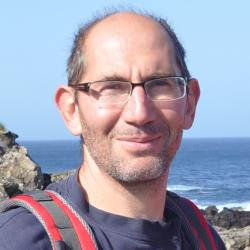 Richard Phillips合作论文数Department of Zoology, University of Cambridge;College of Life and Environmental Sciences, University of Exeter;British Antarctic Survey7
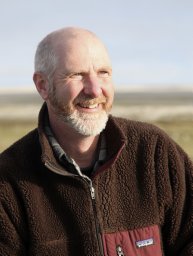 H. Grant Gilchrist合作论文数National Wildlife Research Centre, Carleton University7
 Sydney M. Collins合作论文数Dept Psychol, Cognit & Behav Ecol Program, Mem Univ Newfoundland5
 Anthony J. Gaston合作论文数Environment and Climate Change Canada, National Wildlife Research Centre, Carleton University5
 Gail Davoren合作论文数Departments of Biology and Psychology;Memorial University of Newfoundland5
 Sarah N.P. Wong合作论文数5
 Jean-Francois Rail合作论文数5Jennifer C. Rock合作论文数4Keith P Lewis合作论文数4
 Kyle B. Elliott合作论文数Department of Natural Resource Sciences, Faculty of Agricultural and Environmental Sciences, McGill University4
 Smith Paul A合作论文数Environm Canada, Natl Wildlife Res Ctr4
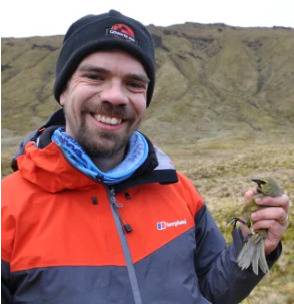 Alexander L. Bond合作论文数Natural History Museum4Ulrike Kubetzki合作论文数4L Mcfarlane Tranquilla合作论文数4
 Anna M. Calvert合作论文数Department of Biology;Dalhousie University;Department of Biology, Dalhousie University4Krista D. Baker合作论文数Department of Biology, Memorial University of Newfoundland4Janet Russell合作论文数3Rachel Bryant合作论文数3
 Robert A. Mauck合作论文数Biol Dept, Kenyon Coll3
 David R. Wilson合作论文数Psychol Dept, Mem Univ3
 Miller David L合作论文数and School of Mathematics and Statistics, University of St Andrews3
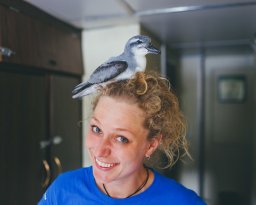 Gutowsky Sarah E合作论文数Biology Department, Dalhousie University3
 Robert W. Furness合作论文数University of Glasgow3François Bolduc合作论文数School of Renewable;Natural Resources, Louisiana State University;School of Renewable|Natural Resources, Louisiana State University3
 Ewan D. Wakefield合作论文数Natural Environment Research Council3
 Alejandro D. Buren合作论文数Cognitive and Behavioural Ecology, Memorial University of Newfoundland3
 Ingrid Pollet合作论文数British Columbia Cancer Research Center3
 Antony W. Diamond合作论文数University of New Brunswick Atlantic Cooperative Wildlife Ecology Research Network Bag Service3
 Amanda E Bates合作论文数Portobello Marine Laboratory, University of Otago3
 Dave Shutler合作论文数3Robert J. Blackmore合作论文数2
 Hannah Munro合作论文数2Katherine R. Shlepr合作论文数2Tori V Burt合作论文数2
 Cerren Richards合作论文数Department of Ocean Sciences, Memorial University of Newfoundland2Yanyan Huang合作论文数2
 Anne N.M.A. Ausems合作论文数2Isabeau Pratte合作论文数2




