Time spent in nature benefits human mental and physical well-being. However, much of the variance in outcomes of nature contact remains unexplained, suggesting that new mechanistic pathways need to be considered. Here, we tested a novel conceptual model linking nature contact with life satisfaction via pathways involving positive experiences of living in and experiencing the world through the physical self. Using data from the Body Image in Nature Survey (BINS; N = 50,363), representing respondents from 58 nations and speaking 36 different languages, we find that nature contact is associated with greater self-compassion and greater perceived restoration in nature, which in turn are associated with more positive body image. In addition, more positive body image is associated with greater life satisfaction. These associations were robust to sensitivity tests, generalised to all gender identities and age groups, and held individually in almost all national groups and languages. Although replications are needed, we propose that the materialities of natural environments help to link bodily experiences to the production and experience of well-being, a process that is largely stable across national groups.
Evolutionary scientists posit that sexual selection processes caused males to develop sexually dimorphic traits to aid them during intrasexual competition and increase their likelihood of being chosen as mates. Evolutionary social sciences have extensively examined women's preferences for traits such as muscle mass and voice pitch, reasoning that these traits serve as cues of men's ability to provide direct benefits (e.g., resources) and indirect (genetic) benefits passed on to offspring. At the same time, body image researchers have extensively focused on the social causes and consequences of men's dissatisfaction with their muscularity and body fat. We connected these two research traditions by examining how single men's views of their sexually dimorphic traits related to overall feelings of attractiveness and comfort with dating (e.g., dating anxiety; anxious attachment style; feeling acceptable as a sex partner). Study 1 (N = 1919) and Study 2 (N = 435) examined the experiences of single men drawn from online panels, including a U.S. demographically census-matched sample in Study 1. Zero-order correlations showed that men's feelings about most of their sexually dimorphic traits were consistently related to dating comfort outcomes. When controlling for demographic variables and other sexually dimorphic traits, men's beliefs about their muscularity and penis size, followed by body fat and facial masculinity, were most consistently related to dating comfort variables. These findings highlight the value of integrating insights from two largely disparate research traditions by identifying how single men's views of their sexually selected traits are related to body image and mating attitudes in a modern context.
OBJECTIVES:Infectious diseases are often associated with decline in quality of life. The aim of this study is to analyze the relationship between personal history of communicable, i.e., infectious and parasitic diseases and self-rated health. STUDY DESIGN:Secondary analysis of a large dataset multi-country observational study. METHODS:We used a four-pronged analysis approach to investigate whether personal history of infectious and parasitic diseases is related to self-reported health, measured with a single item. RESULTS:Three of the four analyses found a small positive effect on self-reported health among those reporting a history of pathogen exposure. The meta-analysis found no support but large heterogeneity that was not reduced by two classifications of countries. CONCLUSION:Personal history of infectious and parasitic diseases does not reduce self-reported health across a global sample.
Stigma is the experience of feeling different from socially accepted norms which can lead to personal devaluation or fear of disapproval from others. For men and women experiencing infertility, stigma has been associated with psychological distress, feelings of otherness in relation to people with children, and selective disclosure with others about their infertility challenges. However, there are few studies which examine how infertility stigma and being open with others are related to depressive symptoms and meaning in life for men and women diagnosed with infertility. Participants experiencing infertility were recruited for this cross-sectional study during November 2023-January 2024 via announcements on infertility discussion listservs and social media accounts. Four-hundred fifty-eight women and 89 men completed an online survey. Participants were primarily from the United States (81
The 12-item Self-Compassion Scale–Short Form (SCS–SF) is a widely used instrument for the assessment of self-compassion. To date, there have been few examinations of this instrument’s psychometric properties, particularly across nations and languages. Therefore, we used data from the Body Image in Nature Survey (BINS) to assess measurement invariance of the SCS–SF across nations, languages, gender identities, and age groups. Participants (N = 56,968) from 65 nations completed the SCS–SF in 40 languages. Using these data, we tested various hypothesised models of the SCS–SF in the total sample and, using multi-group confirmatory factor analysis, tested for invariance of the optimal model across national groups, languages, gender identities, and age groups. In the total dataset, we found that an 11-item, 2-factor model (i.e., SCS-11) provided best fit to the data, with the two factors tapping distinct constructs of compassionate and uncompassionate self-responding. The SCS-11 was found to be partially scalar invariant across national groups and languages, and fully scalar invariant across gender identities and age groups. There was wide variation in latent means for the two factors, particularly across national groups and languages. Further analyses showed negligible associations between the two factors and sociodemographic variables, including marital status, financial security, and urbanicity. Our results suggest that it may be possible to derive a stable 2-factor model of the SCS–SF for use in cross-cultural research, but also highlight the likelihood of cross-national and cross-linguistic variations in the way that self-compassion is understood.
The Satisfaction With Life Scale (SWLS) is a widely used self-report measure of subjective well-being, but studies of its measurement invariance across a large number of nations remain limited. Here, we utilised the Body Image in Nature (BINS) dataset-with data collected between 2020 and 2022 -to assess measurement invariance of the SWLS across 65 nations, 40 languages, gender identities, and age groups (N = 56,968). All participants completed the SWLS under largely uniform conditions. Multi-group confirmatory factor analysis indicated that configural and metric invariance was upheld across all nations, languages, gender identities, and age groups, suggesting that the unidimensional SWLS model has universal applicability. Full scalar invariance was achieved across gender identities and age groups. Based on alignment optimisation methods, partial scalar invariance was achieved across all but three national groups and across all languages represented in the BINS. There were large differences in latent SWLS means across nations and languages, but negligible-to-small differences across gender identities and age groups. Across nations, greater life satisfaction was significantly associated with greater financial security and being in a committed relationship or married. The results of this study suggest that the SWLS largely assesses a common unidimensional construct of life satisfaction irrespective of respondent characteristics (i.e., national group, gender identities, and age group) or survey presentation (i.e., survey language). This has important implications for the assessment of life satisfaction across nations and provides information that will be useful for practitioners aiming to promote subjective well-being internationally.
The U.S. entered a "second pandemic" characterized by depression and loneliness after the initial outbreak of COVID-19. These psychological consequences have driven researchers to identify protective factors during this crisis. The present study tested whether perceived neighborhood cohesion, or that neighbors trust and count on one another, related to fewer depressive symptoms and less loneliness as the pandemic unfolded. Two waves of data were collected online from the same adults in April and October, 2020 (N = 1,928). People who reported greater neighborhood cohesion had fewer depressive symptoms (b = -1.01, p < 0.001) and were less lonely (b = -0.20, p < 0.001), even when considering other pandemic-related risk factors. The association between cohesion and loneliness was even stronger 6 months into the pandemic (b = -0.08, p < .001). Working to foster neighborhood cohesion now, so this resource is available before future crises, is a worthwhile goal.
Self-organizing systems can shift between stability and flexibility in response to perturbation, a potential adaptive mechanism for understanding biopsychosocial resilience. Inverse power law (IPL) structure, a frequency distribution that describes fractal patterns commonly produced by self-organization, produces measurements of stability and flexibility. This study applies these measures to emotional resilience at the start of the COVID-19 pandemic. Ratings of frequency over the past week (1-5 Likert scale) across 12 emotions (six positive and six negative) were gathered in mid-April 2020 as part of a survey of adults' (N = 4,094) pandemic experiences and health in the United States. The distributions of everyone's emotion ratings were tested for IPL fit, resulting in a mean R² = .75. A steeper IPL shape parameter, reflecting greater emotional stability, was associated with better mental (anxiety, depression, and stress) and physical (fatigue, headache, and diarrhea) health overall. However, when total scores for positive and negative emotion were controlled, the reverse effect was found. Finally, a significant interaction effect was found between a measure of COVID-19 impact and IPL shape on each of the six health outcomes, suggesting that greater emotional flexibility may provide buffering against large-scale and unexpected challenges. Altogether, these results suggest that emotional stability may be most beneficial against illness when life is relatively stable, while emotional flexibility may be more adaptive when life is unstable. (PsycInfo Database Record (c) 2026 APA, all rights reserved).
Psychological studies on close relationships have often overlooked cultural diversity, dynamic processes, and potentially universal principles that shape intimate partnerships. To address the limited generalizability of previous research and advance our understanding of romantic love experiences, mate preferences, and physical attractiveness, we conducted a large-scale cross-cultural survey study on these topics. A total of 404 researchers collected data in 45 languages from April to August 2021, involving 117,293 participants from 175 countries. Aside from standard demographic questions, the survey included valuable information on variables relevant to romantic relationships: intimate, passionate, and committed love within romantic relationships, physical-attractiveness enhancing behaviors, gender equality endorsement, collectivistic attitudes, personal history of pathogenic diseases, relationship quality, jealousy, personal involvement in sexual and/or emotional infidelity, relational mobility, mate preferences, and acceptance of sugar relationships. The resulting dataset provides a rich resource for investigating patterns within, and associations across, a broad range of variables relevant to romantic relationships, with extensive opportunities to analyze individual experiences worldwide.
Detachment from nature is contributing to the environmental crisis and reversing this trend requires detailed monitoring and targeted interventions to reconnect people to nature. Most tools measuring nature exposure and attachment were developed in high-income countries and little is known about their robustness across national and linguistic groups. Therefore, we used data from the Body Image in Nature Survey to assess measurement invariance of the Nature Exposure Scale (NES) and the Connectedness to Nature Scale (CNS) across 65 nations, 40 languages, gender identities, and age groups (N = 56,968). While multi-group confirmatory factor analysis (MG-CFA) of the NES supported full scalar invariance across gender identities and age groups, only partial scalar invariance was supported across national and linguistic groups. MG-CFA of the CNS also supported full scalar invariance across gender identities and age groups, but only partial scalar invariance of a 7-item version of the CNS across national and linguistic groups. Nation-level associations between NES and CNS scores were negligible, likely reflecting a lack of conceptual clarity over what the NES is measuring. Individual-level associations between both measures and sociodemographic variables were weak. Findings suggest that the CNS-7 may be a useful tool to measure nature connectedness globally, but measures other than the NES may be needed to capture nature exposure cross-culturally.
The current study investigates attitudes toward one form of sex for resources: the so-called sugar relationships, which often involve exchanges of resources for sex and/or companionship. The present study examined associations among attitudes toward sugar relationships and relevant variables (e.g., sex, sociosexuality, gender inequality, parasitic exposure) in 69,924 participants across 87 countries. Two self-report measures of Acceptance of Sugar Relationships (ASR) developed for younger companion providers (ASR-YWMS) and older resource providers (ASR-OMWS) were translated into 37 languages. We tested cross-sex and cross-linguistic construct equivalence, cross-cultural invariance in sex differences, and the importance of the hypothetical predictors of ASR. Both measures showed adequate psychometric properties in all languages (except the Persian version of ASR-YWMS). Results partially supported our hypotheses and were consistent with previous theoretical considerations and empirical evidence on human mating. For example, at the individual level, sociosexual orientation, traditional gender roles, and pathogen prevalence were significant predictors of both ASR-YWMS and ASR-OMWS. At the country level, gender inequality and parasite stress positively predicted the ASR-YWMS. However, being a woman negatively predicted the ASR-OMWS, but positively predicted the ASR-YWMS. At country-level, ingroup favoritism and parasite stress positively predicted the ASR-OMWS. Furthermore, significant cross-subregional differences were found in the openness to sugar relationships (both ASR-YWMS and ASR-OMWS scores) across subregions. Finally, significant differences were found between ASR-YWMS and ASR-OMWS when compared in each subregion. The ASR-YWMS was significantly higher than the ASR-OMWS in all subregions, except for Northern Africa and Western Asia.
Affectionate touch (e.g. hugging, handholding) is an essential component of many intimate relationships and is a primary contributor to overall relationship satisfaction as well as sexual satisfaction. Affectionate touch is understood to be a form of non-verbal communication in which the giver is expressing positive feelings toward the receiver. Here, we propose that affectionate touch also positively impacts receivers' body satisfaction, because affectionate touch is a positive message communicated toward the receiver's body. In a cross-sectional sample of romantically partnered women (N = 1,156), we assessed the association between affectionate touch frequency and body satisfaction. We also investigated whether affectionate touch is associated with relationship/sexual satisfaction in part because touch helps to improve women's evaluations of their own bodies. Our results showed that body satisfaction was a significant, partial mediator and a valid path through which affectionate touch shapes relationship quality. Receiving affectionate touch could bolster relationship satisfaction and self-perceptions among women. Given the prevalence of body dissatisfaction amongst women, these results suggest that the underexplored associations between affectionate touch and body satisfaction may have significant impacts on a wide array of future empirical and applied research trajectories.
Given the ubiquitous nature of love, numerous theories have been proposed to explain its existence. One such theory refers to love as a commitment device, suggesting that romantic love evolved to foster commitment between partners and enhance their reproductive success. In the present study, we investigated this hypothesis using a large-scale sample of 86,310 individual responses collected across 90 countries. If romantic love is universally perceived as a force that fosters commitment between long-term partners, we expected that individuals likely to suffer greater losses from the termination of their relationships—including people of lower socioeconomic status, those with many children, and women—would place a higher value on romantic love compared to people with higher status, those with fewer children, and men. These predictions were supported. Additionally, we observed that individuals from countries with a higher (vs. lower) Human Development Index placed a greater level of importance on romantic love, suggesting that modernization might influence how romantic love is evaluated. On average, participants worldwide were unwilling to commit to a long-term romantic relationship without love, highlighting romantic love’s universal importance.
 Toivo Aavik合作论文数University of Tartu17
 Martie G. Haselton合作论文数Departments of Psychology and Communication Studies, University of California17Janet Lever合作论文数California State University (Lever),14Reza Afhami合作论文数13
 Justin R. Garcia合作论文数Institute for Evolutionary Studies, Binghamton University13
 Viren Swami合作论文数Department of Psychology and Sport Science, Faculty of Science and Engineering, Anglia Ruskin University12
 Mona Vintila合作论文数Department of Psychology, West University of Timișoara11
 Marija Jovic合作论文数Inst Shipping Econ & Logist11
 Tobias Otterbring合作论文数Dept Management, Univ Agder11
 Lauren Schaefer合作论文数Department of Psychology, University of South Florida10
 Voracek Martin合作论文数Fakultät für Psychologie, Universitat Wien10
 Joel Kevin Thompson合作论文数Department of Psychology, University of South Florida10Caterina Grano合作论文数10
 Maryanne L. Fisher合作论文数Department of Psychology, Saint Mary’s University10
 Tracy Tylka合作论文数Department of Psychology, The Ohio State University10
 Aysegul Sahin合作论文数9
 Felipe E. Garcia合作论文数9
 Ekaterine Pirtskhalava合作论文数9
 Anna Studzinska合作论文数Humanities Department, Icam Toulouse9
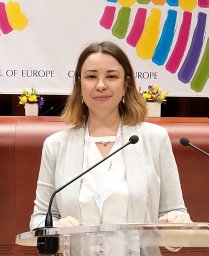 Tatiana Volkodav合作论文数Fac Pedag Psychol & Commun Studies, Kuban State Univ9
 Marta Kowal合作论文数Institute of Psychology, University of Wroclaw9
 Samuel Lins合作论文数Fac Psychol & Educ Sci, Univ Porto9
 Edgardo Etchezahar合作论文数National Scientific and Technical Research Council (CONICET),9
 Hakan Cetinkaya合作论文数Yaşar University9Seda Dural合作论文数9
 Argyrides Marios合作论文数School of Health Sciences, Neapolis University Pafos9
 Anna Wlodarczyk合作论文数Department of Social Psychology and Methodology of Behaviour Sciences, University of the Basque Country9
 Karlijn Massar合作论文数University of Groningen9
 Adrian Furnham合作论文数Department of Leadership and Organizational Behaviour, BI Norwegian Business School9
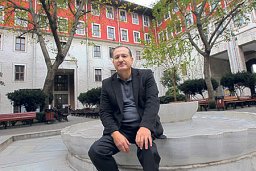 Izzet Duyar合作论文数Dept Phys Anthropol, Ankara Univ9
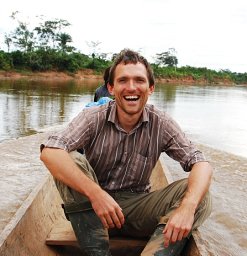 Piotr Sorokowski合作论文数Inst Psychol, Univ Wroclaw9
 Norbert Mesko合作论文数University of Pécs9
 Koen Ponnet合作论文数Mict, Univ Ghent9
 Moises Mebarak合作论文数Univ Norte8Farida Guemaz合作论文数University of Sétif28
 Biljana Gjoneska合作论文数8
 Stuart B Murray合作论文数Dept Psychiat, Univ Calif San Francisco8
 Frackowiak Tomasz合作论文数Institute of Psychology, University of Wroclaw8
 Tania Reynolds合作论文数8
 Gyesook Yoo合作论文数8
 Derya Atamturk合作论文数Faculty of Arts and Sciences, Gaziantep University8Anne Peplau合作论文数7Ali R. Can合作论文数7Fatima Zahra Sahli合作论文数7
 Talia Gomez Yepes合作论文数7
 Yahya Don合作论文数Univ Utara Malaysia7
 Irena Pavela Banai合作论文数J. J. Strossmayer University of Osijek7
 Ognen Spasovski,合作论文数7
 Marcos Zumarraga-Espinosa合作论文数Univ Politecn Salesian Ecuador7




