Intimate partner abuse (IPA) is widespread, and denial, minimization, justifying, and blaming (DMJB) are common among people who have committed IPA. Views on the function of DMJB in IPA are mixed, often based on the theoretical standpoint of the authors. This systematic review brings together the knowledge of how distorted accounts operate in IPA committed by men. A systematic review of primary research related to DMJB in heterosexual men who have committed to IPA was conducted. In all, 31 papers were found to meet the inclusion criteria (adult, male-to-female abuse, in western culture, peer reviewed and published in English) and were quality appraised. Data were extracted and analyzed using narrative synthesis. The findings indicate the way DMJB operates in this group is complex. It can represent facilitators of abusive behavior, a way to protect the individual's identity and self-esteem, and a tool men use instrumentally to achieve goals. Themes were present within and between studies highlighting the complex function of DMJB. A model representing the hypothesized intertwined function of DMJB for IPA is proposed. The limitations of the review are discussed and implications and recommendations for policy, practice, and future research are proposed.
Hoarding behaviours can cause numerous problems including health risks, family conflict, and removal of children and pets from the home. Hoarding research typically adopts a cognitive-behavioural framework and uses quantitative methods; we aimed to further understand the development of hoarding behaviour from a qualitative perspective. Constructivist grounded theory methods were employed across two phases of data collection via semi-structured interviews with participants identifying as exhibiting hoarding behaviours. Provisional categories were developed in phase one; further data analysis in phase two helped to establish our grounded theory. The theoretical core is a struggle to manage possessions and life, including life transitions such as moving to a new home and starting or finishing university. 'Struggling to manage' incorporates emotional struggles with possessions and the impacts of personal trauma and overwhelming life events. A further category, 'Trying to overcome hoarding' incorporates participants' efforts to manage and overcome their hoarding. Findings highlight the importance of viewing hoarding in a holistic context.
Purpose The purpose of this paper is to present a theory of psychological resilience in volunteer firefighters. Design/methodology/approach Using a constructivist grounded theory (CGT) approach, the qualitative study engaged a purposive sample of eight firefighters in Canada, conducted in-depth interviews and analysed the data using comparative methods. Findings The results provided unique insights into resilience in firefighters and revealing resilience as multidimensional, complex, dynamic and contextual. Six core concepts interrelate to construct resilience: relationships, personal resources, meaning-making, leadership, culture and knowledge. Practical implications The findings of this research offer a framework for practical integration of resilience theory into workplace health policy and practice. The theory was co-created with firefighters hence is contextually sound to this population, but applicable to other emergency and health services. Originality/value Volunteer firefighters are under-represented in the literature, despite facing intermittent and frequently intense work-related stressors; this research begins to address the gap in the literature. As well, previous resilience theories have noted relationships between some components, but there is little evidence linking categories; this theory more patently represents the complex nature of resilience in volunteer firefighters.
This chapter primarily examines the data collection and analysis method of interpretative phenomenological analysis (IPA) in which individuals’ experiences, and their meaning-making about their experiences, are the centre of research attention. Interpretative phenomenological analysis was developed with the vision to return the study of lived experience to the centre ground of research attention by cultivating a phenomenologically based methodology that was inherently psychological in nature. Interpretative phenomenological analysis treats language as disclosing participants’ being-in-the-world, and the meanings of this for them. It is an approach intended to explore how participants’ experience their world, and hence enable an insider’s perspective of the topic under study. This approach has emerged out of a set of philosophical and theoretical traditions that have given rise to a suite of qualitative research methods that can be characterized as phenomenological, or concerned with lived experience. This chapter examines the history and philosophical underpinnings of these phenomenological approaches, the key characteristics of IPA and practical considerations in conducting an IPA study.
There is a lack of research examining the mental health of practicing mediums, yet the nature of mediumship work inherently presents a number of challenges to the mental health of practitioners. In this study, we aimed to gain an understanding of how mediums experience their mental health in relation to their mediumistic practice and how they recognise and respond to psychological difficulties experienced by their clients. Fourteen mediums from the North West of England took part in one-to-one interviews, which were transcribed and subject to interpretative phenomenological analysis. Four themes were identified: from past traumas to mediumistic identity; spirit makes sense, mental illness is chaos; being resilient but vulnerable; and ethical mediumistic practice. The research highlights the value of not dismissing or attempting to change appraisals of valued aspects of mediums' anomalous experiences. However, the findings do indicate that support for exposure to clients' difficulties might be helpful.
Background: Collaborative working between professionals is a key component of integrated care. The academic literature on it largely focuses either on integration between health and social care or on the dynamics of power and identity between doctors and nurses. With the proliferation and extension of nursing roles, there is a need to examine collaborative working amongst different types of nurses. Method: This study explored experiences of collaborative working amongst generalist and specialist nurses, in community and acute settings. We carried out semi-structured interviews, incorporating the Pictor technique, with 45 nurses, plus 33 other key stakeholders. Transcripts were analysed using Template Analysis. This article focuses on one major thematic area that emerged from the analysis: the significance of interpersonal relationships amongst nurses, and between them and other professionals, patients and carers. Results: Relationship issues were ubiquitous in participants’ accounts of collaborative working. Good personal relationships facilitated collaboration; face-to-face interaction was especially valued. Relationships were recognized as requiring effort, especially in new roles. Organisational changes could disrupt productive personal networks. Conclusion: Relationship issues are integral to successful collaborative working. Policy and practice leaders must take this into account in future service developments. Further research into collaborative relationships in different settings is needed.
Recently, we have witnessed an intensified interest from various fashion scholars on the subject of men and masculine identities. However, while most of the existing research initiatives explore various aspects of masculinity and fashion, they also seem to be limited in their choices of subjects to homosexual and/or young male adults. In this vein, Julia Twigg argues that older men remain 'largely disengaged from fashion as a cultural field' (2013a: 19). This article explores the nature of this theoretical disengagement when it comes to older heterosexual men's lived experience of fashion by drawing on in-depth, semi-structured interviews and personal inventories with a small sample of British men (n=5) based in, or strongly linked to, Nottingham, United Kingdom. In-depth qualitative analysis of the research material revealed various contradictions displayed by the participants in relation to their ageing masculine identities and their often lifelong interest in fashionable clothing. We inspect these discrepancies from two perspectives in which such a disengagement might emerge: between men and fashion and between fashion and ageing. By analysing the findings through Connell's (2005) influential concept of hegemonic masculinity, we argue that some men both resist and reproduce such a stereotypical disengagement.
This paper is set within the context of the current shift in focus around aging from an objective to a subjective stance, placing the emphasis on individuality (Bennett and Hodkinson; Powell and Gilbert) and resulting in the emergence and development of cultural gerontology. Human biographies have the potential to be interpreted through the relationships between personal and structural factors, and individual and collective experiences. Fashion and clothes, as communicators and mediators between self and society (Entwistle; Craik) can therefore be seen as key factors in understanding aging identities. Contemporary research on fashion and aging concentrates mainly on older women (Twigg). Whilst this research has told us much about how aging women experience fashion, it excludes the parallel considerations of aging men. This paper addresses this gap by presenting research that investigates how older men negotiate their aging bodies through the media of clothing and fashion. Data were collected via in-depth, semi-structured interviews with fve older men and were analyzed using Interpretative Phenomenological Analysis (IPA). The fndings reveal the experience of fashion and clothing of fve older men who, during their lives, have actively engaged with fashion, considered in the contexts of time, space, and “others” (Kaiser).
Collaborative working is a crucial part of contemporary health and social care. Researching the experiences of those involvedas professionals, patients, or carersis challenging, given the complexity of many cases and the taken-for-granted nature of roles and identities in relation to it. In this article we introduce the Pictor technique for exploring experiences of collaborative working. This is a visual technique in which participants construct a representation of roles and relationships in a particular case using arrow-shaped adhesive notes or cards. The chart so produced helps the participant tell the story of his or her experience and serves as a focus for further exploration with the researcher. We describe the background to Pictor and illustrate its use with professionals, patients, and carers, drawing on recent and current research. We examine how Pictor relates to other visual methods, and conclude by considering how the technique might be developed in the future.
Background Collaborative working is a crucial part of contemporary health and social care, and effective collaboration between different professionals is essential to the provision of good quality patient care. However, given the complexity of many cases, researching the experiences of those involved – as professionals, patients or carers – can be challenging. Methods We introduce a novel visual technique (Pictor) for exploring experiences of collaborative working, using examples from a study exploring how care is provided to cancer patients and long-term condition patients across acute and community settings. We conducted 78 Pictor interviews with a wide variety of stakeholders including different nursing professionals, a wide range of professionals with whom they interact, patients themselves and their close others. Findings There were important differences in the ways in which different professional groups represented cases using Pictor, which can be understood in terms of role perceptions, aspects of service organisation and also wider societal perceptions of different types of illness. The use of Pictor facilitated description of and reflection on complex cases across our different participant types. Discussion Pictor is a simple yet effective technique which is able to successfully address some of the significant methodological challenges presented in the exploration of collaborative working in health care settings. Health psychologists concerned with how people interact with health care professionals and institutions may find it a useful tool to explore the lived experience of care provision, particularly in complex cases involving different services and stakeholders.
Collaborative working is a crucial part of contemporary health and social care. Researching the experiences of those involved—as professionals, patients, or carers—is challenging, given the complexity of many cases and the taken-for-granted nature of roles and identities in relation to it. In this article we introduce the Pictor technique for exploring experiences of collaborative working. This is a visual technique in which participants construct a representation of roles and relationships in a particular case using arrow-shaped adhesive notes or cards. The chart so produced helps the participant tell the story of his or her experience and serves as a focus for further exploration with the researcher. We describe the background to Pictor and illustrate its use with professionals, patients, and carers, drawing on recent and current research. We examine how Pictor relates to other visual methods, and conclude by considering how the technique might be developed in the future.
David John WildeThe University of ManchesterDoctor of Philosophy (Ph.D.)FINDING MEANING IN OUT-OF-BODY EXPERIENCES: AN INTERPRETATIVE PHENOMENOLOGICAL ANALYSIS2011History is replete with reports of anomalous experiences. The out-of-body experience (OBE), where the person?s self and body are phenomenologically separate, is a relatively common anomalous experience, and has been a topic of scientific psychological research for over a century. OBEs have been reported to occur under a multiplicity of circumstances, however, research has mostly concentrated on OBEs occurring spontaneously, or arising under life-threatening scenarios. Much of this research has focused on either confirming the authenticity of the OBE or determining the underlying processes by which these phenomena may manifest themselves. This research agenda has been largely nomothetic in nature. Yet, traditionally, there exists a third strand of exploration?phenomenological research?which in recent times has been somewhat overlooked in this field of work. In an attempt to redress this shortcoming, I argue for the use of Interpretative Phenomenological Analysis (IPA) as a method of qualitative investigation to address important fundamental research questions posed by the study of OBEs. The aim of this programme of work was to therefore to investigate the lived experience of having an OBE as it occurred in five different circumstances of occurrence, viz., during or near the point of sleep, during meditation, while consuming alcohol or drugs, while feeling physically or psychologically threatened, and as part of a near-death experience. A rationale for including these circumstances and discounting others is provided. To achieve this aim, five studies were conducted. Fifteen participants?three per study?were recruited to take part in recorded, face-to-face, semi-structured interviews. An IPA of the data identified four main clusters of themes across the five studies. One cluster concerned the potential for the OBE to be viewed as an adaptive experience; occurring at times of personal significance and helping individuals cope with difficult life events. A second cluster highlighted the benefits and challenges that experients encountered when sharing their OBEs with other people as part of their sense-making endeavours. A third cluster of themes centred on the embodied nature of the OBE and the attributions and beliefs experients had about the perceived control and mastery they had over their OBEs. Also identified in this theme was the transactive nature of the out-of-body environments themselves, which were seen as meaningful places that facilitated experients? embodied, goal-oriented behaviours. The fourth cluster focused on the abundance of rarely discussed OBE features and the corresponding attribution experients made of some kind of meaning to certain features, many of which were bound to previously held desires and beliefs, and tied in closely with their future anticipations and expectations. The theoretical implications for all of these findings are discussed. By examining in-depth the experience and meaning of these critical life events, IPA research findings can better furnish psychologists and health care professionals with information to further appreciate and understand their clients? OBEs. In turn this may help professionals deal with any potential personality transformations or psycho-spiritual crises that may arise in the wake of an OBE occurrence.
Much contemporary research on anomalous experiences has been focused on issues of confirming the authenticity of the phenomena, or to determine the underlying processes by which these phenomena may manifest themselves. This research has largely been nomothetic in nature relying mainly on laboratory experiments and/or questionnaire surveys. Traditionally, however, there has existed a third strand of exploration in this field of study–phenomenological research—which in recent times has been somewhat overlooked in this field of work. In an attempt to redress this shortcoming, the authors propose the use of Interpretative Phenomenological Analysis (IPA) to research anomalous experience. IPA possesses strong theoretical and philosophical underpinnings and a focus on describing and interpreting the process, intricacy and novelty of personal experience. The authors argue that IPA appears ideally suited as a method of qualitative investigation to address important fundamental research questions posed by the study of anomalous experiences.
A variety of anomalous experiences, including the out-of-body experience (OBE), have been reported in the research literature as enhancing, rather than indicating poor mental health. Within this chapter we report on our qualitative, phenomenological research which sought to investigate the experience of an OBE and its resultant aftereffects. The findings from this work reveal how participants managed such experiences. Experients perceived their OBEs as occurring at times of personal significance and these were inextricably linked with participants' lives beyond their point of occurrence, playing an adaptive role in response to difficult life events. The process of integration was helped or hindered by the varying reactions from others to the disclosure of the OBE. We conclude that the idiographic nature of the present work is instrumental in highlighting the subtle personal and social factors that influence how the OBE is managed and integrated.
Near-death experiences (NDEs) have become a topic of increasing interest to medical and psychological researchers over the last 35 years. During the course of this research agenda, several studies have focused on the phenomenology of the experience and its after-effects, mostly from a nomothetic stance. This chapter reports on the experience of having an NDE and the meanings attributed to that experience and its resultant after-effects by taking an idiographic, phenomenological approach. Here we detail how individuals may choose elements of an experience which are most personally meaningful for them and how this is incorporated into their later lives. Of particular interest here is how participants came to new understandings of their lives as a result of their NDE. A process of integration is helped or hindered by physical and psychological factors concomitant at the time of the NDE. Also evident are the challenges the NDE, or elements therein, have on the individual's sense of self and how they maintain and develop that self in the years following the event.
Near-death experiences (NDEs) have become a topic of increasing interest to medical and psychological researchers over the last 35 years. During the course of this research agenda, several studies have focused on the phenomenology of the experience and its after-effects, mostly from a nomothetic stance. The aim of this study was to investigate the experience of having an NDE and what meaning NDErs attribute to that experience and its resultant after-effects by taking an idiographic, phenomenological approach. Three female participants took part in recorded face-to-face, semi-structured interviews. Interpretative Phenomenological Analysis found that to more deeply understand the impact of NDEs it is crucial to consider how the experience fits within the biographical context of an individual's life. Rather than being an overall influence on personal and spiritual growth, individuals may choose elements of an experience which are most personally meaningful for them and take that into their later lives. Each participant in some way came to a new understanding in their lives as a result of their NDE. In addition, the process of integration was helped or hindered by physical and psychological factors concomitant at the time of the NDE. Also evident were the challenges the NDE, or elements therein, have on the individual's sense of self and how they maintain and develop that self in the years succeeding the event.
 Craig D. Murray合作论文数12Jane Melvin合作论文数7Joanna Brooks合作论文数Division of Psychology and Mental Health, School of Health Sciences, Faculty of Biology, Medicine and Health, The University of Manchester7Alison Bravington合作论文数7
 Nigel King合作论文数6Jezz Fox合作论文数5
 Beth Hardy合作论文数4Tony Stevens合作论文数3joanne murray合作论文数university of glasgow3Ahmedzai S合作论文数3
 John A. Hunt合作论文数Nottingham Trent University2
 Toby Howard合作论文数School of Computer Science at The University of Manchester (UK)2
 Tom H. Fisher合作论文数2andrea helmerdenzel合作论文数1Christine Simmonds-Moore合作论文数1
 Annette Astrid Franke合作论文数1Paula Doherty合作论文数1Gerhard Naegele合作论文数1Silvia Paz合作论文数1Leigh Blaney合作论文数1
 Ania Sadkowska合作论文数1
 Eva Zysk合作论文数Dept Psychol, Univ British Columbia1Rowena Hill合作论文数Division of Psychology, Nottingham Trent University1
 Evrard Renaud合作论文数1
 Harvey Irwin合作论文数1S. Seymour-Smith合作论文数1Andreas Reichert合作论文数Max-Planck-Institut für Medizinische Forschung1
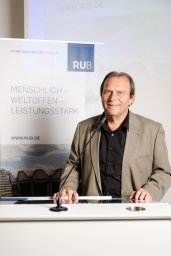 Rolf G. Heinze合作论文数Allgemeine Soziologie und Arbeits- und Wirtschaftssoziologie, an der Ruhr-Universität1
 Susan Blackmore合作论文数University of the West of England1
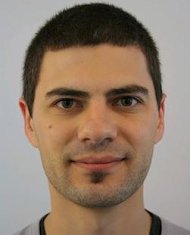 Fabrice Caillette合作论文数Advanced Interfaces Group;School of Computer Science;University of Manchester;School of Computer Science, University of Manchester1
 Devin B. Terhune合作论文数university of oxford1
 Katherine Townsend合作论文数1Kathryn Gow合作论文数1Vera Gerling合作论文数1
 Etzel Cardena合作论文数Dept Psychol, Lund Univ1
 Pascal Le Malefan合作论文数Professeur de psychologie clinique, université de Rouen1J TOBACYK合作论文数1




