Research of oral health status and research of the impact of oral conditions on everyday life have been developed over the past 30 years. To date, the degree to which these measures can be applied to the problems and impacts associated with dentine sensitivity is not clear. Regarding research of dentine sensitivity, it appears that there has been very little research of its everyday impact. Objective: The aim of this study was to explore the impact of dentine sensitivity on everyday life. Method: Participants were purposively recruited from a general population with the specific aim of securing a range of experiences and views about the everyday impact of dentine sensitivity. Participants were currently experiencing sensitivity in their teeth and were adults (older than age 18 years) and were initially recruited using the research team’s contacts and through snowball sampling. Data were analyzed through the use of a framework generated from the data and informed by the literature on chronic illness, coping, and illness beliefs, along with the general literature on the biopsychosocial impact of oral health. Data analysis also focused on detailing the range of impacts associated with the condition. Results: A total of 23 interviews were conducted. Fifteen participants were female and eight were male. The principal impacts on everyday life were described as pain, impact on functional status, and impact on everyday activities such as eating, drinking, talking, toothbrushing, and social interaction in general. Impacts appeared to be related to a range of individual and environmental influences. Conclusions: The data indicate the depth and complexity of the pain experiences associated with dentine sensitivity. Accordingly, it is suggested that there is a relationship between factors such as the length of one’s illness and the degree of control one has over the condition. These findings confirm similar findings in the psychological literature on pain. The findings of this study confirm that further research into the everyday nature of dentine-sensitive pain would be beneficial.
Research of oral health status and research of the impact of oral conditions on everyday life have been developed over the past 30 years. To date, the degree to which these measures can be applied to the problems and impacts associated with dentine sensitivity is not clear. Regarding research of dentine sensitivity, it appears that there has been very little research of its everyday impact. Objective: The aim of this study was to explore the impact of dentine sensitivity on everyday life. Method: Participants were purposively recruited from a general population with the specific aim of securing a range of experiences and views about the everyday impact of dentine sensitivity. Participants were currently experiencing sensitivity in their teeth and were adults (older than age 18 years) and were initially recruited using the research team's contacts and through snowball sampling. Data were analyzed through the use of a framework generated from the data and informed by the literature on chronic illness, coping, and illness beliefs, along with the general literature on the biopsychosocial impact of oral health. Data analysis also focused on detailing the range of impacts associated with the condition. Results: A total of 23 interviews were conducted. Fifteen participants were female and eight were male. The principal impacts on everyday life were described as pain, impact on functional status, and impact on everyday activities such as eating, drinking, talking, toothbrushing, and social interaction in general. Impacts appeared to be related to a range of individual and environmental influences. Conclusions: The data indicate the depth and complexity of the pain experiences associated with dentine sensitivity. Accordingly, it is suggested that there is a relationship between factors such as the length of one's illness and the degree of control one has over the condition. These findings confirm similar findings in the psychological literature on pain. The findings of this study confirm that further research into the everyday nature of dentine-sensitive pain would be beneficial.
This study assessed the efficacy of oral care education among nursing home staff members to improve the oral health of residents. Nursing home support staff members (NHSSMs) in the study group received oral care education at baseline between a pretest and posttest. NHSSMs' oral care knowledge was measured using a 20-item knowledge test at baseline, posteducation, and at a 6-month follow-up. Residents' oral health was assessed at baseline and again at a 6-month follow-up using the Modified Plaque Index (PI) and Modified Gingival Index (GI). Among staff members who received the oral care education (n = 32), posttest knowledge statistically significantly increased from the pretest level (p < 05). Thirty-nine control residents of the nursing homes and 41 study residents participated. Among residents in the study group, PI decreased at 6 months compared to baseline (p < 05), but there was no statistically significant difference in their GI measurements between baseline and 6-month follow-up (p < 07).
OBJECTIVES:To explore the issue of affordability in dental care by assessing associations between income, dental insurance, and financial barriers to dental care in Canadian adults.METHODS:Data were collection from a national sample of adults 18 years and over using a telephone interview survey based on random digit dialing. Questions were asked about household income and dental insurance coverage along with three questions concerning cost barriers to accessing dental care. These were: "In the past three years...has the cost of dental care been a financial burden to you?...have you delayed or avoided going to a dentist because of the cost?...have you been unable to have all of the treatment recommended by your dentist because of the cost?"RESULTS:The survey was completed by 2,027 people, over half of which (56.0%) were covered by private dental insurance and 4.9 percent by public dental programs. The remainder, 39.1 percent, paid for dental care out-of-pocket. Only 19.3 percent of the lowest income group had private coverage compared with 80.5 percent of the highest income group (P < 0.001). Half (48.2%) responded positively to at least one of the three questions concerning cost barriers, and 14.8 percent responded positively to all three. Low income subjects (P < 0.001) and those without dental insurance (P < 0.001) were most likely to report financial barriers to care. While private dental insurance reduced financial barriers to dental care, it did not entirely eliminate it, particularly for those with low incomes. Those reporting such barriers visited the dentist less frequently and had poorer oral health outcomes after controlling for the effects of income and insurance coverage.CONCLUSIONS:Canadian adults report financial barriers to dental care, especially those of low income. These barriers appear to have negative effects with respect to dental visiting and oral health outcomes. For policy, appropriateness will be key, as clarity needs to be established in terms of what constitutes actual need, and thus which dental services can then be considered a public health response to affordability.
The most common way of presenting data from studies using quality of life or patient-based outcome (PBO) measures is in terms of mean scores along with testing the statistical significance of differences in means. We argue that this is insufficient in and of itself and call for a more comprehensive and thoughtful approach to the reporting and interpretation of data. PBO scores (and their means for that matter) are intrinsically meaningless, and differences in means between groups mask important and potentially different patterns in response within groups. More importantly, they are difficult to interpret because of the absence of a meaningful benchmark. The minimally important difference (MID) provides that benchmark to assist interpretability. This commentary discusses different approaches (distribution-based and anchor-based) and specific methods for assessing the MID in both longitudinal and cross-sectional studies, and suggests minimum standards for reporting and interpreting PBO measures in an oral health context.
AIM:To develop and validate a condition specific measure of oral health-related quality of life for dentine hypersensitivity (Dentine Hypersensitivity Experience Questionnaire, DHEQ).MATERIALS AND METHODS:Questionnaire construction used a multi-staged impact approach and an explicit theoretical model. Qualitative and quantitative development and validation included in-depth interviews, focus groups and cross-sectional questionnaire studies in a general population (n=160) and a clinical sample (n=108).RESULTS:An optimized DHEQ questionnaire containing 48 items has been developed to describe the pain, a scale to capture subjective impacts of dentine hypersensitivity, a global oral health rating and a scale to record effects on life overall. The impact scale had high values for internal reliability (nearly all item-total correlations >0.4 and Cronbach's α=0.86). Intra-class correlation coefficient for test-retest reliability was 0.92. The impact scale was strongly correlated to global oral health ratings and effects on life overall. These results were similar when DHEQ was validated in a clinical sample.CONCLUSIONS:DHEQ shows good psychometric properties in both a general population and clinical sample. Its use can further our understanding of the subjective impacts of dentine sensitivity.
Purpose: The Oral Health Impact Profile (OHIP) questionnaire measures oral health-related quality of life and is widely used for assessing subjective oral health status. The objective of the present study was to describe the translation and validation of the shortened 14-item OHIP for native Persian (Farsi) speakers living in Iran.Materials and Methods: The authors translated the OHIP-14 into Persian (OHIP-14-P), followed by back-translation into English, after which the Persian version was revised and modified. They administered the questionnaire to native Persian-speaking clients at a university-based dental clinic in Tehran, Iran (n = 240, 123 females and 117 males, mean age 39, range 18 to 76). They examined the convergent validity and discriminative validity of OHIP by analysing their association with various self-reported health outcomes. They evaluated the test-retest reliability by administering the instrument to 37 patients a second time. They analysed the internal consistency and reliability using a intraclass correlation coefficients (ICC) and Cronbach's reliability coefficient, respectively.Results: The associations between scores of OHIP-14-P and its subscales with self-reported general (r(s) [Spearman's rank correlation coefficient] range 0.38 to 0.52) and oral health (r(s) range 0.25 to 0.45) confirmed convergent validity. Discriminative validity was confirmed through the significant relationship between OHIP-14-P scores with both the experience of pain and satisfaction with oral health (P < 0.001). The instrument's test-retest reliability (ICCs: 0.75 to 0.88) and internal consistency (Cronbach's alpha: 0.45 to 0.73 and Cronbach's a if subscale deleted: 0.88 to 0.85) were satisfactory.Conclusions: The Persian version of OHIP-14 was found to be a valid and reliable measure, and appropriate to be used among native Persian speakers visiting a dental clinic.
Aim: To develop and validate a condition specific measure of oral health-related quality of life for dentine hypersensitivity (Dentine Hypersensitivity Experience Questionnaire, DHEQ). Materials and Methods: Questionnaire construction used a multi-staged impact approach and an explicit theoretical model. Qualitative and quantitative development and validation included in-depth interviews, focus groups and cross-sectional questionnaire studies in a general population (n 5160) and a clinical sample (n 5108). Results: An optimized DHEQ questionnaire containing 48 items has been developed to describe the pain, a scale to capture subjective impacts of dentine hypersensitivity, a global oral health rating and a scale to record effects on life overall. The impact scale had high values for internal reliability (nearly all item-total correlations 40.4 and Cronbach’s a 50.86). Intra-class correlation coefficient for test‐retest reliability was 0.92. The impact scale was strongly correlated to global oral health ratings and effects on life overall. These results were similar when DHEQ was validated in a clinical sample. Conclusions: DHEQ shows good psychometric properties in both a general population and clinical sample. Its use can further our understanding of the subjective impacts of dentine sensitivity.
OBJECTIVE:To assess whether an oral health-related quality of life (OHRQoL)measure showed differential item functioning (DIF) by ethnicity.METHODS:A simple random sample of 12- and 13-year-old schoolchildren enrolled in the Taranaki District Health Board's school dental service, New Zealand. Each child (n = 430) completed the Child Perception Questionnaire (CPQ(11-14)) in the dental clinic waiting room, prior to a dental examination. The dataset included age, gender, ethnicity, and deprivation status. The general principle of the analytic plan was that equal scores from each CPQ(11-14) item were expected from both non-Mäori and Mäori groups regardless of their ethnic group. Ordinal logistic regression was performed. The dependent variables were the CPQ(11-14) items. The ethnicity group and each CPQ(11-14) domain score were the independent variables. Non-uniform DIF was assessed through adding an interaction term for each CPQ(11-14) sub-scale.RESULTS:Non-uniform DIF was found in two items, one in the Functional Limitations sub-scale and another in the Social Well-being sub-scale. Uniform DIF was found in one item of the Emotional Well-being sub-scale.CONCLUSION:Both non-uniform and uniform DIF by ethnicity was found in three of 37 items of the CPQ(11-14) questionnaire, showing it is important to perform DIF analysis when applying OHRQoL measures.
OBJECTIVES:To test the hypotheses that socially marginalised Canadians are more likely to prefer seeking dental care in a public rather than private setting, and that Canadian dentists are more likely to prefer public dental care plans that approximate private insurance processes.METHODS:Data on public opinion were collected through a weekly national omnibus survey based on random digit dialling and telephone interview technology (n = 1005, >18 years). Data on professional opinion were collected through a national mail-out survey of a random selection of Canadian dentists (n = 2219, response rate = 45.8%). Dental and socio-demographic data were collected for the public, as were professional demographic data for dentists. Descriptive and basic regression analyses were undertaken.RESULTS:The majority of Canadians surveyed, 66.4%, prefer to seek dental care in a private setting, 19% in a community clinic, and 7.6% in a dental school; those that are younger and of lowest incomes are most likely to prefer seeking dental care in a public setting. Most Canadian dentists, 80.9%, believe that governments should be involved in dental care, yet only 46% believe this role should include direct delivery. A third of dentists have also reduced the amount of publicly insured patients in their practice. Canadian dentists are more likely to prefer those public plans that most closely reflect private insurance mechanisms.CONCLUSION:There appears to be a policy disconnect between the preferences of those populations where governmental involvement is most warranted, and the current mechanisms for financing and delivering dental care in Canada. By concentrating almost exclusively on third-party-type financing and indirect delivery, public dental care policy may not be adequately responding to those most in need, especially in an environment where dentists are largely dissatisfied with public plans.
Introduction: Studies of computer-aided learning (CAL) in orthodontics have documented both objective and subjective outcomes; however, to date, no studies have attempted to correlate these 2 outcome measures. Methods: The main objective outcome measured was performance on a written test covering material in the orthodontic diagnosis electronic tutorial (ODET) administered to 92 fourth-year undergraduate dental students. The main subjective outcome measured was a 12-statement questionnaire to elicit students' perception of the ODET and CAL as teaching modalities. Results: In the male and female subgroups, a statistically significant difference in mean lecture test scores favoring women (72.46%) over men (67.08%) was observed (P = 0.05). This difference was not observed for mean ODET test scores (P = 0.52). Although responses to the questionnaire were mostly positive, the students are not prepared to replace lectures with CAL tutorials. Responses showed that male students preferred self-instruction as a mode of learning more than female students did (P 5 0.05). When linking objective and subjective outcomes, the mean ODET test score had a statistically significant (P = 0.025), but weak, positive correlation (r = 0.243) with self-reported time spent reviewing the ODET but not with any other statement in the questionnaire. Conclusions: Despite a difference in lecture test scores between male and female students, there was no difference in mean ODET test scores between the 2 subgroups. This might be explained by sex differences: male students preferred self-instruction more than female students did. Improved performance on the ODET test was noted for students who reported longer times spent reviewing the tutorial. Because students are not prepared to replace lectures with CAL tutorials, from their perspective, the ODET should continue to be used with traditional modes of learning. (Am J Orthod Dentofacial Orthop 2010;138:410-9)
OBJECTIVE:Most measures of 'oral health-related quality of life' assess the presence and frequency of functional and psychosocial impacts rather than explicitly documenting their impact on the quality of life. The aim of this study was to evaluate Prutkin and Feinstein's suggestion for addressing the issue of quality of life in health outcome research by the use of global ratings.METHODS:Data were collected from a national sample of Canadian adults by means of a telephone interview survey based on random digit dialing. Participants completed the OHIP-14. Those reporting one or more impacts in the previous year were asked three questions concerning the extent to which these impacts bothered them, affected their life as a whole, and affected their quality of life. These items were scored on a scale ranging from 'Not at all' to 'A great deal'. All participants were asked to rate the quality of their life using a six-point scale ranging from 'Very poor' to 'Excellent'.RESULTS:Interviews were completed with 2027 participants, and 2019 were included in the analysis. Overall, 19.5% reported one or more impacts 'fairly often' or 'very often'. Of these, 48.3% reported being bothered by these impacts, 40.3% that their life overall was affected, and 36.0% that their quality of life was affected. These individuals represent 9.4%, 7.8%, and 6.9% of the sample as a whole. Among those reporting impacts, there was a significant association between OHIP-14 extent and severity scores and the three ratings. Those with impacts that bothered them, that affected their life overall or affected their quality of life, rated their overall quality of life less favorably than those with impacts that did not. Analysis by household income indicated that low-income participants were more likely to be OHIP-14 'cases'. Moreover, among the 'cases', low-income participants were more likely to report an impact on the quality of life.CONCLUSIONS:The addition of global ratings of oral health-related quality of life and quality of life provides information of use in understanding the negative consequences of oral disorders.
Objective:To determine whether a Portuguese language version of the Child Perceptions Questionnaire for 11-14-year-olds (CPQ(11-14)) showed differential item functioning (DIF) when compared with the original English language version.Methods:CPQ(11-14) data from a school-based Brazilian study (n = 138) was compared with CPQ(11-14) data collected as part of a school-based study conducted in New Zealand (n = 322). In order to detect DIF, ordinal logistic regression analysis was performed with each CPQ(11-14) item as the dependent variable. The independent variables were language group (English versus Portuguese), the CPQ(11-14) sub-scale score of which the item was a part, and an interaction term for language*sub-scale score. Nonuniform DIF was deemed to be present if the interaction term was significant. Moderate to large uniform DIF was deemed to be present if after removing the interaction term the beta coefficient (log odds ratio) for language group was significant and numerically greater than 0.64. Analyses were also undertaken to detect pseudo-DIF.Results:Nonuniform DIF was found in five items and moderate to large uniform DIF in an additional four items. Analyses using 'purified' sub-scale scores indicated that little of the DIF detected was pseudo-DIF. A comparison of the language groups using DIF affected and DIF-free overall and subscale CPQ(11-14) scores revealed that the DIF detected had only a marginal effect on the differences between language groups in scores.Conclusion:Oral health-related quality of life questionnaires, particularly those that have been translated, need to be assessed for DIF and its likely impact on group comparisons.
Objectives:This study explored oral health disparities associated with food insecurity in working poor Canadians.Methods:We used a cross-sectional stratified study design and telephone survey methodology to obtain data from 1049 working poor persons aged between 18 and 64 years. The survey instrument contained sociodemographic items, self-reported oral health measures, access to dental care indicators (dental visiting behaviour and insurance coverage) and questions about competing financial demands. Food-insecure persons gave 'often' or 'sometimes' responses to any of the three food insecurity indicators used in the Canadian Community Health Survey (2003) assessing 'worry' about not having enough food, not eating enough food and not having the desired quality of food because of insufficient finances in the previous 12 months.Results:Food-insecure working poor persons had poor oral health compared with food-secure working poor persons indicated by a higher percentage of denture wearers (P < 0.001) and a higher prevalence of toothache, pain and functional impacts related to chewing, speaking, sleeping and work difficulties (P < 0.001). Fewer food-insecure persons rated their oral health as good or very good (P < 0.001). Logistic regression analyses showed that oral health disparities between food-insecure and food-secure persons related to denture wearing, having a toothache, reporting poor/very poor self-rated oral health or experiencing an oral health impact persisted after adjusting for sociodemographic factors and access to dental care factors (P < 0.05). Food-insecure working poor persons reported relinquishing goods or services in order to pay for necessary dental care.Conclusions:This study identified oral health disparities within an already marginalized group not alleviated by access to professional dental care. Working poor persons regarded professional dental care as a competing financial demand.
Objectives:To explore the nature of emergency department (ED) visits for dental problems of nontraumatic origin in Canada's largest province, Ontario.Methods:The Canadian Institute for Health Information's National Ambulatory Care Reporting System was used, which contains demographic, diagnostic, procedural and administrative information from hospital-based ambulatory care settings across Ontario. Data of fiscal years 2003/04 to 2005/06 were included for emergency visits that had a main problem coded with an International Classification of Diseases - 10th edition code in the range K00-K14, representing diseases of the oral cavity, salivary glands and jaws. Volumes are presented by a number of different factors in order to describe patient and visit characteristics.Results:During this period, there were a total of 141 365 ED visits for dental problems of nontraumatic origin in Ontario, representing an estimated 116 357 persons. Approximately half of all visits (54%) were made by those 20 to 44 years old, and associated with periapical abscesses and toothaches (56%). The great majority (78%) were triaged as nonurgent, and most (93%) were discharged home.Conclusion:ED visits for dental problems of nontraumatic origin are not insignificant. Over the study period, these visits were greater than for diabetes and hypertensive diseases. Policy efforts are needed to provide alternative options for seeking emergency dental care in Ontario.
BACKGROUND:Community water fluoridation (CWF) is currently experiencing social resistance in Canada. Petitions have been publicly registered, municipal plebiscites have occurred, and media attention is growing. There is now concern among policy leaders whether the practice is acceptable to Canadians. As a result, this study asks: What are public opinions on CWF?METHODS:Data were collected in April 2008 from 1,005 Canadian adults by means of a national telephone interview survey using random digit dialling and computer-assisted telephone interview technology. Descriptive and bivariate and multivariate logistic regression analyses were undertaken.RESULTS:Approximately 1 in 2 Canadian adults surveyed knew about CWF. Of these, 80% understood its intended use, approximately 60% believed that it was both safe and effective, and 62% supported the idea of having fluoride added to their local drinking water. Those with greater incomes [OR=1.4; p<0.001] and education [OR=1.6; p<0.001] were more likely to know about CWF. Those with greater incomes [OR=1.3; p<0.03] and those who visited the dentist more frequently [OR=1.8; p<0.002] were more likely to support CWF, and those with children [OR=0.5; p<0.02], those who accessed dental care using public insurance [OR=0.2; p<0.03], and those who avoided fluoride [OR=0.04; p<0.001] were less likely to support CWF.CONCLUSION:It appears that Canadians still support CWF. In moving forward, policy leaders will need to attend to two distinct challenges: the influence of anti-fluoride sentiment, and the potential risks created by avoiding fluoride.
In the context of clinical trials, measurement of change is critical. The aim of this study was to determine the minimally important difference (MID) for the Oral Health Impact Profile-20 (OHIP-20) when used with partially dentate patients undergoing treatment that included the provision of removable partial dentures. In a prospective clinical trial, 51 consecutive patients were provided with removable partial dentures. In addition to demographic and dental status data, patients completed an OHIP-20 prior to treatment. One month postoperatively, patients completed a post-treatment OHIP-20 and a global transition scale. Domains assessed in the global transition scale were appearance, ability to chew food, oral comfort, and speech. The MID for the OHIP-20 was calculated using the anchor-based approach. From the initial sample of 51 patients, 44 completed post-treatment questionnaires and were included in the analysis. Change scores in the four transition domains indicated that new dentures had a positive impact in the majority of subjects, especially in perceived impact on chewing and appearance. The study provided a guideline as to what constitutes the MID for the OHIP-20. This benchmark can be used when interpreting the impact of clinical intervention for replacing missing teeth and for power calculation in statistical analyses.
 Aleksandra Jokovic合作论文数12
 Carlos Quinonez合作论文数Schulich School of Medicine & Dentistry, Western University;School of Graduate Studies, University of Toronto;Clinical Public Health Division, Dalla Lana School of Public Health, University of Toronto11Bryan Tompson合作论文数6
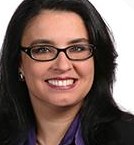 Herenia P. Lawrence合作论文数Faculty of Dentistry, University of Toronto5
 Patrick Finbarr Allen合作论文数5
 Barry Gibson合作论文数Academic Unit of Dental Public Health, School of Clinical Dentistry, The University of Sheffield5
 Olga V Boiko合作论文数4
 Gordon Guyatt合作论文数Departments of Medicine, Faculty of Health Sciences, McMaster University4
 Sarah Baker合作论文数School of Clinical Dentistry, University of Sheffield4
 Howard C. Tenenbaum合作论文数4
 Peter G. Robinson合作论文数School of Oral and Dental Sciences, University of Bristol4Marlene Stephens合作论文数3
 Michael Goldberg合作论文数Faculty of Dentistry, University of Toronto3Fakhruddin Kausar Sadia合作论文数3Hawkins R J合作论文数3
 Amir Azarpazhooh合作论文数Faculty of Dentistry, University of Toronto3Ashley P S Barlow合作论文数3
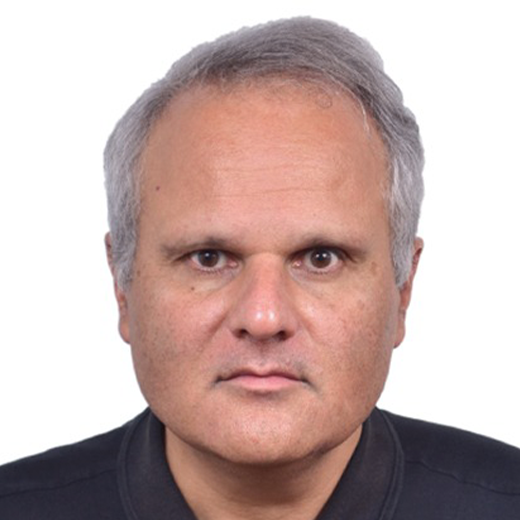 Marcio Lima Grossi合作论文数School of Health and Life Sciences, Pontifical Catholic University of Rio Grande do Sul3Rafael Figueiredo合作论文数3
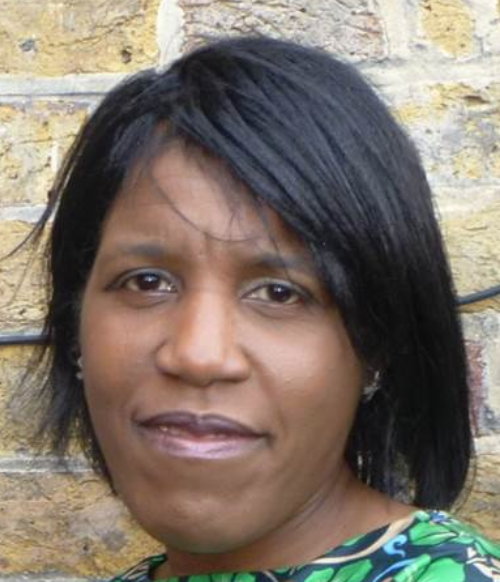 Vanessa Muirhead合作论文数Centre for Dental Public Health
and Primary Care, Institute of
Dentistry, Queen Mary University
of London, London, UK3R. J. Hawkins合作论文数2Preeti Prakash合作论文数2Debbie Gibson合作论文数2Debra L. Zanetti合作论文数2Tess Player合作论文数2DF Otchere合作论文数2Harold Rosenberg合作论文数2
Vanessa Muirhead合作论文数Centre for Dental Public Health
and Primary Care, Institute of
Dentistry, Queen Mary University
of London, London, UK3R. J. Hawkins合作论文数2Preeti Prakash合作论文数2Debbie Gibson合作论文数2Debra L. Zanetti合作论文数2Tess Player合作论文数2DF Otchere合作论文数2Harold Rosenberg合作论文数2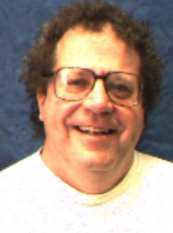 David A. Kenny合作论文数Department of Psychological Sciences, College of Liberal Arts and Sciences, University of Connecticut;Department of Psychology, University of Connecticut2John Maggirias合作论文数2Farzana Sufi合作论文数2
 Manal A. Awad合作论文数College of Dentistry, University of Sharjah2
 Lyndie A Foster Page合作论文数School of Dentistry, University of Otago2Wayne J. Millar合作论文数2
 Murray Thomson合作论文数Division of Health Sciences, University of Otago;Department of Oral Sciences, University of Otago2Jefferson Traebert合作论文数Post-Graduate Programme in Health Sciences, Southern Santa Catarina University2Joseph M. Kaufert合作论文数2David Matear合作论文数2
 Glenn Berall合作论文数1
 Roslan Saub合作论文数1Jl Leake合作论文数1John J. M. Dwyer合作论文数1Hardy Limeback合作论文数1Shoroog Hassan Agou合作论文数Fac Dent, King Abdulaziz Univ1
 Prakeshkumar (Prakesh) S. Shah合作论文数Institute of Health Policy, Management, and Evaluation, University of Toronto;Departments of Paediatrics, University of Toronto;Mount Sinai Hospital1
 Yigal Dror合作论文数Department of Paediatrics, University of Toronto1
 Howard Tenenbaum合作论文数Faculty of Dentistry, University of Toronto1
 James Posluns合作论文数Faculty of Dentistry, University of Toronto1
 Paul J Allison合作论文数Faculty of Dentistry, McGill University1




