The biological processes responsible for somatic cell senescence contribute to organ aging and progression of chronic diseases, and this may contribute to kidney transplant outcomes. We examined the effect of pre-existing donor aging on the performance of kidney transplants, comparing mouse kidney isografts and allografts from old versus young donors. Before transplantation, old kidneys were histologically normal, but displayed an increased expression of senescence marker p16(INK4a). Old allografts at day 7 showed a more rapid emergence of epithelial changes and a further increase in the expression of p16(INK4a). Similar but much milder changes occurred in old isografts. These changes were absent in young allografts at day 7, but emerged by day 21. The expression of p16(INK4a) remained low in young kidney allografts at day 7, but increased with severe rejection at day 21. Isografts from young donors showed no epithelial changes and no increase in p16(INK4a). The measurements of the alloimmune response-infiltrate, cytology, expression of perforin, granzyme B, IFN-gamma and MHC-were not increased in old allografts. Thus, old donor kidneys display abnormal parenchymal susceptibility to transplant stresses and enhanced induction of senescence marker p16(INK4a), but were not more immunogenic. These data are compatible with a key role of somatic cell senescence mechanisms in kidney transplant outcomes by contributing to donor aging, being accelerated by transplant stresses, and imposing limits on the capacity of the tissue to proliferate.
BACKGROUND:Librarians at the University of Alberta have been involved with teaching undergraduate medical and dental education for several years. After 1 year of increased librarian involvement at the problem-based learning (PBL), small-group level, informal feedback from faculty and students suggested that librarians' participation in PBL groups was beneficial. There was, however, no real evidence to support this claim or justify the high demand on librarians' time.OBJECTIVES:The study aimed to determine whether having a librarian present in the small-group, problem-based learning modules for first-year medical and dental students results in an improved understanding of evidence-based medicine concepts, the nature of medical literature, and information access skills.METHODS:One hundred and sixty-four first-year medical and dental students participated in the study. There were a total of 18 PBL groups, each with approximately nine students and one faculty tutor. Six librarians participated and were assigned randomly to the six intervention groups. Students were given pre- and post-tests at the outset and upon completion of the 6-week course.RESULTS:Post-test scores showed that there was a small positive librarian impact, but final exam scores showed no impact. There was also no difference in attitudes or comfort levels between students who had a librarian in their group and those who did not.CONCLUSIONS:Impact was not sufficient to warrant continued participation of librarians in PBL. In future instruction, librarians at the John W. Scott Health Sciences Library will continue to teach at the larger group level.
Most current transplantation guidelines suggest that bacteremia or bacterial sepsis precludes organ donation. However, various Investigators report good outcomes when donor bacteremia was discovered Incidentally posttransplant or when bacteremia was cleared before organ retrieval. The authors present the case of a donor who underwent surgical repair of a congenital heart defect complicated by refractory septic shock with positive blood cultures for cloxacillin-sensitive Staphylococcus aureus until time of death. Hemorrhagic and necrotic foci were noted on the renal capsules at time of organ retrieval. The donor liver appeared grossly unremarkable. One year after transplantation, the 3 recipients continue to do well with no known sequelae of having received organs from a Staphylococcus aureus-septic donor. The authors conclude that with appropriate perioperative antibiotics targeted at an organism with known sensitivities and consideration of a modified immunosuppressive protocol, even organs from Individuals with known severe sepsis at the time of retrieval may be appropriate for donation.
A line of nonobese diabetic (NOD) mice expressing the human diabetes-associated HLA-DQ8 transgene in the absence of mouse IA(beta) failed to show spontaneous insulitis or diabetes, but rather developed dilated cardiomyopathy, leading to early death from heart failure. Pathology in these animals results from an organ- and cell-specific autoimmune response against normal cardiomyoctes in the atrial and ventricular walls, as well as against very similar myocytes present in the outermost muscle layer surrounding the pulmonary veins. Progression of the autoimmune process could be followed by serial ECG measurements; irradiation of young animals significantly delayed disease progression, and this effect could be reversed by adoptive transfer of splenocytes taken from older animals with complete heart block. Disease progression could also be blocked by cyclosporin A treatment, but was accelerated by injection of complete Fruend's adjuvant. The constellation of findings of spontaneously arising destructive focal lymphocytic infiltrates within the myocardium, rising titers of circulating anti-cardiac autoantibodies, dilation of the cardiac chambers, and gradual progression to end-stage heart failure bears a striking resemblance to what is seen in humans with idiopathic dilated cardiomyopathy, a serious and often life-threatening medical condition. This transgenic strain provides a highly relevant animal model for human autoimmune myocarditis and postinflammatory dilated cardiomyopathy.
Recent transplantation experiments using perforin-deficient mice as allograft recipients have challenged the concept that allograft rejection is mediated exclusively by CTL. We sought to determine if human noncytolytic lymphocytes could mediate rejection of allogeneic human skin grafts in the huPBL-SCID mouse model of rejection. We generated short term lines of human lymphocytes from peripheral blood mononuclear cells using PHA as a mitogen. The first group was stimulated with PHA alone, the second with PHA plus IL-4 and neutralizing antibody to IL-12, and in the third group PBL were depleted of B cells and monocytes before stimulation as in group 2. After two passages, lines were tested for cytolytic ability and IFN-γ production. Each line was injected i.p. to mice bearing allogeneic skin grafts. The grafts were harvested between day 16 and 21 after PBL injection, then the histology was scored by a blinded observer for degree of infiltration, microvessel injury, induction of epidermal MHC class II, and perforin expression. In vitro we found that PBL in groups 2 and 3 were unable to lyse cultured endothelial cells in a lectin-directed 111In release assay. In vivo 80% of the IL-4/anti-IL-12 groups maintained the IFN-γ-low phenotype, and no perforin was detected in these grafts. Nevertheless, human microvessel injury was similar between the two groups. This was not antibody-dependent since the B-cell-depleted group showed similar injury. Moreover adjacent murine vessels were intact. We interpret these observations to show (1) these human PBL lines maintained their phenotype following in vivo restimulation, and (2) noncytolytic graft-infiltrating lymphocytes specifically promote injury of allogeneic human microvessels.
Purpose: Student Affairs ofces in healthcare faculties were initiated to advocate and advise students who may be having difculties. A trial mandatory one on one student advisor meeting for allrst year students in the Faculty of Medicine and Dentistry at the University of Alberta was initiated in 2002 in an effort to identify problems that students were encountering that might not be brought forth to the Student Affairs Ofce. Method: The Student Affairs ofce is composed of the Assistant Dean with 13 student advisors who are available to students on an ongoing basis for assistance. This project was initiated with a question guide for each advisor to ensure that all areas were covered during each one on one session. Two sessions (one in each term) were provided for each student with the same advisor. After completion of the academic year, the advisors met to discuss their experiences to determine the usefulness of the sessions. Feedback was also obtained from students via email about their interactions with the advisors. Results: Fourteen student advisors saw a total of 202 students with 15 minute appointments per session. Each appointment was booked at a time of high stress during exams in the 3rd month of each term. The
 Allan Murray合作论文数3
 Robert P Pauly合作论文数Division of Nephrology and Transplantation Immunology, University of Alberta Department of Medicine2
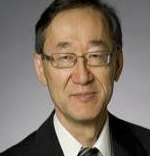 Dennis Kunimoto合作论文数Faculty of Medicine & Dentistry, University of Alberta2
 Kunimasa Suzuki合作论文数1Junliang Liu合作论文数1H. Braun合作论文数1
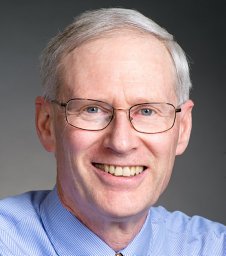 J F Elliott合作论文数Div Dermatol, Univ Alberta1LF Zhu合作论文数1David Begg合作论文数1Nation Patrick N合作论文数1Bautista-Lopez Norma合作论文数1
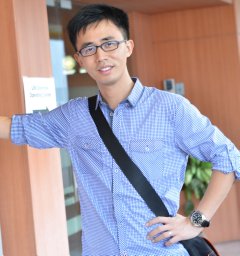 Zuanning Yuan合作论文数National University of Singapore, National University of Singapore1Liu Gang合作论文数1Wallbank Sarah L合作论文数1R Nelson合作论文数1Km Kavanagh合作论文数1
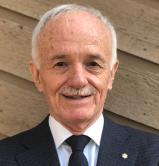 Philip F. Halloran合作论文数Department of Medicine, Faculty of Medicine & Dentistry, University of Alberta;Alberta Transplant Applied Genomics Center, University of Alberta1Arif Alibhai合作论文数1
 Attapong Vongwiwatana合作论文数1
 Bev Wilson合作论文数1Larry Sterns合作论文数1
 Bernhard M W Schmidt合作论文数Department of Nephrology and Hypertension, Hannover Medical School1Anette Melk合作论文数1Verna Yiu合作论文数1Joan Urmson合作论文数1Ernest Lam合作论文数1Susan Gilmour合作论文数1
 Denise Koufogiannakis合作论文数Univ Alberta Lib1Jeanette Buckingham合作论文数1Murray A. Robertson合作论文数1




