BACKGROUND:Kidney transplantation outcomes have improved in the short term, but long-term graft survival gains have plateaued. Aging donors and recipients with increasing comorbidities may alter contemporary allograft outcomes. METHODS:We retrospectively analyzed 2076 consecutive kidney transplants performed at a single Canadian center from 1969 to 2024, representing up to 50 y of complete follow-up. All-cause graft survival (ACGS) and death-censored graft survival were compared across 5 transplant eras using era-stratified Cox regression. RESULTS:The median recipient age increased significantly across the eras from 35 to 54 y ( P < 0.01) and the donor age from 28 to 45 y ( P < 0.01), paralleled by 3-5-fold increases in pretransplant diabetes and obesity. Death-censored graft survival improved through the early 2000s but has since plateaued, whereas ACGS declined in the modern era (2018-2024) compared with the 1998-2009 peak ( P = 0.007). Death with function accounted for >60% of graft losses in recent years, with infectious deaths rising from 21% to 45% ( P < 0.01). Increasing donor and recipient age, comorbidities, and delayed graft function independently predicted inferior survival. CONCLUSIONS:These findings reveal a reversal in ACGS gains in the contemporary era, highlighting the need for precision immunosuppression strategies tailored to the aging, comorbid transplant population.
KEY POINTS:De novo donor-specific anti-HLA antibody, microvascular inflammation, and T-cell-mediated rejection events frequently occurred concomitantly or serially, and their interconnectedness and complexity are underappreciated. Microvascular inflammation without donor-specific anti-HLA antibody did not independently worsen prognosis after adjustment for serial or concomitant T-cell-mediated rejection and de novo donor-specific anti-HLA antibody events in time-dependent models. HLA-DR/DQ alloimmune risk categories were multivariable correlates of microvascular inflammation-free survival, suggesting an association with HLA mismatch. BACKGROUND:Microvascular inflammation (sum of glomerulitis [g] and peritubular capillaritis [ptc] scores ≥2) frequently occurs without donor-specific anti-HLA antibodies (DSAs), often alongside T-cell-mediated rejection (TCMR), yet its independent prognostic significance remains uncertain. METHODS:In a consecutive single-center cohort of 689 kidney transplant recipients (2004-2021), we examined the impact of first g+ptc≥2, TCMR, and de novo DSA (dnDSA) events on death-censored allograft loss using Cox models with time-dependent covariates to account for event timing and overlap. RESULTS:A first g+ptc≥2 occurred in 106/689 (15%) recipients, and 88% had concomitant or sequential TCMR and/or dnDSA. Most g+ptc≥2 biopsies were associated with TCMR (76%), including those with g=0. When assessed individually, the first g+ptc≥2 (hazard ratio [HR], 4.33; 95% confidence interval [CI], 2.5 to 7.5), TCMR (HR, 4.07; 95% CI, 2.3 to 7.1), and dnDSA (HR, 4.26; 95% CI, 2.2 to 8.3) events were each associated with death-censored allograft loss. However, in a combined time-dependent model, first TCMR (HR, 2.74; 95% CI, 1.4 to 5.4) and dnDSA (HR, 2.32; 95% CI, 1.1 to 5.1) remained independently associated with death-censored allograft loss, whereas g+ptc≥2 did not (HR, 1.77; 95% CI, 0.84 to 3.73). CONCLUSIONS:In a modern tacrolimus-based cohort, g+ptc≥2 without DSA was not associated with worse outcomes after adjustment for serial or concomitant TCMR and dnDSA events.
INTRODUCTION:Novel approaches to improve long-term outcomes in kidney transplant recipients are required. Here, we present the 5-year data from a multicenter, prospective, Phase 3b trial evaluating treatment outcomes with standard (STD) or low (LOW) dose prolonged-release tacrolimus (TAC) combined with ACEi/ARB or other antihypertensive therapy (OAHT) in Canadian kidney transplant recipients. METHODS:Adult de novo kidney transplant recipients were randomized 2 × 2 to STD or LOW dose TAC and ACEi/ARB or OAHT. Patients had received a first or second transplant from a living or deceased donor and had ≥ 1 human leukocyte antigen mismatch with their donor. RESULTS:There were 281 patients from 13 sites across Canada. Overall patient survival was 95.7% and was comparable between groups. Graft survival at study end was 89.7% in the LOW+OAHT group and 94.4%-97.1% in the other groups and BPAR, and Class II de novo donor-specific antibodies (dnDSA) were higher in the LOW+OAHT group than in the other groups. However, these differences were not statistically significant. Graft function, blood pressure (BP), and proteinuria were similar between the groups; however, between 2 and 5 years there was a 2-fold or greater increase in the use of ACEi/ARB in patients randomized initially to OAHT, mostly because of hypertension and proteinuria. There were no unexpected safety findings. CONCLUSION:Patients randomized to LOW TAC with renin-angiotensin system (RAS) blockade had similar outcomes at 5 years as patients treated with STD TAC with or without RAS blockade, whereas those randomized to LOW TAC without RAS blockade showed a non-significant trend towards more rejections and dnDSA TRIAL REGISTRATION: ClinicalTrials.gov identifier: NCT00933231.
HLA-DQ mismatch has been correlated with worse kidney allograft outcomes. However, there is linkage disequilibrium between HLA-DQ and HLA-DR, and the independent effect of HLA-DQ mismatches, particularly HLA-DQαβ heterodimer mismatches, on allograft outcomes after adjustment for HLA-DR mismatches has been understudied. It is also unknown whether the potential for HLA-DQ molecules to form cis- or trans-heterodimers impacts allograft outcomes. We analyzed 866 well-characterized kidney transplant recipients for the relevance of potential cis/trans-HLA-DQ⍺β heterodimers on T cell-mediated rejection, antibody-mediated rejection, death-censored allograft survival, and all-cause allograft survival. We found that including potential HLA-DQ⍺β cis/trans-heterodimer mismatches did not improve prediction models for all outcomes compared to HLA-DQ⍺β cis-heterodimers alone. We also studied the independent effect of HLA-DQ⍺β mismatch on these outcomes after adjusting for HLA-DR mismatch in multivariate models. Both HLA-DR antigen and HLA-DQ⍺β cis-heterodimer mismatch were univariate but not multivariate correlates of these outcomes when adjusted for each other. Collinearity between HLA-DRB1, HLA-DQB1, and HLA-DQA1 alleles, and the dilution of survival outcomes with non-alloimmune related events are potential reasons. This underlies the need for novel approaches to precision in alloimmune risk assessment, e.g., molecular mismatch, for use in prediction models and allocation algorithms.
BackgroundImmunosuppression reduction for BK polyoma virus (BKV) must be balanced against risk of adverse alloimmune outcomes. We sought to characterize risk of alloimmune events after BKV within context of HLA-DR/DQ molecular mismatch (mMM) risk score.MethodsThis single-center study evaluated 460 kidney transplant patients on tacrolimus-mycophenolate-prednisone from 2010-2021. BKV status was classified at 6-months post-transplant as "BKV" or "no BKV" in landmark analysis. Primary outcome was T-cell mediated rejection (TCMR). Secondary outcomes included all-cause graft failure (ACGF), death-censored graft failure (DCGF), de novo donor specific antibody (dnDSA), and antibody-mediated rejection (ABMR). Predictors of outcomes were assessed in Cox proportional hazards models including BKV status and alloimmune risk defined by recipient age and molecular mismatch (RAMM) groups.ResultsAt 6-months post-transplant, 72 patients had BKV and 388 had no BKV. TCMR occurred in 86 recipients, including 27.8% with BKV and 17% with no BKV (p = .05). TCMR risk was increased in recipients with BKV (HR 1.90, (95% CI 1.14, 3.17); p = .01) and high vs. low-risk RAMM group risk (HR 2.26 (95% CI 1.02, 4.98); p = .02) in multivariable analyses; but not HLA serological MM in sensitivity analysis. Recipients with BKV experienced increased dnDSA in univariable analysis, and there was no association with ABMR, DCGF, or ACGF.ConclusionsRecipients with BKV had increased risk of TCMR independent of induction immunosuppression and conventional alloimmune risk measures. Recipients with high-risk RAMM experienced increased TCMR risk. Future studies on optimizing immunosuppression for BKV should explore nuanced risk stratification and may consider novel measures of alloimmune risk.
Background. Epstein-Barr virus (EBV) chronic high viral load (CHVL) may be defined by >16 000 copies/mL whole blood or >200 copies/105 peripheral blood mononuclear cells in >50% samples exceeding 6 mo. EBV CHVL has only been characterized in a few small pediatric studies, with heterogeneous results and unclear clinical significance. Methods. This single-center observational study evaluated adult and pediatric kidney transplant recipients transplanted between 2010 and 2021 on tacrolimus/mycophenolate-based/prednisone immunosuppression. The primary outcome was EBV CHVL prevalence. Secondary outcomes included recipient characteristics, DNAemia kinetics, and posttransplant lymphoproliferative disorder (PTLD) in recipients with EBV CHVL versus low-grade DNAemia or no DNAemia. Results. Five hundred forty-one recipients had a mean follow-up of 4.6 y. Fourteen recipients (2.6%) developed EBV CHVL, 70 (12.9%) had low-grade EBV DNAemia, and 457 (84.5%) had no EBV DNAemia. EBV CHVL was more common in recipients who were Caucasian (P = 0.04), younger (P = 0.04), received induction immunosuppression (P = 0.02), and had high-risk donor–recipient EBV serologic mismatch (P < 0.0001). CHVL patients had a higher first viral load (P = 0.03), longer time to maximum viral load (P = 0.02), and did not achieve sustained DNAemia clearance versus low-grade DNAemia. Three EBV-positive PTLD cases occurred in recipients with a history of EBV DNAemia. PTLD was present in 7.1% (1/14) CHVL versus 2.9% (2/70) low-grade DNAemia patients (P = 0.002). EBV DNAemia developed in 32 EBV seronegative recipients (32/59; 54%); clearance was achieved in 70% (14/20) with low-grade DNAemia but no CHVL (0/12; P = 0.0001). Conclusions. CHVL was uncommon and appeared to occur after primary EBV infection. Future studies should explore other potentially modifiable risk factors for PTLD, including optimal management of EBV DNAemia.
De novo donor-specific antibody (dnDSA) after renal transplantation has been shown to correlate with antibody-mediated rejection and allograft loss. However, the lack of proven interventions and the time and cost associated with annual screening for dnDSA are difficult to justify for all recipients. We studied a well-characterized consecutive cohort (n = 949) with over 15 years of prospective dnDSA surveillance to identify risk factors that would help institute a resource-responsible surveillance strategy. Younger recipient age and HLA-DR/DQ molecular mismatch were independent predictors of dnDSA development. Combining both risk factors into recipient age molecular mismatch categories, we found that 52% of recipients could be categorized as low-risk for dnDSA development (median subclinical dnDSA-free survival at 5 and 10 years, 98% and 97%, respectively). After adjustment, multivariate correlates of dnDSA development included tacrolimus versus cyclosporin maintenance immunosuppression (hazard ratio [HR], 0.37; 95% CI, 0.2-0.6; P < .0001) and recipient age molecular mismatch category: intermediate versus low (HR, 2.48; 95% CI, 1.5-4.2; P = .0007), high versus intermediate (HR, 2.56; 95% CI, 1.6-4.2; P = .0002), and high versus low (HR, 6.36; 95% CI, 3.7-10.8; P < .00001). When combined, recipient age and HLA-DR/DQ molecular mismatch provide a novel data-driven approach to reduce testing by >50% while selecting those most likely to benefit from dnDSA surveillance.
Introduction: Optimizing tacrolimus (TAC) exposure and/or using angiotensin-converting enzyme inhibitors (ACEi) or angiotensin II receptor blockers (ARB) may modulate inflammation (i) as well as interstitial fibrosis and tubular atrophy (IFTA) after kidney transplant (KTx). Two-year data from a study in KTx patients receiving prolonged-release TAC coupled with either ACEi/ARB or other antihypertensives (OAHT) showed that low-dose TAC coupled with ACEi/ARB was associated with less IFTA severity and progression, less IFTA + i, and delayed onset of clinical rejection compared with low-dose TAC without ACEi/ARB (Cockfield et al. Am J Transplant 2019;19:1730–44). We now report 5-year results from this study. Methods: This was a Canadian multicenter, prospective, open-label, controlled study in adult de novo KTx recipients randomized in a 2x2 design to standard dose (0.15–0.20 mg/kg) or low dose (LOW; 0.05–0.15 mg/kg) prolonged-release TAC combined with either ACEi/ARB or OAHT. All patients received basiliximab induction, mycophenolate mofetil and prednisone. Protocol biopsies were taken at implantation, 6 and 24 months. Five-year data include patient and graft survival, renal function, proteinuria, blood pressure and the incidence of Class II de novo donor-specific antibody (dnDSA). Results: Overall, 281 patients were randomized. Between 3 and 5 years, mean TAC trough levels were ~6 ng/mL. Patient survival at 5 years was 95.7% and comparable between groups (94.2–97.2% across groups). Overall graft survival was 94.3% (89.7% in the LOW+OAHT group vs 94.4–97.1% in the other groups). Graft function, blood pressure, and proteinuria were similar in all groups. At 5 years, class II dnDSA incidence was 13.2% in the LOW+OAHT group vs 5.6–7.2% in other groups. There were no unexpected safety findings observed at 5 years. Conclusion: KTx patients receiving low-dose prolonged-release TAC combined with ACEi/ARB have comparable outcomes to those receiving standard doses of prolonged-release TAC with or without ACEi/ARB, while treatment with low-dose prolonged release TAC without ACEi/ARB may be associated with worse outcomes. This study was sponsored by Astellas Pharma Inc. Editorial support was provided by Cello Health MedErgy, funded by Astellas Pharma Inc.
Background. Delayed graft function (DGF) of a kidney transplant results in increased cost and complexity of management. For clinical care or a DGF trial, it would be ideal to accurately predict individual DGF risk and provide preemptive treatment. A calculator developed by Irish et al has been useful for predicting population but not individual risk. Methods. We analyzed the Irish calculator (IC) in the DeKAF prospective cohort (incidence of DGF = 20.4%) and investigated potential improvements. Results. We found that the predictive performance of the calculator in those meeting Irish inclusion criteria was comparable with that reported by Irish et al. For cohorts excluded by Irish: (a) in pump-perfused kidneys, the IC overestimated DGF risk; (b) in simultaneous pancreas kidney transplants, the DGF risk was exceptionally low. For all 3 cohorts, there was considerable overlap in IC scores between those with and those without DGF. Using a modified definition of DGF-excluding those with single dialysis in the first 24 h posttransplant-we found that the calculator had similar performance as with the traditional DGF definition. Studying whether DGF prediction could be improved, we found that recipient cardiovascular disease was strongly associated with DGF even after accounting for IC-predicted risk. Conclusions. The IC can be a useful population guide for predicting DGF in the population for which it was intended but has limited scope in expanded populations (SPK, pump) and for individual risk prediction. DGF risk prediction can be improved by inclusion of recipient cardiovascular disease.
Background Early TCMR surveillance with protocol kidney biopsy is used differentially among pediatric kidney transplant centers. Little has been reported about actual center-based differences, and this variability may influence TCMR ascertainment, treatment, and monitoring more broadly. Methods Data from the PROBE multicenter study were used to identify patients from centers conducting ESB or LSIB. ESB was defined as >50% of patients having at least 1 surveillance biopsy in the first 9 months. Patients were compared for number of biopsies, rejection episodes, treatment, and follow-up monitoring. Results A total of 261 biopsies were performed on 97 patients over 1-2 years of follow-up. A total of 228 (87%) of biopsies were performed in ESB centers. Compared to LSIB centers, ESB centers had 7-fold more episodes of TCMR diagnosed on any biopsy [0.8 +/- 1.2 vs 0.1 +/- 0.4;P P = .04]. The proportion of rejection treatment varied based on severity: Banff borderline i1t1 (40%);>i1t1 and < Banff 1A (86%); and >= Banff 1A (100%). Biopsies for follow-up were performed after treatment in 80% of cases (n = 28) of rejection almost exclusively at ESB centers, with 17 (61%) showing persistence of TCMR (>= i1t1). Conclusions Practice variation exists across Canadian pediatric renal transplant centers with ESB centers identifying more episodes of rejection. Additionally, treatment of Banff borderline is not universal and varies with severity regardless of center type. Lastly, follow-up biopsies are performed inconsistently and invariably show persistence of rejection.
The prevalence and long‐term impact of T cell–mediated rejection (TCMR) is poorly defined in the modern era of tacrolimus/mycophenolate‐based maintenance therapy. This observational study evaluated 775 kidney transplant recipients with serial histology and correlated TCMR events with the risk of graft loss. After a ~30% incidence of a first Banff Borderline or greater TCMR detected on for‐cause (17%) or surveillance (13%) biopsies, persistent (37.4%) or subsequent (26.3%) TCMR occurred in 64% of recipients on follow‐up biopsies. Alloimmune risk categories based on the HLA‐DR/DQ single molecule eplet molecular mismatch correlated with the number of TCMR events (p = .002) and Banff TCMR grade (p = .007). Both a first and second TCMR event correlated with death‐censored and all‐cause graft loss when adjusted for baseline covariates and other significant time‐dependent covariates such as DGF and ABMR. Therefore, a substantial portion of kidney transplant recipients, especially those with intermediate and high HLA‐DR/DQ molecular mismatch scores, remain under‐immunosuppressed, which in turn identifies the need for novel agents that can more effectively prevent or treat TCMR.
The goal of this paper is to evaluate the published literature to assess the evidence for a pathogenic role for subclinical inflammation in the renal allograft. It has become apparent from a growing body of evidence that most of the inflammation observed in renal allografts is alloimmune in nature, and ultimately pathogenic, even if it is below the classic Banff threshold for rejection. There are recent data to indicate the subclinical inflammation that is usually detectable only by protocol biopsies is a risk factor for subsequent clinical T cell–mediated rejection, the development of de novo donor-specific antibody (DSA), and graft loss. The need and potential for novel non-invasive methods in the detection of subclinical inflammation in the renal allograft are discussed in the context of future research studies.
Inflammation in areas of fibrosis (i-IFTA) in posttransplant biopsies is part of the diagnostic criteria for chronic active TCMR (CA TCMR -- i-IFTA ≥ 2, ti ≥ 2, t ≥ 2). We evaluated i-IFTA and CA TCMR in the DeKAF indication biopsy cohorts: prospective (n = 585, mean time to biopsy = 1.7 years); cross-sectional (n = 458, mean time to biopsy = 7.8 years). Grouped by i-IFTA scores, the 3-year postbiopsy DC-GS is similar across cohorts. Although a previous acute rejection episode (AR) was more common in those with i-IFTA on biopsy, the majority of those with i-IFTA had not had previous AR. There was no association between type of previous AR (AMR, TCMR) and presence of i-IFTA. In both cohorts, i-IFTA was associated with markers of both cellular (increased Banff i, t, ti) and humoral (increased g, ptc, C4d, DSA) activity. Biopsies with i-IFTA = 1 and i-IFTA ≥ 2 with concurrent t ≥ 2 and ti ≥ 2 had similar DC-GS. These results suggest that (a) i-IFTA≥1 should be considered a threshold for diagnoses incorporating i-IFTA, ti, and t; (b) given that i-IFTA ≥ 2,t ≥ 2, ti ≥ 2 can occur in the absence of preceding TCMR and that the component histologic scores (i-IFTA,t,ti) each indicate an acute change (albeit i-IFTA on the nonspecific background of IFTA), the diagnostic category "CA TCMR" should be reconsidered.
Improving long-term kidney transplant outcomes requires novel treatment strategies, including delayed calcineurin inhibitor (CNI) substitution, tested using informative trial designs. An alternative approach to the usual superiority-based trial is a noninferiority trial design that tests whether an investigational agent is not unacceptably worse than standard of care. An informative noninferiority design, with biopsy-proven acute rejection (BPAR) as the endpoint, requires determination of a prespecified, evidence-based noninferiority margin for BPAR. No such information is available for delayed CNI substitution in kidney transplantation. Herein we analyzed data from recent kidney transplant trials of CNI withdrawal and "real world" CNI- based standard of care, containing subjects with well-documented evidence of immune quiescence at 6 months posttransplant-ideal candidates for delayed CNI substitution. Our analysis indicates an evidence-based noninferiority margin of 13.8% for the United States Food and Drug Administration's composite definition of BPAR between 6 and 24 months posttransplant. Sample size estimation determined that ~225 randomized subjects would be required to evaluate noninferiority for this primary clinical efficacy endpoint, and superiority for a renal function safety endpoint. Our findings provide the basis for future delayed CNI substitution noninferiority trials, thereby increasing the likelihood they will provide clinically implementable results and achieve regulatory approval.
 Peter Nickerson合作论文数Department of Internal Medicine, Max Rady College of Medicine, Rady Faculty of Health Sciences, University of Manitoba128
 Ian W. Gibson合作论文数Department of Pathology, University of Manitoba73Martin Karpinski合作论文数45
 Chris Wiebe合作论文数Department of Medicine, University of Manitoba45J Jeffery合作论文数42
 Julie Ho合作论文数41
 Arthur Matas合作论文数Division of Transplantation, Department of Surgery, Medical School, University of Minnesota38Robert S. Gaston合作论文数37JR JEFFERY合作论文数36Leduc Robert合作论文数31Denise Pochinco合作论文数30
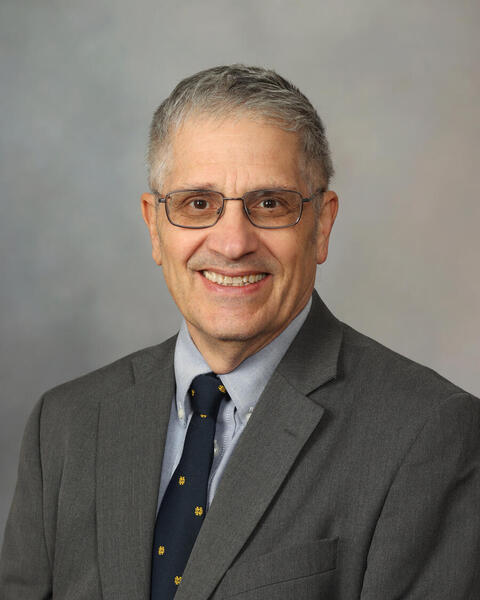 Joseph P. Grande合作论文数Division of Anatomic Pathology, Department of Laboratory Medicine and Pathology, Mayo Clinic29
 Philip F. Halloran合作论文数Department of Medicine, Faculty of Medicine & Dentistry, University of Alberta;Alberta Transplant Applied Genomics Center, University of Alberta28
 Paul C. Grimm合作论文数Section of Nephrology|Winnipeg Children ' s Hospital|Health Sciences Centre27
 John E. Connett合作论文数Division of Biostatistics, School of Public Health, University of Minnesota25S. Gourishankar合作论文数24Patricia E. Birk合作论文数24Fernando G Cosio合作论文数24J Gough合作论文数23B. Kasiske合作论文数23L. Hunsicker合作论文数23
 Roslyn B. Mannon合作论文数Department of Internal Medicine, College of Medicine, University of Nebraska Medical Center20
 Tom D. Blydt-Hansen合作论文数Montreal Children’s Hospital Research Institute, McGill University20
 J Michael Cecka合作论文数Department of Pathology and Laboratory Medicine, David Geffen School of Medicine, University of California19RM McKenna合作论文数18
 Leroy Storsley合作论文数17R McKenna合作论文数16A. Fieberg合作论文数14J. Ho合作论文数13
 Aviva Goldberg合作论文数13Stefan Schaub合作论文数Klinik für Urologie;Klinik für Nephrologie;Klinik für Urologie, Klinik für Nephrologie12
 Bertram L. Kasiske合作论文数Kidney Center, Hennepin Healthcare;University Minn10
 Peter S. Heeger合作论文数Recanati Miller Transplant Institute, Icahn School of Medicine at Mount Sinai10
 Lawrence Hunsicker合作论文数Department of Internal Medicine, Carver College of Medicine, University of Iowa10
 Robert Balshaw合作论文数Centre for Healthcare Innovation, Rady Faculty of Health Sciences, University of Manitoba;Department of Community Health Sciences, Max Rady College of Medicine, University of Manitoba10Jamie Shaw合作论文数9
 Richard Formica合作论文数Nephrology, Internal Medicine, Yale School of Medicine, Yale University9
 David Wishart合作论文数Department of Laboratory Medicine & Pathology, Faculty of Medicine & Dentistry, University of Alberta9J.M Cecka合作论文数9
 Emilio Poggio合作论文数Department of Nephrology and Hypertension, Glickman Urological and Kidney Institute, Cleveland Clinic9
 Claudio Rigatto合作论文数St. Boniface General Hospital Research Centre, University of Manitoba9John R. Jeffery合作论文数9
 Maury Pinsk合作论文数University of Alberta9A. Goldberg合作论文数8
 David Ikle合作论文数8
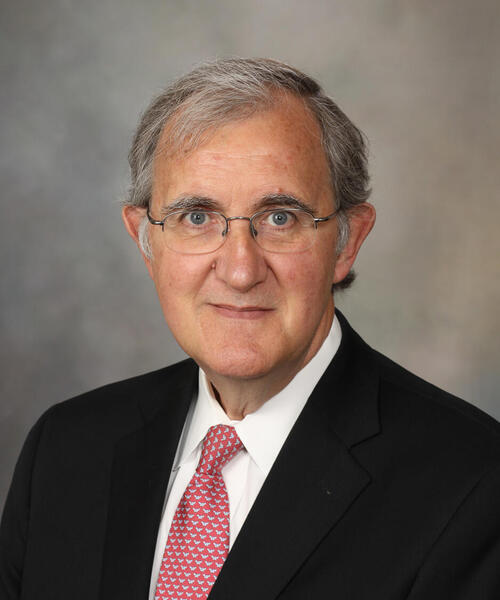 Fernando G. Cosio合作论文数Division of Nephrology & Hypertension, Department of Internal Medicine, Mayo Clinic8
 Donald E. Hricik合作论文数Case Western Reserve University;Division of Nephrology and Hypertension, University Hospitals Case Medical Center8
 Kim Solez合作论文数Department of Laboratory Medicine and Pathology, University of Alberta8
 Robert Fairchild合作论文数Robert Fairchild Laboratory, Lerner Research Institute;Department of Inflammation and Immunity, Lerner Research Institute Cleveland Clinic;Department of Molecular Medicine, School of Medicine, Case Western Reserve University8




