Sudden cardiac arrest (SCA) in a young athlete is a profoundly impactful and potentially tragic event. This review summarizes the epidemiology of SCA in athletes, evolving methods of carrying out the cardiac preparticipation evaluation (cPPE), and the appropriate identification and follow up care of athletes with positive cPPE screens. It also guides clinicians on decision making after a positive cPPE screen, provides an overview of shared decision-making following a new cardiac diagnosis, and emphasizes the importance of the emergency action plan (EAP). SCA is more common than historical estimates, and survival rates may be improving. cPPE strategies based on the history and physical exam alone have significant limitations. The resting electrocardiogram (ECG) is endorsed as an important component of the cPPE by some societies and leagues and is the most statistically powerful tool to achieve the goal of early detection of cardiac conditions. A comprehensive evaluation, inclusive of expert consultation and shared decision making, is recommended to determine participation status following a new cardiac diagnosis. Long-term follow up studies suggest athletic competition with a known cardiac diagnosis may be safe in some cases. The optimal method of conducting the cPPE remains an area of intense debate. Regardless of method utilized, sports medicine clinicians should be able to accurately identify a positive screen based and understand the appropriate next steps based on modern ECG interpretation criteria and expert guidelines. No screening method is perfect, and the EAP will always remain a critical component of any safe athletic venture.
Background: The incidence and causes of sudden cardiac death (SCD) among young competitive athletes impact prevention strategies yet remain incompletely understood. Methods: National Collegiate Athletic Association (NCAA) athlete deaths from 7/1/2002-6/30/2022 were identified through 4 independent databases/search strategies. Autopsy reports and medical history were reviewed by an expert panel to adjudicate causes of SCD. Poisson regression was used to calculate incidence rate ratios (IRR) for 5-year intervals over the 20-year study. Results: A total of 143 SCD cases were identified among 1102 athlete deaths and 9,106,516 athlete-years (AYs). The incidence of SCD among NCAA athletes was 1:63,682 AYs [95% CI 1:54,065, 1:75,010]. Incidence was higher in males compared to females (1:43,348 vs. 1:164,504 AYs) and Black compared to White athletes (1:27,217 vs. 1:74,581 AYs). The highest incidence of SCD was among Division 1 male basketball players (1:8,188; White 1:5,848; Black 1:7,696 AYs). The incidence rate for SCD decreased over the study period (5-year IRR 0.71 [95% CI 0.61,0.82]), whereas the rate of non-cardiovascular deaths remained stable (5-year IRR 0.98 [95% CI 0.94,1.04]; Figure 1A ). Autopsy-negative sudden unexplained death (AN-SUD, 19.5%) was the most common post-mortem exam finding, followed by idiopathic left ventricular hypertrophy/possible cardiomyopathy (CM, 16.9%) and hypertrophic CM (12.7%) in cases with enough information for adjudication (118/143, Figure 1B ). There were 8 cases of myocarditis, with none attributed to COVID-19 infection. SCD events occurred most commonly during exertion among athletes with coronary artery anomalies (100%) and arrhythmogenic CM (83%), whereas AN-SUD and hypertrophic CM had a higher proportion of non-exertional SCD (44% and 40%, respectively). Conclusions: The incidence of SCD in college athletes has decreased. Male sex, Black race, and basketball are associated with a higher incidence of SCD.
This review identifies clinical scenarios-such as unstable or displaced fractures, major tendon ruptures, and significant mechanical issues-that likely warrant surgical consultation.
When thinking about sports medicine as it relates to the young athlete, most practitioners think of orthopedic injuries. However, many office and training room visits in young athletes are for infectious diseases. Sports and competition require athletes to share facilities and equipment and remain in close contact with others. These factors may facilitate the spread of disease and place athletes at higher risk of contracting infections. Sports medicine clinicians must carry a broad understanding of blood–borne pathogens, febrile illnesses, skin infections, joint infections, and sexually transmitted infections to provide the best possible care for young athletes. As many young athletes will be anxious to return to competition, it is important to recognize conditions that restrict play and how to counsel patients regarding return to sport.
BACKGROUND: Understanding the incidence, causes, and trends of sudden cardiac death (SCD) among young competitive athletes is critical to inform preventive policies. METHODS: This study included National Collegiate Athletic Association athlete deaths during a 20-year time frame (July 1, 2002, through June 30, 2022). Athlete deaths were identified through 4 separate independent databases and search strategies (National Collegiate Athletic Association resolutions list, Parent Heart Watch database and media reports, National Center for Catastrophic Sports Injury Research database, and insurance claims). Autopsy reports and medical history were reviewed by an expert panel to adjudicate causes of SCD. RESULTS: A total of 143 SCD cases in National Collegiate Athletic Association athletes were identified from 1102 total deaths. The National Collegiate Athletic Association resolutions list identified 117 of 143 (82%), the Parent Heart Watch database or media reports identified 89 of 143 (62%), the National Center for Catastrophic Sports Injury Research database identified 63 of 143 (44%), and insurance claims identified 27 of 143 (19%) SCD cases. The overall incidence of SCD was 1:63 682 athlete-years (95% CI, 1:54 065–1:75 010). Incidence was higher in male athletes than in female athletes (1:43 348 [95% CI, 1:36 228–1:51 867] versus 1:164 504 [95% CI, 1:110 552–1:244 787] athlete-years, respectively) and Black athletes compared with White athletes (1:26 704 [1:20 417–1:34 925] versus 1:74 581 [1:60 247–1:92 326] athlete-years, respectively). The highest incidence of SCD was among Division I male basketball players (1:8188 [White, 1:5848; Black, 1:7696 athlete-years]). The incidence rate for SCD decreased over the study period (5-year incidence rate ratio, 0.71 [95% CI, 0.61–0.82]), whereas the rate of noncardiovascular deaths remained stable (5-year incidence rate ratio, 0.98 [95% CI, 0.94–1.04]). Autopsy-negative sudden unexplained death (19.5%) was the most common postmortem examination finding, followed by idiopathic left ventricular hypertrophy or possible cardiomyopathy (16.9%) and hypertrophic cardiomyopathy (12.7%), in cases with enough information for adjudication (118 of 143). Eight cases of death were attributable to myocarditis over the study period (1 case from January 1, 2020, through June 30, 2022), with none attributed to COVID-19 infection. SCD events were exertional in 50% of cases. Exertional SCD was more common among those with coronary artery anomalies (100%) and arrhythmogenic cardiomyopathy (83%). CONCLUSIONS: The incidence of SCD in college athletes has decreased. Male sex, Black race, and basketball are associated with a higher incidence of SCD.
We read with great enthusiasm the article “Point-of-Care Ultrasound and Modernization of the Bedside Assessment” by Maw et al.1 We support and thank the authors for highlighting point-of-care ultrasound (POCUS) as a diagnostic tool and for pointing out the challenges inherent to POCUS curriculum development in graduate medical education.We surveyed attitudes on POCUS from the incoming intern class (2021–2022) of our university-based family medicine residency program. On a scale of 1 to 10, with 10 representing the most excitement and interest in POCUS education and application, the incoming intern class (n = 10) was both “very excited” (9.8, range 8–10) for formal POCUS education and “very interested” in applying POCUS to patient care during (9.1, range 8–10) and following (9.3, range 8–10) residency. Eight of 10 residents reported some degree of POCUS exposure during medical school, including 4 residents who completed a full formal course. One resident reported utilizing ultrasound for patient care during medical school between 21 and 50 times, while the remaining 9 residents used it 10 times or less.These limited data are subject to a number of potential biases and confounders but nonetheless lend themselves to the following conclusions:Maw et al point out that lack of faculty expertise may be a chief barrier to the implementation of POCUS within residency programs. We also agree with the authors that the threat of a gap between resident POCUS enthusiasm and residency faculty expertise is real. Nevertheless, with ultrasound technology rapidly advancing and exposure during medical school ongoing, we suspect that interest in the use of POCUS during family medicine residency training will only continue to grow.At our program, we have implemented a longitudinal POCUS curriculum that includes regular didactics and workshops, POCUS use on inpatient services, and resident rotation in a “POCUS clinic.” We suggest that other family medicine residency programs interested in developing similar curricula invest in identifying and training individual faculty POCUS “champions” via continuing medical education courses or other means. These champions can then capitalize on that training to build a residency POCUS program consistent with American Academy of Family Physicians guidelines.3
Objectives We assessed whether the presence and character of a cardiac murmur in adolescents were associated with structural heart disease that confers risk of sudden cardiac death (SCD). Methods We performed a retrospective analysis of 15 141 adolescents age 12–19 who underwent a heart screen with history, physical examination and ECG. Participants with any screening abnormality underwent an echocardiogram for the assessment of structural heart disease. Murmurs were classified as physiological or pathological according to standard clinical criteria, and participants with murmurs were compared with a comparison group without murmurs. The primary outcome was echocardiogram-detected structural heart disease associated with SCD. Results 905 participants with a cardiac murmur (mean age 15.8; 58% male) and 4333 participants without a murmur (comparison group; mean age 15.8; 55% male) had an echocardiogram to detect structural heart disease. 743 (82%) murmurs were described as physiological and 162 (18%) as pathological. Twenty-five (2.8%) participants with murmurs and 61 (1.4%) participants without murmurs had structural heart disease. Three (0.3%) participants in the murmur group were diagnosed with hypertrophic cardiomyopathy (HCM) which was the only identified condition associated with SCD. Two participants with HCM had physiological murmurs, one had a pathological murmur, and all three had an abnormal ECG. The most common minor structural heart disease was bicuspid aortic valve in both the murmur (7; 0.8%) and comparison (20; 0.5%) groups. The positive predictive value of physiological versus pathological murmurs for identifying any structural heart disease was 2.4% versus 4.3% (p=0.21), respectively. The positive predictive value of having any murmur versus no murmur for identifying structural heart disease was 2.8% versus 1.4% (p=0.003), respectively. Conclusions In adolescents, the traditional classification of cardiac murmurs as ‘physiologic’ or ‘pathologic’ does not differentiate for structural heart disease that puts individuals at risk for SCD. We recommend ECG evaluation in all patients with a cardiac murmur found during preparticipation screening to increase detection of HCM.
Objective To investigate the aetiology and incidence of sudden cardiac arrest and death (SCAM) in US competitive athletes. Methods Prospective surveillance was conducted from 1 July 2014 to 30 June 2018 through the National Center for Catastrophic Sports Injury Research in collaboration with national sports organisations. Autopsy reports, death certificates, and medical records were reviewed by an expert panel to determine aetiology. Athlete participation statistics from the National Federation of State High School Associations and the National Collegiate Athletic Association (NCAA) were used to calculate incidence rates per athlete-years (AY). Comparisons of incidence rates were calculated using incidence rate ratios (IRR) with 95% CIs. Results 331 cases of confirmed SCA/D (158 survivors; 173 fatalities) were identified; 15.4% in middle school 61.6% in high school and 16.6% in college and professional athletes. Average age was 16.7 (11-29) years, and the majority were in male (83.7%), basketball (28.7%) or American football (25.4%) athletes. Common causes included hypertrophic cardiomyopathy (20.6%), idiopathic left ventricular hypertrophy (13.4%), coronary artery anomalies (12.0%) and autopsy-negative sudden unexplained death (9.6%). Coronary anomalies were more common in middle school athletes (28%), while cardiomyopathies (hypertrophic, arrhythmogenic, dilated, non-compaction or restricted) accounted for 47% of cases in college and professional athletes. Incidence was higher in male versus female athletes at the high school (1:43 932 AY (95% CI 1:38101 to 1:50 907) vs 1:203 786 AY (95% CI 1:145 251 to 1:293 794); IRR 4.6 (95% CI 3.1 to 7.2)) and NCAA (1:34 906 AY (95% CI 1:25 385 to 1:49 173) vs 1:123 278 AY (95% CI 1:66 078 to 1:249 853); IRR 3.5 (95% CI 1.5 to 9.5)) levels. African American male NCAA Division I basketball players had the highest annual incidence rate of SCA/D (1:2087 AY (95% CI 1:1073 to 1:4 450)). Conclusions Cardiomyopathies account for nearly half of SCA/D cases in college and professional athletes, while coronary artery anomalies play a more prominent role than expected in middle school athletes. Over half of SCA cases in athletes result in sudden death, calling for improved prevention strategies.
Objective: To determine the etiology of sudden cardiac arrest and death (SCA/D) in competitive athletes through a prospective national surveillance program. Design: Sudden cardiac arrest and death cases in middle school, high school, college, and professional athletes were identified from July 2014 to June 2016 through traditional and social media searches, reporting to the National Center for Catastrophic Sports Injury Research, communication with state and national high school associations, review of the Parent Heart Watch database, and search of student-athlete deaths on the NCAA Resolutions List. Autopsy reports and medical records were reviewed by a multidisciplinary panel to determine the underlying cause. Setting and Participants: US competitive athletes with SCA/D. Main Outcome Measures: Etiology of SCA/D. Results: A total of 179 cases of SCA/D were identified (74 arrests with survival, 105 deaths): average age 16.6 years (range 11-29), 149 (83.2%) men, 94 (52.5%) whites, and 54 (30.2%) African American. One hundred seventeen (65.4%) had an adjudicated diagnosis, including 83 deaths and 34 survivors. The most common etiologies included hypertrophic cardiomyopathy (19, 16.2%), coronary artery anomalies (16, 13.7%), idiopathic left ventricular hypertrophy/possible cardiomyopathy (13, 11.1%), autopsy-negative sudden unexplained death (8, 6.8%), Wolff-Parkinson-White (8, 6.8%), and long QT syndrome (7, 6.0%). Hypertrophic cardiomyopathy was more common in male basketball (23.3%), football (25%), and African American athletes (30.3%). An estimated 56.4% of cases would likely demonstrate abnormalities on an electrocardiogram. Conclusions: The etiology of SCA/D in competitive athletes involves a wide range of clinical disorders. More robust reporting mechanisms, standardized autopsy protocols, and accurate etiology data are needed to better inform prevention strategies.
Acetaminophen is no better than placebo for relief of hip or knee pain due to osteoarthritis. Although acetaminophen does provide some pain relief, the effect is small and not clinically significant.
Primary care clinicians fulfill critical roles of screening for, diagnosing, and managing cardiovascular disease. In young athletes, primary structural and electrical diseases are the focus. Coronary artery disease is the chief concern in older athletes. Sudden cardiac arrest may be the initial presentation of disease and is more common in young athletes than historically appreciated. The traditional preparticipation evaluation, or sports physical, is limited in its ability to accurately raise suspicion of underlying disease. The 12-lead electrocardiogram is a more accurate screening tool. Contemporary risk stratification and treatment protocols may allow for safe return to sport on a case-by-case basis.
BACKGROUND:Sickle cell trait (SCT) has been associated with an increased risk of sudden death in athletes during strenuous exercise. In August 2010, the National Collegiate Athletic Association (NCAA) began requiring athletes to be screened for SCT, provide proof of SCT status, or sign a waiver and launched an educational campaign for athletes, coaches, and medical staff. The impact of this program is unknown. The purpose of this study was to determine the incidence of death associated with sickle cell trait (daSCT) in NCAA athletes before and after legislation.HYPOTHESIS:NCAA SCT legislation will decrease the incidence of daSCT.STUDY DESIGN:Observational study.LEVEL OF EVIDENCE:Level 2.METHODS:A database of NCAA athlete deaths from 2000 to 2019 was reviewed for daSCT. A total of 8,309,050 athlete-years (AY) were included. Incidence of death was calculated before and after legislation.RESULTS:The incidence of daSCT in Division I (DI) football athletes before legislation (n = 9) was 1:28,145 AY and after legislation (n = 1) was 1:250,468 AY (relative risk [RR], 0.112; 95% CI, 0.003-0.811; P = 0.022), an 89% reduction in risk after legislation was enacted. The incidence of daSCT in African American DI football athletes before legislation (n = 9) was 1:12,519 AY and after legislation (n = 1) was 1:118,464 AY (RR, 0.106; 95% CI, 0.002-0.763; P = 0.017), also an 89% risk reduction after legislation was enacted. For all NCAA athletes, the incidence of daSCT was 1:489,749 AY before legislation (n = 10) and 1:1,705,780 AY after legislation (n = 2) (RR, 0.288; 95% CI, 0.031-1.347; P = 0.146).CONCLUSION:The incidence of daSCT in DI football athletes has decreased significantly since legislation was enacted. Cases of daSCT outside of football are rare. It is unclear whether the decrease is related to screening for SCT, education, or both.CLINICAL RELEVANCE:This is the first evidence that NCAA SCT legislation may save lives.
Pain and injury are not synonymous. Pain can occur without sport injury, and sport injury may not necessarily manifest with pain. It is …
Sudden cardiac arrest remains the leading cause of death in exercising athletes, and recent studies have shown that it occurs more frequently than historical estimates. While out-of-hospital cardiac arrest often proves fatal, advance preparation can improve outcomes and the chance of survival. First responders to a collapsed athlete on the field of play may include team medical personnel, coaches, other athletes, officials, venue staff, emergency medical services personnel, or lay bystanders. Prompt and accurate recognition of sudden cardiac arrest, a comprehensive and rehearsed emergency action plan, early cardiopulmonary resuscitation, and immediate access to and use of an automated external defibrillator are each pivotal links in the chain of survival. This review summarises the components of an effective emergency action plan, highlights the critical role of automated external defibrillators, and reviews the diagnosis and management of sudden cardiac arrest on the field of play.
Background: Sudden cardiac arrest (SCA) is the leading cause of death in young athletes during sports. Hypothesis: Survival after SCA in young athletes is variable. Study Design: Prospective, active surveillance study. Level of Evidence: Level 3. Methods: From July 1, 2014, to June 30, 2016, exercise-related SCA in competitive young athletes was identified through a systematic search of traditional and social media sources, direct reporting to the National Center for Catastrophic Sports Injury Research, searching of the National Collegiate Athletic Association Resolutions List, regular communication with national and state high school athletic associations, and review of cases in the Parent Heart Watch database. Results: A total of 132 cases were identified during the 2-year study period (mean patient age, 16 years; age range, 11-27 years; 84% male; 51% white non-Hispanic/Latino, 30% black/African American, and 11% white Hispanic/Latino). High school athletes accounted for 78 (59%) cases, with 28 (21%) in middle school and 15 (11%) in college athletes. Overall survival was 48% (95% CI, 40%-57%; 64 survivors, 68 deaths). Survival was similar in male versus female athletes but higher in white non-Hispanic/Latino (40/67; 60%) versus black/African American (13/39; 33%) athletes (difference, 27%; 95% CI, 7%-45%; P = 0.008) and white non-Hispanic/Latino versus all minority (18/59; 31%) athletes (difference, 29%; 95% CI, 13%-46%; P = 0.001). Basketball accounted for 30% of cases, followed by football (25%), track/cross-country (12%), and soccer (11%). The majority (93%) of cases were witnessed. If a certified athletic trainer was on-site and involved in the resuscitation, 83% of athletes survived. If an on-site automated external defibrillator was used in the resuscitation, 89% of athletes survived. Conclusion: Exercise-related SCA in young, competitive athletes is typically witnessed, providing an opportunity for rapid resuscitation. Additional research is needed to identify factors that affect survival in different athlete populations. Clinical Relevance: Public access defibrillator programs should be universal in schools and youth sporting venues and have the potential to increase survival after SCA in young athletes.
Context: Recombinant human growth hormone (rHGH) has become a target of abuse in the sporting world. Conversely, sports medicine clinicians may encounter athletes using rHGH to achieve normalcy in the context of growth hormone (GH) deficiency. Evidence Acquisition: Medline and PubMed databases were queried using the following keywords: GH, GH physiology, GH deficiency, acromegaly, GH athlete, GH sports, GH athletic performance, and GH deficiency concussion. Articles focusing on GH physiology, deficiency, excess, and its effects in both deficient and healthy patients were included. Study Design: Clinical review. Level of Evidence: Level 3. Results: GH is a naturally occurring hormone with important roles in human physiology. Patients with GH deficiency (GHD) present variably, and GHD has numerous etiologies. rHGH treatment has substantial therapeutic benefits for patients with GHD. The benefits of rHGH treatment in otherwise-healthy adults are uncertain. GH excess may cause health problems such as acromegaly. Professional, collegiate, and international sports leagues and associations have banned rHGH use to maintain athlete health, safety, and fair play. Athletes misusing GH may face prolonged suspensions from competition. Implementing GH abuse testing is challenging, but new methods, such as the biomarker testing procedure, are being finalized. Conclusion: rHGH is not only an important therapeutic agent for GH-deficient patients but also a target of abuse in competitive athletics. Its benefits in a healthy, adult population are uncertain. A safe exercise and competition plan, developed with a physician knowledgeable of GH use, physiology, and abuse potential, should be of benefit to a longitudinal clinician-patient relationship.
 Kimberly G. Harmon合作论文数Departments of Family Medicine and Orthopaedics and Sports Medicine, University of Washington8
 Monica L Zigman Suchsland合作论文数7
 Jonathan A. Drezner合作论文数Department of Family Medicine, University of Washington7
 Joseph J. Maleszewski合作论文数Division of Anatomic Pathology, Department of Laboratory Medicine and Pathology, Mayo Clinic5
 Kristen Kucera合作论文数Department of Exercise and Sport Science, College of Arts and Sciences, The University of North Carolina at Chapel Hill5
 Asif Irfan M合作论文数Department of Family Medicine, University of Tennessee4
 Nathaniel Moulson合作论文数3
 Leah C. Thomas合作论文数3
 Manesh Raman Patel合作论文数Division of Cardiology, Department of Medicine, Duke University School of Medicine;Division of Clinical Pharmacology, Department of Medicine, Duke University School of Medicine3
 Bradley J Petek合作论文数3
 Michael J. Ackerman合作论文数Children's Center, Mayo Clinic;Division of Heart Rhythm Services, Department of Cardiovascular Medicine, Mayo Clinic3Lopez-Anderson Martha合作论文数3
 Danielle Peterson合作论文数3Churchill Timothy W合作论文数3
 Aaron L. Baggish合作论文数Cardiovascular Research Center, Mass General Research Institute;Harvard Medical School;Massachusetts General Hospital3
 Christopher Kweon合作论文数2
 Stephanie Kliethermes合作论文数2
 Ashwin L Rao合作论文数2Katherine Fahy合作论文数1
 Hank F Pelto合作论文数1Mike Stewart合作论文数1Mark Stuart合作论文数1Jared Schattenkerk合作论文数1Ashley V Austin合作论文数1
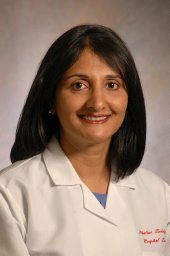 Shalini Reddy合作论文数John H. Stroger Hospital, Cook County Health1
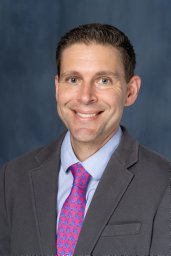 Christopher A Harle合作论文数Univ Florida, Dept Hlth Outcomes & Biomed Informat, Gainesville, FL USA1Prutkin Jordan M合作论文数1Salerno Jack C合作论文数1
 Kohar Jones合作论文数1
 Lars Engebretsen合作论文数Oslo University Hospital;Division of Orthopaedic Surgery, Institute of Clinical Medicine, Faculty of Medicine, University of Oslo1
 David R Owens合作论文数Department of Biomedical Sciences, Swansea University;Diabetes Research Group, Swansea University Medical School1Espinoza Jason合作论文数1
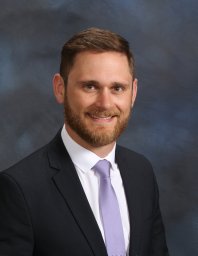 Putman Michael合作论文数Department of Medicine, University of Chicago1
 Richard Budgett合作论文数1Vernec Alan R合作论文数1Herring Stanley A合作论文数1
 Francis O'Connor合作论文数1McNamee Michael John合作论文数1Buchanan Benjamin K合作论文数1
 David Evans合作论文数Department of Family Medicine, University of Washington1
 Judith Turner合作论文数Department of Psychiatry & Behavioral Sciences, School of Medicine, University of Washington;Department of Rehabilitation Medicine, School of Medicine, University of Washington;Department of Anesthesiology & Pain Medicine, School of Medicine, University of Washington;Center for Pain Relief, University of Washington1
 Jiri Dvorak合作论文数Department of Neurology, Spine Unit, Schulthess Klinik1
 Johan C Raeder合作论文数Faculty of Medicine, Oslo University1
 Lorimer Moseley合作论文数University of South Australia1
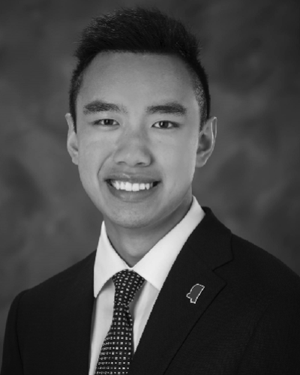 Brian Ko合作论文数1
 Wayne E Derman合作论文数Institute of Sport and Exercise Medicine, Stellenbosch University1
 Willem Meeuwisse合作论文数Sport Injury Prevention Research Centre, Faculty of Kinesiology, University of Calgary1Masataka Deie合作论文数1




