Climate change is significantly impacting agricultural production worldwide. Peanuts provide food and nutritional security to millions of people across the globe because of its high nutritive values. Drought and heat stress alone or in combination cause substantial yield losses to peanut production. The stress, in addition, adversely impact nutritional quality. Peanuts exposed to drought stress at reproductive stage are prone to aflatoxin contamination, which imposes a restriction on use of peanuts as health food and also adversely impact peanut trade. A comprehensive understanding of the impact of drought and heat stress at physiological and molecular levels may accelerate the development of stress tolerant productive peanut cultivars adapted to a given production system. Significant progress has been achieved towards the characterization of germplasm for drought and heat stress tolerance, unlocking the physiological and molecular basis of stress tolerance, identifying significant marker-trait associations as well major QTLs and candidate genes associated with drought tolerance, which after validation may be deployed to initiate marker-assisted breeding for abiotic stress adaptation in peanut. The proof of concept about the use of transgenic technology to add value to peanuts has been demonstrated. Advances in phenomics and artificial intelligence to accelerate the timely and cost-effective collection of phenotyping data in large germplasm/breeding populations have also been discussed. Greater focus is needed to accelerate research on heat stress tolerance in peanut. A suits of technological innovations are now available in the breeders toolbox to enhance productivity and nutritional quality of peanuts in harsh environments. A holistic breeding approach that considers drought and heat-tolerant traits to simultaneously address both stresses could be a successful strategy to produce climate-resilient peanut genotypes with improved nutritional quality.
Peanut ( Arachis hypogaea L.) seed is a rich source of edible oil, comprised primarily of monounsaturated oleic acid and polyunsaturated linoleic acid, accounting for 80% of its fatty acid repertoire. The conversion of oleic acid to linoleic acid, catalyzed by Fatty Acid Desaturase 2 (FAD2) enzymes, is an important regulatory point linked to improved abiotic stress responses while the ratio of these components is a significant determinant of commercial oil quality. Specifically, oleic acid has better oxidative stability leading to longer shelf life and better taste qualities while also providing nutritional based health benefits. Naturally occurring FAD2 gene knockouts that lead to high oleic acid levels improve oil quality at the potential expense of plant health though. We undertook a CRISPR/Cas9 based site-specific genome modification approach designed to downregulate the expression of two homeologous FAD2 genes in seed while maintaining regulation in other plant tissues. Two cis -regulatory elements the RY repeat motif and 2S seed protein motif in the 5′UTR and associated intron of FAD2 genes are potentially important for regulating seed-specific gene expression. Using hairy root and stable germ line transformation, differential editing efficiencies were observed at both CREs when targeted by single gRNAs using two different gRNA scaffolds. The editing efficiencies also differed when two gRNAs were expressed simultaneously. Additionally, stably transformed seed exhibited an increase in oleic acid levels relative to wild type. Taken together, the results demonstrate the immense potential of CRISPR/Cas9 based approaches to achieve high frequency targeted edits in regulatory sequences for the generation of novel transcriptional alleles, which may lead to fine tuning of gene expression and functional genomic studies in peanut.
Rubisco activase (Rca) facilitates the catalytic repair of Rubisco, the CO 2 -fixing enzyme of photosynthesis, following periods of darkness, low to high light transitions or stress. Removal of the redox-regulated isoform of Rubisco activase, Rca-α, enhances photosynthetic induction in Arabidopsis and has been suggested as a strategy for the improvement of crops, which may experience frequent light transitions in the field; however, this has never been tested in a crop species. Therefore, we used RNAi to reduce the Rca-α content of soybean ( Glycine max cv. Williams 82) below detectable levels and then characterized the growth, photosynthesis, and Rubisco activity of the resulting transgenics, in both growth chamber and field conditions. Under a 16 h sine wave photoperiod, the reduction of Rca-α contents had no impact on morphological characteristics, leaf expansion rate, or total biomass. Photosynthetic induction rates were unaltered in both chamber-grown and field-grown plants. Plants with reduced Rca-α content maintained the ability to regulate Rubisco activity in low light just as in control plants. This result suggests that in soybean, Rca-α is not as centrally involved in the regulation of Rca oligomer activity as it is in Arabidopsis . The isoform stoichiometry supports this conclusion, as Rca-α comprises only ~ 10% of the Rubisco activase content of soybean, compared to ~ 50% in Arabidopsis . This is likely to hold true in other species that contain a low ratio of Rca-α to Rca-ß isoforms.
Peanuts are an economically important crop cultivated worldwide. However, several limitations restrained its productivity, including biotic/abiotic stresses. CRISPR/Cas9-based gene-editing technology holds a promising approach to developing new crops with improved agronomic and nutritional traits. Its application has been successful in many important crops. However, the application of this technology in peanut research is limited, probably due to the lack of suitable constructs and protocols. In this study, two different constructs were generated to induce insertion/deletion mutations in the targeted gene for a loss of function study. The first construct harbors the regular gRNA scaffold, while the second construct has the extended scaffold plus terminator. The designed gRNA targeting the coding sequence of the FAD2 genes was cloned into both constructs, and their functionality and efficiency were validated using the hairy root transformation system. Both constructs displayed insertions and deletions as the types of edits. The construct harboring the extended plus gRNA terminator showed a higher editing efficiency than the regular scaffold for monoallelic and biallelic mutations. These two constructs can be used for gene editing in peanuts and could provide tools for improving peanut lines for the benefit of peanut breeders, farmers, and industry.
Programmable site-specific nucleases, such as the CRISPR/Cas9 ribonucleoproteins (RNPs), have allowed creation of valuable knockout mutations and targeted gene modifications in Chlamydomonas. However, in walled strains, present methods for editing genes lacking a selectable phenotype involve co-transfection of RNPs and exogenous double-stranded DNA (dsDNA) encoding a selectable marker gene. Repair of the double-stranded DNA breaks induced by the ribonucleoproteins is usually accompanied by genomic insertion of exogenous dsDNA fragments, hindering the recovery of precise, scarless mutations in target genes of interest. In this study, we tested whether co-targeting two genes by electroporation of pairs of CRISPR/Cas9 RNPs and single-stranded oligodeoxynucleotides (ssODNs) would facilitate the recovery of precise edits in a gene of interest (lacking a selectable phenotype) by selection for precise editing of another gene (creating a selectable marker) - in a process completely lacking exogenous dsDNA. We used PPX1 (encoding protoporphyrinogen IX oxidase) as the generated selectable marker, conferring resistance to oxyfluorfen, and identified precisely, scarless edited FTSY or WDTC1 genes in ∼1% of the oxyfluorfen resistant colonies. Analysis of the target site sequences in edited mutants suggested that ssODNs were used as templates for DNA synthesis during homology directed repair, a process prone to replicative errors. The Chlamydomonas acetolactate synthase gene could also be efficiently edited to serve as an alternative selectable marker. This transgene-free strategy may allow creation of individual strains containing precise mutations in multiple target genes, to study complex cellular processes, pathways or structures. One sentence summary Co-targeting two genes by co-electroporation of CRISPR/Cas9 RNPs and ssODN repair templates allows concomitant genome editing to create a selectable marker gene and to introduce precise modifications in another gene of interest.
SUMMARYRubisco activase (Rca) facilitates the release of sugar‐phosphate inhibitors from the active sites of Rubisco and thereby plays a central role in initiating and sustaining Rubisco activation. In Arabidopsis, alternative splicing of a single Rca gene results in two Rca isoforms, Rca‐α and Rca‐β. Redox modulation of Rca‐α regulates the function of Rca‐α and Rca‐β acting together to control Rubisco activation. Although Arabidopsis Rca‐α alone less effectively activates Rubisco in vitro, it is not known how CO2 assimilation and plant growth are impacted. Here, we show that two independent transgenic Arabidopsis lines expressing Rca‐α in the absence of Rca‐β (‘Rca‐α only’ lines) grew more slowly in various light conditions, especially under low light or fluctuating light intensity, and in a short day photoperiod compared to wildtype. Photosynthetic induction was slower in the Rca‐α only lines, and they maintained a lower rate of CO2 assimilation during both photoperiod types. Our findings suggest Rca oligomers composed of Rca‐α only are less effective in initiating and sustaining the activation of Rubisco than when Rca‐β is also present. Currently there are no examples of any plant species that naturally express Rca‐α only but numerous examples of species expressing Rca‐β only. That Rca‐α exists in most plant species, including many C3 and C4 food and bioenergy crops, implies its presence is adaptive under some circumstances.
An important advantage of delivering CRISPR reagents into cells as a ribonucleoprotein (RNP) complex is the ability to edit genes without reagents being integrated into the genome. Transient presence of RNP molecules in cells can reduce undesirable off-target effects. One method for RNP delivery into plant cells is the use of a biolistic gun. To facilitate selection of transformed cells during RNP delivery, a plasmid carrying a selectable marker gene can be co-delivered with the RNP to enrich for transformed/edited cells. In this work, we compare targeted mutagenesis in rice using three different delivery platforms: biolistic RNP/DNA co-delivery; biolistic DNA delivery; and Agrobacterium -mediated delivery. All three platforms were successful in generating desired mutations at the target sites. However, we observed a high frequency (over 14%) of random plasmid or chromosomal DNA fragment insertion at the target sites in transgenic events generated from both biolistic delivery platforms. In contrast, integration of random DNA fragments was not observed in transgenic events generated from the Agrobacterium -mediated method. These data reveal important insights that must be considered when selecting the method for genome-editing reagent delivery in plants, and emphasize the importance of employing appropriate molecular screening methods to detect unintended alterations following genome engineering.
Targeted genome editing is now possible in nearly any organism and is widely acknowledged as a biotech game-changer. Among available gene editing techniques, the CRISPR-Cas9 system is the current favorite because it has been shown to work in many species, does not necessarily result in the addition of foreign DNA at the target site, and follows a set of simple design rules for target selection. Use of the CRISPR-Cas9 system is facilitated by the availability of an array of CRISPR design tools that vary in design specifications and parameter choices, available genomes, graphical visualization, and downstream analysis functionality. To help researchers choose a tool that best suits their specific research needs, we review the functionality of various CRISPR design tools including our own, the CRISPR Genome Analysis Tool (CGAT; http://cropbioengineering.iastate.edu/cgat ).
The CO2 concentrating mechanism (CCM) is a key component of the carbon assimilation strategy of aquatic microalgae. Induced by limiting CO2 and tightly regulated, the CCM enables these microalgae to respond rapidly to varying environmental CO2 supplies and to perform photosynthetic CO2 assimilation in a cost-effective way. A functional CCM in eukaryotic algae requires Rubisco sequestration, rapid interconversion between CO2 and HCO3(-) catalyzed by carbonic anhydrases (CAs), and active inorganic carbon (Ci) uptake. In the model microalga Chlamydomonas reinhardtii, a membrane protein HLA3 is proposed to be involved in active Ci uptake across the plasma membrane. In this study, we use an artificially designed transcription activator-like effector (dTALE) to activate the expression of HLA3. The successful activation of HLA3 expression demonstrates dTALE as a promising tool for gene-specific activation and investigation of gene function in Chlamydomonas. Activation of HLA3 expression in high CO2 acclimated cells, where HLA3 is not expressed, resulted in increased Ci accumulation and Ci-dependent photosynthetic O2 evolution specifically in very low CO2 concentrations, which confirms that HLA3 is indeed involved in Ci uptake, and suggests it is mainly associated with HCO3(-) transport in very low CO2 concentrations, conditions in which active CO2 uptake is highly limited.
Genome editing is the practice of making predetermined and precise changes to a genome by controlling the location of DNA DSBs (double-strand breaks) and manipulating the cell's repair mechanisms. This technology results from harnessing natural processes that have taken decades and multiple lines of inquiry to understand. Through many false starts and iterative technology advances, the goal of genome editing is just now falling under the control of human hands as a routine and broadly applicable method. The present review attempts to define the technique and capture the discovery process while following its evolution from meganucleases and zinc finger nucleases to the current state of the art: TALEN (transcription-activator-like effector nuclease) technology. We also discuss factors that influence success, technical challenges, and future prospects of this quickly evolving area of study and application.
Background: Transcription activator-like effectors (TALEs) are effector proteins secreted by certain plant pathogenic bacteria when infecting their hosts. Upon translocation, TALEs bind via a well-deciphered recognition code to specific sequences in the promoter region of targeted host genes, thereby activating expression of those targeted genes. Gene activation induced by artificially designed TALEs (dTALEs) has been studied in multiple organisms, but is yet to be demonstrated in green algae, such as Chlamydomonas reinhardtii, a well-known model organism for fundamental biological studies, as well as for biofuel production.Results: We chose two endogenous Chlamydomonas genes, ARS1 and ARS2, as the targets of dTALE induced activation. Both genes encode a periplasmic arylsulfatase (ARS), and are located in an apparent tail-to-tail inverted duplication on chromosome 16. dTALEs independently targeting ARS1 and ARS2 promoters were generated and successfully expressed in Chlamydomonas. Both target genes exhibited noticeably increased expression induced by their respective dTALEs at the transcript level as well as the protein level, which was confirmed at the protein activity level by ARS colorimetric assays. The level of induced target gene activation was closely correlated with the dTALE transcript abundance.Conclusions: Our work demonstrates robust gene-specific activation induced by artificially designed TALEs in the green alga Chlamydomonas. The frequency and efficiency of the induced expression demonstrate dTALEs as powerful tools for targeted gene activation in Chlamydomonas. The pattern of activation shown here provides insights into the mechanism of TALE induced expression, and also confirms the activity of the activation domain of naturally occurring TALEs in another organism. Our success with dTALE-induced activation in Chlamydomonas may open a new avenue to fast, high throughput gene manipulation in other related organisms, such as green algae and crop plants. (C) 2014 Elsevier B.V. All rights reserved.
The genetically tractable microalga Chlamydomonas reinhardtii has many advantages as a model for renewable bioproducts and/or biofuels production. However, one limitation of C. reinhardtii is its relatively low-lipid content compared with some other algal species. To overcome this limitation, we combined ethane methyl sulfonate mutagenesis with fluorescence-activated cell sorting (FACS) of cells stained with the lipophilic stain Nile Red to isolate lipid hyperaccumulating mutants of C. reinhardtii. By manipulating the FACS gates, we sorted mutagenized cells with extremely high Nile Red fluorescence signals that were rarely detected in nonmutagenized populations. This strategy successfully isolated several putative lipid hyperaccumulating mutants exhibiting 23% to 58% (dry weight basis) higher fatty acid contents than their progenitor strains. Significantly, for most mutants, nitrogen starvation was not required to attain high-lipid content nor was there a requirement for a deficiency in starch accumulation. Microscopy of Nile Red stained cells revealed that some mutants exhibit an increase in the number of lipid bodies, which correlated with TLC analysis of triacyglycerol content. Increased lipid content could also arise through increased biomass production. Collectively, our findings highlight the ability to enhance intracellular lipid accumulation in algae using random mutagenesis in conjunction with a robust FACS and lipid yield verification regime. Our lipid hyperaccumulating mutants could serve as a genetic resource for stacking additional desirable traits to further increase lipid production and for identifying genes contributing to lipid hyperaccumulation, without lengthy lipid-induction periods.
Temperature is one of the most important environmental factors affecting the growth and survival of microorganisms and in light of current global patterns is of particular interest. Here, we highlight studies revealing how vitamin B12 (cobalamin)-producing bacteria increase the fitness of the unicellular alga Chlamydomonas reinhardtii following an increase in environmental temperature. Heat stress represses C. reinhardtii cobalamin-independent methionine synthase (METE) gene expression coinciding with a reduction in METE-mediated methionine synthase activity, chlorosis and cell death during heat stress. However, in the presence of cobalamin-producing bacteria or exogenous cobalamin amendments C. reinhardtii cobalamin-dependent methionine synthase METH-mediated methionine biosynthesis is functional at temperatures that result in C. reinhardtii death in the absence of cobalamin. Artificial microRNA silencing of C. reinhardtii METH expression leads to nearly complete loss of cobalamin-mediated enhancement of thermal tolerance. This suggests that methionine biosynthesis is an essential cellular mechanism for adaptation by C. reinhardtii to thermal stress. Increased fitness advantage of METH under environmentally stressful conditions could explain the selective pressure for retaining the METH gene in algae and the apparent independent loss of the METE gene in various algal species. Our results show that how an organism acclimates to a change in its abiotic environment depends critically on co-occurring species, the nature of that interaction, and how those species interactions evolve.
Recent studies indicate that the DNA recognition domain of transcription activator-like (TAL) effectors can be combined with the nuclease domain of FokI restriction enzyme to produce TAL effector nucleases (TALENs) that, in pairs, bind adjacent DNA target sites and produce double-strand breaks between the target sequences, stimulating non-homologous end-joining and homologous recombination. Here, we exploit the four prevalent TAL repeats and their DNA recognition cipher to develop a 'modular assembly' method for rapid production of designer TALENs (dTALENs) that recognize unique DNA sequence up to 23 bases in any gene. We have used this approach to engineer 10 dTALENs to target specific loci in native yeast chromosomal genes. All dTALENs produced high rates of site-specific gene disruptions and created strains with expected mutant phenotypes. Moreover, dTALENs stimulated high rates (up to 34%) of gene replacement by homologous recombination. Finally, dTALENs caused no detectable cytotoxicity and minimal levels of undesired genetic mutations in the treated yeast strains. These studies expand the realm of verified TALEN activity from cultured human cells to an intact eukaryotic organism and suggest that low-cost, highly dependable dTALENs can assume a significant role for gene modifications of value in human and animal health, agriculture and industry.
Legislation introduced by the United Nations International Maritime Organization (IMO) has focused primarily on standards defining successful treatments designed to remove invasive species entrained in ballast water. An earlier shipboard study found that ozone introduced into salt water ballast resulted in the formation of bromine compounds, measured as total residual oxidants (TRO) that were toxic to both bacteria and plankton. However, the diffuser system employed to deliver ozone to the ballast water tanks resulted in patchiness in TRO distribution and toxicity to entrained organisms. In this follow-up study, the shipboard diffuser system was replaced by a single Venturi-type injection system designed to deliver a more homogeneous biocide distribution. Within-tank variability in TRO levels and associated toxicity to zooplankton, phytoplankton and marine bacteria was measured via a matrix of tubes deployed to sample different locations in treated and untreated (control) tanks. Three trials were conducted aboard the oil tanker S/T Prince William Sound in the Strait of Juan de Fuca off Port Angeles, Washington State, USA, between June and December 2007. Mortalities of plankton and bacteria and oxidant concentrations were recorded for treated and untreated ballast water up to 3 days following treatment, and residual toxicity beyond this period was measured by bioassay of standard test organisms. Results indicated uniform compliance with current IMO standards, but only partial compliance with other existing and pending ballast water legislation.
DNA double-strand breaks enhance homologous recombination in cells and have been exploited for targeted genome editing through use of engineered endonucleases. Here we report the creation and initial characterization of a group of rare-cutting, site-specific DNA nucleases produced by fusion of the restriction enzyme FokI endonuclease domain (FN) with the high-specificity DNA-binding domains of AvrXa7 and PthXo1. AvrXa7 and PthXo1 are members of the transcription activator-like (TAL) effector family whose central repeat units dictate target DNA recognition and can be modularly constructed to create novel DNA specificity. The hybrid FN-AvrXa7, AvrXa7-FN and PthXo1-FN proteins retain both recognition specificity for their target DNA (a 26 bp sequence for AvrXa7 and 24 bp for PthXo1) and the double-stranded DNA cleaving activity of FokI and, thus, are called TAL nucleases (TALNs). With all three TALNs, DNA is cleaved adjacent to the TAL-binding site under optimal conditions in vitro. When expressed in yeast, the TALNs promote DNA homologous recombination of a LacZ gene containing paired AvrXa7 or asymmetric AvrXa7/PthXo1 target sequences. Our results demonstrate the feasibility of creating a tool box of novel TALNs with potential for targeted genome modification in organisms lacking facile mechanisms for targeted gene knockout and homologous recombination.
The scope for improvement of yield and disease resistance of crop plants by genetic engineering has been limited by the lack of an efficient method for targeted gene modification. Zinc-finger protein technology looks set to fill the gap. This relies on the use of designed zinc-finger nucleases, artificial chimaeric proteins that exploit the natural recognition mechanism of cellular DNA repair machinery, to make sequence-specific double-stranded DNA breaks at a target locus. In this issue two groups report the successful application of this emerging technique. Shukla et al. modify the maize gene IPK1, thereby introducing both herbicide tolerance and modified phytate metabolism into this important crop plant. Townsend et al. target the SuR loci in tobacco plants, conferring resistance to imidazolinone and sulphonylurea herbicides. The method achieves a high frequency of gene targeting and should be suitable for the routine modification of endogenous plant genes. An efficient method for gene targeting in plants has been lacking until now, frustrating efforts to engineer crop plants. Here it is demonstrated that zinc-finger nucleases—enzymes engineered to create DNA double-strand breaks at specific loci—can be used for gene targeting, in this case inducing mutations that confer resistance to herbicides in tobacco plants. An efficient method for making directed DNA sequence modifications to plant genes (gene targeting) is at present lacking, thereby frustrating efforts to dissect plant gene function and engineer crop plants that better meet the world’s burgeoning need for food, fibre and fuel. Zinc-finger nucleases (ZFNs)—enzymes engineered to create DNA double-strand breaks at specific loci—are potent stimulators of gene targeting1,2; for example, they can be used to precisely modify engineered reporter genes in plants3,4. Here we demonstrate high-frequency ZFN-stimulated gene targeting at endogenous plant genes, namely the tobacco acetolactate synthase genes (ALS SuRA and SuRB), for which specific mutations are known to confer resistance to imidazolinone and sulphonylurea herbicides5. Herbicide-resistance mutations were introduced into SuR loci by ZFN-mediated gene targeting at frequencies exceeding 2% of transformed cells for mutations as far as 1.3 kilobases from the ZFN cleavage site. More than 40% of recombinant plants had modifications in multiple SuR alleles. The observed high frequency of gene targeting indicates that it is now possible to efficiently make targeted sequence changes in endogenous plant genes.
Custom-made zinc-finger nucleases (ZFNs) can induce targeted genome modifications with high efficiency in cell types including Drosophila, C. elegans, plants, and humans. A bottleneck in the application of ZFN technology has been the generation of highly specific engineered zinc-finger arrays. Here we describe OPEN (Oligomerized Pool ENgineering), a rapid, publicly available strategy for constructing multifinger arrays, which we show is more effective than the previously published modular assembly method. We used OPEN to construct 37 highly active ZFN pairs which induced targeted alterations with high efficiencies (1%-50%) at 11 different target sites located within three endogenous human genes (VEGF-A, HoxB13, and CFTR), an endogenous plant gene (tobacco SuRA), and a chromosomally integrated EGFP reporter gene. In summary, OPEN provides an "open-source" method for rapidly engineering highly active zinc-finger arrays, thereby enabling broader practice, development, and application of ZFN technology for biological research and gene therapy.
Nat. Methods 5, 374–375 (2008); corrected after print 29 May 2008. In the version of this correspondence initially published, the two previously published datasets analyzed were labeled with incorrect references in Figure 1b. Reference 2 should be associated with the second column (80 sites), and reference 3 should be associated with the third column (96 sites).
 Daniel Voytas合作论文数Department of Genetics, Cell Biology & Development, College of Biological Sciences, University of Minnesota16
 Martin Spalding合作论文数Development and Cell Biology, College of Agriculture and Life Sciences, Iowa State University15
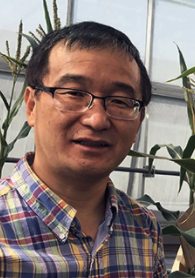 Bing Yang合作论文数Division of Plant Science & Technology, College of Agriculture, Food and Natural Resources, University of Missouri6
 Eileen M. Setzler-Hamilton合作论文数5
 Ting Li合作论文数4
 Jeffrey Townsend合作论文数Department of Ecology and Evolutionary Biology, Yale University4
 J. Keith Joung合作论文数Harvard Medical School;Arena BioWorks;Nvelop Therapeutics;SeQure Dx;Chroma Medicine;Pairwise Plants4Ramesh C. Adlakha合作论文数4Ronnie J Winfrey合作论文数4Guohao He合作论文数4
 Donald Weeks合作论文数Institute of Agriculture and Natural Resources, College of Arts and Sciences, University of Nebraska–Lincoln;University of Nebraska4Fengli Fu合作论文数4John Magee合作论文数4Sy Traore合作论文数3
 Anjanasree Kadamaruku Neelakandan合作论文数3Wang Yingjun合作论文数3Stessman Dan合作论文数3Potu N. Rao合作论文数3Jeffry D. Sander合作论文数3Richard A. Smucker合作论文数3S Zou合作论文数2Magdalena Eichtinger合作论文数2Jonathan E. Foley合作论文数2Dongying Wu合作论文数2Xingli Ma合作论文数2
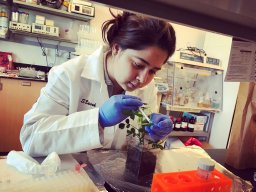 Binita Subedi合作论文数2Sang Yeol Kim合作论文数Univ Illinois, Dept Plant Biol, Urbana, IL 61801 USA2
 Carolyn J Lawrence-Dill合作论文数Iowa State Univ, Dept Agron, Ames, IA 50011 USA2Scott Zarecor合作论文数2
 Bo Xie (谢波)合作论文数华中师范大学生命科学学院2Sahasrabuddhe C G合作论文数2Maeder Morgan L合作论文数2
 Jan-Henning Klusmann合作论文数Department of Pediatrics, Goethe University Frankfurt2
 Steve Rodermel合作论文数Department of Genetics, Developmental and Cell Biology, College of Agriculture and Life Sciences, Iowa State University2Gao Han合作论文数2
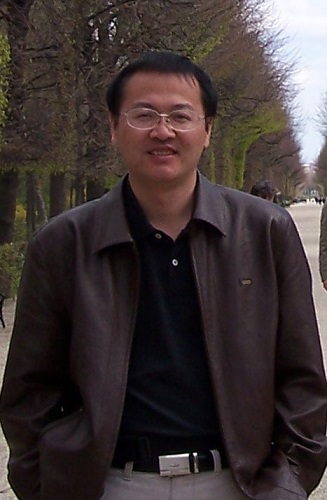 Sheng Huang (黄胜)合作论文数College of Life Science and Technology, Guangxi University2
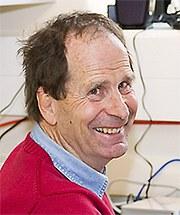 Peter A. Lawrence合作论文数Department of Zoology, University of Cambridge;MRC Laboratory of Molecular Biology2
 Steven Huber合作论文数School of Integrative Biology, College of Liberal Arts and Sciences, University of Illinois Urbana-Champaign2
 Donald Richard Ort合作论文数Department of Plant Biology, School of Integrative Biology, College of Liberal Arts & Sciences, University of Illinois at Urbana-Champaign;Department of Crop Sciences, College of Agricultural, Consumer and Environmental Sciences, University of Illinois at Urbana-Champaign2
 Larry J Halverson合作论文数Departments of Agronomy;Iowa State University;Departments of Agronomy, Iowa State University2Felix Müller-Lerch合作论文数2
 Drena Dobbs合作论文数Department of Genetics;Development and Cell Biology;Department of Genetics|Development and Cell Biology2Stacey Thibodeau-Beganny合作论文数2Alfred E. Pinkney合作论文数Versar, Inc.2
 Matthew Porteus合作论文数Pediatrics Department, Stanford University School of Medicine;Division of Stem Cell Transplantation and Regenerative Medicine, Stanford University School of Medicine;Center for Definitive and Curative Medicine, Stanford University School of Medicine2GJ PHILLIPS合作论文数1Is Oh合作论文数1Shamim H Rahman合作论文数1C Wetzel合作论文数1




