Healthcare systems globally face workforce shortages, burnout, and attrition, intensified by the COVID-19 pandemic and the loss of experienced clinicians across disciplines. These pressures are particularly acute within the Aboriginal and Torres Strait Islander health workforce, where culturally unsafe workplaces, limited support structures, and high workloads continue to affect recruitment and retention. This Perspective proposes an Aboriginal-inspired Circular Leadership Model as a culturally grounded and relational approach to strengthening workforce wellbeing, retention, and leadership capacity within healthcare settings. Drawing on Aboriginal ways of knowing, being, and doing, the model integrates principles of kinship, connection, collective responsibility, storytelling, reflection, and shared decision-making. In contrast to traditional hierarchical leadership paradigms, circular leadership positions collective wellbeing at the center of leadership practice and emphasizes peer support, multi-generational learning, culturally safe mentorship, and community connection. This is a conceptual Perspective rather than a systematic review: the paper draws on Indigenous leadership scholarship, collective leadership research, and the healthcare workforce literature to discuss how Aboriginal leadership principles can complement existing approaches. Practical applications, including structured mentorship circles, collective wellbeing practices, and circular decision-making protocols, are presented alongside implementation considerations. The anticipated benefits of the model for wellbeing, retention, and leadership capacity are presented as hypotheses to be tested through the pilot evaluation proposed here, rather than as demonstrated outcomes. The model is offered primarily as a strategy to support and retain the Aboriginal and Torres Strait Islander health workforce; its potential relevance to the broader healthcare workforce is discussed as a secondary and as yet untested possibility.
INTRODUCTION:It is well established that there is a significant health gap between Indigenous and non-Indigenous Australians, with access to health care being a contributing factor. Aboriginal Health in Aboriginal Hands (AHAH) is an allied health service based at an Indigenous community center. Its objectives are to provide allied health services that are not commonly accessed by members of the Indigenous community. The aims of this study were to investigate stakeholders' perceptions of the service and alignment with the principles of delivering allied health services to Indigenous communities. METHODS:Participants were recruited from two distinct groups: (1) Those who had developed, administered, and provided the services (n = 4); and (2) recipients of the services (n = 8). Perceptions of AHAH were collected via individual "yarnings," which involved answering broad questions regarding the service. Data were analyzed using thematic inductive analysis. RESULTS:Both groups perceived that the "cultural appropriateness" of the setting was essential for its success. This included: its location at an Indigenous community center; the central roles of Indigenous people within the service; being affordable; being welcoming; and being accessible. Another positive attribute was that it provided the opportunity for community members to attain related training and qualifications in areas such as "sports therapy." Both groups perceived that the service could be expanded in terms of more weekly sessions and the inclusion of other allied health services. Staff were aware that while allied health students on placement at the center had undergone some "cultural awareness training," more was needed. DISCUSSION:Overall, the AHAH service was perceived to align with the five dimensions of accessibility, approachability, acceptability, availability, and affordability, and was being delivered in accordance with the principles of engaging with Aboriginal communities (lore, love, look, listen, learn, lead, and land), which were key attributes contributing to its popularity and success.
Background Long COVID is a complex, multisystem chronic condition that may persist or fluctuate for months to years after SARS-CoV-2 infection. Despite emerging international research, significant gaps remain in understanding the full breadth of long COVID’s impacts in Australia. No study has yet prospectively examined these multidimensional impacts using a culturally appropriate, user-validated toolkit. Our study aims to characterise symptom profiles, functional outcomes and psychological, social, financial and behavioural impacts of long COVID in Australian adults; identify factors associated with recovery trajectories; and validate a set of measures to support research and clinical care.Methods This national, multi-site, longitudinal prospective cohort study comprises three phases: (1) survey selection and user-testing; (2) psychometric validation; and (3) a longitudinal cohort study. Survey selection was informed by literature review, Australian parliament inquiry reports and international recommendations, and refined through iterative user-testing and expert review. A total of 1000 participants aged ≥18 years from diverse cultural backgrounds with ongoing symptoms following COVID-19 infection will be divided into three cohorts based on time since infection. Surveys will be administered at seven time points over 24 months, with optional follow-up to 36 months. Data linkage to state and national health datasets will enable an objective assessment of healthcare utilisation and associated costs. Psychometric properties of the tools will be evaluated using baseline responses from the initial 300 participants, including assessments of structural/construct validity, convergent validity, known-groups validity, cross-validity, internal reliability, responsiveness and test–retest reliability. Other data analyses will include descriptive statistics, repeated-measures analysis of variance, linear mixed-effects modelling and multivariable regression models.Ethics and dissemination Ethics approval was obtained from The St Vincent’s Hospital Melbourne Human Research Ethics Committee (HREC) (112108/2024/PID00364) and RMIT University HREC (28124). Research findings will be disseminated at conferences and in peer-reviewed publications.Trial registration number Australian New Zealand Clinical Trials Registry (ACTRN12625001415493).
The global health burden in developing countries remains a pressing concern, exacerbated by a complex interplay of socioeconomic, environmental, and healthcare system factors. International partnerships have emerged as pivotal mechanisms to alleviate the burden, drawing upon the expertise and resources of governments, non-government organizations, and institutions. This systematic review of the literature focused on frameworks and models guiding international partnerships in health care between developed and developing countries. Successful partnerships demonstrated the importance of comprehensive stakeholder engagement, transparent communication, and clear role delineation for their success. These elements fostered a sense of ownership, commitment, and effective teamwork among stakeholders, making them active participants in the collaborative efforts. Trust-building, conflict resolution, and addressing power dynamics were identified as crucial factors to ensure equitable collaborations. However, notable gaps in the literature were identified, such as limited consideration of sustainability measures, ongoing support to partnership members, evaluation mechanisms, governance structures, and resource allocation. Existing frameworks did not include several critical components identified through this review. Addressing these gaps through future research and evaluation, and the development of a more robust framework, can enhance the impact and longevity of collaborative health care partnerships, ultimately improving health care outcomes in both developed and developing countries.
In global health collaborations, countries of all development levels may seek international assistance, emphasizing trust and conflict resolution. However, existing frameworks lack sustainability metrics, governance, and evaluation criteria. The aim of this study was to explore the challenges and opportunities that arose during an international collaborative partnership. This study used a modified action research approach. Seventeen members of the partnership were recruited. Data collection involved online semi-structured interviews and online semi-structured focus groups at three partnership milestones. Thematic analysis was grounded in an ecological perspective. Seven themes were identified: connective dialogue, empowering collaboration, bureaucratic hurdles and collaborative governance, fostering unity through supportive dynamics, progress metrics, unified sustainability, and flexibility in response to contextual changes. Challenges such as the complexity of coordination and communication, bureaucratic intricacies, and resistance to change necessitate a leadership approach that is dynamic and responsive to the evolving landscape of collaborative work. Conversely, distributed leadership presents opportunities for innovation and problem-solving through the integration of varied expertise, fostering an ecosystem where shared ownership and local knowledge enhance resilience and adaptability. Future studies should examine prioritizing adaptability, effective communication, and addressing sustainability to enhance the success of collaborative healthcare partnerships. (sic)(sic)(sic)(sic)(sic)(sic)(sic)(sic), (sic)(sic)(sic)(sic)(sic)(sic)(sic)(sic)(sic)(sic)(sic)(sic)(sic)(sic)(sic)(sic)(sic)(sic), (sic)(sic)(sic)(sic)(sic)(sic)(sic)(sic)(sic)(sic).(sic)(sic), (sic)(sic)(sic)(sic)(sic)(sic)(sic)(sic)(sic)(sic)(sic)(sic),(sic)(sic)(sic)(sic)(sic)(sic)(sic).(sic)(sic)(sic)(sic)(sic)(sic)(sic)(sic)(sic)(sic)(sic)(sic)(sic)(sic)(sic)(sic)(sic)(sic)(sic)(sic)(sic)(sic)(sic)(sic).(sic)(sic)(sic)(sic)(sic)(sic)(sic)(sic)(sic)(sic)(sic)(sic)(sic)(sic)(sic)(sic)(sic)(sic)(sic).(sic)(sic)(sic)(sic)(sic)(sic)(sic)(sic)(sic)(sic)(sic)(sic).(sic)(sic)(sic)(sic)(sic)(sic):(sic)(sic)(sic)(sic)(sic)(sic)(sic)(sic)(sic)(sic)(sic)(sic)(sic)(sic)(sic)(sic)(sic)(sic)(sic)(sic)(sic)(sic)(sic)(sic)(sic)(sic)(sic)(sic)(sic)(sic)(sic)(sic)(sic).(sic)(sic)(sic)(sic)(sic)(sic)(sic)(sic)(sic)(sic)(sic)(sic)(sic).(sic)(sic)(sic)(sic)(sic)(sic)(sic):(sic)(sic)(sic)(sic),(sic)(sic)(sic)(sic),(sic)(sic)(sic)(sic)(sic)(sic)(sic)(sic)(sic),(sic)(sic)(sic)(sic)(sic)(sic)(sic)(sic)(sic)(sic)(sic),(sic)(sic)(sic)(sic),(sic)(sic)(sic)(sic)(sic)(sic)(sic),(sic)(sic)(sic)(sic)(sic)(sic)(sic)(sic)(sic)(sic)(sic)(sic)(sic).(sic)(sic)(sic)(sic)(sic)(sic)(sic)(sic)(sic),(sic)(sic)(sic)(sic)(sic),(sic)(sic)(sic)(sic)(sic)(sic)(sic)(sic)(sic)(sic)(sic)(sic)(sic)(sic)(sic)(sic)(sic)(sic),(sic)(sic)(sic)(sic)(sic)(sic)(sic)(sic)(sic)(sic)(sic)(sic)(sic)(sic)(sic)(sic)(sic)(sic)(sic).(sic)(sic), (sic)(sic)(sic)(sic)(sic)(sic)(sic)(sic)(sic)(sic)(sic)(sic)(sic)(sic)(sic)(sic), (sic)(sic)(sic)(sic)(sic)(sic)(sic)(sic)(sic)(sic)(sic)(sic)(sic), (sic)(sic)(sic)(sic)(sic)(sic)(sic)(sic)(sic)(sic)(sic), (sic)(sic)(sic)(sic)(sic)(sic)(sic)(sic), (sic)(sic)(sic)(sic)(sic)(sic)(sic)(sic)(sic)(sic)(sic)(sic)(sic)(sic)(sic)(sic)(sic)(sic)(sic)(sic).(sic)(sic)(sic)(sic)(sic)(sic)(sic)(sic)(sic)(sic)(sic)(sic)(sic)(sic)(sic)(sic)(sic),(sic)(sic)(sic)(sic),(sic)(sic)(sic)(sic)(sic)(sic)(sic)(sic), (sic)(sic)(sic)(sic)(sic)(sic)(sic)(sic)(sic)(sic)(sic)(sic)(sic)(sic)(sic)(sic). En las colaboraciones en salud global, los pa & iacute;ses de todos los niveles de desarrollo pueden buscar asistencia internacional, priorizando la confianza y la resoluci & oacute;n de conflictos. Sin embargo, los marcos existentes carecen de m & eacute;tricas de sostenibilidad, gobernanza y criterios de evaluaci & oacute;n. El objetivo de este estudio fue explorar los desaf & iacute;os y las oportunidades que surgieron durante una colaboraci & oacute;n internacional. Este estudio utiliz & oacute; un enfoque de investigaci & oacute;n-acci & oacute;n modificado. Se reclutaron diecisiete miembros de la colaboraci & oacute;n. La recopilaci & oacute;n de datos incluy & oacute; entrevistas semiestructuradas en l & iacute;nea y grupos focales semiestructurados en l & iacute;nea en tres hitos de la colaboraci & oacute;n. El an & aacute;lisis tem & aacute;tico se bas & oacute; en una perspectiva ecol & oacute;gica. Se identificaron siete temas: di & aacute;logo conectivo, empoderamiento de la colaboraci & oacute;n, obst & aacute;culos burocr & aacute;ticos y gobernanza colaborativa, fomento de la unidad mediante din & aacute;micas de apoyo, m & eacute;tricas de progreso, sostenibilidad unificada y flexibilidad para responder a los cambios contextuales. Desaf & iacute;os como la complejidad de la coordinaci & oacute;n y la comunicaci & oacute;n, las complejidades burocr & aacute;ticas y la resistencia al cambio requieren un enfoque de liderazgo din & aacute;mico y receptivo al panorama cambiante del trabajo colaborativo. Por el contrario, el liderazgo distribuido ofrece oportunidades de innovaci & oacute;n y resoluci & oacute;n de problemas mediante la integraci & oacute;n de conocimientos diversos, lo que fomenta un ecosistema donde la propiedad compartida y el conocimiento local mejoran la resiliencia y la adaptabilidad. Estudios futuros deben examinar la priorizaci & oacute;n de la adaptabilidad, la comunicaci & oacute;n eficaz y la sostenibilidad para potenciar el & eacute;xito de las alianzas colaborativas en el & aacute;mbito de la salud.
Objective The purposes of this study were to (1) identify important principles for facilitating accessibility to allied health services such as chiropractic treatment for Aboriginal and Torres Strait Islander people and delivering these services in a culturally appropriate manner; and (2) to contextualize these principles by mapping them to an allied health program (Aboriginal Health in Aboriginal Hands [AHAH]) currently delivering these services within an Indigenous community. Methods To gather information about the program`, yarnings were held with stakeholders of the AHAH clinic. Key features of the program were then mapped against the identified domains of accessibility and principles for design and delivery in the context of cultural sensitivity. Results Notable aspects of the AHAH service design and delivery included building on the strengths of the community; being located at an established Aboriginal community gathering space that provides a familiar location for prospective service users; high level and face to face involvement of Aboriginal community members who facilitate the “welcoming nature” and cultural appropriateness of the service. Furthermore, the oversight and daily involvement of Indigenous community members ensures the application of the domains of approachability, acceptability, availability, affordability, and appropriateness and the cultural principles identified as important by Aboriginal leaders and researchers for working with “Aboriginal and Torres Strait Islander” communities (lore, love, look, listen, learn, lead, and land). Conclusion Applying the principles of accessibility and cultural appropriateness, appears to facilitate the delivery of therapies, such as chiropractic, with “Aboriginal and Torres Strait Islander” communities.
Background: Compromised balance is known to contribute to falls, which are associated with increased morbidity and mortality for older adults. Evidence suggests that the application of local vibration to the lower limbs of older adults has the potential to modulate balance. Research question: To identify the temporal and mechanical parameters of vibration applied locally to the lower limbs of older adults that modulate measures of balance, and to define the short- and long-term effects of vibration on balance in this population. Methods: The PRISMA 2020 guidelines were used to conduct a systematic search including the PUBMED, EMBASE, and Scopus databases to identify peer-reviewed literature where vibration was applied to the lower limbs of older adults to modulate balance. Data was extracted using a study-specific data extraction form and risk of bias assessed. Where possible, effect sizes were calculated. Results: Of 7777 records screened, ten randomised controlled trials and 43 prospective laboratory-based studies met the inclusion criteria. Vibration frequencies ranged from 1 to 272 Hz, most studies (n=41) used <= 100 Hz. Amplitude ranged from 0.2 to 3.0 mm, most studies (n=28) used <= 1 mm. Effects of short-term vibration (applied for seconds to hours) were measured during and/or immediately after application. Short-term suprathreshold perceived muscle/tendon vibration had a 'large' destabilising effect size on balance in healthy older adults, but little or no effect on older fallers. Short-term subthreshold vibration to the soles of the feet had a 'small' stabilising effect size. Suprathreshold muscle, tendon or sole vibration applied for 10-30 min over days to weeks improved balance measures, but most (8 of 10) had increased risk of bias. Significance: The heterogeneity of methodology, populations, and vibration and balance parameters precluded conclusions about the relative effects of lower limb vibration in older adults. However, these results suggest that the application of local vibration to the lower limbs of older adults can modulate balance in the short- and longterm.
Objective: The purpose of this study was to identify and compare the research priorities of Australian practicing chiropractors and academics across listed research domains and to seek their views on existing chiropractic research strategies. Concurrent objectives were to gain insight into the perspectives on characteristics of research and solicit ideas and suggestions for future research from both groups. Methods: This study used a mixed-method research design to collect data using an online survey portal. Australian chiropractic academics (n = 220) and practicing chiropractors who were also members of a nationally representative, practice-based research network database (n = 1680) were invited to participate. Data were collected (February 19, 2019, to May 24, 2019). The free-text data were analyzed primarily via semantic coding and verbatim referential units in cases where the category was an exact match for the textual data. Content analyses of the qualitative data were presented in a tabulated and narrative manner as identified domains. Selected representative examples were provided verbatim. Results: The response rate for the survey was 44% for full-time equivalent academics, 8% for casuals and part-time chiropractic academics, and 21.5% for Australian Chiropractic Research Network database chiropractic practitioners. Opentext data comprised a narrower focus on musculoskeletal (MSK) conditions and opposition or reservations by academics and some practitioners toward the research agenda of those espousing traditional concepts and terminology. Comments from both groups illustrate the strongly held views that characterize divergent factions of the chiropractic profession. Some practitioners were highly critical of the narrow focus and epistemological paradigm of Australian university-based research, while others were strongly supportive of the traditional focus of the Australian Spinal Research Foundation. Australian academics at the 4 university-based programs held the view that MSK and spinal pain, for which some evidence already exists, should be the priority of future research, building on what is known. Practitioners believed that future research should be directed toward expanded areas such as basic science, younger populations, and non-MSK conditions. Respondents were sharply divided on attitudes toward traditional chiropractic terminology, concepts, and philosophy and the utility of future research on these topics. Conclusion: Our qualitative findings suggest there is a division in the Australian chiropractic profession regarding research direction and priorities. This divide exists between academics and researchers and within field practitioners. This study highlights the attitudes, opinions, and perceptions of important stakeholder groups, which should be considered by decision-makers when formulating research policy, strategy, and prioritization of funding.
OBJECTIVE:To explore Australian chiropractors' and final year students' readiness to identify and support patient's experiencing intimate partner violence (IPV).METHODS:This cross-sectional study used the Chiro-PREMIS, an adaptation of the Physician Readiness to Manage Intimate Partner Violence Survey (PREMIS) to explore chiropractors' and final year students' readiness. Survey responses were analyzed through a lens of Miller's framework for developing clinical competence and chiropractic graduate competencies.RESULTS:One hundred forty participants completed the online survey (n = 99 chiropractors and n = 41 students). Reports of practice over the 4 weeks prior to completing the survey showed 21% of chiropractors and 20% of students consulted with patients who had disclosed they were involved in IPV. Thirty-three percent of chiropractors and 27% of students suspected a patient was involved, but that patient did not disclose. Participants report meager training in IPV. Many are unclear about appropriate questioning techniques, documentation, referrals, identifying available resources, and legal literacy. Overall, participants do not "know" about IPV, they do not "know how" to and may not be able to "show how" or "do" when it comes to managing IPV-related clinical scenarios. Further studies are needed to confirm if chiropractors have the appropriate clinical capabilities.CONCLUSION:With proper preparation, chiropractors have an opportunity to make a positive contribution to this social problem. We anticipate chiropractic-specific discourse surrounding these escalating growing social concerns will highlight the intent of the chiropractic profession to make a substantial contribution to the health care of the Australian public. More studies are needed.
Manual therapy training requires close proximity between the clinical teacher and students, which limits the training of people in remote and rural regions. Video-based online training can provide visual but not tactile information, which is also essential for manual therapies. This project describes the development and testing of an inexpensive sensor glove developed using commercially available sensors, suitable for monitoring the shape and force applied by the hand of a person delivering a spinal manipulation. Its focus was the development of software to provide the human user with tactile information that is usually acquired intuitively in face-to-face teaching. Though rigorous assessment of the glove’s application showed errors at low levels of force in actual force measurement and interpretation by users, these errors were reduced at higher levels of force. Trainers of spinal manipulation reported the device to be very useful and suitable for the purpose. We conclude that this glove has the potential for being used for online training of students.Clinical Impact: The outcome of this study shows the feasibility of developing an inexpensive haptic glove using proprietary software for online training of students of manual therapy.
Objective: To evaluate patient-centred health outcomes of a Chiropractic program established in the Kempsey rural Community in NSW, Australia.Scope: The broader health outcomes of a Chiropractic program were evaluated by validated patient-centred self-report survey tools (Euroqual and MYMOP).Methods: 102 subjects from Booroongen-Djugun aged-care facility and Durri Aboriginal Medical Service participated in this study and of these 13 participated in an interview. Results:The most frequent presentation in the Kempsey Community Survey of Muscle, Joint and Bone Conditions (KMS) involved more than one region of the body,and scores indicated that the average duration of presenting problems was between 3 months and 1 year.Scores obtained for each of the 5 domains of the Euroqual demonstrate that the problems that participants in this study identified significantly impacted on their quality of life.The difference in profile scores of the MyMOP from Time 1 to Time 2 indicates that patients had a significant change in their symptomatology due to chiropractic treatment. Conclusion:The findings from this study indicate the need to build a sustainable, ongoing chiropractic service that specifically responds to the needs of the rural Community it serves.
BACKGROUND:Chiropractic is a mostly privatised health profession within Australia, with people experiencing disadvantage typically having limited access due to financial barriers. However, some universities within Australia offer community outreach clinics where students provide chiropractic care to people living with disadvantage. This demographic experiences higher rates of chronic conditions including musculoskeletal complaints and requires subsidisation to access privatised care. This need also offers opportunity for the chiropractic profession to work within community healthcare teams. A mixed-methods observational study was used to investigate how the unique setting of a student chiropractic community clinic may influence the experience and outcomes of those who attend.METHODS:Three patient-reported outcome measures (PROMs) investigated client outcomes: Measure Yourself Medical Outcome Profile (MYMOP); European Five Domain Five Level Quality of Life Questionnaire (EQ-5D-5L); and the Patient Enablement Instrument. The PROMs data were analysed descriptively and inferentially. Interviews were conducted with clients who had received chiropractic care, chiropractic students, clinical supervisors and staff of the centre. Interview data were coded using thematic analysis, and themes were formed using Bronfenbrenner's socio-ecological systems framework and non-participant observations.RESULTS:Thirty-seven participants completed baseline PROMs and 17 completed follow-ups after four treatments. Seventy-two percent of participants nominated their primary complaint as chronic. Significant change was noted in general health and wellbeing for the MYMOP, pain and disability for the EQ-5D-5L and index scores for the EQ-5D-5L suggested improved health and wellbeing. Most clients experienced higher levels of enablement post treatment. Twelve participants were interviewed (four were clients), with five themes emerging from the interview data. Clients reported their lived experiences impacted their health problems and attending the clinic offered benefits beyond improvement of pain and disability.CONCLUSIONS:Interview data suggested that these benefits were due to a combination of therapy, the setting and the relationships formed within that setting. Complementing this, PROM data suggested clients experienced better levels of health and wellbeing and decreased levels of pain and disability. Findings indicated that people who experienced disadvantage may receive broader benefits from attending community centres offering chiropractic care. Services such as chiropractic may be complementary in meeting the healthcare needs of those experiencing disadvantage.
Objective:The purpose of this article is to describe a protocol to examine the feasibility of combining podiatric orthotic treatment with multimodal chiropractic treatment to treat chronic low back pain (CLBP) in those with a functional short leg on the same side as a unilateral pronated foot. Methods:This is a protocol for a multicenter feasibility 2-arm parallel randomized controlled trial. One hundred and thirty-two adults with CLBP and a functional short leg on the same side as a unilateral pronated foot are to be recruited in Melbourne, Australia, and Madrid and Seville, Spain. Forty-four participants at each site are to be randomized to multimodal chiropractic treatment including spinal manipulation or to multimodal chiropractic treatment also involving spinal manipulation, together with podiatric custom-made orthoses. Chiropractic visits are to comprise 12 treatments over 4 weeks. Outcome measures will be recruitment, compliance, costs, CLBP-related disability, and perceived low back pain. Results:Feasibility results will be reported in text format and the clinical data reported using descriptive statistics focusing on any clinically significant results. Conclusion:This protocol describes a feasibility study for assessing the combination of podiatric orthotic treatment with multimodal chiropractic treatment to treat CLBP in those with a functional short leg on the same side as a unilateral pronated foot.
Abstract Background: Chiropractic is a mostly privatised health profession within Australia, with people experiencing disadvantage typically having limited access due to financial barriers. However, some universities within Australia offer community outreach clinics where students provide chiropractic care to people living with disadvantage. This demographic experiences higher rates of chronic conditions including musculoskeletal complaints and requires subsidisation to access privatised care. This need also offers opportunity for the chiropractic profession to work within community healthcare teams. A mixed-methods observational study was used to investigate how the unique setting of a student chiropractic community clinic may influence the experience and outcomes of those who attend. Methods: Three patient-reported outcome measures (PROMs) investigated client outcomes: Measure Yourself Medical Outcome Profile (MYMOP); European Five Domain Five Level Quality of Life Questionnaire (EQ-5D-5L); and the Patient Enablement Instrument (PEI). The PROMs data were analysed descriptively and inferentially. Interviews were conducted with clients who had received chiropractic care, chiropractic students, clinical supervisors and staff of the centre. Interview data were analysed using thematic analysis, and codes and themes were formed using Bronfenbrenner’s ecological systems theory. Results: Thirty-seven (37) participants completed baseline PROMs and 17 completed follow-ups after four treatments. A total of 72% of participants nominated their primary complaint as chronic. Significant change was noted in general health and wellbeing for the MYMOP, pain and disability for the EQ-5D-5L and index scores for the EQ-5D-5L suggested improved health and wellbeing. Most clients experienced higher levels of enablement post treatment. Twelve participants were interviewed, with five themes emerging from the interview data. Clients reported their lived experiences impacted their health problems and attending the clinic offered benefits beyond improvement of pain and disability. Conclusions: Interview data suggested that these benefits were due to a combination of therapy, the setting and the relationships formed within that setting. Complementing this, PROM data suggested clients experienced better levels of health and wellbeing and decreased levels of pain and disability. Findings indicated that people who experienced disadvantage may receive broader benefits from attending community centres offering chiropractic care. Services such as chiropractic may be complementary in meeting the healthcare needs of those experiencing disadvantage.
Virtual radiography provides students with an opportunity to practise their clinical skills in patient positioning and evaluating radiographic images. The purpose of this pilot study was to introduce Projection VR™, a software radiography simulation program, into a student chiropractic program and evaluate its potential application as a teaching and learning tool. Undergraduate chiropractic students, enrolled in a radiographic course (unit within the chiropractic program), were invited to attend a scheduled laboratory where they were introduced to, and undertook purposefully designed activities using the radiography simulation. At the end of this activity, students were asked to complete an online survey (see Virtual Radiography Survey) to describe their experiences of the educational value of the software program. Descriptive statistics were used to evaluate outcomes. Content analysis was performed for free-text comments provided by respondents with key themes provided by the predetermined quantitative categories of the questionnaire. Responses were received from 44 out of the 47 students who attended the scheduled laboratory (response rate 92%). Overall students were positive about this simulation identifying that it was easy to use (95%) and that they could control the equipment as needed (95%). The main reported benefits included students being enabled to repeat tasks until they were satisfied with the results (98%) and being able to quickly assess images and determine if changes needed to be made (98%). Participants reported improvement in their understanding of the effect of exposure factors on patient radiation dose (93%) as well as their technical image evaluation (84%) and problem-solving skills (80%). The results of this study suggest that virtual radiography is a valuable complementary resource in providing chiropractic students with radiographic knowledge and skills.
Introduction: Clumsiness has been described as a symptom associated with neck pain and injury. However, the actuality of this symptom in clinical practice is unclear. The aim of this investigation was to collect definitions and frequency of reports of clumsiness in clinical studies of neck pain/injury, identify objective measures of clumsiness and investigate the association between the neck and objective measures of clumsiness. Methods: Six electronic databases were systematically searched, records identified and assessed including a risk of bias. Heterogeneity in designs of studies prevented pooling of data, so qualitative analysis was undertaken. Results: Eighteen studies were retrieved and assessed; the overall quality of evidence was moderate to high. Eight were prospective cross-sectional studies comparing upper limb sensorimotor task performance and ten were case series involving a healthy cohort only. Clumsiness was defined as a deficit in coordination or impairment of upper limb kinesthesia. All but one of 18 studies found a deterioration in performing upper limb kinesthetic tasks including a healthy cohort where participants were exposed to a natural neck intervention that required the neck to function toward extreme limits. Conclusion: Alterations in neck sensory input occurring as a result of requiring the neck to operate near the end of its functional range in healthy people and in patients with neck pain/injury are associated with reductions in acuity of upper limb kinesthetic sense and deterioration in sensorimotor performance. Understanding the association between the neck and decreased accuracy of upper limb kinesthetic tasks provide pathways for treatment and rehabilitation strategies in managing clumsiness.
Chronic musculoskeletal pain is associated with reduced balance performance and falls risk. Manual therapies are commonly used interventions for musculoskeletal pain. There is emerging evidence that manual therapies may improve balance. The aim of this systematic review was to examine the effectiveness of manual therapies for musculoskeletal pain on measures of static and dynamic stability. Six electronic databases were searched using pre-defined eligibility criteria and two independent reviewers assessed all identified records. Risk of bias was assessed using the 12-item Cochrane Risk of Bias assessment by two authors independently and any discrepancies resolved through consensus. Meta-analysis was conducted when three or more studies used the same outcome measures including gait speed, timed up and go test, step test and sit-to-stand test. Twenty-six studies were included in the analysis. Both spinal and extremity musculoskeletal pain conditions were represented. Manual therapies included manipulation, mobilisation and massage. The most common intervention compared to manual therapy was exercise. Outcome measures included both clinical and objective measures of stability. Overall the risk of bias was reported as generally low or unclear. Improvement in stability measures were reported in studies comparing manual therapy in the short term, but not long-term follow-up. There was no clear association between significant pain reduction and measures of stability. Further prospective studies are recommended to investigate whether manual therapies should be part of an integrative healthcare plan for risk of falls management and when a transition from manual therapy to more active interventions should occur for long term management.
BackgroundVirtual radiography provides students with an opportunity to practise their clinical skills in patient positioning and evaluating radiographic images. The purpose of this pilot study was to introduce Projection VR™, a software radiography simulation program, into a student chiropractic program and evaluate its potential application as a teaching and learning tool.MethodsUndergraduate chiropractic students, enrolled in a radiographic course (unit within the chiropractic program), were invited to attend a scheduled laboratory where they were introduced to, and undertook purposefully designed activities using the radiography simulation. At the end of this activity, students were asked to complete an online survey to describe their perceptions of the educational value of the software program. Descriptive and inferential statistics were used to evaluate outcomes.ResultsResponses were received from 44 out of the 47 students who attended the scheduled laboratory (response rate 92%). Overall students were positive about this simulation identifying that it was easy to use (95%) and that they could control the equipment as needed (95%). The main reported benefits included students being enabled to repeat tasks until they were satisfied with the results (98%) and being able to quickly assess images and determine if changes needed to be made (98%). Participants reported improvement in their understanding of the effect of exposure factors on patient radiation dose (93%) as well as their technical image evaluation (84%) and problem-solving skills (80%).ConclusionsThe results of this study suggest that virtual radiography is a valuable complementary resource in providing chiropractic students with radiographic knowledge and skills.
AbstractOne of the most pressing issues in Australian society is the gap between Indigenous and non-Indigenous health and life expectancies.
Background Ageing is commonly accompanied by an associated increase in the prevalence of chronic musculoskeletal, metabolic and mental health conditions that affects physical capacity and overall decline in quality of life. To date, most health interventions have been monodisciplinary and monomodal, with a relatively narrow focus and loci of impact. What is now being advocated is more interdisciplinary health promotion measures for the attainment of healthy ageing. This paper reports on an empirical intervention designed to integrate chiropractic and osteopathic services with medical and physiotherapy services in an Australian Residential Aged Care facility. It replaces the traditional cause-effect linear focus with a conceptual ecosystem and identifies an action framework to underpin the design of effective actions to facilitate Integrated Pathways to Healthy Ageing. Methods A qualitative multi-method research approach was chosen that included a case study of a real-time intervention, utilising a modified action research methodology combined with interpretive data analysis. This enabled the experience of change to be planned and actioned while, at the same time, being observed and reflected by a project team established for this purpose. The interpretive analysis by the project team members was based on a conceptual ecosystem based on six tenets of a distributed leadership, collaborative and participative, leadership approach. Results The findings confirmed the applicability of the six tenets of the conceptual ecosystem for an integrated approach to aged health care. This led to the formulation of a holistic approach termed a Conceptual Ecosystem of Integrated Pathways to Healthy Ageing together with a conceptual Ecosystem Action Framework. Conclusions The paper concludes that the conceptual Ecosystem can be used to effectively integrate chiropractic and osteopathic services with medical and physiotherapy services to action more holistic, synergistic Integrated Pathways to Healthy Ageing. While further research is required, the authors propose that the conceptual ecosystem and associated action framework can form the basis of actions needed to develop more collaborative approaches to integrate a greater range of health services into multi-disciplinary, multi modal pathways to healthy ageing.
 Barbara Polus合作论文数11
 Lynne Parkinson合作论文数Faculty of Health, The University of Newcastle5
 Joan van Rotterdam合作论文数4
 Aunty Kerrie Doyle合作论文数3J Perkins合作论文数3
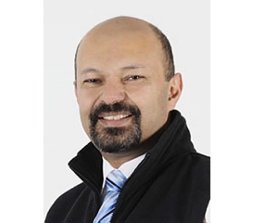 Michael F. Azari合作论文数School of Biomedical Sciences, Monash University3
 Charlotte Paterson合作论文数University of Bristol3
 Sonja Cleary合作论文数Central Queensland University3Gay Edgecombe合作论文数3Max J Walsh合作论文数2
 Tom Molyneux合作论文数2C Da Costa合作论文数2
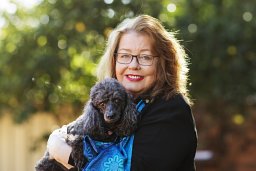 Kerrie Esme Doyle合作论文数School of Medicine, Western Sydney University2Zhen Zheng合作论文数2
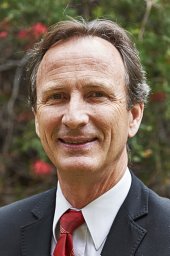 Lyndon G Amorin-Woods合作论文数School of Chiropractic and Sports Science, Murdoch University2
 Kendall Julie C合作论文数School of Health Sciences, RMIT University2Madeleine Shanahan合作论文数2Janice Perkins合作论文数2Tuesday Browell合作论文数2
 Cliff Da Costa合作论文数School of Mathematical and Geospatial Sciences, RMIT University2
 Gerard Kennedy合作论文数School of Psychology, Victoria University2
 Kerryn A Butler-Henderson合作论文数Curtin University2Steve Blunden合作论文数2
 Navine Haworth合作论文数1Kelvin J Murray合作论文数1Arantxa Ortega-De Mues合作论文数1
 Dan Marthick-Hone合作论文数1Benjamin L Mullings合作论文数1Kayla Sale合作论文数1Samantha C Harman合作论文数1Kathryn Sainsbury合作论文数1Kyar Wilkey合作论文数1Lauren Parkinson合作论文数1
 Beau Woods合作论文数1
 Quoc Cuong Ngo合作论文数Biosignals Lab, RMIT University1
 Carlos Gevers-Montoro合作论文数Department of Anatomy, Université du Québec à Trois-Rivières1Laura Zark合作论文数Deakin University1Ashleigh Moreland合作论文数1
 Deisy Amorin-Woods合作论文数Insight Counselling & Relationship Ctr1
 Gillian Vesty合作论文数Sch Accounting Informat Syst & Supply Chain, RMIT1
 Bernardo Figueiredo合作论文数College of Business, RMIT University1Philip S. Bolton合作论文数1
 Keri Marie Moore合作论文数1Leach Matthew J合作论文数1Sundberg Tobias合作论文数1
 Marc Cohen合作论文数Department of Medicine, Newark Beth Israel Medical Center;Rutgers New Jersey Medical School;RWJBarnabas Health1
 Barrett Losco合作论文数1
 Jon Adams合作论文数School of Public Health, University of Technology Sydney1
 Karimi Leila合作论文数1




