Digestive diseases comprise a diverse range of illnesses, which are prevalent worldwide and represent an important health issue. This is particularly relevant for the impact of metabolic dysfunction-associated steatotic liver disease (MASLD) due to its close association with the obesity pandemic, contributing to the escalation of MASLD as the most common form of chronic liver disease, and the main cause of liver cancer. Not only does MASLD reflect the deterioration of liver health, but it also has far-reaching consequences for the development of extrahepatic digestive diseases. Along with the progression of liver and digestive diseases to liver, colorectal and pancreatic cancer, the onset of inflammation in diseases of the digestive tract, drug-induced liver injury, and cholestasis, drives and contributes to the rise of these diseases in the future, which merit the attention of clinical and translational research to increase our understanding of the pathogenic mechanisms underlying these disorders in order to improve the diagnosis, management, and treatment. With this goal in mind, the current collaborative review gathers experts in a wide range of liver and digestive diseases to provide an up-to-date overview of the mechanisms of disease and identify novel strategies for the improvement of these important health issues.
Hepatocellular carcinoma (HCC) is a leading cause of cancer-related deaths globally, and cases are predicted to rise dramatically over the next few years. Overcoming the immune microenvironment in HCC remains a challenge, and innate immune populations such as tumour-associated neutrophils can potentially impair the success of immunotherapy. Elucidating the mechanisms of neutrophil recruitment across liver endothelium could lead to new approaches to boost the efficacy of immunotherapy. CLEC14A is an endothelium-specific receptor regulating sprouting angiogenesis, upregulated in low shear environments. We found CLEC14A to be highly expressed in both HCC vessels and on vasculature during acute liver injury, leading us to hypothesise that CLEC14A may regulate neutrophil recruitment to the liver and HCC. We found that CLEC14A positively correlated with a neutrophil signature and infiltration in public datasets and surgically resected tissue from HCC. Spatial transcriptomics (ST) of CLEC14Ahigh- and CLEC14Alow-expressing tumours confirmed upregulation of myeloperoxidase in CLEC14Ahigh tumours and correlation with other shear-dependent markers but a negative correlation with vascular endothelial growth factor A. To build on our correlation studies, we explored the role of CLEC14A in neutrophil recruitment across liver endothelium. We undertook in vitro recruitment studies with flow-based human liver endothelial assays and in vivo models of neutrophil recruitment. Using siRNA knockdown of CLEC14A and specific blocking antibodies to CLEC14A, we found that CLEC14A knockdown blocked the firm adhesion of neutrophils to liver endothelium, but this was independent of its interaction with its known ligand MMRN2. Finally, we confirmed that Clec14a deficiency led to a significant reduction in neutrophil recruitment across the sinusoids in an ischaemia-reperfusion liver injury model. We unveil a link between the angiogenic receptor CLEC14A and neutrophil recruitment. Targeting of CLEC14A on tumour endothelium is potentially a new approach to regulating neutrophil infiltration in HCC. © 2026 The Author(s). The Journal of Pathology published by John Wiley & Sons Ltd on behalf of The Pathological Society of Great Britain and Ireland.
Hepatocellular carcinoma (HCC) is the most common type of liver cancer, and accounts for over 800,000 deaths worldwide, making it a major global health concern. Unfortunately, despite major advances in systemic treatments, such as the introduction of atezolizumab and bevacizumab, patient objective response rates fall below 30%. HCC most commonly develops against a background of chronic liver disease and cirrhosis, although single gene mutations can also drive HCC development, progression, and metastasis. Around 25% of HCC patient tumours carry mutations in TP53, the gene encoding the tumour-suppressor protein p53. p53 is a central regulator of genomic stability, cell-cycle arrest, apoptosis, senescence, and metabolic homeostasis, and its dysfunction is a frequent event in hepatocarcinogenesis. Accumulating evidence highlights the critical role of p53 in liver fibrosis, inflammation, and shaping of the HCC tumour microenvironment (TME). This review summarizes the role of p53 and its negative regulators Mdm2 and MdmX in HCC development and progression, with an emphasis on how p53 shapes the TME in favour of tumour progression. We also evaluate current and emerging p53-targeted therapeutic strategies, including Mdm2/MdmX inhibitors, mutant p53 reactivators, and rational combinations with immunotherapies. Finally, we discuss major challenges in translating p53-based therapies to the clinic, such as tumour heterogeneity, underlying liver dysfunction, and the development of therapeutic resistance. A deeper understanding of p53 biology in chronic liver disease may unlock new avenues for effective HCC prevention and treatment.
A key characteristic of senescent and ageing cells is a reduction in number and increase in size of nucleoli. Although a number of pathways have been suggested, the mechanisms underlying this altered nucleolar phenotype, and the downstream consequences, remain poorly understood. The PolI complex component, TIF-IA, has previously been implicated in regulating this characteristic nucleolar phenotype in response to stress. Here we explored the role of TIF-IA in senescence and ageing. We show that TIF-IA accumulation, particularly in the nucleus and nucleolus, is an early response to oncogene- and therapy-induced senescence (OIS and TIS) in vitro. Using multiple mouse models, we also demonstrate accumulation of TIF-IA in response to senescence induction and ageing in vivo. We demonstrate that TIF-IA accumulation is not required for cell cycle arrest but that in OIS and TIS, it is essential for phenotypic changes to nucleoli, the senescence-associated secretory phenotype (SASP) and establishment of stable senescence. We demonstrate that in proliferating cells, TIF-IA binds the cargo receptor, p62 (SQSTM1), and that accumulation in senescence occurs as a consequence of ATM activation, which disrupts this interaction. Finally, we show that TIF-IA accumulation causes an increase in reactive oxygen species (ROS) levels. Together, these results establish TIF-IA accumulation as a key regulator of the nucleolar phenotype and the SASP in senescence and uncover a novel, p62-dependent mechanism driving this process. These findings offer significant new insights into nucleolar size regulation in senescence and ageing, and suggest a potential relationship with the inflammatory phenotype.
BACKGROUND & AIMS:Despite improved outcomes with atezolizumab plus bevacizumab (A+B) in hepatocellular carcinoma, primary refractoriness (PRef), characterised by early progression or short-lived disease stabilisation following treatment, remains a significant challenge. METHODS:We analysed 1,296 patients with hepatocellular carcinoma treated with frontline A+B (AB-real) and validated findings in 645 trial participants recruited to IMbrave150 and GO30140. PRef was defined by SITC (Society for the Immunotherapy of Cancer) criteria. We performed a multi-parametric analysis of pre-treatment tumour tissue, including machine learning-based quantification of tumour-infiltrating lymphocytes, imaging mass cytometry and RNA sequencing (RNA-seq) to evaluate differences in the tumour microenvironment (TME) of patients with PRef vs. responders. Two independent cohorts were further used to refine the TME characterisation through single-cell RNA-seq (n = 20) and imaging mass cytometry (n = 16). We employed conditional inference tree analyses to provide a hierarchical organisation of PRef determinants. RESULTS:Among 677 AB-real patients and 378 trial participants evaluable by SITC criteria, PRef was associated with inferior median overall survival compared to response (AB-real: 7.3 vs. 31.5 months, p <0.001; Trials: 10.8 vs. not reached, p <0.001). Patients with PRef exhibited higher baseline systemic inflammation (neutrophil-to-lymphocyte ratio [NLR] ≥3), a distinctly immunosuppressive TME enriched in CD163+ tumour-associated macrophages and vascular cancer-associated fibroblasts, a higher Treg/Teff cell ratio, and pro-tumour supportive cellular interactions. RNA-seq of tumour tissue confirmed lower intrinsic immunogenicity in PRef samples with elevated myeloid infiltration. Conditional inference tree analysis identified IFN-γ signature downregulation combined with NLR ≥3 as the strongest contributor of PRef. CONCLUSIONS:PRef to A+B identifies a distinct biological entity characterised by unopposed systemic inflammation, myeloid infiltration, and T-cell depletion. Targeting myeloid-mediated immunosuppression, particularly in patients with low IFN-γ signature expression and elevated NLR might enhance responsiveness to A+B. IMPACT AND IMPLICATIONS:Atezolizumab plus bevacizumab represents the standard first-line treatment for unresectable hepatocellular carcinoma, yet the biological basis of early treatment failure remains poorly understood. In this multi-cohort translational study, we show that approximately 40% of patients exhibit primary refractoriness according to SITC criteria - clinically validated here for the first time in hepatocellular carcinoma - and identify a distinct immuno-molecular profile of primary refractory tumours characterised by IFN-γ pathway repression, unfavourable myeloid polarisation, and a distinct spatial immune architecture. These findings provide a biological framework that may inform the design of biomarker-stratified trials and rational combination strategies to overcome primary resistance to first-line immunotherapy.
Chromosomal instability (CIN), a pervasive feature of esophageal adenocarcinoma (EAC), drives tumor aggressiveness and metastasis. CIN stimulates the cGAS-STING pathway, typically linked to antitumor immunity. However, despite the high CIN burden in EAC, the cGAS-STING pathway remains largely intact. To address this paradox, we interrogated multiple esophageal cancer models, finding myeloid-attracting chemokines-with CXCL8 as a prominent hit-as conserved CIN-driven targets in EAC. Using multiplexed immunofluorescence microscopy, we quantified ongoing CIN in human EAC tumors by measuring cGAS-positive micronuclei, validated by whole-genome sequencing. Coupling in situ CIN detection with single-nucleus RNA sequencing and multiplex immunophenotyping of human EAC, we link CIN to tumor-intrinsic innate immune activation, CXCL8 expression, and myeloid cell-mediated immunosuppression. In patients with EAC, CINhigh, myeloid-dominated tumors correlate with poor outcomes and aberrant cGAS-STING signaling. These insights explain the counterintuitive maintenance of cGAS-STING and highlight the disruption of the CIN-cGAS-inflammation axis as a potential therapeutic strategy in EAC.
Supplement Figure 3: Signature-based Biomarkers. A: Signature-Based biomarkers for HPV negative patients. B: Signature-based biomarkers for HPV positive patients. ‘Primary Path Response’ refers to analysis based on the pTR at the primary site alone. ‘Overall path response’ refers to analysis based on primary + lymph node response.
Regulatory T cells (Tregs) are important in maintaining tolerance and are key players in immunity. In aging, increased Treg function along with low-grade inflammation has been reported. This dichotomy of enhanced Treg function along with inflammation highlights the importance of understanding Treg biology and communication patterns in the very old. In this proof-of-concept study, we demonstrate that aged Tregs (85 years) do not significantly communicate with CD4+ and CD8+ T effectors when compared with healthy < 66-year-olds. Of note was the enhanced communication of aged Tregs with CD3+CD8+CD56+CD161- NK-like T-cell populations, which are important in antitumor and chronic viral diseases in older individuals. We found that in turn this population of killer-like T cells showed diminished cytotoxic characteristics, and killer receptor expression. Taken together, our proof-of-concept study delineates the biology of Tregs and identifies previously undefined communication patterns in the very old.
Supplement Table 4A-4B: The following is a comprehensive list of the top 20 functional enrichments in the B cell (A) and CAF2 (B) gene sets utilizing STRING database to analyze protein-protein interaction pairs among the leading edge.
Supplement Figure 1: Waterfall Plots. A: Degree of pathologic treatment response (pTR) at the lymph nodes. B: Degree of pathologic response at the primary site, stratifed by treatment arm. C: Degree of RECIST response of primary tumor site (yellow) and lymph nodes (purple), stratifed by treatment arm.
Supplement Table 2A-2E: GSEA quantitative data for the B cell gene sets and CAF2 gene set for Post- vs Pre-treatments Responders vs Non responders. The following is a comprehensive list of supervised B-cell (A-C) and CAF (D-E) enrichment scores, normal enrichment scores, p-values, and q-values for the included gene sets.
Background and aims Steatotic liver disease (SLD), which encompasses various causes of fat accumulation in the liver, is a major cause of liver fibrosis. Understanding the specific mechanisms of lipotoxicity, dysregulated lipid metabolism, and the role of different hepatic cell types involved in fibrogenesis is crucial for therapy development. Methods We analysed liver tissue from SLD patients and 3 mouse models. We combined bulk/spatial lipidomics, transcriptomics, imaging mass cytometry (IMC) and analysis of published spatial and single-cell RNA sequencing (scRNA-seq) data to explore the metabolic microenvironment in fibrosis. Pharmacological inhibition of sphingolipid metabolism with myriocin, fumonisin B1, miglustat and D-PDMP was carried out in hepatic stellate cells (HSCs) and human precision cut liver slices (hPCLSs). Results Bulk lipidomics revealed increased glycosphingolipids, ether lipids and saturated phosphatidylcholines in fibrotic samples. Spatial lipidomics detected >40 lipid species enriched within fibrotic regions, notably sphingomyelin (SM) 34:1. Using bulk transcriptomics (mouse) and analysis of published spatial transcriptomics data (human) we found that sphingolipid metabolism was also dysregulated in fibrosis at transcriptome level, with increased gene expression for ceramide and glycosphingolipid synthesis. Analysis of human scRNA-seq data showed that sphingolipid-related genes were widely expressed in non-parenchymal cells. By integrating spatial lipidomics with IMC of hepatic cell markers, we found excellent spatial correlation between sphingolipids, such as SM(34:1), and myofibroblasts. Inhibiting sphingolipid metabolism resulted in anti-fibrotic effects in HSCs and hPCLSs. Conclusions Our spatial multi-omics approach suggests cell type-specific mechanisms of fibrogenesis involving sphingolipid metabolism. Importantly, sphingolipid metabolic pathways are modifiable targets, which may have potential as an anti-fibrotic therapeutic strategy.
Background Despite improved outcomes with atezolizumab plus bevacizumab (A+B) in hepatocellular carcinoma (HCC), primary refractoriness (PRef), characterised by early progression or short-lived disease stabilisation following treatment, remains a significant and poorly understood clinical challenge. Methods We analysed 1296 patients with HCC and Child-Pugh A liver cirrhosis treated with frontline A+B (AB-real) and validated findings in 645 trial participants recruited to IMbrave150 and GO30140. PRef was defined by Society for the Immunotherapy of Cancer (SITC) criteria as progressive disease in the first 6 months after treatment initiation. Patients who achieved complete response, partial response or stable disease for ≥ 6 months were classified as responders. We performed a multi-parametric analysis of pre-treatment tumour tissue including machine learning-based quantification of tumour-infiltrating lymphocytes, imaging mass cytometry and RNA sequencing (RNAseq) to evaluate differences in the tumour microenvironment (TME) of PRef versus responding patients. We employed conditional inference tree analyses to provide a hierarchical organisation of determinants of PRef. Results Among 677 AB-real and 378 trial patients evaluable by SITC criteria, PRef identified inferior median OS in comparison with responding patients (AB-real: 7.3 vs. 31.5 months, HR 3.7, 95%CI 2.8–8.5, p<0.001; Trials: 10.8 vs. NR, HR 4.6, 95%CI 3.3–6.3, p<0.001). PRef patients exhibited higher baseline systemic inflammation (neutrophil-to-lymphocyte ratio, NLR ≥3), a distinctively immunosuppressive TME enriched in CD163+ tumour-associated macrophages and a higher Treg/Teff ratio. RNAseq of tumour tissue demonstrated lower intrinsic immunogenicity in PRef samples, characterised by repressed IFN-γ and Teff signatures, with elevated myeloid infiltration. Conditional inference tree analysis identified IFN-γ signature downregulation combined with NLR ≥3 as the strongest contributor of PRef. Conclusions PRef to A+B identifies a distinct biological entity characterised by unopposed systemic inflammation, myeloid cell infiltration and T-cell depletion. Targeting myeloid-mediated immunosuppression, particularly in patients with low IFN-γ signature expression and elevated NLR might enhance responsiveness to A+B. Highlights ### Competing Interest Statement The authors have declared no competing interest. Cancer Research UK, DRCRPG-Nov22/100007 Medical Research Council, MR/Y003365/1 Academy of Medical Sciences, SBF009\1103 National Research Foundation of Korea, NRF 2023R1A2C2004339
Supplement Table. 3A-3C: Pro-B (A), Second Messenger (B), and CAF2 (C) leading edge genes unique to non-responders, shared between non-responders and responders, and unique to responders.
Chronic liver injury characterized by unresolved hepatitis leads to fibrosis, potentially progressing to cirrhosis and hepatocellular carcinoma. Effective treatments for halting or reversing liver fibrosis are currently lacking. This study investigates the potential of HDAC6 as a therapeutic target in liver fibrosis. We synthesized two selective HDAC6 inhibitors, DR‐3 and FDR2, and assessed their effects on hepatic stellate cell (HSC) activation and liver fibrosis using human precision cut liver slices (hPCLS). Molecular docking, deacetylation inhibition assays, and various cellular assays were employed to evaluate the specificity and anti‐fibrotic efficacy of these inhibitors. DR‐3 and FDR2 demonstrated high selectivity for HDAC6 over HDAC1, significantly inhibiting HSC activation markers and fibrogenic gene expression. Both inhibitors increased acetylation of α‐tubulin and suppressed TGF‐β1‐induced SMAD signaling in HSCs. In human precision cut liver slices (hPCLS), DR‐3 and FDR2 reduced fibrogenic protein levels and collagen deposition. The selective inhibition of HDAC6 by DR‐3 and FDR2 effectively reduces HSC activation and fibrogenesis in liver models, supporting further investigation of HDAC6 inhibitors as potential anti‐fibrotic therapies.
BACKGROUND:Disease modeling is vital for our understanding of disease mechanisms and for developing new therapeutic strategies. Accurately modeling the intact tumor microenvironment (TME) is increasingly recognized as essential for gaining insights into cancer biology and therapeutic response. Preclinical mouse models have provided utility for studying the evolving TME, but these models are costly and can lead to animal suffering and the discontinuation of drug investigations. To address these limitations, particularly in hepatocellular carcinoma (HCC), we have developed an ex vivo model using tumor precision-cut slices (TPCS) derived from orthotopic liver tumors. METHODS:Murine HCC tumors were generated via intrahepatic injection of Hep-53.4 cells, providing a source of tumor tissue for TPCS generation. Subsequent scaling to a 96-well format and modification to include a secreted luciferase enabled longitudinal ex vivo screening of 26 drugs applied at 2 doses over an 8-day period, using just 5 tumors. One drug identified in the screen, salinomycin, was then validated in vivo via intraperitoneal injection of mice with orthotopic liver tumors. RESULTS:Histological characterization determined that TPCS maintain the architecture, cellular complexity, and drug responsiveness of the original HCC-TME under simplified culture conditions that preserve viability and metabolic activity. In addition to typical HCC therapies, sorafenib and anti-PD1 immunotherapy, the screen identified 2 drugs as potent anticancer agents capable of impacting the viability of TPCS: salinomycin and rottlerin. Salinomycin was further validated in vivo, significantly reducing tumor burden without evidence of toxicity. CONCLUSIONS:We present a 3Rs (Reduction, Refinement, Replacement) approach for studying HCC biology and performing 96-well-scale drug screening within an intact, metabolically active TME, offering a more ethical and effective platform for drug discovery.
Supplementary Figure 2: Effect of IDO inhibitor BMS986205 on response rate and the tryptophan kynurenine pathway. A and B: IDO1 gene expression levels and tryptophan kynurenine pathway activity score, respectively, compared between baseline samples of responders (R) and non-responders (NR) on nivolumab + BMS986205 and nivolumab-only therapies. C: Tryptophan kynurenine pathway activity score compared between baseline and post-treatment samples of R and NR on nivolumab + BMS986205 and nivolumab-only therapies. - ns, *p < 0.05, **p < 0.01, ***p < 0.001.
Supplement Figure 4: STRING Networks enlarged. The STRING networks of B cell (A) and CAF (B) as visualized in Figure 5.
 Fiona Oakley合作论文数Institute Cellular Medicine, Newcastle University145
 Jelena Mann合作论文数Southampton General Hospital, University of Southampton118
 Jack Leslie合作论文数Newcastle Fibrosis Res Grp, Newcastle Univ47Lee A Borthwick合作论文数Newcastle Fibrosis Res Grp, Newcastle Univ37
 Caroline L Wilson合作论文数34
 Alastair Burt合作论文数Translational and Clinical Research Institute, University of Newcastle;ADB Health Solutions Ltd;Faculty of Health and Medical Sciences, University of Adelaide;NIHR Newcastle Biomedical Research Centre, Newcastle University32
 S. White合作论文数Department of HPB and Transplant Surgery, Freeman Hospital30
 Helen L. Reeves合作论文数Northern Institute for Cancer Research, Newcastle University;The Liver Unit, Freeman Hospital;The Medical School, Newcastle University28
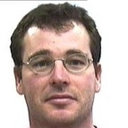 Matthew C Wright合作论文数27
 Derek Manas合作论文数26
 Stuart Robinson合作论文数Institute of Cellular Medicine, Newcastle University;North East’s Hepato-Pancreato-Biliary Centre, The Newcastle upon Tyne Hospitals NHS Foundation Trust23
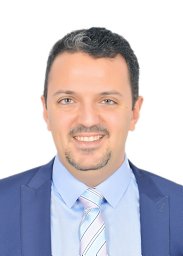 Ahmed Elsharkawy合作论文数Faculty*of Agriculture, Cairo University23
 Andrew Fisher合作论文数Department of Physics & Astronomy, University College London;London Centre for Nanotechnology, University College London22M.J.P. Arthur合作论文数22
 David Edward Smart合作论文数18
 John Iredale合作论文数University of Bristol17Amy Collins合作论文数16
 Daniel Geh合作论文数Newcastle Fibrosis Res Grp, Newcastle Univ15Luli Saimir合作论文数15
 Dina Tiniakos合作论文数Department of Pathology, Aretaieion Hospital, Medical School, National & Kapodistrian University of Athens15
 Jeremy J French合作论文数14
 Anna Moles合作论文数13
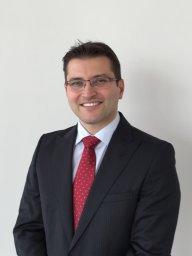 Mujdat Zeybel合作论文数Institute of Cellular Medicine, Newcastle University13Hidekazu Tsukamoto合作论文数13Suwara Monika I合作论文数12Mohammad R Ebrahimkhani合作论文数11
 Quentin Anstee合作论文数Faculty of Medical Sciences, Newcastle University11C. Howard Barton合作论文数11
 Diana Jurk合作论文数Mayo Clinic Comprehensive Cancer Center;Department of Physiology and Biomedical Engineering, Mayo Clinic;Department of Neurology, Mayo Clinic10
 Masson Steven合作论文数Institute of Cellular Medicine, Newcastle University10
 Roben G Gieling合作论文数10Hannah L Paish合作论文数9PA Corris合作论文数9
 Marco Y W Zaki合作论文数Biochem Dept, Minia Univ9
 Josep M. Llovet合作论文数Faculty of Medicine, University of Barcelona9
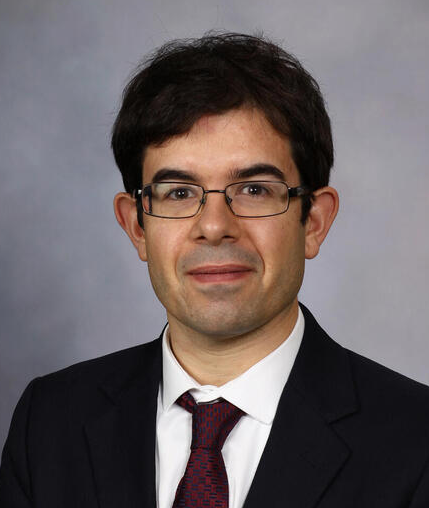 Joao Passos合作论文数Department of Physiology and Biomedical Engineering, Mayo Clinic9
 Tim Kendall合作论文数Centre for Inflammation Research, Institute for Regeneration and Repair, The University of Edinburgh;Department of Pathology, The University of Edinburgh9David J Deehan合作论文数8Tim Hardy合作论文数8
 Misti Mccain合作论文数8Mark Harris合作论文数8Sharif Omar合作论文数8Tuluc Madalina合作论文数8
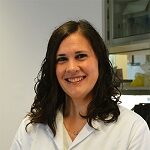 María Jesús Perugorria Montiel合作论文数Department of Medicine, University of the Basque Country;Biogipuzkoa Health Research Institute8
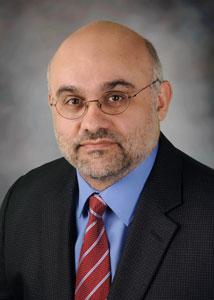 Athanassios Argiris合作论文数Department of Medical Oncology, Sidney Kimmel Medical College, Thomas Jefferson University;1st Department of Medical Oncology, Hygeia Hospital8
 Joseph M. Curry合作论文数Thomas Jefferson University;Thomas Jefferson University Hospital8
 David M Cognetti合作论文数8Michael J.P. Arthur合作论文数8TE Biggs合作论文数7




