Orthotopic liver transplantation (OLT) and resection are effective treatments for hepatocellular carcinoma (HCC). However, optimizing OLT and limiting HCC recurrence remains a vexing problem. New HCC Model for End‐Stage Liver Disease and allocation algorithms provide greater observation of HCC patients, many while receiving local‐regional treatments. Potential benefits of local‐regional treatment for limiting HCC recurrence after OLT remain incompletely understood. Therefore, we aimed to define HCC‐specific prognostic factors affecting recurrence in a contemporary, multicenter cohort of HCC patients undergoing OLT and specifically whether local‐regional therapies limited recurrence. We identified 441 patients undergoing OLT for HCC at 3 major transplant centers from 2008 to 2013. Cox regression was used to analyze covariate‐adjusted recurrence and mortality rates after OLT. “Bridging” or “downstaging” therapy was used in 238 (54%) patients with transarterial chemoembolization (TACE) being used in 170 (71%) of treated patients. The survival rate after OLT was 88% and 78% at 1 and 3 years, respectively, with HCC recurrence (28% of deaths) significantly increasing the mortality rate (hazard ratio [HR], 19.87; P < 0.001). Tumor size, not tumor number, either at presentation or on explant independently predicted HCC recurrence (HR, 1.36 and 1.73, respectively; P < 0.05) with a threshold effect noted at 4.0‐cm size. Local‐regional therapy (TACE) reduced HCC recurrence by 64% when adjusting for presenting tumor size (HR, 0.36; P < 0.05). Explant tumor size and microvascular invasion predicted mortality (HR, 1.19 and 1.51, respectively; P < 0.05) and pathologic response to therapy (TACE or radiofrequency ablation) significantly decreased explant tumor size (0.56‐1.62 cm diameter reduction; P < 0.05). In conclusion, HCC tumor size at presentation or explant is the most important predictor for HCC recurrence after OLT. Local‐regional therapy to achieve a pathologic response (decreasing tumor size) can limit HCC recurrences after OLT. Liver Transplantation 00 000–000 2018 AASLD.
With improvements in medical management and survival of patients with end-stage renal disease, maintaining durable vascular access remains a challenging problem. Hemodialysis Reliable Outflow (HeRO) grafts were developed as an alternative to prosthetic lower extremity arteriovenous grafts in patients who have exhausted traditional upper extremity access. The aims of this study were to compare patency duration and evaluate whether the number of interventions to maintain or restore patency differed between prosthetic femoral-femoral looped inguinal access (thigh) and HeRO grafts. A single-center, retrospective, intention-to-treat analysis of consecutive thigh and HeRO grafts from May 2004 through June 2015 was conducted. Medical history, patency times, number of interventions to maintain or restore patency, and complications were abstracted from the electronic medical record. Data were analyzed using Fisher exact test, Kaplan-Meier survival methods, and multivariable logistic regression. Seventy-six (43 thigh, 33 HeRO) grafts were placed in 61 patients (age 26 ± 13 years, 54% male). Median follow-up time for patency was 21 (range, 0-85) months for thigh and 7 (range: 0-56) months for HeRO grafts. Included were one thigh (2%) and five HeRO (15%) grafts having initial failure. The groups were comparable for sex, age, coronary artery disease, diabetes mellitus, peripheral vascular disease, and smoking history (all P ≥ .162). Patients had a median of three attempts at conventional arteriovenous access before proceeding with a thigh or HeRO graft, and 34% had attempted peritoneal dialysis. Primary (Fig 1), assisted primary, and secondary (Fig 2) patency was significantly longer in the thigh grafts (all log-rank P ≤ .002). In this intention-to-treat analysis, mean (95% CI) primary patency times were 20.28 (14.18-26.38) and 8.52 (4.46-12.58) months, assisted primary patency averaged 38.99 (27.32-50.66) and 10.51 (6.00-15.01) months, and secondary patency averaged 53.29 (41.52-65.05) and 16.05 (9.26-22.84) months for thigh and HeRO grafts, respectively. The number of procedures per graft to maintain or restore patency averaged three (range, 0-27) in the thigh and two (range, 0-9) in the HeRO group. After adjusting for follow-up time (P = .006), there was no difference between the groups in the number of interventions performed to maintain or restore patency (P = .105). There was no difference in ischemic (P = .513) or infectious (P = .779) complications between the groups. Thigh grafts have significantly better primary, assisted primary, and secondary patency compared with HeRO grafts. There is no difference in the number of interventions to maintain or restore patency between the groups after adjusting for follow-up time. Although HeRO grafts may extend the use of the upper extremity, thigh grafts provide a more durable option for chronic hemodialysis in this challenging population.Fig 2View Large Image Figure ViewerDownload Hi-res image Download (PPT)
BACKGROUND:The effect of awarding MELD exception points for hepatocellular carcinoma (HCC) on patient-reported outcomes (PROs) is unknown. We evaluated the physical and mental health-related quality of life (HRQOL) and symptoms of anxiety and depression in liver transplant recipients with HCC compared to patients without HCC. METHODS:The single-center sample measured PROs before and after transplant, which included 1521 multisurvey measurement points among 502 adults (67% male, 28% HCC, follow-up time: <1-131 months). Data were analyzed using multivariable mixed-effects models. RESULTS:Longitudinal PRO values did not differ between persons who received HCC exception points and those who did not have HCC. Patients with HCC who did not receive exception points had reduced physical HRQOL (P=.016), a late decline in mental HRQOL, and delayed reduction in anxiety (time-by-outcome interaction P<.050) compared to patients with HCC who received exception points. CONCLUSION:Transplant recipients who received HCC exception points had PROs that were comparable to those of patients without HCC, and reported better physical HRQOL and reduced symptoms of anxiety compared to patients with HCC who did not receive exception points. These analyses demonstrate the impact of HCC exception points on PROs, and may help inform policy regarding HCC exception point allocation.
Background: The hemodialysis reliable outflow (HeRO) access device is a permanent dialysis graft used in patients with central venous obstruction. Given the complexity of care related to end-stage dialysis access (ESDA) patients, a multidisciplinary approach has been used to achieve operative success of HeRO graft placement.Methods: The single-center retrospective review included adult patients that were seen in ESDA clinic who underwent a HeRO graft placement from September 2010-September 2014 under the care of a team consisting of a nephrologist, an interventional radiologist, and a surgeon. The effectiveness of the multidisciplinary approach was evaluated using outcome variables including successful HeRO graft placement, operative complications, the rate of obtaining central venous access, and advanced endovascular maneuvers performed by interventional radiology to obtain central venous access.Results: A multidisciplinary approach has been used in 33 ESDA patients. Access to the right atrium was achieved in 100% of cases. Fifty-eight percent of patients required advanced endovascular maneuvers in the interventional radiology suite to obtain central venous access. Successful HeRO graft placement was achieved in 94% (31 of 33) of the study population. No intraoperative complications were encountered. Median primary and secondary patency rates were 83 d (interquartile range: 45-170) and 345 d (interquartile range: 146-579) per HeRO graft placement, respectively. Primary and secondary patency rates at 60 d were 70% (23 of 33) and 79% (26 of 33), respectively.Conclusions: In this difficult patient population, a multidisciplinary team can provide a unique and collaborative approach to HeRO graft placement in patients with complex central venous outflow obstruction. (C) 2015 Elsevier Inc. All rights reserved.
Most health literacy assessments are time consuming and administered verbally. Written self-administration of measures may facilitate more widespread assessment of health literacy. This study aimed to determine the intermethod reliability and concurrent validity of the written administration of the 3 subjective health literacy questions of the Short Literacy Survey (SLS). The Rapid Estimate of Adult Literacy in Medicine (REALM) and the shortened test of Functional Health Literacy in Adults (S-TOFHLA) were the reference measures of health literacy. Two hundred ninety-nine participants completed the written and verbal administrations of the SLS from June to December 2012. Intermethod reliability was demonstrated when (a) the written and verbal SLS score did not differ and (b) written and verbal scores were highly correlated. The written items were internally consistent (Cronbach's =.733). The written total score successfully identified persons with sixth-grade equivalency or less for literacy on the REALM (AUROC=0.753) and inadequate literacy on the S-TOFHLA (AUROC=0. 869). The written administration of the SLS is reliable, valid, and is effective in identifying persons with limited health literacy.
Background: Ability to discuss live kidney donation and communicate the need for an organ have been identified by transplant candidates as the most prevalent barrier to live kidney donation. Identifying effective methods for transplant candidates to identify a donor is increasingly important in order to better educate other recipients. Our aim is to characterize potential donors (PD) and better understand how they are made aware of the recipients' need for an organ. Methods: A survey querying demographic data and questions about the donation process was distributed via email to PD who contacted the transplant center between Jan 2011 and Dec 2012. Univariate comparisons and descriptive statistics identified PD characteristics associated with methods of how they were notified of the need for a donor. Results: The cohort included 351 persons (response rate=25%, 44±12 yrs, 69% female, 89% Cauc, 13% high school degree or less, 10% with <20K annual household income). The majority (79%) of PD identified discussion (either with the recipient, family member or friend), as the communication method. 10% were made aware via Facebook/social media, and 11% through work, social or community sources (church bulletins, postings at work). The method of how PD were made aware of the recipients' need differed based on the relationship of the PD with the recipient (p <0.001) (Fig 1) There was no difference in how PD became aware of the need for a donor based on age, race, gender, annual household income, or education (all p > 0.27). While 87% of the 55 study participants who underwent donor nephrectomy were notified via discussion and only 7% via social media, this did not differ significantly from the proportions that did not proceed to donation (p=0.27).Figure: No Caption available.Discussion: Discussion with the potential recipient or a member of their social network remains the most prevalent method of identifying a living donor. Education and interventions are needed to overcome recipient and social support network communication barriers regarding live donation. Recipient education is also needed regarding alternate strategies (social media, community sources) to engage PD outside of their immediate social network.
 Irene D. Feurer合作论文数40Dageforde Leigh Anne合作论文数Vanderbilt University Medical Center, Vanderbilt University Medical Center19Pinson C Wright合作论文数18
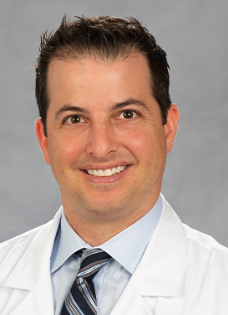 David S. Goldberg合作论文数Division of Digestive Health & Liver Diseases, Department of Medicine, Miller School of Medicine, University of Miami12Heidi M. Schaefer合作论文数9
 Deonna R Moore合作论文数8Landman Matthew P合作论文数8Benjamin K. Poulose合作论文数Department of Surgery, University Hospitals Case Medical Center8
 Victor Zaydfudim合作论文数Department of Surgery, Vanderbilt University Medical Center8
 Theodore Speroff合作论文数Department of Medicine, Vanderbilt University Medical Center;Department of Biostatistics, Vanderbilt University Medical Center;Center for Improving the Public’s Health through Informatics, Vanderbilt University Medical Center;TVHS Veterans Affairs8Zavala Edward合作论文数7Kelly Wright合作论文数Northampton General Hospital NHS Trust7CW Pinson合作论文数7
 Eric L Grogan合作论文数Department of Thoracic Surgery, Vanderbilt University Medical Center6Md Holzman合作论文数5
 Clark D. Kensinger合作论文数5D. Lee Gorden合作论文数5Edward Y. Zavala合作论文数4
 David C LaNeve合作论文数4Jk Wright合作论文数4David Shaffer合作论文数4
 Peter I. Buerhaus合作论文数Montana State University4James R. Rodrigue合作论文数4Ann Minnick合作论文数4
 Mary S. Dietrich合作论文数4R Chari合作论文数3Deonna Moore合作论文数3X. Wu合作论文数3
 Peter Bream合作论文数Department of Radiology, University of North Carolina School of Medicine3Hale D A合作论文数3John A. Morris合作论文数2H. O'Dell合作论文数2A. Hameed合作论文数2Rs Chari合作论文数2R. Forbes合作论文数2D. Hale合作论文数2V. Johnson合作论文数2Kelly A Harms合作论文数2Rebecca A Snyder合作论文数Dept Surg, East Carolina Univ2Cavanaugh Kerri L合作论文数2
 William O. Richards合作论文数Surgical Weight Loss Center, University of South Alabama;College of Medicine, University of South Alabama2
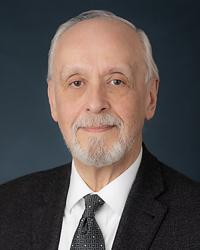 Richard D. Moore合作论文数Johns Hopkins University School of Medicine;Bloomberg School of Public Health, Johns Hopkins University;Johns Hopkins Hospital2Ravi S. Chari合作论文数2
 Marie Griffin合作论文数Department of Health Policy, Vanderbilt University Medical Center;Departments of Health Policy, School of Medicine, Vanderbilt University;Departments of Medicine, School of Medicine, Vanderbilt University2
 Jose J Diaz合作论文数Tampa General Hospital, USF Health;Department of Surgery, University of South Florida2william nylander合作论文数2Willie Melvin合作论文数2
 Robert S. Dittus合作论文数Division General Internal Medicine and Public Health, Department of Medicine, Vanderbilt University Medical Center2E. Y. Zavala合作论文数1




