BACKGROUND:Upper gastrointestinal bleeding (UGIB) in chronic liver disease (CLD) carries a high risk and requires early stratification. This study evaluated the prognostic value of the AIMS65 score in CLD patients with UGIB. METHODS:This prospective observational study included 131 adult CLD patients with UGIB admitted over 18 months at Rajendra Institute of Medical Sciences, Ranchi. Patients were grouped as AIMS65 <3 and AIMS65 ≥3. The primary outcome was inhospital mortality; secondary outcomes were intensive care unit (ICU) admission, rebleeding, and length of hospital stay. Mortality prediction by AIMS65 was compared with Child-Pugh and model for end-stage liver disease (MELD) scores. RESULTS:The median age was 54 years (interquartile range: 46-63), and 54.9% were male. Variceal bleeding was present in 68.0% of patients. Compared with AIMS65 <3, patients with AIMS65 ≥3 had higher inhospital mortality (31.3% vs. 4.7%), ICU admission (50.7% vs. 12.5%), rebleeding (40.3% vs. 7.8%), and longer hospital stay (13.5 ± 3.8 vs. 7.3 ± 2.1 days) (all P < 0.001). AIMS65 showed the highest discrimination for inhospital mortality (area under the curve: 0.88; 95% confidence interval [CI]: 0.80-0.95), compared with Child-Pugh (0.84; 95% CI: 0.75-0.92) and MELD (0.81; 95% CI: 0.72-0.90). CONCLUSIONS:Higher AIMS65 scores were associated with adverse inhospital outcomes in CLD patients with UGIB. AIMS65 showed better mortality discrimination than Child-Pugh and MELD in this cohort and may be a useful bedside risk stratification tool.
Background Hypoalbuminemia is a widely recognized marker of malnutrition and systemic inflammation. Its association with postoperative complications is increasingly emphasized in surgical risk stratification, particularly in abdominal procedures. However, limited prospective data from Indian populations exist to validate its predictive utility in routine clinical practice. Objective This study aimed yo assess the correlation between preoperative serum albumin levels and the incidence of postoperative complications in patients undergoing abdominal surgery. Methods This prospective observational study was conducted over a nine-month period at Indira Gandhi Institute of Medical Sciences (IGIMS), Patna. A total of 69 patients undergoing elective or emergency abdominal surgery were enrolled. Preoperative serum albumin levels were measured within 24 hours prior to surgery, and patients were categorized into hypoalbuminemic (<3.5 g/dL) and normoalbuminemic (≥3.5 g/dL) groups. Postoperative complications, duration of hospital stay, and relevant demographic and clinical variables were recorded. Statistical analyses included Chi-square tests, Mann-Whitney U tests, and multivariate logistic regression. Results Among 69 patients, 45 (65.2%) were hypoalbuminemic. Postoperative complications were significantly more frequent in the hypoalbuminemic group, with 26 patients (57.8%) experiencing complications compared to only three of 24 patients (12.5%) in the normoalbuminemic group (p < 0.001). The mean hospital stay was also significantly longer in hypoalbuminemic patients (10.1 ± 2.9 days vs. 6.9 ± 2.0 days; p < 0.0001; Cohen's d = 1.32). Multivariate logistic regression identified hypoalbuminemia (OR = 12.68; 95% CI: 3.01-53.53; p = 0.001) and surgery duration (p = 0.045) as independent predictors of postoperative complications, while age and comorbidity status were not statistically significant. Conclusion Preoperative hypoalbuminemia is a strong and independent predictor of postoperative complications and prolonged hospitalization in patients undergoing abdominal surgery. Serum albumin should be routinely evaluated as part of preoperative assessment to guide perioperative planning and optimize outcomes.
Background Trauma remains a leading global cause of mortality, particularly in low-resource settings. Advanced Trauma Life Support (ATLS) training offers a standardized approach to trauma care, yet its impact in India remains underexplored. This study evaluates the effectiveness of ATLS training in reducing preventable trauma-related deaths and improving clinical decision-making at a tertiary care center in Bihar, India. Methods This mixed-methods cohort study was conducted from October 2021 to December 2024 and included 200 trauma patients aged ≥18 years. Patients were divided into two groups: pre-ATLS (retrospective; October 2021 to July 2024) and post-ATLS (prospective; August 2024 to December 2024). Mortality rates, trauma management errors, and survival outcomes were analyzed using Kaplan-Meier survival curves, chi-square tests, logistic regression models, and Cox proportional hazards regression. Additionally, structured interviews with healthcare providers supplemented the quantitative findings. Statistical analyses were performed using IBM SPSS Statistics for Windows, Version 20.0 (Released 2019; IBM Corp., Armonk, NY, USA) and R software, Version 4.1.2 (R Foundation for Statistical Computing, Vienna, Austria), with significance set at p < 0.05. Results ATLS training significantly reduced preventable deaths (from 30% to 15%) and potentially preventable deaths (from 40% to 25%). Trauma management errors, including delayed diagnoses and protocol deviations, also decreased post-training. Kaplan-Meier analysis demonstrated improved survival, while Cox regression identified ATLS training as an independent predictor of survival (HR = 0.62, 95% CI: 0.45-0.85, p = 0.003). Healthcare providers reported greater confidence in trauma assessment but highlighted concerns regarding accessibility, cost, and the need for refresher courses. Conclusions ATLS training enhances trauma care by reducing preventable mortality, minimizing errors, and boosting provider confidence. Expanding ATLS programs, particularly in resource-limited settings, is recommended. Future research should focus on long-term patient outcomes and the cost-effectiveness of ATLS implementation.
Introduction: Effective postoperative pain management is essential for patient recovery and satisfaction. Intravenous (i.v.) paracetamol and magnesium sulfate are two options that have shown promise in reducing pain and opioid use. Aim: To compare the efficacy of intraoperative i.v. magnesium sulfate versus i.v. paracetamol on postoperative analgesic requirements in major surgeries under general anaesthesia. Materials and Methods: This prospective randomised clinical study was conducted in the Department of Trauma and Emergency at Indira Gandhi Institute of Medical Sciences, Patna, Bihar, India, and included 100 patients classified as American Society of Anaesthesiologists (ASA) grade I and II. The patients were assigned to two groups: Group P received 20 mg/kg i.v. paracetamol, and Group M received 20 mg/kg i.v. magnesium sulfate in 100 mL of normal saline. Written consent was obtained from all the participants. Baseline parameters were monitored and a standardised general anaesthesia protocol was followed. Postoperatively, pain was assessed using the Visual Analog Scale (VAS) and analgesic requirements and adverse effects were recorded. Statistical analysis was conducted using the t-test via GraphPad Prism (Dotmatics, GraphPad Software, San Diego, California). Results: A comparison of pain scores revealed similar levels immediately after surgery (Group P: 7.1, Group M: 7.2) and at six hours postsurgery (Group P: 2.1, Group M: 2.0). At 12 hours, Group M reported higher pain (6.8) compared to Group P (6.2), but pain levels were comparable at 18 hours (Group P: 3.0, Group M: 3.1). There was no significant difference in the number of rescue analgesia injections used (Group P: 2.0, Group M: 1.9, p-value=0.348). Diclofenac consumption was higher in Group P (300 mg) compared to Group M (290 mg, p-value=0.00526). The time to the first rescue analgesic was longer in Group M (5.2 hours) compared to Group P (4.6 hours, p-value=0.023). Adverse effects such as nausea, vomiting, sedation and respiratory depression were similar between groups, with no significant differences. Conclusion: The i.v. paracetamol and magnesium sulfate provided comparable postoperative pain relief. Group P had lower pain levels at 12 hours, while Group M required less diclofenac and had a longer time to the first rescue analgesic. Adverse effects were similar, making both drugs effective options for pain management.
Background The hallmarks of cellulitis include heated, red, and swollen purulent or non-purulent skin patches that can develop into more serious issues like sepsis and lymphedema. Cellulitis can strike anyone at any age, but it is more frequent in middle-aged and older people, with a small male preponderance. Objectives- The goal of this research is to clarify the many factors that affect how well cellulitis treatments work. Materials and methods Patients with cellulitis diagnosed between May 2022 and April 2023 were the subjects of this prospective observational study, which was carried out at the Department of General Surgery, Indira Gandhi Institute of Medical Sciences (IGIMS), Patna, India. The study included 100 individuals in total. Results Among 100 patients with cellulitis, factors such as age ≥65 years, diabetes, leg and foot location, and abscess formation were significantly associated with poor treatment response. Abscess formation showed the strongest association, with a nearly threefold higher risk (OR: 2.8, p<0.05). Imaging findings like venous insufficiency also predicted poor outcomes. The logistic regression model demonstrated good predictive accuracy with an AUC of 0.77. Conclusion The significance of a thorough strategy that takes into account patient demographics, co-morbidities, clinical characteristics, microbiological variables, and imaging results when customizing treatment for cellulitis is highlighted by this study. It emphasizes how important focused interventions are to enhancing treatment results, particularly for high-risk patients. Recommendation Multicenter studies with larger sample sizes are recommended to validate these findings and improve generalizability.
Objective This study aimed to evaluate and compare the predictive accuracy of five established clinical scoring systems - CURB65, BAP65, qSOFA, DECAF, and NEWS - in forecasting in-hospital mortality and the need for mechanical ventilation among patients presenting with acute exacerbation of chronic obstructive pulmonary disease (AECOPD) in the emergency department. Methods An observational, cross-sectional study was conducted over a 12-month period (January to December 2023) in the emergency department of Indira Gandhi Institute of Medical Sciences, Patna. A total of 200 patients aged 18 years and older with AECOPD were enrolled. Clinical, laboratory, radiographic, and electrocardiographic data were collected to calculate the prognostic scores. The primary outcome was in-hospital mortality; the secondary outcome was the requirement for mechanical ventilation. Statistical analyses were performed using IBM SPSS Statistics for Windows, Version 26.0 (Released 2019; IBM Corp., Armonk, NY, USA) and included logistic regression, receiver operating characteristic curve analysis, calibration assessment, and evaluation of seasonal variations in score performance. Results Among the five scoring systems, the DECAF score showed the highest predictive accuracy with an area under the curve (AUC) of 0.80, followed by BAP65 (0.75), NEWS (0.72), CURB65 (0.70), and qSOFA (0.65). DECAF had the strongest association with hospital mortality (OR: 2.8, 95% CI: 1.7-4.5) and need for mechanical ventilation (OR: 2.3, 95% CI: 1.5-3.6). It also achieved the highest sensitivity (0.85) and specificity (0.75). ANOVA revealed significant differences in AUC values across scores (F = 4.76, p = 0.002). Calibration curves indicated accurate prediction for DECAF and BAP65. Seasonal analysis demonstrated consistent performance for both DECAF and BAP65 throughout the year. Conclusions The DECAF score was the most reliable predictor of hospital mortality and mechanical ventilation needs in AECOPD patients presenting to the emergency department. BAP65 also performed consistently well and may serve as a practical alternative, particularly in resource-limited settings. Condition-specific scores like DECAF should be favored over general severity indices for effective risk stratification in COPD.
Background A patient who died due to respiratory failure suffering from COVID-19 revealed severe liver injuries in the postmortem. This indicated that the virus starts affecting other organs of the body simultaneously with the respiratory system. Around 23% of the patients who suffered due to COVID-19 had liver injuries. This study has been conducted to determine the relationship between liver injuries with COVID-19 and also to determine the severity of COVID-19 when liver injuries are reported. Method This was a cross-sectional study conducted prospectively to determine the correlation between liver dysfunction and the severity of COVID-19. The study was carried out for 6 months at IGIMS, Patna in Bihar, India. 150 patients above the age of 18 years suffering from COVID-19 were considered for this study. Liver function tests and tests for inflammatory markers were carried out and the patients were monitored thoroughly during hospitalization and one month later. Results 95 patients among the 150 had severe COVID and the remaining 55 had moderate COVID-19. The patients who had moderate COVID-19 infection had around 80% survival rate whereas the patients with severe COVID-19 infection had a 30% survival rate. The non-survivors and those with severe COVID-19 had a higher occurrence of liver dysfunction. Also, it was found that liver enzymes had a substantial association with the presence of inflammatory markers. Conclusion This study reported higher levels of liver enzymes in the patients infected with COVID-19 indicating its association. Overall liver dysfunction was prominent among the non-survivors and those who had severe COVID-19. Also, a significant relationship was derived between inflammatory markers and the occurrence of liver dysfunction. Recommendation Doctors should monitor inflammatory markers and liver function as well to check the prognosis of the disease in elderly individuals suffering from COVID-19.
Background: Dengue fever continues to pose significant health challenges globally, with recent outbreaks in Bihar, India, prompting a search for effective therapeutic interventions. This study assesses the effectiveness of Montelukast, traditionally used for asthma, in mitigating the severity of dengue fever symptoms and its progression to dengue shock syndrome (DSS). Objective: To evaluate the impact of Montelukast on the prevalence of dengue warning signs and the incidence of DSS in adult patients. Methods: A prospective observational study was conducted at the Indira Gandhi Institute of Medical Sciences (IGIMS), Patna, India, from August 2022 to October 2023, enrolling 500 patients diagnosed with dengue fever. Participants were divided into two groups. About 250 were treated with Montelukast and 250 received standard care. Outcomes measured included the incidence of warning signs, DSS, length of hospital stay, and 30 -day mortality. Results: The Montelukast group exhibited a 24% lower prevalence of dengue warning signs compared to the control group, with 90 out of 250 patients (36%) in the Montelukast group versus 150 out of 250 patients (60%) in the control group (p < 0.001). The incidence of DSS was significantly reduced in the Montelukast group, with 4 out of 250 patients (1.6%) compared to 21 out of 250 patients (8.4%) in the control group (odds ratio: 0.178, p < 0.001). Furthermore, Montelukast users experienced shorter hospital stays (average 4.52 days vs. 6.54 days, T -statistic: -7.59, p = 1.58x10 -13 ) and a reduced 30 -day mortality rate, with 5 out of 250 patients (2%) in the Montelukast group versus 12 out of 250 patients (5%) in the control group (p < 0.03). Conclusion: Montelukast significantly lowers the incidence of dengue warning signs and DSS, shortens hospital stays, and decreases mortality rates among dengue patients, supporting its potential integration into existing dengue treatment protocols. This study highlights the need for further clinical trials to confirm these findings and fully understand the therapeutic mechanisms of Montelukast in dengue management.
BACKGROUND:Liver abscesses, particularly pyogenic and amoebic types, pose a significant healthcare challenge, especially in developing countries. Accurate differentiation and effective treatment of these abscess types are crucial in emergency medical settings. This study aims to analyze the incidence, clinical characteristics, and treatment outcomes of pyogenic and amoebic liver abscesses in a trauma and emergency department setting.METHODS:Conducted at the Indira Gandhi Institute of Medical Sciences (IGIMS), Patna, this one-year observational study involved 100 patients diagnosed with liver abscesses. The study employed a comprehensive approach, examining incidence rates, demographic trends, clinical presentations, treatment modalities, and outcomes, including recurrence rates.RESULTS:The study observed a higher incidence of pyogenic liver abscesses, accounting for 60% of cases (n=60), compared to amoebic liver abscesses, which constituted 40% (n=40). In terms of demographics, pyogenic liver abscesses were more prevalent among older males, with the average age being 48 years, and 70% (n=42) of the patients were male. In contrast, amoebic liver abscess patients had an average age of 42 years, with 60% (n=24) being male. Key clinical findings revealed that pyogenic liver abscess cases (n=60) had higher white blood cell counts and elevated liver enzyme levels than those with amoebic liver abscesses (n=40). The treatment outcomes indicated high success rates for both types of liver abscesses. Pyogenic liver abscesses had a success rate of 90% (n=54), while amoebic liver abscesses showed a slightly higher success rate at 95% (n=38). However, there was a notable difference in recurrence rates: pyogenic liver abscesses had a recurrence rate of 8.3% (n=5), whereas amoebic liver abscesses had a lower recurrence rate of 2.5% (n=1). The logistic regression analysis conducted to identify potential predictors of treatment success did not reveal any statistically significant factors across both types of liver abscesses.CONCLUSION:The study highlights a higher incidence of pyogenic liver abscesses in an urban Indian healthcare setting and the complexity of predicting treatment outcomes based on demographic and clinical factors. The findings emphasize the need for nuanced clinical approaches and vigilant post-treatment monitoring, especially for pyogenic liver abscesses. They also underscore the importance of further research to explore additional variables influencing liver abscess treatment outcomes.
Background Following the pandemic caused by SARS-CoV-2, the emergence of and following the pandemic has required major modifications to healthcare systems and frameworks. Antimicrobials have more than a few potential roles in managing COVID-19. Experimental cures for the treatment of SARS-CoV-2 are being explored. The availability of limited data suggests that nosocomial infections are associated with a higher risk of death and severity of COVID-19. To fill this knowledge gap, we conducted a study to assess the spectrum of bacteriological isolates in different samples from COVID-19 patients. Our study aimed to evaluate the antibiotic resistance pattern of these bacterial isolates and compare the spectrum of bacteriological isolates in different samples and their antibiotic sensitivity pattern between COVID-19 and non-COVID-19 patients. Methodology An observational cross-sectional, partly retrospective, and partly prospective study was carried out in the bacteriology section of the Department of Microbiology, Indira Gandhi Institute of Medical Sciences (IGIMS), Patna, Bihar, for a total duration of six months from February 2021 to July 2021. The profile of pathogens isolated from 105 clinical samples from COVID-19 patients was studied. To detect COVID-19, RT-PCR was performed. All clinical specimens (urine, blood, pus, respiratory sample, etc.) were processed and cultured on different media to support the growth of the bacteria as per our standard operating procedures (SOP) for bacteriology samples. Antimicrobial susceptibility testing was carried out based on the Clinical and Laboratory Standards Institute. Results A total of 105 clinical samples were received in the bacteriology section of the Department of Microbiology, IGIMS, Patna, Bihar, from admitted COVID-19 patients. The mean age of study participants was 51.57 ± 14.76 years, and males (66.7%, 70/105) were more than females (33.3%, 35/105). The majority of the patients were 91 out of 105 (86.67%) from the ward and 14 from the ICU (13.33%). Of the total samples tested, 62 (59%) were urine samples, 26 (24.8%) were respiratory specimens, 13 (12.4%) were pus samples, 3 (2.9%) were body fluids, and 1 (1%) were tissue samples. Among the total pathogen isolates (n=57) obtained from patients with SARS-CoV-2 admitted to the ward and ICU, 56.14% (32) were gram-negative, 26.31% (15) were Candida, and 17.54% (10) were gram-positive pathogens. The most isolated pathogen was Escherichia coli (39.02%, 16/41) followed by Klebsiella pneumoniae (29.26%, 12/41), Acinetobacter baumannii (7.31%, 3/41), and Enterobacter cloacae (2.43%, 1/41). Enterococcus spp. as gram-positive bacteria were isolated in 21.95% (9/41) of patients. Among the gram-negative bacteria (Enterobacterales), the highest resistance was seen in ampicillin (100%,29/29). For non-Enterobacterales, the highest resistance was seen in ceftriaxone (66.66%,2/3). Enterococcus spp. showed maximum ciprofloxacin, and gentamicin (high level) resistance was 100% (9/9). Conclusion Secondary infections with resistant pathogens in COVID-19 patients highlight the importance of antimicrobial management programs focused on the optimal selection of empirical treatments based on culture reports.
INTRODUCTION:Acute undifferentiated fever with thrombocytopenia is a common and challenging clinical presentation encountered in the emergency departments of tertiary care centers, particularly in tropical regions, often requiring prompt evaluation and management. The study aimed to explore the clinical and etiological profile of acute undifferentiated fever with thrombocytopenia in the Emergency Department of Indira Gandhi Institute of Medical Sciences, Patna. It investigates factors associated with patient outcomes and compares platelet transfusion requirements among different etiological groups.METHODS:In this cross-sectional observational study, 350 patients with acute undifferentiated fever with thrombocytopenia were analyzed for one year from October '21 to September '22. Pre-existing chronic infectious diseases, liver cirrhosis, and autoimmune conditions were excluded.RESULTS:Thrombocytopenia was observed in all patients, with 65% having platelet counts below 50,000/µL. Associations were found between the degree of thrombocytopenia and organ dysfunction, shock, and third space loss. Logistic regression analysis identified thrombocytopenia, organ dysfunction, and platelet transfusion requirement as significant predictors of the overall outcome. Etiological group comparisons revealed higher platelet transfusion requirements in the bacterial group.CONCLUSION:Prompt recognition and management of thrombocytopenia in acute undifferentiated fever are vital. Thrombocytopenia, along with organ dysfunction and shock, significantly influence patient outcomes. Tailored interventions based on etiological factors are crucial. Further research should focus on specific viral aetiologies in acute undifferentiated fever with thrombocytopenia.
Impairment in ventricular relaxation and preserved left ventricular ejection fraction are the two main features of heart failure with preserved ejection fraction (HFpEF) a difficult clinical condition. Therapeutic choices for HFpEF patients are still scarce despite its rising frequency and negative effects on morbidity and mortality, necessitating creative methods to enhance results. The increased thromboembolic risk seen in these individuals raises questions about the relevance of anticoagulation in the therapy of HFpEF. Although anticoagulation has been shown to be beneficial in heart failure with decreased ejection fraction (HFrEF) and other high-risk cardiovascular disorders, its efficacy and safety in HFpEF present a challenging therapeutic challenge. Anticoagulants have been the subject of clinical trials in HFpEF, but the results have been conflicting, giving clinicians only a little information with which to make decisions. The decision-making process is made more difficult by worries about potential bleeding hazards, particularly in susceptible elderly HFpEF patients with other comorbidities. The link between heart failure and anticoagulant medication in HFpEF is thoroughly analyzed in this narrative review. In HFpEF, cardiac fibrosis and endothelial dysfunction create a prothrombotic milieu, as is highlighted in this passage. Also covered are recent developments in innovative biomarker research and cutting-edge imaging techniques, which may provide ways to spot HFpEF patients who might benefit from anticoagulation. This therapeutic conundrum may be resolved by using precision medicine strategies based on risk classification and individualized therapy choices. This review emphasizes the need for more research to establish the best use of anticoagulation in HFpEF within the framework of personalized therapy and shared decision-making. To successfully manage thromboembolic risk and reduce bleeding consequences in HFpEF patients, it is essential to perform well-designed clinical studies and advance our understanding of the pathophysiology of HFpEF. These developments may ultimately improve the prognosis and quality of life for people who suffer from this difficult and mysterious ailment.
Percutaneous coronary intervention (PCI) is one of the most important modalities of treatment for coronary artery disease (CAD). Minor extents of injury to the myocardium have been observed even after successful PCI. This peri-procedural injury might therefore reduce some of the beneficial effects of coronary revascularization. The objective of this hospital based comparative observational study was to determine the prevalence of post procedural Cardiac troponin I (cTnI) elevation after elective PCI and also to find out the relation with risk factors such as age, sex, body mass index (BMI), smoking, anemia, diabetes mellitus, hypertension, dyslipidemia, family history, left ventricular dysfunction, renal insufficiency, type of stent, number of stent and length of stent. This was a hospital based comparative observational study carried out in the Department of Cardiology, Chattogram Medical College Hospital (CMCH), Chattogram, Bangladesh from July 2018 to June 2019. A total of 50 patients who underwent elective PCI were included as sampled by purposive sampling method. Serum cTnI was measured by FIA8000 quantitative immunoassay analyzer with an analytical measurement before and at 24 hours of PCI. Value >1.0ng/ml was considered elevated. Univariate and multivariate analysis were applied to assess predictors for the occurrence of post-procedural elevation of cTnI. The mean±SD age of the study population was 54.96±9.1 years (range 35-74 years) and 34(68.0%) patients were male. Regarding cardiovascular risk factors, 17(34.0%) patients had diabetes mellitus, 27(54.0%) had dyslipidemia, 30(60.0%) had hypertension, 32(64.0%) were current or ex-smokers and 20(40.0%) had a family history of CAD. Eighteen patients (36.0%) had post-procedural cTnI elevation but only 8(16.0%) had significant (>1.0ng/ml) elevation. Change of cTnI before and at 24 hours of PCI was not significant (p=0.057). Cardiac Troponin I increase was related to age, pre-procedural serum creatinine and multi-vessel stenting. Minor elevation of cTnI was common following elective PCI and associated with few risk factors such as elderly patient (more than 50 years), raised serum creatinine and multi-vessel stenting. So, early detection of these risk factors, as well as effective intervention may help to prevent injury to cardiac tissue hence stop elevation of cardiac TnI following elective PCI.
Acute myocardial infarction (AMI) in younger adults (≤40 years) is being increasingly encountered in recent years among the South Asian population. Data regarding the presentation, risk factors and angiographic findings on this important subset of patients is lacking in our country. The aim of this study was to compare the risk factors and pattern of Coronary artery involvement in younger patients presenting with AMI with that of the older age group. This was a cross-sectional observational study conducted during the period from October 2018 to June 2019. Seventy consecutive AMI patients age ≤40 years and another 70 consecutive AMI patients age >40 years undergoing Coronary Angiogram (CAG) were included in the study. After taking informed written consent; demographic, anthropometric, risk factors, CAG findings were recorded in a pre-designed case record form. The severity of Coronary Artery Disease (CAD) was calculated by using Gensini score. The mean age of the younger and older patient groups was 36.89±4.4 years and 57.00±8.4 years respectively. Among the risk factors, smoking (67.1% versus 45.7%, p=0.017), positive family history CAD (38.6% versus 22.9%, p=0.040) and obesity (34.3% versus 20.0%, p= 0.05) were more common in younger group. Whereas, Hypertension (41.4% versus 72.9%, p=0.010) and DM (28.6% versus 50.0%, p=0.024) were more common in older patients. Younger patients mainly presented with STEMI (60.0% versus 48.6%) and predominantly had single vessel disease (42.9%), whereas older patients readily presented with NSTEMI (51.4%) and had a higher incidence of double vessel disease (32.9%) and triple vessel disease (30.0%). The Median Gensini score was significantly higher among the older patients than in the younger age group. Patients in younger age group showed a different pattern of risk factors and coronary artery involvement in comparison to the older age group. Thus, offering younger individuals to make them aware of these risk factors and their early detection, as well as an effective intervention may help to prevent AMI in younger people.
Introduction: Mucormycosis has gained a huge number of cases in the second wave of post COVID-19 infection, which may be attributed to increased awareness, advancement in diagnostic techniques, and an increase in the prevalence of predisposing factors. This study evaluated the pattern, risk factors, and clinical profile of patients with mucormycosis during the second wave of the COVID-19 pandemic. Methods: A prospective observational study was conducted in the Department of Emergency Medicine of a dedicated tertiary care hospital for COVID-19. The Institutional Ethics Committee approved the study. One hundred five patients diagnosed with mucormycosis were included from June 2021 to December 2021. Informed consent was obtained from the patients. Data on demography, clinical features, predisposing factors, co-morbid conditions, and microbiological samples were obtained and analyzed. Results: Out of 105 patients, 71 were male, and 34 were female. The patient presented with mucormycosis between the 2nd and 3rd week of post COVID-19 infection. Incidence was mainly seen in patients in their fifties, mostly associated with diabetes mellitus (DM) (53.30%), oxygen administration (80%), and previous use of steroids (45.71%). Predominantly, males were more affected. The most common presentation was headache (50.47%), orbital pain with restricted ocular movement (47.67%), proptosis (42.85%), and diminished vision (41.90%). Rhino-orbital-cerebral mucormycosis (ROCM) was the most common presentation of mucormycosis, while only five cases of pulmonary mucormycosis were found. Conclusion: ROCM was the most common presentation of mucormycosis between the second and third week of post COVID-19 infection. Diabetes mellitus and inadvertent use of steroids were major predisposing factors. Therefore, a high degree of suspicion and early diagnosis with initiation of treatment is warranted in cases of mucormycosis in post COVID-19 infection.
Travelling through time, space and history if there is one disease which always comes to our mind is tuberculosis (TB). Still on many occasions it remains undiagnosed and hence not treated appropriately. In many instances patient is not able to give proper sputum sample or in a way it should be. On the top of it in resource poor countries availability of health care professionals is an issue to examine the sputum. Furthermore, when extra pulmonary TB is the case invasive diagnostic procedures such as biopsy becomes important which is a challenging thing to perform in many of our setups in our state. So, the aim of this study was to investigate the diagnostic value of ADA in extra pulmonary TB. Methods: It is an analytical study in which serum ADA values in EPTB cases were compared with controls.100 patients matched for age and sex were included. Data analysis was done using SPSS version 27. Results: Our data analysis showed mean ADA levels in EPTB patients was 43.6 which was significantly higher than control group(p value <0.001).
Background: Definitive treatment and vaccination are basic necessity to bring down the burden of COVID-19 disease. Due to rapid development of vaccine against COVID-19, associated anxiety and mistrust raises hesitancy for vaccination. We aim to study about the mindset of COVID-19 vaccination among health care employees (HCE) and general population at tertiary care hospital in north east India.Methods: This was a cross sectional and observational study; questionnaires were distributed among 200 HCE and 400 general populations visiting at different OPD regarding their mindset for vaccination. Questionnaires consisted of parameter such as history of previous COVID-19 infection or hospitalization, co-morbidities, job status during pandemic and educational qualification and contained specific questions for causes of vaccine hesitancy.Results: In the survey participants from general population were more hesitant for vaccination as compared to HCE (p<0.001). Most common cause for hesitancy among HCE was pregnancy/lactation followed by concern regarding adverse effects. Doubted efficiency and adverse effects were leading concerns (67%) for vaccine hesitancy among general population. Past history of infection or hospitalization due to COVID-19 did not affect the attitude for getting vaccinated (p>0.05). Among general population, 25% had their job affected during pandemic of which 78% were in favour of vaccination.Conclusions: Increased awareness and high risk of getting infected with COVID-19 makes HCE less hesitant for vaccination. It is important to increase awareness among the general population to bring down the concerns regarding adverse effect and potency of vaccine to reduce the hesitancy for vaccination.
 Sanjeet Kumar Pandit合作论文数8Nitali Arun合作论文数8
 Siddharth Singh合作论文数5
 Abhay Kumar合作论文数4Brajendra Kumar合作论文数3
 V. K. Singh合作论文数3
 Vishvanayak合作论文数3Atul Kumar合作论文数3
 Santosh Kumar合作论文数Dept Bioengn, Univ Illinois3
 Shivani Sinha合作论文数3
 Bhushan Kumar合作论文数Departments of Biochemistry and Dermatology;graduate Institute of Medical Education and Research, Post;Departments of Biochemistry and Dermatology|Postgraduate Institute of Medical Education and Research3Sweta Muni合作论文数2M A Rahim合作论文数2Sumeet Kumar合作论文数2Umar Farooq合作论文数2Fnu Jyotsna合作论文数1Haris Sohail合作论文数1Satesh Kumar合作论文数1a awal合作论文数1Shruti P Gandhi合作论文数1Abhishek Kumar合作论文数1Maham Adeeb合作论文数1Gagan Gunjan合作论文数1
 Saurabh Kumar合作论文数1
 Ritu Singh合作论文数1
 Kamran Mahfooz合作论文数1
 Siddhartha Singh合作论文数Indira Gandhi Institute of Medical Sciences1
 Nidhi Prasad合作论文数Dept Community Med, Indira Gandhi Inst Med Sci1Mahima Khatri合作论文数1
 Namrata Kumari合作论文数1
 Singh Raj Bahadur合作论文数Department of Anaesthesiology and Critical Care, Era's Lucknow Medical College and Hospital1
 Bishwajit Bhattacharjee合作论文数1Randhir Kumar合作论文数1
 Rakesh Kumar合作论文数Centre for Community Medicine, All India Institute of Medical Sciences, New Delhi1
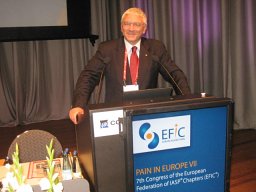 Giustino Varrassi合作论文数Anesthesiology and Pain Therapy Unit, University of L'Aquila1
 Shanta Dhar合作论文数Department of Biochemistry and Molecular Biology, Miller School of Medicine, University of Miami;Sylvester Comprehensive Cancer Center, University of Miami School of Medicine1
 Md. Imran Chowdhury合作论文数1




