A fundamental understanding of catalyst deactivation and regeneration is essential for developing sustainable catalytic pyrolysis processes for lignocellulosic biomass conversion. Herein, the effect of alumina regeneration on the catalytic pyrolysis of ferulic acid, a lignin-derived model compound, was investigated using kinetic analysis combined with FTIR, TPD-MS, XPS, TEM, XRD, thermogravimetry, and DFT calculations. Comparative kinetic analysis showed that the apparent activation energies of key reactions, including decarboxylation, demethoxylation, and the formation of 4-vinylguaiacol, guaiacol, phenol, and other aromatic products, increase by 4-23 kJ mol- 1 after catalyst regeneration, indicating partial modification of the alumina surface. DFT calculations revealed that 4-vinylguaiacol formation proceeds preferentially via a surface-assisted acidic decarboxylation pathway involving alumina-bound intermediates, whereas alternative surface interactions generate strongly bound species that may contribute to catalyst deactivation. Combined experimental and theoretical evidence indicates that surface-bound phenolate complexes act as precursors to carbon deposition. These species undergo styrene-like polymerization on alumina, forming a polymeric carbonaceous layer that decomposes upon heating, releasing aromatic products and progressively forming extended polyaromatic carbon domains. The proposed mechanism is supported by TEM, FTIR, XPS, and TPD-MS results. These findings establish a unified mechanistic framework linking catalytic decarboxylation, carbon-layer formation, and catalyst deactivation during biomass conversion.
A series of PdZn/TiO2 catalysts prepared by chemical vapor impregnation (CVI) were tested for CO2 hydrogenation at 20 bar pressure and at temperatures of 230-270 degrees C. Changing the Pd and Zn molar ratio (Zn:Pd = 0-20) in a PdZn/TiO2 catalyst has a dramatic effect on selectivity for the CO2 hydrogenation reaction. Pd alone shows three main products: methanol, CO, and methane. Addition of small quantities of Zn results in the formation of a PdZn alloy, preventing methanation. At equimolar ratios of Pd and Zn, a 1:1 beta-PdZn alloy is formed and a reverse water gas shift catalyst is produced. Adding Zn in excess relative to the Pd loading results in the formation of ZnO on the TiO2 surface in addition to the PdZn alloy, dramatically increasing methanol selectivity from 5% at Zn:Pd = 1 to 55% for Zn:Pd = 2. Through a combination of theory and experiment, the active site for methanol synthesis is concluded to be the interface between PdZn nanoparticles and the ZnO overlayer on the TiO2, where interfacial formate can react with hydrogen dissociated by the metal nanoparticle.
Quantitative gas analysis has been used to study the oxidation behaviour of a nuclear graphite block using real-time monitoring of the CO2 and CO evolution. The investigation was carried out across the temperature range: 800-1473 K, using partial pressures of oxygen between 20 and 100 %. A rapid increase in oxidation rate is seen at T similar to 850 K with CO2 as the only product. The reaction kinetics in this range conform to Arrhenius behaviour with reaction kinetics limited by a combination of surface reaction rate and the diffusion of oxygen into the graphite pores. In this regime we observe a measured activation energy, E-a = 236 +/- 30 kJ mol(-1) and an associated reaction order of similar to 1. At T >= 1050 K, the oxygen supply becomes limiting, and the system reaches steady state. At T >= similar to 1250 K, the onset of CO evolution is observed, and CO2 production reduces. Kinetic analysis suggests that in this temperature range, evolved CO2 reacts further with the bulk carbon in the thermodynamically favourable Boudouard reaction with a measured E-a similar to 182 +/- 26 kJ mol(-1).
The selective oxidation of methane to form methanol and acetic acid has been studied using AuPd nanoparticles supported on the zeolite H-ZSM-5 in water at 240 degrees C using molecular oxygen as the terminal oxidant in the absence of any added coreductant. The addition of Pd to Au/ZSM-5 significantly increases the selectivity to acetic acid to levels approaching almost complete selectivity within the oxygenated products. However, we observe that the reaction conditions employed lead to the corrosion of the stainless-steel components of the autoclave reactor and also leaching of iron from the ZSM-5 zeolite, and hence the AuPd nanoparticles, on reaction, become coated or partially coated with an oxidic Fe shell. The presence of the oxidized iron coating hinders nanoparticle agglomeration preventing deactivation of the AuPd/ZSM-5 catalyst but does not adversely affect the observed catalysis.
Platinum group metal (PGM) nanoparticle catalysts are commonly used in a wide variety of liquid-phase hydrogenation reactions. Carbon-supported palladium nanoparticles are used extensively in many industrially applied hydrogenation reactions across the pharmaceutical industry and increasingly in the hydrogenolysis of bio-derived molecules. These reactions are often performed in solvents such as toluene or xylene which are considered inert towards mild hydrogenation conditions. Through a series of catalytic studies analysed using 1H/2H Nuclear Magnetic Resonance (NMR) and Electron Paramagnetic Resonance (EPR) spectroscopies, and Density Functional Theory (DFT) calculations, we present evidence that hydrogen is being constantly exchanged into the methyl groups of the solvent possibly via a radical mechanism at these mild conditions. These effects should be considered in the explanation of any model of catalytic hydrogenation reaction at metal surfaces.
Ceria is an important technological material that finds wide application as an oxygen storage component in heterogeneous oxidation catalysis. In these applications the removal of lattice oxygen results in two reduced Ce3+ centres whose location relative to the vacancy site has a profound influence on the vacancy formation energy. Here we present DFT calculations on the bulk and surface oxygen defect formation highlighting the distribution of structures that are thermally accessible in such a situation. We also demonstrate that the Ce3+ locations influence the barrier to oxygen anion migration.
Copper (Cu) nanoparticles, widely utilized as catalysts in industrial applications, exhibit intriguing behavior in structure-sensitive reactions like ethanol dehydrogenation. Contrary to expectations, the catalytic activity does not consistently increase as the size of Cu nanoparticles decreases. In Cu catalysts, the particle size significantly effects the Cu-0/Cu+ ratio on the nanoparticle surface. Decreasing the size of Cu nanoparticles promotes their oxidation, leading to the formation of Cu+ and O2- species. This alteration subsequently influences the structural and electronic properties of the catalytic Cu sites. Through Cu nanoparticle calculations, the presence of an O ad-atom was identified to modify the electron density at the Cu site, thereby altering the ethanol adsorption energy and impacting the overall catalytic activity. The increase in O coverage, due to size effects, resulted in a notable decrease in the heat of adsorption on Cu nanoparticles (by approximately 20 kJ mol(- 1)). The observed high Delta E-ads indicates that more ethanol molecules could reach the transition state for the reaction, subsequently augmenting turnover rates (TOF) and reducing the apparent activation energy (E-aap) concerning Cu particle size.
The gas phase conversion of glycerol to methanol is a complex reaction with numerous side reactions. Herein, a series of MgO materials have been prepared and calcined at a range of temperatures to investigate the influence of calcination temperature on the physicochemical properties of MgO and the subsequent effect on catalytic performance. XRD, N2-physisorption and TEM were used to explore the properties of the materials, with CO2 adsorption techniques utilised to investigate the basic properties of the catalysts. Catalyst testing showed that observed carbon balance increased with decreasing basicity, with the "missing" carbon attributed to the formation of high molecular weight products that are not routinely quantified. The formation of high molecular weight products was favoured by hydroxylated MgO surfaces, with the extent of surface hydroxylation relating to the nature of the basic sites. MgO calcined at a temperature of 650 degrees C exhibited a full carbon balance which was attributed to the low relative proportion of low-coordinate O 2- sites, and the associated low degree of surface hydroxylation.
The selective oxidation of methane to methanol, using in situ generated H2O2 has been investigated using a series of TS-1 supported palladium-based catalysts, with the introduction of Au or Ni considerably improving catalytic performance.
Lignin is the most abundant renewable feedstock to produce aromatic chemicals, however its depolymerisation involves the breaking of several C–O and C–C inter-unit linkages that connect smaller aromatic units that are present in lignin. Several strategies have been reported for the cleavage of the C–O inter-unit linkages in lignin. However, till today, only a few methodologies have been reported for the effective breaking or the conversion of the recalcitrant C–C inter unit linkages in lignin. Here we report the ruthenium ion catalysed oxidative methodology as an effective system to activate or convert the most recalcitrant inter unit linkages such as β-5 and 5–5′ present in lignin. Initially, we used biphenyl as a model compound to study the effectiveness of the RICO methodology to activate the 5–5′ C–C linkage. After 4 h reaction at 22 °C, we achieved a 30% conversion with 75% selectivity towards benzoic acid and phenyl glyoxal as the minor product. To the best of our knowledge this is the first ever oxidative activation of the C–C bond that connects the two phenyl rings in biphenyl. DFT calculation revealed that the RuO4 forms a [3 + 2] adduct with one of the aromatic C–C bonds resulting in the opening of the phenyl ring. Biphenyl conversion could be increased by increasing the amount of oxidant; however, this is accompanied by a reduction in the carbon balance because of the formation of CO2 and other unknown products. We extended this RICO methodology for the oxidative depolymerisation of lignin model hexamer containing β-5, 5–5′ and β-O-4 linkages. Qualitative and quantitative analyses of the reaction mixture were done using 1H, 13C NMR spectroscopy methods along with GC-MS and Gel Permeation Chromatographic (GPC) methods. Advanced 2D NMR spectroscopic methods such as HSQC, HMBC and 31P NMR spectroscopy after phosphitylation of the mixture were employed to quantitatively analyse the conversion of the β-5, 5–5′ and β-O-4 linkages and to identify the products. After 30 min, >90% of the 5–5′ and linkages and >80% of the β-5′ are converted with this methodology. This is the first report on the conversion of the 5–5′ linkage in lignin model hexamer.
The properties of a supported metal catalyst depend crucially on the interaction between the active metal and the support. A case in point is Pd supported on silica, Pd/SiO2, which is widely used in oxidation catalysis. There is a need for a broad range of computational models that describe the interaction of Pd with silica surfaces so that active site models can be proposed and tested. In this work, we create well-defined, reproducible, periodic models of SiO2 surfaces and investigate their interaction with Pd using dispersion-corrected DFT. We use crystalline α-SiO2 as a useful starting point for creating and estimating the adsorption properties of metals on SiO2 surfaces, which can represent the specific isolated functional groups present on more complex amorphous silica surfaces. We have modelled α-SiO2 (001), (100) and (101) surfaces containing isolated siloxane and silanol functional groups and estimated their affinity towards the adsorption of Pd atoms regarding an isolated gaseous Pd atom and the fcc Pd solid. This provides additional information on the ease with which Pd can be dispersed on the surfaces in question. From our model, we characterise the surface energies of the α-SiO2 (hkl) surfaces and calculate the geometries of the Pd1/α-SiO2 (hkl) adsorption site on each surface. We estimate that Pd1(g) will prefer to adsorb close to strained four-membered siloxane rings or on a vicinal silanol group of α-SiO2 (101).
Supported vanadium oxides are one of the most widely reported catalysts for the selective oxidative dehydrogenation (ODH) of alkanes to alkenes. These vanadium oxide catalysts contain at least three distinct O species classified by their coordination to the vanadium cations. The involvement in ODH of the different oxygen species is thought to follow the coordination environment with singly coordinated vanadyl V(V)=O being the most reactive. A quantitative understanding of the relative activity of the different oxygen species in vanadium oxides could inform catalyst design to further enhance productivity and selectivity in the ODH reaction. Here we use computational models based on hybrid density functional theory to study the mechanistic pathway for n-hexane to 1- and 2-hexene. We compare the potential energy surfaces calculated for these reactions initiated by fl-H abstraction with H transfer to the vanadyl oxygen, V(V)=O, with that involving H transfer to a two-coordinate bridging O atom. An isolated H4V2O7 cluster is used to represent the supported vanadium oxide catalyst so that the reactivity of oxygen species can be understood in the absence of support effects. Gibbs energy calculations were carried out at temperatures of 573, 673 and 773 K to mirror laboratory experimental conditions. We find that the rate-determining step (RDS) in the conversion of n-hexane to either alkene is associated with n-hexane interaction with H4V2O7 through a secondary C-H bond. This leads to fl-H abstraction with the calculated reaction barrier for abstraction by a V(V)=O (Delta E4 = +32.7 kcal mol-1) significantly lower than that for the twocoordinate bridging O (Delta E4 = +43.9 kcal mol-1). H-abstraction leads to reduction of one of the vanadium cations. Removal of the second H atom to form an alkene can follow several pathways. We have considered the second step leading to 2-hexene (y-H abstraction) using either an adjacent V(V)=O on the reduced V(IV)-O-V(V) unit, a different active V(V)=O site on a fully oxidised cluster, or gas-phase molecular O2. Our results show that the ODH process is likely to proceed via a Mars-van Krevelen redox mechanism. In a practical catalyst the results imply that catalyst activity will depend on the surface coverage of V(V)=O active sites and the n-hexane to gasphase molecular oxygen ratio. In addition to the pathways leading to alkene products we have noted the formation of C-O bonds by the radical intermediate formed from the initial fl-H abstraction. From this observation, we suggest that the low yields of 1- and 2-hexene (< 20%) obtained in our laboratory experiments with V2O5/ MgO catalysts may be a result of the chemisorption properties of the radical intermediate (center dot C6H13) on bridging or terminal O sites in the V(V)-O-V(V) units, leading to undesired products including oxygenates.
Cu-ZrO2 is demonstrated to be a highly effective catalyst for the transfer hydrogenation of methyl levulinate to γ-valerolactone, using methanol as the hydrogen donor. The emergence of several new strategies for synthesising green methanol, underlines its potential as a sustainable hydrogen source for such transformations. Transfer hydrogenation of methyl levulinate over Cu-ZrO2 was determined to proceed through a two-step 'hydrogen borrowing' process. The first step involves methanol dehydrogenation (rate limiting) and the second, levulinate reduction. This proof-of-concept study demonstrates that methanol can be used effectively as a hydrogen source for such transformations when a suitable catalyst is employed.
Glycerol, a highly functionalised polyol, can be used as a platform molecule to produce a variety of high-value chemicals. As glycerol production is projected to increase over the coming years, it's critically important that technology and infrastructure are developed to make use of the inevitable surplus. The catalytic production of 'green' mono alcohols from glycerol, in the absence of H-2, is an emerging area of research that, in recent years, has generated significant industrial interest. Herein, we provide an update on recent advances in this field and discuss challenges which need to be overcome if this approach is to be considered viable industrially. The economic significance of using crude glycerol as a feedstock for glycerol valorisation strategies is also addressed and suggestions for improving the impact of research conducted in this field are proposed.
Methane is an abundant natural resource found in oil and gas fields around the world. However, in the absence of efficient on-site valorization technologies, hundreds of billions of cubic meters of methane are flared into the atmosphere each year. Current indirect conversion technologies are energy intensive, hence the drive for discovering new catalysts for direct selective methane oxidation. Methanol is the most desirable target product, but formic acid, ethanol, and acetic acid are also reported and considered valuable. In this chapter, the most significant advances in developing catalysts for methane selective oxidation to oxygenated products are discussed. Single-site Cu or Fe supported inside zeolites, and supported precious metal catalysts, are the most promising reported to date. However, the state of the art remains a long way from commercial application. Catalysts are typically characterized by high selectivity and very low conversion. Future catalyst design strategies would benefit from protecting the product by removing it from the active sites to facilitate higher yields.
The oxidation of methane, the main component of natural gas, to selectively form oxygenated chemical feedstocks using molecular oxygen has been a long-standing grand challenge in catalysis. Here, using gold nanoparticles supported on the zeolite ZSM-5, we introduce a method to oxidize methane to methanol and acetic acid in water at temperatures between 120 and 240 °C using molecular oxygen in the absence of any added coreductant. Electron microscopy reveals that the catalyst does not contain gold atoms or clusters, but rather gold nanoparticles are the active component, while a mechanism involving surface adsorbed species is proposed in which methanol and acetic acid are formed via parallel pathways. The conversion of methane to oxygenated molecules is a very challenging reaction that often requires the use of a coreductant or stoichiometric conditions. Here, the authors report the use of gold supported on ZSM-5 as a promising catalyst for this process in combination with oxygen in the absence of coreductants.
The transition to exascale computing will make possible simulations of unprecedented accuracy and complexity. We focus on materials and molecular modeling (MMM) aspiring to high fidelity, in silico experiments on complex systems of technological interest. This progress will present unprecedented challenges to the software used, especially how to exploit the huge degree of parallelism and the associated problems of creating effective workflows and data management on such platforms. Within the U.K.’s ExCALIBUR computing initiative, our U.K.-led MMM Design and Development Working Group has worked with the broad MMM community to identify high-priority applications that will drive future exascale software developments. We present an overview of selected case studies that pose new methodological challenges on exascale platforms and discuss the requirements, software challenges, and impact of each application area.
Glycerol solutions were vaporized and reacted over ceria catalysts with different morphologies to investigate the relationship of product distribution to the surface facets exposed, particularly, the yield of bio-renewable methanol. Ceria was prepared with cubic, rodlike, and polyhedral morphologies via hydrothermal synthesis by altering the concentration of the precipitating agent or synthesis temperature. Glycerol conversion was found to be low over the ceria with a cubic morphology, and this was ascribed to both a low surface area and relatively high acidity. Density functional theory calculations also showed that the (100) surface is likely to be hydroxylated under reaction conditions which could limit the availability of basic sites. Methanol space-time-yields over the polyhedral ceria samples were more than four times that for the cubic material at 400 °C, where 201 g of methanol was produced per hour per kilogram of the catalyst. Under comparable glycerol conversions, we show that the rodlike and polyhedral catalysts produce a major intermediate to methanol, hydroxyacetone (HA), with a selectivity of ca. 45%, but that over the cubic sample, this was found to be 15%. This equates to a 13-fold increase in the space-time-yield of HA over the polyhedral samples compared to the cubes at 320 °C. The implications of this difference are discussed with respect to the reaction mechanism, suggesting that a different mechanism dominates over the cubic catalysts to that for rodlike and polyhedral catalysts. The strong association between exposed surface facets of ceria to high methanol yields is an important consideration for future catalyst design in this area.
The production of methanol from glycerol over a basic oxide, such as MgO, using high reaction temperatures (320 °C) is a promising new approach to improving atom efficiency in the production of biofuels. The mechanism of this reaction involves the homolytic cleavage of the C3 feedstock, or its dehydration product hydroxyacetone, to produce a hydroxymethyl radical species which can then abstract an H atom from other species. Obtaining a detailed reaction mechanism for this type of chemistry is difficult due to the large number of products present when the system is operated at high conversions. In this contribution we show how DFT based modelling studies can provide new insights into likely reaction pathways, in particular the source of H atoms for the final step of converting hydroxymethyl radicals to methanol. We show that water is unlikely to be important in this stage of the process, C-H bonds of C2 and C3 species can give an energetically favourable pathway and that the disproportionation of hydroxymethyl radicals to methanol and formaldehyde produces a very favourable route. Experimental analysis of reaction products confirms the presence of formaldehyde. The calculations presented in this work also provide new insight into the role of the catalyst surface in the reaction showing that the base sites of the MgO(100) are able to deprotonate hydroxymethyl radicals but not methanol itself. In carrying out the calculations we also show how periodic DFT and QM/MM approaches can be used together to obtain a rounded picture of molecular adsorption to surfaces and homolytic bond cleavage which are both central to the reactions studied.
 Graham Hutchings合作论文数School of Chemistry, Cardiff University109
 Stuart Taylor合作论文数School of Chemistry, Cardiff University;Cardiff Catalysis Institute, Cardiff University52
 Donald Bethell合作论文数Department of Chemistry, University of Liverpool25
 Nicholas F. Dummer合作论文数23
 Robert L. Jenkins合作论文数22
 Richard Catlow合作论文数Department of Chemistry, University College London21
 Philip C. Bulman Page合作论文数University of East Anglia, School of Chemistry20
 David Morgan合作论文数Cardiff Catalysis Institute, Cardiff University;School of Chemistry, Cardiff University19
 Simon Aldridge合作论文数Department of Chemistry, University of Oxford17
 Graeme W. Watson合作论文数Computational Chemistry Group, School of Chemistry, Trinity College Dublin, University of Dublin17
 Nikolaos Dimitratos合作论文数Department of Industrial Chemistry "Toso Montanari", University of Bologna15Peter J. Miedziak合作论文数15
 Damien Murphy合作论文数Cardiff University14
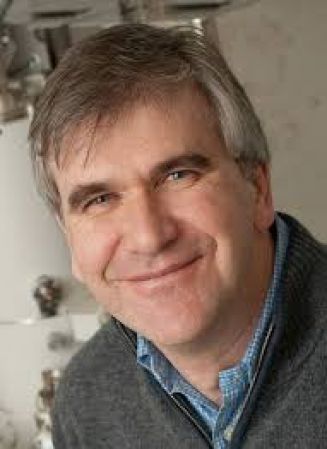 Christopher J. Kiely合作论文数Department of Materials Science and Engineering, P.C. Rossin College of Engineering and Applied Science, Lehigh University14
 Reece Christian合作论文数School of Chemistry, Cardiff University14
 Philip Rosser Davies合作论文数12
 Mark Douthwaite合作论文数11
 Qian He (何茜)合作论文数Glasgow College, University of Electronic Science and Technology of China11Frank King合作论文数11
 Jose Antonio Lopez-Sanchez合作论文数School of Chemistry, Cardiff University11Richard P. K. Wells合作论文数11
 Michael M. Forde合作论文数10
 Ian A Fallis合作论文数10Thomas E. Davies合作论文数School of Chemistry Main Building, Cardiff University10Paul Mcmorn合作论文数10Jonathan K. Bartley合作论文数10Sarwat Iqbal合作论文数9
 Cameron Jones合作论文数School of Chemistry, Monash University9
 Simon Kondrat合作论文数Cardiff Catalysis Inst, Cardiff Univ9
 Mohd Hasbi Ab. Rahim合作论文数School of Chemistry, Cardiff University8Sainna Mala A合作论文数Manchester Institute of Biotechnology and School of Chemical Engineering and Analytical Science, The University of Manchester8
 Ceri Hammond合作论文数School of Chemistry,Cardiff University8
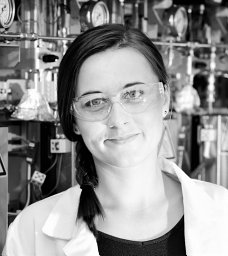 Ewa Nowicka合作论文数Institute of Physical Chemistry, Polish Academy of Sciences8Adam Thetford合作论文数7
 Albert Frederick Carley合作论文数School of Chemistry, Cardiff University7
 Jacob Moulijn合作论文数Cardiff University7
 Dewi Lewis合作论文数Department of Chemistry, Faculty of Mathematical & Physical Sciences, University College London7Saskia Feast合作论文数7
 Meenakshisundaram Sankar合作论文数Cardiff Catalysis Institute, Cardiff University7
 Jennifer K Edwards合作论文数Cardiff University, University of Wales7
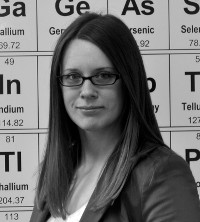 Abbie Trewin合作论文数Lancaster University7
 Cynthia Friend合作论文数Department of Chemistry & Chemical Biology, Faculty of Arts and Sciences, Harvard University7Rpk Wells合作论文数6Ali Nasrallah合作论文数6
 Bruce Gates合作论文数Department of Chemical Engineering, College of Engineering, University of California, Davis6
 Freakley Simon J合作论文数Cardiff Catalysis Inst, Cardiff Univ6
 Andy Cooper (安德鲁·库伯)合作论文数School of Physical Sciences, University of Liverpool;Faculty of Science and Engineering, University of Liverpool;Department of Chemistry, University of Liverpool6Colin H. Rochester合作论文数6
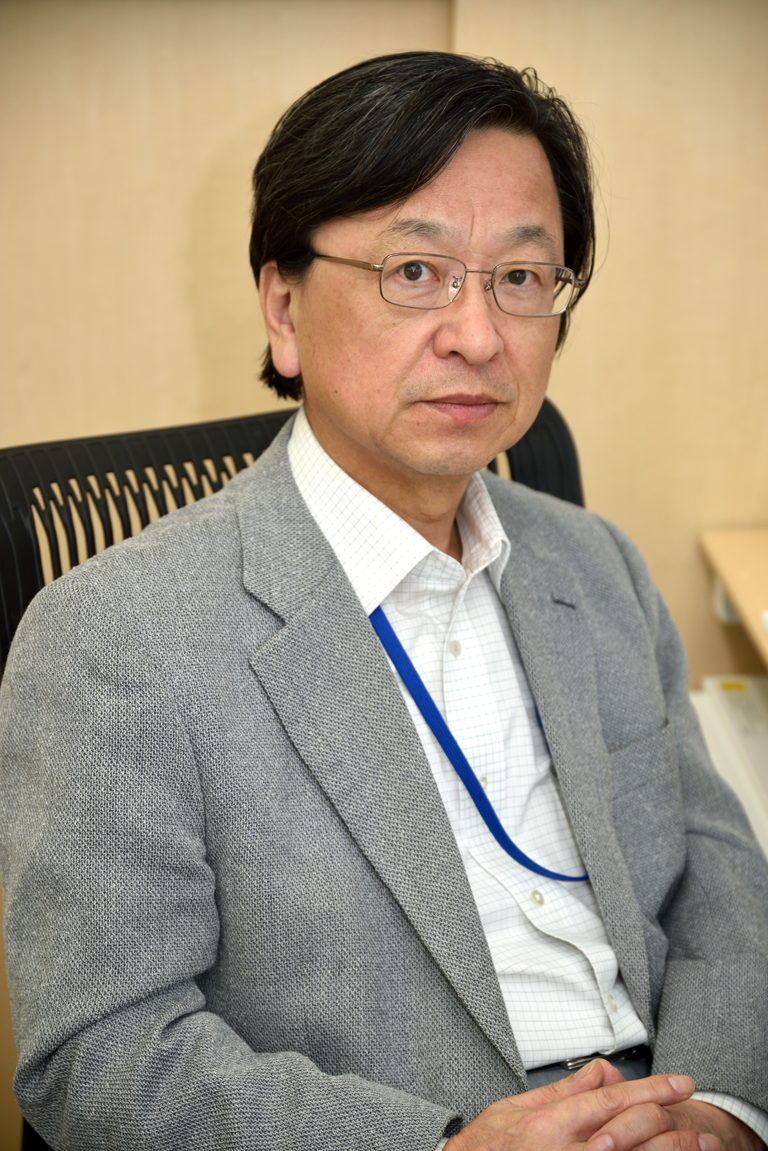 Wataru Ueda (上田渉)合作论文数Kanagawa University6




