OBJECTIVES:Fresh, non-cryopreserved and non-seeded, decellularized pulmonary homografts (DPHs) were translated in 2005 into clinical practice. The aim of this current study is to summarize our 20-year clinical experience with DPH for pulmonary valve replacement (PVR) in congenital heart disease. METHODS:Prospective follow-up of all DPH implanted within 2 institutions. Indication for PVR according to current clinical guidelines was the key inclusion criterion without age limits; patients with active endocarditis were not included. RESULTS:From January 2005 to August 2025, 310 patients (188 male) received DPH for PVR. Median patient age at implantation was 14.8 years, (interquartile range [IQR] 12.7-16.6 years, min. 0.1 years, max.72.8 years), and the median DPH diameter was 22 mm (IQR 19-23 mm, min. 12 mm, max 34 mm). Median follow-up was 8.3 years (IQR 4.5-12.1, max 20.5 years). Seven out of 310 patients died, a freedom from death according Kaplan-Meier of 96.9% (confidence interval [CI] 93.1%-98.6%) at 20 years. Freedom from DPH explantation was 85.2% (CI 75.1%-91.4%), and freedom from endocarditis was 91.0% (CI 77.1%-96.6%) at 20 years. Valve function showed a steady decline over the study period. At 15 years, freedom from stenosis, as defined as a maximum gradient of ≥ 50 mmHg, was 68.3% (CI 52.4%-79.8%) and 0 at 20 years. Freedom from ≥ moderate pulmonary regurgitation was 65.1% (CI 48.1%-77.7%) at 15 years and 0 at 20 years. The number of patients at risk beyond 15 years was limited. CONCLUSIONS:Decellularized pulmonary homografts show good long-term results for PVR with freedom from explantation that appears favourable compared with published long-term series of cryopreserved homografts. However, our data also indicate a decline in valve function over 2 decades. We hypothesize that residual immunogenicity is the underlying cause, suggesting that there is potential for further refinement of decellularization methods.
OBJECTIVES:This study presents the 5-year experience with a more liberal intraoperative extracorporeal membrane oxygenation (ECMO) elective support in patients with pulmonary fibrosis (PF) undergoing lung transplantation (LTx). METHODS:Patients with PF undergoing LTx between January 2012 and January 2025 were included and sub-divided into the period before and after the implementation of a more liberal intraoperative use of ECMO support in January 2020. Outcomes were compared between elective, non-elective, and no intraoperative ECMO in both periods. Previously-identified parameters as decision criteria for elective ECMO were examined. RESULTS:Overall, 422 PF patients underwent LTx, of whom 273 patients were transplanted before 2020 (elective ECMO, n = 52 (19%); non-elective ECMO, n = 30 (11%); no ECMO, n = 191 (70%)) and 149 patients were transplanted since 2020 (elective intraoperative ECMO, n = 98 (66%); non-elective ECMO, n = 12 (8%); no ECMO, n = 39 (26%)). After 2020, elective ECMO was increasingly used in patients with mean pulmonary arterial pressure >50 mmHg and pulmonary vascular resistance >9.4 WU. However, 8% were not identified based on these parameters and still required non-elective ECMO. Comparing pre- and post-2020, primary graft dysfunction (PGD) grade 3 72 h post-transplant between elective (17% vs 3%, P = .002), non-elective (38% vs 0%, P = .016), and no ECMO (12% vs 3%, P = .078) was significant reduced. One-year graft survival in elective (88.5% vs 95.6%), non-elective (70% vs 91.7%), and no ECMO (92.7% vs 94.9%) showed a trend towards improved survival. CONCLUSIONS:The use of a more liberal, elective intraoperative ECMO support in patients with PF led to an improvement of PGD prevalence and survival early after lung transplantation.
BACKGROUND Decellularized aortic homografts (DAH) were introduced in 2008 as a further option for paediatric aortic valve replacement. Subcoronary DAH implantation may eliminate the need for aortic root replacement and coronary artery reimplantation in patients with sufficient left ventricular outflow tract dimensions. METHODS Ovine aortic xenografts were harvested from the slaughterhouse and decellularized using an approved detergent-based decellularization protocol. Two cardiac surgeons performed subcoronary implantation in explanted ovine hearts and results were compared regarding procedure time and procedural success. After these ex-vivo experiments four adult black-headed sheep were operated on in acute experiments. RESULTS The two surgeons were able to perform the ex-vivo subcoronary implantation of the decellularized ovine aortic allografts (DOAA) without technical problems within an hour. Mechanical strength of the processed ovine DOAA appeared comparable to that of native aortic tissue. Both surgeons stated that there were no differences with respect to appearance, haptics, trimability, and sewability.The initial two sheep operated on showed significant valvular incompetence. Following modification of the surgical protocol to a single-line suture technique, the next two sheep showed fully competent aortic valves with laminar flow across the subcoronary implanted DOAA. CONCLUSIONS We have developed a technique for subcoronary implantation of decellularized aortic homografts including acute large animal experiments. Long-term animal experiments will provide further insight into durability and recellularization.
Background:Surgical pulmonary valve replacement (PVR) is the most common cardiac operation in adults with congenital heart disease (ACHD). Nearly one-quarter of all cardiac procedures in this population are PVRs, and approximately 96% are redo surgeries. This study aimed to compare operative and early postoperative outcomes in patients undergoing first-, second-, and third-time, or more, PVR. Methods:We retrospectively analyzed 104 consecutive adult patients with repaired congenital heart disease who underwent total valved pulmonary trunk replacement at our institution between January 2014 and March 2022. Results:A total of 53 patients underwent first-time PVR, 31 second-time PVR, and 20 third-time, or more, PVR. All patients had at least one previous sternotomy. In all redo procedures, extended resection of the degenerated pulmonary valve graft was performed. Operative complexity increased with the number of previous PVRs, reflected by significantly longer cardiopulmonary bypass times (134 versus 185 versus 222 minutes) and aortic cross-clamp times (68 versus 91 versus 114 minutes; p < 0.001). Postoperative length of stay was also longer with increasing number of prior PVRs (7 versus 10 versus 8 days; p = 0.012). Despite increased surgical complexity, no significant differences (p > 0.05) were observed in intraoperative or postoperative complications, postoperative peak transvalvular gradients, or relevant valve regurgitation. Overall mortality was low. Three patients died, two of whom had a history of endocarditis. Conclusion:Patients undergoing multiple PVRs demonstrate early clinical outcomes comparable to those undergoing first-time PVR despite increased surgical complexity. Endocarditis remains a major risk factor in redo PVR surgery.
ObjectiveThe objective of this study was to gain insight into the molecular mechanisms leading to early degeneration of decellularized homografts.MethodsFormalin-fixed and paraffin-embedded tissues from fresh explanted decellularized aortic (n = 7) and pulmonary (n = 8) valves were used. RNA was isolated and analyzed using panel-based transcriptomics, focusing on fibrosis- and inflammation-related genes. Differentially expressed genes were used as input parameters for biological pathway analysis using the Gene Ontology Biological Process and Hallmark databanks. Formalin-fixed and paraffin-embedded tissues from freshly explanted healthy donor aortic (n = 7) and pulmonary valves (n = 8) were used as controls.ResultsOur analysis revealed 56 differentially expressed genes in decellularized aortic valves compared to donor aortic valves, of which 21 and 35 were up- and downregulated, respectively. Decellularized pulmonary valves showed 115 differentially expressed genes compared to donor pulmonary valves, 66 of which were up- and 49 downregulated. In both decellularized aortic and pulmonary valve explants, we found increased expression of fibrosis-, inflammation-, and endothelium-related genes and a decreased expression of genes encoding for complement factors in line with the observed biological pathway activity patterns.ConclusionWe present a comprehensive transcriptome analysis of explanted decellularized heart valve homografts providing insights into the biological processes leading to continued degeneration and ultimately loss of function. The degeneration of decellularized homografts is driven by inflammation, fibrosis, and extracellular matrix (ECM) remodelling, reinforced by ongoing oxidative stress rather than by a mainly complement-driven humoral immune response.
OBJECTIVES:We sought to evaluate compliance and flow of the ascending aorta of patients with decellularized aortic homografts compared to donor age-matched healthy controls. METHODS:Male patients and donor age-matched male healthy controls were included. Cardiac function was evaluated by retrospectively electrocardiography-gated cine balanced steady-state free precession magnetic resonance imaging (MRI). Time-resolved 2- and 3-dimensional phase-contrast sequences were used to determine relative area change and pulse wave velocity as surrogate parameters for vessel compliance as well as maximum blood flow velocity. RESULTS:Thirteen patients were matched according to the age of their homograft donor (median 42 years, interquartile range [IQR] 32-50) to 7 healthy controls (median 40 years, IQR 36-48). Time to post-operative MRI was 3.33 (1.33-4.50) years. Relative area change in the proximal ascending aorta was significantly lower in the homograft group compared to healthy controls (26%, IQR 23-44 vs 38%, IQR 24-44, P < .001), with no significant difference observed in the distal ascending aorta (22%, IQR 22-33 vs 34%, IQR 22-41, P = .438). Maximum blood flow velocity in the proximal ascending aorta was significantly higher in the homograft group compared to healthy controls (168 cm s-1, IQR 148-188 vs 115 cm s-1, IQR 114-120, P = .009). CONCLUSIONS:Decellularized aortic homograft patients seem to have a reduced compliance of the proximal ascending aorta compared to donor age-matched healthy controls. This may be attributable to the in vitro decellularization process or post-operative graft degeneration. These findings highlight the ultimate need for follow-up data to understand the long-term in vivo effects of decellularized human tissue. This study is a follow-up study of the patients included in the ARISE Study registered on ClinicalTrials.gov (NCT02527629). For the purposes of this manuscript, healthy individuals were subsequently recruited to serve as the control group.
OBJECTIVES:This retrospective observational study presents our 12-year experience with early donor-specific antihuman leukocyte antigen antibodies (DSAs) in lung transplantation, comparing outcomes between patients who were positive and negative for early DSAs and presenting the results of early DSA treatment with IgA- and IgM-enriched immunoglobulins (IgGAM). METHODS:Patients transplanted between March 2013 and November 2025 were included. At our institution, since 2013, patients positive for early DSAs with subclinical antibody-mediated rejection (AMR) were treated with successive IgGAM infusions and those with clinical AMR or preformed DSAs additionally with plasmapheresis and a single dose of anti-CD20 antibody. The median follow-up length amounted to 60 (23-102) months. RESULTS:Among the 1384 included patients, 367 (27%) patients showed early DSAs (preformed, n = 95; clinical early AMR, n = 54). At 5 and 10 years, graft and chronic lung allograft dysfunction-free survival (%) were similar in early DSA-positive and -negative patients (P = .861 and P = .448, respectively). Three-hundred -five (91%) patients with early DSAs were treated with an IgGAM-based protocol that cleared early DSAs in 269 (88.8%) of 303 patients who completed treatment. At follow-up, 21 (6%) early DSA-positive and 46 (5%) early DSA-negative patients developed late AMR that was significantly associated with worse graft survival (P < .001) and refractory to therapy. CONCLUSIONS:The detection of early DSAs after lung transplantation was not associated with worse outcomes. Treatment of early DSAs and early AMR might have contributed to this result. Late AMR is associated with worse graft survival.
Background:Infant lung transplantation (LuTx) has been rarely performed in Europe and poses unique challenges. Methods:We reviewed referrals for LuTx to our center for patients below 1 year of age from January 1, 2018 to December 31, 2022. Clinical data and outcomes of transplanted infants and data on patients who were declined for evaluation, not listed after evaluation, or died before LuTx were collected. The number of donor lungs from organ donors younger than 1 year of age offered to our center and their utilization were analyzed for the same time period. Results:A total of 18 referrals were analyzed. Ten referrals were declined; 2 had contraindications to transplant and 2 infants died after full evaluation. A total of 4 infants (median age 185 days, range 85-225; mean weight 6063 g, standard deviation [SD] ±438 g) underwent bilateral LuTx after a mean waiting time of 52, SD ±43 days. Underlying diseases included surfactant protein deficiencies (n = 3) and lung hypoplasia with pulmonary hypertension due to congenital diaphragmatic hernia (n = 1). Patients required oxygen supplementation (n = 1), noninvasive (n = 1), or invasive (n = 2) ventilation pre-LuTx. ABO blood group incompatible LuTx was performed in 2 patients. After a mean follow-up of 37, SD ±20 months, all patients are alive. Of 13 infant donor lungs offered to our center, 10 (76.9%) were declined due to the lack of a suitable recipient. Two of 3 infant donor lungs were transplanted to infants, 1 was transplanted to a 23-month-old recipient. The other 2 infants received lungs from donors aged over 12 months. Conclusions:Our longitudinal analysis highlights the high pre-LuTx morbidity of infants with respiratory failure and challenges associated with timely evaluation and listing. Nevertheless, infant LuTx shows promising results in selected candidates, including ABO blood group incompatible transplantations.
Pulmonary artery hypertension (PAH), a subtype of pulmonary hypertension, is a rare end-stage lung disease. Bilateral lung and combined heart and lung transplantation have long been considered as a gold standard therapy for PAH.This manuscript reviewed the most up-to-date literature on lung transplantation for PAH, focusing particularly on risk stratification, donor allocation, bridging to transplantation (BTT), and intra- and postoperative management in both adult and pediatric patients.The last two decades have witnessed an important shift in the transplant indications and strategy for PAH. Newly introduced antihypertensive drugs have postponed the time of transplantation in eligible patients, thus reserving transplantation for severely ill high-risk patients on triple antihypertensive therapy. Furthermore, the widespread peritransplant use of veno-arterial extracorporeal membrane oxygenation (ECMO) enables cardiac remodeling after bilateral lung transplantation.The change in transplant strategy from combined heart and lung transplantation to bilateral lung transplantation renders more organs available for transplantation in an era of organ shortage. ECMO-bridging is a life-saving tool in selected PAH patients although associated with higher complications. Better organ allocation in PAH patients at high risk of decompensation may reduce the need for ECMO-bridging and may further improve outcomes.
OBJECTIVES:Donor-recipient size matching in patients with pulmonary fibrosis may be performed according to the actual total lung capacity (aTLC) as measured by body plethysmography, the corrected total lung capacity (cTLC), and the predicted total lung capacity (pTLC). However, there is still no consensus on the ideal matching total lung capacity. Therefore, we aimed to analyse post-transplant outcomes of patients with pulmonary fibrosis listed according to aTLC, cTLC, or pTLC. METHODS:Patient records were retrospectively reviewed and analysed using Bayesian statistics. Patients with pulmonary fibrosis who underwent double lung transplantation without concomitant lung reduction surgery were included. RESULTS:Between November 2017 and May 2023, among the 521 patients who underwent lung transplantation at our institution, 122 (24%) were included, with 11 (9%) forming the aTLC group, 21 (17%) forming the cTLC group, and 90 (74%) forming the pTLC group. Overall patient and graft mortality was decreased in patients who were listed according to aTLC when compared to cTLC (HR 0.11; 95% CrI 0-0.99). However, Bayesian Cox multivariable analysis revealed that this was due to the higher incidence of associated pulmonary hypertension and chronic renal failure in the cTLC group. No difference was seen in the incidence of biopsy-confirmed rejection and chronic lung allograft dysfunction. CONCLUSIONS:Our study showed that listing patients according to aTLC improved mortality when compared to listing according to cTLC, because patients listed according to cTLC had a higher preoperative morbidity.
BACKGROUND:Childhood interstitial lung disease (chILD) is heterogeneous, associated with significant morbidity, and can cause organ failure. In these cases, lung transplantation (LuTx) is a treatment option. Data on indications and outcomes after LuTx for chILD are limited. We compared characteristics of LuTx for chILD to the indications of cystic fibrosis (CF) and pulmonary hypertension (PH). METHODS:Patients with chILD <18 years who underwent LuTx at our center between January 1, 2011 and September 30, 2023 were retrospectively analyzed and divided into 2 groups depending on their age at disease manifestation: children in the chILD A group predominantly became ill during the first 2 years of life, chILD B patients thereafter. Outcomes were compared to patients with CF and PH. RESULTS:One hundred and one children were included (chILD A 12; chILD B 19; CF 49; PH 21). Patients in the chILD A group were younger (mean age 1.5 vs 12.9, 15.2, 10.9 years) and frequently required mechanical ventilation before LuTx (41.7% vs 10.5%, 2%, 9.5%, respectively). Their median intensive care unit (ICU) stay (23 vs 4, 2, 13 days) and median hospital stay (48 vs 27, 30, 42 days) after LuTx were longer. Patients in chILD B had the lowest pretransplant ICU requirement (21.1% vs 66.7% for chILD A, 30.6% for CF, and 47.6% for PH) and short median hospital stay. Five-year survival was comparable in all groups (80.2%, 86.5%, 80.4%, and 81.2%). CONCLUSIONS:LuTx for patients with chILD shows favorable outcome, although younger chILD A patients had a higher pretransplant morbidity and longer ICU and hospital stay surrounding the transplantation.
Objectives Patients with congenital heart disease frequently require surgical or percutaneous interventional valve replacement after initial congenital heart defect (CHD) repair. In some of these patients, simultaneous replacement of both semilunar valves is necessary, resulting in increased procedural complexity, morbidity, and mortality. In this study, we analyze the outcomes of simultaneous aortic and pulmonary valve replacements following multiple surgical interventions for CHD. Methods This was a retrospective study of 24 patients who after initial repair of CHD underwent single-stage aortic and pulmonary valve replacement at our institution between 2003 and 2021. Results Themean age of the patients was 28 +/- 13 years; the mean time since the last surgery was 15 +/- 11 years. Decellularized valved homografts (DVHs) were used in nine patients, and mechanical valves were implanted in seven others. In eight patients, DVHs, biological, and mechanical valves were implanted in various combinations. The mean cardiopulmonary bypass time was 303 +/- 104 minutes, and aortic cross-clamp time was 152 +/- 73 minutes. Two patients died at 12 and 16 days postoperatively. At a maximum follow-up time of 17 years (mean 7 +/- 5 years), 95% of the surviving patients were categorized as New York Heart Association heart failure class I. Conclusions Single-stage aortic and pulmonary valve replacement after initial repair of CHD remains challenging with substantial perioperative mortality (8.3%). Nevertheless, long-term survival and clinical status at the latest follow-up were excellent. The valve type had no relevant impact on the postoperative course. The selection of the valves for implantation should take into account operation-specific factors-in particular reoperability-as well as the patients' wishes.
Background The use of extended-criteria donor (ECD) organs has increased in lung transplantation, but their impact on long-term outcomes remains unclear. This retrospective single-center study evaluates the impact of donor quality, as defined by the Eurotransplant (ET) lung donor score, on long-term graft function and survival. Methods Records of recipients transplanted between January 2010 and May 2023 were reviewed. Eurotransplant lung donor scores (ET scores) were retrospectively calculated from the corresponding donor reports. Outcomes were compared between recipients of donor lungs with an ET score of 6 (group 1), 7 and 8 (group 2), and 9 to 13 (group 3, ECD lungs). Median follow-up was 64 (30-104) months. Results In total, 280 (19%) patients were transplanted with ET score 6 lungs, 717 (48%) patients with ET scores 7 and 8 lungs, and 506 (34%) patients with ET scores 9 to 13 (ECD) lungs. The occurrence of primary graft dysfunction grade 3 at 72 hours (p = 0.672), duration of mechanical ventilation (p = 0.062), and in-hospital mortality (p = 0.713) did not differ between groups. Long-term graft survival (%) was lower in group 2 and 3 vs group 1 recipients (at 10 years: 51 and 48 vs 56, p = 0.052, respectively). Similarly, freedom from chronic lung allograft dysfunction (CLAD, %) was lower in group 2 and 3 vs group 1 recipients (at 10 years: 57 and 55 vs 63, p = 0.033, respectively). Donor smoking history was associated with worse CLAD-free survival (hazard ratio = 1.466, 95% confidence interval = 1.215-1.769, p < 0.001). Conclusions ECD lungs represented an important resource in lung transplantation. However, their use may be associated with a worse long-term graft and CLAD-free survival.
OBJECTIVES:Decellularized aortic homografts (DAH) were introduced in 2008 as a further option for paediatric aortic valve replacement (AVR). METHODS:Prospective, multicentre follow-up of all paediatric patients receiving DAH for AVR in 8 European centres. RESULTS:A total of 143 DAH were implanted between February 2008 and February 2023 in 137 children (106 male, 74%) with a median age of 10.8 years (interquartile range 6.6-14.6). Eighty-four (59%) had undergone previous cardiac operations and 24 (17%) had undergone previous AVR. The median implanted DAH diameter was 21 mm (interquartile range 19-23). The median operation duration was 348 min (227-439) with a median cardiopulmonary bypass time of 212 min (171-257) and a median cross-clamp time of 135 min (113-164). After a median follow-up of 5.3 years (3.3-7.2, max. 15.2 years), the primary efficacy end-points peak gradient (median 14 mmHg, 9-28) and regurgitation (median 0.5, interquartile range 0-1, grade 0-3) showed good results but an increase over time. Freedom from death/explantation/endocarditis/bleeding/thromboembolism at 5 years were 97.8 ± 1.2/88.7 ± 3.3/99.1 ± 0.9/100 and 99.2 ± 0.8%, respectively. Freedom from death/explantation/endocarditis/bleeding/thromboembolism at 10 years were 96.3 ± 1.9/67.1 ± 8.0/93.6 ± 3.9/98.6 ± 1.4 and 86.9 ± 11.6%, respectively. In total, 21 DAH were explanted. Seven were replaced by a mechanical AVR, 1 Ross operation was performed and a re-do DAH was implanted in 13 patients with no redo mortality. The calculated expected adverse events were lower for DAH compared to cryopreserved homograft patients (mean age 8.4 years), and in the same range as for Ross patients (9.2 years) and mechanical AVR (13.0 years). CONCLUSIONS:This large-scale prospective analysis demonstrates excellent mid-term survival using DAH with adverse event rates comparable to paediatric Ross procedures.
OBJECTIVES:Decellularized aortic homografts (DAH) were introduced as a new option for aortic valve replacement for young patients. METHODS:A prospective, EU-funded, single-arm, multicentre study in 8 centres evaluating non-cryopreserved DAH for aortic valve replacement. RESULTS:A total of 144 patients (99 male) were prospectively enrolled in the ARISE Trial between October 2015 and October 2018 with a median age of 30.4 years [interquartile range (IQR) 15.9-55.1]; 45% had undergone previous cardiac operations, with 19% having 2 or more previous procedures. The mean implanted DAH diameter was 22.6 mm (standard deviation 2.4). The median operation duration was 312 min (IQR 234-417), the median cardiopulmonary bypass time was 154 min (IQR 118-212) and the median cross-clamp time 121 min (IQR 93-150). No postoperative bypass grafting or renal replacement therapy were required. Two early deaths occurred, 1 due to a LCA thrombus on day 3 and 1 due ventricular arrhythmia 5 h postoperation. There were 3 late deaths, 1 death due to endocarditis 4 months postoperatively and 2 unrelated deaths after 5 and 7 years due to cancer and Morbus Wegener resulting in a total mortality of 3.47%. After a median follow-up of 5.9 years [IQR 5.1-6.4, mean 5.5 years. (standard deviation 1.3) max. 7.6 years], the primary efficacy end-points peak gradient with median 11.0 mmHg (IQR 7.8-17.6) and regurgitation of median 0.5 (IQR 0-0.5) of grade 0-3 were excellent. At 5 years, freedom from death/reoperation/endocarditis/bleeding/thromboembolism were 97.9%/93.5%/96.4%/99.2%/99.3%, respectively. CONCLUSIONS:The 5-year results of the prospective multicentre ARISE trial continue to show DAH to be safe for aortic valve replacement with excellent haemodynamics.
BACKGROUND: Lung transplantation is the only curative treatment for patients with end-stage pulmonary fibrosis. It is still under debate whether over- or undersizing of lung allografts is preferably performed regarding the postoperative outcome. We therefore analyzed our data using predicted total lung capacity to compare size mismatches. METHODS: Patient records were retrospectively reviewed. Three groups were formed, 1 including patients with a donor-recipients pTLC ratio (DRPR) of <1.0 (undersized group), the second with a DRPR of >= 1.0 and <1.1 (size-matched group), and the third group with a DRPR of >= 1.1 (oversized group). Outcomes were evaluated using chi-square test and Kruskall-Wallis test as well as Kaplan-Meier analysis, competing risk analysis, and multivariable analysis, respectively. RESULTS: Between January 2010 and May 2023, among the 1501 patients transplanted at our institution, 422 (28%) patients were included, 26 (2%) patients forming the oversized group (median DRPR: 1.14), 101 (7%) patients forming the size-matched group (median DRPR: 1.03), and 296 (20%) patients forming the undersized group (median DRPR: 0.92). Patients from the oversized group had a higher PGD grade 3 rate at 24 (p < 0.001), 48 (p < 0.001), and 72 (p = 0.039) hours after transplantation as well as a higher in-hospital mortality compared to the undersized group (p = 0.033). The long-term survival was also better in the undersized group compared to the oversized group (p = 0.011) and to the size-matched group (p = 0.01). CONCLUSIONS: Oversizing lung allografts more than 10% deteriorated early postoperative outcomes and long-term survival in patients with pulmonary fibrosis. (c) 2024 The Authors. Published by Elsevier Inc. on behalf of International Society for Heart and Lung Transplantation. This is an open access article under the CC BY license (http://creativecommons.org/ licenses/by/4.0/).
OBJECTIVES:Severe pulmonary hypertension (PH) is the leading indication for a lung transplant in younger patients. Despite the availability of validated risk scores, their influence on lung allocation has been negligible, with continued reliance on decompensation and bridging with extracorporeal membrane oxygenation (ECMO).This single-centre, retrospective study assessed outcome of ECMO bridging in lung transplant for PH and evaluated short-term predictability of ECMO bridging. METHODS:Patients with PH listed for a lung transplant between January 2010 and March 2023 were included. Peri- and postoperative courses were compared dependent upon ECMO bridging status. Bridging risk analysis within 90 days of re-evaluation included patients not requiring ECMO at listing, with listing parameters evaluated using a univariate Cox proportional hazard regression. RESULTS:A total of 114/123 patients listed underwent lung transplant. Twenty-eight required ECMO bridging. No differences in primary graft dysfunction grade 3 at 72 h (30 vs 20%; P = 0.28) or graft survival (1 year: 82 vs 88%; 5 years: 54 vs 59%; P = 0.84) were evident. ECMO bridging resulted in longer intensive care unit stays post-transplant (P = 0.002) and higher rates of both re-thoracotomy (P = 0.049) and vascular complications (P = 0.031). Factors increasing 90-day ECMO risk included N-terminal pro-B-type natriuretic peptide (P < 0.001), 6-min walk distance (P = 0.03) and O2 requirement at rest (P = 0.006). CONCLUSIONS:Lung transplant survival outcomes are not affected by ECMO bridging in patients with severe PH. It does, however, expose patients to additional risk, and efforts such as easy-to-measure parameters to pre-emptively identify patients requiring bridging to assist with effective allocation should be encouraged.
Coarctation of the aorta (CoA) is a potentially life-threatening congenital and obstructive anomaly of the distal aortic arch. After constriction of the ductus arteriosus, neonates may develop critical CoA in the isthmus area and present with severe left ventricular dysfunction or even cardiac failure. Low cardiac output and abdominal hypoperfusion (distal to the coarctation) may lead to metabolic derangements and clinical deterioration. Most neonates can be adequately stabilized with critical care support; however, patients who demonstrate treatment-resistant left ventricular dysfunction and end organ damage are often considered too unstable for primary surgical CoA repair. In this particular setting, transcatheter intervention is often regarded as more beneficial than prolonged intensive care. Specialized centers have proposed different approaches to critical CoA treatment. Nevertheless, individual therapy decisions are based on patient condition as well as the experience and expertise of the interdisciplinary team. This article focuses on isolated neonatal CoA (as opposed to CoA in complex congenital heart disease). Advances in neonatal diagnosis, critical care, transcatheter interventions, and surgical techniques have led to lower mortality and reintervention rates and have improved outcomes in neonates with critical CoA. Issues requiring further study include the optimal timing of definitive surgical CoA repair and the question how the severity of aortic obstruction and the choice of surgical technique affect long-term neurologic outcome.
Objectives: Complications after aortic coarctation repair are associated with high mortality and require surgical or endovascular reintervention. For patients unsuitable for endovascular therapies, reoperation remains the only therapeutic option. However, surgical experience and up-to-date follow-up data concerning this overall rare entity in the spectrum of aortic reoperations are still highly limited. Thus, the aim of this study was to analyze the short-term outcomes and long-term survival of patients undergoing surgical descending aorta repair after previous coarctation repair in a high-volume unit. Methods: We present a retrospective single-center analysis of 25 patients who underwent open descending aorta replacement after initial coarctation repair. The surgical history, concomitant cardiovascular malformations, and preoperative characteristics as well as postoperative complications and long-term survival were analyzed. Results: The mean age at operation was 45.4 ± 12.8 years. A proportion of 68% (n = 17) of the patients were male. The most common complication necessitating reoperation after coarctation repair was aneurysm formation (68%) and re-stenosis (16%). The average time between initial repair and reoperation was 26.3 ± 9.9 years. Technical success was achieved in all the operations, while recurrent nerve damage (24%) and bleeding requiring rethoracotomy (20%) were identified as the most common perioperative complications. The one-year mortality was 0% and the overall long-term survival was 88% at 15 years. Conclusions: Open surgical descending aorta replacement can be performed safely and with excellent survival outcomes even in the challenging subgroup of patients after previous coarctation repair. Thus, reoperation should be considered a feasible approach for patients who are unsuitable for endovascular therapies. Nonetheless, concomitant cardiovascular anomalies and frequent preoperations may complicate the redo operation in this patient population.
 Alexander Horke合作论文数38Dietmar Boethig合作论文数37
 Axel Haverich合作论文数Medizinische Hochschule Hannover31
 Murat Avsar合作论文数31Ius Fabio合作论文数23Sarikouch Samir合作论文数22Igor Tudorache合作论文数21Salman Jawad合作论文数21
 Nicolaus Schwerk合作论文数Department of Paediatrics, Medical School, Hannover, Germany17Gregor Warnecke合作论文数16
 Philipp B. J. Beerbaum合作论文数King's College London15
 Tomislav Cvitkovic合作论文数14Christian Kuehn合作论文数14Sommer Wiebke合作论文数11Serghei Cebotari合作论文数Department of Cardio-Thoracic, Transplantation and Vascular Surgery, Hannover Medical School, Hannover, Germany11Mark Greer合作论文数10
 Arjang Ruhparwar合作论文数Hannover Medical School10Thomas Breymann合作论文数9Khalil Aburahma合作论文数8Carsten Mueller合作论文数8Julia Carlens合作论文数8
 Thierry Siemeni合作论文数8
 Tobias Welte合作论文数Clinic for Pneumology and Infectiology, Hannover Medical School8
 Mechthild Westhoff-Bleck合作论文数Klinik für Kardiologie und Angiologie, Medizinische Hochschule Hannover8Harald Bertram合作论文数8Elena Petena合作论文数7
 Davide de Manna合作论文数7Jashari Ramadan合作论文数6
 Masamichi Ono合作论文数6Maximilian Franz合作论文数5
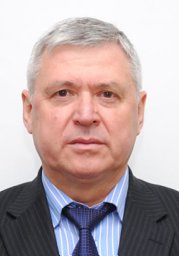 Ciubotaru Anatol合作论文数Department of Cardiothoracic, Transplantation and Vascular Surgery, Hannover Medical School, Hannover, Germany.5Meschenmoser Luitgard合作论文数5
 Georg Hansmann合作论文数5Gesine Hansen合作论文数5Reza Poyanmehr合作论文数4Ruoyu Zhang合作论文数4Jens Gottlieb合作论文数4Cheptanaru Eduard合作论文数4
 Alexander Weymann合作论文数4
 Martin Andreas合作论文数Department of Clinical Pharmacology, Medical University of Vienna4Bart Meyns合作论文数4
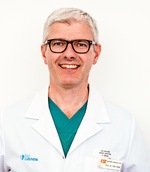 Filip Rega合作论文数4
 Mark Hazekamp合作论文数Department of Cardiothoracic Surgery, Leiden University;Faculteit Geneeskunde, Leiden University Medical Centre4Klea Hysko合作论文数3Katharina Schutz合作论文数3
 Martin Schmiady合作论文数3
 Christian Hagl合作论文数3Theodoridis Karolina合作论文数3Optenhoefel Joerg合作论文数3




