Background: Cardiovascular diseases remain the leading cause of death globally, with 80% of deaths occurring in low- and middle-income countries. Despite advancements in cardiac surgery, access to care remains limited in low- and middle-income countries and remote settings in high-income countries. Artificial intelligence and machine learning have the potential to democratize cardiac surgery access by reducing dependence on geography, while improving diagnostics, surgical planning, and peri- and postoperative care. This scoping review explores the application of artificial intelligence/machine learning in global cardiac surgery, focusing on low- and middle-income countries. Methods: A scoping review was conducted using Ovid MEDLINE, Embase, Web of Science, and Cumulative Index to Nursing and Allied Health Literature databases for studies on artificial intelligence/machine learning in cardiac surgery in low- and middle-income countries. Articles were summarized to assess trends, model use, and focus areas. Results: A total of 83 studies were included. The median sample size was 1521 (interquartile range, 523-5477). Most studies focused on adult populations (84.3%). Valve surgery (19.3%) was the most common domain followed by coronary surgery (15.7%) and congenital surgery (13.3%). Postoperative outcomes were the most common focus (55.4%), followed by mortality prediction (25.3%). Geographically, 74.7% of studies were from China, with limited representation from individual other low- and middle-income countries. XGBoost (25.3%) and random forest (16.9%) were the most commonly used machine learning models. Research increased substantially after 2020, particularly in postoperative outcomes and mortality prediction. Conclusions: Artificial intelligence/machine learning applications in global cardiac surgery are expanding, particularly in postoperative outcomes and mortality prediction. However, significant geographical differences persist, with most studies originating from China. Future research should prioritize expanding artificial intelligence/machine learning applications in other low- and middle-income countries and underexplored areas.
Background: Chagas disease (ChD) affects over six million people in Latin America, with Chagas cardiomyopathy (CCM) being a severe chronic complication in approximately 30% of those with ChD. Objectives: To develop, adapt, and evaluate the feasibility, acceptability, and potential impact of a multicomponent tele-education intervention to promote early identification and comprehensive management of CCM among public primary care physicians in an endemic community. Methods: This mixed-methods study was conducted in San Juan Province, Argentina. The qualitative phase consisted of a needs assessment through local focus groups with health authorities, leaders of local health programs, and healthcare providers from the primary, secondary, and tertiary levels. The quantitative phase, designed as an uncontrolled before-and-after study, involved 23 primary care physicians who participated in a tele-education intervention designed to improve early identification, risk stratification, and appropriate follow-up of CCM, including guidance on the use of the local Tele-Chagas platform. Knowledge, attitudes, and practices (KAP) were assessed through before-and-after intervention surveys. Feasibility and acceptability were evaluated using a 5-point Likert scale. Results: Focus groups identified limited CCM-specific training as a major barrier to timely referral and treatment. Following the intervention, the median knowledge scores increased from 1 to 2.5 (median difference = 1.5; 95% CI: 0.5–2.5; p = 0.013), and the proportion achieving ≥75% correct answers changed from 0% at baseline to 50% post-intervention. The majority of participants assigned the highest scores (four or five on the Likert scale) to the main characteristics of the educational materials, including weekly delivery, use of WhatsApp as the communication tool, content usefulness, and audiovisual features. Conclusions: A tele-education intervention demonstrated positive implementation outcomes and significantly improved ChD-related knowledge among participating primary care physicians in San Juan Province, Argentina. Tailored tele-education tools may have the potential to improve CCM management in primary care settings within endemic areas.
Objective: The study objective was to evaluate the in-hospital and long-term outcomes of aortic root replacement (Bentall procedure) from a single institution. Methods: All patients who underwent the Bentall procedure from 1990 to 2014 were included. Aortic valve–sparing root replacement or Ross procedures were excluded. The primary end point was all-cause mortality. The secondary end point was major adverse valve-related events, a composite of death, aortic valve reoperation (surgical or transcatheter), aortic valve endocarditis, major bleeding, and the need for a permanent pacemaker or defibrillator. Results: A total of 1332 adults underwent a Bentall procedure during the study period, with 525 (39.4%) undergoing concomitant procedures and 807 (60.6%) undergoing the isolated Bentall. Mean age was 57.6 ± 15.6 years, with 130 patients (9.8%) having endocarditis and 400 patients (30.0%) having a previous cardiac surgery. Isolated aortic insufficiency was present in 600 patients (45%), and a mechanical valve was used in 516 of 1332 patients (38.7%). In-hospital or 30-day death occurred in 65 of 1332 patients (4.9%), which was worse among those undergoing concomitant valve or coronary bypass, 45 of 525 (8.6%) versus 20 of 807 (2.5%) in patients undergoing the isolated Bentall (P < .01). Patients undergoing an elective, first-time isolated Bentall (471 cases) had less than 1% mortality and stroke rates. Overall, 25-year survival was 33.8% (95% CI, 29.9-37.8), worse among those undergoing concomitant procedures (hazard ratio, 2.14; 95% CI, 1.83-2.50). Late survival after an isolated Bentall was worse than in the age- and sex-matched general population (hazard ratio, 1.49; 95% CI, 1.33-1.68). Conclusions: Bentall procedures are associated with excellent short-term outcomes in a complex population with a large number of previous operations, endocarditis, and concomitant procedures. Long-term survival is worse than in age- and sex-matched controls, particularly among younger patients.
BACKGROUND:The preferred revascularization strategy for left main disease between coronary artery bypass grafting (CABG) and percutaneous coronary intervention (PCI) remains controversial, given discordant conclusions from randomized and observational evidence for mortality. Accordingly, we performed a bayesian reanalysis of the meta-analysis by Sabatine and coworkers to assess the probability of effectiveness using different assumptions. METHODS:Data were extracted from the meta-analysis of 4 trials by Sabatine and coworkers. The primary outcome was all-cause mortality; secondary outcomes included myocardial infarction, stroke, repeated revascularization, and composite outcomes. Bayesian methods estimated 5-year hazard ratios and absolute risk reductions using priors ranging from no prior preference to data-informed assumptions. RESULTS:For all-cause mortality, bayesian analysis indicated a higher probability of lower mortality with CABG, exceeding 80% across priors. Under the minimally informative prior, the hazard ratio was 1.1 (95% credible interval, 0.91-1.33), and the absolute risk reduction was 0.88% (95% credible interval: -0.92% to 2.76%). Under the downweighted historical prior, the hazard ratio was 1.40 (1.25-1.56) and the absolute risk reduction 4.61% (3.06%-6.11%). CABG also showed highly probable benefits for myocardial infarction, repeated revascularization, and composite outcomes. Conversely, stroke favored PCI (hazard ratio, 0.83 [0.58-1.19]; absolute risk reduction -0.40% [-1.40% to 0.62%]). CONCLUSIONS:This reanalysis suggests a higher probability that CABG is associated with reduced mortality, myocardial infarction, repeated revascularization, and composite outcomes, whereas PCI offers a lower risk of stroke. Interpretation of mortality was prior dependent, whereas other outcomes were largely prior agnostic.
Background:In patients with diabetes and coronary artery disease, coronary artery bypass grafting (CABG) confers a long-term survival advantage over percutaneous coronary intervention (PCI); however, a knowledge gap remains regarding patient-centred outcomes. We therefore compared patient-defined adverse cardiovascular and noncardiovascular events (PACE) after CABG vs PCI in diabetic patients. Methods:We conducted a population-based, retrospective cohort study of all diabetic patients who underwent CABG or PCI between October 2008 and December 2018 in Ontario, Canada. The primary outcome was PACE, defined as the composite of severe stroke requiring hospitalization > 14 days or inpatient rehabilitation, ventilator dependence, heart failure hospitalization, long-term care admission, and new-onset dialysis. Secondary outcomes included all-cause mortality and individual PACE components. Overlap weighting using propensity scores was performed to account for baseline differences between groups. Cumulative incidence functions were estimated, and groups were compared using cause-specific hazard models (with death as a competing risk) and Cox proportional hazards models. Results:A total of 58,826 patients (25,751 CABG; 33,075 PCI) were followed for a mean of 4.7 years (standard deviation 3.1; maximum 11.5). Rates of PACE were lower after CABG vs PCI over 1-5 years postintervention (1-year HR 0.88 [95% CI 0.77-1.00]; 5-year HR 0.83 [95% CI 0.71-0.97]). Rates of death were lower after CABG during the first 8 years (30-day HR 0.61 [95% CI 0.50-0.74]; 5-year HR 0.71 [95% CI 0.63-0.80]; 8-year HR 0.82 [95% CI 0.69-0.98]). Conclusions:We observed lower rates of PACE and all-cause mortality in diabetic patients within the first 5 years after CABG, compared to PCI. Findings could be used to inform shared decision-making to achieve outcomes most valued by patients.
BACKGROUND AND AIMS:Real-world evidence comparing percutaneous coronary intervention (PCI) to coronary artery bypass grafting (CABG) in women with chronic severe coronary artery disease (CAD) is limited. This study aimed to compare long-term outcomes of PCI and CABG in women with chronic severe CAD. METHODS:This propensity score-matched retrospective cohort study linked clinical and administrative databases in Ontario, Canada to identify women with chronic severe CAD undergoing PCI or CABG from 2012 to 2021. Major adverse cardiovascular and cerebrovascular events (MACCE), defined as a composite of all-cause mortality, myocardial infarction (MI), stroke, or repeat revascularization, as well as the individual components of MACCE and cardiovascular readmission (MI, heart failure [HF], or stroke), were evaluated using the Cox proportional hazards model. RESULTS:A total of 2469 and 3721 women underwent PCI and CABG, respectively. After propensity score matching, 2033 well-balanced pairs were identified. The mean (±SD) age of patients was 66.5 (±8.6) years. At a median follow-up of 5.1 (inter-quartile range: 2.9-7.5) years, MACCE was higher with PCI compared with CABG (hazard ratio [HR] 1.81, 95% confidence interval [CI]: 1.63-2.01], P < .001). All-cause mortality was higher with PCI compared with CABG (HR 1.34 [95% CI: 1.16-1.54], P < .001). Cardiovascular readmission (MI, HF, or stroke) was higher with PCI compared with CABG (HR 1.40 [95% CI: 1.32-1.49], P < .001). CONCLUSIONS:In women with chronic severe CAD, CABG appears to be associated with a long-term reduction in MACCE and all-cause mortality compared with PCI. These findings support consideration of CABG as the preferred revascularization strategy in appropriately selected women.
OBJECTIVES:We aimed to determine whether high-sensitivity cardiac troponin I (hs-cTnI) thresholds associated with increased 30-day mortality isolated coronary artery bypass grafting (CABG) differed between those undergoing off-pump (OPCAB) and on-pump (ONCAB) CABG. METHODS:We conducted a subanalysis of patients who underwent isolated CABG in the Vascular Events in Surgery Patients Cohort Evaluation (VISION) Cardiac Surgery Study. Cox regression was used to determine the hazard ratios (HRs) for mortality based on postoperative day 1 log-transformed hs-cTnI adjusted by EuroSCORE II, with OPCAB versus ONCAB as an interaction term. HRs were modelled as a function of hs-cTnI, and the lowest troponin associated with HR ≥ 1.00 was identified for each group. RESULTS:Of the original VISION cohort, 6505 patients underwent isolated CABG (OPCAB = 1141, ONCAB = 5364). Median hs-cTnI after CABG was 2446 ng/L (interquartile range [IQR] 1164-5654), and lower after OPCAB (640 ng/L [264-1689]) than ONCAB (2972 ng/L [1536-6448], P < .001). There were no differences in 30-day mortality between OPCAB and ONCAB (1.7% vs 1.4%, P = .5). Increased log-peak hs-cTnI was associated with greater mortality after CABG (adjusted HR = 1.7 [95% CI, 1.4-2.1]). The hs-cTnI threshold associated with HR ≥ 1.00 for isolated CABG was 6549 ng/L (95% CI, 3609-8381). OPCAB versus ONCAB had a significant interaction effect on the association between hs-cTnI and mortality (interaction P = .002). The hs-cTnI threshold associated with mortality after OPCAB was ≥4708 ng/L (95% CI, 581-7177), compared to ≥6806 ng/L (95% CI, 4001-13 993) after ONCAB. CONCLUSIONS:The clinically significant hs-cTnI threshold after CABG associated with an increased risk of 30-day mortality above the baseline is substantially higher than defined by current guidelines, but lower in patients undergoing OPCAB compared to ONCAB.
Background:Low-and middle-income countries account for over 80% of the global burden of cardiovascular disease (CVD). The Sub-Saharan African region is the most affected by CVD. Hypertensive Heart Disease (HHD) is a common complication of hypertension which is prevalent in the Democratic Republic of Congo (DRC). Our study aimed to identify the comorbidities associated with and the management of HHD in the DRC. Materials and methods:This cross-sectional analysis was done at a 200-bed tertiary hospital in Kinshasa, DRC from January to December 2019. Data were collected retrospectively from patient records and missing values were generated by multiple imputations and the pooled values were used for data analysis. Bivariate and multiple correlation regression were used and odds ratios were generated. Results:34 (56.7%) of the 60 patients were male. The mean age was 63.2 ± 9.7 years, the mean BMI was 25.5 ± 5.0 kg/m2, and 90.0% of patients were unemployed. Patients had dyslipidemia (43.3%), stroke (31.7%), and diabetes (10.0%). Mean serum creatinine (1.4 ± 0.1 mg/dL), HDL (56.7 ± 18.4 mg/dL), LDL (119.3 ± 30.5 mg/dL), and median urea (24.0, IQR: 63.5 mg/dL) levels were abnormal. HDL was a predictor of high blood pressure (P < 0.01). 83.3% of patients took statins, 78.3% took ACE inhibitors, and 70.0% took aspirin. Conclusion:Congolese HHD patients have multiple comorbidities. Efforts should be focused on increasing access to care through early diagnosis, early referral, and low-resource appropriate management.
IMPORTANCE Nontraumatic subarachnoid hemorrhage (SAH) represents the third most common stroke type with unique etiologies, risk factors, diagnostics, and treatments. Nevertheless, epidemiological studies often cluster SAH with other stroke types leaving its distinct burden estimates obscure. OBJECTIVE To estimate the worldwide burden of SAH. DESIGN, SETTING, AND PARTICIPANTS Based on the repeated cross-sectional Global Burden of Disease (GBD) 2021 study, the global burden of SAH in 1990 to 2021 was estimated. Moreover, the SAH burden was compared with other diseases, and its associations with 14 individual risk factors were investigated with available data in the GBD 2021 study. The GBD study included the burden estimates of nontraumatic SAH among all ages in 204 countries and territories between 1990 and 2021. EXPOSURES SAH and 14 modifiable risk factors. MAIN OUTCOMES AND MEASURES Absolute numbers and age-standardized rates with 95% uncertainty intervals (UIs) of SAH incidence, prevalence, mortality, and disability-adjusted life-years (DALYs) as well as risk factor-specific population attributable fractions (PAFs). RESULTS In 2021, the global age-standardized SAH incidence was 8.3 (95% UI, 7.3-9.5), prevalence was 92.2 (95% UI, 84.1-100.6), mortality was 4.2 (95% UI, 3.7-4.8), and DALY rate was 125.2 (95% UI, 110.5-142.6) per 100000 people. The highest burden estimates were found in Latin America, the Caribbean, Oceania, and high-income Asia Pacific. Although the absolute number of SAH cases increased, especially in regions with a low sociodemographic index, all age-standardized burden rates decreased between 1990 and 2021: the incidence by 28.8% (95% UI, 25.7%-31.6%), prevalence by 16.1% (95% UI, 14.8%-17.7%), mortality by 56.1% (95% UI, 40.7%-64.3%), and DALY rate by 54.6% (95% UI, 42.8%-61.9%). Of 300 diseases, SAH ranked as the 36th most common cause of death and 59th most common cause of DALY in the world. Of all worldwide SAH-related DALYs, 71.6% (95% UI, 63.8%-78.6%) were associated with the 14 modeled risk factors of which high systolic blood pressure (population attributable fraction [PAF]=51.6%; 95% UI, 38.0%-62.6%) and smoking (PAF=14.4%; 95% UI, 12.4%-16.5%) had the highest attribution. CONCLUSIONS AND RELEVANCE Although the global age-standardized burden rates of SAH more than halved over the last 3 decades, SAH remained one of the most common cardiovascular and neurological causes of death and disabilities in the world, with increasing absolute case numbers. These findings suggest evidence for the potential health benefits of proactive public health planning and resource allocation toward the prevention of SAH.
Background:The win ratio (WR), introduced in 2012, has emerged as a method to analyze hierarchical composite outcomes by prioritizing clinically significant events, unlike traditional composite time-to-event analyses, which treat events equally. However, use of the WR in biomedical research beyond cardiovascular trials remains unexplored. The study aims to investigate trends in the use of the WR in biomedical research and determine the characteristics of these articles. Methods:Biomedical articles indexed in Web of Science and PubMed were retrieved for 2012-2024. Data extraction included bibliometric information and content details. Statistical analyses utilized descriptive statistics, correlation, and linear regression to assess publication trends and the distribution of WR methodologies across disciplines. Results:A total of 82 studies were analyzed. Publication counts using the WR have grown significantly since its introduction, with an annual compounded growth rate of 30.2%. Most articles were randomized controlled trials (n = 68; 82.9%). Of the 68 randomized controlled trials, 46 (67.6%) were in the field of cardiology. The unmatched WR was the predominant WR approach (n = 57; 69.5%). Mortality was the highest-ranked outcome in most studies (n = 55; 67.1%), and time-to-event variables were the most frequently used across all hierarchical outcome ranks (n = 173). Conclusions:The WR has gained acceptance as a robust and clinically meaningful method for analyzing composite endpoints, particularly for cardiovascular trials. Although challenges remain, its adaptability and ability to prioritize clinically relevant outcomes make it a promising tool for future biomedical research across various disciplines.
 Xiya Ma合作论文数27
 Jessica Luc合作论文数Department of Surgery, Faculty of Health Sciences, Queen's University27
 Stephen Fremes合作论文数Department of Surgery, Temerty Faculty of Medicine, University of Toronto;Sunnybrook Research Institute;Sunnybrook Health Sciences Centre;Institute for Clinical Evaluative Studies21
 Stephen E. Fremes合作论文数Heart & Stroke/Richard Lewar Centre for Cardiovascular Research, Temerty Faculty of Medicine, University of Toronto19
 Maral Ouzounian合作论文数Division of Cardiovascular Surgery, Department of Surgery, Temerty Faculty of Medicine, University of Toronto;Division of Cardiovascular, Peter Munk Cardiac Centre, University Health Network;Toronto General Hospital, University Health Network18Derrick Y. Tam合作论文数14
 Jacques Kpodonu合作论文数10Swain JaBaris D合作论文数Brigham and Women's Hospital, Harvard Medical School9
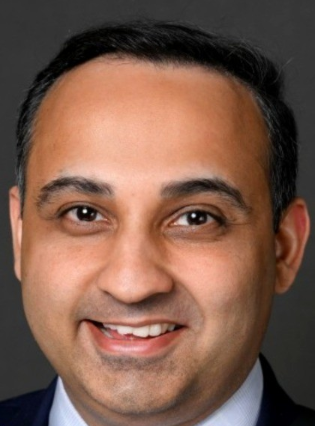 Sameer Hirji合作论文数Division of Cardiac Surgery, Brigham and Women's Hospital, Harvard Medical School;Department of Surgery, Brigham and Women's Hospital;Mass General Brigham8
 Jennifer Chung合作论文数Department of Surgery, Temerty Faculty of Medicine, University of Toronto7
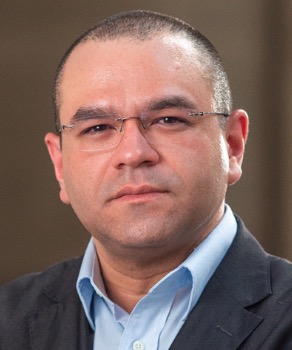 Michel Pompeu Sá合作论文数Corrigan Minehan Heart Center, Harvard Medical School;Corrigan Minehan Heart Center, Massachusetts General Hospital7Kevin R. An合作论文数6
 Mimi Xiaoming Deng合作论文数6
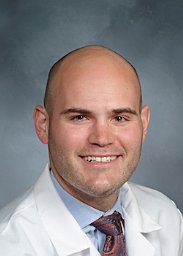 Alexander W Peters合作论文数Dept Surg, Weill Cornell Med Coll6
 Guillaume Marquis Gravel合作论文数Montreal Heart Institute, Montreal University6
 Ali Mokdad合作论文数Department of Epidemiology, School of Public Health, University of Washington6
 Tom C. Nguyen合作论文数University of California6Rodolfo V. Rocha合作论文数Department of Cardiothoracic Surgery, University of Pittsburgh Medical Center6Allen Seylani合作论文数5Kevin Phan合作论文数5
 L. Elfaki合作论文数5
 Alejandra Castro-Varela合作论文数Department of Cardiovascular Surgery, Mayo Clinic5
 Camila Roginski Guetter合作论文数5Muhammed Elhadi合作论文数Faculty of Medicine, University of Tripoli5
 Jef Van den Eynde合作论文数5
 Hiba Ghandour合作论文数Cleveland Clin, Dept Thorac & Cardiovasc Surg, Heart Vasc & Thorac Inst, Cleveland, OH USA5Hillary Lia合作论文数Div Cardiac Surg, Univ Toronto5
 Xiaochen Dai (戴晓晨)合作论文数School of Medicine, University of Washington5Grace Lee合作论文数Department of Radiation Oncology, Temerty Faculty of Medicine, University of Toronto5
 Harindra Wijeysundera合作论文数Sunnybrook Health Sciences Centre;Sunnybrook Research Institute;Institute of Health Policy, Management and Evaluation, University of Toronto;Toronto Health Economics and Technology Assessment Collaborative;Institute for Health Policy, Management and Evaluation;Department of Medicine, University of Toronto5Pezzella A Thomas合作论文数5
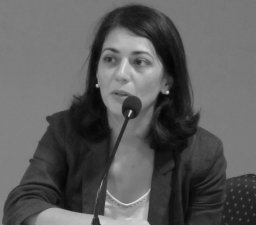 Zheleva Bistra合作论文数Children's HeartLink5
 Christopher J.L. Murray合作论文数School of Public Health, University of Washington;Department of Health Metrics Sciences, School of Medicine, University of Washington;Institute for Health Metrics and Evaluation, University of Washington5Lubna Samad合作论文数5Nitin Joseph合作论文数4Sezer Kisa合作论文数4
 Yun Jin Kim合作论文数4Masood Ali Shaikh合作论文数4Junjie Huang合作论文数4
 Florian Udo Fischer合作论文数4Gbenga A. Kayode合作论文数4Aliya Izumi合作论文数4N. Yonemoto合作论文数4Anisa Nazir合作论文数4Golnaz Heidari合作论文数4
 Maria Servito合作论文数Division of Cardiac Surgery, University of Toronto and St Michael's Hospital4
 Christian Razo合作论文数Dept Hlth Metr Sci, Univ Washington4
 Hloni Bookholane合作论文数Dept Med, Univ Cape Town4




