IMPORTANCE Nontraumatic subarachnoid hemorrhage (SAH) represents the third most common stroke type with unique etiologies, risk factors, diagnostics, and treatments. Nevertheless, epidemiological studies often cluster SAH with other stroke types leaving its distinct burden estimates obscure. OBJECTIVE To estimate the worldwide burden of SAH. DESIGN, SETTING, AND PARTICIPANTS Based on the repeated cross-sectional Global Burden of Disease (GBD) 2021 study, the global burden of SAH in 1990 to 2021 was estimated. Moreover, the SAH burden was compared with other diseases, and its associations with 14 individual risk factors were investigated with available data in the GBD 2021 study. The GBD study included the burden estimates of nontraumatic SAH among all ages in 204 countries and territories between 1990 and 2021. EXPOSURES SAH and 14 modifiable risk factors. MAIN OUTCOMES AND MEASURES Absolute numbers and age-standardized rates with 95% uncertainty intervals (UIs) of SAH incidence, prevalence, mortality, and disability-adjusted life-years (DALYs) as well as risk factor-specific population attributable fractions (PAFs). RESULTS In 2021, the global age-standardized SAH incidence was 8.3 (95% UI, 7.3-9.5), prevalence was 92.2 (95% UI, 84.1-100.6), mortality was 4.2 (95% UI, 3.7-4.8), and DALY rate was 125.2 (95% UI, 110.5-142.6) per 100000 people. The highest burden estimates were found in Latin America, the Caribbean, Oceania, and high-income Asia Pacific. Although the absolute number of SAH cases increased, especially in regions with a low sociodemographic index, all age-standardized burden rates decreased between 1990 and 2021: the incidence by 28.8% (95% UI, 25.7%-31.6%), prevalence by 16.1% (95% UI, 14.8%-17.7%), mortality by 56.1% (95% UI, 40.7%-64.3%), and DALY rate by 54.6% (95% UI, 42.8%-61.9%). Of 300 diseases, SAH ranked as the 36th most common cause of death and 59th most common cause of DALY in the world. Of all worldwide SAH-related DALYs, 71.6% (95% UI, 63.8%-78.6%) were associated with the 14 modeled risk factors of which high systolic blood pressure (population attributable fraction [PAF]=51.6%; 95% UI, 38.0%-62.6%) and smoking (PAF=14.4%; 95% UI, 12.4%-16.5%) had the highest attribution. CONCLUSIONS AND RELEVANCE Although the global age-standardized burden rates of SAH more than halved over the last 3 decades, SAH remained one of the most common cardiovascular and neurological causes of death and disabilities in the world, with increasing absolute case numbers. These findings suggest evidence for the potential health benefits of proactive public health planning and resource allocation toward the prevention of SAH.
Background: Skipping breakfast is associated with an increased risk of chronic inflammatory diseases. This study aimed to examine the association between breakfast-eating habits and inflammation, using high-sensitivity C-reactive protein (hs-CRP) as a marker. Methods: A total of 4,000 Korean adult males with no history of myocardial infarction, angina, stroke, diabetes, rheumatoid arthritis, cancer, or current smoking were included. Data from the 2016-2018 Korea National Health and Nutrition Examination Survey were used for analysis. The frequency of breakfast consumption was assessed through a questionnaire item in the dietary survey section asking participants about their weekly breakfast consumption routines over the past year. Participants were categorized into two groups, namely "0-2 breakfasts per week" and "3-7 breakfasts per week"; hs-CRP concentrations were measured through blood tests. Results: Comparing between the "infrequent breakfast consumption (0-2 breakfasts per week)" and "frequent breakfast consumption (3-7 breakfasts per week)" groups, the mean hs-CRP was found to be significantly higher in the "infrequent breakfast consumption" group, even after adjusting for age, body mass index, physical activity, alcohol consumption, systolic blood pressure, blood pressure medication, fasting blood glucose, and triglycerides (mean hs-CRP: frequent breakfast consumption, 1.36 +/- 0.09 mg/L; infrequent breakfast consumption, 1.17 +/- 0.05 mg/L; P-value=0.036). Conclusion: Less frequent breakfast consumption was associated with elevated hs-CRP levels. Further large-scale studies incorporating adjusted measures of daily eating patterns as well as food quality and quantity are required for a deeper understanding of the role of breakfast in the primary prevention of chronic inflammatory diseases.
Traditional Chinese Medicine (TCM) has a long-standing tradition in Malaysia, offering a holistic approach to health and healing. As Malaysia works towards achieving the Sustainable Development Goals (SDGs), the integration of TCM into these global objectives presents both challenges and opportunities. The main challenges in aligning TCM with the SDGs include the need for curriculum updates in TCM education to incorporate sustainability concepts, the absence of standardized practices across TCM therapies, and the sustainability of medicinal plant resources. Additionally, the lack of rigorous scientific evidence for many TCM practices complicates their integration into evidence-based healthcare frameworks. The review discusses strategies for modernizing TCM education, promoting research on the efficacy and safety of TCM treatments, and encouraging sustainable practices in the sourcing of herbal medicines. By fostering interdisciplinary collaboration and increasing public awareness, TCM can play a key role in advancing the SDGs in Malaysia, particularly in promoting sustainable health and well-being, environmental conservation, and social equity.
This perspective review explores the transformative potential of personalized herbal medicine, examines the integration of ancient herbal knowledge with modern personalized medicine, delves into the principles of personalized medicine particularly in the context of herbal treatments, and investigates the principles of personalized medicine and elucidates how they are being applied to herbal medicine. It emphasizes the individualized nature of this approach and how it is facilitated through genetic analysis and health profiling. This review also highlights key advancements in herbal medicine, such as deoxyribonucleic acid (DNA) analysis and bioinformatics, and their role in the development of precise and personalized herbal remedies. The outcomes of personalized herbal medicine reveal how genetic variations are being considered to tailor treatments, create target-specific therapies, and customize dosage regimens. Furthermore, this review illustrates the evolution of herbal medicine with technological advancements, particularly DNA analysis and bioinformatics, to enhance precision and personalization. The challenge associated with implementing personalized herbal medicine more broadly includes issues of accessibility, regulation, education and ethics. It underscores the transformative potential of personalized herbal medicine. It calls for continued exploration, research and collaboration in this burgeoning field. This emerging field encourages researchers, practitioners, and stakeholders to engage in advancing healthcare practices that are increasingly personalized, evidence-based, and centered on patient's needs. Please cite this article as: Aslam MS, Kim YJ. Herbal medicine in the modern age: The era of personalized precision. J Integr Med. 2025; 23(6):591-604.
Nontraumatic subarachnoid hemorrhage (SAH) represents the third most common stroke type with unique etiologies, risk factors, diagnostics, and treatments. Nevertheless, epidemiological studies often cluster SAH with other stroke types leaving its distinct burden estimates obscure. To estimate the worldwide burden of SAH. Based on the repeated cross-sectional Global Burden of Disease (GBD) 2021 study, the global burden of SAH in 1990 to 2021 was estimated. Moreover, the SAH burden was compared with other diseases, and its associations with 14 individual risk factors were investigated with available data in the GBD 2021 study. The GBD study included the burden estimates of nontraumatic SAH among all ages in 204 countries and territories between 1990 and 2021. SAH and 14 modifiable risk factors. Absolute numbers and age-standardized rates with 95% uncertainty intervals (UIs) of SAH incidence, prevalence, mortality, and disability-adjusted life-years (DALYs) as well as risk factor–specific population attributable fractions (PAFs). In 2021, the global age-standardized SAH incidence was 8.3 (95% UI, 7.3-9.5), prevalence was 92.2 (95% UI, 84.1-100.6), mortality was 4.2 (95% UI, 3.7-4.8), and DALY rate was 125.2 (95% UI, 110.5-142.6) per 100 000 people. The highest burden estimates were found in Latin America, the Caribbean, Oceania, and high-income Asia Pacific. Although the absolute number of SAH cases increased, especially in regions with a low sociodemographic index, all age-standardized burden rates decreased between 1990 and 2021: the incidence by 28.8% (95% UI, 25.7%-31.6%), prevalence by 16.1% (95% UI, 14.8%-17.7%), mortality by 56.1% (95% UI, 40.7%-64.3%), and DALY rate by 54.6% (95% UI, 42.8%-61.9%). Of 300 diseases, SAH ranked as the 36th most common cause of death and 59th most common cause of DALY in the world. Of all worldwide SAH-related DALYs, 71.6% (95% UI, 63.8%-78.6%) were associated with the 14 modeled risk factors of which high systolic blood pressure (population attributable fraction [PAF] = 51.6%; 95% UI, 38.0%-62.6%) and smoking (PAF = 14.4%; 95% UI, 12.4%-16.5%) had the highest attribution. Although the global age-standardized burden rates of SAH more than halved over the last 3 decades, SAH remained one of the most common cardiovascular and neurological causes of death and disabilities in the world, with increasing absolute case numbers. These findings suggest evidence for the potential health benefits of proactive public health planning and resource allocation toward the prevention of SAH.
Background: Acupuncture, a traditional Chinese medicine (TCM) practice, has become globally recognized as a complementary therapeutic approach for various health conditions. In Malaysia, acupuncture occupies a significant role in the country's diverse healthcare system, reflecting its cultural heritage. However, the education and training of acupuncture practitioners face numerous challenges, including variability in educational approaches, accreditation, and integration with conventional medical practices.Objective: This article aims to explore the complexities of acupuncture education in Malaysia, providing an overview of the current landscape. It addresses the regulatory frameworks, educational challenges, and the implications these have on professional standards and patient care. The article also highlights potential solutions for improving acupuncture education in the country.Methods: A comprehensive review of existing literature, regulatory frameworks, and educational practices related to acupuncture in Malaysia is presented. The article examines the variability in training programs, accreditation standards, and the integration of acupuncture with conventional healthcare models.Results: The education and training of acupuncture practitioners in Malaysia are hindered by inconsistent curricula, lack of standardized guidelines, and differing levels of accreditation. These challenges contribute to variations in educational quality across institutions, complicating efforts to ensure competent practitioners. Furthermore, acupuncture's integration with mainstream medical practices remains unclear, affecting its overall acceptance and effectiveness within the broader healthcare system.Conclusion: Addressing the challenges in acupuncture education is crucial for enhancing the competence of practitioners and ensuring quality patient care. Key areas for improvement include the standardization of curricula, strengthening accreditation processes, promoting interdisciplinary collaboration, and increasing public awareness. Proactive efforts in these areas can enhance the quality of acupuncture education in Malaysia and foster better integration of acupuncture into the national healthcare framework.
Headache disorders, especially migraines and tension-type headaches (TTHs), are major global public health concerns, as shown by the Global Burden of Diseases, Injuries, and Risk Factors Study (GBD) 2021. We provide updated global estimates of prevalence and years lived with disability (YLDs) from 1990 to 2021 across 204 countries and territories and forecasts through 2050. In 2021, there are 2.0 billion people with TTH and 1.2 billion with migraine. Although TTH is more prevalent, migraine causes higher disability. While crude prevalence and YLDs increased, age-standardized rates remained stable and are projected to continue this trend due to population growth. There is a disproportionately higher burden in women aged 30-44 and countries with higher Socio-demographic Index and Healthcare Access and Quality Index. Despite this, migraines remain underrecognized in health policies and funding. This study emphasizes the urgent need to prioritize headache disorders in global health agendas.
In the COVID-19 pandemic, a new challenge emerges in the digital realm – a surge in cyberbullying fuelled by social isolation. This chapter explores the intricate connection between isolation measures and the alarming rise in online harassment. Lockdowns and distancing have turned the online space into both a refuge and a battlefield, revealing unique consequences of isolation. The pandemic has reshaped cyberbullying, with increased screen time, online education, and heightened social media engagement playing complex roles. As social isolation heightens vulnerability, the line between physical and digital blurs, exposing individuals to online harassers. The chapter acknowledges the profound impact of social isolation on mental health, with pandemic stressors and online anonymity fostering anxiety among cyberbullying victims. Educational settings, grappling with remote learning challenges, also experience the ripple effects of cyberbullying. Despite these challenges, coping strategies and support mechanisms emerge, aiding individuals in navigating the digital landscape safely.
Myocardial ischemia-reperfusion injury (MIRI) is a major hindrance to the success of cardiac reperfusion therapy. Although increased neutrophil infiltration is a hallmark of MIRI, the subtypes and alterations of neutrophils in this process remain unclear. Here, we performed single-cell sequencing of cardiac CD45+ cells isolated from the murine myocardium subjected to MIRI at six-time points. We identified diverse types of infiltrating immune cells and their dynamic changes during MIRI. Cardiac neutrophils showed the most immediate response and largest changes and featured with functionally heterogeneous subpopulations, including Ccl3hi Neu and Ym-1hi Neu, which were increased at 6 h and 1 d after reperfusion, respectively. Ym-1hi Neu selectively expressed genes with protective effects and was, therefore, identified as a novel specific type of cardiac cell in the injured heart. Further analysis indicated that neutrophils and their subtypes orchestrated subsequent immune responses in the cardiac tissues, especially instructing the response of macrophages. The abundance of Ym-1hi Neu was closely correlated with the therapeutic efficacy of MIRI when neutrophils were specifically targeted by anti-Lymphocyte antigen 6 complex locus G6D (Ly6G) or anti-Intercellular cell adhesion molecule-1 (ICAM-1) neutralizing antibodies. In addition, a neutrophil subtype with the same phenotype as Ym-1hi Neu was detected in clinical samples and correlated with prognosis. Ym-1 inhibition exacerbated myocardial injury, whereas Ym-1 supplementation significantly ameliorated injury in MIRI mice, which was attributed to the tilt of Ym-1 on the polarization of macrophages toward the repair phenotype in myocardial tissue. Overall, our findings reveal the anti-inflammatory phenotype of Ym-1hi Neu and highlight its critical role in myocardial protection during the early stages of MIRI.
The objective of the study is identification of new treatment and procedure involving an evidence-based medicine, expert analysis, observing the current situation on chronic pain issues among migrant workers in Malaysia, and developing an implementation based open access awareness program and program development in T&CM healthcare setting. A community-based rehabilitation program is proposed which consists of transdisciplinary efforts among researchers, T&CM expert in community, and migrant workers. The project consists of five main stages: (1) development of chronic pain herbal database, (2) Delphi analysis, (3) situation analysis, (4) development of website, and (5) program implementation. The project is currently in the process of drafting the study protocol for each stage, finding a suitable grant, and preparing the documents for ethical approval from Xiamen University Malaysia ethical committee.
BACKGROUND:Insulin resistance contributes to the development of cardiovascular disease and type 2 diabetes mellitus. Smoking leads to an increase in triglyceride levels, which, in turn, increases insulin resistance. Although the number of e-cigarette users has increased in recent years, few studies have investigated the association between ecigarette use and insulin resistance. Therefore, this study aimed to determine the association between e-cigarette use and insulin resistance using the triglyceride-glucose (TyG) index in Korean adults. METHODS:This study included 4,404 healthy adults aged ≥20 years who participated in the Korea National Health and Nutrition Examination Survey between 2019 and 2020. Participants were categorized as never-smokers or ecigarette users, and the TyG index was categorized into low- and high-TyG index groups according to the median value (9.22). A logistic regression analysis was performed to determine the association between e-cigarette smoking and insulin resistance. RESULTS:E-cigarette users had a higher TyG index than never smokers (e-cigarette: mean=9.35; never: mean=9.18; P<0.001). The ecigarette users had a higher risk of being in the high TyG index group than never-smokers (odds ratio [OR], 1.38; 95% confidence interval [CI], 1.03-1.84). In the subgroup analysis stratified by sex, age, and body mass index, a higher OR for a high TyG index was observed in men (OR, 1.46; 95% CI, 1.03-2.08) and individuals aged 60 years or older (OR, 3.74; 95% CI, 1.14-12.30). CONCLUSION:Our findings suggest that e-cigarette use is significantly associated with insulin resistance.
Background: Sleep duration is associated with hearing loss, especially presbycusis, which is the most common type of hearing loss; however, there is limited evidence regarding this association among the Korean population. We aimed to determine the relationship between sleep duration and high-frequency hearing loss in Korean adults aged ≥40 years.Methods: We examined 5,547 Korean adults aged ≥40 years who completed audiometric tests and questionnaires regarding sleep duration during the 2010–2012 cycle of the Korea National Health and Nutrition Examination Survey. Mild presbycusis was defined as >25 decibels (dB) and <40 dB, whereas moderate-to-severe presbycusis was defined as >40 dB pure tone averages at high frequencies (3,000, 4,000, and 6,000 Hz) for both ears. Additionally, the sleep duration was divided into quartiles. Odds ratios and 95% confidence intervals were estimated using multivariable logistic regression after adjusting for covariates.Results: The prevalence of presbycusis in South Korean adults was 62.1%, of which 61.4% showed moderate to severe presbycusis. The incidence of moderate-to-severe, but not mild, presbycusis showed a significant positive correlation with sleep duration.Conclusion: Our findings suggest that sleep duration is associated with the prevalence of presbycusis.
Background Anaemia is a major health problem worldwide. Global estimates of anaemia burden are crucial for developing appropriate interventions to meet current international targets for disease mitigation. We describe the prevalence, years lived with disability, and trends of anaemia and its underlying causes in 204 countries and territories. Methods We estimated population-level distributions of haemoglobin concentration by age and sex for each location from 1990 to 2021. We then calculated anaemia burden by severity and associated years lived with disability (YLDs). With data on prevalence of the causes of anaemia and associated cause-specific shifts in haemoglobin concentrations, we modelled the proportion of anaemia attributed to 37 underlying causes for all locations, years, and demographics in the Global Burden of Disease Study 2021. Findings In 2021, the global prevalence of anaemia across all ages was 24 center dot 3% (95% uncertainty interval [UI] 23 center dot 9-24 center dot 7), corresponding to 1 center dot 92 billion (1 center dot 89-1 center dot 95) prevalent cases, compared with a prevalence of 28 center dot 2% (27 center dot 8-28 center dot 5) and 1 center dot 50 billion (1 center dot 48-1 center dot 52) prevalent cases in 1990. Large variations were observed in anaemia burden by age, sex, and geography, with children younger than 5 years, women, and countries in sub-Saharan Africa and south Asia being particularly affected. Anaemia caused 52 center dot 0 million (35 center dot 1-75 center dot 1) YLDs in 2021, and the YLD rate due to anaemia declined with increasing Socio-demographic Index. The most common causes of anaemia YLDs in 2021 were dietary iron deficiency (cause-specific anaemia YLD rate per 100 000 population: 422 center dot 4 [95% UI 286 center dot 1-612 center dot 9]), haemoglobinopathies and haemolytic anaemias (89 center dot 0 [58 center dot 2-123 center dot 7]), and other neglected tropical diseases (36 center dot 3 [24 center dot 4-52 center dot 8]), collectively accounting for 84 center dot 7% (84 center dot 1-85 center dot 2) of anaemia YLDs. Interpretation Anaemia remains a substantial global health challenge, with persistent disparities according to age, sex, and geography. Estimates of cause-specific anaemia burden can be used to design locally relevant health interventions aimed at improving anaemia management and prevention. Funding Bill & Melinda Gates Foundation. Copyright (c) 2023 The Author(s). Published by Elsevier Ltd. This is an Open Access article under the CC BY 4.0 license.
Narcolepsy is an uncommon brain condition characterized by falling asleep suddenly without any proper reason or time. In this chapter, the authors include a brief history of narcolepsy, clinical symptoms, pathophysiology, and current treatments for the disease. The review explains narcolepsy according to the theory of TCM. The authors review the curative effect, pharmacological properties, and clinical results of herbs and prescriptions against narcolepsy. The study searched keywords such as ‘narcolepsy,' ‘Traditional Chinese medicine,' ‘sleep disorder,' ‘excessive sleepiness,' and ‘medicinal treatment' using databases such as CNKI, PubMed, and Google Scholar. Based on the analysis of data obtained from 110 articles, the authors have classified the herbs and prescriptions by their curative effects, following the theory of traditional Chinese medicine. Some herbs can be used alone, while others can use in conjunction with other prescriptions.
Background Neurological manifestations frequently occur in individuals with COVID-19, manifesting during the acute phase, persisting beyond the resolution of acute symptoms, and appearing days or weeks after the initial onset of COVID-19 symptoms. However, predicting the incidence, course, and outcome of these neurological manifestations at the individual patient level remains challenging. Biases in study design and limitations in data collection may contribute to the inconsistency and limited validity of the reported findings. Herein, we focused on critically appraising pitfalls and biases of prior reports and provide guidance for improving the quality and standardization of future research. Review summary Patients with COVID-19 exhibit diverse demographic features, sociocultural backgrounds, lifestyle habits, and comorbidities, all of which can influence the severity and progression of the infection and its impact on other organ systems. Overlooked or undocumented comorbidities and related treatments may contribute to neurological sequelae, which may not solely be attributable to COVID-19. It is crucial to consider the potential side effects of vaccines in relation to neurological manifestations. Conclusion To investigate neurological manifestations of COVID-19, it is essential to employ valid and reliable diagnostic criteria and standard definitions of the factors of interest. Although population-based studies are lacking, well-defined inception cohorts, including hospitalized individuals, outpatients, and community residents, can serve as valuable compromises. These cohorts should be evaluated for the presence of common comorbidities, alongside documenting the primary non-neurological manifestations of the infectious disease. Lastly, patients with COVID-19 should be followed beyond the acute phase to assess the persistence, duration, and severity of neurological symptoms, signs, or diseases.
Background: The mental health issues due to COVID-19, such as intolerance of uncertainty (IOU), anxiety, stress, and depression, have attracted extensive attention from researchers. The challenges for Pakistani university students could be worse than developed countries due to the lack of online courses/programs and online mental health support provided by academic institutions. Therefore, the current study aims to assess the intolerance of uncertainty, depression, anxiety, and stress of Pakistani university students after the second wave of COVID-19 and the relationship among these constructs. Methods: A convenience cross-sectional sampling method was used to collect data from university students in Pakistan between January 2021 and April 2022 via a structured online questionnaire. The Descriptive analysis focused on frequencies, percentages, mean, and standard deviation (SD) were calculated on IOU-12 and DASS-21. Covariance for the research model and confirmatory factor analyses fit indices for the IOU-12 and DASS-21 were analyzed by AMOS statistical packages. Results: As expected, anxiety, depression, and stress persist among Pakistani university students. On average, they report mild to moderate mental health problems regarding anxiety, depression, stress, and intolerance of uncertainty. Our results indicate a strong positive relationship among the three emotional distress components - anxiety, depression, and stress. However, our results suggest no significant relationship between IOU and the three subcomponents of emotional distress (anxiety, depression, and stress). Limitations: First, the cross-sectional survey design means we cannot conclude on the causal relations. Second, the self-report questionnaire embeds subjectivity issues. Last, the generalizability of the sample to the whole student population in Pakistan is limited, considering the sampling method. Conclusion: This study expanded the current knowledge in the psychological health domain (intolerance of uncertainty, anxiety, depression, and stress) due to the COVID-19 pandemic. In practice, higher education institutions should further mitigate university students' mental health issues. For researchers, our findings inspire future studies to delve into the relationship between IOU and mental health issues due to COVID-19 since our findings display contrary evidence for various reasons.
Bayesian design of experiment (B-DOE) uses the principle of Bayesian Epistemology that explain the evidence as a logical-probalistic coherence on the basis of rational degrees of belief (or degrees of confidence). The researcher has design the (B-DOE) using Multilevel Hierarchy (MH), and data that may be obtained at the weak to moderate evidence level (literature, biological. Mechanism, computational and retrospective) may be helpful to identify bioactive compounds for treating (CMT) and provide the knowledge on pathogenesis, prognostic of the disease and collective mechanism of drug of action. The investigators will classify the evidence on the basis of hierarchy as moderate and weak, which will ultimately help to study new promising bioactive compounds potentially able to solve some of the issues related to CMT.
Although the skin tissue on our bodies is a well-organized structure with high biomechanical properties like tensile strength and friction, we have all experienced various types of wounds throughout our lives owing to numerous etiological factors. In the general population, it is a substantial source of morbidity. For instance, in the case of burnt skin tissue, self-healing is in fact a large and challenging barrier to tissue regeneration. Squalene is a bioactive triterpene that occurs naturally and plays a key role in the process of making sterols. The most well-known source of squalene is shark liver oil. Vegetable oils may contain squalene in a range of concentrations. They have been extracted using a variety of techniques, including supercritical carbon dioxide, microwave, ultrasonic, cold press, and traditional Soxhlet extractions. In vitro and in animal models, these substances have been demonstrated to have anticancer, antioxidant, drug carrier, detoxifier, skin moisturising, and emollient effects.
 Sang Yeoup Lee合作论文数Endocrine Research Unit, Mayo Clinic108
 Lee Jeong Gyu合作论文数92Cho Young Hye合作论文数68Yi Yu Hyeon合作论文数63Tak Young Jin合作论文数56N. Yonemoto合作论文数44Jeong Dong Wook合作论文数41
 Florian Udo Fischer合作论文数40
 Simon I. Hay合作论文数Department of Health Metrics Sciences, School of Medicine, University of Washington;Institute for Health Metrics and Evaluation40
 Ali Mokdad合作论文数Department of Epidemiology, School of Public Health, University of Washington40
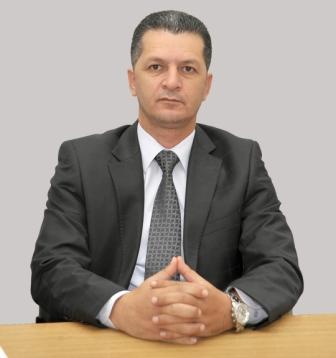 Yousef Saleh Khader合作论文数Department of Public Health, Community Medicine, Faculty of Medicin, Jordan University of Science and Technology39
 JB Jonas合作论文数Medical Faculty Mannheim, Heidelberg University;Institute of Molecular and Clinical Ophthalmology Basel37
 Lalit Dandona合作论文数Department of Health Metrics Sciences, University of Washington;Institute for Health Metrics and Evaluation, University of Washington37
 Christopher J.L. Murray合作论文数School of Public Health, University of Washington;Department of Health Metrics Sciences, School of Medicine, University of Washington;Institute for Health Metrics and Evaluation, University of Washington36
 Rakhi Dandona合作论文数Department of Health Metrics Sciences, University of Washington;Institute for Health Metrics and Evaluation, University of Washington;Public Health Foundation of India35
 G Anil Kumar合作论文数Health Studies Area, Centre for Human Development, Administrative Staff College of India, Hyderabad, India35
 Seung Hun Lee合作论文数Div Endocrinol & Metab, Univ Ulsan34
 Shafiu Mohammed合作论文数Universität Heidelberg, Universität Heidelberg34Walter Mendoza合作论文数32
 Theo Vos合作论文数Department of Health Metrics Sciences, University of Washington;Institute for Health Metrics and Evaluation, University of Washington32
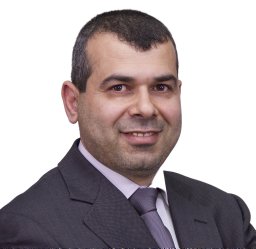 Hamidi Samer合作论文数Hamdan Bin Mohamed Smart University31Hwang Hye Rim合作论文数31
 Chuanhua Yu (宇传华)合作论文数School of Public Health, Wuhan University31Masood Ali Shaikh合作论文数30
 Young-Ho Khang合作论文数Department of Health Policy and Management, College of Medicine, Seoul National University30
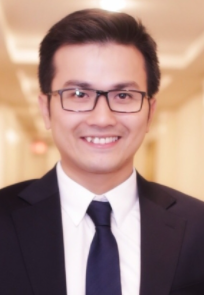 Bach Xuan Tran合作论文数Bloomberg School of Public Health, Johns Hopkins University30Nelson Alvis-Guzman合作论文数29Sawhney Monika合作论文数Marshall University29
 Sadaf G. Sepanlou合作论文数Digestive Diseases Research Institute, Tehran University of Medical Sciences28
 Soewarta Kosen合作论文数28
 Farzadfar Farshad合作论文数Non-Communicable Disease Research Center, Tehran University of Medical Sciences;Shariati Hospital27
 Kasaeian Amir合作论文数Tehran University of Medical Sciences, Tehran University of Medical Sciences27Eun-Ju Park合作论文数Department of Food and Nutrition, Kyungnam University27Maysaa El-Sayed Zaki合作论文数27
 Samath D. Dharmaratne合作论文数Department of Health Metrics Sciences, Institute for Health Metrics and Evaluation, School of Medicine, University of Washington;Department of Community Medicine, Faculty of Medicine, University of Peradeniya, Sri Lanka27
 Jagdish Khubchandani合作论文数Department of Nutrition and Health Science, Ball State University26Catalá-López F合作论文数26
 Butt Zahid A合作论文数Al-Shifa Trust Eye Hospital, Pakistan Institute of Ophthalmology26Vlassov Vasily合作论文数26
 Ted Miller合作论文数Pacific Institute for Research and Evaluation26
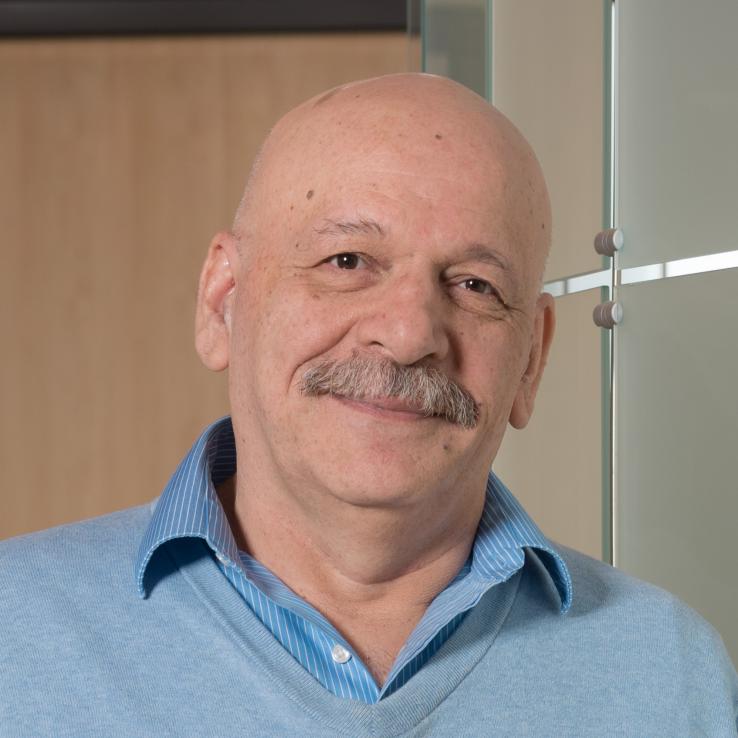 Mohsen Naghavi合作论文数Department of Health Metrics Sciences, University of Washington;Institute for Health Metrics and Evaluation, University of Washington26
 Reza Malekzadeh合作论文数Digestive Disease Research Institute, Tehran University of Medical Sciences;Department of Internal Medicine, Shariati Hospital;Center for Cancer Research, National Institutes of Health;Institute of Medical Sciences, University of Toronto26
 Azeem Majeed合作论文数Department of Primary Care & Public Health, School of Public Health, Imperial College London;Faculty of Medicine, Imperial College London25Ogbo Felix A合作论文数25
 Antonio Carl Abelardo T合作论文数College of Public Health, University of the Philippines Manila25
 Mustafa Z. Younis合作论文数School of Public Health, Jackson State University24
 Jungeun Choi合作论文数Dept Surg, Yeungnam Univ24
 Olagunju Andrew T合作论文数College of Medicine, University of Lagos;Department of Psychiatry, Lagos University Teaching Hospital;University of Lagos, Lagos University Teaching Hospital24
 Ejaz Ahmad Khan合作论文数24




