e23015 Background: Rapid inpatient cancer diagnosis may reduce time to treatment and improve outcomes, particularly among medically complex patients. The Ohio State University (OSU) Comprehensive Cancer Center established an Inpatient Cancer Diagnostic Service (ICDS) for hospitalized patients with suspected new malignancy to expedite diagnosis and treatment. We describe clinical outcomes associated with this inpatient diagnostic care model. Methods: We retrospectively reviewed hospitalized patients evaluated by ICDS between January 1, 2018 and June 30, 2021. Data included pathology, cancer type, time to oncology follow-up, time to treatment initiation, and overall survival (OS). OS was calculated from admission to death, censoring patients alive at last follow-up. Kaplan–Meier and log-rank tests were used. Results: A total of 1,281 patients met inclusion criteria; 252 did not undergo inpatient tissue sampling (192 deferred to outpatient evaluation, 56 declined further workup and enrolled in hospice, and 4 were diagnosed with hepatocellular carcinoma based on imaging and included in the analysis). Inpatient diagnostic evaluation was completed in 1,033 patients (median age 64 years; 57.6% male). Benign pathology was identified in 17.3%. Among patients with cancer (n = 854), gastrointestinal (30.0%) and thoracic (26.6%) malignancies were most common (Table). Hematologic malignancies comprised 7.4%, most commonly lymphoma (41.6%). A total of 552 patients (64.6%) established oncology follow-up at OSU; 474 (55.5%) received cancer-directed therapy at OSU and 201 received treatment outside OSU. Mean time from admission to diagnosis was 6.4 days; among those followed at OSU, mean time to first oncology visit and treatment initiation was 18.7 and 29.3 days. With median follow-up of 4.2 years, patients treated at OSU had improved OS compared with those treated elsewhere (P < 0.001), likely reflecting referral and selection bias at a tertiary cancer center. One-year survival was 59.1% for patients treated at OSU, 31.3% for those treated elsewhere, and 3.1% for patients referred to hospice. Median OS was 1.48, 0.33, and 0.06 years, respectively. Conclusions: The ICDS model facilitated timely diagnosis and oncologic follow-up and was associated with improved survival among patients receiving longitudinal care at OSU. This ICDS model may be scalable to other comprehensive cancer centers. Limitations include retrospective design and potential selection bias among patients receiving care at OSU. Cancer diagnoses. Cancer Type Number, (%) Median OS in Years, (95% CI) Gastrointestinal 260 (30%) 0.44 (0.31-0.60) Thoracic 228 (26.6%) 0.55 (0.40-0.77) Genitourinary 70 (8.2%) 1.04 (0.55-1.71) Head and neck 65 (7.6%) 1.00 (0.54-2.02) Hematologic 64 (7.4%) 3.82 (2.41-NR) Other 61 (7%) 0.87 (0.72-1.44) Unknown primary 53 (6%) 0.13 (0.09-0.21) Breast 37 (4.3%) 1.86 (0.81-3.06) Gynecologic 16 (1.8%) 2.02 (0.50-NR)
Despite recent advances, multiple myeloma remains essentially incurable for most patients, particularly those with high-risk cytogenetics and those whose disease relapses after BCMA-targeting therapies. A novel CD27 CAR_sIL15 NK cell targeting CD70 may offer new hope in this area of urgent, unmet medical need. See related article by Lin et al., p. 234.
Introduction Delays in chimeric antigen receptor (CAR) T-cell infusion may occur following lymphodepleting chemotherapy (LD), but their impact on clinical outcomes in patients with lymphoma, acute lymphoblastic leukemia (ALL), and multiple myeloma (MM) remains unclear. Objectives This study aimed to evaluate the frequency, causes, and clinical impact of delayed CAR T-cell infusion following LD across hematologic malignancies, including effects on toxicity profiles, hospitalization metrics, and treatment outcomes. Methods We conducted a retrospective analysis of 307 patients treated with anti-CD19 CAR T-cell therapies (299 with lymphoma and 8 with ALL) and 93 patients treated with anti-BCMA CAR T-cell therapy for MM. Patient and treatment characteristics were compared between those who received on-time versus delayed (≥ 1 day) CAR T-cell infusion. Statistical analyses assessed associations between infusion timing and outcomes, including length of hospital stay, cytokine release syndrome (CRS), immune effector cell-associated neurotoxicity syndrome (ICANS), objective response rate (ORR), duration of response (DoR), and overall survival (OS). Results Within the lymphoma/ALL cohort, 15 patients (4.9%) experienced a delay in infusion. The primary reason for delay was active infection or a new thrombotic event in 10 of the 15 patients. The median delay was 2 days (range 1–10 days). Patients with delayed infusion had higher absolute lymphocyte counts (ALC) at infusion (p<0.001), greater peak ALC during hospitalization (p<0.001), and longer hospital stays (p<0.001) than patients with on-time infusion (delayed median stay: 17 days, range 7–57; on-time median stay: 10 days, range 0–79). There was no difference in CRS grade (p=0.216), but ICANS grade (p=0.025) was more severe in those with delayed infusion. ORR (p=0.846), DoR (p=0.694), and OS (p=0.594) were similar between groups.In the MM cohort, 5 patients (5.4%) experienced a delay in infusion, primarily due to active infection. The median delay was 1 day (range 1–2 days). At the time of infusion, there were no significant differences in ferritin, ALC, monocyte, or C-reactive protein levels. Hospital length of stay (p=0.967), CRS grade (p=1.0), and ICANS rates (p=1.0) were also similar. ORR was higher in patients receiving on-time infusion (p=0.009), while DoR (p=0.987) and OS (p=0.590) remained comparable. Conclusion These findings suggest that delayed CAR T-cell infusion following LD is associated with increased neurotoxicity in lymphoma and reduced ORR in MM, although long-term outcomes appear unaffected in both populations. Additional studies are needed to better define the clinical impact of delayed CAR T-cell infusion across hematologic malignancies in a broader cohort.
Interferon alfa has activity against multiple myeloma (MM). Modakafusp alfa is an immunocytokine comprising 2 attenuated interferon alfa-2b molecules and an anti-CD38 immunoglobulin G4 antibody, targeting delivery of interferon alfa to CD38-expressing (CD38+) immune and myeloma cells. This phase 1/2 trial enrolled patients with relapsed/refractory multiple myeloma with >= 3 prior lines of treatment and refractory to, or intolerant of, >= 1 proteasome inhibitor and >= 1 immunomodulatory drug. During dose escalation, modakafusp alfa was administered at 10 doses in 4 schedules across 13 cohorts. The primary end point was safety for dose escalation, and overall response rate (ORR) for dose expansion. We enrolled 106 patients who had received a median of 6.5 lines of prior therapy; 84% of patients had myeloma previously refractory to an anti-CD38 antibody. The most feasible dosing schedule was every 4 weeks (Q4W), at which the maximum tolerated dose was 3 mg/kg. Among 30 patients treated at 1.5 mg/kg Q4W, the ORR was 43.3%, with a median duration of response of 15.1 months (95% confidence interval [CI], 7.1-26.1); median progression-free survival was 5.7 months (95% CI, 1.2-14). Grade >= 3 adverse events (AEs) occurred in 28 (93.3%) patients, the most common were neutropenia (66.7%) and throm bocytopenia (46.7%); infections were reported in 8 (26.7%) patients (including grade 3 in 4 [16.7%]). Modakafusp alfa therapy induced upregulation of the type 1 interferon gene signature score, increased CD38 receptor density in CD38+ cells, and innate and adaptive immune cell activation. Modakafusp alfa resulted in antitumor activity and immune activation in patients with MM. AEs were primarily hematologic. This trial was registered at www.clinicaltrials.gov as #NCT03215030.
Current FDA-approved proteasome inhibitor (PI) drugs, such as bortezomib, carfilzomib, and ixazomib, have significantly improved the treatment of multiple myeloma (MM) over the past 20 years. However, due to their associated severe side effects and multidrug resistance developed by many MM patients, treatment typically falters within a year. Although other mechanisms within the ubiquitin-proteasome-dependent protein degradation machinery are targeted to overcome this drug resistance, inhibition of the proteasome itself remains an attractive target. To this end, we report aza-peptide Michael acceptors as a new class of PIs. Peptidyl analogues, such as bortezomib, carfilzomib, and ixazomib, employ chemical warheads at their C-termini, and therefore the peptide backbone engages with the nonprime sites of the substrate binding pocket. Here, we designed 11 aza-peptide Michael acceptors PIs to explore the binding specificities beyond the C-terminus (i.e. at the prime binding sites). Specifically, we utilized tripeptidyl, Cbz-Leu-Leu-ALeu, and tetrapeptidyl, Cbz-HPh-Leu-Phe-ALeu and Mp-HPh-Leu-Phe-ALeu backbone structures to measure specificity. These backbones also included C-terminal extensions incorporating ethyl ester, N-ethyl amide, benzyl ester, N-benzyl amide, or N,N-dibenzyl amide groups. Our top compound, Mp-HPh-Leu-Phe-ALeu-CHCH-CONHBn, is a submicromolar inhibitor of the catalytic ß5 subunit. The selectivity of these inhibitors over other classes of proteases makes them suitable for further development as candidate therapeutic agents to potentially treat multiple myeloma, neurodegenerative disorders, and infectious diseases.
e24037 Background: Patients (pts) with chronic lymphocytic leukemia (CLL), lymphomas (L), and multiple myeloma (MM) are at increased risk of second primary hematological malignancy (SPHM) due to reduced immune surveillance and prior cancer therapies while risk factors and incidence are largely unknown. Methods: We conducted a retrospective chart review of pts with MM, CLL, and L who developed therapy-related acute myeloid leukemia (t-AML) at Ohio State University from 2010-2022. Data collected included patient demographics, initial primary malignancy characteristics and directed therapies, and t-AML characteristics. Results: We identified 34 pts with t-AML with 9 pts with primary MM, 12 pts with CLL, and 13 pts with L prior to SPHM. The median age at AML diagnosis was 68 years (y). The median time to SPHM was shorter for CLL pts (26.3 mo; range: 12.4-73 mo), compared to MM (73 mo; range: 27-103 mo) or L (195.9 mo; range: 79-305 mo). Autologous stem cell transplant was performed in 7/9 (77.8%) MM pts and in 4/13 (30.8%) L pts. One L pt underwent allogeneic stem cell transplant. 6/12 (50%) pts with CLL received chemotherapy with fludarabine and/or cyclophosphamide. All pts with MM were exposed to lenalidomide (median exposure time = 32.5 mo). T-AML was preceded by myelodysplastic syndrome (MDS) in 4/9 (44.4%) pts with MM, in 5/12 (41.7%) pts with CLL, and 10/13 (76.9%) pts with L. IPSS-R scores were > 4.5 (high to very high risk) in all except 3 pts, with similar scores across the groups (MM range: 4.5-6; CLL range: 2-8.5; L range: 1.5-8.5). Time to progression to AML from MDS was short (median MM: 12.2 mo; CLL: 5.1 mo; L: 6.4 mo). Most cases of t-AML (26/34, 76.5%) were classified as adverse risk per the ELN 2022 classification. NPM1 and FLT3 mutations were found only in pts with CLL (4/11, 36.4%, and 2/11, 18.2%); IDH1/2 mutations were rare (4/34, 11.8%), while TP53 mutations were prevalent (AML-L: 9/12, 75%; AML-MM: 4/8, 50%; AML-CLL: 4/10, 40%). Complex karyotypes and/or deletion of chromosomes 5 or 7 were present in 25/32 (78.1%) pts with available data. The median follow-up from primary malignancy diagnosis was 6.4 y for MM, 5.1 y for CLL, and 6.7 y for L. Cytarabine + daunorubicin was used in 1/13 (7.7%) t-AML pts with L, 5/9 (55.5%) pts with MM, and 4/12 (33.3%) pts with CLL. Hypomethylating agent therapy ± venetoclax was the most common alternative across all groups. Overall survival (OS) significantly differed among the groups (L: 81 days, 95% CI:17-144.4; MM: 191 days, 95% CI:0-483.2; CLL: 347 days, 95% CI:82.2-611.8, log-rank p = 0.02). The presence of NPM1 mutations and adverse ELN risk also correlated with OS. Conclusions: In summary, pts with MM, CLL, and L who developed t-AML have a poor prognosis with median OS of less than 1 y. Their disease showed high-risk features, including adverse ELN2022 scores, high prevalence of TP53 mutations and complex karyotype.
AIMS:Aza-peptide aldehydes and ketones were developed as a new class of peptidyl analogues to inhibit the human constitutive (c)20S proteasome as alternative therapeutics to treat multiple myeloma (MM). MATERIAL AND METHODS:Eleven new aza-peptide aldehydes and ketones were designed based on their preference to bind at the ß5 catalytic subunit of c20S proteasome with benzyloxycarbonyl(Cbz)-Leu-Leu-Leu (MG132-like) and morpholinyl(Mp)-Homophenylalanyl(HPh)-Leu-Phe-Leu (Carfilzomib-like) sequences, synthesized, structurally characterized and evaluated for their inhibitory potency in competitive kinetic assays in vitro. Additionally, cell viability assays and molecular modeling experiments were designed and performed in support. RESULTS:Aza-peptide aldehydes and ketones generated inhibitory activity with IC50 values in the µM range when tested at the ß5 catalytic subunit of the human c20S proteasome. Compound 1 was the most potent compound with an IC50 value of 2.3 ± 1.5 µM. When tested for concentration-dependent killing of three multiple myeloma, one leukemic and two normal natural killer (NK) cell lines, two compounds generated mid-µM EC50 values only for the cancer cells after 48 h. CONCLUSIONS:Overall, aza-peptide aldehydes and ketones are a new class of selective human c20S proteasome inhibitors with the potential for further development as alternative therapeutics for multiple myeloma.
Interferon-alpha has activity against multiple myeloma. Modakafusp alfa is an immunocytokine comprising two attenuated interferon-alpha2b molecules and an anti-CD38 IgG4 antibody, targeting delivery of interferon-alpha to CD38+ immune and myeloma cells. This phase I/II trial (NCT03215030) enrolled patients with relapsed/refractory multiple myeloma with ≥3 prior lines of treatment and refractory to or intolerant of ≥1 proteasome inhibitor and ≥1 immunomodulatory drug. During dose escalation, modakafusp alfa was administered at ten doses in four schedules across 13 cohorts. The primary endpoint was safety for dose escalation, and overall response rate for dose expansion. We enrolled 106 patients who had received a median of 6.5 lines of prior therapy; 84% of patients had myeloma previously refractory to an anti-CD38 antibody. The most feasible dosing schedule was every 4 weeks (Q4W), at which the maximum tolerated dose was 3 mg/kg. Among 30 patients treated at 1.5 mg/kg Q4W, the overall response rate was 43.3%, with a median duration of response of 15.1 months (95% CI, 7.1-26.1); median progression-free survival was 5.7 months (95% CI, 1.2-14.0). Grade ≥3 adverse events occurred in 28 (93.3%) patients, the most common were neutropenia (66.7%) and thrombocytopenia (46.7%); infections were reported in 8 (26.7%) patients (including grade 3 in 4 [16.7%]). Modakafusp alfa therapy induced upregulation of the type I interferon gene signature score, increased CD38 receptor density in CD38+ cells, and innate and adaptive immune cell activation. Modakafusp alfa resulted in anti-tumor activity and immune activation in patients with multiple myeloma. Adverse events were primarily hematologic.
Introduction: Couples mutually influence one another's' physical and mental health trajectories, however a cancer diagnosis disrupts that connection. Multiple Myeloma (MM) is an incurable cancer, and patients remain on treatment indefinitely; thus patients and their spousal/partners face substantial long-term challenges including poor physical functioning, frailty, and emotional distress. Both patients and their spouse/partners have increased risk for heightened depressive and anxiety symptoms. Depression in MM patients has been reliably associated with poorer outcomes including greater 1-year post-Autologous Stem Cell Transplant (ASCT) mortality, and worse overall survival. Spouses/partners play a central role in the peri-ASCT preparation and recovery, and thus it is concerning that spouse/partner anxiety and depression often exceed that of patients. Here we examine the extent to which physical function, frailty, HRQoL and psychological distress, are interconnected among MM patients and their spouse/partner, as dyads, before and after MM ASCT. Methods: Dyads (MM patients and spouse/partners) were enrolled in a prospective longitudinal study; assessments were administered prior to and post-ASCT at 90 days and 1 year. Measures included the Fried frailty phenotype, functional impairment [Short Physical Performance Battery (SPPB)], distress (Impact of Event Scale-Revised), depression [Center for Epidemiologic Studies Depression (CES-D)], couples' satisfaction index (CSI-16), spousal strain (MIDUS), self-reported health [Karnofsky Performance Status (KPS) self), PROMIS HRQoL (Global 10, fatigue) were measured. Results: Among dyads (n=62), pre-ASCT discordance in health measures (SPPB, IADL, fatigue, frailty) were evident with concordance among only social support (r=0.37, p=0.04) and self-reported health (KPS self, r=-0.41, p=0.02). Age was associated with lower functional scores [SPPB ß=-0.03 (SE:0.016), p=0.04] and men had greater changes in function peri-transplant [SPPB ß=0.92 (SE:0.329), p<0.01] compared to women. Among MM pts depression symptoms (CES-D) were significantly (p<0.01) associated with frailty (ß=0.05), and HRQoL (PROMIS Fatigue ß=0.61, PROMIS Global ß=-0.44) before and after transplant (not shown). The average distress effect on frailty was significant across groups. However, the distress effect in pts (ß=0.027 (SE: 0.008), p=0.0017) was greater than spouses (ß=0.003 (SE: 0.0096), p=0.77). ] Pre-ASCT, average couple satisfaction effect on self-reported health was significant (p=0.05), however the couple satisfaction effect was greatest in spouses [ß=0.49 (SE:0.121), p=<0.01]. Couples' satisfaction was associated with improved physical function [SPPB ß=0.04 (SE:0.0213), p=0.05] pre-ASCT. Spousal strain impacted fatigue peri-ASCT [pre ASCT ß=4.44, (SE:2.37), p=0.07; post ASCT ß=3.81, (SE:1.83), p=0.05] and frailty only pre-ASCT [ß=0.52, (SE:0.24), p=0.04]. Conclusions: Physical frailty and psychologic distress are interconnected in MM patients and spouses. Importantly, the supportive role of spouse/partners and a couples' perceived relationship health also impact MM ASCT recovery. Targeting programs for physical and emotional survivorship are imperative for both MM patient and spouse/partners.
Introduction: Compared to age-matched individuals, patients with MM are at greater risk of developing a second primary hematological malignancy (SPHM). Clonal hematopoiesis (CH) is associated with greater risk of SPHM, especially myeloid neoplasms (MN; acute myeloid leukemia-AML, or myelodysplastic neoplasms-MDS), while its role in acute lymphoblastic leukemias (ALL), is less explored. Lenalidomide (LEN) exposure or autologous stem cell transplantation (ASCT) could potentially increase the risk of SPHM; however, it is unclear whether they can also exacerbate or induce CH. In this study, we characterized patients with MM who developed SPHM at our institution. Methods: We performed a retrospective chart review of patients with MM who developed a SPHM, focusing on ALL or MN, between the years of 2001-2020. We collected information on patient demographics, initial myeloma characteristics, MM-directed therapies, with specific focus on exposure to LEN or ASCT, and SPHM characteristics. Results: We identified 28 patients who developed SPHM after treatment for MM, including 14 patients with MN (9 AML, and 5 MDS), and 14 patients with B cell precursor ALL. The median age of MM diagnosis was 62 years; most patients were male (68%), White (89%), and had ISS stage I-II (71%). 26/28 patients underwent ASCT, and 27/28 patients received LEN maintenance after induction (median time on LEN = 39 months, range: 1.9-119 months). The median time to SPHM from MM was 75 months (range: 27-177 months), while median time to SPHM from first ASCT was 66.3 months (range: 22.6-131 months). Median age of MN diagnosis was 69 years and median age of ALL diagnosis was 67 years. Median time to transformation from MM was 82.8 months for MN and 63 months for ALL (p = 0.25), while median time to transformation from ASCT was 77 months for MN and 55.7 for ALL (p = 0.047). Exposure to LEN was longer in patients with ALL, despite quicker transformation time (median ALL: 45.8 months, range: 30-119; AML: 32 months, range 1.84-80 months). Among the 14 patients with MN, 2 patients had MDS morphologically defined, 3 had MDS with defining genetic abnormalities (either TP53 biallelic or SF3B1 mutations); 4 patients were diagnosed with MDS with high/intermediate IPSS-R scoring and rapidly progressed to AML (median time from MDS to AML: 9 months, range: 7.3-15.9), and 5 patients developed AML with either TP53 mutations or myelodysplasia-associated changes. Regarding patients with ALL, no cases of Ph-positive ALL were noted, one patient had Ph-like ALL, secondary to NRAS mutations, 3 patients had B-ALL with hypodiploidy (2 cases of Low-haploid-ALL, with biallelic TP53 mutations), and one patient had B-ALL with hyperdiploidy. Other poor prognostic features for ALL included age >55 (13/14, 93%), CD20 positive disease (10/14, 71%), and WBC >30,000 at presentation (2/14, 14%). Median overall survival was 0.5 years for AML and 2.8 years for ALL. At time of ALL or MN diagnosis, the most frequent CH-associated mutations were TP53 (47.4%), DNMT3A (26.3%), RUNX1 (21%), ASXL1/SF3B1/NRAS (10.5%), with some mutations being seen only in ALL patients (e.g. STAT6 or IRF8 genes) or AML patients (RUNX1). All patients except 2 had >1 mutations. Conclusion: We report our experience of patients with MM who developed SPHM after a median time from MM diagnosis of 6.2 years. Most of these patients were exposed to LEN and underwent ASCT. SPHMs was commonly associated with poor prognostic features including age, TP53 mutations, hypodiploidy, or complex karyotype. Median OS remained very poor for both patients with ALL and AML. We are currently investigating apheresis and bone marrow samples of 10 patients obtained before their AML/ALL diagnoses to evaluate when these mutations occurred. We acknowledge the support of the Mason Fisher grant for this project.
7571 Background: Cytogenetic abnormalities in multiple myeloma (MM) highly influence the disease course, response to treatment and survival. Trisomies and immunoglobulin H chain translocations are primary CA while del(17p), gain(1q), del(1p) among others are secondary CA. Gain (3 copies) and amplification (>3 copies) 1q have been recognized as adverse prognostic markers and incorporated into the second revision of the International Staging System (R2-ISS). However, the role of del(1p) is less well defined, especially in the era of novel therapies. We aimed to analyze the outcomes of newly diagnosed MM (NDMM) patients with chromosome 1 abnormalities, mainly del 1p, treated with autologous stem cell transplant (ASCT) consolidation at our institution. Methods: We conducted a retrospective study of all NDMM patients who were treated with ASCT from 1/1/2015-2/13/2019 (n=511). High-risk cytogenetics (HRC) were defined by the presence of del(17p), t(4;14), or t(14;16) similar to R-ISS; standard-risk cytogenetics (SRC) were defined as the absence of HRC. Modified HR cytogenetics (mHRC) included gain/amp 1q and/or t(14;20) in addition to HRC, while ultra high-risk (uHRC) included 2 or more mHRC CA. Results: Of 511 pts transplanted, 453 had cytogenetic data at the time of diagnosis. SRC were seen in 353 pts (77.9%), while 100 (22.1%) had HRC, 156 (34.4%) had mHRC, and 43 (9.5%) had uHRC. Thirty-two (7.1%) pts had del(1p) while 105 (23.2%) had gain 1q and 30 (6.6%) had amplification 1q. As expected, compared to SRC pts, pts with HRC, mHRC and uHRC had higher risk of relapse or death. Patients with gain and amp 1q had inferior outcomes in terms of progression-free survival (PFS) (HR 1.35; 95% CI 1.06-1.73, p=0.016), time to next treatment (TTNT) (HR 1.84; 95% CI 1.40-2.42, p<0.001) and overall survival (OS) (HR 1.47; 95% CI 1.06-2.02, p=0.02) compared to those without, consistent with published literature. The median PFS, TTNT and OS from ASCT in pts with gain/amp 1q were 3.17 years (y), 3.95y and 7.13y, respectively, compared to 4.01y, 7.60y and 8.21y in pts without gain/amp 1q. Pts with del(1p) had inferior PFS (median 2.43y versus 3.98y; HR 1.75; 95% CI 1.16-2.64, p=0.008), TTNT (median 2.72y versus 6.17y; HR 1.96; 95% CI 1.22-3.14, p=0.005) and OS (median 4.11y versus 8.38y; HR 2.19; 95% CI 1.34-3.58, p=0.002) from the time of ASCT compared to those without del(1p). Conclusions: In our study of NDMM patients that underwent AHCT, del(1p) at diagnosis was an independent predictor of shorter PFS, TTNT and OS. Despite induction therapy involving novel drugs and ASCT consolidation, patients with del(1p) at diagnosis continue to have inferior outcomes. Larger analyses are needed to validate the prognostic value of del(1p) and investigate its role in predicting outcomes in MM.
e19528 Background: Salvage autologous stem cell transplantation (ASCT) is an effective and feasible treatment option for patients with relapsed multiple myeloma (MM). It is standard practice to collect stem cells adequate for two transplants for ASCT eligible patients with newly diagnosed MM (NDMM). Stem cell collection is an expensive procedure due to the cost of granulocyte-colony stimulating factor, plerixafor, apheresis, chemotherapy in select cases and finally cryopreservation. However, the rate of utilization of second ASCT is not known. Methods: We conducted a single institution, retrospective study of 511 consecutive patients with NDMM who underwent ASCT to identify the proportion of patients receiving second ASCT. Patients received ASCT as front-line therapy between 1/1/2015-2/13/2019. Demographic and disease characteristics were summarized using median and range for continuous variables, and frequency and percentages were calculated for categorical variables. The cumulative incidence of second ASCT was estimated using the Fine and Gray method, and competing risk regression models were used to estimate the hazard ratios for risk of second ASCT. All statistical tests were two-sided with a type 1 error of < 0.05 indicating statistical significance. All estimates were reported with 95% confidence intervals (95% CI). Results: At a median follow-up of 4.7 years, 25 out of 511 patients received a second ASCT. The cumulative incidence rate at 5 years was 2.6% (95% CI 1.4-4.4%).Age at diagnosis, age at first ASCT and Charlson comorbidity index (CMI) were significantly associated with the risk of second ASCT in univariable analysis (UVA). In multivariable analysis (MVA) age at first ASCT was the only factor that was predictive of a second ASCT. We devised a predictive score for utilization of second ASCT using hazard ratios for each of the three significant factors noted in the UVA. Scoring was done as follows: age < 65 years – 1 point, > 65 years – 7 points; 1 point for CMI 0-1, 2 points for CMI 2 or higher; serum creatinine ≤1.2 – 1 point, > 1.2 – 3 points. Based on the total score, patients are grouped into low ( < = 3), medium (4-6) and high (7+) likelihood categories, with cumulative incidence rates of receiving second ASCT at 4.0% (95% CI: 1.3-9.1%), 3.4% (95% CI 1.4-7.0%) and 0.6% (95% CI 0.1-3.1%) respectively. Patients older than 65 years were 87% less likely to receive a second ASCT compared with those younger than 65 years (HR = 0.13, 95% CI 0.02-0.98). Conclusions: Using this predictive score, goal of stem cell collection for patients with MM could be determined more efficiently. This could avoid extra days of apheresis, chemo mobilization, hospitalizations and need for cryopreservation at least for patients with a low likelihood of second ASCT, translating into cost effective utilization of resources. We plan to validate this score prospectively in a larger group of patients with NDMM undergoing ASCT in the future.
Introduction: Teclistamab is a bispecific B-cell maturation antigen (BCMA)-CD3 directed T-cell antibody recently FDA approved for treatment of relapsed or refractory multiple myeloma (RRMM). Viral infections have been reported as a common complication of teclistimab. Here we report the incidence, treatment and clinical sequelae of patients with teclistamab-associated Cytomegalovirus (CMV) DNAemia. Methods: We identified 48 patients who received teclistamab for RRMM between January 2023 and May 2024 at our institution. CMV PCR and serology were tested in 23 patients which were included in this analysis. Cytokine release syndrome (CRS), immune effector cell-associated neurotoxicity syndrome (ICANS), hematological, and infective complication rates were analyzed, together with specific variables associated with CMV reactivation. Results: The median age was 73 (range: 49-83) years, with most patients being male (13/23, 56.5%) and non-Hispanic white (19/23, 82.6%). High-risk chromosomal abnormalities were present in 10/23 (43.5%) of patients. Median number of prior lines of therapy was 6 (range: 4-17), with teclistamab given at a median of 4.8 years from MM diagnosis (range 1.1-16.7 years). All patients received step-up dosing inpatient and no prophylactic tocilizumab was given. 12/23 (52.2%) patients had CRS (max grade 2), and 5/23 (21.7%) patients had ICANS. Tocilizumab was given to 9/23 (39.1%) patients, while steroids were given to 3/23 patients (13.0%). Anemia grade 3 or more occurred in 5/23 patients (21.7%), thrombocytopenia grade 3 or more occurred in 4/23 patients (17.4%), and lymphopenia grade 3 or more occurred in 21/23 patients (91.3%) while on treatment. CMV DNAemia by PCR (>500 copies IU/mL) was detected in 12/23 (52.2%) patients (median: 2295.5, range: 653-165,000 copies IU/mL), with 10 patients having >1,000 copies IU/mL and three patients having >10,000 copies IU/mL. Median number of CMV PCR tests was 9 (range: 1-27), with a median positive CMV PCR of 6.5. Median time to CMV reactivation was 54 days (range: 28-123 days). Median lowest absolute lymphocyte count (ALC) at any point was 195/microL (range: 50-590/ microL), while it was 1280 microL (range: 220-4370/ microL) at time of reactivation, with only 3 patients having ALC <500. Symptoms, including fatigue, liver function abnormalities, fevers, leukopenia, or thrombocytopenia were present in 9/12 (75%) patients. CMV syndrome occurred in 5/12 patients (42%) and one patient (8%) had possible CMV colitis. No differences in terms of race, gender, cytogenetic risk, ISS stage, or number of prior lines of therapy were noted between patients with or without CMV reactivation. Onset of CRS or ICANS and use of tocilizumab was not associated with increased risk of CMV reactivation, while steroids increased the risk but in a non-statistical way (0% versus 25%). Rates of grade 3 anemia, thrombocytopenia, lymphopenias, and hypogammaglobulinemia were similar among the two groups, as well as the use of intravenous immunoglobulin. No differences in terms of C-reactive protein, ferritin, or lowest ALC values were noted among the two groups; IgG seropositivity was borderline significant (p = 0.06). Interestingly patients with CMV reactivation also were more prone to other types of infections (67% versus 27%), indicating an overall alteration of the immune response. The percentage of patients achieving a partial response or better was lower in patients with CMV reactivation but not statistically significant (82% versus 58%, p = 0.37). Progression-free survival was not different, but overall survival was shorter in patients with CMV reactivation (p = 0.046), due to toxicities, disease progression, or infections. Oral valganciclovir was started in 11/12 patients; a patient with only one CMV PCR test was not treated but also discontinued teclistamab. Median time for clearance was 26 days (range: 21- 43 days). Three patients died before clearing their CMV DNAemia due to disease progression, and one patient had intermittent clearance. Conclusions: CMV reactivation seems to be common with teclistamab use regardless of the CMV serostatus or symptoms. These CMV reactivations can be clinically relevant, with patients presenting with symptoms ranging from fevers to leukopenia to potential CMV colitis. This has prompted us to implement a prospective CMV surveillance algorithm to assess burden of infection and ensure early intervention as needed.
Background: Plasma cell dyscrasias are clonal proliferation of plasma cells (PC), resulting in a spectrum of clinical conditions, ranging from the asymptomatic presence of a monoclonal protein in the blood to symptomatic disease with organ damage. Usually, multiple myeloma (MM) cells remain in the bone marrow (BM) and rely on the support of the BM to survive. However, MM cells can also become independent from the BM, leading to systemic dissemination. These more aggressive forms of plasma cell dyscrasias are called plasma cell leukemias (PCL). PCL is referred to as ‘primary’ when the leukemic phase presents at diagnosis (pPCL), or ‘secondary’ when leukemic progression occurs in the context of preexisting MM (sPCL). In this abstract, we analyze the differences between pPCL and sPCL, investigating prognostic factors, immunophenotypes, therapeutic trends, and outcomes. Methods: Medical records of all adult patients seen at our center between January 2010 and November 2023 with a diagnosis of PCL were reviewed, after approval from the Ohio State University Institutional Review Board. PCL was defined as the presence of plasma cell ≥5% of the peripheral total white blood cell count or an absolute plasma cell count of ≥2 × 10⁹/L. We assessed disease characteristics, treatment types, and prognostic outcomes. Kaplan-Meier method was used to estimate survival outcomes, and the groups were compared using the log-rank test. Survival time was calculated from the date of diagnosis or transformation (progression to sPCL) to last known visit, or death. Cox regression model was used to identify prognostic factors for overall survival (OS). Results: In our institutional registry, we identified 25 patients (pts) with pPCL and 19 pts with sPCL. Among those who progressed, median time of progression to sPCL was 42.8 months (range: 9-119.2). Median age at diagnosis was 56 years (range: 35-80) for pPCL and 67 years (range: 40-83) for sPCL; no difference in terms of gender, race, myeloma type, or cytogenetic risk was noted. While the percentage of circulating PCs was comparable in the two groups (26% versus 38%), the median LDH values were higher in pts with sPCL (median LDH in pPCL: 278 U/L, range: 108-2718; median LDH in sPCL: 530 U/L, range: 145-3232; p = 0.008), to indicate rapid disease kinetics. In terms of immunophenotype of the MM cells, median CD56 clone size was higher in sPCL compared with pPCL (sPCL = 46.3%; pPCL = 24.7%), while median CD38 and CD28 clone sizes were lower (CD38: sPCL = 74%; pPCL = 98%; CD28: sPCL = 9.3%; pPCL = 27%). As initial therapy, 16/25 (64%) pts with pPCL received a bortezomib-lenalidomide-dexamethasone (VRD) or carfilzomib-lenalidomide-dexamethasone (KRD) regimen, 6/25 (24%) received CyBorD, and 3/25 (12%) received VD-PACE. Induction therapy was followed by autologous stem cell transplant in 11/25 pts. 3 of these 11 pts also underwent allogeneic stem cell transplant at relapse. In contrast, pts with sPCL were already heavily pre-treated at time of transformation (median prior lines: 5, range: 1-12). 8/19 of them did not receive treatment and succumbed to progressive disease. The other 11 pts received a chemotherapy-based regimen (4/11, 36%), a carfilzomib-based regime (5/11, 45%), or an anti-CD38 antibody-based regimen (2/11, 19%). The median OS for all pts was 6.9 months (95% CI: 3.1-21.6), with pPCL having a significantly longer median OS of 26.0 months (95% CI: 14.8-NR) compared to sPCL's 1.6 months (95% CI: 0.5-4.4) (p < 0.001). The 1-year OS estimates for pPCL and sPCL were 67% (95% CI: 51-89) and 5% (95% CI: 1-35), respectively.Variables associated with an inferior OS in both the univariable and multivariable analysis were the presence of sPCL, 1q+, and LDH values at presentation. Conclusions: The introduction of novel therapies has overall improved the outcomes of pts with PCLs; however, their OS remains inferior compared to pts with MM. In addition, the prognosis of pts with sPCL is particularly poor with a median OS of 1.6 months compared to 26.4 months for pts with pPCL. Except for differences in LDH levels, rates of 1q+, and immunophenotype of MM cells, no other differences were noted between pPCL and sPCL, to suggest that the more aggressive features and resistance to therapies of sPCL is not accounted by standard prognostic scoring. Further studies using whole-exome sequencing, RNA-sequencing, and CITE-sequencing will be helpful to further understand the biological differences between pPCL and sPCL.
Multiple myeloma (MM) cells effectively escape anti-tumoral immunity to survive in the tumor microenvironment (TME). Herein, we identify non-classical major histocompatibility complex (MHC) class I molecule HLA-E as a major contributing factor in immune escape. Clinically, HLA-E expression correlates with aggressive disease features such as t(4;14) and CD56 expression and is induced by IFN-gamma (IFN-γ) in the TME. We discovered that HLA-E is regulated by cAMP responsive element binding protein 1 (CREB1) transcription factor by direct promoter binding; genomic and pharmacological inhibition of CREB1 reduced HLA-E levels even in the presence of IFN-γ or IFN-γ activating agents, such as immunomodulatory drugs and panobinostat. HLA-E binds to natural killer group 2A (NKG2A), delivering an inhibitor signal to natural killer (NK) cells. Treatment with a CREB1 inhibitor was able to restore NK cell-mediated cytotoxicity against MM cell lines and patient samples. In conclusion, our results strongly demonstrate that CREB1 inhibition promotes anti-tumoral immunity in MM by limiting HLA-E expression and enhancing the activity of NK cells.
Background—Autologous stem cell transplant (ASCT) is integral to the treatment of multiple myeloma (MM), although its absolute necessity in first remission has been recently questioned. We report real-world factors that influence clinical decision-making and outcomes from ASCT in 733 patients with MM. Results—Similar to recent prospective data, we found a significant progression-free survival (PFS) benefit with early versus deferred ASCT (median PFS of 5.1 years versus 2.6 years, p < 0.001); however, there was no significant difference in overall survival (median OS of 8.3 years and 8.6 years, p = 0.21). Patient preference, age, marital status, body mass index, and comorbidities influence ASCT timing. Conclusion—These findings highlight the emerging role of an individualized, shared decision-making model regarding the timing of ASCT between patients and physicians with the myriad of treatment options available in the contemporary era.
Introduction-Chronic graft-versus-host disease (cGVHD) poses as a major late complication of hematopoietic stem cell transplantation. The role of cGVHD as a determinant in transplant-related morbidity and mortality, infectious complications, prolonged immune suppression, and impaired patient-reported quality of life has been extensively studied. Nonetheless, numerous advances in allogeneic hematopoietic stem cell transplant (allo-SCT) in recent years have expanded the indications for allo-SCT to a broader range of patients, including previously excluded older patients. However, long-term health status of older transplant recipients is poorly studied. Notably, the incidence of cGVHD may increase with age. Therefore, the development of cGVHD and the use of immunosuppressive therapy may lead to a higher degree of non-relapse mortality (NRM) in older patients. The objective of this study was to compare the NRM in both younger and older transplant recipients with and without cGVHD. Methods-We performed a retrospective cohort study of patients that underwent allo-SCT at the Ohio State University from 1999 to 2018. Data was analyzed from 1194 patients who survived or have been followed up with by at least day (d) 180 post-transplantation, among which 373 patients had developed cGVHD. Patients were grouped based on their age into a younger and older population. The older population was defined as ≥60 (N=373, 31%) with the younger population defined as <60 (N=821, 69%) years (yr) of age. NRM was defined as death unrelated to relapse, with relapsed mortality as a competing risk. A landmark analysis approach was used to study the association between the age groups to NRM, stratified by whether or not patients had developed cGVHD by d180. Fine and Gray competing risk model was used to build the multivariable regression model controlling for confounding variables, such as gender, donor type, donor source, conditioning regimen, and diagnosis. Results-The median age at allo-SCT was 53.0 yr (range: 18-76) and 61.1% were male. Acute myeloid leukemia accounted for 36.7% of transplants, followed by non-Hodgkin's lymphoma (14.8%), acute lymphoid leukemia (12.7%), and myelodysplastic syndrome (11.0%). Additionally, 58.0% received reduced-intensity conditioning regimen. The majority of stem cell donor types were match unrelated (45.3%) and match related (39.8%). Patients who had developed cGVHD by d180, regardless of age, were at higher risk of NRM compared to patients with no cGVHD (hazard ratio [HR]: 1.52, 95% confidence interval [CI]: 1.16-1.99; p=0.002). To examine the influence of age with NRM, we stratified the analysis by cGVHD status by d180. Among patients developed cGVHD by d180, in both univariable (HR 1.22, 95% CI 0.79-1.9, p=0.373) and multivariable analysis (HR: 1.17, 95% CI: 0.74-1.87; p=0.501), there was no statistically significant difference in NRM between patients ≥60 and <60 yr of age. Among patients without cGVHD by day 180, age ≥60 yr was a significant factor for increased NRM in both univariable (HR: 1.52, 95% CI 1.08-2.15; p=0.017) and multivariable (HR: 1.55, 95% CI: 1.04-2.30; p=0.031) analysis. Conclusion-This study showed that patients with cGVHD by day 180 were at higher risk for higher NRM compared to patients without cGVHD. Among cGVHD patients, there was no difference on the outcome of older patients (≥60 years old) compared to younger ones (<60 years old). This suggests that cGVHD therapy is equally tolerable among different age groups. Disclosures Chaudhry: Sanofi: Consultancy, Membership on an entity's Board of Directors or advisory committees. Bumma:Sanofi: Speakers Bureau; Amgen: Speakers Bureau. Khan:Amgen: Consultancy; Janssen: Consultancy. Devarakonda:Janssen: Consultancy. Vasu:Kiadis Inc: Other: Kiadis has obtained exclusive licensing requirements from The OHio State University; Janssen: Membership on an entity's Board of Directors or advisory committees; Omeros: Membership on an entity's Board of Directors or advisory committees. Jaglowski:Novartis: Consultancy, Research Funding; Juno: Consultancy; Kite, a Gilead Company: Consultancy, Research Funding; CRISPR: Consultancy. William:Celgene: Consultancy, Honoraria; Dova: Research Funding; Guidepoint Global: Consultancy; Merck: Research Funding; Kyowa Kirin: Consultancy, Honoraria; Seattle Genetics: Research Funding; Incyte: Research Funding. Mims:Syndax Pharmaceuticals: Membership on an entity's Board of Directors or advisory committees; Jazz Pharmaceuticals: Other: Data Safety Monitoring Board; Abbvie: Membership on an entity's Board of Directors or advisory committees; Kura Oncology: Membership on an entity's Board of Directors or advisory committees; Leukemia and Lymphoma Society: Other: Senior Medical Director for Beat AML Study; Novartis: Speakers Bureau; Agios: Consultancy. Brammer:Bristol-Myers Squibb: Research Funding; Celgene: Research Funding; Seattle Genetics: Honoraria, Speakers Bureau; Kymera: Honoraria; Verastem Oncology: Other: Travel. Saad:Magenta Therapeutics: Other: Personal Fees; Incyte Pharmaceuticals: Other: Personal Fees; Amgen: Other: research support; Kadmon: Other: research support; Orcabio: Other: research support. Efebera:Takeda: Honoraria, Speakers Bureau; Pharmacyclics: Research Funding; Celgene: Research Funding; Ohio State University: Current Employment.
Introduction: Autologous Stem cell transplantation (ASCT) is the standard of care for patients (pts) newly diagnosed with Multiple Myeloma (MM). However, inequalities exist in ASCT utilization: older adults, Black pts, rural/community residing, and individuals with low socioeconomic status are among the least likely to receive a transplant for MM. Data report that older adults receive a ASCT only 9-18% of the time while Non-Hispanic Black pts receive a transplant half as often as Non-Hispanic White pts. Geographic location impacts the receipt of ASCT, and little is known about the Appalachian (central and southern sections of the Appalachian mountain region in eastern United States) population with MM, the majority of whom, live in rural areas. Differential access to transplant adversely impacts the outcomes of MM in these vulnerable populations. To increase transplant accessibility, we piloted a virtual ASCT consultative program to understand barriers and create accessibility at a center serving metropolitan, rural, and Appalachian communities, and to meet the needs of Black pt populations with MM. Methods: We conducted a single-institution prospective pilot study to identify barriers and increase access by implementing pt navigation and a virtual health consultation with MM transplant physicians. Participants were approached who were either age 65 years or older, self-identified as Black, or residing in a rural or Appalachian community. Rural-Urban Continuum Codes (RUCC) were used to classify residing counties as metropolitan (RUCC code 1-3) or nonmetropolitan (RUCC code 4-9). Appalachian counties were coded according to the 2020 Ohio Department of Development, Office of Research. Pts demographics and disease/treatment characteristics were collated. Pts or physician could elect to see in-person, in lieu of virtual consultation, at any point. Standardized Geriatric Assessment measures and Health Related Quality of Life (HRQoL) (PROMIS Global 10) were summarized using the median and range, or frequency and percentage depending on data type, and were compared between pts living in metro vs non-metro, and Appalachian area vs non-Appalachian area, and by race using the Mann-Whitney test or Fisher's exact test. Results: In total, 35 pts were consented, 33 were included in analysis (excluded, n=1 no access to internet, n=1 Smoldering MM). The median age was 68 (range 51-82), 23 (69%) were male and 5 (15%) pts were Black. Geo-demographically, pts were non-metropolitan n=14 (42%) and 5 (15%) were from an Appalachian area. High risk MM disease and stage were similar across groups (race, geography, rurality). In total, 24 pts were eligible for ASCT and 6 pts were ineligible. Pre-ASCT evaluation was done virtually for 18 pts and in-person for 17 pts. Seven pts declined ASCT, 2 collected and stored stem cells, and 15 pts proceeded to ASCT. Pts who underwent ASCT were younger (65 yo. vs. 71.5 yo., p=0.04), more likely to be employed (50% vs. 5.9%, p=0.01), had lower number of comorbidities (median 4 vs. 8, p=0.02) and less medications (median 9 vs. 11, p=0.04). Compared to non-metropolitan pts, more metropolitan pts received triplet regimen including bortezomib/lenalidomide/dexamethasone (VRD) (14 vs. 5, p=0.02), had higher Self-Reported KPS (90 vs. 75, p=0.007) while physician KPS and ASCT utilization were no different between the groups. Pts from Appalachian regions were more likely to be current/former smokers (p=0.025) and were less likely to receive quadruplet induction regimens (1 vs. 6, p=0.029), in this limited analysis. Among the entire cohort, Black pts with MM had younger, median age 59 (51-71), p=0.03, but there were no differences by gender, rurality, disease, treatment, ASCT receipt, performance status or comorbidities. There were no differences in HRQoL among pts by transplant status, geographical area, or race. Social support/activities, marital status, mental health, IADL, and religiousness or spirituality were also found to be similar among pt groups studied. Conclusion: In this pilot program, the use of pt navigation and virtual consultation are potential strategies to minimize pt travel and simplify healthcare access to MM transplant expertise. Ultimately, MM care is increasingly complex and providing alternative models, via virtual consult, to improve access to underserved and vulnerable populations is an unmet area of need in the MM community.
Despite substantial recent advances in treatment, multiple myeloma (MM) remains an incurable disease, with a shortage of treatment options for patients with high-risk disease, warranting the need for novel therapeutic targets and treatment approaches. Threonine and tyrosine kinase (TTK), also known as monopolar spindle 1 (MPS1), is a kinase essential for the mitotic spindle checkpoint whose expression correlates to unfavorable prognosis in several cancers. Here, we report the importance of TTK in MM, and the effects of the TTK inhibitor OSU-13. Elevated TTK expression correlated with amplification/ gain of 1q21 and decreased overall and event-free survival in MM. Treatment with OSU-13 inhibited TTK activity efficiently and selectively at a similar concentration range to other TTK inhibitor clinical candidates. OSU-13 reduced proliferation and viability of primary human MM cells and cell lines, especially those with high 1q21 copy numbers, and triggered apoptosis through caspase 3 and 7 activation. In addition, OSU-13 induced DNA damage and severe defects in chromosome alignment and segregation, generating aneuploidy. In vivo, OSU-13 decreased tumor growth in mice with NCI-H929 xenografts. Collectively, our findings reveal that inhibiting TTK with OSU-13 is a potential therapeutic strategy for MM, particularly for a subset of high-risk patients with poor outcome.
 Yvonne A Efebera合作论文数OhioHealth122
 Craig C. Hofmeister合作论文数Winship Cancer Institute, Emory University107
 Rosko Ashley合作论文数Department of Medicine, Case Western Reserve University89
 Steven Devine合作论文数Be The Match BioTherapies73Sam Penza合作论文数61Patrick Elder合作论文数59
 Samantha Jaglowski合作论文数Division of Hematology and Oncology, Department of Medicine, Medical College of Wisconsin;Center for International Blood and Marrow Transplant Research, Medical College of Wisconsin;The Ohio State University56
 Naresh Bumma合作论文数Department of Internal Medicine, The Ohio State University Comprehensive Cancer Center55
 Srinivas Devarakonda合作论文数Department of Internal Medicine, The Ohio State University Comprehensive Cancer Center55Qiuhong Zhao合作论文数55Sharma Nidhi合作论文数55
 John C. Byrd合作论文数College of Medicine, University of Cincinnati51
 Sumithira Vasu合作论文数51
 Michael Caligiuri合作论文数Division of Leukemia, Department of Hematology & Hematopoietic Cell Transplantation, City of Hope National Medical Center48Abdullah Khan合作论文数44Cottini Francesca合作论文数44Maria Chaudhry合作论文数37
 Leslie Andritsos合作论文数Division of Hematology/Oncology, Department of Internal Medicine, University of New Mexico37Jianhua Yu合作论文数28William Blum合作论文数28Tiffany Hughes合作论文数26
 William Basem M合作论文数University Hospitals Seidman Cancer Center, Case Western Reserve University25
 Robert A Baiocchi合作论文数23Sarah A Wall合作论文数23Gerard Lozanski合作论文数23Rebecca B. Klisovic合作论文数23
 Jonathan Brammer合作论文数21Elvira Umyarova合作论文数21Hannah Choe合作论文数19Mims Alice S合作论文数Hollings Cancer Center, Medical University of South Carolina19
 Larkin Karilyn M合作论文数19Pierluigi Porcu合作论文数19
 Susan Geyer合作论文数Manager, Central processing19Nita Williams合作论文数19
 Flavia Pichiorri合作论文数18Courtney Bakan合作论文数17Grieselhuber N R合作论文数Department of Medicine, Washington University School of Medicine17
 Guido Marcucci合作论文数Department of Hematologic Malignancies Translational Science, City of Hope;Division of Leukemia, City of Hope;Gehr Family Center for Leukemia Research, City of Hope17
 Douglas W. Sborov合作论文数Hematology Disease Center, Huntsman Cancer Institute, University of Utah16
 Ayman Saad合作论文数15Jianying Zhang合作论文数15Bingman Anissa合作论文数15
 Steven Coutre合作论文数Medicine Department, Stanford University15
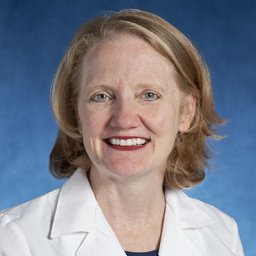 Nina Wagner-Johnston合作论文数The Sidney Kimmel Comprehensive Cancer Center, Johns Hopkins University;School of Medicine, Johns Hopkins University15
 Kristie Blum合作论文数Winship Cancer Institute, Emory University;Department of Hematology and Medical Oncology, School of Medicine, Emory University14
 Stephen E.F. Spurgeon合作论文数School of Medicine, Oregon Health & Science University14
 Jennifer R. Brown合作论文数CLL Center, Division of Hematologic Malignancies, Dana-Farber Cancer Institute;Harvard Medical School14
 Sherif S. Farag合作论文数School of Medicine, Indiana University14
 Richard R Furman合作论文数Joan and Sanford I. Weill Department of Medicine, Weill Cornell Medicine, Cornell University13




