It is widely accepted that the representation of the body is not fixed and immutable, but rather flexible and constantly updated based on a continuous stream of multisensory information. This mechanism can be very useful to adapt to several situations, but it would not be adaptive if the body representation was too malleable or if it wasn’t capable of restoring its integrity after a transient modification. Here we used the Rubber Hand Illusion (RHI) to investigate how quickly the body representation can be modified. Previous studies have investigated the timing of the onset and offset of the illusion, however, they did not assess a fine temporal resolution. Here, we used a potentiometer to record a moment-by-moment rating of the feeling of owning the RH for two minutes during the visuo-tactile stimulation and two minutes following the stimulation. Our results suggest that the feeling of Ownership is already established during the first 19 s of stimulation then it continues to grow, but at a much slower pace. The feeling of Ownership disappears within 66 s from the end of the stimulation. This work sheds new light on the temporal dynamics of the RHI and the malleability of the body self-consciousness.
Body representations are known to be dynamically modulated or extended through tool use. Here, we review findings that demonstrate the importance of a user's tool experience or expertise for successful tool embodiment. Examining expert tool users, such as individuals who use tools in professional sports, people who use chopsticks at every meal, or spinal injury patients who use a wheelchair daily, offers new insights into the role of expertise in tool embodiment: Not only does tool embodiment differ between novices and experts, but experts may experience enhanced changes to their body representation when interacting with their own, personal tool. The findings reviewed herein reveal the importance of assessing tool skill in future studies of tool embodiment.
The embodiment of tools and rubber hands is believed to involve the modification of two separate body representations: the body schema and the body image, respectively. It is thought that tools extend the capabilities of the body’s action schema, whereas prosthetics like rubber hands are incorporated into the body image itself. Contrary to this dichotomy, recent research demonstrated that chopsticks can be embodied perceptually during a modified version of the rubber hand illusion (RHI) in which tools are held by the rubber hand and by the participant. In the present research, two experiments examined tool morpho-functional (tool output affordance, e.g., precision grasping) and sensorimotor (tool input, e.g., precision grip) match as a mechanism for this tool-use dependent change to the body image. Proprioceptive drift in the RHI occurred when the tool’s output and the user’s input matched, but not when this match was absent. This suggests that this factor may be necessary for tools to interact with the body image in the RHI.
Natural environments are typically judged to be more restorative than built environments in terms of fostering recovery from stress or buffering against resource depletion. But this comparison tends to be categorical – nature versus built environments – and consequently, questions remain regarding the restorative potential of environments that do not fit into these categories. Furthermore, individual differences in evaluations of perceived restorative potential is not well understood. In Study 1, participants rated the perceived restorative potential of environments that ranged on a continuum from natural to built. Environmental attributes and individual differences were measured to predict perceived restorative potential. In Study 2, we measured the relationship between self-reported need-for-restoration and perceived restorative potential. The results support an account of perceived restorative potential that emphasizes the importance of visual appeal, naturalness, and an absence of people as important environment dimensions. These factors are influenced very little by assessed individual differences other than perceived need-for-restoration.
Humans evolved to be endurance animals. Our ancestors were persistence hunters; they would chase animals, including gazelles, until they ran them into exhaustion. Put simply, people evolved in an ecological niche that selected for endurance and efficiency of locomotion. To locomote to any destination, one could take countless different paths, each requiring different amounts of energy. Because the ground is typically not flat or homogeneous, the straight direct path is often not the most energetically efficient. For hills below 14°, the direct straight path up the hill is the most energetically efficient. However, for hills above 14°, walkers would minimize their absolute energy expenditure by taking a zigzagged path so that their gradient of ascension is 14° [1]. In three experiments, we assessed the degree to which people make bioenergetically efficient decisions about locomotion through path selection. In Experiment 1, people were immersed into a virtual environment and adjusted the angle of ascension of a virtual path up hills of various gradients so that when taking the path, they would expend the least amount of energy when they reached the top. The second experiment was of a similar design, but was conducted in the real word. In the last experiment, in a virtual environment, participants choose between two paths up hills of various gradient, where these paths varied in the energy required for ascent. Participants made these judgements both before and after motor experience with gradient climbing on an incline trainer. For steep hills, we found that people choose much straighter paths over the bioenergetically optimal zigzagged paths. Motor experience did lead to higher probability for choosing optimal paths for steep hills, but lead to less optimal paths for shallower ones. These results show clearly that individuals show a straight path bias when deciding how to ascend hills.
Providing Distinctive Cues to Augment Human Memory Jeanine K. Stefanucci (jks8s@virginia.edu) Department of Psychology, 102 Gilmer Hall, Box 400400 Charlottesville, VA 22904-4400 Dennis R. Proffitt (drp@virginia.edu) Department of Psychology, 102 Gilmer Hall, Box 400400 Charlottesville, VA 22904-4400 Abstract Previous research in our lab (Tan, Stefanucci, Proffitt & Pausch, 2001) demonstrated that a multimodal prototype computer system, the InfoCockpit, could increase users’ memory of information compared to a standard desktop computer. Displaying information on multiple monitors with ambient visual and auditory dispays engages context-dependent memory and memory for location, thus facilitating recall. We replicate this finding and isolate the memory cues to find whether the combination of contextual information and spatial location is necessary to obtain this memory advantage. Our findings show that contextual information alone provides users with the best strategy for later recall. Introduction In the past years, computer interfaces have been designed with the goal of promoting usability. These interfaces have a consistent “look and feel” that fosters usability but does not help the user remember information learned on the system. Our research examines a newly built interface, termed the InfoCockpit, which supports and aids human memory and performance while preserving usability. The design of the InfoCockpit is based on psychological research that has uncovered many ways of improving memory through the use of spatial and environmental memory cues. These cues are incorporated into the InfoCockpit so that users can more easily recall information that they learn on the computer. This system provides users with “locations” and “places” to hook their memories onto without compromising usability. Creating Place Memories are tied to the environmental context in which they take place (Smith, Glenberg, & Bjork, 1978). For example, one might try to help a friend remember a conversation by referencing the context of that conversation (e.g. “don’t you remember we talked about this at the coffee shop downtown?”). Having recalled the place of the conversation, the friend can more easily remember what was said. This strategy recruits an important cue for human memory; the context or “place” is a reference to start a search for the information discussed. Being in places, or referencing them, evokes memories and increases the chances of remembering information. Psychologists have researched the use of environmental context as a cue for memory for the past few decades (Godden & Baddeley, 1975; Smith, Glenberg & Bjork, 1978). Smith (1979) found that people associate information and the environmental context in which it is learned. Although these associations are often incidental, they can be useful retrieval cues when recalling information. Smith (1982) also had participants encode information in multiple learning environments or different “places”. He showed that the amount of information recalled increases when learning takes place in different contexts. In further studies, however, Smith (1984) found that recall performance in multiple learning contexts was not significantly improved when participants returned to the place that they were in at the time of encoding. Diverse learning environments provide a memory advantage over a single learning environment but this advantage is not contingent upon reinstatement of the context at retrieval. In addition to the number of learning environments, contexts that are distinctive can also increase memory performance. Places that draw attention are the most effective in producing a memory advantage (Smith, Vela, & Williamson, 1988). Learning information through different sensory modalities can create a distinctive context. In addition to visual cues, ambient three-dimensional sounds can serve as distinctive cues for memory. It has been shown that ambient sounds enhance memory for visual information presented in their context (Davis, Scott, Pair, Hodges, & Oliverio, J., Providing Location Memories are also tied to a location in space (Gordon, 1903). Whereas we use “place” to denote an ambient environmental context, “location” refers to the position of information within that “place”. We cannot help but
Judgments of one's reach extent have been repeatedly found to be overestimated by about 10%. In 3 studies, a new dependent measure was employed in which participants viewed targets, closed their eyes, and then touched the location of the remembered target or pointed to its location if out of reach. This experimental paradigm yielded a much smaller but still present bias to over-estimate by about 2%. In addition, participants often reached for and touched target locations that were actually out of reach in a manner indicative of the typical 10% over-estimation bias. Surprisingly, participant response accuracy improved significantly and consistently across experimental trials even without visual or tactile feedback. This suggests that the proprioceptive information about the arm in space coupled with the remembered visual information about target location were sufficient to facilitate learning.
We developed a novel interaction technique that allows virtual reality (VR) users to experience "weight" when hefting virtual, weightless objects. With this technique the perception of weight is evoked via constraints on the speed with which objects can be lifted. When hefted, heavier virtual objects move slower than lighter virtual objects. If lifters move faster than the lifted object, the object will fall. This constraint causes lifters to move slowly when lifting heavy objects. In two studies we showed that the size-weight illusion (SWI) is evoked when this technique is employed. The SWI occurs when two items of identical weight and different size are lifted and the smaller item is perceived as heavier than the larger item. The persistence of this illusion in VR indicates that participants bring their real-world knowledge of the relationship between size and weight to their virtual experience, and suggests that our interaction technique succeeds in making the visible tangible.
Bodily boundaries are computed by integrating multisensory bodily signals and can be experimentally manipulated using bodily illusions. Research on tool use demonstrates that tools alter body representations motorically to account for changes in a user's action repertoire. The present experiment sought to unify perceptual and motoric accounts of tool embodiment using a modified Rubber Hand Illusion (RHI) that also addressed the skill and practice aspects of the tool use literature. In Experiment 1, synchronous multisensory stimulation induced perceptual embodiment of a tool, chopsticks. The embodiment of chopsticks was stronger for more skilled participants, and if the illusion was preceded by tool use. In Experiment 2, the illusion was not elicited with a different type of tool, a teacup, showing that not all objects can be incorporated. This experiment helps to clarify the role of perceptual and motoric embodiment and suggests future avenues for research into tools embodiment using this method.
Through experience, people learn that a given magnitude of walking produces an associated magnitude of optic flow. Artificially altering this relationship has both behavioral and perceptual consequences: walking on a treadmill results in zero translational optic flow and causes people to subsequently drift forward when attempting to walk in place while blindfolded (they have learned that forward walking is required to remain stationary). Similarly, after walking on a treadmill people perceive the walking distance to targets to be greater (they have recalibrated the magnitude of walking required to reach the target). While the measurement unit for walking magnitude in this relationship has been treated as walking speed (stride length * [steps / time]), recent experiments suggest that walkable distances may instead be measured in bioenergetic units (i.e., the magnitude of energy required to produce a given magnitude of optic flow). In the first experiment, zero translational optic flow was paired with a constant walking speed, and walking energy was manipulated by varying the incline of the treadmill. Participants who walked on an inclined treadmill drifted farther while attempting to walk in place than participants who walked on a flat treadmill. A follow-up experiment presented optic flow via an immersive virtual environment, and no difference between flat and inclined treadmill walking was found, thereby showing that the effect found in the first experiment was not an artifact of biomechanical differences associated with flat versus inclined treadmill walking. The results support the hypothesis that walking magnitude is scaled by bioenergetic units.
Experimental research shows that there are perceived and actual benefits to spending time in natural spaces compared to urban spaces, such as reduced cognitive fatigue, improved mood, and reduced stress. Whereas past research has focused primarily on distinguishing between distinct categories of spaces (i.e., nature vs. urban), less is known about variability in perceived restorative potential of environments within a particular category of outdoor spaces, such as gardens. Conceptually, gardens are often considered to be restorative spaces and to contain an abundance of natural elements, though there is great variability in how gardens are designed that might impact their restorative potential. One common practice for classifying gardens is along a spectrum ranging from “formal or geometric” to “informal or naturalistic,” which often corresponds to the degree to which built or natural elements are present, respectively. In the current study, we tested whether participants use design informality as a cue to predict perceived restorative potential of different gardens. Participants viewed a set of gardens and rated each on design informality, perceived restorative potential, naturalness, and visual appeal. Participants perceived informal gardens to have greater restorative potential than formal gardens. In addition, gardens that were more visually appealing and more natural-looking were perceived to have greater restorative potential than less visually appealing and less natural gardens. These perceptions and precedents are highly relevant for the design of gardens and other similar green spaces intended to provide relief from stress and to foster cognitive restoration.
We present a novel technique for allowing users to control both viewpoint motion and orientation using a 2D input device with a button to provide cognitively simple and unobtrusive navigation in desktop 3D virtual environments. In this task, the user must control the three frames of reference—environment, body, and head—with a single 2D input device. The underlying observation to our solution is the fact that users' control of their frames of reference may be separately, but transparently, constrained in the two dissociated modes of use: wayfinding and travel. When users are stationary, we couple the head to the body and allow them to control the orientation of their entire being and to specify a 3D path to control future viewpoint motion. While in motion along this path, we decouple control of the head from the body, giving users the flexibility to look around the environment while the body continues to move along the specified path, a process we term rubbernecking (Figure 1). With a button click, users may toggle between modes and may re-specify paths at any time.
ABSTRACTFacebook's purchase of Oculus VR in 2014 ushered in a new era of consumer virtual reality head-mounted displays (HMDs). Converging technological advancements in small, high-resolution displays and motion-detection devices propelled VR beyond the purview of high-tech research laboratories and into the mainstream. However, technological hurdles still remain. As more consumer grade products develop, user comfort and experience will be of the utmost importance. One of the biggest issues for HMDs that lack external tracking is drift in the user position and rotation sensors. Drift can cause motion sickness and make stationary items in the virtual environment to appear to shift in position. For developers who seek to design VR experiences that are rooted in real environments, drift can create large errors in positional tracking if left uncorrected over time. Although much of the current VR hardware makes use of external tracking devices to mitigate positional and rotational drift, the creation of head-mounted displays that can operate without the use of extremal tracking devices would make VR hardware more portable and flexible, and may therefore be a goal for future development. Until technology advances sufficiently to completely overcome the hardware problems that cause drift, software solutions are a viable option to correct for it. It may be possible to speed up and slow down users as they move though the virtual world in order to bring their tracked position back into alignment with their position in the real world. If speed changes can be implemented without users noticing the alteration, it may offer a seamless solution that does not interfere with the VR experience. In Experiments 1 and 2, we artificially introduced speed changes that made users move through the VR environment either faster than or slower than their actual real-world speed. Users were tasked with correctly identifying when they were moving at the correct true-to-life speed when compared to an altered virtual movement speed. Fore and aft movement and movement from side to side initiated by seated users bending at the waist were tested separately in two experiments. In Experiment 3, we presented alternating views of the virtual scene from different user heights. In this study, users had to correctly distinguish the view of the virtual scene presented at the correct height from incorrect shorter and taller heights. In Experiments 1 and 2, we found that on average speed increases and decreases up to approximately 25% went unnoticed by users, suggesting that there is flexibility for programs to add speed changes imperceptible to users to correct for drift. In contrast, Experiment 3 demonstrates that on average users were aware of height changes after virtual heights were altered by just 5 cm. These thresholds can be used by VR developers to compensate for tracking mismatches between real and virtual positions of users of virtual environments, and also by engineers to benchmark new virtual reality hardware against human perceptual abilities.
Firestone & Scholl (F&S) assume that pure perception is unaffected by cognition. This assumption is untenable for definitional, anatomical, and empirical reasons. They discount research showing nonoptical influences on visual perception, pointing out possible methodological "pitfalls." Results generated in multiple labs are immune to these "pitfalls," suggesting that perceptions of physical layout do indeed reflect bioenergetic resources.
Such virtual manipulations lack many qualities of physical manipulation of objects in the real world which users might expect or which users might unconsciously depend upon. For example, in the case of selecting a virtual object using a glove, the user must visually attend to the object (watch for it to become highlighted) before selecting it. But what if the user's attention is needed elsewhere? What if the user is monitoring an animation and is just trying to pick up a tool?
Previous studies have shown that the perceptual metric for walkable distances is bioenergetic. People perceive hills to be steeper and distances to be greater when encumbered or fatigued, and supplementation of bioenergetic resources causes the reverse: participants who complete a task to deplete blood glucose levels and then drink an artificially sweetened placebo beverage estimate hills to be steeper and distances to be greater than participants who instead drink a beverage containing glucose (glucose is the primary fuel for short-term physical activity). In exercise physiology, it is very well established that glucose supplementation enhances athletic performance. Interestingly, introducing carbohydrate solutions to the mouth but prohibiting any ingestion (i.e., rinsing and spitting) can also enhance performance. These findings suggest that the relationship between glucose levels and physical performance is not entirely reactionary with regards to momentary blood glucose levels. It seems that signals that would normally indicate an upcoming increase in blood glucose may trigger either physiological or cognitive processes (or both) that result in the same increase in performance as an actual glucose increase. Because a bioenergetic perceptual scale reflects the perceiver's ability to act, any factor that affects physical or athletic performance should also affect perception of spatial layout. To test whether oral exposure to glucose without ingestion would affect perception of walkable distances, the following experiments had participants chew and spit out gelatin sweetened either with artificial sweetener or glucose and then judge the slant of a hill (Experiment 1) or a series of distances to makers in a flat field (Experiment 2). In line with the effects of oral glucose exposure on physical performance, participants in the glucose conditions perceived hills to be shallower and distances to be shorter, respectively. Meeting abstract presented at VSS 2016
Given that observing one's body is ubiquitous in experience, it is natural to assume that people accurately perceive the relative sizes of their body parts. This assumption is mistaken. In a series of studies, we show that there are dramatic systematic distortions in the perception of bodily proportions, as assessed by visual estimation tasks, where participants were asked to compare the lengths of two body parts. These distortions are not evident when participants estimate the extent of a body part relative to a noncorporeal object or when asked to estimate noncorporal objects that are the same length as their body parts. Our results reveal a radical asymmetry in the perception of corporeal and noncorporeal relative size estimates. Our findings also suggest that people visually perceive the relative size of their body parts as a function of each part's relative tactile sensitivity and physical size.
We examined how observers use one aspect of their own morphology, height, when judging the physical characteristics of other people. To address this, participants judged the heights of people as they walked past. We tested the hypothesis that differences between participant and target height account for systematic patterns of variability and bias in height estimation. Height estimate error and error variability increased as the difference between participant height and target height increased, suggesting that estimates are scaled to observers’ heights. Furthermore, participants’ height estimates were biased toward two standards, demonstrating classic category effects. First, estimates were biased toward participants’ own heights. Second, participants biased height estimates toward the average height of the target distribution. These results support past research on using both the body and categorical information to estimate target properties but extend to real-world situations involving interactions with moving people, such as height judgments provided during eyewitness testimony.
 Jeanine Stefanucci合作论文数VAAST Lab, Department of Psychology, College of Social & Behavioral Science, The University of Utah31
 Linkenauger Sally A合作论文数Dept Psychol, Univ Virginia28
 Mary K Kaiser合作论文数Human Systems Integration Division, NASA Ames Research Center27
 Jessica K. Witt合作论文数Action-specific perception Lab, Colorado State University;Department of Psychology, College of Natural Sciences, Colorado State University24
 Sarah Creem-Regehr合作论文数Department of Psychology, College of Social and Behavioral Science, University of Utah17
 Jonathan Z. Bakdash合作论文数Res Lab, US Army16
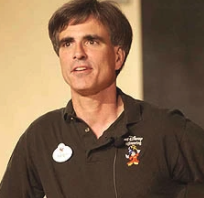 Randolph Frederick Pausch (Randy Pausch)合作论文数Human-Computer Interaction Institute, Carnegie Mellon University15
 Jonathan R. Zadra合作论文数University of Virginia13
 Maryjane Wraga合作论文数13
 Elyssa Twedt合作论文数12
 Frank H. Durgin合作论文数Perception and Cognition Laboratory, Department of Psychology, Swarthmore College10
 Bennett I. Bertenthal合作论文数Department of Psychological and Brain Sciences, College of Arts and Sciences, Indiana University Bloomington10William Epstein合作论文数9J. Hunter Downs合作论文数8T Banton合作论文数7Veronica Weser合作论文数General Internal Medicine, Internal Medicine, Yale School of Medicine, Yale University7
 Ken Hinckley合作论文数Microsoft Research7Jason S. Augustyn合作论文数7
 James Eric Cutting合作论文数Department of Psychology, Cornell University6
 Blair Gross合作论文数Department of Psychology, University of Virginia6
 Cedar R Riener合作论文数Department of Psychology, University of Virginia6Traci H. Downs合作论文数6Mukul Bhalla合作论文数6
 Neal F. Kassell合作论文数School of Medicine, University of Virginia5
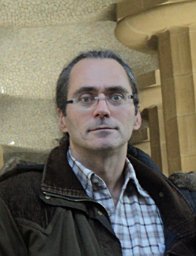 Marco Bertamini合作论文数School of Psychology5
 Betty J. Mohler合作论文数Amazon5
 Corrado Caudek合作论文数University of Trieste5
 Gerald Clore合作论文数Department of Psychology, College of Arts & Sciences, University of Virginia5Erin M. Nishimura合作论文数5Evan D. Rapoport合作论文数5
 Heinrich Bülthoff合作论文数Department of Human Perception, Cognition and Action, Max Planck Institute for Biological Cybernetics;Eberhard Karls Universität in Tübingen4
 Simone Schnall合作论文数University of Cambridge4
 Wayne L Shebilske合作论文数4Tom Banton合作论文数4Matt Conway合作论文数3Peter M. Wubbels合作论文数3Mm Wade合作论文数3
 David L Gilden合作论文数Department of Psychology, College of Liberal Arts, University of Texas at Austin3
 Gianluca Finotti合作论文数Department of Psychology, University of Virginia3
 Desney Tan合作论文数Microsoft3
 Michael N. Geuss合作论文数Department of Psychology, University of Utah3Steven J. Kramer合作论文数3
 Verónica C. Ramenzoni合作论文数Department of Psychology, University of Cincinnati3
 Bethany A. Teachman合作论文数Program for Anxiety, Cognition, and Treatment Teachman Lab, University of Virginia;Department of Psychology, School of Arts & Sciences, University of Virginia3Thomas Banton合作论文数3
 Richard Stoakley合作论文数Department of Computer Science, The University of Virginia3
 L. Elizabeth Crawford合作论文数University of Richmond3GS Harrington合作论文数2Benjamin A. Darling合作论文数2




