Introduction: Methohexital has replaced amobarbital during Wada testing at many centers. The objective of our study was to compare the use of methohexital and amobarbital during Wada testing regarding language and memory lateralization quotients as well as speech arrest times.Methods: A chart review of 582 consecutive patients undergoing 1041 Wada-procedures was performed (left = 60, right = 63, bilateral = 459). Language lateralization was calculated based on duration of speech arrest using a laterality index, defined as (L - R)/(L + R). Memory lateralization was expressed as percentage of retained objects and laterality quotient.Results: Language and memory lateralization revealed a similar distribution with amobarbital and methohexital. Speech arrest after left and right-sided injection was significantly longer in the amobarbital group as compared to the methohexital group. Language lateralization did not differ in the two groups. Percentage of retained memory items was higher in the methohexital group and there were fewer presented test items in the methohexital group.Discussion: Language and memory testing during the Wada test can successfully be performed with methohexital instead of amobarbital. The shorter half-life of methohexital allows repeated injections and shorter interhemispheric testing intervals, but also shortens the testing window. (c) 2009 British Epilepsy Association. Published by Elsevier Ltd. All rights reserved.
BACKGROUND:Dejerine and Benson and Geschwind postulated disconnection of the dominant angular gyrus from both visual association cortices as the basis for pure alexia, emphasizing disruption of white matter tracts in the dominant temporooccipital region. Recently functional imaging studies provide evidence for direct participation of basal temporal and occipital cortices in the cognitive process of reading. The exact location and function of these areas remain a matter of debate.OBJECTIVE:To confirm the participation of the basal temporal region in reading.METHOD:Extraoperative electrical stimulation of the dominant hemisphere was performed in three subjects using subdural electrodes, as part of presurgical evaluation for refractory epilepsy.RESULTS:Pure alexia was reproduced during cortical stimulation of the dominant posterior fusiform and inferior temporal gyri in all three patients. Stimulation resulted in selective reading difficulty with intact auditory comprehension and writing. Reading difficulty involved sentences and words with intact letter by letter reading. Picture naming difficulties were also noted at some electrodes. This region is located posterior to and contiguous with the basal temporal language area (BTLA) where stimulation resulted in global language dysfunction in visual and auditory realms. The location corresponded with the visual word form area described on functional MRI.CONCLUSION:These observations support the existence of a visual language area in the dominant fusiform and occipitotemporal gyri, contiguous with basal temporal language area. A portion of visual language area was exclusively involved in lexical processing while the other part of this region processed both lexical and nonlexical symbols.
Objective: Ictal asystole (IA) is a rare event mostly seen in patients with temporal lobe epilepsy (TLE) and a potential contributor to sudden unexplained death in epilepsy (SUDEP). Clinical and video-electroencephalographic findings associated with IA have not been described, and may be helpful in screening for high risk patients. Methods: A database search was performed of 6,825 patients undergoing long-term video-EEG monitoring for episodes of IA. Results: IA was recorded in 0.27% of all patients with epilepsy, eight with temporal (TLE), two with extratemporal (XTLE), and none with generalized epilepsy. In 8 out of 16 recorded events, all occurring in patients with TLE, seizures were associated with a sudden atonia on average 42 seconds into the typical semiology of a complex partial seizure. The loss of tone followed after a period of asystole usually lasting longer than 8 seconds and was associated with typical EEG changes seen otherwise with cerebral hypoperfusion. Clinical predisposing factors for IA including cardiovascular risk factors or baseline ECG abnormalities were not identified. Conclusion: Ictal asystole is a rare feature of patients with focal epilepsy. Delayed loss of tone is distinctly uncommon in patients with temporal lobe seizures, but may inevitably occur in patients with ictal asystole after a critical duration of cardiac arrest and cerebral hypoperfusion. Further cardiac monitoring in patients with temporal lobe epilepsy and a history of unexpected collapse and falls late in the course of a typical seizure may be warranted and can potentially help to prevent sudden unexplained death in epilepsy.
To assess short- and long-term seizure freedom, the authors reviewed 371 patients who underwent anterior temporal lobectomy to treat pharmacoresistant epilepsy. The mean follow-up duration was 5.5 years (range 1 to 14.1 years). Fifty-three percent of patients were seizure free at 10 years. The authors identified multiple predictors of recurrence. Results of EEG performed 6 months postoperatively correlated with occurrence and severity of seizure recurrence, in addition to breakthrough seizures with discontinuation of antiepileptic drugs.
Die aus der Arbeit mit jüngeren Patienten gesammelten Erfahrungen videogestützter EEG-Diagnostik im Rahmen der prächirurgischen Epilepsiediagnostik kommen zusehends auch in der Behandlung älterer Patienten zur Anwendung. In der vorliegenden Arbeit wird die diagnostische Wertigkeit von Video-EEG-Langzeitableitungen sowie die Ergebnisse epilepsiechirurgischer Eingriffe im höheren Alter vorgestellt. Es zeigt sich, dass ein qualifiziertes Video-EEG-Monitoring auch im höheren Alter geeignet ist, nichtepileptische von epileptischen Anfällen sicher zu differenzieren. Bei Vorliegen einer Epilepsie ist anhand der semiologischen und elektroenzephalographischen Daten in der Regel eine definitive Bestimmung der epileptogenen Zone auch in dieser Altersgruppe zu erreichen. Das Anfallsergebnis epilepsiechirugischer Operationen in der Gruppe der über 50-jährigen Patienten liegt etwas unter dem einer jüngeren Vergleichsgruppe, ist aber immer noch signifikant günstiger als bei ausschließlicher Nutzung medikamentöser Therapiestrategien. Aufgrund eines leicht erhöhten Risikos für operationsbedingte Komplikationen bedarf es einer sorgfältigen Risikoabschätzung.
A 55 year old left handed man with left hemisphere subcortical encephalomalacia, seizures, language impairment, and right hemiparesis from a motor vehicle accident at age five was evaluated for epilepsy surgery. The patient continued to speak and followed commands during a left intracarotid amobarbital test (IAT). Left functional hemispherectomy resulted in expressive aphasia. Based on postoperative outcome, language was bilateral. The injury after primary development of language function, the predominantly subcortical lesion, and the late timing of surgical intervention well past development and plasticity may have been factors in the emergence of postoperative aphasia.
Objectives: The substantia nigra in the animal model has been implicated in the control of epilepsy. The substantia nigra pars reticulata (SNpr) receives afferents from the subthalamic nucleus (STN), which thus may have an effect on the control of epilepsy. There is evidence in the animal model of a direct connection from the cortex to the STN. High-frequency STN stimulation is being used in experimental trial for the management of intractable epilepsy. Our primary objective in this study was to determine if there was epileptiform activity recorded from the STN in association with scalp recorded epileptiform activity to support the presence of a pathway from the cortex to the STN in humans as described in animals that may be important for the management of epilepsy. This article describes the interictal and ictal electroencephalographic (EEG) findings as well as evoked potential recordings from the STN in these patients with intractable epilepsy. Methods: Four patients (3 males) ranging from 19 to 45 years with intractable focal epilepsy refractory to anti-epileptic drugs were studied. Two patients failed vagal nerve stimulation and one patient had previous epilepsy surgery. Depth electrodes were implanted stereotactically in the STN bilaterally. A comparative analysis of the interictal and ictal activities recorded from the scalp and STN electrodes was performed. Median nerve somatosensory evoked potentials (SEPs) and auditory evoked potentials (AEPs) were also recorded. Results: Interictal sharp waves recorded in the scalp EEG were always negative in polarity. These sharp waves were always associated with sharp waves recorded at the ipsilateral STN electrode contacts that were always positive in polarity. In addition repetitive spikes were recorded independently at the left or right STN electrode contacts, with no reflection at the scalp. These spikes were extremely stereotyped, of high amplitude and short duration, and were positive or negative in polarity. Focal scalp EEG seizures were also recorded at the ipsilateral STN electrodes. In 3 patients SEPs were recorded from the contralateral STN electrodes corresponding to the P14/N18 far-field complex. In two patients AEPs were recorded, and wave V (near-field) and wave VII (far-field) from the contralateral STN electrodes. Conclusions: This study demonstrates that scalp recorded epileptiform activity is reflected at the ipsilateral STN either following or preceding the scalp sharp waves. The STN sharp waves are most probably an expression of the direct cortico-STN glutamatergic pathways that have been demonstrated previously in animals. This pathway in man may be important with regard to a possible mechanism for the treatment of epilepsy with STN stimulation.
Since the pioneer efforts by Cooper et al. to control epilepsy by chronic cerebellar stimulation, numerous attempts have been made to influence seizure frequency and severity by stimulation of several deep-seated brain nuclei, particularly the thalamus and the limbic structures. Evidence that seizures can be influenced by vagal nerve stimulation and the growing use of deep brain stimulation (DBS) in patients with Parkinson's disease and tremor, has rekindled the interest of controlling seizures by deep brain stimulation. In this manuscript, the experimental evidence supporting the existence of a nigral control of epilepsy (NCE) system is discussed. In addition, preliminary evidence in humans with the effect of subthalamic nucleus (STN) stimulation on pharmacologically resistant epilepsy is presented.
Objective: To evaluate the risk factors, type, and frequency of complications during video-EEG monitoring with subdural grid electrodes. Methods: The authors retrospectively reviewed the records of all patients who underwent invasive monitoring with subdural grid electrodes (n = 198 monitoring sessions on 187 patients; median age: 24 years; range: 1 to 50 years) at the Cleveland Clinic Foundation from 1980 to 1997. Results: From 1980 to 1997, the complication rate decreased (p = 0.003). In the last 5 years, 19/99 patients (19%) had complications, including two patients (2%) with permanent sequelae. In the last 3 years, the complication rate was 13.5% (n = 5/37) without permanent deficits. Overall, complications occurred during 52 monitoring sessions (26.3%): infection (n = 24; 12.1%), transient neurologic deficit (n = 22; 11.1%), epidural hematoma (n = 5; 2.5%), increased intracranial pressure (n = 5; 2.5%), and infarction (n = 3; 1.5%). One patient (0.5%) died during grid insertion. Complication occurrence was associated with greater number of grids/electrodes (p = 0.021/p = 0.052; especially >60 electrodes), longer duration of monitoring (p = 0.004; especially >10 days), older age of the patient (p = 0.005), left-sided grid insertion (p = 0.01), and burr holes in addition to the craniotomy (p = 0.022). No association with complications was found for number of seizures, IQ, anticonvulsants, or grid localization. Conclusions: Invasive monitoring with grid electrodes was associated with significant complications. Most of them were transient. Increased complication rates were related to left-sided grid insertion and longer monitoring with a greater number of electrodes (especially more than 60 electrodes). Improvements in grid technology, surgical technique, and postoperative care resulted in significant reductions in the complication rate.
 H Lüders合作论文数90Rp Lesser合作论文数84HH MORRIS合作论文数75
 Elaine Wyllie合作论文数Cleveland Clinic Lerner College of Medicine;Epilepsy Center, Cleveland Clinic53G Klem合作论文数24J Hahn合作论文数20H Lueders合作论文数18HO Luders合作论文数15
 Prakash Kotagal合作论文数Pediatric Epilepsy Section, Cleveland Clinic Epilepsy Center;School of Medicine, Case Western Reserve University11A. David Rothner合作论文数Pediatric Neurology, Cleveland Clinic11Godoy J合作论文数10Tobias Loddenkemper合作论文数Department of Pediatrics, The Cleveland Clinic Foundation8Ja Golish合作论文数7G ERENBERG合作论文数7
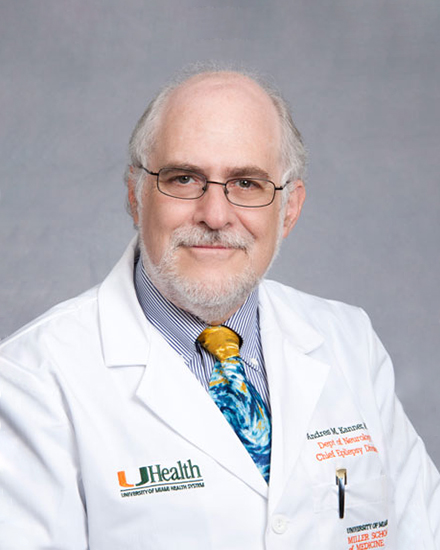 Andres M. Kanner合作论文数Division of Epilepsy, Department of Neurology, Miller School of Medicine, University of Miami;Comprehensive Epilepsy Center, Department of Neurology, Miller School of Medicine, University of Miami7
 Ronald P. Lesser合作论文数Department of Neurology, School of Medicine, Johns Hopkins University7Jf Hahn合作论文数6RE KRAMER合作论文数6ML ESTES合作论文数6
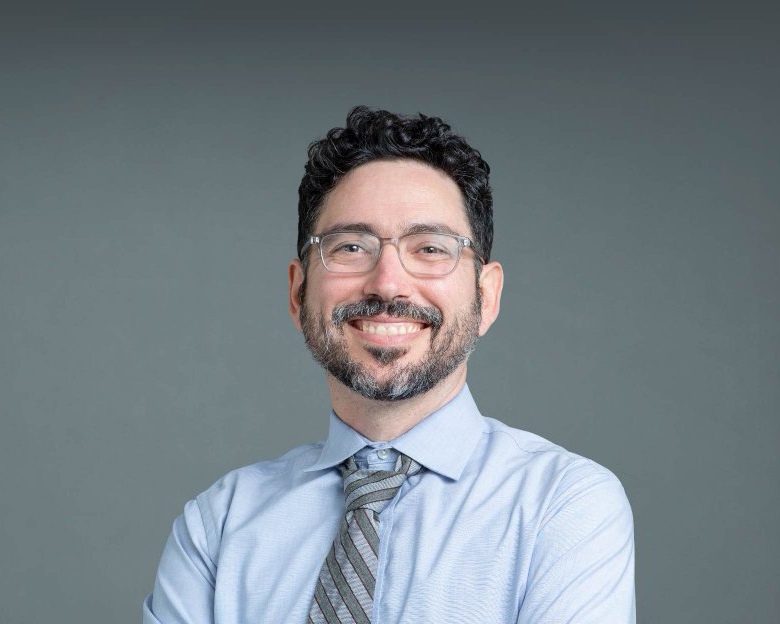 Daniel Friedman合作论文数Department of Neurology, Department of Medicine, New York University6
 William Bingaman合作论文数College of Medicine, Case Western Reserve University;Epilepsy Center, Cleveland Clinic6Youssef G. Comair合作论文数Department of Neurosurgery;The American University of Beirut;Beirut6
 Hans Lüders合作论文数Department of Neurology, School of Medicine, Case Western Reserve University;University Hospitals Cleveland Medical Center6NR Foldvary合作论文数5S Tsuji合作论文数5D MURPHY合作论文数5
 Imad Najm合作论文数Neuroscience Program, University of Southern California5G J Chelune合作论文数4M Harrison合作论文数4R Kramer合作论文数4
 Richard Prayson合作论文数Department of Anatomic Pathology, Cleveland Clinic;Cleveland Clinic Lerner College of Medicine, Case Western Reserve University4
 Selim Ramin Benbadis合作论文数Department of Neurology, University of South Florida4Barbara R. Wolgamuth合作论文数4
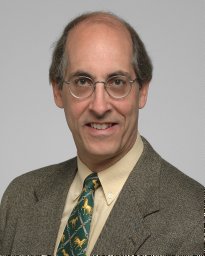 Richard C. Burgess合作论文数Department of Neurology, The Cleveland Clinic Foundation4L Goldstick合作论文数3Mc Perry合作论文数3M Piedmonte合作论文数3H Morris合作论文数3
 Issam A. Awad合作论文数Center of Excellence for Cerebral Cavernous Malformations, The University of Chicago Medicine3Alois Ebner合作论文数3G. Klem合作论文数3
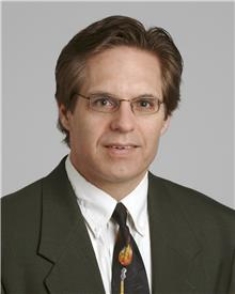 Edward Mascha合作论文数Department of Outcomes Research, Cleveland Clinic;Anesthesiology Institute3
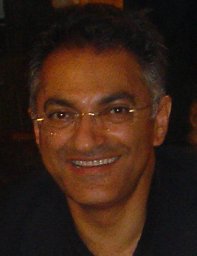 Soheyl Noachtar合作论文数Section of Epilepsy and Sleep Disorders, Department of Neurology Klinikum Grosshadern Marchioninistrasse 15 81377 Munich Germany3J Mani合作论文数2Rw Richter合作论文数2PK Sahota合作论文数2R. K. Bogan合作论文数2




