Abstract Efficient and sustainable collaboration among cancer research funders is critical to addressing the growing complexity of cancer prevention, diagnosis, and treatment. Over the past 15 years, the TRANSCAN initiative, encompassing TRANSCAN, TRANSCAN-2, and TRANSCAN-3, has built a mature and flexible model for aligning translational cancer research funding across Europe and beyond. Supported in its last two phases by the EU ERA-NET co-funding scheme, TRANSCAN promotes convergence between national and regional priorities, and EU-level strategic goals. Since 2011, TRANSCAN has pioneered two innovative features: the integration of public and private funders into a single coordinated framework, and the targeted support of small investigator-driven research consortia. Each participating organization contributes in line with its national strategies and available resources to jointly launch Transnational Calls (JTCs) covering a broad range of translational cancer research topics. The current phase, TRANSCAN-3, coordinated by the Italian Ministry of Health, brings together 31 funding agencies from 20 different countries, including non-European partners such as Canada and Taiwan. The initiative also places strong emphasis on engaging early-career researchers and patient representatives, fostering inclusiveness and shared ownership of the research agenda. A new phase, TRANSCAN-4, is currently being planned, reflecting the continued strategic importance of transnational coordination in cancer research. Between 2011 and 2025, TRANSCAN received approximately €8 million from the European Commission to support its activities and management. During this period, the network successfully implemented 11 JTCs that mobilized a total of €148 million in national and regional funding. In addition, the European Commission co-funded two of these calls, directly supporting research projects with a further €12 million. Altogether, 141 small- to mid-sized consortia, involving 723 research groups, have been funded. These focused, transnational collaborations complemented larger EU-funded cancer consortia and contributed to high-impact translational results. Beyond financial coordination, TRANSCAN has strengthened capacity building, cross-border networking, stakeholder engagement, and long-term strategic alignment among funders. The TRANSCAN initiative demonstrates the value of sustained transnational cooperation in cancer research funding. Its bottom-up, inclusive, and mixed public-private model has significantly advanced the EU and international cancer research landscape in line with the EU Mission on Cancer and Europe’s Beating Cancer Plan. This long-term cooperation model offers a blueprint for future alignment of national and regional, public and private programs to achieve collective impact. More information is available at: www.transcan.eu. Citation Format: Valentina Trapani, Katarina Bibova, Estela Cepeda, Giusi Condorelli, Liron Even-Faitelson, Charlotte Gudewicz, Sebastian Hueckesfeld, Anabela Isidro, Emma Ito, Fei-Fei Liu, Hubert Misslisch, Elisa Nannicini, Floriane Nguyen, Martin NovaK, Silvia Paradisi, Giulia Piaggio, Ines Rey Hidalgo, Maria Romero, Hugo Soares, Giandomenico Russo. Accelerating global impact in translational cancer research: Lessons from 15 years of the EU TRANSCAN initiative [abstract]. In: Proceedings of the American Association for Cancer Research Annual Meeting 2026; Part 1 (Regular Abstracts); 2026 Apr 17-22; San Diego, CA. Philadelphia (PA): AACR; Cancer Res 2026;86(7 Suppl):Abstract nr 3692.
In a universal health care system, SES (residential instability and material deprivation) were associated with the increased risk of ED within 90 days of RT. Proactive care and virtual monitoring during the 90-day period after RT in high-risk patients may reduce ED visits. ED visits beyond our tertiary institution are being gathered to address this study limitation.
Supplementary Figures 1-9, Tables 1-2 from miR-218 Suppresses Nasopharyngeal Cancer Progression through Downregulation of Survivin and the SLIT2-ROBO1 Pathway
Purpose: To report final results of a clinical trial of APBI using intensity modulated radiotherapy (IMRT) to deliver 27 Gy in 5 daily fractions following breast conserving surgery (BCS) prospectively designed to assess the efficacy and cosmetic outcomes of a oneweek, APBI regimen among women with early breast cancer. Materials and Methods:Women ≥ 50 years, with lymph nodenegative, ER positive, HER-2 negative breast cancer or ductal carcinoma in situ (DCIS), ≤ 3cm diameter, following BCS with margins ≥ 2mm, and excellent or good baseline cosmesis received 27 Gy in 5 daily fractions to the seroma plus 1 cm CTV and 0.7 cm PTV margins.Clinical photographs, patient and provider cosmetic scores, breast fibrosis, telangiectasia and pain were collected prospectively, prior to RT and at 6 weeks, 1 and 2 years after RT.The primary endpoint was the proportion of women who retained Excellent or Good cosmesis at 2 years using the EORTC Cosmetic Rating System.Cosmetic failure was deterioration from Excellent or Good to Fair or Poor.A panel of 5 radiation oncologists independently assessed the cosmetic photographs.Secondary endpoints were rates and grades of breast fibrosis, telangiectasia, breast pain, ipsilateral breast tumour recurrence (IBRT), overall (OS), breast cancer-specific survival (BCSS) and subsequent mastectomy.Efficacy outcomes were assessed at clinic visits and by review of charts.ClinicalTrials.govregistration: NCT02681107.
Purpose: During the COVID-19 pandemic, many radiation oncology departments worldwide adopted the use of shorter and more intense hypofractionated regimens. Hospital foot traffic was reduced through virtual care. This study's primary objective was to assess the collective environmental effect of these strategic changes by identifying sources of carbon dioxide equivalents (CO2e). The rate of radiation-related adverse events from the increased use of hypofractionated treatments was assessed.Methods and Materials: All patients treated with external beam radiation therapy from April 1, 2019, to March 31, 2021, at our single institution were identified (n = 10,175) along with their radiation therapy visits (176,423 fractions) and unplanned visits to the radiation nursing clinic or emergency department. Out-patient hospital and virtual visits (n = 75,853) during this same period were also analyzed. Environmental effect measures, including linear accelerator power usage, patient travel distances, and personal protection equipment consumption were all converted into CO2e. Results: The use of curative hypofractionated regimens increased from 17% to 27% during the pandemic year. Carbon footprint was reduced by 39% during the pandemic year (1,332,388 kg CO2e) compared with the prepandemic year (2,024,823 kg CO2e). Comparing patients in the prepandemic versus pandemic year, there was a significant reduction in the proportion of hypofractionated patients who needed a visit to either the radiation nursing clinic (39% vs 25%; P < .001) or emergency departConclusions: This is the first study to demonstrate the environmental benefits of increased use of hypofractionated regimens and virtual care, while assuring that there was no added acute radiation-related adverse event. Our findings support their continued use as one of many long-term strategies to reduce the environmental footprint of health care delivery.& COPY; 2022 Elsevier Inc. All rights reserved.
Background: During the COVID-19 pandemic, many radiation oncology departments worldwide adopted the use of shorter and more intense hypofractionated regimens. Hospital foot traffic was reduced through virtual care and work. This study’s primary objective was to assess the environmental impact of these strategic changes by identifying sources of carbon dioxide equivalents (CO2e). The rate of radiation-related adverse event from the increased use of hypofractionated treatments was assessed. Methods: All patients treated with external beam radiation therapy from April 1, 2019, to March 31, 2021 at our single institution were identified (n=10,175) along with their radiotherapy visits (176,423 fractions), and unplanned visits to the radiation nursing clinic (RNC) or emergency (ER) department. Out-patient hospital and virtual visits (n=75,853) during this same period were also analyzed. Environmental impact measures, including linear accelerator power usage, patient travel distances, personal protection equipment (PPE) consumption, and the use of information technologies were all converted into CO2e. Results: The use of curative hypofractionated regimens increased from 17% to 27% during the pandemic year. Reduction in patient travel reduced 510,711 – 685,552 kg CO2e. Conversely, virtual care and work, and increased PPE use augmented CO2e generation by 57,717 kg. The net change in carbon footprint was -573,138 kg CO2e during the pandemic year. Comparing patients in the pre-pandemic vs . pandemic year, there was a significant reduction in the proportion of hypofractionated patients who needed a visit to either the RNC (39% vs. 25%; p<0·001) or ER (6% vs. 2%; p<0·001) during and within 90 days of radiotherapy. Discussion: This is the first study to demonstrate the environmental benefits of increased use of hypofractionated regimens and virtual care, while assuring that there were no added acute radiation-related adverse events. Our findings support their continued use as one of many long-term strategies to reduce the environmental footprint of healthcare delivery.Funding Information: The authors have no external funding source to declare.Declaration of Interests: The authors have no conflicts of interests to declare that may be affected by the publication of the paperEthics Approval Statement: A waiver of individual patient consent was granted for this study by our institution’s Research Ethics Board.
PURPOSE:The Accelerated Education Program (AEP) at the Princess Margaret Cancer Centre (PM) has been offering continuing medical education courses since 2006. The purpose of this study was to assess learner experiences, perspectives, and outcomes using Kirkpatrick's Four Level Training Evaluation Model (ie, reaction, learning, behavior, results) to ascertain whether it was meeting stated goals.METHODS AND MATERIALS:Past course participants (2010-2018) were invited to participate in a semistructured interview. Interviews were transcribed verbatim; thematic analysis was conducted by a 4-person research team.RESULTS:Seventeen participants including 2 medical physicists, 6 radiation oncologists, and 9 radiation therapists from 6 countries on 4 continents participated in the study. Interviews lasted an average of 25 minutes. Consistently positive outcomes were reported at each level of Kirkpatrick's model. At the reaction level, participants liked the small, interactive case-based design, exposure to renowned faculty and practices from PM and other major centers, and the interprofessional practice (IPP) approach. Suggestions for improvements include enhancing practical content. At the learning level, participants reported gaining new knowledge or skills and new awareness or attitudes. Behavior changes described included sharing learnings with colleagues, implementing changes in practice or techniques, departmental structure, and IPP. Participants described the effects on clinical practice (results) in quality of care, access to care, and academic contribution. Identified barriers to change related to the restricted internal capacity for change and the need for wider staff training.CONCLUSIONS:AEP courses were found to have a positive effect on local practices ranging from confirmation of current practice through to increased access to and quality of advanced radiotherapeutic techniques and care. Our findings confirm that AEP is achieving its goal of "putting innovation to work" and suggest curricular improvements that can enhance these effects.
The University of Toronto - Department of Radiation Oncology (UTDRO) has had a well-established Fellowship Program for over 20 years. An assessment of its graduates was conducted to evaluate training experience and perceived impact on professional development. Graduates of the UTDRO Fellowship Program between 1991 and 2015 were the focus of our review. Current employment status was collected using online tools. A study-specific web-based questionnaire was distributed to 263/293 graduates for whom active e-mails were identified; questions focused on training experience, and impact on career progression and academic productivity. As a surrogate measure for the impact of UTDRO Fellowship training, a comparison of current employment and scholarly activities of individuals who obtained their Fellow of the Royal College of Physicians of Canada (FRCPC) designation in Radiation Oncology between 2000 and 2012, with (n = 57) or without (n = 230) UTDRO Fellowship training, was conducted. Almost all UTDRO Fellowship graduates were employed as staff radiation oncologists (291/293), and most of those employed were associated with additional academic (130/293), research (53/293), or leadership (68/293) appointments. Thirty-eight percent (101/263) of alumni responded to the online survey. The top two reasons for completing the Fellowship were to gain specific clinical expertise and exposure to research opportunities. Respondents were very satisfied with their training experience, and the vast majority (99%) would recommend the program to others. Most (96%) felt that completing the Fellowship was beneficial to their career development. University of Toronto, Department of Radiation Oncology Fellowship alumni were more likely to hold university, research, and leadership appointments, and author significantly more publications than those with FRCPC designation without fellowship training from UTDRO. The UTDRO Fellowship Program has been successful since its inception, with the majority of graduates reporting positive training experiences, benefits to scholarly output, and professional development for their post-fellowship careers. Key features that would optimize the fellowship experience and its long-term impact on trainees were also identified.
Nasopharyngeal carcinoma (NPC) is a unique epithelial malignancy arising from the superior aspect of the pharyngeal mucosal space, associated with latent Epstein-Barr virus infection in most cases. The capacity to characterize cancer genomes in unprecedented detail is now providing insights into the genesis and molecular underpinnings of this disease. Herein, we provide an overview of the molecular aberrations that likely drive nasopharyngeal tumor development and progression. The contributions of major Epstein-Barr virus-encoded factors, including proteins, small RNAs, and microRNAs, along with their interactions with pathways regulating cell proliferation and survival are highlighted. We review recent analyses that clearly define the role of genetic and epigenetic variations affecting the human genome in NPC. These findings point to the impact of DNA methylation and histone modifications on gene expression programs that promote this malignancy. The molecular interactions that allow NPC cells to evade immune recognition and elimination, which is crucial for the survival of cells expressing potentially immunogenic viral proteins, are also described. Finally, the potential utility of detecting host and viral factors for the diagnosis and prognosis of NPC is discussed. Altogether, the studies summarized herein have greatly expanded our knowledge of the molecular biology of NPC, yet much remains to be uncovered. Emerging techniques for using and analyzing well-annotated biospecimens from patients with NPC will ultimately lead to a greater level of understanding, and enable improvements in precision therapies and clinical outcomes. (C) 2015 by American Society of Clinical Oncology
Nasopharyngeal carcinoma (NPC) is a unique epithelial malignancy arising from the superior aspect of the pharyngeal mucosal space, associated with latent Epstein-Barr virus infection in most cases. The capacity to characterize cancer genomes in unprecedented detail is now providing insights into the genesis and molecular underpinnings of this disease. Herein, we provide an overview of the molecular aberrations that likely drive nasopharyngeal tumor development and progression. The contributions of major Epstein-Barr virus-encoded factors, including proteins, small RNAs, and microRNAs, along with their interactions with pathways regulating cell proliferation and survival are highlighted. We review recent analyses that clearly define the role of genetic and epigenetic variations affecting the human genome in NPC. These findings point to the impact of DNA methylation and histone modifications on gene expression programs that promote this malignancy. The molecular interactions that allow NPC cells to evade immune recognition and elimination, which is crucial for the survival of cells expressing potentially immunogenic viral proteins, are also described. Finally, the potential utility of detecting host and viral factors for the diagnosis and prognosis of NPC is discussed. Altogether, the studies summarized herein have greatly expanded our knowledge of the molecular biology of NPC, yet much remains to be uncovered. Emerging techniques for using and analyzing well-annotated biospecimens from patients with NPC will ultimately lead to a greater level of understanding, and enable improvements in precision therapies and clinical outcomes.
Epidermal growth factor receptor (EGFR) is over-expressed in nearly all cases of squamous cell carcinoma of the head and neck (SCCHN), and is an important driver of disease progression. EGFR targeted therapies have demonstrated clinical benefit for SCCHN treatment. In this report, we investigated the pre-clinical efficacy of Dacomitinib (PF-00299804), an irreversible pan-ErbB inhibitor, both alone and in combination with ionizing radiation (IR), a primary curative modality for SCCHN. One normal oral epithelial (NOE) and three SCCHN (FaDu, UT-SCC-8, UT-SCC-42a) cell lines were used to conduct cell viability, clonogenic survival, cell cycle, and immunoblotting assays in vitro, using increasing doses of Dacomitinib (10-500 nM), both with and without IR (2-4 Gy). The FaDu xenograft model was utilized for tumor growth delay assays in vivo, and immunohistochemical analyses were conducted on extracted tumors. A dose-dependent reduction in cell viability and clonogenic survival after Dacomitinib treatment was observed in all three SCCHN models. Treatment led to a significant reduction in EGFR signalling, with a subsequent decrease in phosphorylation of downstream targets such as ERK, AKT, and mTOR. In vivo, Dacomitinib treatment delayed tumor growth, while decreasing phospho-EGFR and Ki-67 immunoexpression. These effects were further enhanced when combined with IR, both in vitro and in vivo. The preclinical data support the further evaluations of Dacomitinib combined with IR for the future management of patients with SCCHN.
Apoptosis is a mechanism of cell death that is pivotal for the maintenance of cellular homeostasis within the human body. Not surprisingly, mutations rendering cells resistant to apoptosis are acquired in virtually all cancers. A full understanding of such mutations is important for the development of clinically successful therapeutic strategies. In nasopharyngeal carcinoma (NPC), inhibition of both receptor-and mitochondrial-mediated apoptosis is achieved through the inter-related expression of human and Epstein-Barr Virus (EBV) genes. In particular, the over-expression of NF-kappa B, mediated in part by EBV LMP1, may be the central mechanism leading to the expression of several anti-apoptotic genes, including survivin, Bfl-1, Bcl-2 and A20. This biological insight has already facilitated the development of several strategies to directly overcome apoptosis resistance, many of which aim to directly modify Bcl-2 family protein expression. In this chapter, we will summarize the heretofore elucidated mechanisms of resistance to apoptosis in NPC. We will also examine therapeutic strategies directly targeting apoptosis in NPC that have been developed thus far.
Background Head and neck cancer (HNC) is the 8 most common malignancy worldwide. Despite advances in therapeutic options over the last few decades, treatment toxicities and overall clinical outcomes have remained disappointing, underscoring a need to develop novel therapeutic approaches, particularly those that enhance tumor cell death, while minimizing damage to the surrounding normal tissues.
Introduction Despite improvements in treatment strategies for head and neck squamous cell carcinoma (HNSCC), outcomes have not significantly improved; highlighting the importance of identifying novel therapeutic approaches to target this disease. To address this challenge, we proceeded to evaluate the role of iron in HNSCC. Experimental Design Expression levels of iron-related genes were evaluated in HNSCC cell lines using quantitative RT-PCR. Cellular phenotypic effects were assessed using viability (MTS), clonogenic survival, BrdU, and tumor formation assays. The prognostic significance of iron-related proteins was determined using immunohistochemistry. Results In a panel of HNSCC cell lines, hemochromatosis (HFE) was one of the most overexpressed genes involved in iron regulation. In vitro knockdown of HFE in HNSCC cell lines significantly decreased hepcidin (HAMP) expression and intracellular iron level. This in turn, resulted in a significant decrease in HNSCC cell viability, clonogenicity, DNA synthesis, and Wnt signalling. These cellular changes were reversed by re-introducing iron back into HNSCC cells after HFE knockdown, indicating that iron was mediating this phenotype. Concordantly, treating HNSCC cells with an iron chelator, ciclopirox olamine (CPX), significantly reduced viability and clonogenic survival. Finally, patients with high HFE expression experienced a reduced survival compared to patients with low HFE expression. Conclusions Our data identify HFE as potentially novel prognostic marker in HNSCC that promotes tumour progression via HAMP and elevated intracellular iron levels, leading to increased cellular proliferation and tumour formation. Hence, these findings suggest that iron chelators might have a therapeutic role in HNSCC management.
Abstract Introduction: Head and neck cancer is the 5th most common cancer worldwide; the majority of cases (>90%) are squamous cell carcinomas (SCCHNs). Despite advances in treatment, the 5-year overall survival rate for SCCHN patients still remains at ∼40-50%, underscoring the need to develop novel therapeutic strategies. EGFR is over-expressed in ∼90% of SCCHN cases, and is associated with tumor progression and poor prognosis. Dacomitinib (D), an irreversible pan-HER inhibitor, has demonstrated clinical potential in patients with non-small cell lung cancer, leading us to explore its therapeutic efficacy in SCCHN pre-clinical models, in combination with radiation therapy (RT), a curative modality for HNC management. Methods: The basal expression of EGFR family members was assessed via qRT-PCR in three SCCHN models (FaDu (human hypopharyngeal), UTSCC-8 & -42a (both laryngeal) squamous cancer, and NOE (normal oral epithelial) cell lines. MTS-based cell viability and clonogenic assays were performed with various concentrations of D, both alone and in combination with irradiation (IR). Inhibition of EGFR signalling by D was confirmed via immunoblotting. Cell cycle analysis was performed to assess mode of cytotoxicity. In vivo therapeutic studies were performed using FaDu xenografts in SCID mice; tumors were extracted post-treatment and examined for TUNEL, CD31, Ki67, and pEGFR via IHC. Results: EGFR was over-expressed in all three SCCHN, compared to the NOE cells. PF (50 nM) reduced FaDu cell viability by ∼25%, with an additive interaction being observed when D was combined with 2 Gy IR (∼36%). Similar trends were observed in the other two cell lines and also in the clonogenic assays. Immunoblotting confirmed a dose-dependent inhibition of EGFR signalling in D-treated SCCHN cells, along with downstream reduction of p-Erk, p-Akt, and p-mTOR expression. Cell cycle analyses showed ∼20% increase in the G0/G1 cell population in D-treated FaDu cells, and ∼10% increase in the sub-G cell population when D and IR were combined. Mice treated with the combination of D + IR exhibited a maximum tumor growth delay of ∼21 days, as compared to the IR only group, determined by time to tumor-plus-leg diameter of 14mm. Preliminary histological analysis of the extracted tumor tissue show ∼40% reduction in Ki67 staining in the PF + IR treated mice. The addition of D to IR appeared to be well-tolerated, with no change in body weight, or extent of alopecia. Conclusion: Dacomitinib effectively inhibited EGFR signalling in SCCHN models, leading to a reduction in cell viability and clonogenic survival in vitro, along with tumor growth delay in vivo. When D was combined with IR, there was an additive interaction, both in vitro and in vivo. Thus, D combined with RT may have a therapeutic benefit for patients with SCCHN. Citation Format: {Authors}. {Abstract title} [abstract]. In: Proceedings of the 103rd Annual Meeting of the American Association for Cancer Research; 2012 Mar 31-Apr 4; Chicago, IL. Philadelphia (PA): AACR; Cancer Res 2012;72(8 Suppl):Abstract nr 2879. doi:1538-7445.AM2012-2879
Purpose: To describe and assess an interdisciplinary research training program for graduate students, postdoctoral fellows, and clinical fellows focused on radiation medicine; funded by the Canadian Institutes for Health Research since 2003, the program entitled "Excellence in Radiation Research for the 21st Century" (EIRR21) aims to train the next generation of inter-disciplinary radiation medicine researchers.Methods and Materials: Online surveys evaluating EIRR21 were sent to trainees (n=56), mentors (n=36), and seminar speakers (n=72). Face-to-face interviews were also conducted for trainee liaisons (n=4) and participants in the international exchange program (n=2).Results: Overall response rates ranged from 53% (mentors) to 91% (trainees). EIRR21 was well received by trainees, with the acquisition of several important skills related to their research endeavors. An innovative seminar series, entitled Brainstorm sessions, imparting "extracurricular" knowledge in intellectual property protection, commercialization strategies, and effective communication, was considered to be the most valuable component of the program. Networking with researchers in other disciplines was also facilitated owing to program participation.Conclusions: EIRR21 is an innovative training program that positively impacts the biomedical community and imparts valuable skill sets to foster success for the future generation of radiation medicine researchers. (C) 2012 Elsevier Inc.
Head and neck cancer (HNC) is the eighth most common malignancy worldwide, comprising a diverse group of cancers affecting the head and neck region. Despite advances in therapeutic options over the last few decades, treatment toxicities and overall clinical outcomes have remained disappointing, thereby underscoring a need to develop novel therapeutic approaches in HNC treatment. Uroporphyrinogen decarboxylase (UROD), a key regulator of heme biosynthesis, was identified from an RNA interference-based high-throughput screen as a tumor-selective radiosensitizing target for HNC. UROD knockdown plus radiation induced caspase-mediated apoptosis and cell cycle arrest in HNC cells in vitro and suppressed the in vivo tumor-forming capacity of HNC cells, as well as delayed the growth of established tumor xenografts in mice. This radiosensitization appeared to be mediated by alterations in iron homeostasis and increased production of reactive oxygen species, resulting in enhanced tumor oxidative stress. Moreover, UROD was significantly overexpressed in HNC patient biopsies. Lower preradiation UROD mRNA expression correlated with improved disease-free survival, suggesting that UROD could potentially be used to predict radiation response. UROD down-regulation also radiosensitized several different models of human cancer, as well as sensitized tumors to chemotherapeutic agents, including 5-fluorouracil, cisplatin, and paclitaxel. Thus, our study has revealed UROD as a potent tumor-selective sensitizer for both radiation and chemotherapy, with potential relevance to many human malignancies.
Abstract Nasopharayngeal carcinoma (NPC) is an Epstein–Barr virus–associated malignancy most common in East Asia and Africa. Here we report frequent downregulation of the microRNA miR-218 in primary NPC tissues and cell lines where it plays a critical role in NPC progression. Suppression of miR-218 was associated with epigenetic silencing of SLIT2 and SLIT3, ligands of ROBO receptors that have been previously implicated in tumor angiogenesis. Exogenous expression of miR-218 caused significant toxicity in NPC cells in vitro and delayed tumor growth in vivo. We used an integrated trimodality approach to identify targets of miR-218 in NPC, cervical, and breast cell lines. Direct interaction between miR-218 and the 3′-untranslated regions (UTR) of mRNAs encoding ROBO1, survivin (BIRC5), and connexin43 (GJA1) was validated in a luciferase-based transcription reporter assay. Mechanistic investigations revealed a negative feedback loop wherein miR-218 regulates NPC cell migration via the SLIT-ROBO pathway. Pleotropic effects of miR-218 on NPC survival and migration were rescued by enforced expression of miR-218–resistant, engineered isoforms of survivin and ROBO1, respectively. In clinical specimens of NPC (n = 71), ROBO1 overexpression was significantly associated with worse overall (P = 0.04, HR = 2.4) and nodal relapse-free survival (P = 0.008, HR = 6.0). Our findings define an integrative tumor suppressor function for miR-218 in NPC and further suggest that restoring miR-218 expression in NPC might be useful for its clinical management. Cancer Res; 71(6); 2381–91. ©2011 AACR.
 Fei-Fei Liu合作论文数Liu Laboratory, University of Toronto, Temerty Faculty of Medicine, University of Toronto;Princess Margaret Cancer Centre27
 Yue Shijun合作论文数12
 Nehad M. Alajez合作论文数Cancer Research Center, Qatar Biomedical Research Institute, Hamad Bin Khalifa University, Qatar Foundation8Wei Shi合作论文数8
 Brian O'Sullivan合作论文数Department of Radiation Oncology, University of Toronto;Princess Margaret Cancer Centre, Princess Margaret Hospital8
 Aaron Schimmer合作论文数Department of Medical Biophysics, Temerty Faculty of Medicine, University of Toronto;Research Institute, Princess Margaret Cancer Centre, University Health Network7Kenneth W. Yip合作论文数7Bastianutto Carlo合作论文数6
 Kim Inki合作论文数6
 John Waldron合作论文数Department of Radiation Oncology, Temerty Faculty of Medicine, University of Toronto6Rob Bristow合作论文数5Angela By Hui合作论文数5
 Philip Wong合作论文数Department of Radiation Oncology, Temerty Faculty of Medicine, University of Toronto;University Health Network;Institute of Medical Science, Temerty Faculty of Medicine, University of Toronto5N. Bhogal合作论文数4Ronald Cheung合作论文数4
 Wei Xu合作论文数Biostatistics Division, Dalla Lana School of Public Health, University of Toronto;Department of Biostatistics, Princess Margaret Cancer Centre;Ontario Cancer Institute4
 Amy Liu合作论文数Biostatistics Division, Dalla Lana School of Public Health, University of Toronto4
 Harald Keller合作论文数Department of Radiation Oncology, University of Toronto/Princess Margaret Cancer Centre4Eduardo H. Moriyama合作论文数4
 Michelle Lenarduzzi合作论文数3Angela B Hui合作论文数Stanford Univ, Stanford Canc Inst, Stanford, CA 94305 USA3
 Daniel Durocher合作论文数Lunenfeld-Tanenbaum Research Institute, Mount Sinai Hospital;Repare Therapeutics;Department of Molecular Genetics, Temerty Faculty of Medicine, University of Toronto3
 Lillian Siu (萧丽欣)合作论文数Cancer Clinical Research Unit, Princess Margaret Cancer Centre;University of Toronto;Ontario Institute for Cancer Research;Princess Margaret Hospital3
 Shana Kelley合作论文数Department of Chemistry, Weinberg College of Arts & Sciences, Northwestern University;Arma Biosciences;CTRL Therapeutics;Chan Zuckerberg Biohub Network3Li Guohua合作论文数3
 Peter Liu合作论文数Cardiac Function Laboratory, University of Ottawa Heart Institute;Faculty of Medicine, University of Ottawa;Faculty of Medicine, University of Toronto3
 Jeffrey Bruce合作论文数Princess Margaret Cancer Centre, University Health Network3
 Benjamin G. Neel合作论文数Department of Medicine, Grossman School of Medicine, New York University;Laura and Isaac Perlmutter Cancer Center, New York University3
 Brian Wilson合作论文数Department of Medical Biophysics, Temerty Faculty of Medicine, University of Toronto3
 David Hedley合作论文数Department of Medical Biophysics, Temerty Faculty of Medicine, University of Toronto;Princess Margaret Cancer Centre;Ontario Cancer Institute3Joseph D. Mocanu合作论文数3David Katz合作论文数3
 Bernard Cummings合作论文数Department of Radiation Oncology, University of Toronto3Alessandro Datti合作论文数Mount Sinai Hospital, Samuel Lunenfeld Research Institute3Ed Rubinstein合作论文数2Sarah Tosoni合作论文数2Marianela Lopez合作论文数2F. Cheung合作论文数2
 Angela Hui合作论文数2
 Kitty Chan合作论文数Department of Radiation Oncology, Temerty Faculty of Medicine, University of Toronto2
 Scott V. Bratman合作论文数Department of Medical Biophysics, Faculty of Medicine, University of Toronto/Adela, Inc.2Fonseca Sonali B合作论文数2How Christine合作论文数2
 Jeffrey Wrana合作论文数Department of Molecular Genetics, Temerty Faculty of Medicine, University of Toronto;Lunenfeld-Tanenbaum Research Institute, Mount Sinai Hospital2Sue Chow合作论文数2Richard W. Tsang合作论文数2
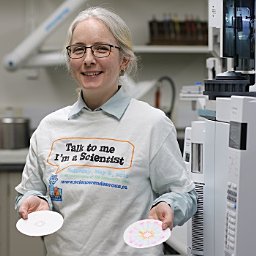 Tabitha E. Wood合作论文数2Jeff P. Bruce合作论文数1Sunnybrook Health Sciences Centre合作论文数1




