Compared with warfarin, dabigatran is associated with less intracranial hemorrhage, but an increased risk of myocardial infarction. To explore these phenomena, we compared their effects on thrombin generation. Thrombin generation in plasma from 10 patients taking therapeutic doses of warfarin (mean INR 2.6) was compared with that in plasma containing 250 ng/mL dabigatran. Although lag times were similar when thrombin generation was induced by recalcification or with a range of tissue factor concentrations, there was a greater reduction in peak thrombin generation and endogenous thrombin potential in plasma from warfarin-treated patients than in dabigatran-containing plasma. Similar results were obtained when thrombin generation was determined in plasma samples from 18 warfarin or 36 dabigatran treated patients entered into the RE-LY trial. Warfarin suppresses thrombin generation more efficiently than dabigatran. Greater suppression of normal hemostatic mechanisms in the brain and pathological thrombosis at sites of atherosclerotic plaque disruption may explain the higher rate of intracranial bleeding and lower rate of myocardial infarction with warfarin compared with dabigatran.
Objective: To compare the potency, reversibility, and perioperative bleeding risk of Hepalean with those of PPC heparin.Methods: Because in vitro testing failed to detect differences in the potency or protamine reversibility of the 2 heparin preparations, we conducted a parallel group, single-center, double-blind, randomized, controlled trial to compare the anticoagulant effects of Hepalean to those of PPC heparin in patients undergoing coronary artery bypass grafting with cardiopulmonary bypass.Results: From June 1, 2011, to June 30, 2011, we randomly assigned 11 patients to receive PPC heparin and 10 to receive Hepalean. Despite similar initial doses of heparin, the median initial activated clotting time was numerically lower in the PPC heparin group than in the Hepalean group (median, 516.0 seconds; interquartile range, 481.0-633.0; vs median, 584.0 seconds, interquartile range, 520.0-629.0; P=.418). Those given PPC heparin required a greater total heparin dose (median, 46,000.0 U; interquartile range, 39,500.0-60,000.0 vs median, 34,500.0 U; interquartile range, 32,250.0-37,000.0; P=.011) and a greater dose of heparin per kilogram than those given Hepalean (median, 572.9 U/kg; interquartile range, 443.0-659.7 vs median, 401.1 U/kg; interquartile range, 400.0-419.4; P=.003). The key secondary results included an increased median total protamine dose (median, 600.0 mg; interquartile range, 550.0-700.0; vs median, 500.0 mg; interquartile range, 425.0-542.5; P=.026) and a trend toward increased chest tube output within 24 hours (median, 830.0 mL; interquartile range, 425.0-1135.0; vs median, 702.5 mL; interquartile range, 550.0-742.5; P=.324).Conclusions: PPC heparin use was associated with greater heparin and protamine dose requirements than Hepalean. These findings indicate that heparin preparations are not interchangeable and suggest that a direct comparison of the potency with the brand in use is needed if a change is made to ensure that the agents exert similar anticoagulant effects in vivo. (J Thorac Cardiovasc Surg 2012; 144: 944-50)
Background: Cardiopulmonary bypass (CPB) initiates a systemic inflammatory response syndrome (SIRS) that is associated with the development of post-operative complications including thrombosis, myocardial injury and infarction, respiratory failure, renal and neurological dysfunction, bleeding disorders, altered liver function and ultimately, multiple organ failure. At the 2005 AAS conference, we presented our randomized controlled trial SIRS 1 that demonstrated that 500 mg of methylprednisolone (MP) attenuates IL-6 release and possibly results in better hemodynamics, shorter mechanical ventilation times, less blood loss, less hyperthermia, and ultimately shorter ICU length of stay. To further assess the inflammation initiated by CPB and the effect of methylprednisolone, our group utilized Randox’s Evidence Investigator platform to measure multiple inflammatory mediators not previously examined. We now present a post-hoc analysis of the SIRS 1 study examining the effect of CPB and methylprednisolone on a broad array of cytokines. Methods: Randox’s Evidence Investigator platform allows for multiple samples to be analyzed for different mediators simultaneously (IL-1-alpha, IL-1-beta, IL-2, IL-4, IL-6, IL-8, IL-10, INF-gamma, TNF-alpha, MCP1). Twenty-four patients (12 MP and 12 Placebo) were analyzed at 5 different time points. The table below presents the data for IL-10, MCP1, INF-gamma and TNF-alpha. Results: IL-10 concentrations were significantly higher in the steroid group at four hours post-operatively (P=0.002). The steroid group exhibited significantly lower concentrations in the following: MCP1 upon cessation of CPB (P=0.001) and at four hours post-operatively (P=0.003); INF-gamma upon cessation of CPB (P=0.001) and at four hours post-operatively (P=0.02); IL-6 upon cessation of CPB (P=0.0002), and at four, eight and 24 hours post-operatively (P=0.0002, P=0.001, P=0.003, respectively); IL-8 upon cessation of CPB (P=0.006), and at four, eight and 24 hours post-operatively (P=0.01, P=0.003, P=0.007, respectively); and TNF-alpha upon cessation of CPB (P=0.001), and at four, eight and 24 hours post-operatively (P=0.008, P=0.01, P=0.01, respectively). Conclusions: To our knowledge, this study marks the first time that microarray technology has been employed to measure a broad array of cytokines in patients who have undergone a cardiac surgery requiring CPB. 500 mg of methylprednisolone has the ability to attenuate many pro-inflammatory mediators that are released peri-CPB. The data further demonstrates that reducing the levels of pro-inflammatory mediators with this protocol increases the concentration of an anti-inflammatory mediator (IL-10) to a greater-than-normal level. Thus, a low dose steroid protocol, at the molecular level, is efficacious in reducing the SIRS response to CPB. All concentrations are presented in pg/mL; data are presented as median (25th percentile, 75th percentile); Steroid versus control comparison:
Objectives: To identify if a common set of cytokines is elevated in both ovarian cancer and acute coronary syndrome (ACS).Design and methods: A cytokine array (Randox Ltd) was measured in healthy women (n=33), women with ACS (n=21) and ovarian cancer (17-45).Results: Women with ACS or ovarian cancer had higher concentrations of IL-6, IL-8, VEGF, MCP-1, and EGF as compared to healthy volunteers.Discussion: Common cytokine elevations are present in both ACS and ovarian cancer. (C) 2008 The Canadian Society of Clinical Chemists. Published by Elsevier Inc. All rights reserved.
OBJECTIVES To assess the evidence for using heparin in the treatment of burn injury or the complications of burn injury in adults and children. DATA SOURCES The following databases were searched: MEDLINE (1966-current), EMBASE (1980-current), Cumulative Index to Nursing & Allied Health (CINAHL) (1982-current), The Cochrane Central Database of Controlled Trials (1995-current), Web of Science (1976-current), and BIOSIS (1976-current). Additional data sources included the U.S. and European Patent Offices, technical experts, the partner organization, and reference lists. REVIEW METHODS Studies identified from the data sources went through two levels of title and abstract screening. Passing studies advanced to full text screening. Studies that met the full text screening criteria were abstracted. Criteria for abstraction included publication in any language, human patients of any age, and burns of any type, grade, or total body surface area. All formulations of heparin, and all application methods (e.g., topical, subcutaneous), were eligible for inclusion in the report. Abstracted studies required a comparison group. Outcomes of interest included mortality, pain, length of stay in hospital, thrombosis and emboli, psychiatric adjustment, and adverse effects (e.g., bleeding). RESULTS Nineteen articles from 18 unique studies were abstracted and included in this report. In these articles, there were multiple uses of heparin to treat burns (e.g., wound healing, inhalation injury, sepsis, pain). However, the overall quality of the articles was weak. Examples of weakness included unclear or inappropriate treatment allocation, no blinding, no control of confounding, poorly defined burn characteristics (e.g., thickness), unclear duration of treatment, incomplete description of heparin treatment, and use of inadequately described or invalid outcome measures. Overall, the evidence from these weak articles was insufficient to determine whether the effectiveness of heparin to treat burn injury was different from the effectiveness of other treatments, or whether treatment effectiveness varied according to (a) the method of applying heparin to (b) burn etiology. Four studies mentioned contraindications to using heparin to treat burns. These contraindications were bleeding diathesis, bleeding history, active bleeding or associated trauma with potential bleeding, active intestinal ulcer, thrombocytopenia, liver disease, renal disorders, or allergy to heparin. CONCLUSIONS There is no strong evidence in the 19 abstracted articles to suggest that heparin should be used in the treatment of burn injury on account of its non-anticoagulant properties.
 Richard Whitlock合作论文数Faculty of Health Sciences, McMaster University4
 Paikin Jeremy S合作论文数2
 Brian Dale合作论文数2
 John Eikelboom合作论文数Population Health Research Institute;Department of Medicine, Faculty of Health Sciences, McMaster University;Hamilton General Hospital2
 Jeffrey Ginsberg合作论文数Division of Hematology & Thromboembolism, Department of Medicine, Faculty of Health Sciences, McMaster University2Kevin Teoh合作论文数2
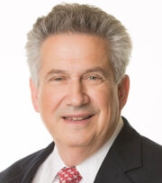 Jeffrey Weitz合作论文数McMaster School of Biomedical Engineering, McMaster University;Department of Medicine, Biochemistry and Biomedical Sciences, McMaster University2
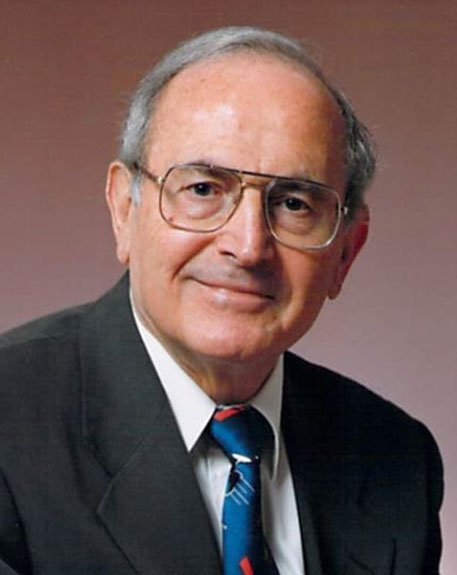 Jack Hirsh合作论文数Faculty of Health Sciences, McMaster University2Mary Helen Blackall合作论文数1Arianna Dal Cin合作论文数1Carolyn Archer合作论文数1Alok Gupta合作论文数1
 Mark Hanson合作论文数Department of Psychiatry, Temerty Faculty of Medicine, University of Toronto1Hukezalie Kyle R合作论文数Faculty of Pharmaceutical Sciences, University of British Columbia1Lee Agnes Y Y合作论文数1Arsenault Kyle A合作论文数1
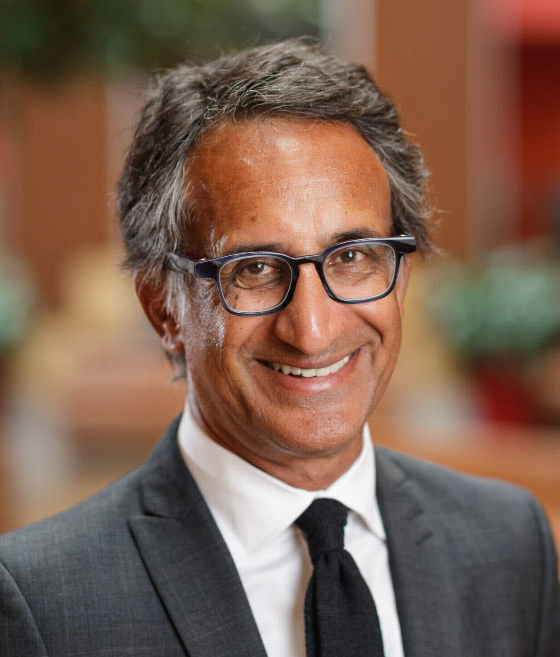 Parminder Raina合作论文数Department of Health Research Methods, Evidence, and Impact, McMaster University1
 Stuart J. Connolly合作论文数Population Health Research Institute, McMaster University;Faculty of Health Sciences, McMaster University1
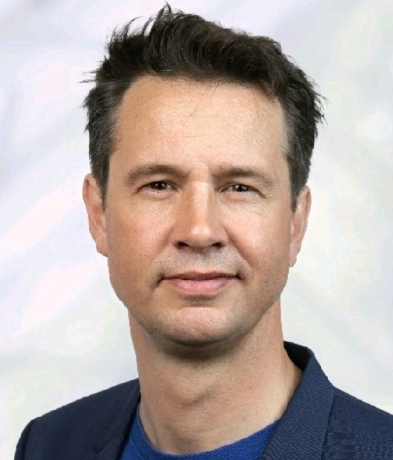 Michiel Coppens合作论文数Haemophilia Treatment Centre, Amsterdam University Medical Centers;Department of Vascular and Internal Medicine, Amsterdam University Medical Centers;European Association for Haemophilia and Allied Disorders1Peter A. Kavsak合作论文数1Pete A. Kavsak合作论文数1
 Jack Gauldie合作论文数Department of Pathology & Molecular Medicine, Faculty of Health Sciences, McMaster University;McMaster Immunology Research Centre, Faculty of Health Sciences, McMaster University1
 Mark Oremus合作论文数McMaster University1
 Holger Hirte合作论文数Department of Oncology, Faculty of Health Sciences, McMaster University;H.W. Hirte Professional Corporation1




