Since the introduction of thoracic endovascular aortic repair (TEVAR) three decades ago, there has been a paradigm shift in the management of aortic disease in favor of endovascular repair over open surgical repair (OSR). Cardiovascular complications remain one of the major all-cause mortality among patients who receive either TEVAR or OSR. Increased aortic stiffness after endograft deployment has been shown to induce left ventricular hypertrophy, diastolic dysfunction, and decreased coronary flow reserve. However, limited data exists on effect after OSR. This study investigates the impact of TEVAR and OSR on cardiac remodeling and aortic compliance by comparing postoperative outcomes, echocardiogram results, and escalation of antihypertensive medications required after both surgeries. A retrospective analysis after IRB approval was performed over 5 years. To better investigate our hypothesis, we did not include hybrid patients in our analysis. After reviewing 809 patients and propensity match, we had 30 patients in each arm (OSR: Open ascending or arch repair. TEVAR: TEVAR with/out arch debranching [no prior open repair]). Information on demographics, medical and surgical history, and clinical outcomes were retrieved. Transthoracic echocardiographic (TEE) imaging results, magnetic resonance imaging (MRI), and computed tomography angiographic (CTA) data were collected to assess cardiac function. Changes to antihypertensive medication dosage and number of medications were used as surrogate markers to demonstrate elevation in blood pressure and aortic stiffness. Our data showed that the OSR group had worse left ventricular hypertrophy (LVH) and ejection fraction compared to the TEVAR group. We found that patients who underwent aortic repair surgery either open or endovascular, showed an increase in the number and dosage of antihypertensive medications required. No significant group difference in antihypertensive medications was observed in the 3-year follow-up period. Our findings demonstrated the need for a more intensive cardiac surveillance program post-TEVAR and OSR. Future efforts will focus on collecting more echocardiogram data: left ventricular wall thickness, diastolic wall strain, and myocardial velocities to better assess cardiac remodeling. The findings would help elucidate hemodynamic alterations post- TEVAR/OSR and encourage stent-graft designs that are more compatible with the native aorta hemodynamics.
Heart failure is a leading cause of morbidity and mortality in the USA. The gold-standard treatment for end-stage heart failure is heart transplant. This chapter discusses continuous flow biventricular support devices, with focus on indications, device types, implantation techniques, and associated outcome. Over the following years, the number of implanted biventricular assist devices (BiVADs) continued to grow, albeit at a slow pace. The medical treatment for RVF begins with the identification and treatment of any reversible cause that could negatively impact RV function. A standard midline sternotomy approach is the most widely used for durable BiVAD implantation. Cardiopulmonary bypass is instituted via bicaval venous return and ascending aorta cannulation providing hemodynamic stability for VAD implantation. Biventricular mechanical support has a role in the armamentarium of biventricular heart failure management for carefully selected patients.
Background: The LATERAL trial validated the safety and efficacy of the thoracotomy approach for implantation of the HeartWare HVAD System, leading to Food and Drug Administration approval. We sought to analyze 24-month adverse event (AE) rates, including a temporal analysis of the risk profile, associated with the thoracotomy approach for the HVAD system. Methods: AEs from the LATERAL trial were evaluated over 2 years postimplant. Data was obtained from the Interagency Registry for Mechanically Assisted Circulatory Support database for 144 enrolled United States and Canadian patients. Temporal AE profiles were expressed as events per patient year. Results: During 162.5 patient years of support, there were 25 driveline infections (0.15 events per patient year), 50 gastrointestinal bleeds (0.31 events per patient year), and 21 strokes (0.13 events per patient year). Longitudinal AE analysis at follow-up intervals of <30 and 30 to 180 days, and 6 to 12 and 12 to 24 months revealed the highest AE rate at <30 days, with a decrease in total AEs within the first 6 months. After 6 months, most AE rates either stabilized or decreased through 2 years, including a 95% overall freedom from disabling stroke. Conclusions: Two-year follow-up of the LATERAL trial revealed a favorable morbidity profile in patients supported with the HVAD system, as AE rates were more likely to occur in the first 30 days postimplant, and overall AE rates were significantly reduced after 6 months. Importantly, 2-year freedom from disabling stroke was 95%. These data further support the improving AE profile of patients on long-term HVAD support. Registration: URL: https://www.clinicaltrials.gov ; Unique identifier: NCT02268942.
Purpose Survival and the relative impact of adverse events after mechanical circulatory support may be different amongst white males (WM), black males (BM), white females (WF) and black females (BF). Methods Patients implanted with the HeartWareTM HVADTM System in the BTT/CAP, ENDURANCE and ENDURANCE Supplemental trials were assessed. Baseline characteristics, survival and adverse events were investigated and compared between WM, BM, WF and BF. Results There were 947 patients included: 60% WM, 16% BM, 15% WF and 9% BF. There were no differences in INTERMACS profile at implant. WM were more likely to be older, with more ischemic risk factors (smoking 70.0%, diabetes 46.7%, carotid disease 15.8%, ischemic HF 64.0%, MI 51.6%, CABG 32.9%). BM had a higher mean body mass index (29.2 kg/m2) and renal insufficiency (mean 1.5 mg/dL), while WF were least likely to be hypertensive (48.2%). Implant as DT was highest in WM 66.3% and lowest in WF 51.1%. According to 4-year adverse event rates per patient year (Figure 1A), WM had highest rates of gastrointestinal bleeds, ischemic stroke, and pump thrombosis, but lowest risk of right heart failure. WF had the lowest risk for driveline infection. Mean duration of support (months) was longest in BF 31.7 compared to WM 24.8, BM 29.4, and WF 25.8, p=0.007. However, BF had the best survival at two years and overall; WM had the worst survival. (Figure 1B) Conclusion In a large cohort of HVAD recipients, white men had the highest rates of gastrointestinal bleeding, pump thrombus, ischemic stroke and the worst survival. Black women had a significantly longer duration of support, but the highest survival, particularly in the first two years post-implant.
Background. Less invasive techniques for left ventricular assist device implantation have been increasingly prevalent over past years and have been associated with improved clinical outcomes. The procedural economic impact of these techniques remains unknown. We sought to study and report economic outcomes associated with the thoracotomy implantation approach. Methods. The LATERAL clinical trial evaluated the safety and efficacy of the thoracotomy approach for implantation of the HeartWare centrifugal-flow ventricular assist device system (HVAD). We collected UB-04 forms in parallel to the trial, allowing analysis of index hospitalization costs. All charges were converted to costs using hospital-specific cost-to-charge ratios and were subsequently compared with Medicare cost data for the same period (2015-2016). Because thoracotomy implants were off-label for all left ventricular assist devices during that period, the Medicare cohort was assumed to consist predominately of traditional sternotomy patients. Results. Thoracotomy patients demonstrated decreased costs compared with sternotomy patients during the index hospitalization. Mean total index hospitalization costs for thoracotomy were $ 204,107 per patient, corresponding to 21.6% reduction (P <.001) and $ 56,385 savings per procedure compared with sternotomy. Across almost all cost categories, thoracotomy implants were less costly. Conclusions. In LATERAL, a clinical trial evaluating the safety and efficacy of the thoracotomy approach for HVAD, costs were lower than those reported in Medicare patient claims occurring over the same period. Because Medicare data can be presumed to consist of predominately sternotomy procedures, thoracotomy appears less expensive than traditional sternotomy. (C) 2020 by The Society of Thoracic Surgeons
This study reports the first analysis regarding cost-effectiveness of left ventricular assist device (LVAD) implantation via thoracotomy. Cost-effectiveness of LVADs implanted via the traditional surgical approach of sternotomy has been improved through the years because of technological advances, along with understanding the importance of patient selection and postimplant management have on positively affecting outcomes. Given the positive clinical outcomes of the thoracotomy approach, we seek to study the cost-effectiveness of a centrifugal LVAD via this less invasive approach. We developed a Markov model. Survival and quality of life inputs (QALY) for the LVAD arm were based on data from the LATERAL clinical trial. For the Medical Management arm, survival was derived from the Seattle Heart Failure Model. The heart transplant probability was derived from INTERMACS. Survival after heart transplantation used International Society for Heart and Lung Transplantation data. Cost inputs were calculated based on Medicare data and past literature. The incremental cost-effectiveness ratio was found to be $64,632 per quality adjusted life year and $57,891 per life year in the bridge to transplant indication. These results demonstrate further improvement in the overall cost-effectiveness of LVAD therapy and confirm implantation of LVADs via a less invasive approach as being cost-effective.
In a Markov model assessing the cost-effectiveness of Thoracotomy Approach for the Implantation of LVADs, we found an ICER of $64,684/QALY. In cases of low heart transplant rates the ICER was below $50,000/QALY. These outcomes demonstrate a significant improvement in the ICER and confirm that implantation via thoracotomy of a small intrapericardial centrifugal LVAD in certain scenarios is cost-effective.
This post-hoc comparison of the Lateral and BTT/CAP trials reveals a significant reduction in overall pre-discharge bleeding events and a trend toward reduction in events requiring reoperations following thoracotomy HVAD implant. These findings continue to support the potential benefits of the thoracotomy approach for implantation of the HVAD System.
The incidence of DLI and sepsis remains stable in the LVAD population. Risk factors for sepsis include diabetes and ischemic etiology. While sepsis is a risk factor for mortality, the occurrence of DLI does not have an adverse effect on survival.
Gastrointestinal bleeding (GIB) is a common cause of morbidity among patients supported by left ventricular assist devices (LVADs). The aim of this study was to identify if pre-LVAD right ventricular (RV) dysfunction is associated with risk of GIB after LVAD implantation. Of 398 patients implanted with LVADs between July 2008 and July 2016, 130 (33%) developed GIB at a median of 2.6 months following LVAD implantation. Arteriovenous malformations (AVMs) were found in 42 (34%) GIB patients. Patients with GIB were older and more likely to have hypertension, diabetes, and ischemic cardiomyopathy. On pre-LVAD echocardiography, GIB patients had increased RV diastolic dimension (4.7 ± 0.8 vs. 4.4 ± 0.9 cm, p = 0.02), a higher rate of greater than mild tricuspid valve (TV) regurgitation (73 [60%] vs. 120 [47%], p = 0.006), and underwent TV repair more often (38 [30%] vs. 43 [16%], p = 0.0006) during LVAD implantation. After multivariable adjustment, preoperative greater than mild RV enlargement (hazard ratio [HR] 2.32, 95% CI 1.12-5.03; p = 0.03), TV regurgitation (HR 1.83, CI 1.02-3.44; p = 0.01), and TV repair (HR 3.76, confidence interval [CI] 1.02-4.44; p = 0.01) remained associated with risk of GIB. This finding was driven by the AVM-GIB subgroup. Preoperative RV enlargement and TV regurgitation are associated with post-LVAD AVM-related GIB.
Purpose Less invasive techniques for Left Ventricular Assist Device (LVAD) implantation have been increasingly prevalent over the last years and have been associated with improved clinical outcomes. The procedural economic impact of these techniques remains unknown. We sought to study and report economic outcomes associated with the thoracotomy implantation approach. Methods LATERAL is the first clinical trial evaluating the safety and efficacy of the thoracotomy approach for implantation of a small intrapericardial centrifugal LVAD. UB-04 forms were collected in parallel to the trial, allowing analysis of index hospitalization costs. All charges were converted to costs using hospital specific cost-to-charge ratios and were subsequently compared to Medicare cost data (Instant Health Data, IHD) for the same time period (2015-2016). Since thoracotomy implants were off-label for all LVADs during that period, the Medicare cohort was assumed to predominately consist of traditional sternotomy patients. Several sensitivity analyses were also conducted. Results Thoracotomy patients (N=97) demonstrated decreased costs compared to sternotomy patients (N=2,831) during the index hospitalization. Mean total index hospitalization costs for thoracotomy were $203,939 (±$87,401) vs. $260,492 (±$153,703) for sternotomy (p<0.0001). Across almost all cost categories, Thoracotomy implants were found less costly. Supply-related costs amounted to $29,445 (±$27,033) for thoracotomy vs. $37,209 (±$36,190) for sternotomy (p<0.0001), days in Intensive Care (both ICU and CCU) cost $28,918 (±$23,742) for thoracotomy cohort against $42,721 (±$51,271) for sternotomy (p<0.0001) and Laboratory-related costs amounted to $20,255 (±$15,215) vs. $25,919 (±$29,048) for sternotomy (p<0.0001). Conclusion In LATERAL, the first clinical trial evaluating the safety and efficacy of thoracotomy of a small intrapericardial centrifugal LVAD, costs were found to be lower than the ones reported in Medicare patient claims occurring over the same time period. Since Medicare data can be presumed to consist of predominately sternotomy procedures, Thoracotomy appears less expensive than traditional sternotomy.
A 37-year-old woman with no past medical history presented with longstanding untreated hyperthyroidism and consequentially developed thyrotoxicosis-induced cardiomyopathy. Upon admission, she was noted with a heart rate of 172 beats per minute and an EKG consistent with supraventricular tachycardia which was unresponsive to adenosine. Shortly after the initiation of a non-cardioselective beta-blocker for the treatment of persistent tachycardia, she developed profound cardiogenic shock refractory to vasopressors and inotropes. She was diagnosed with thyroid storm, which was ultimately attributed to Graves' Disease and controlled with propylthiouracil, potassium iodide drops, and hydrocortisone. Extracorporeal membrane oxygenation (ECMO) was successfully used as a temporizing measure while her thyroid hormone level normalized and cardiac function recovered. Patients with longstanding untreated hyperthyroidism may be dependent on the induced hyperadrenergic state to compensate for low-output cardiac failure, therefore it is important to exercise caution when initiating beta-adrenergic blockade. Given the expected disease time-course in cases of acute decompensation, ECMO remains a viable option for short-term mechanical circulatory support.
HYPOXEMIA DURING cardiopulmonary bypass (CPB) can be catastrophic and requires quick identification and resolution. The differential diagnosis of hypoxemia during CPB bypass is broad and includes the extremely rare possibility of equipment failure. Here the authors present a case of inadequate oxygenation that they believe was because of a patient's metabolic needs exceeding the capability of a single oxygenator.
Purpose Bridge to transplant (BTT) with left ventricular assist device (LVAD) is associated with repeat sternotomy, risk of adverse events, and allosensitization. Consequently intra-aortic balloon pump (IABPs) have been increasingly used as BTT despite a paucity of data comparing the two strategies. We aim to compare pre- and post- heart transplant (HTx) outcomes in patients supported by LVAD and IABP as BTT. Methods This retrospective cohort study included all patients BTT by LVAD (n=115) and IABP (n=32) at a single medical center between 7/2010 and 4/2018. Results Twenty-three (20%) patients bridged with LVAD and 3 (9%) bridged with IABP died on the waiting list (p=0.03), whereas 83 (72%) LVAD patients and 23 (72%) IABP patients underwent HTx after 373 (median, IQR 184;743) and 18 (12;31) days of support, respectively. Six (19%) patients with IABP crossed over to LVAD. Patients BTT with LVAD had higher weight (86.3 +/- 20.5 vs 77.7 +/- 16.5, p=0.05) and albumin (3.7 +/- 1.5 vs 2.9 +/- 0.5, p<0.01) and lower creatinine (1.5 +/- 0.6 vs 1.8 +/- 0.9, p=0.04) at the time of HTx; however, incidence of renal failure requiring dialysis (23 [11%] vs 2 [9%], p=0.8) and creatinine at 1 year post-HTx (1.8 +/- 1.6 vs 1.7 +/- 1.5, p=0.6) did not differ between groups. Post-HTx length of hospital stay was significantly longer in IABP patients (46 [33, 71] vs 21 [15, 32] days, p<0.001). IABP was associated with lower one-year post-HTx rejection scores (0.31 +/- 0.26 vs 0.52 +/- 0.34, p=0.01), though one-year post-HTx survival did not differ between strategies (Figure 1). Conclusion BTT with IABP compared to LVAD was associated with longer post-HTx hospital stay, lower rejection score, similar renal function, and similar short-term survival. Additional studies are needed to compare these two strategies with respect to patient outcomes as well as overall cost effectiveness.
BackgroundOptimal device for bridge to heart transplant (BTT) is unknown. We compared costs and complications associated with left ventricular assist device (LVAD) versus intra-aortic balloon pump (IABP) as primary BTT strategies, as well as outcomes one-year post heart transplant (HTx).Methods11 IABP patients were matched with 11 LVAD patients by age ± 5 years, body mass index (BMI) ± 5 k g/m², and exact blood type. The mean age was 54±9 years, 18% were female, and mean BMI was 27±4 kg/m² (Table 1). Two IABP (18.2%) patients crossed over to LVAD or ECMO.ResultsAverage cost of index hospitalization did not reach statistical significance between LVAD and IABP patients based on primary device modality (median[IQR]: 183[175-221] vs 241[218-261]) (p=0.065). Total BTT costs were higher for LVAD patients (449[379-657] vs 244[225-348]) (p=0.012) (see Figure 1). Complications are listed in Table 2. Eight (73%) LVAD and all IABP patients were alive at one year post-HTx (p=0.25). Other one-year outcomes from time of HTx were similar (Table 3).ConclusionBTT with LVAD compared to IABP is associated with higher costs. For patients who can be stabilized on IABP, IABP is a cost-effective method. Optimal device for bridge to heart transplant (BTT) is unknown. We compared costs and complications associated with left ventricular assist device (LVAD) versus intra-aortic balloon pump (IABP) as primary BTT strategies, as well as outcomes one-year post heart transplant (HTx). 11 IABP patients were matched with 11 LVAD patients by age ± 5 years, body mass index (BMI) ± 5 k g/m², and exact blood type. The mean age was 54±9 years, 18% were female, and mean BMI was 27±4 kg/m² (Table 1). Two IABP (18.2%) patients crossed over to LVAD or ECMO. Average cost of index hospitalization did not reach statistical significance between LVAD and IABP patients based on primary device modality (median[IQR]: 183[175-221] vs 241[218-261]) (p=0.065). Total BTT costs were higher for LVAD patients (449[379-657] vs 244[225-348]) (p=0.012) (see Figure 1). Complications are listed in Table 2. Eight (73%) LVAD and all IABP patients were alive at one year post-HTx (p=0.25). Other one-year outcomes from time of HTx were similar (Table 3). BTT with LVAD compared to IABP is associated with higher costs. For patients who can be stabilized on IABP, IABP is a cost-effective method.
Purpose ABO antigens are ubiquitously expressed not only on RBCs but also on vascular endothelium. Blood groups A and AB have 20 different subytpes, A1 being most common (80%), followed by A2(19%) and remainder <1%. Although subtyping is rarely performed during compatibility testing, patients may be identified as "non-A1" or "non-A1B" by routine blood bank testing based on presence of anti-A1 isoagglutinins in their plasma. Transplantation(Tx) of hearts from A1 donors to non-A1 or non-A1B recipients who might have anti-A1 isoagglutinins raises the concern for rejection, and the current ISHLT guidelines are not clear regarding blood group A subtyping in heart Tx. We investigated the post-heart Tx outcomes on patients based on blood group A subtyping. Methods We retrospectively tested for presence of A1 antigen and anti-A1 isoagglutinins on 51 adult post-heart Tx patients with either A or AB blood group at our institution. Patients were divided into 2 groups based on presence of A1 antigen, A1 or non-A1 subtype. Primary endpoint was freedom from rejection at 6 months. Secondary endpoints included graft dysfunction, cardiac allograft vasculopathy (CAV) and re-transplantation. Results Of the 51 study participants, 43 were A1 and 8 were non-A1 subtype. None of the non-A1 subtype recipients had detectable anti-A1 isoagglutinins despite 5/8 donor hearts were A1. Mean follow up time post-Tx was 61.8±44.5 months (non-A1) and 91.8±79 months (A1, p=0.15). No significant difference was noted between two groups in terms of freedom from rejection at 6 months (non-A1: 3, A1: 15, p=0.39), graft dysfunction on echocardiogram (non-A1: 1, A1: 4, p=0.88), CAV (non-A1: 0, A1: 5, p=0.29), and re-transplantation (A1: 0% vs non-A1: 0%, p=1). Conclusion Transplantation of A1 donor hearts to non-A1 recipients in the absence of anti-A1 isoagglutinins does not affect post heart Tx outcomes in terms of rejection, graft dysfunction, CAV, or retransplantation.
Purpose An intra-aortic balloon pump (IABP) can help optimize and bridge to transplant (BTT) patients with advanced congestive heart failure. We retrospectively reviewed the application and safety of this technique at our center. Methods Between January 2016 and April 2018, 32 patients underwent IABP as BTT including femoral (n=11), subclavian (n=17), and axillary (n=4) approaches with a median duration of support of 5 (IQR 3;14), 18 (IQR 15;36) and 30 (IQR 18;39) days, respectively. Results The mean age was 57.5 +/- 9.4 years, 15 (48%) had NICM, and 30 (94%) patients were in INTERMACS 1&2 profiles. Prolonged IABP support was associated with significant improvements in mean pulmonary artery pressure (from 35.8 +/- 11.1 to 28.2 +/- 7.9, p=0.02); cardiac index (from 2.0 +/- 0.5 to 2.5 +/- 0.6, p<0.01), and creatinine (from 1.6 +/- 0.8 to 1.3 +/- 0.7, p=0.04). Overall, three (9%) patients died, 6 (19%) patients received left ventricular assist device (LVAD), and 23 (72%) patients underwent heart (n=21) or multi-organ (n=2) transplantation. At 30 days of follow up, Kaplan-Meier survival was 89%, rate of transplantation 76%, and rate of escalation to LVAD 23%. Complications of IABP support are listed in Table 1. Complication-free survival was 64% (Figures 1 A, B, C, D). Conclusion IABP provides reasonable hemodynamic support for BTT in many patients with end stage heart failure; however, over one third developed complications of prolonged support. Further investigation is needed to identify which patients are most appropriate for BTT IABP.
BACKGROUND: The HeartWare centrifugal-flow ventricular assist device system (HVAD) is a viable option for treatment of advanced heart failure. There is a growing trend toward the use of less invasive techniques in cardiac surgery, and the thoracotomy technique for HVAD implantation may provide benefits not available with conventional approaches. METHODS: The LATERAL trial is a multicenter, prospective, non-randomized, single-arm trial that utilized data from 144 patients enrolled in the Interagency Registry for Mechanically Assisted Circulatory Support (INTERMACS) database at 26 centers in the United States and Canada. The primary composite end-point was success at 180 days defined as alive on the originally implanted device and free from disabling stroke (modified Rankin Scale score >3), transplanted or explanted for recovery. The key secondary end-point was mean length of initial hospital stay. RESULTS: The primary end-point was successfully achieved in 88.1% of patients and was significantly greater than the pre-defined performance goal of 77.5% set from historical sternotomy data (p = 0.0012). The key secondary end-point-mean length of initial hospital stay - was 18 days and was significantly shorter than the pre-defined performance goal of 26.1 days obtained from historical sternotomy data (p < 0.0001). The adverse event profile further demonstrated the safety of the thoracotomy approach. The overall patient survival was good, and bleeding requiring reoperation was significantly less frequent than that observed in previous studies using the sternotomy approach. CONCLUSIONS: This prospective clinical trial provides validation that implantation of the HVAD system via the thoracotomy approach used in the LATERAL study represents a safe and effective alternative to median sternotomy in selected patients intended for a bridge-to-transplant indication. (C) Published by Elsevier Inc. on behalf of International Society for Heart and Lung Transplantation. All rights reserved.
Background: The effect of elevated heart rate (HR) on outcomes after heart transplantation (HT) has not been well established. The aim of this study was to assess predictors of elevated HR following HT and its impact on outcomes. Methods and Results: We retrospectively evaluated 394 patients who underwent HT at 2 academic medical centers from 2005 to 2016. Patients were divided into 2 groups based on HR 1 year after HT: HR >= 95 beats/min (n = 162; 41%) and HR <95 beats/min (n = 232; 59%). Median follow-up time was 6.6 (inter-quartile range [IQR] 2.2-7.5) years. HR >= 95 beats/min 1 year after HT was associated with younger donor age, whereas HR <95 beats/min was associated with heavy donor alcohol use and African-American recipient race. Left ventricular (LV) end-diastolic dimension, mass, and ejection fraction were lower and E/E' higher in the HR >= 95 group at the time of the last follow up. HR >= 95 beats/min at 1 year after HT was independently associated with the development of cardiac allograft vasculopathy and increased mortality. Conclusions: HR >= 95 beats/min 1 year after HT is associated with a reduction in LV size and function, increased incidence of cardiac allograft vasculopathy, and reduced survival. Studies investigating the effect of medical HR reduction on post-HT outcomes are warranted.
Background. The incidence of right ventricular dysfunction requiring right ventricular assist device after left ventricular assist device placement has been reported between 10% to 30%. The mortality rate is higher compared with patients who require left ventricular assist device only; the most effective and safest biventricular assist device remains unknown. We aimed to determine the survival outcomes and frequency of adverse events in patients with two durable, intracorporeal, continuous flow centrifugal pumps for support. Methods. Between November 2012 and June 2015, 38 patients were identified from INTERMACS received durable, intracorporeal continuous flow centrifugal pumps for biventricular support. Pediatric patients were excluded. Mean age was 47 years, and 74% of patients were male. The common primary diagnoses in this cohort were dilated myopathy, idiopathic (37%) and ischemic (16%). Results. Nineteen participating centers implanted devices in 38 patients; 11 patients died with device in place, 9 patients received a heart transplant, and 18 were alive on support with the right ventricular assist device in place. Survival outcomes were 68% at 6 months and 62% at 12 months. The left ventricular assist device was placed in the left ventricle apex in 91% of cases, and in 9%, the location was not specified. The right ventricular assist device was placed in the right ventricle in 50%, right atrium in 37%, and not specified in 13%. The adverse events included infection 50%, bleeding 44%, respiratory failure 31.6%, and malfunction 26.3%; neurologic dysfunction 26.3%; renal dysfunction 18.4%; and arrhythmia 18.4%. Conclusions. The use of durable, intracorporeal, continuous flow centrifugal pumps for management of advanced biventricular heart failure is associated with high morbidity and mortality. Further investigation of this device configuration is warranted. (C) 2018 by The Society of Thoracic Surgeons
 Patrick M. Mccarthy合作论文数Feinberg School of Medicine, Northwestern University56
 S Chris Malaisrie合作论文数Division of Cardiac Surgery, Department of Surgery, Northwestern University Feinberg School of Medicine31
 Richard Lee合作论文数Department of Stem Cell & Regenerative Biology, Harvard University;Harvard Medical School;Brigham and Women's Hospital31
 William G. Cotts合作论文数31
 Kathleen L Grady合作论文数Cardiology, Department of Medicine, Feinberg School of Medicine, Northwestern University21
 Adin-Cristian Andrei合作论文数Department of Preventive Medicine, Feinberg School of Medicine, Northwestern University14
 Keith David Aaronson合作论文数Division of Cardiovascular Medicine, Department of Internal Medicine, Medical School, University of Michigan;Samuel and Jean Frankel Cardiovascular Center, University of Michigan;Center for Circulatory Support, University of Michigan14
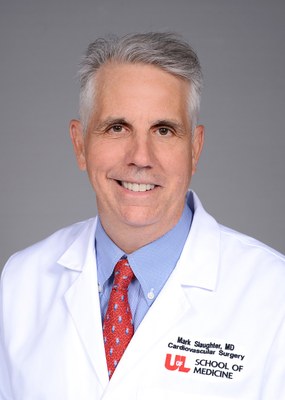 Mark S. Slaughter合作论文数Department of Cardiovascular and Thoracic Surgery, School of Medical, University of Louisville14Nahush A. Mokadam合作论文数School of Medicine, Washington University13Steven W. Boyce合作论文数13
 Jeffrey Teuteberg合作论文数Division of Cardiovascular Medicine, Department of Medicine, Stanford University;Stanford Cardiovascular Institute, Stanford Medicine10Najjar Samer S合作论文数9
 Lapin Brittany合作论文数Department of Surgery, NorthShore University HealthSystem9
 Claudius Mahr合作论文数9
 Francis Dominic Pagani合作论文数Frankel Cardiovascular Center, University of Michigan, Ann Arbor9
 Michael A. Acker合作论文数Surgery Faculty, Perelman School of Medicine, University of Pennsylvania8
 Robert O Bonow合作论文数Division of Cardiology, Department of Medicine, Feinberg School of Medicine, Northwestern University8
 Matthew Danter合作论文数8
 Robert L. Kormos合作论文数McGowan Institute for Regenerative Medicine, University of Pittsburgh;University of Pittsburgh Medical Center;Abbott8
 Jane Kruse合作论文数8
 Anson Cheung合作论文数Divisions of Cardiology & Cardiovascular Surgery, Department of Medicine, Faculty of Medicine, The University of British Columbia8
 Simon Maltais合作论文数8
 Valentina Stosor合作论文数Infectious Diseases, Department of Medicine, Feinberg School of Medicine, Northwestern University7
 Mark E Molitch合作论文数Division of Endocrinology, Metabolism and Molecular Medicine, Department of Medicine, Feinberg School of Medicine, Northwestern University7Valluvan Jeevanandam合作论文数Department of Surgery, The University of Chicago7Najarian Kevin B合作论文数7Eugenia Raichlin合作论文数7
 Duc Thinh Pham合作论文数Division of Cardiac Surgery, Department of Surgery, Feinberg School of Medicine, Northwestern University;Bluhm Cardiovascular Institute, Northwestern Memorial Hospital7
 Joseph G. Rogers合作论文数The Texas Heart Institute;Baylor College of Medicine;Department of Medicine, School of Medicine, Duke University;Duke Clinical Research Institute6R Gordon合作论文数6
 Theodore J Boeve合作论文数6Schmidt Kathleen合作论文数6
 Liviu Klein合作论文数Department of Medicine, Advocate Illinois Masonic Medical Center6Martin Strueber合作论文数6
 Allen S Anderson合作论文数Janey & Dolph Briscoe Division of Cardiology, Department of Medicine, The University of Texas Health Science Center at San Antonio6
 Muthiah Vaduganathan合作论文数Heart and Vascular Center, Brigham and Women's Hospital6
 Clyde W. Yancy合作论文数Feinberg School of Medicine, Northwestern University;Bluhm Cardiovascular Institute of Northwestern, Northwestern University6F. D. Pagani合作论文数5Dr Hathaway合作论文数5
 Carmelo Alessio Milano合作论文数Cardiothoracic Surgery Translational Research Laboratory, Duke University;Division of Cardiothoracic Surgery, School of Medicine, Duke University5
 Amisha Wallia合作论文数Endocrinology, Metabolism and Molecular Medicine, Department of Medicine, Feinberg School of Medicine, Northwestern University5
 Charles J Davidson合作论文数Department of Medicine, Feinberg School of Medicine, Northwestern University5
 Emma Birks合作论文数5
 Anat Roitberg-Tambur合作论文数Department of Surgery, Feinberg School of Medicine, Northwestern Univeristy5Thomas G. Gleason合作论文数5Nalini M. Rajamannan合作论文数5
 Georg Wieselthaler合作论文数Department of Surgery, School of Medicine, University of California, San Francisco5Haseeb Ilias Basha合作论文数Department of Surgery, Washington University School of Medicine5




