INTRODUCTION:The SynCardia Total Artificial Heart (TAH) offers a life-saving mechanical circulatory support (MCS) option for patients with end-stage biventricular (BiV) heart failure who are not candidates for traditional devices or are awaiting transplantation. The device and its prior success has opened doors to further research in newer devices and technologies to combat existing challenges with TAH. AREAS COVERED:This review highlights the clinical utility, device profile and function, safety considerations, patient selection, and current challenges associated with the device. It summarizes key clinical studies, FDA approval history, technical specifications of the TAH, outcomes, complications, and logistical considerations. Literature was sourced through PubMed and clinical trial databases using terms such as 'SynCardia,' 'total artificial heart,' 'biventricular failure,' and 'bridge to transplant.' EXPERT OPINION:TAH offers full heart replacement and is evolving toward becoming a long-term alternative to transplants. Challenges like power supply, long-term durability, and biocompatibility are being addressed through innovations such as fully implantable systems and hybrid biological-mechanical designs. Unlike transplantation, TAHs avoid immunosuppression and offer hope to patients who cannot wait for donor hearts.In the coming years, global development of advanced TAHs, coupled with better clinical acceptance could transform treatment of end-stage heart failure providing a more accessible, reliable, and life-sustaining solution.
Introduction Conduction abnormalities are infrequent but known immediate and delayed complications post heart transplant. Temporary pacing is required in the immediate postoperative period, with escalation to permanent pacing if conduction remains unresolved. Permanent pacemaker (PPM) implantation is associated with device- and surgical-related complications. Many of these complications can be avoided with the less invasive implantation of leadless PPMs and have been reported previously in several cases status post heart transplant. However, these reports were related to conduction abnormalities arising > 1-year after transplant. Here we present the first case of leadless PPM implant after heart transplant in the biopsy dense immediate postoperative period where additional benefits exist. Case Report The patient is a 67-year-old male with a past medical history significant for nonischemic cardiomyopathy diagnosed in 2012. He underwent an orthotopic heart transplant on 2/11/2022 as UNOS status 2. On 2/14, there was a loss of capture of the patient's epicardial pacing wires, and the patient experienced two episodes of asystole. He was successfully resuscitated with a return of spontaneous circulation via surgical placement of two new epicardial wires, and his pacer was set to dual-chamber antibradycardia pacing. He was maintained on isoproterenol until being switched to theophylline on 2/16. The patient continued to be in heart block and underwent placement of leadless Medtronic Micra permanent pacemaker on 3/3/2022 (Figure 1) with no complications to date. Summary An estimated 2-24% of patients will require placement of a PPM for conduction abnormalities following heart transplantation. PPM use in this post-transplant population requires careful consideration given the immunocompromised status of these patients with the highest risk of mortality being within 30 days of transplant. Complications of PPM implant include infection, hematoma, risk of tricuspid regurgitation, and potential for lead dislodgement during imperative surveillance endomyocardial biopsies under fluoroscopic guidance. Leadless pacemakers are implanted using minimally invasive catheterization which reduces the risk of these complications and confers a shorter recovery time. This case provides evidence for the feasibility, efficacy, and advantage of leadless PPM use in the immediate postoperative period after heart transplantation.
Patients with cardiomyopathy and aortic dissection presents significant challenges. Some patients are too ill to go directly to transplantation and require a bridge strategy to address the cardiomyopathy and dissection. This case combines a total artificial heart with a frozen elephant trunk procedure to increase the likelihood of survival. The patient underwent transposition of the left subclavian artery to the left carotid artery prior to frozen elephant trunk combined with implantation of a total artificial heart, bridge to transplantation. The patient remained inpatient, and underwent heart transplantation, with discharge from the hospital. Bridge to transplantation in patients with dissection is feasible in selected patients.
Blood volume analysis provides a quantitative volume assessment in patients with equivocal or discordant clinical findings. Reports on its use in mechanical circulatory support are limited and it has never been described in patients with a total artificial heart. Our series demonstrates that patients supported with total artificial heart as a bridge to transplant have significant reductions in red blood cell volume and heterogeneous adaptations in their total blood volume and plasma volume. Pathologic derangements in our patient’s total blood volume were targeted to restore euvolemia.
Purpose: To analyze both the allocation of heart transplants in patients based on blood type and whether durable VADs alter said distribution. Methods: Data was gathered from the Organ Procurement & Transplantation Network on blood type, status of patients at time of transplant, and if VAD was present at time of transplant nationally and for Region 5 (R5) in 2021. The percentage of each blood type for all status for all transplants and R5 were calculated, as well as the relative transplantation rates for status 4 VADS. Results: Table one shows the distribution of heart transplants by blood type for all transplants nationally, all transplants in R5, all transplants with status 4 VADs, and R5 with status 4 VADs. R5 had an increase in the percentage of status 4 VADs patients transplanted for blood types A and B and a decrease in the percentage of blood type O in comparison to all transplants that occurred in that area. Nationally all transplants and status 4 VAD patients with O and A blood type were transplanted less than the national blood type distribution. R5 transplanted more O patients overall, but less status 4 VAD patients. The opposite was true for A patients in R5. Both nationally and R5, blood type B was transplanted more frequently than the national blood type distribution. Conclusions: Blood type may matter for patients with durable VADs who are eligible for heart transplantation. VAD patients with certain blood types are more or less likely to receive a transplant than patients without a VAD. Both nationally and in R5, blood type O patients are less frequently transplanted with a VAD than without a VAD. On the other hand VAD patients with blood types A and B tend to have more transplants than patients without a VAD. Given a patient’s clinical status and end-goal of cardiac transplantation, it may be more or less beneficial to have a VAD as a bridge to transplant depending on their blood type.
The total artificial heart (TAH) has a long and rich history, being the product of decades of innovation, hard work, and dedication. This review examines the history of the TAH, a device that has revolutionized the treatment of end-stage biventricular heart failure. It reviews the development of the device from early concepts to the current state-of-the-art device, the SynCardia TAH, which has been implanted in over 2,000 patients worldwide. The article also discusses the challenges and successes experienced by researchers, clinicians, and patients throughout the development of TAH devices. Our focus will also be on discussing the hemostatic alterations in patients implanted with TAH and anticoagulation strategies to decrease associated thromboembolic risks. The article concludes with a look at other novel TAH devices and the future of TAH as an increasingly viable treatment for end-stage heart failure.
Intro Heart transplantation remains the gold standard for end stage heart failure refractory to medical therapies. Methods to expand the donor pool continue to highlight the need to increase the supply of hearts to meet the demand. We aim to describe our experience with DCD (donor cardiac death) heart transplantation. Methods: We obtained the total number of DCD attempts at our institution since enactment of our DCD program from our OPO administrator from February 1, 2022 through September, 30, 2022. Our OPO is through Donor Network of Arizona and serves communities across the Southwestern United States. Results: Out of the 11 DCD procurements, 3 hearts were successfully procured, 5 donors did not progress to circulatory death, and 3 donor hearts were turned down due to quality issues. Average age and sex of DCD donors that were used: 22 years, 2 male and 1 female, unused: 30 years, 5 male, and 3 female. Cause of death in the DCD donors that were used included head trauma (2) and anoxia (1). Cause of death in the DCD donors that were not used: head trauma (2), anoxia (5), CVA (1). For the organs that were turned down due to quality, 2 had significant coronary calcifications and 1 had a cardiac contusion. Forty-five percent of our DCD donors did not progress to donor circulatory death. We were able to successfully utilize 27% of DCD offers. Conclusion: More data are required for successful procurement of DCD hearts and further studies are needed to optimize resource utilization. Specifically, predictive models of which hearts are suitable quality and which donors will progress to circulatory death are needed.
The incidence and prevalence of end-stage heart failure continue to rise; however, the number of donor hearts available for transplantation continues to be limited. Therefore, alternatives to transplantation, such as the use of total artificial hearts (TAH), are necessary. The long and winding road to the development and implantation of the ideal TAH remains under construction. Although efforts have been ongoing for almost a century, researchers and clinicians continue to improve currently available TAHs and design and construct new models. With mortality and morbidity rates decreasing, particularly at high-volume centers with a dedicated team and carefully selected patients, the use of TAHs as a bridge to transplantation, and even destination therapy in clinical trials, the future of TAHs is bright.
Project Leaders: Diyar Saeed, MD, PhD; David Feldman, MD, PhD and David D'Alessandro, MD Task Force 1 Co-Chairs: Guy MacGowan, MD and Palak Shah, MD, MS Contributing Writers: Manreet Kanwar, MD, Antonio Loforte, MD, Feras Khaliel, MD, Salpy V. Pamboukian, MD, MSPH, Jeffrey J. Teuteberg, MD, Jaime-Juergen Eulert-Grehn, MD and Doug Horstmanshof, MD Task Force 2 Co-Chairs: Christopher Hayward, MD and David Feldman, MD, PhD Contributing Writers: Ryan Tedford, MD, Louis Benson-Louis IV, MD, Jaime Hernandez-Montfort, MD, Erin Coglianese, MD, Samer Najjar, MD, Aleem Siddique, MD, David Schibilsky, MD, Juliane Vierecke, MD Task Force 3 Co-Chairs: Simon Maltais, MD, PhD and Diyar Saeed, MD, PhD Contributing Writers: Sern Lim, MD; Hiroo Takayama, MD, PhD; Scott Silvestry, MD; Jiri Maly, MD; Jan Schmitto, MD, PhD; Benjamin Sun, MD; Daniel Zimpfer, MD, PhD, Jens Garbade, MD, PhD; Keyur B. Shah, MD; Marzia Leache, MD Task Force 4 Co-Chairs: Jennifer Cowger, MD, MS and Laurens F. Tops, MD, PhD Contributing Writers: Elena Sandoval, MD, Gabriel Sayer, MD, Saima Aslam, MD, Jerry D. Estep, MD, Holger W. Buchholz, MD, Ranjit John, MD, Thomas Schlöglhofer, MSc, Ivan Netuka, MD, Snehal R Patel, MD, Jennifer Cook, MD, Rebecca Cogswell, MD, Jaime-Jürgen Eulert-Grehn, MD, and Kristin Sandau, PhD, RN Task Force 5 Co-Chairs: Paul Mohacsi, MD and Ulrich Jorde, MD Contributing Writers: Yogita Rochlani, MD, Sarah E. Schroeder, RN, Dawn Christensen, RN, Thomas Schlöglhofer, MSc, Agnieszka Ciarka, MD, Sarah Schettle, PA, Sean Pinney, MD, Melana Yuzefpolskaya, MD, Nir Uriel, MD, Kristin Sandau, RN, Tonya Elliot, RN, MSN, Stuart Russell,MD, Jennifer Cowger, MD, Desiree Robson, RN, Maya Guglin, MD, Jose Gonzalez Costello, MD and Evgenij Potapov, MD Task Force 6 Co-Chairs: Martin Schweiger, MD, Elizabeth Blume, MD, David Feldman, MD, PhD and Stephan Schueler, MD, PhD Contributing Writers: Christina Vander Pluym, MD, Pirooz Eghtesady, MD, PhD, Jill Gelow, MD, De Rita Fabrizio, MD, Ari Cedars, MD Task Force 7 Co-Chairs: Emma Birks MD and Simon Maybaum, MD Contributing Writers: Gene Kim, MD, Edo Birati, MD, Van-Khue Ton, MD, PhD, Mark S Slaughter, MD and Stavros G Drakos, MD, PhD Task Force 8 Co-Chairs: Aly El Banayosy, MD; Jamila Kremer, MD and Marvin Slepian, MD Contributing Writers: Paulino Alvarez, MD, Francisco Arabia, MD, Jack Copeland, MD, Sachin Kumar MD, Jacob Lavee, MD and Pascal Leprince, MD Task Force 9 Co-Chairs: Sarah E. Schroeder ACNP-BC, MSN RN; Mandeep Mehra MD and Jennifer A. Cowger, MD. Contributing writer: David D'Alessandro, MD Expert Reviewers: Francis Pagani, MD, PhD21; Lynne Warner Stevenson, MD22; James Kirklin, MD23; Finn Gustafsson, MD24; Maria G Crespo-Leiro, MD25 and Vivek Rao, MD, PhD26 In 2013, the International Society for Heart and Lung Transplantation (ISHLT) published the first official guidelines for implantable mechanical circulatory support (MCS) as commissioned by its Board of Directory. Considering the substantial growth and technological advancement in the MCS field, much of the content of the 2013 report is no longer clinically relevant and new information is needed. In response to this and at the request of the Board of Directors to keep ISHLT guidelines appropriately updated, the MCS Council approved and commissioned the development of a focused update. The 2013 MCS guidelines were organized into individual Task Forces covering preoperative, intraoperative, and postoperative management of MCS patients. These guidelines exclusively pertain to patients treated with implantable left ventricular assist devices (LVADs). In addition to updating and augmenting this content, the 2023 Guidelines update includes 4 additional Task Forces resulting in the most comprehensive resource guiding the management of patients with durable mechanical circulatory support (DMCS). As the field of MCS has evolved, these guidelines now pertain to all configurations of DMCS including single and biventricular support. During the development of this document some notable changes occurred that are relevant to the field. Most significantly, the HeartMate III was introduced into practice; and following a successful clinical trial, it was approved for use in both the USA and Europe. As a result, the HeartMate II pump was rapidly phased out of clinical practice. More recently, Medtronic discontinued new implants of the HVAD. As there are a significant number of HVAD and HMII supported patients still in clinical practice, these guidelines remain pertinent and continue to guide the management of patients supported with these pumps. Eight years after the original guidelines were published, the Centers for Medicare and Medicaid Services redefined the categories for the approval of LVADs replacing the traditional bridge-to-transplant and Destination Therapy terminology. The traditional terminology remains widely used worldwide and as such continues to be used in these updated guidelines. Also, of note, these guidelines are intended to specifically guide the management of DMCS patients. Notably absent are utilization and management guidelines for temporary mechanical support, as these guidelines are forthcoming. The terminology used in this guidelines-update is important and should be considered by the reader. As the new guidelines include additional implantable devices, we have substituted DMCS for implantable MCS and LVAD throughout the document. This term is used when a statement or recommendation is applicable broadly to all durable heart pumps and configurations. More specific terms such as LVAD, BIVAD, or TAH are used when a statement or recommendation is specific to a device or configuration. Writers were encouraged to use DMCS whenever possible. Each Task Force was extensively reviewed by the Writing Committee, Co-Chairs, and by outside reviewers who were identified by the manuscripts leads. Every effort was made to avoid guideline recommendations which are not generally practiced in most medical centers or were otherwise controversial or unsettled in 2023. The 2023 MCS Update is comprised of 9 individual Task Forces. These include:Task Force 1: Selection of candidates for DMCS and risk management before implantation for fixed comorbidities.Task Force 2: Patient optimization, consent, and appropriate timing for MCS: Modifiable risk management before implantation.Task Force 3: Intraoperative and immediate postoperative managementTask Force 4: Inpatient management of patients with DMCS.Task Force 5: Outpatient management of the mechanical circulatory support device recipient.Task Force 6: VAD in adults with congenital heart disease.Task Force 7: Evaluation for recovery.Task Force 8: Section on biventricular assist devices and total artificial heart specifications.Task Force 9: Section on center quality metrics, outcomes, volume, and staffing. The contributing writers represent an international and multidisciplinary community, reflecting the membership of the International Society of Heart and Lung Transplantation and respecting its commitment to Gender, Geography and Generation. Task force leaders were chosen for their expertise and contributions to the MCS field, and the writing groups were selected to include junior and senior members from a range of specialties depending on the focus of the section. Task Force leaders were instructed to follow general guidelines conventions as outlined in Table 1. Following each task force is a table summarizing the 2013 recommendations on the left (not present with the new sections) and the 2023 updates on the right. While certain content was moved to better organize the material, the authors made every attempt to make the changes obvious, with side-by-side comparisons. Omitted recommendations from 2013 are simply not included in the 2023 updates. In this update, we have reviewed the prior recommendations and made the following determination: Unchanged: Either reproduced verbatim or slightly modified if the change in wording did not alter clinical practice. Modified: Used when a prior recommendation was substantially changed or altered in a way which could lead to a change in clinical practice. This could include expanding the scope of a prior recommendation, a change in the classification or the level of evidence supporting a recommendation. New: Used when adding a recommendation which did not previously exists. As with the original 2013 MCS guidelines, the authors have made every attempt to provide the best level of evidence, as a basis for these recommendations. Despite these efforts, a large portion of these recommendations continue to be based on consensus or expert opinion. While this document is comprehensive and designed to stand-alone, it references other ISHLT documents that are summarized and referenced within. The 2023 MCD Guidelines Update represents a tremendous amount of work done over several years during tumultuous and challenging times in our medical communities. The Task Force leaders were responsible for the comprehensiveness and quality of their section's content. During the editing phase, some of the content was moved between Task Forces to more sensibly organize the material. Due to the amount of time required to complete this document, additional updates were required to adjust for significant developments in the field. We applaud and congratulate the contributing writers and our reviewers for this momentous contribution to our MCS field. Diyar Saeed, MD, PhD; David Feldman, MD; and David D'Alessandro, MD Table 1Class IStrongly supported by evidence or consensus opinion. Such a treatment is strongly recommendedClass IIaEvidence or consensus opinion mostly in favor. Such a treatment is reasonable to consider.Class IIbEvidence or consensus opinion conflicting or less well established. Such a treatment may be reasonable to consider.Class IIIEvidence or consensus opinion is against as the treatment is not effective or harmful. Such a treatment should be avoided.Level of evidence AData derived from multiple randomized clinical trials or meta-analyses.Level of evidence BData derived from a single randomized clinical trial or nonrandomized studies.Level of evidence CConsensus opinion or case reports. Clinical evidence lacking. Open table in a new tab Selection of candidates for DMCS and risk management before implantation for fixed comorbidities Chairs: Guy MacGowan, MDa and Palak Shah, MD, MSb Contributing Writers: Manreet Kanwar, MDc, Antonio Loforte, MDd, Feras Khaliel, MDe, Salpy V. Pamboukian, MDf, MSPH, Jeffrey J. Teuteberg, MDg, Jaime-Juergen Eulert-Grehn, MDh, and Doug Horstmanshof, MDi aNewcastle Upon Tyne Hospitals, and Newcastle University, Newcastle upon Tyne, UK bInova Heart and Vascular Institute, Falls Church, Virginia cAllegheny General Hospital, Pittsburgh, Pennsylvania dBologna University, Cardiothorac, Transplant and Vasc Surg Department, Bologna, Italy eKing Faisal Specialist Hospital & Research Center, Riyadh, Saudi Arabia fUAB, Birmingham, Alabama gStanford University Medical Center, Stanford, California hDeutsches Herzzentrum, Berlin, Germany iIntegris Baptist Medical Center, Oklahoma City, Oklahoma Expert Reviewers Finn Gustafsson, MD, Copenhagen University Hospital, Copenhagen, Denmark Francis Pagani, MD, University of Michigan Health, Ann Arbor, Michigan Lynne Warner Stevenson, Vanderbilt University, Medical Center, Nashville, Tennessee Two major indications for durable mechanical circulatory support (DMCS) are accepted by regulatory bodies and payors both in the United States of America (USA) (1-4) and European countries (5, 6): bridge to cardiac transplantation (BTT) or permanent therapy for end-stage refractory heart failure, referred to as destination therapy (DT). As of October 10, 2018, the Interagency Registry for Mechanically Assisted Circulatory Support (INTERMACS) database has acquired data from 152 of 163 hospitals (93%) implanting durable Food and Drug Association (FDA)-approved devices in USA between 2006 and 2017 (1-4). According to the most recent North-American reports, more than 25,000 patients have received MCS therapy, of whom over 18,000 underwent continuous-flow (CF) LVAD device implantation (1-4). The intention to treat at the time of implant category has evolved over time. Before the approval of continuous flow devices, approximately 200 implants per year were entered into the INTERMACS database. Only a small fraction of these implants were for DT. After approval of continuous flow devices for BTT, pulsatile technology was quickly supplanted by continuous flow pumps, and the volume of implants recorded in INTERMACS tripled. The volume of implants again grew dramatically after the approval of a continuous flow device for DT, and the DT indication accounted for roughly one-third of all new implants (1-6). Despite the majority of patients being implanted as BTT, only about half of these patients are actually listed for transplantation at the time of DMCS. While transplantation may be the ultimate intention for those not listed, these patients are often not initially eligible for transplantation for a variety of reasons. Implants under these circumstances are often colloquially referred to as “bridge to candidacy” (BTC), as in the United States the FDA does not recognize BTC as an approved indication similar to many European countries (1-6). In some patients, contraindications to transplant such as pulmonary hypertension, renal impairment, or obesity may improve after a period of DMCS such that transplant candidacy may be reconsidered. Conversely, these same contraindications may persist, or the patient may experience an adverse event during support that makes them ineligible for transplant. To illustrate this point, as many as 17% of DT recipients eventually undergo heart transplant, whereas many BTT patients, particularly those implanted as BTC, are no longer eligible for transplant after a period of support (1-6). The frequency of CF LVAD implants for the DT indication increased with time (1-6). In patients who underwent centrifugal flow CF LVAD implant, the DT indication increased from 0% in 2012 to 27% in 2017, reflecting the impact of FDA approval of newer generation pumps for DT support. Between 2014 and 2020, the DT indication increased from 46% to 73% of patients in the United States who underwent axial flow CF LVAD support (7), whereas BTT frequencies declined (1-4). Over a mean support duration of 20 months, according to the most recent INTERMACS analysis (2008-2017), 1-year survival has reached 83%, and median survival has now surpassed 5 years with CF LVADs (1-4) (7) with similar results according to recent European data (5, 6). Bridge to recovery may also be a goal of DMCS therapy in some patients (8-10). Clinical practice has demonstrated several examples of reverse myocardial remodeling in a variety of clinical conditions either occurring spontaneously (e.g., nonischemic cardiomyopathy, myocarditis, treatable forms of inflammatory cardiomyopathies and recent onset disease) or facilitated through intervention (e.g., treatment of tachycardia-induced cardiomyopathy, pharmacological therapy, or cardiac resynchronization therapy) (1, 5, 8-10). LVADs provide significant volume and pressure unloading of the left ventricle and increased cardiac output, which allows reversal of the compensatory responses of the overloaded myocardium. As a result, some patients placed on long-term, DMCS demonstrate improvement of cardiac function, permitting weaning from the MCS device (Myocardial recovery with DMCS is focus of Task Force 7). Device explantation for myocardial recovery occurs in only 1% to 3% of all implants, though the proportion of patients achieving responder status, defined as a left ventricular internal diastolic diameter ≤6.0 cm and a left ventricular ejection fraction ≥40%, with mechanical unloading is 10% to 12% (8-12). In a recent prospective, multicenter nonrandomized study in patients with LVADs due to nonischemic cardiomyopathy (aged between 18 and 59 and with duration of heart failure less than or equal to 5 years) 40% achieved the primary end-point of alive free from mechanical support/heart transplantation 1-year post-LVAD explant (9). Due to limited organ availability and changing prioritization schema for organ allocation, patients receiving DMCS are being supported for longer periods of time. In addition, the initial intent of DMCS implant may not be the ultimate therapy the patient receives. Listed patients become ineligible for transplant and initially ineligible patients becoming transplant candidates (13). In recognition of this, the field has evolved to use the terms short-term (e.g., bridge-to-recovery and bridge-to-transplant) or long-term (e.g., destination therapy) support. In the United States specifically, the Centers for Medicare and Medicaid Services (CMS) made a National Coverage Decision (NCD) to formally recognize the terms short-term and long-term (14). In addition, being listed for transplant is no longer a critical step in the decision-making framework in many regions across the globe and many regulatory bodies do not make the distinction between BTT and DT. Class I 1. Patients with advanced heart failure symptoms (New York Heart Association functional class IIIB-IV) refractory to maximal medical management, inotrope dependent or on temporary circulatory support, should be considered for durable mechanical circulatory (DMCS) support for short-term support as bridge to transplantation or bridge to candidacy. Level of Evidence: A. 2. Patients with advanced heart failure symptoms (New York Heart Association functional class IIIB-IV) refractory to maximal medical management, inotrope dependent or on temporary circulatory support, should be considered for DMCS for long-term support if transplant is unlikely to occur in the short-term, if a period of support will improve transplant candidacy, or as destination therapy for patients who are ineligible for transplant. Level of Evidence: A. Class IIA 1. Patients with dilated cardiomyopathy, particularly of recent onset and nonischemic etiology refractory to maximal medical therapy, should be considered for DMCS as bridge-to-recovery. Pharmacological treatment should be with maximally tolerated neurohormonal modulation, and surveillance for recovery of left ventricular function should be undertaken. Level of Evidence: B The treatment of advanced heart failure has been furthered by the addition of new medications, monitoring devices, and interventions, all of which have resulted in improved outcomes in selected populations that may delay the individual need for DMCS. Despite these advances, heart failure with reduced ejection fraction (HFrEF) remains a progressive disease. Patients who develop symptoms of heart failure despite ongoing optimal management will experience deterioration in their quality of life and progressive risk for mortality. There is no single “best” prognostic marker or risk score that allows for early identification of patients who are in imminent need for DMCS or transplant therapy, which can result in referral for advanced therapies very late in the disease process, after the development of the sequela of long-term HF (sarcopenia, malnutrition, organ failure, fixed pulmonary vascular resistance) or frank cardiogenic shock that can reduce the probability of success with MCS. Due to these complexities, patients with advanced HFrEF should be regularly assessed by a dedicated advanced heart failure team for optimization of therapy, regular comprehensive risk assessment, and early facilitation of shared decision making to define goals of care as well as education regarding therapeutic options, including MCS and transplant when appropriate. Another important role of the advanced HF team is to reduce the probability of patients under management deteriorating to the point of severe cardiogenic shock (INTERMACS profile 1 and 2) before consideration of MCS therapy. Before initiation of the evaluation for DMCS, reversible factors for HFrEF need to be evaluated and treated (e.g., valvular disease, coronary ischemia, arrhythmias, cardiotoxic agents). Guideline-directed medical and device therapy for HfrEF should be optimized including, but not limited to beta-blockers, angiotensin receptor/neprilysin inhibitors, mineralicorticoid receptor antagonists, sodium-glucose cotransporter-2 (SGLT2) inhibitors, and cardiac resynchronization therapy. Class I 1. All potential DMCS patients should be managed by an advanced heart failure team for optimization of therapies, risk assessment, and shared decision making. Level of Evidence: C. 2. All patients should have any reversible causes of heart failure addressed before consideration for DMCS. Level of Evidence: C. 3. All patients referred for DMCS should have their transplant candidacy assessed before implant. Level of Evidence: C. INTERMACS Profiles are used to delineate HF severity and associated risk in patients with NYHA IIIB to IV symptoms being considered for DMCS (15-17). The ROADMAP study assessed outcomes in INTERMACS profile 4 to 7 patients compared to medical therapy, demonstrating higher survival with improved functional status, improved quality of life, and reduced depression despite a greater rate of major adverse events with LVAD in the first year of support (18). A further analysis of data from this trial suggested benefit was seen in INTERMACS profile 4, but not 5 to 7 patients (19), and there is insufficient evidence from recent clinical trials to support routine implantation in class 5 to 7 patients (13). Class I 1. All patients being considered for DMCS should have their NYHA class assessed. Level of Evidence: C. 2. All patients being assessed for DMCS should have their INTERMACS profile determined. Level of Evidence: C. Class IIa 1. Long-term DMCS for patients who are in acute cardiogenic shock should be reserved for the following: a. Patients whose ventricular function is either deemed unrecoverable or unlikely to recover without long-term device support. b. Patients who are deemed too ill to maintain normal hemodynamics and vital organ function with temporary MCSDs or who cannot be weaned from temporary MCSDs or inotropic support. c. Patients with the capacity for meaningful recovery of end-organ function and quality of life. d. Patients without irreversible end-organ damage. Level of Evidence: C. 2. Patients who are inotrope dependent should be considered for DMCS, as they represent a group with high mortality with ongoing medical management. Level of Evidence: B. 3. Patients with end-stage systolic heart failure who do not fall into recommendations 1 and 2 above should undergo routine risk stratification at regular intervals to determine the need for and optimal timing of DMCS. This determination may be aided by risk assessment calculators and cardiopulmonary stress testing. Level of Evidence: C. 4. Heart failure patients who are at high-risk for 1-year mortality using prognostic models should be referred to advanced therapy including heart transplant, or DMCS (BTT or DT) as appropriate. Level of Evidence: C. DMCS should be considered in patients whose ventricular function is unlikely to recover or who are too ill to maintain normal hemodynamics and vital organ function without MCS. Ideally, patients who develop markers of increasing risk for HF mortality should be managed in partnership with an advanced heart failure program, with the purpose of early referral being partnered management, regular risk assessment, patient education and ongoing evaluation of the need for advanced therapies. Several risk scores and tests are available for risk stratification of HFrEF patients and include the Seattle Heart Failure Model, the Heart Failure Survival Score, and cardiopulmonary stress testing. A tool that can be used to trigger referral of a HF patient to an advanced heart failure program includes the I NEED HELP acronym (20) (Table 1). Seattle Heart Failure Model. No change Heart Failure Survival Score (HFSS). No change Role of cardiopulmonary stress testing. No change Need for inotropes. No change Prediction of survival post-MCS While risk-stratification models (21-26) have demonstrated an ability to define groups of patients at elevated risk for adverse outcomes, they have had limited application in actual decision making due to their limited application to an individual patient and dependence on small data sets. Newer models of predicting outcomes after LVAD implantation based on Bayesian network (BN) algorithms are demonstrating promise by drawing on the >400 preimplant variables available in the INTERMACS data set and the advantages of Bayesian analytics which allows for dynamic incorporation of multiple variables (27). Risk scores and BN models do not take into account patient-specific characteristics, clinical management practices and pump-patient interactions after implant. Consistent variables predictive of mortality include older age, renal and hepatic function, previous cardiac operations, lower INTERMACS profile, preoperative ventilator dependence, ischemic etiology of heart disease, and frailty. Overall, prediction of mortality after DMCS implantation remains challenging on an individual basis and ongoing efforts to refine these models remains critical to aid MCS teams in guiding patients through what can be difficult decisions where the preexisting bias tends to be in favor of accepting risk given even modest chances of success. Class I 1. INTERMACS profile 1 to 3 patients benefit in terms of survival from implantation of a LVAD Level of Evidence: A. Class IIb 1. INTERMACS profile 4 may benefit in terms of survival from implantation of a LVAD. Level of Evidence: B. Class IIa 1. Patients being considered for DMCS who have a history of coronary artery bypass grafting should have appropriate imaging to assess the location and course of the bypass grafts to guide the surgical approach. Level of Evidence: C. Class IIb 1. If possible, permanent DMCS should be delayed in the setting of an acute infarct (at least 5 days). Level of Evidence: C. Evaluation of MCS candidate with congenital heart disease: Topic moved to TF 6 Valvular disease: Topic moved to TF 3 Infective endocarditis: Topic moved to TF 3 Intracardiac shunts: Topic moved to TF 3 Intracardiac thrombus: Topic moved to TF 3 Class I 1. Atrial flutter or fibrillation is not a contraindication to DMCS. Level of Evidence: C. Class IIb 1. Patients with medically refractory atrial tachyarrhythmias may benefit from ablation of the arrhythmia or AV node (with subsequent ICD/pacemaker placement) before LVAD implantation. Level of Evidence: C. Class IIa 1. Patients with treatment refractory recurrent sustained ventricular tachycardia or ventricular fibrillation in the presence of untreatable arrhythmogenic pathologic substrate (e.g., giant cell myocarditis, scar, sarcoidosis), a biventricular support or a TAH is preferred over isolated LV support. Level of Evidence: C. Class IIa 1. All patients with known atherosclerotic vascular disease or significant risk factors for its development should be screened for peripheral vascular disease before DMCS. Level of Evidence: C. 2. Imaging to assess intrathoracic atherosclerotic burden should be considered. Level of Evidence: C. Class IIb 1. DMCS may be reasonable in select patients with manageable peripheral vascular disease. Level of Evidence: C. Class III 1. Consideration of DMCS in the setting of irreversible multiorgan failure is not recommended. Level of Evidence: C. Improvement in renal function after LVAD has been documented (28), however INTERMACS data have shown that preimplant renal dysfunction predicts higher mortality after LVAD implant. The progressive reduction in survival with higher grades of renal dysfunction supports consideration of LVAD implant before cardiorenal syndrome is advanced. For patients with severe renal dysfunction and other major comorbidities, initial support with a temporary device while awaiting organ recovery before implanting a durable pump could be considered (29, 30). Class IIb 1. For patients with severe renal dysfunction, initial support with a temporary device to assess for potential of renal recovery before implanting DMCS can be considered. Level of Evidence: B. Class I 1. All patients being considered for DMCS should have an invasive hemodynamic assessment of pulmonary vascular resistance. Level of Evidence: C. Pulmonary assessment: Modified from Task Force 2 Chest Imaging—It is advisable to obtain a preoperative chest radiograph in patients with undergoing thoracic surgery, to allow for a baseline image for any postoperative comparisons (31). Characterization of cardiac and extra-cardiac structures with computed tomography (CT) or magnetic resonance imaging (MRI) allows for identification of previous grafts, chest irregularities, aortic anatomy, diaphragmatic abnormalities, etc. and hence aids in determining practical surgical feasibility (32, 33). Assessment of oxygenation and hypercapnia—An arterial blood gas (ABG) analysis is rarely needed as part of preoperative assessment but might be useful in patients with resting SpO2 <93%, an abnormal serum bicarbonate, and severe abnormalities on PFTs (e.g., FEV1 <1 L or <50% predicted) (34, 35). A significantly abnormal ABG should lead to a reassessment of the indication for the proposed procedure and aggressive preoperative preparation. Current data do not support the routine use of preoperative ABG analyses to stratify risk for postoperative pulmonary complications. Pulmonary function testing (PFTs)—Few studies have compared the incremental value obtained by spirometry with the risk estimate based on clinical evaluation. The direct impact of spirometry finding on predicting rates of prolonged mechanical ventilation, postoperative pneumonia, prolonged intensive
BACKGROUND:We sought to compare heart transplant (HTX) outcomes from patients with a total artificial heart (TAH), biventricular assist device (BiVAD), or left ventricular assist device (LVAD) as a bridge to transplant (BTT). Interagency Registry for Mechanically Assisted Circulatory Support (INTERMACS)-Scientific Registry of Transplant Recipients (SRTR) created a dataset with TAH or durable mechanical circulatory support (MCS) who reached HTX between 2006 and 2015.METHODS:The retrospective analysis compared TAH outcomes with those with a BiVAD or LVAD before HTX. The primary outcome was posttransplant survival at 1, 36, and 60 months. Secondary outcomes included simultaneous heart-kidney transplants, donor characteristics, and mortality risk factors. INTERMACS-SRTR cohort had, at the time of HTX, 2762 patients with LVAD; 205 BiVAD (139 durable and 66 temporary RVAD); 176 TAH (6 prior HeartMate II).RESULTS:Sixty months after HTX, mortality rates were 16.5% in the total group: LVAD 15.2%, BiVAD 22.4%, and TAH 29%. Survival differed between the LVAD, the TAH, and BiVAD but not between the BiVAD and TAH groups. One-year survival and complication rates were similar across groups-there was no difference in survival by donor age in the overall cohort. There was a difference in TTD based on recipient age in the LVAD group but not in BiVAD or TAH groups. Occurrence of HTX-kidney and post-transplant dialysis were higher in the TAH versus LVAD and BiVAD groups.CONCLUSIONS:The TAH is an efficacious BTT. Refinements in technology and patient selection may improve outcomes.
To address the unmet clinical need for pediatric circulatory support, we are developing an operationally versatile, hybrid, continuous-flow, total artificial heart ("Dragon Heart"). This device integrates a magnetically levitated axial and centrifugal blood pump. Here, we utilized a validated axial flow pump, and we focused on the development of the centrifugal pump. A motor was integrated to drive the centrifugal pump, achieving 50% size reduction. The motor design was simulated by finite element analysis, and pump design improvement was attained by computational fluid dynamics. A prototype centrifugal pump was constructed from biocompatible 3D printed parts for the housing and machined metal parts for the drive system. Centrifugal prototype testing was conducted using water and then bovine blood. The fully combined device ( i.e. , axial pump nested inside of the centrifugal pump) was tested to ensure proper operation. We demonstrated the hydraulic performance of the two pumps operating in tandem, and we found that the centrifugal blood pump performance was not adversely impacted by the simultaneous operation of the axial blood pump. The current iteration of this design achieved a range of operation overlapping our target range. Future design iterations will further reduce size and incorporate complete and active magnetic levitation.
Total artificial hearts (TAH) are used in patients with end-stage heart failure as a bridge-to-transplant. AKI is a common postoperative complication associated with TAH implant. Patients requiring temporary dialysis are denied implantation of TAH due to the inability to provide outpatient (OP) dialysis in the long term. Here we discuss four cases of TAH patients from a single center who were successfully maintained on OP hemodialysis (HD). All four patients were implanted with a 70cc Syncardia (TM) TAH for NICM. Two patients were implanted as bridge-to-transplant (BTT); one received a heart/kidney transplant and the other received a heart transplant. Two patients were implanted as destination therapy; one was maintained on OP HD until end-of-life, and the other received a heart transplant after becoming transplant eligible. These cases confirm that OP HD is a feasible option for TAH patients with post-implant chronic renal dysfunction provided that the dialysis centers are trained and supported by the implanting program.
OBJECTIVES:To evaluate whether mediastinitis/deep sternal wound infection (Med/DSWI) is more common in ventricular assist device (VAD) with delayed sternal closure (DSC) compared to VAD with primary sternal closure (PSC).METHODS:A literature search was done over the last four decades for studies that addressed this comparison.RESULTS:Two studies met our inclusion criteria, and their results are contradictory. The first study compared 184 VAD recipients with PSC to 180 VAD recipients with DSC. There was no difference in VAD-related infections between DSC and PSC (15% vs. 16%, respectively; odds ratio = 0.965, 95% confidence interval [CI] = 0.525-1.635). The second study compared 464 VAD recipients with PSC to 94 VAD recipients with DSC. The rate of surgical site infection was higher in the DSC patients (12.5% vs. 1.4%, respectively; odds ratio = 10.1; 95% CI = 3.8-27.0). DSC was identified as an independent risk factor for postoperative mortality, but no detailed infection information was given.CONCLUSIONS:There is no clear evidence of the association between DSC, compared to PSC, and Med/DSWI. Therefore, DSC is not an absolute indication for extended systemic antibiotic prophylaxis. The decision to extend the duration of systemic antibiotic prophylaxis should be made on a case-by-case basis, in collaboration with an infectious disease specialist.
Introduction There is limited knowledge regarding the effects of COVID-19 in heart transplant recipients. Reliance on tacrolimus levels has become a cornerstone of management strategy to balance the immune response with the potential for rejection of the graft. How COVID-19 and its treatment affect tacrolimus metabolism in solid organ transplant is not well understood. Here we present a case of a heart transplant recipient with highly elevated tacrolimus levels following COVID-19 infection despite little to no tacrolimus administration and no other known drug-drug interactions. Case Presentation The patient is a 58-year-old male with history of ischemic cardiomyopathy; status post orthotopic heart transplantation 6/17/2018. The postoperative course was complicated by two occurrences of 2R cellular rejection within 1 year, RV dysfunction, calcineurin induced renal dysfunction, and relative bradycardia. In 7/2020, the patient presented to the ED with complaints of jaw pain, symptoms of urinary retention and 3 days of diarrhea. COVID-19 PCR returned positive. Before infection, the patient had been maintained on a steady dose of tacrolimus 0.5mg BID for 8 months with associated trough levels between the goal range of 4-8ng/mL. At the time of infection, the patient's tacrolimus was held to account for elevated trough levels, and he was then maintained on a dose of 0.5mg QAD for the next 8 months. Discussion Tacrolimus metabolism is represented in Graph 1 via trough:dose (T:D) ratio (T:D ratio measured in 48-hr intervals as the patient was on QAD dosing post-infection). T:D ratio remained stable on tacrolimus 0.5mg BID before COVID-19 infection. Following infection, the ratio sharply rose and remained elevated 8 months later despite reducing the dose to 0.5mg QAD. To our knowledge, this is the first case presented of a heart transplant recipient with altered tacrolimus metabolism status post COVID-19 infection without apparent drug-drug interaction. This suggests a relationship between SARS-COV-2 viremia with tacrolimus metabolism.
Introduction Cardiomyopathy is a known complication associated with COVID-19, and 7% of all COVID-19 related deaths are thought to be due to myocarditis. There is also growing evidence for COVID-19 vaccine-related myocarditis. We present the first case of a patient with severe isolated cardiomyopathy requiring heart transplant after both COVID-19 infection and vaccination. Case Report A 58-year-old male with no prior medical history was diagnosed with COVID-19 infection in December 2020 without hospitalization. He experienced declining symptoms over the next 7 months and completed COVID-19 vaccination in July. On 8/10/2021, he presented to the emergency room with worsening exertional dyspnea and orthopnea. Initial labs revealed elevated NT-proBNP (1,701 pg/mL) and high-sensitivity cardiac troponin-T (45 ng/L). Transthoracic echocardiography revealed reduced left ventricular (LV) ejection fraction at 15% and LV end-diastolic diameter at 5.6 cm. Coronaries were clear. Cardiac MRI (cMR) is depicted in Figure 1. He was managed with an Impella device and dobutamine but failed weaning from this cardiac support. He was listed for transplant as UNOS Status 2 and underwent successful OHT on 9/19/2021. Summary Acute myocardial injury is known to be a frequent complication during the COVID-19 course, but it is not known to require advanced therapies. There is only one other case from France that describes a patient bridged with temporary mechanical support to OHT following COVID-19 induced cardiomyopathy. In both cases, cMR revealed similar late gadolinium enhancement (LGE) patterns. The cases differ as our patient experienced Long COVID symptoms over 8 months after diagnosis and was vaccinated while the French report describes a patient who was diagnosed with COVID-19, experienced end-stage heart failure and underwent transplant all within 11 days. This case contributes to the lacunae in data in the era of COVID-19 and its vaccines.
 Lawrence Czer合作论文数Smidt Heart Institute, Cedars-Sinai Medical Center66
 J. Moriguchi合作论文数48Jack G. Copeland合作论文数48Fardad Esmailian合作论文数42Ramzy Danny合作论文数36
 Michelle M. Kittleson合作论文数Smidt Heart Institute, Cedars-Sinai Medical Center33
 Radha S. Gopalan合作论文数Cardiac Transplant, Mayo Clinic Arizona31
 David Hai-ru Chang合作论文数28Gk Sethi合作论文数27
 Jaime Moriguchi合作论文数26
 Jon A. Kobashigawa合作论文数Cedars-Sinai Medical Center;David Geffen School of Medicine, University of California, Los Angeles26J. Kobashigawa合作论文数25
 Dawn Jaroszewski合作论文数25Kalya Anantharam合作论文数25Rg Smith合作论文数23E. Passano合作论文数22J. Patel合作论文数18Alfredo Trento合作论文数Cardiothoracic Surgery;Cedars-Sinai Medical Center;Cardiothoracic Surgery, Cedars-Sinai Medical Center18F. Liou合作论文数17J. A. Kobashigawa合作论文数17P E Nolan合作论文数16Robert Scott合作论文数16D. Eric Steidley合作论文数16
 Patrick DeValeria合作论文数14C. Runyan合作论文数12
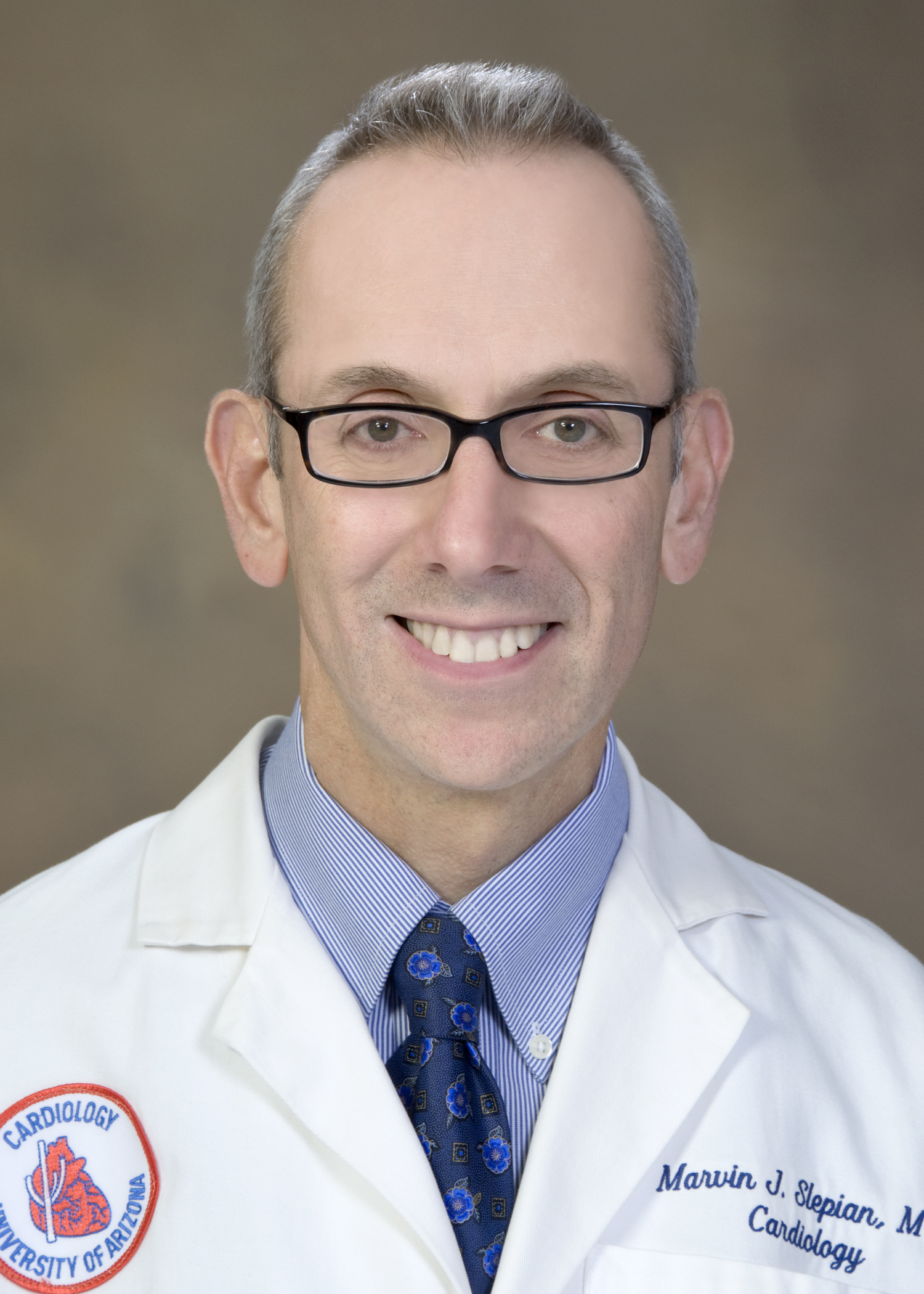 Marvin Slepian合作论文数Department of BioMedical Engineering, College of Engineering, University of Arizona;Department of Medicine, College of Medicine, University of Arizona12PH Tsau合作论文数11RK Bose合作论文数11Christopher N Pierce合作论文数11Smith Richard合作论文数11
 Louis A Lanza合作论文数10Linda L. Staley合作论文数10
 Zhehao Yu合作论文数10
 Richard K. Cheng合作论文数University of Washington Medical Center10Oksana Volod合作论文数9
 Krishnaswamy Chandrasekaran合作论文数Division of Cardiovascular Diseases, Mayo Clinic9
 Octavio E. Pajaro合作论文数9M. De Robertis合作论文数9Vigneshwar Kasirajan合作论文数9j yabuno合作论文数8R. Jocson合作论文数8T. Aintablian合作论文数8J Mirocha合作论文数8Azarbal Babak合作论文数8Robert L. Scott合作论文数8Shimon Kusne合作论文数8Bernice Coleman合作论文数8Joshua S Chung合作论文数7N. Huie合作论文数7




