Prostate cancer depends on androgen receptor (AR) signaling for growth, which is why androgen deprivation (castration) therapy is effective at early stages. However, many tumors eventually progress to a lethal form known as castration-resistant prostate cancer (CRPC). A subset of CRPC tumors bypass dependency on AR signaling by acquiring lineage plasticity, where prostate cancer cells transdifferentiate into alternate cellular states through epigenetic reprogramming. Neuroendocrine (NE) prostate cancer represents one well-known lineage plasticity phenotype. Nevertheless, most AR-independent tumors do not exhibit NE features and are defined as AR-negative/NE-negative or “double-negative prostate cancer” (DNPC). In a collaboration with Dr. Ekta Khurana’s computational genomics lab at Weill Cornell Medicine, we recently classified CRPC into four epigenetic subtypes, including the well-established 1) AR and 2) NE, as well as the novel DNPC subgroups 3) WNT and 4) stem cell-like (SCL) (PMID: 35617398). We focused on the SCL subtype as it is the second most common group in CRPC patients and lacks therapeutic targets. Using functional genomic approaches, we found that YAP/TAZ/TEAD cooperates with FOSL1 to drive the SCL lineage and growth of SCL models. We therefore hypothesize that the heightened dependency on the YAP/TAZ/TEAD/FOSL1 transcriptional program represents a therapeutic vulnerability in CRPC-SCL. To test this, we exposed CRPC models to TEAD inhibitors and found robust growth suppression in SCL cells compared to non-SCL cells in vitro. To evaluate whether the TEAD inhibitors are on-target, we performed transcriptomic profiling in SCL models and observed downregulation of YAP/TAZ gene signature as well as FOSL1 expression, which phenocopies the effects of YAP/TAZ double knockdown. To define the cistromes of these factors upon TEAD inhibition, we performed ChIP-seq and observed reduced co-occupancy at consensus sites, suggesting the disruption of the YAP/TAZ/TEAD/FOSL1 transcriptional circuit by the small molecule compound. To determine whether these phenotypes are recapitulated in vivo, we will treat mice harboring CRPC-SCL xenografts with TEAD inhibitors to assess growth response and evaluate epigenetic and transcriptional response using single-nucleus Multiome (ATAC+RNA). These studies will establish whether small molecule inhibition of TEAD is a promising strategy for the treatment of CRPC-SCL and allow high-resolution analysis of cell state transitions, with a focus on loss of SCL-specific signatures and potential emergence of AR/NE programs as adaptive resistance mechanisms. Chen Khuan Wong, Dan Li, Hongsu Wang, Marjorie Roskes, Weiling Li, Shipra Shukla, Dana Schoeps, Ekta Khurana, Yu Chen. Defining and targeting drivers of lineage plasticity in stem cell-like prostate cancer [abstract]. In: Proceedings of the AACR Special Conference in Cancer Research: Innovations in Prostate Cancer Research and Treatment; 2026 Jan 20-22; Philadelphia PA. Philadelphia (PA): AACR; Cancer Res 2026;86(2_Suppl):Abstract nr A074.
Abstract Background: Endocrine therapy resistance in estrogen receptor positive metastatic breast cancer remains poorly understood, with many resistant tumors lacking actionable genomic alterations. Emerging evidence suggests epigenetic reprogramming drives resistance through transcription factor regulatory network rewiring, yet comprehensive epigenomic characterization of resistant tumors remains limited. Methods: We performed integrated ATAC-seq and RNA-seq profiling in clinically relevant models of therapy-resistant and sensitive estrogen receptor positive metastatic breast cancer, including patient-derived xenografts harboring diverse genomic alterations, along with sensitive breast cancer cell lines. We applied unsupervised clustering to chromatin accessibility and gene expression data to identify non-genomic clusters. Master regulators were identified by integrating transcription factor binding motif enrichment in accessible chromatin regions with downstream target gene expression networks. Results: We identified five distinct epigenomic clusters of therapy-resistant estrogen receptor positive metastatic breast cancer, each driven by unique master transcription factor regulatory programs. Cluster 1, comprising all sensitive models such as patient-derived xenografts and cell lines, retained luminal hormone-responsive identity. Therapy resistant tumors segregated into four distinct programs: Cluster 2 showed pioneer factor dominance with enhanced chromatin remodeling while maintaining partial luminal features. Cluster 5 represented an ESR1-mutant luminal HER2 hybrid state with ERBB2 amplification, combining altered estrogen receptor signaling with receptor tyrosine kinase activation. Cluster 4 displayed mesenchymal resistance via epithelial-mesenchymal transition. Cluster 3 represented the most dedifferentiated phenotype, an inflammatory cancer stem cell state with FOXA1 loss. Conclusion: Our integrated epigenomic approach reveals that therapy-resistance in estrogen receptor positive metastatic breast cancer is orchestrated by four distinct transcription factor-driven regulatory programs that emerge through non-genetic rewiring rather than genomic alterations alone. These clusters span a spectrum from pioneer factor-mediated chromatin remodeling and hybrid luminal-HER2 states to mesenchymal plasticity and inflammatory stem-like networks. Importantly, these epigenetic clusters may explain mutation-negative resistance and reveal subtype-specific therapeutic vulnerabilities. This molecular framework provides a roadmap for precision medicine approaches tailored to the epigenomic state of resistant metastatic breast cancer. Citation Format: Gizem Yayli-Vokshi, Sandra Cohen, Weiling Li, Hong Shao, Sydney Bowker, Elisa de Stanchina, Pedram Razavi, Sarat Chandarlapaty, Ekta Khurana. Integrated epigenomic profiling reveals distinct transcription factor networks driving therapy resistance in estrogen receptor positive metastatic breast cancer [abstract]. In: Proceedings of the American Association for Cancer Research Annual Meeting 2026; Part 1 (Regular Abstracts); 2026 Apr 17-22; San Diego, CA. Philadelphia (PA): AACR; Cancer Res 2026;86(7 Suppl):Abstract nr 3220.
Abstract Prostate cancer depends on androgen receptor (AR) signaling for growth, which is why androgen deprivation (castration) therapy is effective at early stages. However, many tumors eventually progress to a lethal form known as castration-resistant prostate cancer (CRPC). A subset of CRPC tumors bypass dependency on AR signaling by acquiring lineage plasticity, where prostate cancer cells transdifferentiate into alternate cellular states through epigenetic reprogramming. Neuroendocrine (NE) prostate cancer represents one well-known lineage plasticity phenotype. Nevertheless, most AR-independent tumors do not exhibit NE features and are defined as AR-negative/NE-negative or “double-negative prostate cancer” (DNPC). In a collaboration with Dr. Ekta Khurana’s computational genomics lab at Weill Cornell Medicine, we recently classified CRPC into four epigenetic subtypes, including the well-established 1) AR and 2) NE, as well as the novel DNPC subgroups 3) WNT and 4) stem cell-like (SCL) (PMID: 35617398). We focused on the SCL subtype as it is the second most common group in CRPC patients and lacks therapeutic targets. Using functional genomic approaches, we found that YAP/TAZ/TEAD cooperates with FOSL1 to drive the SCL lineage and growth of SCL models. We therefore hypothesize that the heightened dependency on the YAP/TAZ/TEAD/FOSL1 transcriptional program represents a therapeutic vulnerability in CRPC-SCL. To test this, we exposed CRPC models to TEAD inhibitors and found robust growth suppression in SCL cells compared to non-SCL cells in vitro. To evaluate whether the TEAD inhibitors are on-target, we performed transcriptomic profiling in SCL models and observed downregulation of YAP/TAZ gene signature as well as FOSL1 expression, which phenocopies the effects of YAP/TAZ double knockdown. To define the cistromes of these factors upon TEAD inhibition, we performed ChIP-seq and observed reduced co-occupancy at consensus sites, suggesting the disruption of the YAP/TAZ/TEAD/FOSL1 transcriptional circuit by the small molecule compound. To determine whether these phenotypes are recapitulated in vivo, we will treat mice harboring CRPC-SCL xenografts with TEAD inhibitors to assess growth response and evaluate epigenetic and transcriptional response using single-nucleus Multiome (ATAC+RNA). These studies will establish whether small molecule inhibition of TEAD is a promising strategy for the treatment of CRPC-SCL and allow high-resolution analysis of cell state transitions, with a focus on loss of SCL-specific signatures and potential emergence of AR/NE programs as adaptive resistance mechanisms. Citation Format: Chen Khuan Wong, Dan Li, Ekta Khurana, Yu Chen. Defining and targeting drivers of lineage plasticity in stem cell-like prostate cancer [abstract]. In: Proceedings of the American Association for Cancer Research Annual Meeting 2026; Part 1 (Regular Abstracts); 2026 Apr 17-22; San Diego, CA. Philadelphia (PA): AACR; Cancer Res 2026;86(7 Suppl):Abstract nr 7236.
Abstract Due to the rising use of androgen deprivation therapy (ADT) and AR signaling inhibitors (ARSIs), metastatic castration-resistant prostate cancer is expanding and although it is known that its subtypes provide predictive utility, their individual tumor-immune microenvironments are woefully underexplored mechanistically. Careful investigation of these subtypes of mCRPC may provide insights into therapeutic resistance beyond mCRPC. Using both publicly available and in-house single-cell RNA-sequencing and spatial transcriptomics datasets, we have characterized mCRPC cells and their accompanying tumor-immune microenvironment using established marker genes and verified their identity using inferred copy-number variation status. Firstly, we have explored metabolic profiles of the various cell-types in our samples by calculating scores based on transcription of genes involved in metabolic processes. We have performed ligand-receptor pair analysis to predict which cell types are interacting and through which inflammatory and metabolic axes these interactions are occurring. Finally, we have demonstrated interaction feasibility by measuring distance in space via our spatial transcriptomics data. Our preliminary results indicate that these subtypes have significantly different metabolic profiles. Additionally, the immune cells near to these different subtypes have shown differential immunosuppressive programs and metabolic reprogramming. These findings suggest the potential role of tumor metabolic forces in the induction of an immunosuppressive tumor microenvironment and point to a promising utility of metabolic perturbations in mCRPC as a neoadjuvant to enhance response to immune checkpoint blockade (ICB). This work highlights novel lenses in which to analyze tumors in the hopes of suggesting combination therapies that may overcome treatment obstacles. Citation Format: Tonatiuh A. Gonzalez, Anisha Tehim, Inna Serganova, Roberta Zappasodi, Ekta Khurana. Metabolic dependence of prostate cancer subtypes and its association with the tumor-immune microenvironment [abstract]. In: Proceedings of the American Association for Cancer Research Annual Meeting 2026; Part 1 (Regular Abstracts); 2026 Apr 17-22; San Diego, CA. Philadelphia (PA): AACR; Cancer Res 2026;86(7 Suppl):Abstract nr 7434.
Epigenetic alterations accumulate with the development of castration resistance in prostate cancer (PC), yet an understanding of how these patterns arise remains incompletely defined. Through histone post-translational modification (PTMs) profiling in paired hormone-sensitive (HS) and castration-resistant (CR) patient-derived xenografts, we identified a novel chromatin state characterized by CHD1 deficiency and global reductions in H3.3K27 and H3.3K36 methylation, which occurred with castration resistance development. Compared to wildtype, CHD1-deficient tumors exhibited lower expression and enzymatic activity of the histone-modifying enzymes (HMEs) NSD2 and EZH2—key regulators of the altered histone PTM landscape. Gene expression analysis of human CRPC samples revealed strong positive correlations among CHD1, NSD2, and EZH2. CHD1 knockout (KO) in CRPC cell lines confirms reduced H3.3K27K36 methylation and downregulation of NSD2 and EZH2. Results from mechanistic studies support a process in which CHD1 occupancy at the promoter regions of NSD2 and EZH2 facilitates transcription via enhanced chromatin accessibility and increased deposition of the activating histone mark H3K4me3. In contrast, CHD1-KO led to promoter accumulation of repressive H3K27me3 modifications. CHD1-KO downregulates interferon (IFN) signaling, including viral mimicry and IFN-stimulated genes. Bulk RNA-sequencing and ChIP-qPCR analyses confirmed co-regulation of these genes by CHD1 and NSD2, coinciding with reduced H3K36me2 enrichment. Notably, this CHD1-deficient epigenetic state confers resistance to NSD2 inhibition. These findings highlight a previously unrecognized role in tumor resistance for CHD1 in modulating HMEs that may influence lineage plasticity as well as suggest new avenues for personalized therapeutic strategies targeting CHD1-specific epigenetic vulnerabilities.
Abstract By leveraging a sequence-based deep learning framework, we seek to uncover mechanisms by which mutations arise in noncoding regulatory regions, potentially leading to the discovery of novel targets in metastatic breast cancer. Research around metastatic breast cancer has largely focused on analyzing coding mutations to characterize progression. Though noncoding mutations are known to affect transcription factor binding and regulation of gene expression, few noncoding mutation drivers have been identified. Previously published work has shown that metastatic mutation rate correlates with open chromatin in the cells-of-origin. However, this work has mostly been done at a coarse, region-level scale, identifying mutational hotspot regions. In this work, we aim to uncover genomic positions in regulatory regions of metastatic breast cancer with elevated mutation rates, and identify their potential mutation mechanism. We propose a novel deep learning model that uncovers the sequence context-based covariates of per-base mutation rate in regulatory regions of metastatic breast cancer. With access to over 500,000 mutations from the Hartwig Medical Foundation cohort, the neural network is trained on sequences from regulatory regions in normal breast epithelium, and predicts per-base mutation rate profiles for the region. As a result, the model learns how sequence features change mutation likelihood at particular genomic positions. Analysis of the saliency map of the model allows for identification of specific sites with higher-than-expected mutation rates, which is potentially indicative of increased transcription factor binding that extends beyond selection by pro-metastatic regulatory programs. These findings provide a method to connect noncoding mutation patterns to mutation mechanism and regulatory effects in metastatic genomes. Future work aims at expanding this model to a pan-cancer level, revealing shared and cancer-specific noncoding mutations that have potential to reveal patterns of metastasis. This scalable sequence model framework provides an advantage over existing methods particularly due to its base-pair level resolution modeling of the metastatic cancer genome. Thus, its implications for modeling and uncovering regulatory mechanisms of cancer is key. Citation Format: Ariaki Dandawate, Christina Leslie, Ekta Khurana. Modeling base-pair level mutation rate in metastatic breast cancer using a sequence-based deep learning model [abstract]. In: Proceedings of the American Association for Cancer Research Annual Meeting 2026; Part 1 (Regular Abstracts); 2026 Apr 17-22; San Diego, CA. Philadelphia (PA): AACR; Cancer Res 2026;86(7 Suppl):Abstract nr 1500.
Untreated prostate tumors depend on androgen receptor (AR) for growth and thus are treated with hormonal therapy. However, resistance almost always emerges as tumors evolve into a castration-resistant state. The evolution of resistance can follow different paths, and castration-resistant prostate cancer (CRPC) exhibits multiple epigenomic subtypes: androgen receptor-dependent CRPC-AR, and lineage plastic subtypes CRPC-SCL (stem cell-like), CRPC-WNT (Wnt-dependent), and CRPC-NE (neuroendocrine). By transcriptomic profiling of tissue, and whole-genome sequencing (WGS) of tissue and cell-free DNA (cfDNA) from 500 patient samples, we relate genomic variants with epigenomic state. We annotate fractional contribution of each subtype for all patient samples using deconvolution approaches with a set of signature genes and accessible chromatin sites. We confirm that AR amplifications at the genomic level are associated with the emergence of CRPC-AR, and RB1 biallelic loss is associated with CRPC-NE. Importantly, we find chromosomal rearrangements in the YAP/TAZ pathway are associated with the presence of CRPC-SCL. In particular, we find complex rearrangements on chromosome 4, which are supported by patient-matched Hi-C data, and decrease promoter interactions of MOB1B, a YAP/TAZ pathway inhibitor, with its enhancers. Together, the genomic variants in the pathway can predict CRPC-SCL with 79% accuracy. By computing cancer cell fraction (CCF) of the genomic events, we find high concordance between the CCF of genomic events and the fraction of their associated epigenomic subtype. Thus, higher CCF of chr 4 rearrangements corresponds to higher tumor fraction of CRPC-SCL. Our study shows how genomic events enable transition to different CRPC states that exhibit differential therapeutic susceptibilities. Marjorie Roskes, Alexander Martinez-Fundichely, Sandra Cohen, Metin Balaban, Chen Khuan. Wong, Weiling Li, Tonatiuh A. Gonzalez, Anisha B. Tehim, Hao Xu, Shahd ElNaggar, Matthew Myers, Andrea Sboner, Benjamin J. Raphael, Yu Chen, Ekta Khurana. Chromosomal rearrangements at the YAP/TAZ pathway genes are associated with heterogeneity and stem cell-like castration-resistant prostate cancer [abstract]. In: Proceedings of the AACR Special Conference in Cancer Research: Cancer Evolution: The Dynamics of Progression and Persistence; 2025 Dec 4-6; Albuquerque, NM. Philadelphia (PA): AACR; Cancer Res 2025;85(23_Suppl):Abstract nr B013.
Castration-resistant prostate cancer (CRPC) is an aggressive disease exhibiting multiple epigenomic subtypes: androgen receptor-dependent CRPC-AR, and lineage plastic subtypes CRPC-SCL (stem cell-like), CRPC-WNT (Wnt-dependent), and CRPC-NE (neuroendocrine). By transcriptomic profiling of tissue, and whole-genome sequencing (WGS) of tissue and cell-free DNA (cfDNA) from 500 samples, we relate genomic variants with epigenomic state. We find lineage plasticity is associated with higher epigenomic and genomic heterogeneity. Samples with CRPC-SCL show higher chromosomal instability. We find DNA alterations, particularly chromosomal rearrangements, in the YAP/TAZ pathway associated with CRPC-SCL. For example, complex rearrangements on chromosome 4, which are supported by patient-matched 3D genome architecture data, decrease promoter interactions of MOB1B , a YAP/TAZ pathway inhibitor, with its enhancers. Together, the genomic variants in the pathway can predict CRPC-SCL with 79% accuracy. We show the utility of cfDNA WGS for joint inference of epigenomic state and genomic variants, which can guide patient stratification for clinical decisions. Significance:This study reveals genomic variants associated with the presence of lineage-plastic CRPC stem cell-like state. We leverage the utility of minimally invasive cfDNA sequencing to obtain genomic and epigenomic insights about CRPC heterogeneity, which have implications for patient stratification for treatment decisions.
Castration resistant prostate cancer (CRPC) is an aggressive, highly plastic, late-stage disease. We previously showed that the two histological subtypes, adenocarcinoma (CRPC-Adeno) and neuroendocrine (CRPC-NE), show four epigenetic and transcriptomic subtypes: CRPC-AR depends on the androgen receptor pathway, CRPC-SCL is stem-cell like, CRPC-WNT is dependent on the WNT pathway, and CRPC-NE has high expression of neuroendocrine markers. Here, by analyzing data from 500 patients with tissue and/or liquid biopsies, we uncover the landscape of molecular heterogeneity in patient tumors. Analysis of whole-genome sequencing revealed genomic variants associated with CRPC-SCL and allowed development of a computational classifier which can predict presence of CRPC-SCL in patient tumors solely using genomic alterations with 81% accuracy. In particular, analysis of matched chromatin conformation data (Hi-C) showed a complex rearrangement on chromosome 4 disrupts enhancer - promoter contacts leading to downregulation of MOB1B, which can lead to upregulation of the YAP/TAZ pathway that is characteristic of CRPC-SCL. Joint computational inference of epigenomic state and genomic variants from cell-free DNA collected at multiple points during the evolution of resistance to AR signaling inhibitors allowed investigation of genomic and epigenomic co-evolution at an unprecedented resolution. We discuss the current limits of detection for tumoral epigenomic and genomic states using cell-free DNA for clinical application. Importantly, our study demonstrates the utility of liquid biopsies for discovery of basic biological mechanisms leading to treatment resistance, beyond their use for biomarkers. Marjorie Roskes, Alexander Martinez-Fundichely, Weiling Li, Sandra Cohen, Hao Xu, Shahd ElNaggar, Anisha Tehim, Metin Balabin, Chen Khuan Wong, Yu Chen, Ben Raphael, Ekta Khurana. Evolution of genomic and epigenomic heterogeneity in prostate cancer from tissue and liquid biopsies [abstract]. In: Proceedings of the American Association for Cancer Research Annual Meeting 2025; Part 1 (Regular Abstracts); 2025 Apr 25-30; Chicago, IL. Philadelphia (PA): AACR; Cancer Res 2025;85(8_Suppl_1):Abstract nr 3883.
A subgroup (~20%-30%) of castration-resistant prostate cancer (CRPC) aberrantly expresses a gastrointestinal (GI) transcriptome governed by 2 GI-lineage-restricted transcription factors, HNF1A and HNF4G. In this study, we found that expression of GI transcriptome in CRPC correlated with adverse clinical outcomes to androgen receptor (AR) signaling inhibitor treatment and shorter overall survival. Bromo- and extraterminal domain inhibitors (BETi) downregulated HNF1A, HNF4G, and the GI transcriptome in multiple CRPC models, including cell lines, patient-derived organoids, and patient-derived xenografts, whereas AR and the androgen-dependent transcriptome were largely spared. Accordingly, BETi selectively inhibited growth of GI transcriptome-positive preclinical models of prostate cancer. Mechanistically, BETi inhibited BRD4 binding at enhancers globally, including both AR and HNF4G bound enhancers, while gene expression was selectively perturbed. Restoration of HNF4G expression in the presence of BETi rescued target gene expression without rescuing BRD4 binding. This suggests that inhibition of master transcription factors expression underlies the selective transcriptional effects of BETi.
Transposable elements (TEs) are abundant in the human genome, and they provide the source for genetic and functional diversity. Previous studies have suggested that TEs are repressed by DNA methylation and chromatin modifications. Here through integrating transcriptome and 3D genome architecture studies, we showed that haploinsufficient loss of NIPBL selectively activates alternative promoters (altPs) at the long terminal repeats (LTRs) of the TE subclasses. This activation occurs through the reorganization of topologically associating domain (TAD) hierarchical structures and the recruitment of proximal enhancers. These observations indicate that TAD hierarchy restricts transcriptional activation of LTRs that already possess open chromatin features. Perturbation of hierarchical chromatin topology can lead to co-option of LTRs as functional altPs, driving aberrant transcriptional activation of oncogenes. These data uncovered a new layer of regulatory mechanisms of TE expression and posit TAD hierarchy dysregulation as a new mechanism for altP-mediated oncogene activation and transcriptional diversity in cancer.
Cell-free DNA (cfDNA) fragments in the plasma capture cellular nucleosomal profiles since nucleosome-protected regions escape enzymatic degradation while nucleosome-depleted regions can not. We developed cfOncoXpress, a machine learning framework that uses fragmentation patterns to predict oncogene expression from cfDNA WGS. cfOncoXpress incorporates gene copy number aberrations inferred from cfDNA, including those associated with extrachromosomal DNA. Its application in prostate and breast cancers shows it can predict tumor subtype based on expression of signature genes and activated pathways. cfOncoXpress shows superior performance relative to other state-of-the-art methods and can be used to predict tumor gene expression when tissue biopsies are infeasible.
Dysregulation of enhancer-promoter communication in the three-dimensional (3D) nucleus is increasingly recognized as a potential driver of oncogenic programs. Here, we profiled the 3D enhancer-promoter networks of patient-derived glioblastoma stem cells to identify central regulatory nodes. We focused on hyperconnected 3D hubs and demonstrated that hub-interacting genes exhibit high and coordinated expression at the single-cell level and are associated with oncogenic programs that distinguish glioblastoma from low-grade glioma. Epigenetic silencing of a recurrent hub-with an uncharacterized role in glioblastoma-was sufficient to cause downregulation of hub-connected genes, shifts in transcriptional states, and reduced clonogenicity. Integration of datasets across 16 cancers identified "universal" and cancer-type-specific 3D hubs that enrich for oncogenic programs and factors associated with worse prognosis. Genetic alterations could explain only a small fraction of hub hyperconnectivity and increased activity. Overall, our study provides strong support for the potential central role of 3D regulatory hubs in controlling oncogenic programs and properties.
Genome conformation underlies transcriptional regulation by distal enhancers, and genomic rearrangements in cancer can alter critical regulatory interactions. Here we profiled the three-dimensional genome architecture and enhancer connectome of 69 tumor samples spanning 15 primary human cancer types from The Cancer Genome Atlas. We discovered the following three archetypes of enhancer usage for over 100 oncogenes across human cancers: static, selective gain or dynamic rewiring. Integrative analyses revealed the enhancer landscape of noncancer cells in the tumor microenvironment for genes related to immune escape. Deep whole-genome sequencing and enhancer connectome mapping provided accurate detection and validation of diverse structural variants across cancer genomes and revealed distinct enhancer rewiring consequences from noncoding point mutations, genomic inversions, translocations and focal amplifications. Extrachromosomal DNA promoted more extensive enhancer rewiring among several types of focal amplification mechanisms. These results suggest a systematic approach to understanding genome topology in cancer etiology and therapy.
Most cancer types lack targeted therapeutic options, and when first-line targeted therapies are available, treatment resistance is a huge challenge. Recent technological advances enable the use of assay for transposase-accessible chromatin with sequencing (ATAC-seq) and RNA sequencing (RNA-seq) on patient tissue in a high-throughput manner. Here, we present a computational approach that leverages these datasets to identify drug targets based on tumor lineage. We constructed gene regulatory networks for 371 patients of 22 cancer types using machine learning approaches trained with three-dimensional genomic data for enhancer-to-promoter contacts. Next, we identified the key transcription factors (TFs) in these networks, which are used to find therapeutic vulnerabilities, by direct targeting of either TFs or the proteins that they interact with. We validated four candidates identified for neuroendocrine, liver, and renal cancers, which have a dismal prognosis with current therapeutic options.
Transposable elements (TEs) are abundant in the human genome, and they provide the sources for genetic and functional diversity. The regulation of TEs expression and their functional consequences in physiological conditions and cancer development remain to be fully elucidated. Previous studies suggested TEs are repressed by DNA methylation and chromatin modifications. The effect of 3D chromatin topology on TE regulation remains elusive. Here, by integrating transcriptome and 3D genome architecture studies, we showed that haploinsufficient loss of NIPBL selectively activates alternative promoters at the long terminal repeats (LTRs) of the TE subclasses. This activation occurs through the reorganization of topologically associating domain (TAD) hierarchical structures and recruitment of proximal enhancers. These observations indicate that TAD hierarchy restricts transcriptional activation of LTRs that already possess open chromatin features. In cancer, perturbation of the hierarchical chromatin topology can lead to co-option of LTRs as functional alternative promoters in a context-dependent manner and drive aberrant transcriptional activation of novel oncogenes and other divergent transcripts. These data uncovered a new layer of regulatory mechanism of TE expression beyond DNA and chromatin modification in human genome. They also posit the TAD hierarchy dysregulation as a novel mechanism for alternative promoter-mediated oncogene activation and transcriptional diversity in cancer, which may be exploited therapeutically.
A key mutational process in cancer is structural variation, in which rearrangements delete, amplify or reorder genomic segments that range in size from kilobases to whole chromosomes 1 – 7 . Here we develop methods to group, classify and describe somatic structural variants, using data from the Pan-Cancer Analysis of Whole Genomes (PCAWG) Consortium of the International Cancer Genome Consortium (ICGC) and The Cancer Genome Atlas (TCGA), which aggregated whole-genome sequencing data from 2,658 cancers across 38 tumour types 8 . Sixteen signatures of structural variation emerged. Deletions have a multimodal size distribution, assort unevenly across tumour types and patients, are enriched in late-replicating regions and correlate with inversions. Tandem duplications also have a multimodal size distribution, but are enriched in early-replicating regions—as are unbalanced translocations. Replication-based mechanisms of rearrangement generate varied chromosomal structures with low-level copy-number gains and frequent inverted rearrangements. One prominent structure consists of 2–7 templates copied from distinct regions of the genome strung together within one locus. Such cycles of templated insertions correlate with tandem duplications, and—in liver cancer—frequently activate the telomerase gene TERT . A wide variety of rearrangement processes are active in cancer, which generate complex configurations of the genome upon which selection can act.
 Mark B Gerstein合作论文数School of Engineering & Applied Science, Yale University32
 Duo Xu合作论文数SUNY Buffalo, Dept Biol Sci, Buffalo, NY USA19
 Andrea Sboner合作论文数Department of Pathology and Laboratory Medicine, Sandra and Edward Meyer Cancer Center, Weill Cornell Medical School;Institute for Computational Biomedicine, Sandra and Edward Meyer Cancer Center, Weill Cornell Medical School;Institute for Precision Medicine, Sandra and Edward Meyer Cancer Center, Weill Cornell Medical School16
 Yu Chen合作论文数Cell & Developmental Biology, Weill Cornell Graduate School of Medical Sciences, Cornell University15
 Priyanka Dhingra合作论文数Department of Physiology and Biophysics, Weill Cornell Medical College, New York, New York 10021.13
 Mark Rubin合作论文数Department for BioMedical Research, Faculty of Medicine, University of Bern;Bern Center for Precision Medicine, University of Bern13
 Liu Eric合作论文数12
 Lochovsky Lucas合作论文数12Fanying Tang合作论文数11
 Gad A. Getz合作论文数Harvard Medical School;Department of Pathology, Massachusetts General Hospital;Broad Institute of Harvard and MIT11
 Alexander Martinez-Fundichely合作论文数11
 Ping Chi合作论文数Human Oncology and Pathogenesis Program, Memorial Sloan-Kettering Cancer Center/Department of Medicine, Memorial Sloan-Kettering Cancer Center/Department of Medicine, Weill Cornell Medical College10Sandra Cohen合作论文数Weill Cornell Med Coll, New York, NY USA9
 Pedersen Jakob Skou合作论文数Dept Mol Med MOMA, Aarhus Univ Hosp9
 Yao Fu合作论文数9Andre Neil Forbes合作论文数8
 Chen Khuan Wong合作论文数Department of Medicine, Boston University School of Medicine;Department of Genetics &Genomics, Boston University School of Medicine;Genome Science Institute, Boston University School of Medicine;Boston University School of Medicine, Boston University School of Medicine8
 Michael L. Klein合作论文数Department of Chemistry, College of Science and Technology, Temple University;Institute for Computational Molecular Science, College of Science and Technology, Temple University8
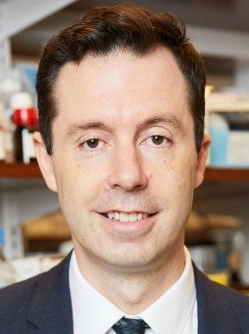 Olivier Elemento合作论文数Englander Institute for Precision Medicine, Weill Cornell Medical College;Institute for Computational Biomedicine , Weill Cornell Medical College;Clinical & Translational Science Center, Weill Cornell Medical College;Department of Physiology and Biophysics, Weill Cornell Medical College;Laboratory of Cancer Systems Biology, Weill Cornell Medical College;Institute for Computational Medicine, Weill Cornell Medical College;Meyer Cancer Center, Weill Cornell Medical College8
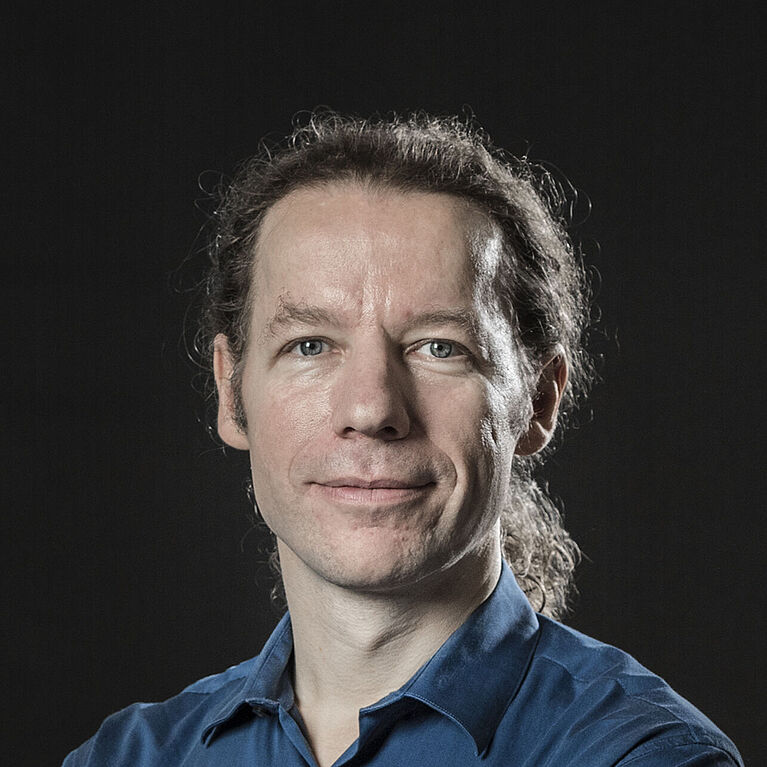 Gunnar Rätsch合作论文数Department of Computer Science, ETH Zurich;University Hospital Zürich;Institute for Machine Learning, ETH Zurich;AI Center, ETH Zurich8
 Joshua M Stuart合作论文数Baskin School of Engineering, University of California Santa Cruz;Genomics Institute, University of California Santa Cruz8
 Lukas Dow合作论文数Cell & Developmental Biology, Weill Cornell Graduate School of Medical Sciences, Cornell University7
 David A. Wheeler合作论文数St. Jude Children's Research Hospital7
 Ben Raphael合作论文数Department of Computer Science, Princeton University;Center for Statistics and Machine Learning, Princeton University;Medley Genomics7
 Morten Muhlig Nielsen合作论文数7
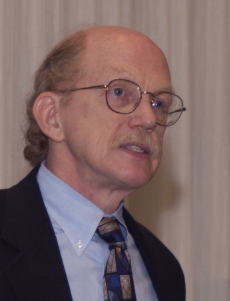 Robert Waterston合作论文数Department of Genome Sciences, University of Washington7
 Michael S. Lawrence合作论文数Harvard Medical School;Lawrence Laboratory, Mass General Cancer Center, Massachusetts General Hospital7
 Dimple Chakravarty合作论文数Department of Obstetrics and Gynecology and CTRC, The UT Health Science Center at San Antonio7
 Joel Rozowsky合作论文数Department of Molecular Biophysics and Biochemistry, Yale University7Elissa W.P. Wong合作论文数7Lukas Habegger合作论文数Department of Molecular Biophysics and Biochemistry, Yale University7Cindy J. Lee合作论文数6
 Ann Palladino合作论文数6Teng Han合作论文数Dept Med, Sandra & Edward Meyer Canc Ctr, Weill Cornell Med6Lina Wadi合作论文数Ontario Institute for Cancer Research;6
 Jüri Reimand合作论文数Department of Medical Biophysics, Temerty Faculty of Medicine, University of Toronto6
 Sushant Kumar合作论文数Department of Medical Biophysics, Temerty Faculty of Medicine, University of Toronto;Computational Cancer Genomics Laboratory, Princess Margaret Cancer Centre, University Health Network6Mu Xinmeng Jasmine合作论文数6
 Samir B. Amin合作论文数6Nuno A. Fonseca合作论文数Universidade do Porto, Universidade do Porto6
 Lincoln Stein合作论文数Ontario Institute for Cancer Research;Department of Molecular Genomics, Temerty Faculty of Medicine, University of Toronto6
 Carl Herrmann合作论文数Laboratoire de Génétique et Physiologie du Développement, Université de la Méditerranée6
 Alfonso Valencia合作论文数Life Science Department, Barcelona Supercomputing Centre;INB Spanish National Bioinformatics Institute;IMPaCT Spanish Personalised Medicine initiative of the ISC-III6
 Arif Harmanci合作论文数Department of Health Data Science, D. Bradley McWilliams School of Biomedical Informatics, The University of Texas Health Science Center, Houston6
 André Kahles合作论文数Computat Biol Ctr, Mem Sloan Kettering Canc Ctr6
 Abdullah Kahraman合作论文数6Deyou Zheng合作论文数Department of Molecular;Biophysics and Biochemistry;Yale University;Department of Molecular, Yale University6Rp Alexander合作论文数5C. Slightam合作论文数5




