Background Trichoscopy enhances diagnostic accuracy in primary cicatricial alopecias (PCA), yet comparative data on its application across diverse skin phototypes remain limited.Objectives The aim of this study was to characterize trichoscopic features across various forms of PCAs and compare findings between fair and dark phototypes.Methods This is a descriptive, multicenter international study analyzing trichoscopic patterns in 1102 patients with PCAs across a range of ethnic backgrounds and skin phototypes.Results The absence of follicular openings was the most consistent trichoscopic finding across all phototypes. Notable variations in trichoscopic patterns were observed based on skin color. In both fair and dark phototypes, signs of clinical and trichoscopic activity were predominantly observed within the first five years of disease duration, when inflammation is typically more pronounced.Conclusions Clinicians should be aware of trichoscopic variations both between and within the same PCA according to the phototype. Such awareness enhances the recognition and interpretation of trichoscopic features, particularly during the early and active stages of the disease, and helps guide the selection of optimal biopsy sites across PCA subtypes in both fair and dark skin. This approach can ultimately facilitate histopathological confirmation and support clinical decision-making.
Background The histological characteristics of checkpoint inhibitors-related adverse events (cirAEs) are not well studied and there are conflicting data regarding their similarities and differences with their idiopathic counterparts.Objectives To investigate the histological characteristics of the most common cirAEs.Methods We reviewed the pathology database of our hospital towards identification of eczematoid, psoriasiform, lichenoid and bullous pemphigoid (BP)-like rashes as a result of cirAEs. We recorded their clinical, epidemiological and histological characteristics.Results We retrieved 35 oncologic patients who were histologically diagnosed with eczematoid (10/35 [28.6%]), psoriasiform (10/35 [28.6%]), lichenoid (10/35 [28.6%]) and BP-like (5/10 [14.8%]) rashes, mostly of grade 3 severity (58.8%). Acanthosis was present in high rates (60%) in lichenoid rashes, whilst in psoriasiform rashes, Kogoj pustules and spongiosis were found in a comparatively high percentage (80% and 50%, respectively). We also observed a tendency towards poor-in-cells variants of BP-like rashes. Histology of eczema-like rash was identical to the idiopathic form.Conclusions cirAEs share common clinical and histological features with their corresponding idiopathic counterparts and should be treated accordingly. Clinicopathologic correlation is needed in ambiguous cases.
Psoriasis and atopic dermatitis (AD) are traditionally viewed as distinct inflammatory skin diseases driven by type 17 and type 2 immune pathways, respectively. Increasing use of targeted therapies has revealed a treatment-associated phenotype switch between these conditions, the so-called 'flip-flop' phenomenon, characterized by sustained emergence of eczematous features in patients treated for psoriasis or psoriasiform disease in those treated for AD. Robust real-world data on this entity remain limited. OBJECTIVES:To characterize treatment-associated phenotype switching between psoriasis and AD in a large real-world cohort, focusing on clinical features, implicated therapies, management strategies and outcomes. METHODS:We conducted a retrospective, multicentre, multinational observational study across 17 dermatology centres in six countries. Patients with psoriasis or AD who developed a clinician-defined, persistent phenotype switch temporally associated with systemic or biologic therapy and requiring treatment modification were included. Demographic, clinical, therapeutic and outcome data were collected and analysed descriptively. RESULTS:A total of 148 patients were included: 101 (68.2%) developed eczematous features while treated for psoriasis (PsO → eczematous), and 47 (31.8%) developed psoriasiform disease while treated for AD (AD → psoriasiform). PsO → eczematous patients were older and had more cardiometabolic comorbidities, whereas atopic comorbidities were more frequent in the AD → psoriasiform group. PsO → eczematous switches occurred mainly under interleukin (IL)-17 and IL-23 inhibitors, while AD → psoriasiform switches occurred exclusively during biologic therapies targeting type 2 inflammation, predominantly dupilumab. Treatment was modified in all patients. Janus kinase (JAK) inhibitors were the most frequently used strategy in both switch directions, particularly in PsO → eczematous cases. Marked clinical improvement was observed across phenotypes following therapeutic adjustment. CONCLUSIONS:Treatment-associated phenotype switching between psoriasis and AD is a reproducible, bidirectional and clinically relevant real-world phenomenon reflecting immune plasticity rather than paradoxical disease induction. Recognition of this entity is essential to guide appropriate therapeutic adaptation, with JAK inhibitors emerging as a commonly effective management option.
Randomized clinical trials (RCTs) in atopic dermatitis (AD) often exclude older adults and patients with comorbidities, limiting the generalizability of trial findings to real-world populations. Despite the growing use of biologics and Janus kinase inhibitors (JAKis) in clinical practice, the extent to which real-world patients meet RCT eligibility criteria and their associated safety outcomes remains unclear. We conducted a retrospective analysis of a large, multicenter international cohort of adolescents and adults with AD treated with biologics (dupilumab, tralokinumab) or systemic JAKis (abrocitinib, baricitinib, upadacitinib) between October 2017 and March 2023 across 16 dermatology centers. Eligibility was defined according to commonly applied RCT criteria. Patients meeting ≥ 1 exclusion criterion were classified as ineligible. Demographic, clinical, and safety outcomes were analyzed. Among 2154 patients, 514 (23.9
Bullous pemphigoid (BP), the most prevalent autoimmune blistering skin disorder, has been associated with dipeptidyl peptidase-4 inhibitor (DPP4i) treatment in type 2 diabetic patients. This study aimed to investigate the association of DPP4 gene variants, rs3788979 and rs12617656, with classic BP (cBP)- and DPP4i-associated BP predisposition. Fifty-six (56) unrelated patients with cBP, 32 DPP4i-associated BP patients, 60 healthy controls, and 49 diabetic patients receiving DPP4i were included. Genotyping was performed using polymerase chain reaction-restriction fragment length polymorphism assay (PCR-RFLP). Statistical analyses were conducted using SPSS software. For rs3788979, the CT+TT genotypes were significantly associated with increased risk of DPP4i-associated BP compared with cBP [(Odds Ratio (OR) = 2.80, 95% Confidence Interval (CI) = 1.07-7.35; p-value = 0.034] and healthy controls (OR = 0.30, 95% CI = 0.13-0.86; p-value = 0.020). The T allele was also enriched in DPP4i-associated BP (OR = 2.57, 95% CI = 1.09-6.07; p-value = 0.027). Additionally, the TC genotype of rs12617656 (OR = 2.29, 95% CI = 1.04-5.03, p-value = 0.039) showed significant association with cBP susceptibility. These findings highlight DPP4 variants as potential BP risk factors, supporting personalized risk assessment prior to initiating gliptin therapy. Large-scale studies are warranted to validate these associations.
A comparison of dermatological cases generated by artificial intelligence (AI) versus those created without AI by medical students revealed that AI-created cases were characterized by detailed case descriptions, analysis of medical history, and clinical examinations, but lacked the depth, clinical relevance, and motivational elements found in non-AI cases, which were shorter, presented clinical dilemmas, and included challenging scenarios that students found more educational and engaging.
Skin adnexal tumors represent a wide spectrum of benign and malignant neoplasms, presenting morphological differentiation toward various adnexal structures. Skin of color variations in skin architecture and melanin production have been documented, possibly affecting the development and progression of those tumors, as well as their clinical and dermoscopy image. Therefore, we present a case series of clinical and dermoscopy presentations of adnexal neoplasms in skin of color individuals (Africans and Indians). We also compare these findings with 11 case reports and three case series that presented dermoscopy traits in adnexal tumors in dark-skinned patients found in medical literature. The most common pigmentation trait found was brown blotches or brown structureless areas, corresponding to the increased epidermal pigmentation. Arborizing vessels, a characteristic of basal cell carcinoma (BCC), are frequently seen in trichoepitheliomas, cylindromas, and apocrine hydrocystomas, raising diagnostic challenges. Differentiating adnexal tumors from nodular BCC in skin of color poses a challenge due to overlapping features. Additional studies on the clinical evaluations of adnexal tumors are warranted. Early detection and prompt diagnosis are crucial, especially when differentiating benign adnexal tumors from malignant skin cancers, as this differential diagnosis significantly influences management and treatment outcomes.
Acquired perforating dermatoses (APD) represent a group of papulonodular skin disorders characterized by transepidermal elimination of dermal components, most frequently arising in patients with poorly controlled chronic systemic conditions such as diabetes mellitus (DM) and chronic renal failure (CRF). The four classical subtypes include acquired reactive perforating collagenosis (RPC), Kyrle’s disease (KD), elastosis perforans serpiginosa (EPS), and perforating folliculitis (PF). Owing to their rarity and the often-complex comorbidities of affected individuals, accurate diagnosis of APD may be challenging. In this context, dermoscopy has emerged as a valuable noninvasive tool that enhances diagnostic accuracy and supports clinical decision-making. This study aimed to characterize the dermoscopic features of APD through a case series and subsequent literature review. We present clinical and dermoscopic findings from a case series of 10 patients with APD followed by a literature review of 17 published case reports and 2 case series. The predominant dermoscopic pattern comprised a central yellow-to-brown structureless area, a surrounding white rim or a broader white structureless area with or without scaling, and an outer erythematous area containing dotted or hairpin vessels. Variations in these features appeared to reflect different stages of lesion evolution. The findings reinforce dermoscopy as a useful adjunct for the recognition, characterization, and monitoring of APD, providing additional insights into disease progression and contributing to improved diagnostic accuracy and clinical management.
Introduction: Bullous pemphigoid (BP) is an autoimmune disorder causing tense blisters on the skin and sometimes mucous membranes, primarily affecting older adults. It results from autoantibodies attacking the epidermal basement membrane. The incidence of BP is rising globally, particularly due to drug-induced cases. Objectives: This study aims to present epidemiological data on BP patients, response to systemic corticosteroid therapy, relapse rates, need for additional therapy, and overall prognosis. Methods: This retrospective study includes patients diagnosed with BP and admitted to the Dermatology Department of a referral center in Northern Greece from 2014 to 2022. The registry includes parameters such as gender, age of onset, comorbidities, drug associations, hospitalization, additional immunosuppressive therapy or doxycycline use, time to tapering, and number of relapses. Results: Among 188 patients (88 females, 100 males; mean age 76), 97% received systemic corticosteroid therapy, while 1.6% were treated with potent topical steroids alone. Doxycycline was administered to 8% of patients, and 11.7% received additional immunosuppressive agents. The most common comorbidity was diabetes mellitus (60.6%). BP was associated with gliptin intake in 36% of cases. Hospitalization was required for 79% of patients, with corticosteroid tapering initiated on average by the 23rd day. Disease recurrence occurred in 34% of cases. Conclusion: The high incidence rates in older adults and DPP-4 inhibitor users underscore the need for continued vigilance and research. Systemic corticosteroids remain the primary treatment at our Center. Continuous monitoring and refinement of prevention and management strategies are crucial for effectively addressing BP.
Multiple parameters define the treatment course with biologics for a psoriatic patient while treatment switches are often associated with worse prognosis. The purpose of this study was to describe the switching patterns of biologics for psoriasis in the Greek market landscape and to detect associated factors that may impact the evolvement of selected therapy. This is a retrospective cohort study using data recorded in the nationwide digital prescription database of Greece. Patients with a diagnosis for psoriasis, with or without concomitant psoriatic arthritis (PsA), who had initiated a biologic treatment between January 1st 2016 and December 31st 2020 were included. Overall, 6,772 biologic-naïve patients were included. Patients treated with infliximab demonstrated the highest switching rates while those treated with ustekinumab and secukinumab the lowest. Secukinumab and brodalumab had the lowest rates of switch or re-initiation 12 months after initiation. Switches from secukinumab to brodalumab and ustekinumab and from adalimumab to secukinumab and ustekinumab were more frequently observed. The risk was significantly higher for patients with concurrent PsA and for women, while patients treated with brodalumab, secukinumab and ustekinumab demonstrated a lower risk compared to adalimumab. Antibodies against interleukins have lower switching rates compared to more traditional biologics. The time to switch is longer for the first transition highlighting the necessity to establish long term therapeutic options early in the treatment course. Concurrent PsA or gender may have a significant impact in outcome, thus they need to be considered before the launch of a selected therapy.
 Apalla Zoe合作论文数Hosp Skin & Venereal Dis, State Clin Dermatol120
 Demetris Ioannides合作论文数87
 Aimilios Lallas合作论文数School of Medicine, Aristotle University of Thessaloniki85
 Christina Fotiadou合作论文数55
 Vakirlis Efstratios合作论文数48
 Aikaterini Patsatsi合作论文数40
 Elena Sotiriou合作论文数Medical School, Aristotle University Thessaloniki30E Sotiriou合作论文数29Chryssoula Papageorgiou合作论文数25
 Eirini Kyrmanidou合作论文数23
 Athanassios Kyrgidis合作论文数Thessaloniki21Dimitrios Ioannides合作论文数20Anastasia Trigoni合作论文数19Konstantinos Lallas合作论文数18
 Katoulis Alexandros合作论文数Attikon Hospital, University of Athens Medical School16
 Christina Kemanetzi合作论文数15Kyriakou Aikaterini合作论文数15Myrto Trakatelli合作论文数Belgian Euromelanoma Task Force13
 Enzo Errichetti合作论文数12Giuseppe Argenziano合作论文数11
 Parthena Meltzanidou合作论文数10
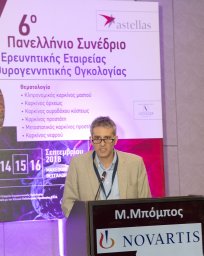 Mattheos Bobos合作论文数Lab Mol Oncol, Aristotle Univ Thessaloniki10
 Iris Zalaudek合作论文数Department of Dermatology and Venereology, University of Trieste;Medical University of Graz10Dimitris Rigopoulos合作论文数10Theodosia Gkentsidi合作论文数9
 Ilias Papadimitriou合作论文数Dept Dermatol 1, Aristotle Univ Thessaloniki9
 Efterpi Zafiriou合作论文数9A. Trigoni合作论文数9
 Caterina Longo合作论文数Dipartimento di Zoologia, Università di Bari9
 Konstantinos Liopyris合作论文数Andreas Syggros Hospital of Cutaneous and Venereal Diseases, University of Athens8Marzano Angelo V合作论文数8
 Triantafyllia Koletsa合作论文数Papageorgiou Hospital, Aristotle University School of Medicine8
 Sgouros Dimitrios合作论文数8
 Jose M Carrascosa合作论文数8
 Tiago Torres合作论文数7Natalia Rompoti合作论文数7
 Konstantinos Krasagakis合作论文数Dept Dermatol, Univ Hosp Heraklion7Sofia-Magdalini Manoli合作论文数7
 Bianca Maria Piraccini合作论文数Department of Specialised Experimental and Diagnostic Medicine, Alma Mater Studiorum Universita' di Bologna;Department of Medical and Surgical Sciences, University of Bologna7Francesca Prignano合作论文数7Michela Starace合作论文数Department of Dermatology, University of Bologna7Sophia Georgiou合作论文数General University Hospital, University of Patras7
 Dimitris Sotiriadis合作论文数7
 Andrea Chiricozzi合作论文数7E Moscarella合作论文数6Elissavet Mingiani合作论文数6Christina Giannopoulou合作论文数6Theocharis-Nektarios Kirtsios合作论文数6




