BACKGROUND:Reducing the time to treatment by means of cardiopulmonary resuscitation (CPR) and defibrillation is essential to increasing survival after cardiac arrest. A novel method of dispatching drones for delivery of automated external defibrillators (AEDs) to the site of a suspected out-of-hospital cardiac arrest (OHCA) has been shown to be feasible, with the potential to shorten response times compared with the emergency medical services. However, little is known of dispatchers' experiences of using this novel methodology. METHODS:A qualitative semi-structured interview study with a phenomenological approach was used. Ten registered nurses employed at an emergency medical dispatch centre in Gothenburg, Sweden, were interviewed and the data was analysed by qualitative content analysis. The purpose was to explore dispatcher nurses' experiences of deliveries of AEDs by drones in cases of suspected OHCA. RESULTS:Three categories were formed. Nurses expressed varying compliance to the telephone-assisted protocol for dispatch of AED-equipped drones. They experienced uncertainty as to how long would be an acceptable interruption from the CPR protocol in order to retrieve a drone-delivered AED. The majority experienced that collegial support was important. Technical support, routines and training need to be improved to further optimise action in cases of drone-delivered AEDs handled by dispatcher nurses. CONCLUSIONS:Although telephone-assisted routines for drone dispatch in cases of OHCA were available, their use was rare. Registered nurses showed variable degrees of understanding of how to comply with these protocols. Collegial and technical support was considered important, alongside routines and training, which need to be improved to further support bystander use of drone-delivered AEDs. As the possibilities of using drones to deliver AEDs in cases of OHCA are explored more extensively globally, there is a good possibility that this study could be of benefit to other nations implementing similar methods. We present concrete aspects that are important to take into consideration when implementing this kind of methodology at dispatch centres.
Importance:Smartphone dispatch of volunteer responders to nearby out-of-hospital cardiac arrests (OHCAs) has emerged in several emergency medical services, but no randomized clinical trials have evaluated the effect on bystander use of automated external defibrillators (AEDs).Objective:To evaluate if bystander AED use could be increased by smartphone-aided dispatch of lay volunteer responders with instructions to collect nearby AEDs compared with instructions to go directly to patients with OHCAs to start cardiopulmonary resuscitation (CPR).Design, Setting, and Participants:This randomized clinical trial assessed a system for smartphone dispatch of volunteer responders to individuals experiencing OHCAs that was triggered at emergency dispatch centers in response to suspected OHCAs and randomized 1:1. The study was conducted in 2 main Swedish regions: Stockholm and Västra Götaland between December 2018 and January 2020. At study start, there were 3123 AEDs in Stockholm and 3195 in Västra Götaland and 24 493 volunteer responders in Stockholm and 19 117 in Västra Götaland. All OHCAs in which the volunteer responder system was activated by dispatchers were included. Excluded were patients with no OHCAs, those with OHCAs not treated by the emergency medical services, and those with OHCAs witnessed by the emergency medical services.Interventions:Volunteer responders were alerted through the volunteer responder system smartphone application and received map-aided instructions to retrieve nearest available public AEDs on their way to the OHCAs. The control arm included volunteer responders who were instructed to go directly to the OHCAs to perform CPR.Main Outcomes and Measures:Overall bystander AED attachment, including those attached by volunteer responders and lay volunteers who did not use the smartphone application.Results:Volunteer responders were activated for 947 patients with OHCAs. Of those, 461 were randomized to the intervention group (median [IQR] age of patients, 73 [61-81] years; 295 male patients [65.3%]) and 486 were randomized to the control group (median [IQR] age of patients, 73 [63-82] years; 312 male patients [65.3%]). Primary outcome of AED attachment occurred in 61 patients (13.2%) in the intervention arm vs 46 patients (9.5%) in the control arm (difference, 3.8% [95% CI, -0.3% to 7.9%]; P = .08). The majority of AEDs were attached by lay volunteers who were not using the smartphone application (37 in intervention arm, 28 in control). There were no significant differences in secondary outcomes. Among the volunteer responders using the application, crossover was 11% and compliance to instructions was 31%. Volunteer responders attached 38% (41 of 107) of all AEDs and provided 45% (16 of 36) of all defibrillations and 43% (293 of 666) of all CPR.Conclusions and Relevance:In this study, smartphone dispatch of volunteer responders to OHCAs to retrieve nearby AEDs vs instructions to directly perform CPR did not significantly increase volunteer AED use. High baseline AED attachement rate and crossover may explain why the difference was not significant.Trial Registration:ClinicalTrials.gov Identifier: NCT02992873.
Abstract Introduction/background Early rule in/rule out algorithms using high sensitivity cardiac troponin T (hs-cTnT) have improved the evaluation for acute coronary syndrome (ACS) and facilitated the care of chest pain patients in the emergency department (ED). It is still unknown whether risk factors and comorbidities provide additional diagnostic information for ACS to one-hour hs-cTnT dynamics in the ED. Purpose To evaluate whether cardiovascular risk factors and comorbidities are associated with ACS in chest pain patients with elevated and normal initial hs-cTnT, and with and without early dynamic change. Methods 48,283 unique patients with chest pain and a measured hs-cTnT were identified at 4 university hospitals during 2013-2016 where a one-hour algorithm was implemented during the study period. Among these, 7903 patients had two hs-cTnT measurements obtained within 105 minutes. Clinical information was cross-linked to national registers to obtain previous diagnoses, outcomes and prescriptions. Early dynamics of hs-cTnT was defined as a change by 3ng/l or more if the first hs-cTnT was at or below 14 ng/l, or otherwise a change by more than 20% if the first hs-cTnT was above 14ng/l. Logistic regression was used to calculate odds ratios (ORs) with 95% confidence intervals (CIs) for associations between risk factors and ACS in subgroups by different hs-cTnT levels and with or without dynamic change. Results 516 out of 39777 (1.3%) patients with normal and 1999 out of 8506 (23.5%) with elevated hs-cTnT levels were diagnosed with ACS. In patients with normal initial hs-cTnT 55 out of 5936 (0.9%) without and 44 out of 186 patients (23.7%) with dynamic change were diagnosed with ACS. In patients with elevated hs-cTnT 196 out of 1464 (13.4%) without and 202 out of 317 patients (63.7%) with dynamic change had ACS. In patients with normal hs-cTnT, hypertension (OR 3.24, 95% CI, 2.72-3.87), hyperlipidaemia (OR 3.21, 95% CI 2.67-3.85), diabetes (OR 3.46, 95% CI, 2.81-4.27) and atherosclerotic cardiovascular disease (ASCVD) (OR 2.92, 95% CI 3.24-4.70) were associated with increased risk for ACS (figure 1), whereas the opposite or no association for ACS was shown for these conditions when the initial hs-TnT was elevated. Among patients with normal initial hs-cTnT, hypertension (OR 2.52, 95% CI, 1.47-4.30) and hyperlipidaemia (OR 2.63. 95% CI, 1.51-4.57) were only associated with ACS in patients without early dynamic change (p-value for interaction <0.001 and p=0.02 respectively) whereas diabetes and ASCVD were associated with ACS irrespective of early dynamics (figure 2). Conclusion Cardiovascular risk factors and comorbidities have different diagnostic value for ACS depending on whether the initial hs-cTnT level is elevated and whether an early dynamic change in hs-cTnT is present. Further investigations of combined comorbidities, hs-cTnT levels and its correlation with ACS could refine risk stratifying algorithms among these patients.Figure 1troponin - ACSFigure 2troponin, dynamics - ACS
PURPOSE OF REVIEW:Automated external defibrillators are a very effective treatment to convert ventricular fibrillation (VF) in out-of-hospital cardiac arrest. The purpose of this paper is to review recent publications related to automated external defibrillators (AEDs).RECENT FINDINGS:Much of the recent research focus on ways to utilize publicly available AEDs included in different national/regional registers. More and more research present positive associations between engaging volunteers to increase the use of AEDs. There are only a few recent studies focusing on professional first responders such as fire fighters/police with mixed results. The use of unmanned aerial vehicles (drones) lacks clinical data and is therefore difficult to evaluate. On-site use of AED shows high survival rates but suffers from low incidence of out-of-hospital cardiac arrest (OHCA).SUMMARY:The use of public AEDs in OHCA are still low. Systems focusing on engaging volunteers in the cardiac arrest response have shown to be associated with higher AED usage. Dispatching drones equipped with AEDs is promising, but research lacks clinical data. On-site defibrillation is associated with high survival rates but is not available for most cardiac arrests.
Standardized reporting of data is crucial for out-of-hospital cardiac arrest (OHCA) research. While the implementation of first responder systems dispatching volunteers to OHCA is encouraged, there is currently no uniform reporting standard for describing these systems.A steering committee established a literature search to identify experts in smartphone alerting systems. These international experts were invited to a conference held in Hinterzarten, Germany, with 40 researchers from 13 countries in attendance. Prior to the conference, participants submitted proposals for parameters to be included in the reporting standard. The conference comprised five workshops covering different aspects of smartphone alerting systems. Proposed parameters were discussed, clarified, and consensus was achieved using the Nominal Group Technique. Participants voted in a modified Delphi approach on including each category as a core or supplementary element in the reporting standard. Results were presented, and a writing group developed definitions for all categories and items, which were sent to participants for revision and final voting using LimeSurvey web-based software.The resulting reporting standard consists of 68 core items and 21 supplementary items grouped into five topics (first responder system, first responder network, technology/ algorithm/ strategies, reporting data, and automated external defibrillators (AED)).This proposed reporting standard generated by an expert opinion group fills the gap in describing first responder systems. Its adoption in future research will facilitate comparison of systems and research outcomes, enhancing the transfer of scientific findings to clinical practice.
Background: Volunteer responder dispatch to nearby out-of-hospital cardiac arrests using a smartphone application can increase the proportion of patients receiving cardiopulmonary resuscitation. It is unknown how population density is related to the efficacy of a volunteer responder system. This study aimed to compare the response time of volunteer responders and EMS dispatched to suspected OHCAs in areas of different population density.Methods: A total of 2630 suspected OHCAs in Stockholm County during 2018-2020 where at least one dispatched volunteer responder reached the patient were identified through the HeartRunnerTM application database. Study outcome was the proportion of cases where volunteer responders arrived at the scene before EMS, as well as the difference in time between the arrival of volunteer responders and EMS.Results: Volunteer responders arrived before EMS in 68% of examined cases (n = 1613). Higher population density was associated with a lower proportion of cases where volunteer responders arrived at the scene before EMS. Time on scene before arrival of EMS was highest in areas of low population density and averaged 4:07 (mm:ss). Response time was significantly shorter for volunteer responders compared to EMS across all population density groups at 4:47 vs 8:11 (mm:ss) (p < 0.001); the largest difference in response time was found in low population density areas.Conclusion: Volunteer responders have significantly shorter response time than EMS regardless of population density, with the greatest difference in low population density areas. Although their impact on clinical outcome remains unknown, the benefits of dispatching volunteer responders to OHCAs may be greatest in rural areas.
Abstract Aims To investigate the association between the arrival of smartphone-activated volunteer responders before the Emergency Medical Services (EMS) and bystander defibrillation in out-of-hospital cardiac arrest (OHCA) at home and public locations. Methods and results This is a retrospective study (1 September 2017–14 May 2019) from the Stockholm Region of Sweden and the Capital Region of Denmark. We included 1271 OHCAs, of which 1029 (81.0%) occurred in private homes and 242 (19.0%) in public locations. The main outcome was bystander defibrillation. At least one volunteer responder arrived before EMS in 381 (37.0%) of OHCAs at home and 84 (34.7%) in public. More patients received bystander defibrillation when a volunteer responder arrived before EMS at home (15.5 vs. 2.2%, P < 0.001) and in public locations (32.1 vs. 19.6%, P = 0.030). Similar results were found among the 361 patients with an initial shockable heart rhythm (52.7 vs. 11.5%, P < 0.001 at home and 60.0 vs. 37.8%, P = 0.025 in public). The standardized probability of receiving bystander defibrillation increased with longer EMS response times in private homes. The 30-day survival was not significantly higher when volunteer responders arrived before EMS (9.2 vs. 7.7% in private homes, P = 0.41; and 40.5 vs. 35.4% in public locations, P = 0.44). Conclusion Bystander defibrillation was significantly more common in private homes and public locations when a volunteer responder arrived before the EMS. The standardized probability of bystander defibrillation increased with longer EMS response times in private homes. Our findings support the activation of volunteer responders and suggest that volunteer responders could increase bystander defibrillation, particularly in private homes.
BACKGROUND Systems for dispatch of volunteer responders to collect automated external defibrillators and/or to provide cardiopulmonary resuscitation (CPR) in cases of nearby out-of-hospital cardiac arrest (OHCA) are widely implemented.OBJECTIVES This study aimed to investigate whether the activation of a volunteer responder system to OHCAs was associated with higher rates of bystander CPR, bystander defibrillation, and 30-day survival vs no system activation.METHODS This was a retrospective observational analysis within the ESCAPE-NET (European Sudden Cardiac Arrest network: Towards Prevention, Education, New Effective Treatment) collaborative research network. Included were cases of OHCA between 2015 and 2019 from 5 European sites with volunteer responder systems. At all sites, systems were activated by dispatchers at the emergency medical communication center in response to suspected OHCA. Exposed cases (system activation) were compared with nonexposed cases (no system activation). Risk ratios (RRs) were calculated for the outcomes of bystander CPR, bystander defibrillation, and 30-day survival after inverse probability treatment weighting. Missing data were handled using multiple imputation.RESULTS In total, 9,553 cases were included. In 4,696 cases, the volunteer responder system was activated, and in 4,857 it was not. The pooled RRs were 1.30 (95% CI: 1.15-1.47) for bystander CPR, 1.89 (95% CI: 1.36-2.63) for bystander defibrillation, and 1.22 (95% CI: 1.07-1.39) for 30-day survival.CONCLUSIONS Activation of a volunteer response system in cases of OHCA was associated with a higher chance of bystander CPR, bystander defibrillation, and 30-day survival vs no system activation. A randomized controlled trial is necessary to determine fully the causal effect of volunteer responder systems. (J Am Coll Cardiol 2023;82:200-210)& COPY; 2023 by the American College of Cardiology Foundation.
Background: Time is the crucial factor in the "chain of survival" treatment concept for out-of-hospital cardiac arrest (OHCA). We aimed to measure different response time intervals by comparing emergency medical system (EMS), fire fighters and smartphone aided volunteer responders. Methods: In two large Swedish regions, volunteer responders were timed from the alert until they arrived at the scene of the suspected OHCA. The first arriving volunteer responders who tried to fetch an automated external defibrillator (AED-responder) and who ran to perform bystander cardiopulmonary resuscitation (CPR-responder) were compared to both the first arriving EMS and fire fighters. Three-time intervals were measured, from call to dispatch, the unit response time (from dispatch to arrival) and the total response time. Results: During 22 months, 2631 suspected OHCAs were included. The median time from call to dispatch was in minutes 1.8 (95% CI = 1.7-1.8) for EMS, 2.9 (95% CI = 2.8-3.0) for fire-fighters and 3.0 (95% CI = 2.9-3.1) for volunteer responders. The median unit response time was 8.3 (95% CI = 8.1-8.5) for EMS, 6.8 (95% CI = 6.7-6.9) for fire fighters and 6.0 (95% CI = 5.7-6.2) for AED-responders and 4.6 (95% CI = 4.5-4.8) for CPR-responders. The total response time was 10.4 (95% CI = 10.1-10.6) for EMS, 10.2 (95% CI = 9.9-10.4) for fire fighters, 9.6 (95% CI = 9.1-9.8) for AED-responders and 8.2 (95% CI = 8.0-8.3) for CPR-responders. Conclusion: First arriving volunteer responders had the shortest unit response time when compared to both fire fighters and EMS, however this advantage was reduced by delays introduced at the dispatch center. Earlier automatic dispatch should be considered in further studies.
Abstract Background There has been in increase in the use of systems for organizing lay responders for suspected out-of-hospital cardiac arrests (OHCAs) dispatch using smartphone-based technology. The purpose is to increase survival rates; however, such systems are dependent on people’s commitment to becoming a lay responder. Knowledge about the characteristics of such volunteers and their motivational factors is lacking. Therefore, we explored characteristics and quantified the underlying motivational factors for joining a smartphone-based cardiopulmonary resuscitation (CPR) lay responder system. Methods In this descriptive cross-sectional study, 800 consecutively recruited lay responders in a smartphone-based mobile positioning first-responder system (SMS-lifesavers) were surveyed. Data on characteristics and motivational factors were collected, the latter through a modified version of the validated survey “Volunteer Motivation Inventory” (VMI). The statements in the VMI, ranked on a Likert scale (1–5), corresponded to(a) intrinsic (an inner belief of doing good for others) or (b) extrinsic (earning some kind of reward from the act) motivational factors. Results A total of 461 participants were included in the final analysis. Among respondents, 59% were women, 48% between 25 and 39 years of age, 37% worked within health care, and 66% had undergone post-secondary school. The most common way (44%) to learn about the lay responder system was from a CPR instructor. A majority (77%) had undergone CPR training at their workplace. In terms of motivation, where higher scores reflect greater importance to the participant, intrinsic factors scored highest, represented by the category values (mean 3.97) followed by extrinsic categories reciprocity (mean 3.88) and self-esteem (mean 3.22). Conclusion This study indicates that motivation to join a first responder system mainly depends on intrinsic factors, i.e. an inner belief of doing good, but there are also extrinsic factors, such as earning some kind of reward from the act, to consider. Focusing information campaigns on intrinsic factors may be the most important factor for successful recruitment. When implementing a smartphone-based lay responder system, CPR instructors, as a main information source to potential lay responders, as well as the workplace, are crucial for successful recruitment.
Background: Systems for smartphone dispatch of lay responders to perform cardio-pulmonary resuscitation (CPR) and bring automated external defibrillators to out-of-hospital cardiac arrests (OHCAs) are advocated by recent international guidelines and emerging worldwide. Objectives: This study aimed to investigate the emotional responses, posttraumatic stress reactions and levels of wellbeing among smartphonealerted lay responders dispatched to suspected OHCAs. Methods: Lay responders were stratified by level of exposure: unexposed (Exp-0), tried to reach (Exp-1), and reached the suspected OHCA (Exp2). Participants rated their emotional responses online, at 90 minutes and at 4-6 weeks after an incident. Level of emotional response was measured in two dimensions of core affect: "alertness" - from deactivation to activation, and "pleasantness" - from unpleasant to pleasant. At 4-6 weeks, WHO wellbeing index and level of posttraumatic stress (PTSD) were also rated. Results: Altogether, 915 (28%) unexposed and 1471 (64%) exposed responders completed the survey. Alertness was elevated in the exposed groups: Exp-0: 6.7 vs. Exp-1: 7.3 and Exp-2: 7.5, (p < 0.001) and pleasantness was highest in the unexposed group: 6.5, vs. Exp-1: 6.3, and Exp-2: 6.1, (p < 0.001). Mean scores for PTSD at follow-up was below clinical cut-off, Exp-0: 9.9, Exp-1: 8.9 and Exp-2: 8.8 (p = 0.065). Wellbeing index showed no differences, Exp-0: 78.0, Exp-1: 78.5 and Exp-2: 79.9 (p = 0.596). Conclusion: Smartphone dispatched lay responders rated the experience as high-energy and mainly positive. No harm to the lay responders was seen. The exposed groups had low posttraumatic stress scores and high-level general wellbeing at follow-up.
Abstract Background Dispatch of lay-responders in out-of-hospital cardiac arrest (OHCA) is increasingly common and the recent European Resuscitation Council (ERC) guidelines has a strong recommendation in using these systems. Some previous studies with various study designs have shown associations with increased survival rates. We aim to investigate if the dispatch of lay-responders increases bystander cardiopulmonary resuscitation (CPR) rates, AED usage, and 30-day survival following an OHCA. Methods We included all OHCA in the two most populous regions in Sweden. OHCAs occurring during hours where the lay-responder system was not active were excluded as well as cases where the OHCA was witnessed by EMS. Risk ratios (RR) were calculated using modified Poisson regression adjusted for age, sex, location, witnessed status, EMS response time and hour of the day. Continuous variables were used as restricted cubic splines. Results We included 5217 OHCAs between January 2016 and December 2019. In 2327 cases the lay-responder system was activated and in 2890 the system was not activated. The proportion receiving bystander CPR was 71.4% where the system was activated compared to 59.9% when not. The corresponding number for AED attachment was 10.4% vs. 7.2% and for bystander defibrillation the number was 7.2% vs. 4.1%. The proportion of patients alive after 30 days was 10.6% when the system was activated and 8.3% when it was not activated. The adjusted RR for bystander CPR was 1.37 (1.31–1.43). For AED attachment the RR was 1.48 (1.21–1.82) and for bystander defibrillation the RR was 1.92 (1.34–2.75). For 30-day survival the RR was 1.29 (1.04 – 1.60). Conclusion Dispatch of lay-responders in OHCA is associated with bystander CPR, AED attachment, bystander defibrillation, and 30-day survival. These results supports the ERC guidelines that recommends the introduction of similar lay-responder systems. Funding Acknowledgement Type of funding sources: Public grant(s) – EU funding. Main funding source(s): Horizon 2020
Abstract Background Time is the crucial factor for “the chain of survival” in Out-of-Hospital Cardiac Arrest (OHCA). We aimed to compare different response time intervals for dispatched lay responders, fire fighters and emergency medical services (EMS). Methods Mobile phone dispatched lay responders in two large Swedish regions (4 million inhabitants) were positioned and timed from alert until arrival to the place of the suspected OHCA. For each suspected OHCA the first arriving lay responder was compared to the first arriving EMS and first fire fighter unit. Time intervals, from witness call-to-dispatch and dispatch-to-arrival was measured. Results During 22 months a total of 2631 suspected OHCAs were included. The median time from call-to-dispatch was 1.8 (95% CI: 1.7–1.8) for EMS, 2.9 (95% CI: 2.8–3.0) for fire-fighter units and 3.0 (95% CI: 2.9–3.1) for lay responders. The median time from dispatch-to-arrival was 8.3 (95% CI: 8.1–8.5) for EMS, 6.8 (95% CI: 6.7–6.9) for fire fighters and 6.0 (95% CI: 5.7–6.2) for lay-responders who tried to fetch an AED and 4.6 (95% CI: 4.5–4.8) minutes for lay-responders who ran to perform bystander CPR. Conclusion First arriving lay responder have the shortest dispatch-to-arrival time when compared to both fire fighters and EMS. However, this advantage is diminished by a one-minute delay compared to EMS until they are alerted. New solutions are needed for the fully use of mobile dispatched lay responders. Funding Acknowledgement Type of funding sources: Public grant(s) – EU funding. Main funding source(s): Horizon 2020, For the ESCAPE-NET investigators
Background: Prior research suggests that the proportion of a shockable initial rhythm in out-of-hospital cardiac arrest (OHCA) declined during the last decades. This study aims to investigate if this decline is still ongoing and explore the relationship between location of OHCA and proportion of a shockable initial rhythm as initial rhythm. Methods: We calculated the proportion of patients with a shockable initial rhythm between 2006-2015 using pooled data from the COSTA-group (Copenhagen, Oslo, Stockholm, Amsterdam). Analyses were stratified according to location of OHCA (residential vs. public). Results: A total of 19,054 OHCA cases were included. Overall, the total proportion of cases with a shockable initial rhythm decreased from 42% to 37% (P < 0.01) from 2006 to 2015. When stratified according to location, the proportion of cases with a shockable initial rhythm decreased for OHCAs at a residential location (34% to 27%; P = 0.03), while the proportion of a shockable initial rhythm was stable among OHCAs in public locations (59%-57%; P = 0.2). During the last years of the study period (2011-2015), the overall proportion of a shockable initial rhythm remained stable (38%-37%; P = 0.45); this was observed for both residential and public OHCA. Conclusion: We found a decline in the proportion of patients with a shockable initial rhythm in OHCAs at a residential location; this decline levelled off during the second half of the study period (2011-2015). In public locations, we observed no decline in shockable initial rhythm over time.
Background: Defibrillation by public Automated External Defibrillators (AEDs) before EMS arrival is associated with high survival rates. Previous recommendSations suggest that an AED should be placed within a 1-1.5 min "brisk walk" from a cardiac arrest. Current guidelines hold no recommendation. The real-time it takes for a volunteer to retrieve an AED in a public setting has not been studied. Methods: Global Positioning System data and Geographical Information Systems methods were used to track the movement of mobile phone dispatched lay responders in two large Swedish areas. The distance and the travelling time were calculated from when the lay responder received the call, until they were within 25 m from the coordinate of the suspected OHCA sent by the dispatch centre. Results: During 7 months, a total of 2176 persons were included in the final analysis. The median travelling speed was 2.3 (IQR = 1.4-4.0) metres per second (m/s) among all cases with a response time of 6.2 min. The corresponding travelling distance was 956 m (IQR = 480-1661). In the most densely populated areas (>8000 inhabitants/km(2)) the response time was 1.8 m/s compared to 3.1 in the least densely populated areas (0 -1500 inhabitants/km(2)). Conclusion: The median travelling speed of all lay responders dispatched to suspected OHCAs was 2.3 m/s. In densely populated areas the travelling speed was 1.8 m/s. This can be used as support in guidelines for planning placement of AEDs, in simulation studies, as well as in configuration of mobile-based dispatch systems.
Background: In the DETO2X-AMI trial (Determination of the Role of Oxygen in Suspected Acute Myocardial Infarction), we compared supplemental oxygen with ambient air in normoxemic patients presenting with suspected myocardial infarction and found no significant survival benefit at 1 year. However, important secondary end points were not yet available. We now report the prespecified secondary end points cardiovascular death and the composite of all-cause death and hospitalization for heart failure. Methods: In this pragmatic, registry-based randomized clinical trial, we used a nationwide quality registry for coronary care for trial procedures and evaluated end points through the Swedish population registry (mortality), the Swedish inpatient registry (heart failure), and cause of death registry (cardiovascular death). Patients with suspected acute myocardial infarction and oxygen saturation of ≥90% were randomly assigned to receive either supplemental oxygen at 6 L/min for 6 to 12 hours delivered by open face mask or ambient air. Results: A total of 6629 patients were enrolled. Acute heart failure treatment, left ventricular systolic function assessed by echocardiography, and infarct size measured by high-sensitive cardiac troponin T were similar in the 2 groups during the hospitalization period. All-cause death or hospitalization for heart failure within 1 year after randomization occurred in 8.0% of patients assigned to oxygen and in 7.9% of patients assigned to ambient air (hazard ratio, 0.99; 95% CI, 0.84–1.18; P =0.92). During long-term follow-up (median [range], 2.1 [1.0–3.7] years), the composite end point occurred in 11.2% of patients assigned to oxygen and in 10.8% of patients assigned to ambient air (hazard ratio, 1.02; 95% CI, 0.88–1.17; P =0.84), and cardiovascular death occurred in 5.2% of patients assigned to oxygen and in 4.8% assigned to ambient air (hazard ratio, 1.07; 95% CI, 0.87–1.33; P =0.52). The results were consistent across all predefined subgroups. Conclusions: Routine use of supplemental oxygen in normoxemic patients with suspected myocardial infarction was not found to reduce the composite of all-cause mortality and hospitalization for heart failure, or cardiovascular death within 1 year or during long-term follow-up. Clinical Trial Registration: URL: https://www.clinicaltrials.gov . Unique identifier: NCT01787110.
BACKGROUND:Dispatch of lay volunteers trained in cardiopulmonary resuscitation (CPR) and equipped with automated external defibrillators (AEDs) may improve survival in cases of out-of-hospital cardiac arrest (OHCA). The aim of this study was to investigate the functionality and performance of a smartphone application for locating and alerting nearby trained laymen/women in cases of OHCA. METHODS:A system using a smartphone application activated by Emergency Dispatch Centres was used to locate and alert laymen/women to nearby suspected OHCAs. Lay responders were instructed either to perform CPR or collect a nearby AED. An online survey was carried out among the responders. RESULTS:From February to August 2016, the system was activated in 685 cases of suspected OHCA. Among these, 224 cases were Emergency Medical Services (EMSs)-treated OHCAs (33%). EMS-witnessed cases (n = 11) and cases with missing survey data (n = 15) were excluded. In the remaining 198 OHCAs, lay responders arrived at the scene in 116 cases (58%), and prior to EMSs in 51 cases (26%). An AED was attached in 17 cases (9%) and 4 (2%) were defibrillated. Lay responders performed CPR in 54 cases (27%). Median distance to the OHCA was 560 m (IQR 332-860 m), and 1280 m (IQR 748-1776 m) via AED pick-up. The survey-answering rate was 82%. CONCLUSION:A smartphone application can be used to alert CPR-trained lay volunteers to OHCAs for CPR. Further improvements are needed to shorten the time to defibrillation before EMS arrival.
Adoptive transfer of alloantigen-specific immunomodulatory cells generated ex vivo with anti-CD80/CD86 mAbs (2D10.4/IT2.2) holds promise for operational tolerance after transplantation. However, good manufacturing practice is required to allow widespread clinical application. Belatacept, a clinically approved cytotoxic T-lymphocyte antigen 4-immunoglobulin that also binds CD80/CD86, could be an alternative agent for 2D10.4/IT2.2. With the goal of generating an optimal cell treatment with clinically approved reagents, we evaluated the donor-specific immunomodulatory effects of belatacept- and 2D10.4/IT2.2-generated immunomodulatory cells. Immunomodulatory cells were generated by coculturing responder human peripheral blood mononuclear cells (PBMCs) (50 × 106 cells) with irradiated donor PBMCs (20 × 106 cells) from eight human leukocyte antigen-mismatched responder–donor pairs in the presence of either 2D10.4/IT2.2 (3 μg/106 cells) or belatacept (40 μg/106 cells). After 14 days of coculture, the frequencies of CD4+ T cells, CD8+ T cells, and natural killer cells as well as interferon gamma (IFN-γ) production in the 2D10.4/IT2.2- and belatacept-treated groups were lower than those in the control group. The percentage of CD19+ B cells was higher in the 2D10.4/IT2.2- and belatacept-treated groups than in the control group. The frequency of CD4+CD25+CD127lowFOXP3+ T cells increased from 4.1±1.0% (preculture) to 7.1±2.6% and 7.3±2.6% (day 14) in the 2D10.4/IT2.2- and belatacept-treated groups, respectively ( p<0.05). Concurrently, delta-2 FOXP3 mRNA expression increased significantly. Compared with cells derived from the no-antibody treated control group, cells generated from both the 2D10.4/IT2.2- and belatacept-treated groups produced lower IFN-γ and higher interleukin-10 levels in response to donor-antigens, as detected by enzyme-linked immunospot. Most importantly, 2D10.4/IT2.2- and belatacept-generated cells effectively impeded the proliferative responses of freshly isolated responder PBMCs against donor-antigens. Our results indicate that belatacept-generated donor-specific immunomodulatory cells possess comparable phenotypes and immunomodulatory efficacies to those generated with 2D10.4/IT2.2. We suggest that belatacept could be used for ex vivo generation of clinical grade alloantigen-specific immunomodulatory cells for tolerance induction after transplantation.
Clinical Significance of Alloantibodies in Hand Transplantation : Impact on Rejection and Functional Outcome
 Martin Jonsson合作论文数Department of Molecular Medicine and Surgery, Karolinska Institutet14
 Mattias Ringh合作论文数11
 Andreas Claesson合作论文数10Jacob Hollenberg合作论文数9
 Per Nordberg合作论文数6Anette Nord合作论文数5
 Leif Svensson合作论文数Division of Cardiology, South Hospital5Sune Forsberg合作论文数5Peter Lundgren合作论文数4
 Fredrik Folke合作论文数Department of Clinical Medicine, Faculty of Health and Medical Sciences, University of Copenhagen4Åsa Högstedt合作论文数Sahlgrenska Acad, Univ Gothenburg3
 Mårten Rosenqvist合作论文数Department of Clinical Sciences, Danderyd Hospital, Karolinska Institutet3
 Gabriel Riva合作论文数3Hanno Tan合作论文数Department of Cardiology, Amsterdam UMC3
 David Fredman合作论文数3N. Lundström合作论文数2Peter M. Rodhe合作论文数2
 Annica Ravn-Fischer合作论文数2Linn Andelius合作论文数2
 Fredrik Sjostrand合作论文数2Djärv Therese合作论文数2
 Marieke Blom合作论文数2Danielle Berglund合作论文数2Caputo Maria合作论文数2
 Robin Hofmann合作论文数2
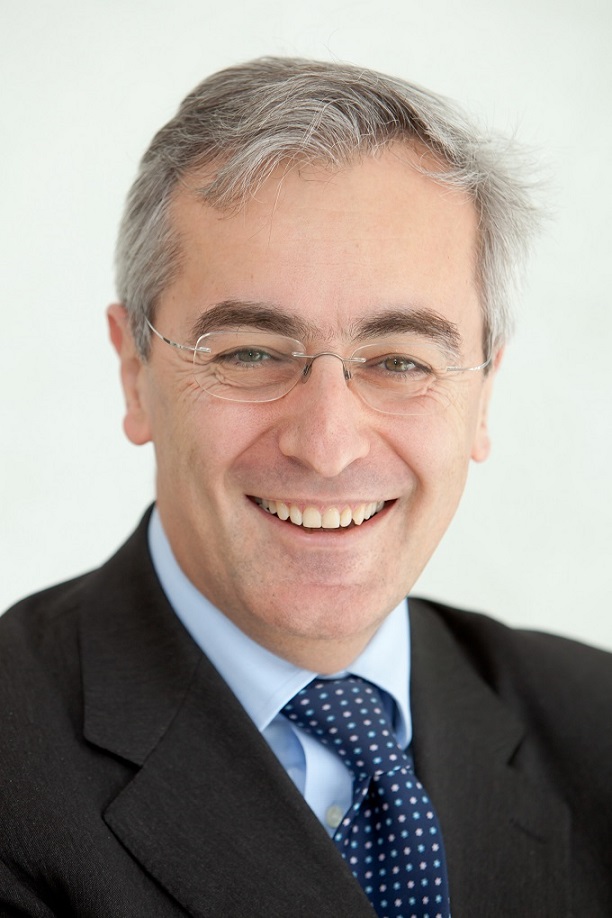 Angelo Auricchio合作论文数Faculty of Biomedical Sciences, Università della Svizzera;University Hospital in Magdeburg;Center for Computational Medicine in Cardiology, Università Della Svizzera Italiana in Lugano;Division of Cardiology, Istituto Cardiocentro Ticino2
 Tomas Jernberg合作论文数Department of Clinical Sciences, Danderyd Hospital, Karolinska Institutet2
 Freddy Lippert合作论文数Department of Clinical Medicine, Faculty of Healths and Medical Sciences, University of Copenhagen;Falck2
 Christer H Svensen合作论文数2Johan Herlitz合作论文数2
 Ruggero Cresta合作论文数1M Krammel合作论文数1Olle Bergström合作论文数1Jörg Lauermann合作论文数1
 Iris Oving合作论文数1
 Hans-Joerg Busch合作论文数1
 Oscar Lapidus合作论文数1Georg Trummer合作论文数1
 Thomas Alexander Gerds合作论文数Department of Public Health, Faculty of Health and Medical Sciences, University of Copenhagen1
 Sofia Schierbeck合作论文数1
 Julian Ganter合作论文数1Troels Yndigegn合作论文数1
 Eva Degraeuwe合作论文数1
 Karl Christian Thies合作论文数Univ Bielefeld, Univ Klinikum OWL1H. L. Tan合作论文数1David Sparv合作论文数1D Damjanovic合作论文数1Ming Yao合作论文数1




