Environmental changes can profoundly impact the performance of artificial intelligence systems operating in the real world, with effects ranging from overt catastrophic failures to non-robust behaviours that do not take changing context into account. Here we argue that designing machine intelligence that can operate in open worlds, including detecting, characterizing and adapting to structurally unexpected environmental changes, is a critical goal on the path to building systems that can solve complex and relatively under-determined problems. We present and distinguish between three forms of open-world learning (OWL)—weak, semi-strong and strong—and argue that a fully developed OWL system should be antifragile, rather than merely robust. An antifragile system, an example of which is the immune system, is not only robust to adverse events, but adapts to them quickly and becomes better at handling them in subsequent encounters. We also argue that, because OWL approaches must be capable of handling the unexpected, their practical evaluation can pose an interesting conceptual problem. AI systems operating in the real world unavoidably encounter unexpected environmental changes and need a built-in robustness and capability to learn fast, making use of advances such as lifelong and few-shot learning. Kejriwal et al. discuss three categories of such open-world learning and discuss applications such as self-driving cars and robotic inspection.
"Open world" environments are those in which novel objects, agents, events, and more can appear and contradict previous understandings of the environment. This runs counter to the "closed world" assumption used in most AI research, where the environment is assumed to be fully understood and unchanging. The types of environments AI agents can be deployed in are limited by the inability to handle the novelties that occur in open world environments. This paper presents a novel cognitive architecture framework to handle open -world novelties. This framework combines symbolic planning, counterfactual reasoning, reinforcement learning, and deep computer vision to detect and accommodate novelties. We introduce general algorithms for exploring open worlds using inference and machine learning methodologies to facilitate novelty accommodation. The ability to detect and accommodate novelties allows agents built on this framework to successfully complete tasks despite a variety of novel changes to the world. Both the framework components and the entire system are evaluated in Minecraft-like simulated environments. Our results indicate that agents are able to efficiently complete tasks while accommodating "concealed novelties" not shared with the architecture development team.
To be robust to surprising developments, an intelligent agent must be able to respond to many different types of unexpected change in the world. To date, there are no general frameworks for defining and characterizing the types of environment changes that are possible. We introduce a formal and theoretical framework for defining and categorizing environment transformations, changes to the world an agent inhabits. We introduce two types of environment transformation: R-transformations which modify environment dynamics and T-transformations which modify the generation process that produces scenarios. We present a new language for describing domains, scenario generators, and transformations, called the Transformation and Simulator Abstraction Language (T-SAL), and a logical formalism that rigorously defines these concepts. Then, we offer the first formal and computational set of tests for eight categories of environment transformations. This domain-independent framework paves the way for describing unambiguous classes of novelty, constrained and domain-independent random generation of environment transformations, replication of environment transformation studies, and fair evaluation of agent robustness.
Artificial Intelligence (AI) systems planned for deployment in real-world applications frequently are researched and developed in closed simulation environments where all variables are controlled and known to the simulator or labeled benchmark datasets are used. Transition from these simulators, testbeds, and benchmark datasets to more open-world domains poses significant challenges to AI systems, including significant increases in the complexity of the domain and the inclusion of real-world novelties; the open-world environment contains numerous out-of-distribution elements that are not part in the AI systems' training set. Here, we propose a path to a general, domain-independent measure of domain complexity level. We distinguish two aspects of domain complexity: intrinsic and extrinsic. The intrinsic domain complexity is the complexity that exists by itself without any action or interaction from an AI agent performing a task on that domain. This is an agent-independent aspect of the domain complexity. The extrinsic domain complexity is agent- and task-dependent. Intrinsic and extrinsic elements combined capture the overall complexity of the domain. We frame the components that define and impact domain complexity levels in a domain-independent light. Domain-independent measures of complexity could enable quantitative predictions of the difficulty posed to AI systems when transitioning from one testbed or environment to another, when facing out-of-distribution data in open-world tasks, and when navigating the rapidly expanding solution and search spaces encountered in open-world domains.
Artificial Intelligence (AI) systems, trained in controlled environments, often struggle in real-world complexities. We propose a general framework for estimating domain complexity across diverse environments, like open-world learning and real-world applications. This framework distinguishes between intrinsic complexity (inherent to the domain) and extrinsic complexity (dependent on the AI agent). By analyzing dimensionality, sparsity, and diversity within these categories, we offer a comprehensive view of domain challenges. This approach enables quantitative predictions of AI difficulty during environment transitions, avoids bias in novel situations, and helps navigate the vast search spaces of open-world domains.
As artificial intelligence research advances, the platforms used to evaluate AI agents need to adapt and grow to continue to challenge them. We present the Polycraft World AI Lab (PAL), a task simulator with an API based on the Minecraft mod Polycraft World. Our platform is built to allow AI agents with different architectures to easily interact with the Minecraft world, train and be evaluated in multiple tasks. PAL enables the creation of tasks in a flexible manner as well as having the capability to manipulate any aspect of the task during an evaluation. All actions taken by AI agents and external actors (non-player-characters, NPCs) in the open-world environment are logged to streamline evaluation. Here we present two custom tasks on the PAL platform, one focused on multi-step planning and one focused on navigation, and evaluations of agents solving them. In summary, we report a versatile and extensible AI evaluation platform with a low barrier to entry for AI researchers to utilize.
Human neural stem cells (NSCs) offer therapeutic potential for neurodegenerative diseases, such as inherited monogenic nervous system disorders, and neural injuries. Gene editing in NSCs (GE-NSCs) could enhance their therapeutic potential. We show that NSCs are amenable to gene targeting at multiple loci using Cas9 mRNA with synthetic chemically modified guide RNAs along with DNA donor templates. Transplantation of GE-NSC into oligodendrocyte mutant shiverer-immunodeficient mice showed that GE-NSCs migrate and differentiate into astrocytes, neurons, and myelin-producing oligodendrocytes, highlighting the fact that GE-NSCs retain their NSC characteristics of self-renewal and site-specific global migration and differentiation. To show the therapeutic potential of GE-NSCs, we generated GALC lysosomal enzyme overexpressing GE-NSCs that are able to cross-correct GALC enzyme activity through the mannose-6-phosphate receptor pathway. These GE-NSCs have the potential to be an investigational cell and gene therapy for a range of neurodegenerative disorders and injuries of the central nervous system, including lysosomal storage disorders.
The original version of this Article omitted the following from the Acknowledgements: “G.B. acknowledges the support from the Cancer Prevention and Research Institute of Texas (RR140081 and RR170721).”This has now been corrected in both the PDF and HTML versions of the Article.
The functional role of U2AF1 mutations in lung adenocarcinomas (LUADs) remains incompletely understood. Here, we report a significant co-occurrence of U2AF1 S34F mutations with ROS1 translocations in LUADs. To characterize this interaction, we profiled effects of S34F on the transcriptome-wide distribution of RNA binding and alternative splicing in cells harboring the ROS1 translocation. Compared to its wild-type counterpart, U2AF1 S34F preferentially binds and modulates splicing of introns containing CAG trinucleotides at their 3′ splice junctions. The presence of S34F caused a shift in cross-linking at 3′ splice sites, which was significantly associated with alternative splicing of skipped exons. U2AF1 S34F induced expression of genes involved in the epithelial-mesenchymal transition (EMT) and increased tumor cell invasion. Finally, S34F increased splicing of the long over the short SLC34A2-ROS1 isoform, which was also associated with enhanced invasiveness. Taken together, our results suggest a mechanistic interaction between mutant U2AF1 and ROS1 in LUAD.
Background: The Pulfrich phenomenon (PF) is the illusory perception that an object moving linearly along a 2-D plane appears to instead follow an elliptical 3-D trajectory, a consequence of inter-eye asymmetry in the timing of visual object identification in the visual cortex; with optic neuritis as a common etiology. Objective: We have designed an objective method to identify the presence and magnitude of the PF, in conjunction with a cooresponding strategy by which to abolish the effect; with monocular application of neutral density filters to the less affected fellow eye, in patients with MS and a history of optic neuropathy (e.g. related to acute optic neuritis or subclinical optic neuropathy). Methods: Twenty-three MS patients with a history of acute unilateral or bilateral optic neuritis, and ten healthy control subjects (HC) were recruited to participate in a pilot study to assess our strategy. Subjects were asked to indicate whether a linearly moving pendulum ball followed a linear 2-D path versus an illusory 3-D elliptical object-motion trajectory, by reporting the ball's approximation to one of nine horizontally-oriented colored wires that were positioned parallel to one another and horizontal to the linear pendulum path. Perceived motion of the bob that moved along wires behind or in front (along the 'Z' plane) of the middle reference wire indicated an illusory elliptical trajectory of ball motion consistent with the PF. Results: When the neutral density filter titration was applied to the fellow eye the severity of the PF decreased, eventually being fully abolished in all but one patient. The magnitude of neutral density filtering required correlated to the severity of the patient's initial PF magnitude (p < 0.001). Conclusions: We ascertained the magnitude of the visual illusion associated with the PF, and the corresponding magnitude of neutral density filtering necessary to abolish it.
Words: Words Text Words: Words Address Correspondence and Reprint Requests to the Co-Corresponding Authors: Elliot M. Frohman, M.D., Ph.D., F.A.A.N. Professor of Neurology & Neurotherapeutics and Ophthalmology Kenney-Marie Dixon Pickens Distinguished Professor of MS Research Irene Wadel and Robert Atha Distinguished Chair of Neurology University of Texas Southwestern Medical Center 5323 Harry Hines Blvd., Dallas, Texas 75235. Email: elliot.frohman@utsouthwestern.edu. Tele: 214-645-0555 Fax: 214-645-0556 Robert L Rennaker II, PhD. Professor and Chair Department of Biomedical Engineering University of Texas at Dallas Email: renn@UTDallas.edu Tele: 972 883-3562 Fax: 972 883-5515 Pulfrich Phenomenon in MS Sobhanian & Agarwal 4
Importance A neurophysiologic signature of the melanopsin-mediated persistent constriction phase of the pupillary light reflex may represent a surrogate biomarker for the integrity of the retinohypothalamic tract, with potential utility for investigating alterations in homeostatic mechanisms associated with brain disorders and implications for identifying new treatments. Objective To characterize abnormalities of retinal architecture in patients with multiple sclerosis (MS) and corresponding alterations in the melanopsin-mediated sustained pupillary constriction response. Design, Setting, and Participants The case-control study was an experimental assessment of various stimulus-induced pupillary response characteristics and was conducted at a university clinical center for MS from September 6, 2012, to February 2015. Twenty-four patients with MS (48 eyes) and 15 individuals serving as controls (30 eyes) participated. The melanopsin-mediated, sustained pupillary constriction phase response following cessation of a blue light stimulus was compared with the photoreceptor-mediated pupillary constriction phase response following cessation of a red light stimulus. Optical coherence tomography was used to characterize the association between pupillary response characteristics and alterations in retinal architecture, specifically, the thickness of the retinal ganglion cell layer and inner plexiform layer (GCL + IPL). Main Outcomes and Measures Association of pupillary response characteristics with alterations in retinal architecture. Results Of 24 patients with MS included in the analysis, 17 were women (71%); mean (SD) age was 47 (11) years. Compared with eyes from individuals with MS who had normal optical coherence tomography–derived measures of retinal GCL + IPL thickness, eyes of patients who had GCL + IPL thickness reductions to less than the first percentile exhibited a correspondingly significant attenuation of the melanopsin-mediated sustained pupillary response (mean [SD] pupillary diameter ratios at a point in time, 0.18 [0.1] vs 0.33 [0.09]; P < .001, generalized estimating equation models accounting for age and within-patient intereye correlations). Conclusions and Relevance In this case-control study, attenuation of the melanopsin-mediated sustained pupillary constriction response was significantly associated with thinning of the GCL + IPL sector of the retina in the eyes of patients with MS, particularly those with a history of acute optic neuritis. Melanopsin-containing ganglion cells in the retina represent, at least in part, the composition of the retinohypothalamic tract. As such, our findings may signify the ability to elucidate a putative surrogate neurophysiologic signature that correlates with a constellation of homeostatic mechanisms in both health and illness.
Background: At sufficiently high doses, methotrexate (HDMTX) achieves substantial CNS penetration, whereas other tissues can be rescued from the effects of HDMTX by leucovorin rescue (LR), which does not penetrate the blood -brain barrier. Objectives: To report on the efficacy and safety of HDMTX with LR(HDMTX-LR), in the treatment of acute demyelinating inflammatory CNS syndromes refractory to conventional immunotherapy.Methods: We performed a retrospective chart review of 12 patients treated (6 multiple sclerosis [MS], 4 neuromyelitis optica [NMO], and 2 Sjogren's syndrome myelopathy [SSM]) with HDMTX-LR after failing to improve, or exhibiting worsening following conventional immunotherapy. 11 patients were followed for a total of 6 months following HDMTX-LR (one was lost to follow up after 1 month); and clinical findings were documented at 1 month, 3 months, and 6 months following HDMTX-LR therapy.Results: Ten patients demonstrated both clinical and radiologic evidence of near, if not complete, abolishment of disease activity, in conjunction with impressive reconstitution of neurologic function in the 6-month period following HDMTX-LR. Mean Kurtzke Expanded Disability Status Scale (EDSS) prior to HDMTX-LR was 8.1 (+/- 1.4). Following HDMTX-LR, mean EDSS was 6.6 (+/- 2.4) at 1 month, 5.8 (+/- 2.3) at 3 months, and 5.7 ( +/- 2.3) at 6 months.Conclusions: In this retrospective assessment of treatment-recalcitrant fulminant inflammatory CNS syndromes, HDMTX-LR was observed to be a safe and highly effective treatment, producing the rapid and near complete cessation of disease activity, in conjunction with an important corresponding and 'durable remission' in the majority of our small treatment cohort. (C) 2016 Published by Elsevier B.V.
The end of 2015 saw the passing of John F. Kurtzke and Richard T. Johnson, two legends in neurology, and founding fathers of neuroepidemiology, neurovirology and neuroimmunology. Here, we pay tribute to these two giants by discussing their impact on the genesis of these profoundly important disciplines.
Multiple sclerosis (MS) is the most common disabling neurologic disease of young adults. There are now 16 US Food and Drug Administration (FDA)-approved disease-modifying therapies for MS as well as a cohort of other agents commonly used in practice when conventional therapies prove inadequate. This article discusses approved FDA therapies as well as commonly used practice-based therapies for MS, as well as those therapies that can be used in patients attempting to become pregnant, or in patients with an established pregnancy, who require concomitant treatment secondary to recalcitrant disease activity.
 Matthew Porteus合作论文数Pediatrics Department, Stanford University School of Medicine;Division of Stem Cell Transplantation and Regenerative Medicine, Stanford University School of Medicine;Center for Definitive and Curative Medicine, Stanford University School of Medicine11
 Elliot Frohman合作论文数Department of Neurology, Dell Medical School, University of Texas at Austin9
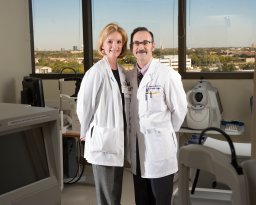 Teresa C. Frohman合作论文数Neurology, University of Texas Southwestern Medical Center at Dallas8
 Shin Beh合作论文数Departments of Neurology &Neurotherapeutics, University of Texas Southwestern Medical Center at Dallas;Departments of Neurology & Neurotherapeutics, University of Texas Southwestern Medical Center at Dallas7
 Gang Bao合作论文数Laboratory of Biomolecular Engineering & Nanomedicine, Rice University5
 Fine Eli J合作论文数Department of Biomedical Engineering, Georgia Institute of Technology and Emory University4
 Ram Narayan合作论文数University of Texas Southwestern Medical Center4
 Robert Rennaker合作论文数School of Behavioral and Brain Sciences, The University of Texas at Dallas;Texas Biomedical Device Center, The University of Texas at Dallas;X-Nerve;Konan Medical;Optokinetix LLC3
 Steven L. Galetta合作论文数Department of Neurology, Department of Medicine, New York University3
 Laura J. Balcer合作论文数NYU Langone Health;Department of Neurology, Grossman School of Medicine, New York University;Department of Ophthalmology, Grossman School of Medicine, New York University3
 Thomas James Cradick合作论文数Dept Biomed Engn, Georgia Inst Technol3
 Shiv Saidha合作论文数Dept Neurol, Johns Hopkins Univ3
 Peter Calabresi合作论文数Department of Neurological Sciences, Larner College of Medicine, University of Vermont3Punjya Niraj合作论文数3Randy H. Kardon合作论文数3
 Benjamin Greenberg合作论文数Department of Neurology, The University of Texas Southwestern Medical Center;Department of Pediatrics, The University of Texas Southwestern Medical Center3
 Mayank Kejriwal合作论文数Information Sciences Institute , University of Southern California3Ashley N Frohman合作论文数2
 Daniel Olivenca合作论文数2Nivedita Saxena合作论文数2Beruh Dejene合作论文数2Rohit Agarwal合作论文数2Benjamin S Frohman合作论文数2
 Ethan Meltzer合作论文数Department of Neurology, Dell Medical School, University of Texas at Austin2Carmencita E. Nicolas合作论文数2Sruthi Mantri合作论文数Stanford Univ, Dept Pediat, Stanford, CA 94305 USA2Camille Sindhu合作论文数Stanford Univ, Dept Pediat, Div Stem Cell Transplantat & Regenerat Med, Stanford, CA 94305 USA2Waracharee Srifa合作论文数Stanford Univ, Dept Pediat, Stanford, CA 94305 USA2
 Mara Pavel-Dinu合作论文数Stanford Univ, Dept Pediat, Stanford, CA 94305 USA2
 Ayal Hendel合作论文数Weizmann Inst Sci, Dept Biol Chem, IL-76100 Rehovot, Israel2
 Harry Lewis Malech合作论文数Laboratory of Clinical Immunology & Microbiology, National Institute of Allergy and Infectious Diseases, National Institutes of Health;Genetic Immunotherapy Section, National Institute of Allergy and Infectious Diseases, National Institutes of Health2
 Volker Wiebking合作论文数Genentech2
 Lee Ciaran M合作论文数Department of Biomedical Engineering, Georgia Institute of Technology and Emory University2Sobhanian Millad合作论文数2
 Joseph T Clark合作论文数Department of Pediatrics, Stanford University2Checketts Josh合作论文数2Suk See De Ravin合作论文数2Robert J Steininger合作论文数2
 Lawrence Holder合作论文数School of Electrical Engineering and Computer Science, Washington State University2Katarina Z. Doctor合作论文数Center for Earth Observing & Space Research, George Mason University2
 Maria Grazia Roncarolo合作论文数Department of Pediatrics, Stanford University2Matthew A. Inlay合作论文数2
 Friedemann Paul合作论文数Experimental and Clinical Research Center, Universitätsmedizin Berlin2
 Kenneth Weinberg合作论文数Division of Pediatric Hematology, Oncology, Stem Cell Transplantation & Regenerative Medicine, Stanford School of Medicine, Stanford University;Maternal & Child Health Research Institute, Stanford University2
 Owen White合作论文数Department of Neuroscience, Central Clinical School, Monash University2D. Conger合作论文数1Doug Schell合作论文数1Pierrick Lorang合作论文数1R. Rennaker合作论文数1




