The platelet-derived growth factor receptor (PDGFR) family of receptor tyrosine kinases consists of two receptors, PDGFRα and PDGFRβ, that homodimerize and heterodimerize upon ligand binding. Here, we tested the hypothesis that differential internalization and trafficking dynamics of the various PDGFR dimers underlie differences in downstream intracellular signaling and cellular behavior. Using a bimolecular fluorescence complementation approach, we demonstrated that PDGFRα/β heterodimers are rapidly internalized into early endosomes. We showed that PDGFRα/β heterodimer activation does not induce downstream phosphorylation of ERK1/2 and significantly inhibits cell proliferation. Further, we identified MYO1D as a protein that preferentially binds PDGFRα/β heterodimers and demonstrated that knockdown of MYO1D leads to retention of PDGFRα/β heterodimers at the plasma membrane, increased phosphorylation of ERK1/2 and increased cell proliferation. Collectively, our findings impart valuable insight into the molecular mechanisms by which specificity is introduced downstream of PDGFR activation to differentially propagate signaling and generate distinct cellular responses.
Signaling through the platelet-derived growth factor receptor alpha (PDGFRα) plays a critical role in craniofacial development. Phosphatidylinositol 3-kinase (PI3K)/Akt is the primary effector of PDGFRα signaling during mouse skeletal development. We previously demonstrated that Akt phosphorylates the RNA-binding protein serine/arginine-rich splicing factor 3 (Srsf3) downstream of PI3K-mediated PDGFRα signaling in mouse embryonic palatal mesenchyme (MEPM) cells, leading to its nuclear translocation. We further showed that ablation of Srsf3 in the murine neural crest lineage results in severe midline facial clefting and widespread alternative RNA splicing (AS) changes. Here, we demonstrated via enhanced UV-crosslinking and immunoprecipitation of MEPM cells that PDGF-AA stimulation leads to preferential binding of Srsf3 to exons and loss of binding to canonical Srsf3 CA-rich motifs. Through the analysis of complementary RNA-seq data, we showed that Srsf3 activity results in the preferential inclusion of exons with increased GC content and lower intron to exon length ratio. We found that Srsf3 activity downstream of PDGFRα signaling leads to retention of the receptor in early endosomes and increases in downstream PI3K-mediated Akt signaling. Taken together, our findings reveal that growth factor-mediated phosphorylation of an RNA-binding protein underlies gene expression regulation necessary for mammalian craniofacial development.
Background: Obstructive sleep-disordered breathing (oSDB) is a heterogeneous phenotype that is increasing in prevalence worldwide and has many potential comorbidities that could severely affect quality of life. There is a need to identify biomarkers for oSDB and its comorbidities to improve clinical management, particularly in children. Methods: We performed bulk mRNA-sequencing, differential expression analysis, and qPCR replication of selected differentially expressed genes (DEGs) using RNA samples extracted from tonsils of children with oSDB. Two variables were used as classifier, namely, detection of Epstein-Barr virus (EBV) in tonsils and need for continuous positive airway pressure (CPAP) treatment. Standard statistical tests were used to determine associations across clinical, EBV, and DEG variables. Results: Nineteen genes were dysregulated in tonsils that are EBV+ or from children needing CPAP. Of these genes, APOBR was downregulated in both EBV+ and CPAP+ tonsils, and this downregulation was replicated by qPCR in an independent set of pediatric samples. In the tonsils of adult patients with oSDB, APOBR was positively correlated with age, and potentially with diastolic blood pressure. Conclusions: Taken together, APOBR and DEGs in tonsillar tissues may be useful as potential biomarkers of oSDB severity and comorbidity across the lifespan, with APOBR levels being dependent on latent EBV infection.
SummaryTaste buds on the tongue are collections of taste receptor cells (TRCs) that detect sweet, sour, salty, umami and bitter stimuli. Like non-taste lingual epithelium, TRCs are renewed from basal keratinocytes, many of which express the transcription factor SOX2. Genetic lineage tracing has shown SOX2+ lingual progenitors give rise to both taste and non-taste lingual epithelium in the posterior circumvallate taste papilla (CVP) of mice. However, SOX2 is variably expressed among CVP cells suggesting that their progenitor potential may vary. Using transcriptome analysis and organoid technology, we show highly expressing SOX2+ cells are taste-competent progenitors that give rise to organoids comprising both TRCs and lingual epithelium, while organoids derived from low-expressing SOX2+ progenitors are composed entirely of non-taste cells. Hedgehog and WNT/ß-catenin are required for taste homeostasis in adult mice, but only WNT/ß-catenin promotes TRC differentiation in vitro and does so only in organoids derived from higher SOX2+ taste lineage-competent progenitors.
Despite ongoing study into chronic rhinosinusitis (CRS) disease mechanisms, the origins of chronic inflammation are somewhat elusive.1 CRS is defined by 3 months of symptoms with evidence of disease, either radiographically or endoscopically.2 Interestingly, pathologic correlates of inflammation are not required for diagnosis, but are well described. Some of these findings include classic acute inflammatory pathologic hallmarks (ie, edema and neutrophilic infiltrate), and some are characteristic of chronic inflammation (ie, lymphocytic infiltrate, basement membrane thickening, and fibrosis). Even in well-defined subgroups,3 it appears that pathologic and molecular CRS research findings support the presence of mixed acute and chronic inflammation. The role of microbes in CRS remains unclear, as current models describe CRS as a disease of inflammation. Herein we have we applied systems biology and transcriptome network approaches to identify de-novo pathways and putative etiologic factors for inflammatory activation in CRS tissues. Recent works have utilized cluster analyses to delineate CRS inflammatory endotypes types using targeted transcript profiling and bulk tissue or single-cell transcriptomics.3–6 Notably, this approach has not been performed across CRS phenotypes and controls.
Embryonic taste bud primordia are specified as taste placodes on the tongue surface and differentiate into the first taste receptor cells (TRCs) at birth. Throughout adult life, TRCs are continually regenerated from epithelial progenitors. Sonic hedgehog (SHH) signaling regulates TRC development and renewal, repressing taste fate embryonically, but promoting TRC differentiation in adults. Here, using mouse models, we show TRC renewal initiates at birth and coincides with onset of SHHs pro-taste function. Using transcriptional profiling to explore molecular regulators of renewal, we identified Foxa1 and Foxa2 as potential SHH target genes in lingual progenitors at birth and show that SHH overexpression in vivo alters FoxA1 and FoxA2 expression relevant to taste buds. We further bioinformatically identify genes relevant to cell adhesion and cell locomotion likely regulated by FOXA1;FOXA2 and show that expression of these candidates is also altered by forced SHH expression. We present a new model where SHH promotes TRC differentiation by regulating changes in epithelial cell adhesion and migration.
Signaling through the platelet-derived growth factor receptor alpha (PDGFRα) is crucial for mammalian craniofacial development, although the mechanisms by which the activity of downstream intracellular effectors is regulated to mediate gene expression changes have not been defined. We find that the RNA-binding protein Srsf3 is phosphorylated at Akt consensus sites downstream of PI3K-mediated PDGFRα signaling in mouse palatal mesenchyme cells, leading to its nuclear translocation. We further demonstrate that ablation of Srsf3 in the mouse neural crest lineage leads to facial clefting due to defective cranial neural crest cell proliferation and survival. Finally, we show that Srsf3 regulates the alternative RNA splicing of transcripts encoding protein kinases in the mouse facial process mesenchyme to regulate PDGFRα-dependent intracellular signaling. Collectively, our findings reveal that alternative RNA splicing is an important mechanism of gene expression regulation downstream of PI3K/Akt-mediated PDGFRα signaling in the facial mesenchyme and identify Srsf3 as a critical regulator of craniofacial development.
Background Understanding viral infection of the olfactory epithelium is essential because the olfactory nerve is an important route of entry for viruses to the central nervous system. Specialized chemosensory epithelial cells that express the transient receptor potential cation channel subfamily M member 5 (TRPM5) are found throughout the airways and intestinal epithelium and are involved in responses to viral infection. Results Herein we performed deep transcriptional profiling of olfactory epithelial cells sorted by flow cytometry based on the expression of mCherry as a marker for olfactory sensory neurons and for eGFP in OMP-H2B::mCherry/TRPM5-eGFP transgenic mice (Mus musculus). We find profuse expression of transcripts involved in inflammation, immunity and viral infection in TRPM5-expressing microvillous cells compared to olfactory sensory neurons. Conclusion Our study provides new insights into a potential role for TRPM5-expressing microvillous cells in viral infection of the olfactory epithelium. We find that, as found for solitary chemosensory cells (SCCs) and brush cells in the airway epithelium, and for tuft cells in the intestine, the transcriptome of TRPM5-expressing microvillous cells indicates that they are likely involved in the inflammatory response elicited by viral infection of the olfactory epithelium.
In taste buds, Type I cells represent the majority of cells (50-60%) and primarily have a glial-like function in taste buds. However, recent studies suggest that they have additional sensory and signaling functions including amiloride-sensitive salt transduction, oxytocin modulation of taste, and substance P mediated GABA release. Nonetheless, the overall function of Type I cells in transduction and signaling remains unclear, primarily because of the lack of a reliable reporter for this cell type. GAD65 expression is specific to Type I taste cells and GAD65 has been used as a Cre driver to study Type I cells in salt taste transduction. To test the specificity of transgene-driven expression, we crossed GAD65Cre mice with floxed tdTomato and Channelrhodopsin (ChR2) lines and examined the progeny with immunochemistry, chorda tympani recording, and calcium imaging. We report that while many tdTomato+ taste cells express NTPDase2, a specific marker of Type I cells, we see some expression of tdTomato in both Gustducin and SNAP25-positive taste cells. We also see ChR2 in cells just outside the fungiform taste buds. Chorda tympani recordings in the GAD65Cre/ChR2 mice show large responses to blue light. Furthermore, several isolated tdTomato-positive taste cells responded to KCl depolarization with increases in intracellular calcium, indicating the presence of voltage-gated calcium channels. Taken together, these data suggest that GAD65Cre mice drive expression in multiple taste cell types and thus cannot be considered a reliable reporter of Type I cell function.
Otitis media (OM), a very common disease in young children, can result in hearing loss. In order to potentially replicate previously reported associations between OM and PLG, exome and Sanger sequencing, RNA-sequencing of saliva and middle ear samples, 16S rRNA sequencing, molecular modeling, and statistical analyses including transmission disequilibrium tests (TDT) were performed in a multi-ethnic cohort of 718 families and simplex cases with OM. We identified four rare PLG variants c.112A > G (p.Lys38Glu), c.782G > A (p.Arg261His), c.1481C > T (p.Ala494Val) and c.2045 T > A (p.Ile682Asn), and one common variant c.1414G > A (p.Asp472Asn). However TDT analyses for these PLG variants did not demonstrate association with OM in 314 families. Additionally PLG expression is very low or absent in normal or diseased middle ear in mouse and human, and salivary expression and microbial α-diversity were non-significant in c.1414G > A (p.Asp472Asn) carriers. Based on molecular modeling, the novel rare variants particularly c.782G > A (p.Arg261His) and c.2045 T > A (p.Ile682Asn) were predicted to affect protein structure. Exploration of other potential disease mechanisms will help elucidate how PLG contributes to OM susceptibility in humans. Our results underline the importance of following up findings from genome-wide association through replication studies, preferably using multi-omic datasets.
 Sue C. Kinnamon合作论文数15
 Vijay Ramakrishnan合作论文数14Catherine B Anderson合作论文数11
 Cathy Proenza合作论文数8Aurelie Vandenbeuch合作论文数7
 Linda A. Barlow合作论文数Moore Laboratory of Zoology, Occidental College7
 Daniel N. Frank (Daniel Frank)合作论文数Division of Infectious Diseases, School of Medicine, University of Colorado6
 Thomas E. Finger合作论文数Rocky Mountain Taste and Smell Center, Department of Cell and Developmental Biology, University of Colorado5
 Joshua St. Clair合作论文数5Liao Zhandi合作论文数5Trevor Isner合作论文数4
 Diego Restrepo合作论文数School of Medicine, University of Pennsylvania Philadelphia4
 Regie Lyn P. Santos-Cortez合作论文数Department of Molecular and Human Genetics, Baylor College of Medicine4
 Katherine A. Fantauzzo合作论文数Department of Genetics and Development, Columbia University4Patricia J Yoon合作论文数3Lauren A. Shechtman合作论文数3Shivani Pathak合作论文数3
 Samuel P Gubbels合作论文数3
 Andrew Bubak合作论文数Neuroscience Program, University of Colorado-Denver Anschutz Medical Campus3Wine Todd M合作论文数3Scholes Melissa A合作论文数3
 Paul Feinstein合作论文数The Rockefeller University3Herman A. Jenkins合作论文数3
 Dany Gaillard合作论文数École nationale de biologie appliquée à la nutrition et à l’alimentation (ENSBANA),, université de Bourgogne3Stephen P. Cass合作论文数Otolaryngology, University of Pittsburgh3Norman R. Friedman合作论文数3B Dnate' Baxter合作论文数2Tori Bootpetch Roberts合作论文数2Christina L. Elling合作论文数2Laetitia Merle合作论文数2Arianna Gentile Polese合作论文数2Doug Shepherd合作论文数2Thad W Vickery合作论文数2Pratima Agarwal合作论文数2Courtney E. Wilson合作论文数2Dean Lockhead合作论文数2Ayesha Yousaf合作论文数2David Baldwin合作论文数2Christy S Niemeyer合作论文数Department of Neurology, University of Colorado Anschutz Medical Campus2Bradley A. Schmidt合作论文数Dept Med, Mayo Clin2
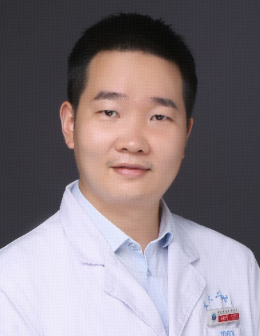 Jingguo Chen (陈敬国)合作论文数The Second Affiliated Hospital, Xi'an Jiaotong University2Brandon LaLone合作论文数2Emily J Sharpe合作论文数Univ Colorado, Sch Med, Dept Physiol & Biophys, Aurora, CO 80045 USA2
 Yogesh Bhattarai合作论文数Mayo Clin, Div Gastroenterol & Hepatol, Rochester, MN 55905 USA2Sven-Olrik Streubel合作论文数Anschutz Med Campus, Univ Colorado2
 Jonathan Madajian合作论文数Mission Support & Test Serv Special Technol Lab, Santa Barbara, CA USA2
 Jennifer Scott合作论文数The Reputations Agency2
 Gianrico Farrugia合作论文数Division of Gastroenterology and Hepatology, Mayo Clinic2




