The discovery of TREM2 as a myeloid-specific Alzheimer's disease (AD) risk gene has accelerated research into the role of microglia in AD. While TREM2 mouse models have provided critical insight, the normal and disease-associated functions of TREM2 in human microglia remain unclear. To examine this question, we profile microglia differentiated from isogenic, CRISPR-modified TREM2-knockout induced pluripotent stem cell (iPSC) lines. By combining transcriptomic and functional analyses with a chimeric AD mouse model, we find that TREM2 deletion reduces microglial survival, impairs phagocytosis of key substrates including APOE, and inhibits SDF-1α/CXCR4-mediated chemotaxis, culminating in an impaired response to beta-amyloid plaques in vivo. Single-cell sequencing of xenotransplanted human microglia further highlights a loss of disease-associated microglial (DAM) responses in human TREM2 knockout microglia that we validate by flow cytometry and immunohistochemistry. Taken together, these studies reveal both conserved and novel aspects of human TREM2 biology that likely play critical roles in the development and progression of AD.
Developmental exposure to environmental factors has been linked to obesity risk later in life. Nuclear receptors are molecular sensors that play critical roles during development and, as such, are prime candidates to explain the developmental programming of disease risk by environmental chemicals. We have previously characterized the obesogen tributyltin (TBT), which activates the nuclear receptors peroxisome proliferator-activated receptor γ (PPARγ) and retinoid X receptor (RXR) to increase adiposity in mice exposed in utero. Mesenchymal stem cells (MSCs) from these mice are biased toward the adipose lineage at the expense of the osteoblast lineage, and MSCs exposed to TBT in vitro are shunted toward the adipose fate in a PPARγ-dependent fashion. To address where in the adipogenic cascade TBT acts, we developed an in vitro commitment assay that permitted us to distinguish early commitment to the adipose lineage from subsequent differentiation. TBT and RXR activators (rexinoids) had potent effects in committing MSCs to the adipose lineage, whereas the strong PPARγ activator rosiglitazone was inactive. We show that activation of RXR is sufficient for adipogenic commitment and that rexinoids act through RXR to alter the transcriptome in a manner favoring adipogenic commitment. RXR activation alters expression of enhancer of zeste homolog 2 (EZH2) and modifies genome-wide histone 3 lysine 27 trimethylation (H3K27me3) in promoting adipose commitment and programming subsequent differentiation. These data offer insights into the roles of RXR and EZH2 in MSC lineage specification and shed light on how endocrine-disrupting chemicals such as TBT can reprogram stem cell fate.
Microglia play critical roles in brain development, homeostasis, and neurological disorders. Here, we report that human microglial-like cells (iMGLs) can be differentiated from iPSCs to study their function in neurological diseases, like Alzheimer's disease (AD). We find that iMGLs develop in vitro similarly to microglia in vivo, and whole-transcriptome analysis demonstrates that they are highly similar to cultured adult and fetal human microglia. Functional assessment of iMGLs reveals that they secrete cytokines in response to inflammatory stimuli, migrate and undergo calcium transients, and robustly phagocytose CNS substrates. iMGLs were used to examine the effects of Aβ fibrils and brain-derived tau oligomers on AD-related gene expression and to interrogate mechanisms involved in synaptic pruning. Furthermore, iMGLs transplanted into transgenic mice and human brain organoids resemble microglia in vivo. Together, these findings demonstrate that iMGLs can be used to study microglial function, providing important new insight into human neurological disease.
 Gianna Fote合作论文数Univ Calif Irvine, Dept Psychiat & Human Behav, Irvine, CA 92717 USA3
 Michael D. Cahalan合作论文数Department of Physiology and Biophysics, University of California, Irvine;School of Medicine, University of California, Irvine3
 Mathew Blurton-Jones合作论文数Department of Neurobiology and Behavior, University of California at Irvine3Alexandra Sotelo合作论文数2
 Morgan A Coburn合作论文数Dept Neurobiol & Behav, Univ Calif Irvine2
 Jean Paul Chadarevian合作论文数Univ Calif Irvine, Sue & Bill Gross Stem Cell Res Ctr, Irvine, CA 92697 USA2Amit Jairaman合作论文数Univ Calif Irvine, Dept Physiol & Biophys, Irvine, CA 92697 USA2
 Emma Danhash合作论文数Univ Calif Irvine, Inst Memory Impairments & Neurol Disorders, Irvine, CA 92697 USA2Jorge Silva合作论文数2
 Amanda McQuade合作论文数Institute for Memory Impairments and Neurological Disorders, University of California, 3014 Gross Hall, 845 Health Science Rd, Irvine, CA, 92697-4545, USA.2
 Sepideh Kiani Shabestari合作论文数Sue and Bill Gross Stem Cell Research Center, University of California, Irvine, Irvine, CA 92696, USA.2Jonathan Hasselmann合作论文数Division of Biomedical Sciences, School of Medicine at the University of California, Riverside, United States2
 A Ian Smith合作论文数Biomedicine Discovery Institute and Department of Biochemistry & Molecular Biology, Monash University2
 Kang You Jung合作论文数Department of Bioengineering, The Pennsylvania State University2
 Beverly L. Davidson合作论文数Department of Pathology and Laboratory Medicine, Perelman School of Medicine, University of Pennsylvania;Raymond G. Perelman Center for Cellular and Molecular Therapeutics, The Children's Hospital of Philadelphia2
 Gilberto Aleph Prieto合作论文数Instituto de Fisiología Celular-Neurociencias, Universidad Nacional Autónoma de México2
 Carl W. Cotman合作论文数Institute for Brain Aging and Dementia, Research and Graduate Studies, University of California, Irvine;School of Medicine, University of California, Irvine2
 Hayk Davtyan合作论文数Institute for Molecular Medicine2
 Christina H Tu合作论文数2
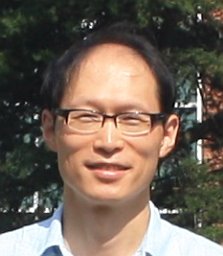 Hansang Cho合作论文数Microsystem Research Center, Korea Institute of Science and Technology2
 Joan S. Steffan合作论文数Department of Psychiatry and Human Behavior, University of California2
 Cristhian Fimbres合作论文数1Abdullah M Madany合作论文数1Cecilia H H Nguyen合作论文数1Chad Caraway合作论文数1Victor T Hung合作论文数1
 Toshi Shioda合作论文数1Zdena Moosova合作论文数1
 Karen Gylys合作论文数University of California, Los Angeles1
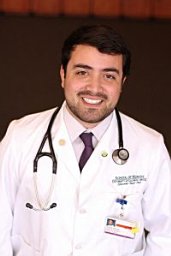 Edsel M. Abud合作论文数Division of Pulmonary and Critical Care Medicine,1
 Bassem Shoucri合作论文数National Heart, Lung and Blood Institute, National Institutes of Health;National Heart, Lung and Blood Institute, National Institutes of Health1
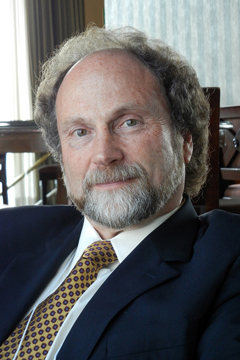 Bruce Blumberg合作论文数Department of Biomedical Engineering, School of Biological Sciences, University of California, Irvine;Department of Developmental and Cell Biology, Charlie Dunlop School of Biological Sciences, University of California, Irvine;Institute for Genomics and Bioinformatics, University of California, Irvine;Department of Pharmaceutical Sciences, School of Biological Sciences, University of California, Irvine;Developmental Biology Center, University of California, Irvine1Carson Monica J合作论文数1Scarfone Vanessa M合作论文数1
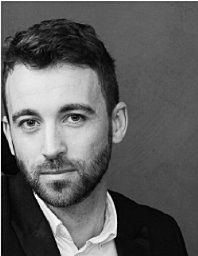 Healy Luke M合作论文数Montreal Neurological Institute and Hospital, McGill University1
 Ricardo Ramirez合作论文数1
 Marsh Samuel E合作论文数Department of Neurobiology &Behavior, University of California;Department of Neurobiology & Behavior, University of California1
 Andriy V. Yeromin合作论文数Department of Physiology and Biophysics and Center for Immunology, University of California1Rakez Kayed合作论文数1Anshu Agrawal合作论文数Division of Basic and Clinical Immunology, University of California1
 Brian Cummings合作论文数Sue & Bill Gross Stem Cell Research Center, University of California, Irvine;Department of Anatomy & Neurobiology, University of California, Irvine School of Medicine1
 Jack P Antel合作论文数Department of Neurology and Neurosurgery, Faculty of Medicine and Health Sciences, McGill University;Department of Microbiology & Immunology, McGill University1
 Ali Mortazavi合作论文数Department of Food Science and Technology;Faculty of Agriculture;Ferdowsi University of Mashhad;Faculty of Agriculture, Ferdowsi University of Mashhad1
 Wayne W. Poon合作论文数the Molecular Biology Institute, University of California, Los Angeles1




