Hepatitis C continues to be a significant public health problem despite advancements in antiviral therapeutics. To eliminate this disease, an effective vaccine against new infections and re-infections is needed. However, to date only one Hepatitis C virus (HCV) envelope protein (E1E2) immunogen, developed by Chiron Inc., has been tested in a Phase I clinical trial (ClinicalTrials.gov identifier NCT00500747). To establish a benchmark for elicitation of broadly neutralizing antibodies (bnAbs) by E1E2, we previously immunized non-human primates (NHPs) with this immunogen and isolated monoclonal nAbs that exhibit neutralization potency comparable to human nAbs. Here we show that NHP nAbs, encoded by germline genes IGHV1-138*01 and IGHV4-NL_5*01 (homologs of human IGHV1-69*10 and IGHV4-59*12, respectively), recognize a relatively conserved E2 region (neutralizing face) proximal to antigenic region 3 (AR3). These NHP AR3-targeting nAbs share highly similar binding modes to human AR3-targeting nAbs, suggesting a similarity in human and NHP immune responses to the same HCV immunogen.
The induction of potent and cross-reactive neutralizing antibody (nAb) responses remains a challenge in vaccine development against antigenically diverse viruses such as hepatitis C virus (HCV). The HCV E1E2 glycoprotein complex contains two major neutralizing sites: the neutralizing face (NF) and the less explored bridging domain (BD). Here, we characterized 25 BD-targeting nAbs isolated from infection or immunization. These antibodies arise from diverse B cell lineages but share convergent CDRH3 features. Epitope mapping by alanine scanning and negative-stain electron microscopy revealed overlapping epitopes on BD spanning antigenic regions AR4 and AR5, with variable back layer engagement. The crystal structure of a non-human primate BD nAb RM3-26 in complex with E2 uncovered a back layer-directed recognition mode analogous to that of the human nAb hcab40. Together, BD- and NF-directed nAbs exhibited additivity in their neutralization, highlighting BD as a conserved site of vulnerability on HCV and a valuable target for rational vaccine design.
Hepatitis C virus (HCV) remains a major global health challenge despite the availability of highly effective antiviral therapies, underscoring the need for a broadly protective vaccine. The envelope glycoprotein E2 is the principal target of neutralizing antibodies, yet the full repertoire of vulnerable epitopes and mechanisms of antibody mediated neutralization remains incompletely understood. Here, we exploited the unique binding properties of camelid nanobodies to probe the antigenic landscape of HCV E2 beyond the immunodominant human antibody response. We isolated a diverse panel of E2-specific nanobodies, including broadly neutralizing antibodies with high-affinity cross reactivity toward genetically diverse HCV isolates. By combining cross-neutralization assays, competition binding experiments, and high resolution hydrogen deuterium exchange mass spectrometry (HDX-MS), we identified three mechanistically distinct classes of neutralizing epitopes. While one class targets the canonical E2 neutralization face, a second class recognizes antigenic region 1 (AR1), independently validating and extending recent evidence that this region represents a functional site of viral vulnerability. These findings demonstrate that broadly neutralizing antibody responses extend beyond the canonical neutralization face and establish a broader framework for understanding HCV neutralization. More broadly, our study illustrates how alternative antibody repertoires can reveal functionally important antigenic surfaces that are underrepresented in conventional human antibody responses, providing new opportunities for the rational design of next-generation HCV vaccine immunogens.
Hepatitis C virus (HCV) is a leading cause of chronic liver disease, cirrhosis, and hepatocellular carcinoma worldwide. Development of an E1E2-based HCV vaccine has been hindered by the difficulty of producing a soluble E1E2 (sE1E2) antigen that faithfully recapitulates the native virion-associated heterodimer. Guided by cryo-electron microscopy (cryo-EM) structures, we engineer genotype 1a H77 sE1E2 by truncating the E1 and E2 stems (Cut1), deleting a putative fusion peptide-containing region in E1 (Cut2), and stabilizing the heterodimer using diverse scaffolds. All H77 sE1E2.Cut1+2 scaffolds exhibit native-like E1-E2 association and strong binding to the broadly neutralizing antibody (bNAb) AR4A. A genotype 1a HCV-1 sE1E2.Cut1+2 variant scaffolded by a modified SpyTag/SpyCatcher (SPYΔN) is selected for in vitro and in vivo characterization, as well as further construct refinement. The structure of this HCV-1 sE1E2 construct in complex with bNAbs is determined by cryo-EM and negative-stain EM (nsEM), with an nsEM-based strategy established for antibody epitope mapping. HCV-1 sE1E2.Cut1+2.SPYΔN is displayed on self-assembling protein nanoparticles (SApNPs) to enhance immunogenicity. The HCV-1 sE1E2.Cut1+2.SPYΔN heterodimer and SApNPs bearing wildtype or modified glycans are evaluated in mice, alongside E2 core-based immunogens for comparison. Together, these results establish a framework for advancing E1E2-based HCV vaccines toward clinical development.
Background & Aims: Mechanisms of hepatitis C virus (HCV) adaptation and escape from broadly neutralizing antibodies (bNAbs) have been primarily studied in vitro. Here, we used a previously developed in vivo adapted J6/JFH1A876P virus and the highly bNAb sensitive hypervariable region 1 (HVR1) deleted variant, J6/JFH1A876P,ΔHVR1, to study adaptation and bNAb AR5A escape in the HCV-permissive human-liver chimeric mouse model. Methods: In vitro identified AR5A escape substitution, L665S, was introduced into J6/JFH1A876P with or without HVR1. The infection of human liver chimeric mice with these recombinants revealed adaptive mutations, and the potential mechanism of adaptation was extensively characterized in vitro. Finally, we tested the barrier to resistance of AR5A in vivo by challenging passively immunized animals with HVR1-deleted viruses, either with or without the AR5A escape substitution, L665S. Results: L665S was found to be an escape substitution in vivo. Furthermore, sequence analysis showed that the escape substitution L665S arose as early as 2 weeks post infection. At week 8, we also identified antibody escape substitutions as well as several potential in vivo adaptive substitutions in E2. For J6/JFH1A876P, S449P and M702L increased cell-free particle infection and broadly affected antibody sensitivity for virus with HVR1. For J6/JFH1A876P,ΔHVR1, N430D and M702L substitutions increased both cell-free particle mediated infection and cell-to-cell spread, whereas N430D also increased thermal stability at 37°C. Conclusions: We show that L665S is an AR5A escape mutation in vivo, supporting the use of cost-effective vaccine escape studies in vitro. We also identify novel in vivo adaptive mutations and characterize their mechanism of action, thus facilitating interpretation of future HCV in vivo studies.
The Chiron experimental HCV vaccine, the only envelope-based HCV vaccine candidate to date, was immunogenic and safe in a phase 1 trial, though its efficacy remains untested. This study examined the antigenic properties of the vaccine antigens by immunoassays and EM, revealing inconsistent presentation of AR1/5 epitopes. The vaccine elicited mainly strain-specific neutralizing antibodies in humans and non-human primates, highlighting the need for rational antigen design to improve vaccine breadth.
Human IGHV1-69-encoded broadly neutralizing antibodies (bnAbs) that target the hepatitis C virus (HCV) envelope glycoprotein (Env) E2 are important for protection against HCV infection. An IGHV1-69 ortholog gene, VH1.36, is preferentially used for bnAbs isolated from HCV Env-immunized rhesus macaques (RMs). Here, we studied the genetic, structural, and functional properties of VH1.36-encoded bnAbs generated by vaccination, in comparison to IGHV1-69-encoded bnAbs from HCV patients. Global B cell repertoire analysis confirmed the expansion of VH1.36-derived B cells in immunized animals. Most E2-specific, VH1.36-encoded antibodies cross-neutralized HCV. Crystal structures of two RM bnAbs with E2 revealed that the RM bnAbs engaged conserved E2 epitopes using similar molecular features as human bnAbs but with a different binding mode. Longitudinal analyses of the RM antibody repertoire responses during immunization indicated rapid lineage development of VH1.36-encoded bnAbs with limited somatic hypermutation. Our findings suggest functional convergence of a germline-encoded bnAb response to HCV Env with implications for vaccination in humans.
Hepatitis C virus (HCV) infections represent a global health challenge; however, developing a vaccine for treatment of HCV infection has remained difficult as heterogeneous HCV contains distinct genotypes, and each genotype contains various subtypes and different envelope glycoproteins. Currently, there is no effective preventive vaccine for achieving global control over HCV. In our efforts to improve upon current HCV vaccines we designed a synthetically accessible adjuvant platform, wherein we synthesized 11 novel lipidated tucaresol analogues to assess their immunological potential. Using a tucaresol-based adjuvant approach, truncated lipid-variants together with an engineered E1E2 antigen construct, namely E2ΔTM3, elicited antibody (Ab) responses that were significantly higher than tucaresol. In sum, antibody end-point titer values largely corroborated HCV neutralization data with a simplified lipidated tucaresol variant affording the highest end point titer and % neutralization. This study lays the groundwork for additional permutations in tucaresol adjuvant design, including the examination of other proteins in vaccine development.
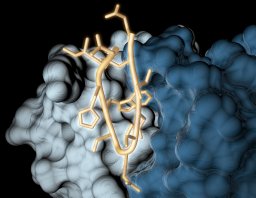
To achieve global elimination of hepatitis C virus (HCV), an effective cross-genotype vaccine is needed. The HCV envelope glycoprotein E2 is the main target for neutralizing antibodies (nAbs), which aid in HCV clearance and protection. E2 is structurally flexible and functions in engaging host receptors. Many nAbs bind to the "neutralizing face" on E2, including several broadly nAbs encoded by the VH1-69 germline gene family that bind to a similar conformation (A) of this face. Here, a previously unknown conformation (B) of the neutralizing face is revealed in crystal structures of two of four additional E2-VH1-69 nAb complexes. In this conformation, the E2 front-layer region is displaced upon antibody binding, exposing residues in the back layer for direct antibody interaction. This E2 B structure may represent another conformational state in the viral entry process that is susceptible to antibody neutralization and thus provide a new target for rational vaccine development.
Nucleos(t)ide analogues (NAs) are a mainstay of therapy for chronic hepatitis B (CHB) infections and have a profound effect on hepatitis B virus (HBV) suppression. We report a rare case of HBV reactivation in a CHB patient without cirrhosis following cessation of NA therapy that resulted in acute liver failure requiring liver transplantation. Investigation of the viral genetics and host immune responses suggest that viral mutations known to promote virus replication are associated with reactivation, whereas adaptive immunity to HBV remained defective in this patient. Viral sequencing may be useful for identifying mutations that are unfavorable for therapy withdrawal.
Hepatitis C virus (HCV) envelope glycoproteins E1 and E2 are responsible for cell entry, with E2 being the major target of neutralizing antibodies (NAbs). Here, we present a comprehensive strategy for B cell-based HCV vaccine development through E2 optimization and nanoparticle display. We redesigned variable region 2 in a truncated form (tVR2) on E2 cores derived from genotypes 1a and 6a, resulting in improved stability and antigenicity. Crystal structures of three optimized E2 cores with human cross-genotype NAbs (AR3s) revealed how the modified tVR2 stabilizes E2 without altering key neutralizing epitopes. We then displayed these E2 cores on 24- and 60-meric nanoparticles and achieved substantial yield and purity, as well as enhanced antigenicity. In mice, these nanoparticles elicited more effective NAb responses than soluble E2 cores. Next-generation sequencing (NGS) defined distinct B cell patterns associated with nanoparticle-induced antibody responses, which target the conserved neutralizing epitopes on E2 and cross-neutralize HCV genotypes.
An effective vaccine to the antigenically diverse hepatitis C virus (HCV) must target conserved immune epitopes. Here, we investigate cross-neutralization of HCV genotypes by broadly neutralizing antibodies (bNAbs) encoded by the relatively abundant human gene family V(H)1-69. We have deciphered the molecular requirements for cross-neutralization by this unique class of human antibodies from crystal structures of HCV E2 in complex with bNAbs. An unusually high binding affinity is found for germ line-reverted versions of V(H)1-69 precursor antibodies, and neutralization breadth is acquired during affinity maturation. Deep sequencing analysis of an HCV-immune B cell repertoire further demonstrates the importance of the V(H)1-69 gene family in the generation of HCV bNAbs. This study therefore provides critical insights into immune recognition of HCV with important implications for rational vaccine design.
BACKGROUND & AIMS:We investigated antibody responses to hepatitis C virus (HCV) antigens E1 and E2 and the relevance of animal models for vaccine development. We compared antibody responses to vaccination with recombinant E1E2 complex in healthy volunteers, non-human primates (NHPs), and mice. METHODS:We analyzed 519 serum samples from participants in a phase 1 vaccine trial (ClinicalTrials.gov identifier NCT00500747) and compared them with serum or plasma samples from C57BL/6J mice (n = 28) and rhesus macaques (n = 4) immunized with the same HCV E1E2 antigen. Blood samples were collected at different time points and analyzed for antibody binding, neutralizing activity, and epitope specificity. Monoclonal antibodies from the immunized NHPs were isolated from single plasmablasts and memory B cells, and their immunogenetic properties were characterized. RESULTS:Antibody responses of the volunteers, NHPs, and mice to the non-neutralizing epitopes on the E1 N-terminus and E2 hypervariable region 1 did not differ significantly. Antibodies from volunteers and NHPs that neutralized heterologous strains of HCV primarily interacted with epitopes in the antigen region 3. However, the neutralizing antibodies were not produced in sufficient levels for broad neutralization of diverse HCV isolates. Broadly neutralizing antibodies similar to the human VH1-69 class antibody specific for antigen region 3 were produced in the immunized NHPs. CONCLUSIONS:In an analysis of vaccinated volunteers, NHPs, and mice, we found that recombinant E1E2 vaccine antigen induces high-antibody titers that are insufficient to neutralize diverse HCV isolates. Antibodies from volunteers and NHPs bind to the same neutralizing epitopes for virus neutralization. NHPs can therefore be used as a preclinical model to develop HCV vaccines. These findings also provide useful baseline values for development of vaccines designed to induce production of neutralizing antibodies.
The hepatitis C virus (HCV) envelope glycoproteins, E1 and E2, are crucial for HCV assembly and entry, and are promising vaccine antigens. However, they are challenging to study because of technical difficulties in protein production and in quality control for protein folding and glycosylation. To study E1 and E2 in different experimental systems, e.g. infected cells, virus culture, virus-like particles, and clinical samples, a standardized method to accurately quantify the glycoproteins will be essential for most research projects. Here we outline a sensitive assay based on dual-color fluorescence immunoblot and the Odyssey imaging system to detect and quantify HCV E1 and E2 glycoproteins either using a purified E1E2 complex, or an engineered protein standard containing E1 and E2 at equal molar ratio. The method is capable of simultaneously detecting and quantifying as little as 7 ng of E1 and 5 ng of E2 in HCV pseudoparticles, and will be useful to quantify E1 and E2 from a wide variety of samples.
The envelope glycoproteins E1 and E2 of hepatitis C virus form a heterodimeric complex on the viral surface. They are the targets of neutralizing antibodies and are being investigated as potential vaccine antigens. Because of the high level of cysteine residues and N-glycosylation sites in the polypeptide sequences, it is technically challenging to produce pure, folded recombinant E1, E2, and E1E2 complex for downstream analysis. In this chapter, the methods we used to isolate a panel of human antibodies specific to diverse antigenic regions on the glycoproteins are discussed. The antibodies have been found to be valuable reagents for the study of HCV envelope glycoproteins, including the determination of the first E2 core domain structure.
Elicitation of neutralizing antibody responses against hepatitis C virus (HCV) has been a challenging goal. While the E2 subunit of the HCV envelope glycoprotein complex is a promising target for generating cross-genotype neutralizing antibodies, vaccinations with soluble E2 immunogens generally induce weak neutralizing antibody responses. Here, E2 immunogens (i.e., E2.661 and E2c.661) were loaded into lipid-based nanovaccines and examined for induction of neutralizing antibody responses. Compared with soluble E2 immunogens, E2 nanoparticles elicited 6- to 20-fold higher E2-specific serum IgG titers in mice. Importantly, E2 vaccine nanoparticles analyzed at a single particle level with a flow cytometry-based method revealed interesting dynamics between epitope display on the surfaces of nanoparticles in vitro and induction of neutralizing antibody responses in vivo. E2c.661 nanoparticles that are preferentially bound by a broadly neutralizing antibody, HCV1, in vitro elicit neutralizing antibody responses against both autologous and heterologous HCV virions in vivo. In stark contrast, E2.661 nanoparticles with reduced HCV1-antibody binding in vitro mainly induce autologous neutralizing antibody responses in vivo. These results show that rationale antigen design coupled with interrogation of epitope display on vaccine nanoparticles at a single particle level may aid in vaccine development toward achieving neutralizing antibody responses in vivo.
ABSTRACT Broadly neutralizing antibodies (bNAbs) have provided valuable insights into the humoral immune response to HIV-1. While rationally designed epitope scaffolds and well-folded gp140 trimers have been proposed as vaccine antigens, a comparative understanding of their antibody responses has not yet been established. In this study, we probed antibody responses to the N332 supersite and the membrane-proximal external region (MPER) in the context of heterologous protein scaffolds and native-like gp140 trimers. Ferritin nanoparticles and fragment crystallizable (Fc) regions were utilized as multivalent carriers to display scaffold antigens with grafted N332 and MPER epitopes, respectively. Trimeric scaffolds were also identified to stabilize the MPER-containing BG505 gp140.681 trimer in a native-like conformation. Following structural and antigenic evaluation, a subset of scaffold and trimer antigens was selected for immunization in BALB/c mice. Serum binding revealed distinct patterns of antibody responses to these two bNAb targets presented in different structural contexts. For example, the N332 nanoparticles elicited glycan epitope-specific antibody responses that could also recognize the native trimer, while a scaffolded BG505 gp140.681 trimer generated a stronger and more rapid antibody response to the trimer apex than its parent gp140.664 trimer. Furthermore, next-generation sequencing (NGS) of mouse splenic B cells revealed expansion of antibody lineages with long heavy-chain complementarity-determining region 3 (HCDR3) loops upon activation by MPER scaffolds, in contrast to the steady repertoires primed by N332 nanoparticles and a soluble gp140.664 trimer. These findings will facilitate the future development of a coherent vaccination strategy that combines both epitope-focused and trimer-based approaches. IMPORTANCE Both epitope-focused and trimer-based strategies are currently being explored in HIV-1 vaccine development, which aims to elicit broadly neutralizing antibodies (bNAbs) targeting conserved epitopes on the viral envelope (Env). However, little is known about the differences in antibody response to these bNAb targets presented by foreign scaffolds and native Env. In this study, a systematic effort was undertaken to design multivalent epitope scaffolds and soluble gp140.681 trimers with a complete antigenic surface, and to comparatively analyze the antibody responses elicited by these antigens to the N332 supersite and MPER in a mouse model. This study will inform both epitope-focused and trimer-based vaccine design and will facilitate integration of the two vaccine strategies.
The hepatitis C virus (HCV) envelope glycoproteins E1 and E2 form a non-covalently linked heterodimer on the viral surface that mediates viral entry. E1, E2 and the heterodimer complex E1E2 are candidate vaccine antigens, but are technically challenging to study because of difficulties in producing natively folded proteins by standard protein expression and purification methods. To better comprehend the antigenicity of these proteins, a library of alanine scanning mutants comprising the entirety of E1E2 (555 residues) was created for evaluating the role of each residue in the glycoproteins. The mutant library was probed, by a high-throughput flow cytometry-based assay, for binding with the co-receptor CD81, and a panel of 13 human and mouse monoclonal antibodies (mAbs) that target continuous and discontinuous epitopes of E1, E2, and the E1E2 complex. Together with the recently determined crystal structure of E2 core domain (E2c), we found that several residues in the E2 back layer region indirectly impact binding of CD81 and mAbs that target the conserved neutralizing face of E2. These findings highlight an unexpected role for the E2 back layer in interacting with the E2 front layer for its biological function. We also identified regions of E1 and E2 that likely located at or near the interface of the E1E2 complex, and determined that the E2 back layer also plays an important role in E1E2 complex formation. The conformation-dependent reactivity of CD81 and the antibody panel to the E1E2 mutant library provides a global view of the influence of each amino acid (aa) on E1E2 expression and folding. This information is valuable for guiding protein engineering efforts to enhance the antigenic properties and stability of E1E2 for vaccine antigen development and structural studies.
Significance Hepatitis C virus is an important human pathogen, and its E2 envelope glycoprotein is the major target of neutralizing antibodies (NAbs) and, hence, a promising vaccine candidate. Many broadly NAbs (bNAbs) to E2 recognize the conserved receptor-binding site, but immunization with soluble E2 antigen rarely elicits a potent bNAb response. Here, we show that soluble E2 is highly stable except for the receptor-binding site and variable loops. Thus, despite high sequence conservation, structural flexibility at the receptor-binding site may distract the immune system from eliciting bNAbs that recognize the conformation required for its function on virions. Stabilization of the E2 CD81 receptor-binding site (CD81bs) by structure-based design may improve its performance as a vaccine candidate.
Hepatitis C virus (HCV) is a positive-strand RNA virus within the Flaviviridae family. The viral "spike" of HCV is formed by two envelope glycoproteins, E1 and E2, which together mediate viral entry by engaging host receptors and undergoing conformational changes to facilitate membrane fusion. While E2 can be readily produced in the absence of E1, E1 cannot be expressed without E2 and few reagents, including monoclonal antibodies (mAbs), are available for study of this essential HCV glycoprotein. A human mAb to E1, IGH526, was previously reported to cross-neutralize different HCV isolates, and therefore, we sought to further characterize the IGH526 neutralizing epitope to obtain information for vaccine design. We found that mAb IGH526 bound to a discontinuous epitope, but with a major component corresponding to E1 residues 314-324. The crystal structure of IGH526 Fab with this E1 glycopeptide at 1.75Å resolution revealed that the antibody binds to one face of an α-helical peptide. Single mutations on the helix substantially lowered IGH526 binding but did not affect neutralization, indicating either that multiple mutations are required or that additional regions are recognized by the antibody in the context of the membrane-associated envelope oligomer. Molecular dynamics simulations indicate that the free peptide is flexible in solution, suggesting that it requires stabilization for use as a candidate vaccine immunogen.
 Law Mansun合作论文数Dept Immunol & Microbial Sci, Scripps Res Inst30
 Ian Wilson合作论文数Department of Integrative Structural and Computational Biology, The Scripps Research Institute;The Skaggs Institute for Chemical Biology, The Scripps Research Institute;Salk Institute for Biological Studies11N. Tzarum合作论文数8
 Leopold Kong合作论文数Departments of Molecular Biology,8Jiang Zhu合作论文数Vaccine Research Center,;Department of Immunology and Microbial Science and IAVI Neutralizing Antibody Center, The Scripps Research Institute;Department of Immunology and Microbial Science and IAVI Neutralizing Antibody Center, The Scripps Research Institute8He Linling合作论文数8
 Dennis Burton合作论文数Department of Immunology and Microbiology, The Scripps Research Institute;The Ragon Institute of MGH, MIT and Harvard;IAVI Neutralizing Antibody Center, The Scripps Research Institute8Robyn L. Stanfield合作论文数8
 Fang Chen (陈芳)合作论文数Taikang Medical School, Wuhan University7
 Jens Bukh合作论文数Department of Immunology & Microbiology, Faculty of Health and Medical Sciences, University of Copenhagen;Hvidovre Hospital7Justin B Robbins合作论文数5Travis Nieusma合作论文数5
 Jannick Cornelius Snel Prentø合作论文数Department of Immunology and Microbiology, Faculty of Health and Medical Sciences, University of Copenhagen4Elias H Augestad合作论文数Faculty of Health and Medical Sciences, University of Copenhagen4Kenna Nagy合作论文数4
 Alexander Ploss合作论文数Department of Molecular Biology, Princeton University;Rutgers Cancer Institute of New Jersey, Rutgers, The State University of New Jersey4
 Georg M Lauer合作论文数Mass General Research Institute;Harvard Medical School;Massachusetts General Hospital4Marcus Dorner合作论文数Center for the Study of Hepatitis C, The Rockefeller University;Center for the Study of Hepatitis C, The Rockefeller University4
 Andrew Ward合作论文数Department of Integrative Structural and Computational Biology, The Scripps Research Institute4
 Charles Rice合作论文数School of Kinesiology, Western University;Neuromuscular Lab, Western University4Bridget M Donovan合作论文数3Michiel C Mommersteeg合作论文数3Shaun Castillo合作论文数3Andrew Honda合作论文数The Kinghorn Centre for Clinical Genomics, Garvan Institute of Medical Research3Xiaohe Lin合作论文数Department of Immunology and Microbiology, The Scripps Research Institute3
 Luis A. Chiriboga合作论文数Department of Pathology, Grossman School of Medicine, New York University3
 Ype P. de Jong合作论文数Joan and Sanford I. Weill Department of Medicine, Weill Cornell Medicine, Cornell University3
 Michael R. Charlton合作论文数Center for Liver Diseases, The University of Chicago Medicine3Velázquez-Moctezuma Rodrigo合作论文数3Winer Benjamin Y合作论文数Laboratory of Bacterial Pathogenesis and Immunology, The Rockefeller University3Yuanzi Hua合作论文数3Xiao Jing W合作论文数Center for the Study of Hepatitis C, The Rockefeller University3Labitt Rachael N合作论文数3
 Kevin Antonio Vega合作论文数Center for the Study of Hepatitis C, The Rockefeller University3
 Sherif Gerges合作论文数Department of Molecular Biology, Princeton University3
 Anuradha Krishnan合作论文数3
 Alejandro Benjamin Balazs合作论文数Harvard Medical School;Massachusetts General Hospital3
 David Baltimore合作论文数Division of Biology and Biological Engineering, California Institute of Technology3Parisa Azadnia合作论文数2
 Colin Mann合作论文数Center for Infectious Disease and Vaccine Research, La Jolla Institute for Immunology2
 Thomas R Fuerst合作论文数2Marlene Dreux合作论文数2
 Robert E. Lanford合作论文数Southwest National Primate Research Center2Ruwona Tinashe B合作论文数Allergy and Clinical Immunology, National Institute for Occupational Safety and Health2
 Radhika Gopal合作论文数2Yushao Cheng合作论文数College of Sciences, Shanghai University2Deborah Chavez合作论文数2
 Benjamin Doranz合作论文数Integral Molecular2Zhen-Yong Keck合作论文数2




