Background B cell repertoire reconstitution following autologous stem cell transplant (SCT) may influence risk of infection and relapse. Minimal residual disease (MRD) testing in multiple myeloma (MM) utilizes next generation sequencing assay to measure clonal frequency of immunoglobulin heavy (IgH) and light chain loci (kappa, KLC and lambda, LLC). In this study, unique IgH, KLC and LLC sequence frequencies reported as a part of MRD testing (ClonoSEQ, Adaptive Biotechnologies) were analyzed in autologous SCT recipients with multiple myeloma. Methods Bone marrow biopsy aspirate samples were collected prior to SCT, at approximately 100 days and one year post-transplant to measure MRD. We analyzed the number of unique IgH, KLC and LLC sequences (clones) reported at these time points and examined trends over time using T test, repeated measures ANOVA, and Spearman’s rank correlation. Results From February 2023 to June 2024, 54 MM patients underwent SCT; 23 patients had high risk disease and median age was 65 years. The median unique IgH sequences pre-transplant, at day 100 and 1 year post-transplant were 15691, 174375 and 123455 sequences, respectively (P < 0.001 for pre-transplant to day 100, P < 0.01 for day 100 to 1 year) (Figure 1). KLC and LLC sequences exhibited similar trends over time, with the median ratios of K/L sequences of 3.6, 2.7 and 2.9 respectively at these times.Consistent post-transplant recovery in the number of unique IgH, KLC, and LLC sequences was seen at day 100, with three different patterns of reconstitution observed when classified by the magnitude on day 100 measurement (RMANOVA P < 0.001) (Figure 2). Administration of CD38 MoAb pre-transplant was associated with lower IgH diversity (RMANOVA P = 0.012) (Figure 3). Age, disease risk, lines of prior therapy, CD34+ cell dose administered and CD38 MoAb given in maintenance did not have a significant effect on B cell recovery. A statistically significant difference in MRD reduction at one year is not evident between the patients with different IgH sequence recovery kinetics. Day 100 IgH sequences correlated with day 180 IgM levels (Spearman’s rank correlation coefficient 0.5). Conclusion Using readily available data in MRD testing reports, significant B cell receptor recovery was observed at 3 months following SCT for MM. The magnitude of clonal IgH sequence reconstitution is potentially impacted by pre-transplant administration of CD38 MoAb. Measuring IgH diversity as a part of next generation sequencing testing is an immunologically relevant biomarker for measuring post-transplant immune recovery. This will be especially germane in standard risk myeloma comparing patients treated with SCT versus CAR T cells where B cell aplasia, impaired vaccine response and infections are common.
Introduction The Endothelial Activation and Stress Index (EASIX), calculated as (creatinine [mg/dL] × LDH [U/L]) / platelets [10⁹/L], reflects endothelial dysfunction and has been associated with toxicities in T-cell–redirecting therapies. The modified EASIX (m-EASIX), replacing creatinine with CRP, has shown predictive value for severe cytokine release syndrome (CRS) and immune effector cell associated neurotoxicity syndrome (ICANS) in CAR T–cell therapy. We evaluated whether dynamic changes in m-EASIX predict CRS in patients (pts) with RRMM treated with talquetamab (talq). Methods We retrospectively analyzed 25 pts who received talq at a single center by Dec 2024. Talq step-up dosing was given on Days 1, 3, 5, and 7. Daily CRP and m-EASIX were tracked for 9 days, from the first dose through 48 hours post–treatment dose. We evaluated m-EASIX rise as a CRS predictor using a 2 × 2 diagnostic model: true positive (rise before/coinciding with CRS, n=12), true negative (no rise/CRS, n=1), false positive (rise without CRS, n=6), and false negative (rise after CRS, n=2). Sensitivity, specificity, PPV, and NPV were calculated and analyzed on SPSS v29. Results Median age was 66 years (range, 48–86). Eighty percent (20/25) had high disease burden. BCMA-directed bispecific antibody (BsAb) exposure occurred in 64% (16/25), with a median interval of 18.5 days (range, 3–207) from prior BCMA BsAb therapy to talq initiation. CRS occurred in 16/25 (64%) pts: 12 (48%) Grade 1, 2 (8%) Grade 2, and 9 (36%) without CRS. Median CRS onset was Day 3 from first talq infusion (range, 2–6). ICANS occurred in 5/25 (20%) pts—3 overlapped with CRS, and 2 occurred independently (1 patient had recent cranial radiation preceding to talq; 1 with concurrent subdural hematomas post talq). In evaluable pts (n=21) m-EASIX rise typically preceded or coincided with CRS onset, with only a minority showing delayed rise. The model demonstrated sensitivity 85.7%, specificity 14%, PPV 67%, and NPV 33%. Pearson correlation analysis showed a significant positive association between the day of m-EASIX rise and CRS onset (r=0.6, p=0.019; 95% CI, 0.14–0.89). Among pts with m-EASIX rise but no CRS (n=6), potential explanations included low disease burden (2/6), cytokine suppression due to concurrent high-dose steroids or hemodialysis (2/6), and recent BCMA BsAb exposure within 28 days (2/6). While the median interval from prior BCMA therapy did not differ between CRS and non-CRS groups, CRS occurred in 89% (8/9) of BCMA BsAb-naïve vs. 50% (8/16) of not-exposed pts (p=0.08). The best overall response rate (ORR) was 80% (12/15) in those with CRS vs. 50% (4/8) without CRS. Conclusion Dynamic m-EASIX rises are sensitive but nonspecific for CRS during talq step-up dosing. Combining m-EASIX kinetics with disease burden may aid early toxicity detection and guide supportive care and outpatient management, including pre-emptive tocilizumab or steroids.
Abstract Acalabrutinib is a selective, covalent Bruton tyrosine kinase inhibitor approved for marketing in chronic lymphocytic leukemia (CLL)/small lymphocytic lymphoma (SLL). We report final, long-term phase 1/2 study results in 99 patients with treatment-naive (TN) and 134 with relapsed/refractory (R/R) CLL/SLL. At final data cutoff, 71% and 31% of patients in the TN and R/R cohorts, respectively, remained on acalabrutinib treatment (median follow-up of 73.7 and 52.6 months). Among the events of clinical interest (any grade) in the TN and R/R cohorts, atrial fibrillation was reported in 6.1% and 9.0%, hypertension in 29.3% and 23.1%, other malignancies (excluding nonmelanoma skin cancer) in 14.1% and 17.2%, and major bleeding in 8.1% and 8.2% of patients, respectively. The incidence of the most common adverse events decreased over time. Overall response rates were 97.0% and 94.8% in the TN and R/R cohorts, respectively, with similar response findings among patients with standard and high-risk genomic features. In the TN cohort, median progression-free survival (PFS) was not reached and the 72-month PFS rate was 86.7% (95% confidence interval [CI], 77.0-92.5). For the R/R cohort, median PFS was 66.1 months (range, 0.4-87.8) and the 72-month PFS rate was 45.1% (95% CI, 35.6-54.1). This final analysis extends the duration of benefit observed with acalabrutinib, demonstrates that no new safety signals are apparent with longer follow-up, and confirms the safety and tolerability of acalabrutinib monotherapy for patients with CLL/SLL. This trial was registered at www.clinicaltrials.gov as #NCT02029443.
ABSTRACT:The cumulative impact of baseline comorbidities on outcomes of chimeric antigen receptor T-cell (CAR-T) therapy is not well established. Therefore, we developed and validated a Cellular Therapy Comorbidity Index (CT-CI) to predict outcomes following CD19-directed CAR-T therapy for large B-cell lymphoma (LBCL). Patients aged 18 or older receiving commercial CAR-T therapy for LBCL during 2017 to 2020 were selected from the Center for International Blood and Marrow Transplant Research registry. Patients were randomly assigned to training or validation cohorts. Comorbidities given weighted scores comprised the CT-CI, which was then validated for overall survival (OS) prognostication. A total of 1916 patients from 97 medical centers were included, with a median age of 64 years (19-91 years). About 70% of patients had comorbidities, such as cardiac disease (12%); diabetes (14%); hepatic dysfunction (mild, 8%; moderate to severe, 2%); psychiatric disturbance (18%); and pulmonary dysfunction (moderate, 15%; severe, 12%). The CT-CI was calculated, stratified patients in 3 categories, and was associated with increased mortality. Patients with higher CT-CI scores had worse OS (CT-CI 1: hazard ratio [HR], 1.37 [95% confidence interval [CI], 1.16-1.62; P < .001]; CT-CI 2: HR, 1.49 [95% CI, 1.17-1.89; P = .001]; CT-CI ≥ 3: HR, 2.55 [95% CI, 1.90-3.42; P< .001]). Higher CT-CI scores predicted treatment-related mortality and relapse. There was no correlation between the CT-CI score and CAR-T-related toxicities. The novel CT-CI score stratifies the effect of patient comorbidities on survival after CAR-T therapy and can be used for clinical decision-making and treatment selection in high-risk populations. However, comorbidities and fear of increased toxicity should not preclude patients from this effective therapy.
BACKGROUND:Tetraspanin CD37, highly expressed in mature B-cells, represents an opportunity for therapeutic targeting in B-cell malignancies. GEN3009 (DuoHexaBody-CD37), a humanized biparatopic IgG1 antibody with an E430G hexamerization-enhancing mutation targeting two non-overlapping CD37 epitopes, was shown to induce potent tumor cell killing through enhanced complement-dependent cytotoxicity (CDC) and other fragment crystallizable-mediated effector functions, including antibody-dependent cellular cytotoxicity (ADCC) and antibody-dependent cellular phagocytosis (ADCP), in vitro and in vivo. GEN3009 was assessed in non-clinical studies and a phase 1 dose-escalation study of B-cell non-Hodgkin's lymphoma (B-NHL). METHODS:After a non-clinical toxicity study was conducted in cynomolgus monkeys, a phase 1, first-in-human, open-label, multicenter dose-escalation trial of GEN3009 monotherapy enrolled adults with relapsed/refractory (R/R) B-NHL (NCT04358458). A modified Bayesian optimal interval design informed dose escalation and de-escalation with dose levels ranging from 6 mg to 2000 mg. Primary endpoints were the rate of dose-limiting toxicities (DLTs) to determine the recommended phase 2 dose (RP2D) and safety and tolerability. RESULTS:In the toxicity study, 10 mg/kg GEN3009 weekly was identified as the highest non-severely toxic dose. In the phase 1 study, from March 13, 2020, to July 28, 2023, 46 patients with R/R B-NHL received intravenous GEN3009 infusions. Median duration of treatment was 1.2 months (range, 0.0-14.5). No DLTs were observed up to 1600 mg. The most common treatment-emergent adverse events were neutropenia (n=41 (89.1%)), infusion-related reactions (n=39 (84.8%)), and thrombocytopenia (n=18 (39.1%)). Plasma GEN3009 concentrations increased over time with increasing GEN3009 doses, with no apparent accumulation of GEN3009 observed over the course of treatment. Antitumor activity was observed at dose levels of ≥180 mg in both aggressive and indolent NHL. GEN3009 treatment reduced total hemolytic complement activity (CH50) levels in serum, and peak changes in CH50 levels were significantly correlated with clinical response (p=0.008 by Wilcoxon rank-sum test). CONCLUSIONS:Based on safety, efficacy, and pharmacokinetics, the RP2D of GEN3009 was determined to be 1200 mg. Preliminary data suggest that GEN3009 monotherapy demonstrated an acceptable safety profile at the RP2D of 1200 mg, with modest clinical activity. These findings provide the first clinical proof-of-concept for hexamerization-potentiated molecules that induce antitumor activity through enhanced CDC.
Abstract: This multicenter, single-arm, phase 1/2 study evaluated the safety and efficacy of CD19-directed allogeneic chimeric antigen receptor (CAR) immunotherapy CTX110 in adult patients with relapsed/refractory (R/R) B-cell non-Hodgkin lymphoma (NHL). Patients received 1 or 2 treatment courses: standard lymphodepletion, followed by 1 CTX110 infusion at dose levels (DLs) 1 to 4 (3 × 10⁷ to 60 × 107 CAR T cells; dose escalation, N = 32), or 2 infusions at DL4 on days 1 and 35 (cohort expansion, N = 31). Primary end points in dose escalation and cohort expansion were incidence of dose-limiting toxicities and objective response rate, respectively. CTX110 was administered to 63 heavily pretreated patients: 59% primary refractory, 43% with ≥3 previous therapies. Among 57 patients whose first infusion was DL ≥3, rates of objective and complete response (CR) were 65% and 39%, respectively. Among 22 patients achieving CR, 5 (23%) had ongoing CR at data cutoff, with 15 to 50 (median 34) months follow-up. The 2-infusion regimen prolonged response duration vs 1 infusion (hazard ratio, 0.65). Cytokine release syndrome (CRS) and immune effector cell–associated neurotoxicity syndrome (ICANS) were reported in 54% and 13% of treated patients, respectively, including 2 grade ≥3 cases each. The most common grade ≥3 adverse events (AEs) were neutropenia (59%), and anemia and thrombocytopenia (35% each). Serious AEs occurred in 32% of treated patients, including CRS (14%), ICANS (8%), and febrile neutropenia (6%). In this R/R NHL population, CTX110 was well tolerated, resulting in clinically meaningful responses at DL ≥3, with a second infusion demonstrating further clinical benefit. This trial was registered at www.clinicaltrials.gov as #NCT04035434.
Preclinical studies showed a synergistic antileukemia activity with combination of selective XPO1 inhibitor selinexor (SEL) and venetoclax (VEN), with potential to overcome VEN resistance by reducing the anti-apoptotic protein MCL1. In an investigator-sponsored, open-label, phase Ib study (NCT03955783), adult patients with relapsed or refractory acute myeloid leukemia (R/R AML) were enrolled. After the dose-escalation phase, SEL 80 mg po weekly plus VEN 400 mg/day following ramp-up was deemed the recommended phase II dose. Responses were assessed with IWG2003 and ELN 2022 criteria. Nineteen patients with R/R AML were enrolled. Median age at enrollment was 67.2 (range, 21.1-83.8) years. Overall, patients received median of 3 (range, 1-5) prior lines of therapy. The most common grade 3-5 treatment emergent adverse events (TEAE) were anemia (39%), neutropenia (33%), febrile neutropenia (28%), and thrombocytopenia (28%). Overall, the response rate with SEL-VEN was 21%. Two (11%) patients, one with prior allo-HSCT and one with prior VEN and both treated with SEL 80 mg/week, experienced complete remissions, with duration of response of 7 and 9.1 months, respectively. After a median follow up of 3.0 (range, 0.6-15.4) months, median event-free survival was 2.4 (95% CI: 1.9-12.1) months and median overall survival was 6.4 (95% CI: 2.5-12.1) months. In conclusion, SEL-VEN was feasible and active in a heavily pretreated AML cohort, with no new toxicity signal, but survival outcomes remained poor. The second-generation XPO1-inhibitor eltanexor, combined with VEN may further improve outcomes in VEN resistant AML in an ongoing study (NCT06399640).
Plasmablastic lymphoma (PBL) is a rare and aggressive type of non-Hodgkin lymphoma with biological features that overlap between B-cell lymphoma and plasma cell neoplasm. There is currently no established standard treatment. However, intensive combination regimens, such as EPOCH, are recommended. There is a paucity of data regarding outcomes of hematopoietic cell transplantation (HCT) in this disease. Herein, we analyze data of patients with PBL who received autologous (autoHCT) or allogeneic (alloHCT) transplants using the Center for International Marrow and Transplant Research (CIBMTR) Registry. Between 2015 and 2024, a total of 186 and 31 patients underwent autoHCT and alloHCT, respectively, and met eligibility for the study. In the autoHCT group, 3-year overall survival (OS) was 75.5% (95% confidence interval [CI]: 68.3%-82.1%] and 3-year PFS was 60.6% (95% CI: 52.4%-68.5%], whereas 3-year NRM was 6.2% (95% CI: 2.9%-10.6%]. Outcomes of patients who received autoHCT after only 1 line of therapy were significantly better, with 3-year progression-free survival (PFS) at 74.7% (95% CI: 61%-85.7%] compared with 54% (95% CI: 39.9%-67.8%) in patients who received more than 1 line of therapy prior to transplantation (P = .046). In the alloHCT group, 3-year OS was 37.2% (95% CI: 19%-57.5%), 3-year PFS was 33.3% (95% CI: 16.3%-53.3%), and 3-year graft-versus-host disease-free/relapse-free survival was 20.8% (95% CI: 7.9%-37.8%), whereas 3-year nonrelapse mortality was 23.3% (95% CI: 8%-43.5%) and 3-year relapse risk was 43.3% (95% CI: 26%-61.6%). Relapse risk appears to plateau at approximately 1 year, suggesting the potential for curative outcomes in this disease. Overall, both autoHCT and alloHCT have demonstrated the potential to achieve prolonged survival in this aggressive lymphoma. However, early implementation of autoHCT following first-line therapy was associated with the most favorable outcomes.
After adjusting for confounders, the ibrutinib cohort had significantly better overall survival (adjusted hazard ratio, 0.39; 95% confidence interval, 0.23-0.68; p = 0.0008) than the allogeneic haematopoietic stem cell transplantation (alloHSCT) cohort. Our large, retrospective analysis suggests that ibrutinib treatment may offer improved overall survival and progression-free survival compared to alloHSCT in patients with relapsed/refractory del(17p) chronic lymphocytic leukaemia/small lymphocytic lymphoma.
Introduction Total Marrow and Lymphoid Irradiation (TMLI) is a modality that enables delivery of myeloablative radiation to the bone marrow and lymphoid tissues while maintaining organ-at-risk (OAR) doses at levels comparable to non-myeloablative conditioning in hematopoietic stem cell transplantation (HSCT). This targeted approach allows intensification of cytotoxic effect against hematologic malignancies with limited collateral injury to the OAR. Here, we report the outcomes in a cohort of acute leukemia and MDS patients undergoing TMLI-conditioned HSCT. Methods We analyzed 30 consecutive patients with high-risk hematologic malignancies (14 ALL, 15 AML, 1 high-risk MDS) who underwent HSCT after fludarabine + TMLI conditioning between 2022 and 2025. PTCy, tacrolimus, and Mycophenolate mofetil used as GVHD prophylaxis. Twelve patients received 12 Gy TMLI delivered in 8 fractions twice a day over 4 days, and 18 received 15 Gy, delivered in 10 fractions over 5 days. TMLI treatment planning was done using commercially available treatment planning software and an image-guided delivery capable linear accelerator to allow for dose painting and delivery (Figure 1). Patients received maintenance therapy per standard of care. Results The median age was 47 years (range 23 - 70). High or very high-risk disease was present in 77% of cases per the CIBMTR Disease Risk Index, with 73% of AML patients having ELN 2022 adverse risk disease; 100% of ALL patients had poor-risk disease. Graft source was PBSC from MUD (47%), MMUD (20% Haploidentical (20%), and MSD (13%). The average age of donors was 28 years. After a median follow-up of 192 days (45 - 601), all 30 patients achieved successful engraftment with a median time to and platelet engraftment at 21 days; 100% donor chimerism was measured in granulocytes and T cells at day 100. No treatment-related mortality events or relapses have occurred. Overall survival and LFS (MRD negative) are 100% (Figure 2). GRFS was 90% at 1 year, and 7% patients experienced steroid-sensitive grade 3-4 acute GVHD, and 13% chronic moderate/severe chronic GVHD. Despite the delivery of myeloablative doses of radiation, none of the patients TPN or showed evidence of endothelial injury-related syndromes. Only 6% of patients developed Grade 3 non-hematologic toxicities and Grade 3 infections. Mean OAR doses were reduced by about 40% of the prescribed dose. Conclusion TMLI provides a safe platform for the delivery of myeloablative and immunoablative conditioning with markedly reduced off-target exposure across the age spectrum. These findings support TMLI as a new conditioning paradigm that bridges the intensity gap between reduced-intensity and conventional myeloablative regimens in acute leukemia and MDS, particularly for elderly patients with high-risk malignancies. It can be deployed at any institution equipped with modern linear accelerators.
Abstract Lymphodepleting preconditioning (LD) is essential for the efficacy of chimeric antigen receptor (CAR) T-cell therapy in hematologic malignancies. However, in the setting of autoimmune diseases (ADs), the contribution of LD for efficacy is unclear. Here, we report on the early safety, efficacy, and correlative data of the first 4 patients with pemphigus vulgaris (PV) who received resecabtagene autoleucel (rese-cel), a fully human CD19 CAR T-cell therapy, without LD in the RESET-PV trial, a substudy of the DesCAARTes trial. Following infusion, pemphigus disease area index scores improved significantly in all patients. A favorable safety profile was observed, with a single episode of grade 1 cytokine release syndrome. Immune effector cell–associated neurotoxicity was not observed. Rese-cel expansion was similar in patients with PV compared with other rese-cel–treated patients with AD who received LD. B-cell depletion was observed in all patients with PV, with 3 of 4 patients achieving B-cell aplasia. Elevations in serum B-cell activating factor (BAFF) level were observed, with 3 of 4 patients achieving levels within the lowest end of the range exhibited in rese-cel–treated patients with AD who received LD. PV autoantibodies decreased in 2 of 4 patients. These preliminary data suggest that LD may be dispensable for humanized CAR T-cell efficacy in patients with AD. This trial was registered at www.clinicaltrials.gov as NCT04422912.
BACKGROUND:Bruton's tyrosine kinase inhibitors (BTKi) reduce mortality and morbidity in chronic lymphocytic leukaemia (CLL) but have an association with cardiotoxicities, including hypertension, atrial fibrillation (AF), ventricular arrhythmias (VA) and bleeding. There is currently no specific advice for Australian and New Zealand clinicians. AIM:In this paper, we aim to provide evidence-based recommendations for risk assessment, monitoring and managing cardiovascular (CV) toxicity to optimise patient outcomes. METHODS:A multidisciplinary roundtable was held on 21 August 2023 to discuss clinical evidence and derive consensus recommendations, which were graded according to class and level of evidence. RESULTS:Baseline CV risk assessment, including patient history, blood pressure (BP), pulse and ECG, is recommended in all patients before starting a BTKi. Management and monitoring requirements should reflect the patient's risk status. A target BP of 140/90 mmHg should be achieved (or 130/80 mmHg in high-risk patients or those with CV disease). In patients with pre-existing AF, closer monitoring is recommended in consultation with cardiology. Oral anticoagulation is generally warranted in patients with a CHA2DS2-VASc score of ≥2 in males or ≥3 in females. BTKi should be withheld for 3 days before and after a minor procedure and 7 days prior to or post a major procedure. Due to the risk of VA and sudden death, BTKi is generally contraindicated in patients with previous VA, severe or uncontrolled heart failure or hypertension. Multidisciplinary care aims to minimise complications and improve treatment outcomes. CONCLUSION:Further research should be directed at validating CV screening tools and measuring outcomes based on these recommendations.
ABSTRACT:Checkpoint inhibitors (CPIs) have shown remarkable efficacy in Hodgkin lymphoma (HL), and are now used routinely. While allogeneic hematopoietic cell transplantation (allo-HCT) remains a curative option for HL, there are concerns prior CPIs may exacerbate post-allo-HCT complications, particularly graft-versus-host disease (GVHD), and lead to worse outcomes. Given the relative paucity of data, we performed a Center for International Blood and Marrow Transplant Research/European Society for Blood and Marrow Transplantation study to examine the impact of prior CPIs in allo-HCT. We included 2186 adult patients aged >18 years who received a first allo-HCT using a matched related, unrelated, or haploidentical donor from 2008 to 2023. Twenty-seven percent of patients received prior CPIs. GVHD prophylaxis was posttransplant cyclophosphamide (PTCy) in 55.8% of patients in the CPI cohort, and 35% in the non-CPI cohort. Median follow-up among survivors was longer for the non-CPI (39 months) than CPI cohort (16.5 months). In multivariate analysis, prior CPI exposure did not affect overall survival (OS) or nonrelapse mortality, but resulted in improved progression-free survival (non-CPI vs CPI hazard ratio [HR], 0.81; 0.67-0.98; P = .03) and lower relapse incidence (HR, 0.58; 0.45-0.76; P < 001). While grade 2 to 4 (HR, 1.26; 1.04-1.53; P = .02) and 3 to 4 (HR, 1.41; 1.04-1.92; P = .03) acute GVHD (aGVHD) were increased, differences in chronic GVHD (cGVHD) were not significant. PTCy-based GVHD prophylaxis resulted in improved OS, lower grade 2 to 4 aGVHD, and cGVHD in patients with prior CPI exposure. In summary, allo-HCT should still be considered a curative option for patients with HL in the era of CPIs.
TPS7088 Background: Treatment options for patients with relapsed or refractory (R/R) chronic lymphocytic leukemia/small lymphocytic lymphoma (CLL/SLL) can be limited if patients do not respond to both Bruton tyrosine kinase inhibitors (BTKis) and B-cell lymphoma 2 inhibitors (BCL2is). Nemtabrutinib is a once-daily, potent, noncovalent, reversible BTKi with a distinct kinase profile that inhibits BTK and other B-cell receptor relevant kinases. The multicenter, open-label, single-arm, phase 2 BELLWAVE-003 study (NCT04728893) is designed to evaluate nemtabrutinib at the recommended phase 2 dose (RP2D) in participants with R/R CLL/SLL, Richter transformation, mantle cell lymphoma, marginal zone lymphoma, follicular lymphoma, and Waldenström macroglobulinemia. Cohort J will evaluate nemtabrutinib in participants with R/R CLL/SLL who are relapsed/refractory to both a BTKi and BCL2i. Methods: Key eligibility criteria for cohort J include participants aged ≥18 years with CLL/SLL whose disease is R/R to prior therapy with both a BTKi (covalent or irreversible) and a BCL2i, and an ECOG PS of 0 to 2. Additional use of noncovalent or reversible BTKis is permitted if disease is R/R to such therapy. Participants must have received and not responded to, been intolerant to, or determined by their treating physician to be a poor PI3Ki candidate or ineligible for PI3Ki per local (institution) guidelines. Exclusion criteria include prior exposure to nemtabrutinib, active CNS disease, and prior systemic therapy with a monoclonal antibody within 5 half-lives or 4 weeks before allocation. Overall, the BELLWAVE-003 study comprises a dose escalation and confirmation phase (part 1) to establish the RP2D, and a cohort expansion phase (part 2). Part 1 evaluated nemtabrutinib in ≥6 to ≤20 participants with R/R CLL/SLL after ≥2 prior lines of therapy. The RP2D has been established as nemtabrutinib 65 mg QD. In part 2, ~460 participants will be enrolled across 9 expansion cohorts. Approximately 40 participants will be enrolled in cohort J. Treatment will continue until unacceptable toxicity, disease progression, or withdrawal. Adverse events will be monitored throughout and graded using NCI CTCAE version 5.0. Hematologic toxicities in participants with CLL will be assessed using iwCLL 2018 criteria. CT/MRI and/or PET will be performed every 12 weeks unless needed more frequently. The primary end point for cohort J is ORR per iwCLL 2018 criteria by independent central review (ICR). Additional end points include DOR and PFS per iwCLL 2018 criteria by ICR, OS, and safety and tolerability. Recruitment is ongoing. This is the first clinical trial with a dedicated cohort to assess noncovalent BTKis in patients whose disease has failed to respond to both BTKi and BCL2i. Clinical trial information: NCT04728893 .
PURPOSETo study the influence of the Affordable Care Act (ACA) policy and its Medicaid expansion on insurance status and survival in patients with HIV with aggressive lymphoma.METHODSWe used the National Cancer Database, a hospital-based national registry, to identify adults age 18-64 years with HIV-associated aggressive B-cell non-Hodgkin lymphomas (HIV-a-B-NHLs), diagnosed during 2007 to 2016. Survival analysis was performed on a subset of patients with HIV-a-B-NHL for whom location data were available who resided in Medicaid expansion-adopted and nonadopted states. Using a quasi-experimental difference-in-difference model, the difference in adjusted 2-year survival rates obtained with a flexible parametric Weibull model was compared for states that adopted the Medicaid expansion of ACA against those that did not adopt the expansion.RESULTSWe identified 8,231 patients with HIV-a-B-NHL and 50,650 non-HIV patients with a-B-NHL. We found that a lower proportion of individuals were uninsured at diagnosis in the expansion states compared with nonexpansion states. We also found that the ACA policy adoption led to a reduction in the proportion of uninsured individuals with HIV-a-B-NHL in expansion states of 34.9%, compared with 15.9% in non-expansion-adopted states. There was a statistically significant improvement in the 2-year survival rate among patients with HIV-a-B-NHL in the expansion compared with nonexpansion states with the adoption of ACA (7.17% v 1.58%, P = .02).CONCLUSIONUsing a novel quasi-experimental model, we found that the ACA policy corresponded with a greater survival improvement in patients with HIV-a-B-NHL within Medicaid expansion-adopted states compared with nonexpansion states. We believe that this evidence should be taken into consideration in future policy making.
 John C. Byrd合作论文数College of Medicine, University of Cincinnati108
 Jennifer Woyach合作论文数College of Pharmacy, The Ohio State University;Division of Hematology, Department of Internal Medicine, College of Medicine, The Ohio State University88
 PRAVEEN RAMAKRISHNAN GEETHAKUMARI合作论文数Department of Pharmacology and Experimental Therapeutics (CD),, Thomas Jefferson University;Department of Internal Medicine, Albert Einstein Healthcare Network (PRG);Cancer Center, Albert Einstein Healthcare Network;Center for Health Promotion and Prevention Research, University of Texas School of Public Health;University of Texas School of Public Health, Thomas Jefferson University72
 Leslie Andritsos合作论文数Division of Hematology/Oncology, Department of Internal Medicine, University of New Mexico43
 Kerry A Rogers合作论文数Div Hematol, Ohio State Univ40
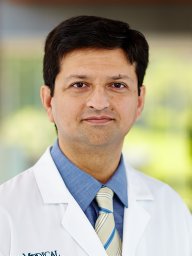 Mehdi Hamadani合作论文数Department of Hematology-Oncology, Oklahoma University Health Sciences Center39
 Larry D Anderson合作论文数38Yazan F Madanat合作论文数37
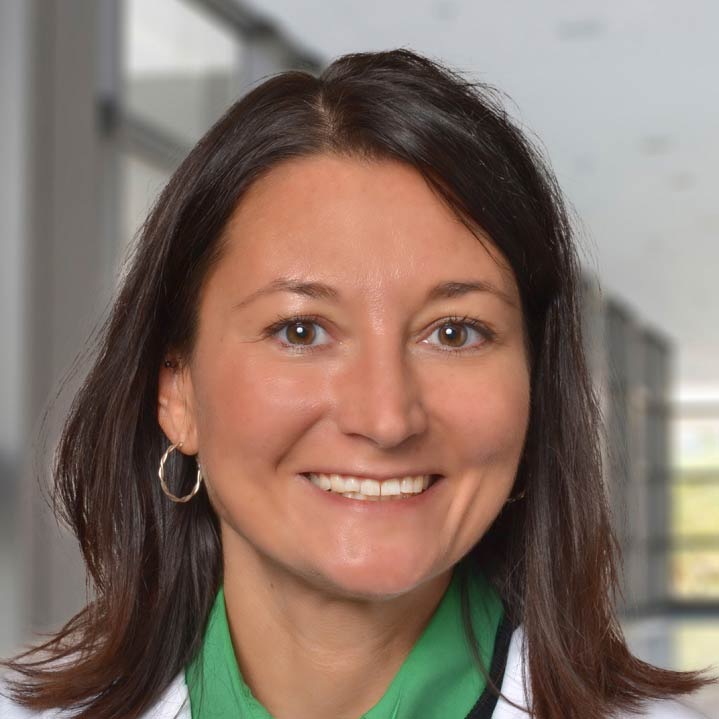 Kami J Maddocks合作论文数Division of Hematology, Department of Internal Medicine, The Ohio State University Comprehensive Cancer Center;College of Medicine, The Ohio State University36
 Robert Collins合作论文数Harold C. Simmons Comprehensive Cancer Center, University of Texas Southwestern Medical Center35
 Jeffrey A. Jones合作论文数Department of Surgery, College of Medicine, Medical University of South Carolina;U.S. Department of Veterans Affairs34Gurbakhash Kaur合作论文数32
 Afrough Aimaz合作论文数32
 Stephen Chung合作论文数Department of Surgery, Faculty of Medicine, The University of British Columbia29Stephens Deborah M合作论文数Department of Internal Medicine and Comprehensive Cancer Center, The Ohio State University25
 Amy S. Ruppert合作论文数The Ohio State University22
 Mohamed A. Kharfan Dabaja合作论文数Department of Hematology, Mayo Clinic;Mayo Clinic hospital in Jacksonville21Elif Yilmaz合作论文数Dept Med, George Washington Univ20
 Jennifer R. Brown合作论文数CLL Center, Division of Hematologic Malignancies, Dana-Farber Cancer Institute;Harvard Medical School20
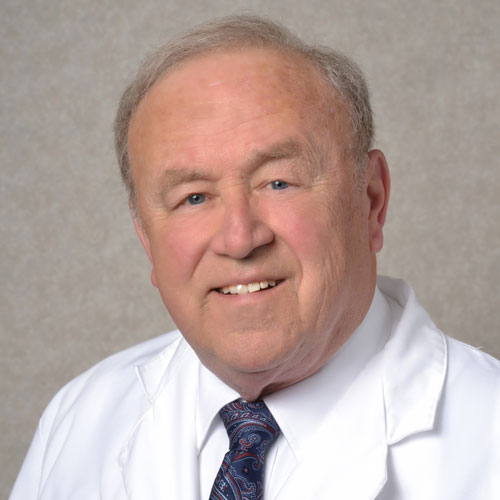 Michael R Grever合作论文数Comprehensive Cancer Center, Ohio State University20
 Daniel Addison合作论文数20Tracy Wiczer合作论文数19Joseph M. Flynn合作论文数19Kiran A Kumar合作论文数18Qiuhong Zhao合作论文数18
 Anand Prasad Jillella合作论文数18
 Amy J Johnson合作论文数17
 John Maher合作论文数School of Cancer & Pharmaceutical Sciences, Faculty of Life Sciences & Medicine, King’s College London17
 Natarajan Muthusamy合作论文数College of Medicine, The Ohio State University17
 Heather Reves合作论文数16
 Avirup Guha合作论文数Medical College of Georgia, Georgia Regents University16Vusirikala Madhuri合作论文数16Gerard Lozanski合作论文数15
 Nyla Heerema合作论文数Cytogenetics Lab, Ohio State University15Seema A Bhat合作论文数Div Hematol, Ohio State Univ14
 Samantha Jaglowski合作论文数Division of Hematology and Oncology, Department of Medicine, Medical College of Wisconsin;Center for International Blood and Marrow Transplant Research, Medical College of Wisconsin;The Ohio State University14
 Aishwarya Sannareddy合作论文数13
 Danielle Marie Brander合作论文数Department of Medicine, Duke University School of Medicine13
 Richard R Furman合作论文数Joan and Sanford I. Weill Department of Medicine, Weill Cornell Medicine, Cornell University13
 Kristie Blum合作论文数Winship Cancer Institute, Emory University;Department of Hematology and Medical Oncology, School of Medicine, Emory University13
 William G. Wierda合作论文数Department of Leukemia, Division of Cancer Medicine, The University of Texas MD Anderson Cancer Center13
 Syed Mujtaba Rizvi合作论文数University of Minnesota13
 Ian Flinn合作论文数Center for Blood Cancers, Tennessee Oncology;OneOncology13
 Amy Lehman合作论文数Exact Sciences13Mazyar Shadman合作论文数13
 Akshat Patel合作论文数12
 Brian T. Hill合作论文数Department of Hematology and Medical Oncology, Cleveland Clinic;Department of Medicine, School of Medicine, Case Comprehensive Cancer Center, Case Western Reserve University12Patel Prapti A合作论文数12




