Although previous ancient DNA research has contributed to the investigation of middle Holocene culture history and population dynamics in the Cis-Baikal, most of this work has been limited to the Angara valley and southwest Baikal, with only restricted genetic analysis of skeletal materials from the Little Sea microregion. In this paper, we expand upon initial findings by analyzing new mtDNA results from the EN/EBA Kurma XI cemetery (Little Sea area) and the EN Shamanka II cemetery (southwest Baikal). Our results not only contribute to the regional dataset, but also challenge previous findings. First, haplogroup Z was found for the first time in the ancient population of Cis-Baikal. Second, our data provide tentative support for the idea that an exogamous and/or patrilocal marriage pattern might be detectable at the Early Bronze Age cemetery Kurma XI. Third, our results indicate that the EN population of Cis-Baikal may not be as homogeneous in maternal origin as was previously suggested. Similarly, there seems to be less continuity between the Late Neolithic and Early Bronze age samples than previously thought, which further justifies the separation of these groups for future analyses. Finally, our data indicate that the maternal genetic background of the Early Bronze Age sample from Kurma XI is closer to that of known Early Neolithic groups than it is to those from the Late Neolithic or Early Bronze Age. This observation is surprising and, if correct, would seem to directly contradict the previous suggestion of a Middle Neolithic genetic discontinuity. These new findings complicate our understanding of the relationships between middle Holocene populations in the Cis-Baikal.
The Lake Baikal region of Siberia was home to two temporally distinct populations from Early Neolithic, EN (7500–7000cal BP) to Late Neolithic-Early Bronze Age, LN-EBA (5570–3725cal BP). The EN group was separated from the LN-EBA group by a ~1500-year gap (hiatus), and during this hiatus no human remains have been recovered from the Lake Baikal area. Examination of the paternal lineage through Y-chromosomal polymorphisms is a novel approach to BAP and will facilitate the assessment of the paternal continuities and/or discontinuities within and between the EN and the LN-EBA groups, and complement the previously examined maternal data. Several new ancient DNA extraction and PCR amplification techniques were optimized to address the technical challenges during sample analysis. Each sample was extracted twice in duplicate on different occasions to authenticate the results. Thirteen Y-chromosomal Single Nucleotide Polymorphism (SNP) markers were examined via the SNaPshot multiplex PCR reaction to determine Y-chromosomal haplogroups of males. Results have been obtained from 16 males from the EN cemeteries Lokomotiv and Shamanka II representing haplogroups K, R1a1 and C3, and 20 males from the LN-EBA Ust'-Ida and Kurma XI cemeteries representing haplogroups Q, K and unidentified SNP (L914). For those males belonging to haplogroup Q, further experiments were obtained to examine sub-haplogroups of Q, and the results showed that those males belong to sub-haplogroup Q1a3. The paternal Y-chromosome results suggest a discontinuity between the EN and LN-EBA populations. The significance of this research lies on the utility of DNA analysis in making inferences about the pre-historic social structure.
To compare proband-concordance [(twice number concordant pairs)/(twice number of concordant pairs+ number of non-concordant pairs)] in MZ (monozygotic) and DZ (dyzgotic) twins with food allergy. Twins, with at least one member with peanut or tree-nut allergy, were recruited from Anaphylaxis Canada, Multiple-Births-Canada, a US registry and the Montreal Children’s Hospital allergy clinics. Diagnosis of food allergy was based on a convincing clinical history AND a skin prick test or allergen-specific IgE level beyond previously published thresholds or a positive food challenge. Among 10 pairs of MZ and 13 pairs of DZ twins with peanut allergy, the concordance-rate was 0.67 (95%CI, 0.39, 0.87) and 0.82 (95%CI, 0.59, 0.94) respectively [difference=0.15 (95%CI, -0.19, 0.5)]. Among 9 pairs of MZ and 4 pairs of DZ twins with cashew/pistachio allergy, the concordance-rate was 0.40 (0.18, 0.67) and 0.40 (0.14, 0.73) respectively [difference=0.0 (-0.39, 0.39)]. Among 7 pairs of MZ and 3 pairs of DZ twins with pecan/walnut allergy, the concordance-rate was 0.6 (0.27, 0.86) and 0.50 (0.15, 0.85) respectively [difference=-0.10 (-0.78, 0.58)]. Among 6 pairs of MZ and 2 pairs of DZ twins with hazelnut allergy the concordance-rate was 0.29 (0.51, 0.70) and 0.67(0.13, 0.99) respectively [difference=0.38 (-0.49, 1.00)].Among 2 pairs of MZ and 1 pair of DZ twins with almond allergy the concordance-rate was 0.00 (0.00, 0.80) and 1.00(0.20, 1.00) respectively [difference=1.00 (0.50, 1.00)]. It is likely that non-genetic factors play a major role in the development of food allergy. However, our small sample size precludes definitive conclusions.
Children with non‐renal solid organ transplants are surviving longer, but outcome is complicated by CKD. Accurate and frequent renal function monitoring is imperative to recognize and institute measures early to reverse, prevent, or arrest progression. This study of 59 children determined the accuracy (P30), bias, sensitivity and specificity between measured renal function by NM‐GFR, and estimated GFR by three formulas: Filler (serum cystatin C), mSchwartz (serum creatinine), and CKiD (serum cystatin C, creatinine, urea, and height). Mean GFR by all formulas differed significantly from NM‐GFR. Filler and mSchwartz formulas significantly increased the proportion of patients with GFR ≥ 90 mL/min/1.73 m2 (CKD stage 1) while decreasing those with GFR 60–89 mL/min/1.73 m2 (CKD stage 2). All formulas overestimated GFR. CKiD showed the highest P30 and lowest bias (79.7%; 6.9 mL/min/1.73 m2) followed by Filler (67.7%; 19.9 mL/min/1.73 m2) and Schwartz (57.6%; 26.8 mL/min/1.73 m2) for all GFR values. All formulas performed best with GFR ≥ 90 mL/min/1.73 m2, but CKiD was the only formula to achieve 91.1% accuracy. All formulas showed high sensitivities, but low specificities at NM‐GFR cutoff at 90. Thus, GFR estimated by CKiD followed by Filler formula is an adequate method to monitor renal function closely and frequently in these children.
Cholangiocellular carcinoma (CCA) of the liver was the target of more interest, recently, due mainly to its increased incidence and possible association to new environmental factors. Somatic mitochondrial DNA (mtDNA) mutations have been found in several cancers. Some of these malignancies contain changes of mtDNA, which are not or, very rarely, found in the mtDNA databases. In terms of evolutionary genetics and oncology, these data are extremely interesting and may be considered a sign of poor fitness, which may conduct in some way to different cellular processes, including carcinogenesis. MitoChip analysis is a strong tool for investigations in experimental oncology and was carried out on three CCA cell lines (HuCCT1, Huh-28 and OZ) with different outcome in human and a Papova-immortalized normal hepatocyte cell line (THLE-3). Real time quantitative PCR, western blot analysis, transmission electron microscopy, confocal laser microscopy, and metabolic assays including L-Lactate and NAD+/NADH assays were meticulously used to identify mtDNA copy number, oxidative phosphorylation (OXPHOS) content, ultrastructural morphology, mitochondrial membrane potential (ΔΨm), and differential composition of metabolites, respectively. Among 102 mtDNA changes observed in the CCA cell lines, 28 were non-synonymous coding region alterations resulting in an amino acid change. Thirty-eight were synonymous and 30 involved ribosomal RNA (rRNA) and transfer RNA (tRNA) regions. We found three new heteroplasmic mutations in two CCA cell lines (HuCCT1 and Huh-28). Interestingly, mtDNA copy number was decreased in all three CCA cell lines, while complexes I and III were decreased with depolarization of mitochondria. L-Lactate and NAD+/NADH assays were increased in all three CCA cell lines. MtDNA alterations seem to be a common event in CCA. This is the first study using MitoChip analysis with comprehensive metabolic studies in CCA cell lines potentially creating a platform for future studies on the interactions between normal and neoplastic cells.
We conducted a case-referent study of the effect of exposure to bisphenol-A on fetal growth in utero in full-term, live-born singletons in Alberta, Canada. Newborns <10 percentile of expected weight for gestational age and sex were individually matched on sex, maternal smoking and maternal age to referents with weight appropriate to gestational age. Exposure of the fetus to bisphenol-A was estimated from maternal serum collected at 15–16 weeks of gestation. We pooled sera across subjects for exposure assessment, stratified on case-referent status and sex. Individual 1:1 matching was maintained in assembling 69 case and 69 referent pools created from 550 case-referent pairs. Matched pools had an equal number of aliquots from individual women. We used an analytical strategy conditioning on matched set and total pool-level values of covariates to estimate individual-level effects. Pools of cases and referents had identical geometric mean bisphenol-A concentrations (0.5 ng/mL) and similar geometric standard deviations (2.3–2.5). Mean difference in concentration between matched pools was 0 ng/mL, standard deviation: 1 ng/mL. Stratification by sex and control for confounding did not suggest bisphenol-A increased fetal growth restriction. Our analysis does not provide evidence to support the hypothesis that bisphenol-A contributes to fetal growth restriction in full-term singletons.
Nepal and Alberta are literally a world apart. Yet they share a common problem of restricted access to health services in remote and rural areas. In Nepal, urban-rural disparities were one of the main issues in the recent civil war, which ended in 2006. In response to the need for improved health equity in Nepal a dedicated group of Nepali physicians began planning the Patan Academy of Health Sciences (PAHS), a new health sciences university dedicated to the education of rural health providers in the early 2000s. Beginning with a medical school the Patan Academy of Health Sciences uses international help to plan, deliver and assess its curriculum. PAHS developed an International Advisory Board (IAB) attracting international help using a model of broad, intentional recruitment and then on individuals' natural attraction to a clear mission of peace-making through health equity. Such a model provides for flexible recruitment of globally diverse experts, though it risks a lack of coordination. Until recently, the PAHS IAB has not enjoyed significant or formal support from any single international institution. However, an increasing number of the international consultants recruited by PAHS to its International Advisory Board are from the University of Alberta in Edmonton, Alberta, Canada (UAlberta). The number of UAlberta Faculty of Medicine and Dentistry members involved in the project has risen to fifteen, providing a critical mass for a coordinated effort to leverage institutional support for this partnership. This paper describes the organic growth of the UAlberta group supporting PAHS, and the ways in which it supports a sister institution in a developing nation.
Perfluorinated acids (PFAs) are prominent and widespread contaminants of human blood. In animal studies there is evidence that suggests certain PFAs can disrupt thyroid hormone homeostasis. A commonly reported condition in exposed animals is hypothyroxinemia, whereby serum free thyroxine (fT4) is decreased despite normal thyroid stimulating hormone (TSH) concentrations. We designed an individually matched case-control study to investigate whether exposure to perfluorooctanoate (PFOA), perfluorohexane sulfonate (PFHxS), and perfluorooctane sulfonate (PFOS) was associated with hypothyroxinemia in pregnant women from Edmonton, Alberta, Canada, in 2005–2006, who underwent a "triple screen" blood test at 15–20 weeks gestation as part of ante-natal care. Thyroid hormones, fT4 and TSH, were measured in serum from 974 women, and from these we measured PFAs in the sera of 96 hypothyroxinemic cases (normal TSH, the lowest 10th percentile of fT4) and 175 controls (normal TSH, fT4 between the 50th and 90th percentiles) matched on age and referring physician. Analyses by conditional logistic regression indicated that the concentrations of PFAs in this population were not associated with hypothyroxinemia among pregnant women. The current findings do not support a causal link between PFA exposure and maternal hypothyroxinemia in the studied population.
Continuing improvements in analytical technology along with an increased interest in performing comprehensive, quantitative metabolic profiling, is leading to increased interest pressures within the metabolomics community to develop centralized metabolite reference resources for certain clinically important biofluids, such as cerebrospinal fluid, urine and blood. As part of an ongoing effort to systematically characterize the human metabolome through the Human Metabolome Project, we have undertaken the task of characterizing the human serum metabolome. In doing so, we have combined targeted and non-targeted NMR, GC-MS and LC-MS methods with computer-aided literature mining to identify and quantify a comprehensive, if not absolutely complete, set of metabolites commonly detected and quantified (with today's technology) in the human serum metabolome. Our use of multiple metabolomics platforms and technologies allowed us to substantially enhance the level of metabolome coverage while critically assessing the relative strengths and weaknesses of these platforms or technologies. Tables containing the complete set of 4229 confirmed and highly probable human serum compounds, their concentrations, related literature references and links to their known disease associations are freely available at http://www.serummetabolome.ca.
Purpose: To achieve clinical validation of cutoff values for newborn screening by tandem mass spectrometry through a worldwide collaborative effort. Methods: Cumulative percentiles of amino acids and acylcarnitines in dried blood spots of approximately 25–30 million normal newborns and 10,742 deidentified true positive cases are compared to assign clinical significance, which is achieved when the median of a disorder range is, and usually markedly outside, either the 99th or the 1st percentile of the normal population. The cutoff target ranges of analytes and ratios are then defined as the interval between selected percentiles of the two populations. When overlaps occur, adjustments are made to maximize sensitivity and specificity taking all available factors into consideration. Results: As of December 1, 2010, 130 sites in 45 countries have uploaded a total of 25,114 percentile data points, 565,232 analyte results of true positive cases with 64 conditions, and 5,341 cutoff values. The average rate of submission of true positive cases between December 1, 2008, and December 1, 2010, was 5.1 cases/day. This cumulative evidence generated 91 high and 23 low cutoff target ranges. The overall proportion of cutoff values within the respective target range was 42% (2,269/5,341). Conclusion: An unprecedented level of cooperation and collaboration has allowed the objective definition of cutoff target ranges for 114 markers to be applied to newborn screening of rare metabolic disorders.
Metabolome analysis of human cerebrospinal fluid (CSF) is challenging because of low abundance of metabolites present in a small volume of sample. We describe and apply a sensitive isotope labeling LC-MS technique for qualitative analysis of the CSF metabolome. After a CSF sample is divided into two aliquots, they are labeled by 13C-dansyl and 12C-dansyl chloride, respectively. The differentially labeled aliquots are then mixed and subjected to LC-MS using Fourier-transform ion cyclotron resonance mass spectrometry (FTICR MS). Dansylation offers significant improvement in the performance of chromatography separation and detection sensitivity. Moreover, peaks detected in the mass spectra can be readily analyzed for ion pair recognition and database search based on accurate mass and/or retention time information. It is shown that about 14,000 features can be detected in a 25-min LC-FTICR MS run of a dansyl-labeled CSF sample, from which about 500 metabolites can be profiled. Results from four CSF samples are compared to gauge the detectability of metabolites by this method. About 261 metabolites are commonly detected in replicate runs of four samples. In total, 1132 unique metabolite ion pairs are detected and 347 pairs (31%) matched with at least one metabolite in the Human Metabolome Database. We also report a dansylation library of 220 standard compounds and, using this library, about 85 metabolites can be positively identified. Among them, 21 metabolites have never been reported to be associated with CSF. These results illustrate that the dansylation LC-FTICR MS method can be used to analyze the CSF metabolome in a more comprehensive manner.
Objective: To evaluate the relationship between breech presentation at term (>= 37 weeks of gestation) and maternal thyroid hormone activity in early gestation.Methods: We conducted a case-control study of thyroid hormone activity in 179 women who delivered a live term infant in breech presentation (cases) and 849 women who delivered a live term infant in cephalic presentation (control subjects). We used serum samples from prenatal screening at 15 to 16 weeks of gestation in 2006 and 2007 in Edmonton, Alberta. Maternal free thyroxin (fT4) and thyroid-stimulating hormone (TSH) were assayed. Logistic regression was used to estimate the odds of breech presentation in relation to the levels of thyroid hormones while controlling for potential confounders.Results: There were no significant differences between the breech and cephalic groups when comparing fT4 levels (OR 0.94 per pmol/L; 95% CI 0.88 to 1.00) or TSH levels (OR 1.16 per mU/L; 95% CI 0.97 to 1.38) levels, after adjustment for all potential confounders. Segregating fT4 and TSH into quintiles showed the same pattern. Neither hypothyroidism nor hyperthyroidism was associated with risk of breech presentation.Conclusion: Our results provide evidence that maternal thyroid hormone levels at 15 to 16 weeks of gestation are not related to risk of breech presentation at birth in term infants.
On April 1, 2007, Alberta became the first province in Canada to introduce cystic fibrosis (CF) to its newborn screening program. The Alberta protocol involves a two-tier algorithm involving an immunoreactive trypsinogen measurement followed by molecular analysis using a CF panel for 39 mutations. Positive screens are followed up with sweat chloride testing and an assessment by a CF specialist. Of the 99,408 newborns screened in Alberta during the first two years of the program, 221 had a positive CF newborn screen. The program subsequently identified and initiated treatment in 31 newborns with CF. A relatively high frequency of the R117H mutation and the M1101K mutation was noted. The M1101K mutation is common in the Hutterite population. The presence of the R117H mutation has created both counselling and management dilemmas. The ability to offer CF transmembrane regulator full sequencing may help resolve diagnostic dilemmas. Counselling and management challenges are created when mutations are mild or of unknown clinical significance.
Carnitine palmitoyltransferase 1A (CPT1A), encoded by the gene CPT1A, is the hepatic isoform of CPT1 and is a major regulatory point in long-chain fatty acid oxidation. CPT1A deficiency confers risk for hypoketotic hypoglycaemia, hepatic encephalopathy, seizures, and sudden unexpected death in infancy (SUDI). It remains controversial whether the CPT1A gene variant, c.1436C>T (p.P479L), identified in Inuit, First Nations, and Alaska Native infants, causes susceptibility to decompensation, in particular during times of fever and intercurrent illness. Although newborn screening for the P479L variant occurs in some jurisdictions, background knowledge about the presence of the variant in Canadian Aboriginal populations is lacking. In an effort to understand the population implications of the variant in northern Canada, overall frequencies of the variant were assessed. Further studies are underway to determine associated risk. Ethics approval was obtained from university REBs, local research institutes, and with consultation with territorial Aboriginal groups. Newborn screening blood spots from all infants born in 2006 in the three territories were genotyped for the p.P479L variant. p.P479L (c.1436C>T) allele frequencies in the three territories were 0.02, 0.08, and 0.77 in Yukon (n=325), Northwest Territories (n=564), and Nunavut (n=695), respectively. Homozygosity rates were 0%, 3%, and 64%. Aboriginal status was available only in NWT, with allele frequencies of 0.04, 0.44, 0.00, and 0.01 for First Nations, Inuvialuit/Inuit, Métis, and non-Aboriginal populations. Although individual blood spots were not identified for Aboriginal ethnicity in Nunavut infants, ~90% of infants in Nunavut are born to Inuit women. The allele frequency and rate of homozygosity for the CPT1A P479L variant were high in Inuit and Inuvialuit who reside in northern coastal regions. The variant is present at a low frequency in First Nations populations, who reside in areas less coastal than the Inuit or Inuvialuit in the two western territories. The significance of the population and geographic distribution remains unclear, but the high population frequencies of the variant suggest a historically low penetrance for adverse outcomes. Further evidence is needed to determine if there is an increased risk for infant mortality and morbidity and whether newborn screening will be indicated on a population basis.
Ireland's economic recovery in the coming decade will be huge- ly dependant on our ability to create and sustain high value jobs built on innovation. The story of Xiao Fang Zhang, told here in 'The Edison Spark' is inspiring for a number of reasons. Xiao came to Ireland from her native China to study medical engineering at an undergraduate level. Her final year project Med-O-Ware, a medi- cal infusion system air bubble extractor, won her accolades both nationally and internationally and is now in the development stage, with a realistic possibility of becoming a commercial medical device. Xiao, meanwhile, is continuing her studies at Ph.D. level at the Cork Institute of Technology, having secured a grant which is, only in exceptional cases, awarded to non-EU citizens. Xiao's success to date shows us that Ireland's educational infrastruc- ture is readily supportive of innovation and that we have the flexibil- ity to attract the best and brightest to study here. Innovation is also the key word in John Broderick's report on live 3D imaging. John explains the advances and the advantages in multidi- mensional cardiac imaging. Having overcome the main obstacle of creating a transducer small enough for sonographers to use, the quality of resolution and scan- ning frame rates are now increasing at a rapid rate. Time is, of course, the most critical issue in the transport of sick patients. Karl Bergin tells the story of a neonatal transfer from Dublin to Paris in this issue. Managing new technology well is a key chal- lenge in these situations but, as Karl explains, sometimes something as simple as duct tape can make all the difference too. Practical solutions are also in evidence as Maighread Gallagher explains the value of the assistive technology (AT) loan bank, first established in 2007. Although AT is acknowledged as hugely important in improving the quality of life of those with disabilities, without the proper supports and access mechanisms, it often does not reach its potential. The loan bank has a very positive track record to date in managing these issues. Finally, we bring you a taste of last year's ASM in Tullamore. This proved to be a very successful event and we were pleased with both the quality of the presentations and the number of delegates in attendance. A great deal has changed in Ireland since the ASM took place and more changes are on the way. The BEAI is committed to being your strong representative voice in 2009 and your support is vital if we are to continue to play this role forcefully.
 Igor Burstyn合作论文数Department of Epidemiology and Biostatistics, School of Public Health, Drexel University;Institute for Risk Assessment Sciences, Utrecht University;Department of Environmental and Occupational Health, School of Public Health, Drexel University;Department of Medicine, Utrecht University;A.J. Drexel Autism Institute, Drexel University5
 David Wishart合作论文数Department of Laboratory Medicine & Pathology, Faculty of Medicine & Dentistry, University of Alberta4
 Liang Li合作论文数Faculty of Science, University of Alberta4
 Russell Greiner合作论文数Department of Computing Science, Faculty of Science, University of Alberta;Alberta Machine Intelligence Institute4
 Andrzej W. Weber合作论文数Department of Anthropology, University of Alberta4
 Roman Eisner合作论文数City of Edmonton4
 Summit Sawhney合作论文数3
 Paul Stothard合作论文数Department of Food and Nutritional Science, Faculty of Agricultural, Life and Environmental Sciences – Agriculture, University of Alberta;University of Calgary3
 Nicola Cherry合作论文数Division of Preventive Medicine, Department of Medicine, Faculty of Medicine & Dentistry, University of Alberta3
 Jonathan Martin合作论文数Department of Environmental Science, Exposure and Effects Unit, Stockholm University;SciLifeLab, Stockholm University;Department of Laboratory Medicine and Pathology, Faculty of Medicine and Dentistry, University of Alberta3
 Olga I. Goriunova合作论文数3Kevin Jeroncic合作论文数3
 Craig Knox合作论文数Dept Comp Sci, Univ Alberta3Nelson D. Young合作论文数3Dan Tzur合作论文数3Anchi Guo合作论文数3David Hau合作论文数3
 Vallance, Hilary合作论文数Department of Pathology and Laboratory Medicine, Faculty of Medicine, The University of British Columbia3Manjula Gowrishankar合作论文数3Tom Marrie合作论文数2N.M. Moussa合作论文数2Christopher Fung合作论文数Department of Radiology & Diagnostic Imaging, University of Alberta2Henrik Åhlman合作论文数2
 Aalim M. Weljie合作论文数Department of Systems Pharmacology and Translational Therapeutics, Perelman School of Medicine, University of Pennsylvania2
 Senthilselvan Ambikaipakan合作论文数Sch Publ Hlth, Univ Alberta2
 Clive Derrick L J合作论文数Department of Chemistry, Faculty of Science, University of Alberta2Lilley Margaret合作论文数2
 Ping Tak Peter Tang合作论文数Rivos Inc.2
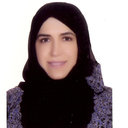 Mahera Abdulrahman合作论文数2
 Gavin Duggan合作论文数Biochemistry Research Group, University of Calgary2
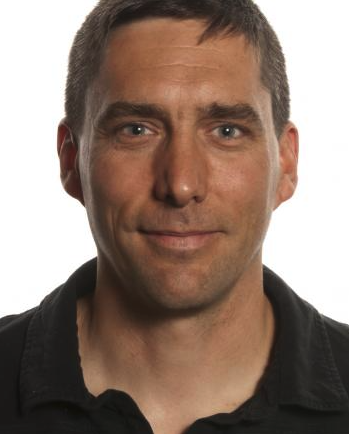 Graham Sinclair合作论文数Department of Pathology and Laboratory Medicine, Faculty of Medicine, The University of British Columbia;BC Children's Hospital Research Institute2
 Brian D. Sykes合作论文数Department of Biochemistry,Faculty of Medicine & Dentistry,University of Alberta2Melisa Clements合作论文数2Savita Shrivastava合作论文数2Natalie Guo合作论文数2François Boemer合作论文数2
 Ian Forsythe合作论文数2Mike Lewis合作论文数2
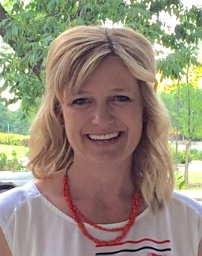 Susan L. Christian合作论文数Department of Human Genetics, The University of Chicago2
 Vladimir I Bazaliiskii合作论文数2Robert Thompson合作论文数2Jose E. Abdenur合作论文数2David Block合作论文数2Lori Querengesser合作论文数2Reza Dowlatabadi合作论文数2Dean Cheng合作论文数2Bijaya Gautam合作论文数2Hugh G. Mckenzie合作论文数Department of Archaeology, University of Sheffield2
 Kevin Jewell合作论文数Konica Minolta2




