An iatrogenic pseudoaneurysm of the left main coronary artery (LMCA) originating from in-stent restenosis represents an exceedingly rare and life-threatening complication of percutaneous coronary intervention. When such a lesion presents as an ST-elevation myocardial infarction (STEMI), it creates a clinical scenario of extraordinary therapeutic complexity. We report the case of a 78-year-old man with a history of complex multivessel percutaneous coronary intervention who presented with an anteroseptal STEMI. His emergent coronary angiogram identified the culprit lesion as critical in-stent restenosis of a previously stented LMCA trifurcation, which was further complicated by a large pseudoaneurysm within the stent body. Following hemodynamic stabilization with an intra-aortic balloon pump, a novel hybrid percutaneous strategy was undertaken. The intervention involved meticulous high-pressure balloon angioplasty to address the restenosis, followed by the complete exclusion of the pseudoaneurysm using endovascular coil embolization. Finally, coronary perfusion was re-established by implanting a contemporary drug-eluting stent. Postprocedural optical coherence tomography confirmed the successful sealing of the pseudoaneurysm and optimal stent apposition. This case documents a uniquely catastrophic clinical event and appears to be the first documented instance of an iatrogenic LMCA pseudoaneurysm secondary to ISR presenting as a STEMI. Our successful management demonstrates that a hybrid technique integrating coil embolization with modern drug-eluting stent implantation is a viable and effective strategy for confronting this formidable clinical challenge.
A 47-year-old woman with a history of multiple previous spontaneous coronary artery dissection (SCAD) episodes, treated both conservatively and with percutaneous coronary intervention (PCI), was referred for coronary angiography due to atypical chest pain. The purpose of the exam was to reassess coronary anatomy and exclude recurrent dissection or ischemia-related stenosis. Angiography showed an optimal result of the prior left anterior descending (LAD) stenting and complete healing of the distal right coronary artery (RCA), previously involved in her last event. However, during a final control injection, a large iatrogenic dissection occurred, extending from the left main (LM) into both the LAD and left circumflex (LCx). True lumen wiring of both vessels was achieved, followed by OCT-guided stenting, leading to full hemodynamic stabilization. This case highlights the potential risks associated with invasive assessment in SCAD patients, emphasizing the importance of careful procedural planning. Noninvasive follow-up (e.g., CCTA) should be considered whenever feasible, and operators must remain prepared to manage potential severe complications during the procedure.
BACKGROUND:Prospective data on the contemporary use of different coronary calcium debulking techniques are lacking. OBJECTIVES:The authors compared intravascular lithotripsy (IVL) vs atherectomy (AT) devices (rotational and orbital atherectomy) in a real-world all-comer population. METHODS:The ROLLING STONE Registry prospectively enrolled patients treated with IVL and/or AT across 23 Italian centers. Primary efficacy endpoint was procedural success (residual stenosis <30% and absence of in-hospital major adverse cardiac events (MACE) (cardiac death, myocardial infarction, target vessel revascularization). Primary safety endpoint was freedom from MACE at 30 days, whereas the secondary endpoint was MACE at 12 months. Propensity score matching and inverse probability weighting were applied to compare 30-day and 12-month safety endpoints. RESULTS:A total of 1,005 patients were enrolled, including 544 (59%) in the IVL group vs 380 (41%) in the AT group, excluding 81 patients treated with both. Primary efficacy endpoint was similar between groups (85.4% in IVL vs 86.3% in AT; relative risk: 1.01; 95% CI: 0.88-1.17). MACE rate at 30 days was significantly lower in the IVL group (5.7% vs 8.6%; HR: 0.60; 95% CI: 0.36-0.99; P = 0.045), driven primarily by lower rate of cardiovascular death (1.7% vs 3.9%; HR: 0.40; 95% CI: 0.18-0.92; P = 0.030). After propensity score matching (n = 320) and inverse probability weighting (n = 532), the MACE rate at 12 months was significantly lower in the IVL group (6.8% vs 14.3%; HR: 0.43; 95% CI: 0.21-0.89; P = 0.022). CONCLUSIONS:The study confirms the feasibility, safety, and efficacy of IVL and AT in an unselected population, with similar procedural success rates. After propensity matching, IVL seems to demonstrate in our cohort a better 12-month safety outcome. (Intravascular Lithotripsy and/or Mechanical Debulking for Severely Calcified Coronary Artery Lesions [ROLLING-STONE]; NCT05016726).
Use of coils during percutaneous coronary interventions (PCI) is sometimes life–saving and useful although currently off–label and with unknown clinical outcomes. To report and compare in–hospital and long–term outcomes of patients undergoing coils implantation for treating coronary perforation or closing coronary aneurysms/fistulas. Among 245.652 PCIs performed in 17 high–volume European centers, 143 patients (0.06%) undergoing coils implantation during PCI were finally included in the analysis (Fig. 1). PCI strategy (coiling performed during coronary perforation vs closing aneurysm/fistulas) and procedural devices used were collected. The primary outcome was technical success, defined as the successful sealing coronary perforation or aneurysm/fistulas and procedural success defined as technical success without in–hospital Major Cardiovascular Events (MACE). Long–term MACE and mortality were also reported. The primary outcome occurred in 95.7% of cases, with no significant differences observed between the perforation and aneurysm/fistulas groups (94.5% vs 100%, p=0.19). Patients in the perforation group had a significantly lower rate of procedural success (83.5% vs. 96.6%, p=0.01). Target lesion failure occurred in 11.4% of cases without differences between groups at a median follow–up of two years. Coils implantation during PCI is safe and feasible among patients treated with coils for coronary perforations or closing aneurysms/fistulas. Patients in both groups were associated with similar in–hospital and long–term outcomes.Fig. 1
INTRODUCTION:Given the widespread use of percutaneous coronary intervention (PCI) for the treatment of unprotected left main coronary artery (ULMCA) disease, real-world data are needed to understand the current practice and identify pitfalls and potential benefits, especially for an older and frail population. METHODS:We conducted a retrospective analysis including all patients, namely 1000, who underwent PCI on ULMCA for de-novo lesions, at our high-volume Italian center without on-site cardiac surgery, from 2002 to April 2023. Cases of restenosis, stent thrombosis, and coronary artery bypass grafting (CABG) were excluded. The primary clinical endpoint is major adverse cardiovascular and cerebrovascular event (MACCE), a composite endpoint including all-cause mortality, unplanned revascularization, myocardial infarction and stroke. Secondary clinical endpoints included the individual components of MACCE. Angiographic follow-up data, derived from both elective and clinical-driven procedures, were extensively available. The primary angiographic endpoint is target lesion failure (TLF), defined as significant restenosis or stent thrombosis of the LMCA. We performed a dedicated analysis comparing patients with a protocol-driven elective angiographic follow-up to those without, to evaluate the potential impact of this strategy on clinical outcomes. RESULTS:Our registry encompasses a real-world frail and compromised population, with most patients (75%) presenting with acute coronary syndrome. Angiographic follow-up data were available for 739 patients (73.9%), of whom 612 (82.8%) demonstrated good results of the previous PCI and 127 patients (17.2%) experienced TLF. Multivariate analysis identified insulin-dependent diabetes, moderate to severe renal impairment, and a two-stents bifurcation technique as independent predictors of TLF. Among bifurcation techniques, the highest restenosis rates were observed in the Culotte technique (33.3%), followed by T and protrusion (30%) and Minicrush (28.2%), while the single stent approach was associated with the lowest rate of TLF (12.8%, p = < 0.001). Clinical follow-up data were available for 966 patients, with a survival rate of 95% at 7 days, 86.1% at 1 year, and 70% at an average follow-up of 2033 days. Multivariate analysis identified age over 70 years, moderate to severe renal impairment, multivessel disease, ejection fraction lower than 40%, hemodynamic instability (HDI) and endotracheal intubation (ETI) as independent predictors of MACCE and all-cause mortality while intravascular imaging was found to be protective for both. A propensity score matched analysis comparing two homogenous cohorts of 131 patients with and without elective angiographic follow-up demonstrated a significant survival advantage in the elective follow-up group, highlighting the potential benefits of this strategy. CONCLUSIONS:In the real world setting clinical outcomes of PCI for unprotected LMCA disease are good and mainly affected by age, renal impairment, lower ejection fraction, multivessel disease and by the severity of the clinical presentation (namely HDI and ETI), while intravascular imaging was found to be protective. Notably, insulin-dependent diabetes and two-stent technique are independent predictors of TLF but not of mortality, while renal impairment has a negative impact on both. An elective angiographic follow-up could provide a survival benefit in this setting.
BACKGROUND:The clinical benefit of routine coronary computed tomography angiography (CCTA) after percutaneous coronary intervention (PCI) for unprotected left main (LM) disease is uncertain. OBJECTIVES:The authors evaluated whether CCTA-guided follow-up improves clinical outcomes vs symptoms- or ischemia-driven care after LM PCI. METHODS:PULSE was a prospective, multicenter, open-label randomized trial. A total of 606 patients treated with second-generation drug-eluting stents were enrolled (October 2019 to September 2024) and randomized 1:1 to CCTA at 6 months (experimental) or standard care (control). The primary endpoint was a composite of all-cause death, spontaneous myocardial infarction (MI), unstable angina, or definite or probable stent thrombosis at 18 months. Secondary endpoints included target-lesion revascularization (TLR) and each primary endpoint component. RESULTS:CCTA was completed in 272/303 experimental patients (89.8%) after a median of 200 days (IQR: 181-270 days). The primary endpoint occurred in 36/303 experimental patients vs 38/303 control patients (11.9% vs 12.5%; HR: 0.97; 95% CI: 0.76-1.23; P = 0.80). Compared with the control arm, the CCTA arm showed a reduced risk of spontaneous MI (0.9% vs 4.9%; HR: 0.26; 95% CI: 0.07-0.91; P = 0.004) and an increased risk of imaging-triggered TLR (4.9% vs 0.3%; HR: 7.7; 95% CI: 1.70-33.7; P = 0.001), whereas clinically driven TLR rates were similar (5.3% vs 7.2%; HR: 0.74; 95% CI: 0.38-1.41; P = 0.32). CONCLUSIONS:Routine CCTA after LM PCI did not reduce the composite primary endpoint, but was associated with fewer spontaneous MIs and more imaging-triggered revascularizations. Future trials to clarify its value in complex anatomic subsets appear to be warranted. (Angiographic Control vs Ischemia-Driven Management of Patients Treated With PCI on Left Main With Drug-Eluting Stents [PULSE; NCT04144881]).
Spontaneous coronary artery dissection (SCAD) treatment is currently a matter of debate as scarce data are available for the interventional cardiologists. In the present review, we introduce 4 representative clinical scenarios in which different interventional strategies were carried out. Subsequently, we discuss different tools and useful techniques for the treatment of SCAD, presenting the advantages and drawbacks of the conservative approach versus percutaneous coronary intervention with drug eluting stent or bioresorbable scaffolds implantation, and/or cutting balloon angioplasty.
I recenti risultati dello studio clinico randomizzato REVIVED-BCIS2 hanno aggiunto ulteriore controversia riguardo all’utilità della rivascolarizzazione miocardica nei pazienti con sindrome coronarica cronica con funzione ventricolare sinistra ridotta. Tuttavia, la sindrome coronarica cronica rappresenta ancora una delle principali cause di scompenso cardiaco con frazione di eiezione ridotta con potenziale recupero funzionale dopo rivascolarizzazione miocardica completa grazie al ripristino del cosiddetto “miocardio ibernato”. Riportiamo un caso emblematico di un paziente con recupero della funzione contrattile e normalizzazione del blocco di branca sinistro dopo intervento di disostruzione coronarica della coronaria destra.
BACKGROUND:Prompt reperfusion is critical for patients with ST-segment elevation myocardial infarction (STEMI) to improve outcomes. Yet, variability in regional healthcare delivery may influence treatment times and patient outcomes. We thus aimed at evaluating differences in management and outcomes of STEMI patients across Northern, Central, and Southern Italy, focusing on time-dependent reperfusion and in-hospital logistics. METHODS:A prospective observational study conducted from September 1st to 25th, 2023, including 554 STEMI patients treated at high-volume hub centers operating 24/7. Data were collected through structured surveys completed by catheterization laboratory directors across different Italian regions. Primary outcomes included door-to-balloon (DTB) time, time from symptom onset to balloon inflation, and regional disparities in pre- and post-PCI management. Secondary outcomes included in-hospital mortality, discharge destinations, and medication regimens. RESULTS:The median DTB time was consistent across regions (30 minutes; IQR: 20-50 minutes). Significant regional disparities were however noted in time from symptom onset to balloon inflation, with Southern and Island regions experiencing longer median times (180 minutes) compared to Central (170 minutes) and Northern (154 minutes) regions (P<0.01). We also found a significant reduction in DTB time associated with ECG teletransmission from ambulances (mean reduction of 25 minutes, P=0.03). In-hospital mortality rates were similar across regions (P=0.83). CONCLUSIONS:This comprehensive nationwide analysis highlights significant regional disparities in the management and treatment timelines of STEMI patients in Italy. Despite these differences, in-hospital care was consistently timely across regions, suggesting that pre-hospital logistics critically influence overall treatment times. Enhanced pre-hospital ECG teletransmission could further optimize reperfusion times, potentially improving patient outcomes.
Background The benefit of patent foramen ovale closure (PFOC) ≤9 months after a cryptogenic stroke has been demonstrated in several randomised clinical trials. There is, however, insufficient data to support PFOC in non-recent cryptogenic strokes.Aims The objective of the study was to evaluate the effectiveness of PFOC in relation to the time since the patient’s most recent cryptogenic cerebrovascular event (CVE) or systemic embolism (SE).Methods We conducted a multicentre, retrospective cohort study with international participation, to assess the results of an early closure (EC, <9 months) for secondary prevention versus a delayed closure (DC, ≥9 months). Recurrence of CVE/SE following PFOC was evaluated as the primary endpoint.Results 496 patients were included (65% in the EC and 35% in the DC group). With the exception of a larger defect size in the DC group (tunnel width 6 (4–14) vs 12 (6–16) mm, p=0.005), similar clinical and echocardiographic baseline features were observed between the groups. No differences were observed regarding the type of devices used for PFOC, procedural success rate (99.4 in EC vs 98.8% DC group) and periprocedural complications (2.1% vs 0.8%). Median follow-up was 2.0 (1.2–4.2) years in the whole study population. Recurrence of CVE/SE (3.9% vs 2.6%, p=0.443), death (1.4% vs 1.0%, p=0.697), residual shunt 12 months after PFOC, or antithrombotic treatment strategy were comparable in both groups during follow-up. A subanalysis comparing very delayed PFOC (≥24 months) also showed no differences in recurrence (4.2% in the <24-month vs 3.4% in the ≥24-month group, p=0.770).Conclusion Patients undergoing PFOC before and after 9 months after the index event had a comparable recurrence rate of CVE/SE. These findings suggest that PFOC might be recommended in cryptogenic CVE/SE which are more remote than 9 months.
BACKGROUND:The optimal strategy during percutaneous coronary intervention (PCI) of aneurysmatic right coronary artery (ARCA) remains uncertain and has never been tested in the acute setting. OBJECTIVES:To compare the in-hospital and long-term outcomes of immediate and staged PCI strategies for ARCA as culprit lesions during acute coronary syndrome (ACS). METHODS:Among 102.376 PCIs performed in 18 European centers, a total of 85 patients presenting with acute coronary syndrome undergoing ARCA PCI were finally included in the analysis. PCI strategy (stenting performed during the immediate vs staged procedure) and pharmacological approach adopted were collected. The primary outcome was procedural success (technical success without in-hospital MACE). RESULTS:The primary outcome occurred in 48.2 % of cases, with no significant differences observed between the immediate and staged PCI groups (50.9 % vs 43.3 %, p = 0.504). Patients in the staged-PCI group had a significantly higher rate of intravenous anticoagulant use (83.3 % vs 48.1 %, p = 0.002), BARC type 3 and 5 bleedings (12.9 % vs 1.9 %, p = 0.037), and longer in-hospital stay (7.40 ± 5.11 vs 9.5 ± 5.25 days, p = 0.049). After multivariate analysis, no independent predictors for procedural success were found in either group. Target lesion failure occurred in 24.1 % of cases without differences between groups at a median follow-up of three years. CONCLUSIONS:Among patients undergoing ARCA PCI in the setting of ACS, immediate or staged PCI were associated with similar in-hospital and long-term outcomes. However, staged PCI was associated with a higher risk of major bleeding events and longer length of stay compared to immediate PCI strategy.
The recent results of the REVIVED-BCIS2 randomized clinical trial added further controversy on the utility of myocardial revascularization in patients with chronic coronary syndrome with reduced ejection fraction. However, coronary artery disease still represents the leading cause of heart failure with reduced ejection fraction, with the potential for functional recovery following complete revascularization due to the restoration of the so-called hibernating myocardium. We report an emblematic case of a patient with recovery of contractile function and normalization of the left bundle branch block after percutaneous coronary intervention of the right coronary artery chronic total occlusion.
Routine implementation of guide extension catheters in percutaneous coronary intervention (PCI) has significantly increased success rates in challenging anatomies, such as in tortuous and severe calcified vessels. Recently, the “Child-In-Mother technique” has been tested successfully in carotid artery stenting (CAS) in patients with severe tortuosity of the common or internal carotid artery (ICA). In the present report, we propose to use the “Child-in-Mother technique” to facilitate the delivery of a carotid stent in an ectatic, thrombotic and tortuous right coronary artery (RCA) in a patient presenting with acute coronary syndrome (ACS).
Abstract Background Spontaneous Coronary Artery Dissection (SCAD) is a challenging clinical scenario and represents an increasingly studied cause of acute coronary syndrome (ACS). An interventional strategy in these cases remains controversial since it may require an extensive permanent metallic stenting of vessel to seal the dissection with a non negligible rate of complications. Moreover, SCAD patients are usually young women with non–calcified disease where Bioresorbable Scaffolds (BrS) may be an intriguing option. Methods DISCO IT/SPA is a International observational registry which retrospectively enrolled patients admitted with a diagnosis of SCAD across 26 Italian and Spanish centers. Baseline, procedural characteristics, in–hospital management and outcomes of 369 SCAD patients were collected, of these 12 patients were treated with PCI with BrS MAGMARIS at the coordinator center of Rivoli and Orbassano. Major cardiovascular events (MACEs) were defined as the composite of cardiovascular death, non–fatal Myocardial infarction (MIs) and any PCI performed. Results In our cohort of SCAD patients treated with BrS there was a slight prevalence of women (n=7, 58,3%) with an average age of 50,9±7,4 years. NSTE–ACS was the most common clinical presentation (83,3%), followed by STEMI (16,7%). In 7 patients the first treatment choice for SCAD was PCI with BrS deployment, in 5 patients BrS were deployed during hospitalization for unplanned PCIs (four of them) and after one month for a MI due to SCAD recurrence in the last patient. Multivessel disease was present only in one case and LAD–DG was the main vessel affected (n=10, 83,3%). SCAD type 2A was the most frequent (41,7%). Intravascular imaging was performed in 10 cases (83,3%) and procedural success was achieved in all cases. Angiographic follow–up was obtained in 9 patients (75%), through coronary angiogram (n=8) or CT scan (n=1), at a mean length of 5,2±5,6 months. In–hospital MACE were 5 (23,8%) but none of them occurred after BrS deployment. The only MACE reported after BrS deployment was an unplanned PCI for SCAD progression. Conclusions In SCAD bioresorbable scaffolds represent an excellent option to preserve the natural physiology of the coronary vessels. Notably, in our cohort we reported a very high procedural success rate in PCI assisted in large part by intracoronary imaging. Further studies with larger numerosity are needed to demonstrate the advantages of this type of scaffold in these patients.
The aim of this study was to evaluate the 5-year recurrence rate of pilonidal sinus disease (PSD) after endoscopic sinusectomy and identify risk factors for recurrence. All consecutive patients from September 2011 through December 2017 who underwent endoscopic sinusectomy at seven referral centres for pilonidal sinus treatment were retrospectively analysed from a prospectively maintained database. Out of 290 patients (185 males versus 105 female, with a mean age of 25.5±6.9), 73 presented recurrence at 5-year follow-up with a recurrence rate of 25.2
Patients with severe aortic stenosis (AS) and previous coronary artery bypass graft (CABG) surgery have increased risk for aortic valve replacement. Whether surgical aortic valve replacement (SAVR) or transcatheter aortic valve replacement (TAVR) offers better outcomes in this population is unclear. We aimed to assess outcomes of TAVR and SAVR in patients with previous CABG.A systematic literature search of Medline, EMBASE and Cochrane library was conducted. Studies that reported clinical outcomes (perioperative or mid-term all-cause-mortality, cardiovascular mortality, pacemaker implantation, hospital duration and stroke) were included. Random-effect modeling was used to calculate odds ratios (ORs) and 95% confidence intervals (CIs).Five cohort studies including a total of 872 patients (423 in TAVR, 449 in SAVR) were analyzed. STS scores were comparable between the two groups. No difference in all-cause-mortality, cardiovascular mortality and stroke at 30 days, 1 year and total follow-up period was seen between the two groups. TAVR patients had higher pacemaker implantation rates (OR 3.41, 95% CI 1.66–6.38, p < 0.001, I2 = 21%) and shorter hospital stay (− 2.63 days, 95% CI − 5.20 to − 0.04, p = 0.05, I2 = 43%).Patients with previous CABG who underwent TAVR had similar perioperative and long-term survival while experiencing more pacemaker implantations and shorter hospital stay compared to those who had SAVR making TAVR a safe and efficacious alternative to SAVR.
• Management of severe tortuosity of the carotid vessels • Manage severe tortuosity anatomies to deliver the carotid stent in the target site • Coronary derived Child-In-Mother technique as an additional technique to facilitate CAS
Abstract Background Left atrial appendage (LAA) occlusion is an important therapeutic option to prevent cardioembolic stroke in patients with atrial fibrillation (AF) with contraindications for oral anticoagulation (OAC). It is usually performed with transesophageal echocardiography (TOE) under general anesthesia (GA). In this retrospective study we present a multicenter experience of LAA occlusion performed with conscious sedation (CS) without anesthesiologist on site. Methods We collected all the LAA occlusion procedures performed from October 2018 to May 2022. All the included patients underwent the procedure for OAC intolerance mainly due to bleeding with irreversible causes. All the procedures were performed with Watchman or Amulet LAA occluders under TOE and fluoroscopy guidance by two expert interventional cardiologists without anesthesiologist on site. CS was performed with a combination of midazolam and fentanyl. Results One hundred and fifteen patients (age 76.4 ± 7.6 year) with non–valvular AF (median CHA2DS2Vasc 4.4 ± 1.4) were included in the study. CS was performed using midazolam (mean dose 5.9 ± 2.1 mg), adding fentanyl (mean dose 52.8 ± 19.6 mcg) in case of poor tolerance of the procedure despite midazolam. Acute procedural success rate was of 99.2%. One patient suffered a cardiac tamponade, urgent necessity of cardiac surgery and died 5 days after procedure. Two patients (2.6%) had anemia with need for transfusion after interventions. A patient (0.8%) suffered from oropharynx hematoma due to TOE. One case (0,8%) of vascular access site pseudoaneurysm occurred. One case (0.8%) of device thrombosis at 3 months TOE follow–up was reported. One procedure (0.8%) result in large leak device (³5 mm), confirmed at TOE follow–up performed at 3 months follow–up. No thromboembolic complications were reported. One hundred and fourteen (99.2%) patients stopped dual antiplatelet therapy within 12 months. In a follow–up of 10 ± 9 months one case of stroke (0.8%) and one case (0.8%) of transient ischemic attack (TIA) occurred. Conclusion LAA occlusion performed under CS and without the presence of anesthesiologist in cath–lab appear to be safe and effective. It can be an attractive alternative to (GA) because of lower medical staff needed and organizational effort required. In our retrospective study the success rate and the incidence of adverse events appear to be comparable with those of previous studies on the topic of LAA occlusion
 Ferdinando Varbella合作论文数88
 Cerrato Enrico合作论文数69Quadri Giorgio合作论文数37Rolfo Cristina合作论文数31Andrea Gagnor合作论文数31Pavani Marco合作论文数27Barbero Umberto合作论文数17
 Javier Escaned合作论文数Hospital Clinico San Carlos;Complutense University17Emanuele Tizzani合作论文数14Vincenzo Infantino合作论文数14Fabio Ferrari合作论文数14
 Fabrizio D'Ascenzo合作论文数13Alfonso Franzè合作论文数13C. Rolfo合作论文数12
 Matteo Bianco合作论文数Ospedale San Luigi Gonzaga12Conrotto Federico合作论文数12A. Franze合作论文数11Greca Zanda合作论文数11Alfonso Gambino合作论文数11
 Federico Giacobbe合作论文数Dipartimento di Cardiologia, San Luigi Gonzaga University Hospital11
 Fabrizio Ugo合作论文数Cardiology Division, Azienda Ospedaliero-Universitaria di Parma11
 Nicolo Montali合作论文数10
 Alessandra Chinaglia合作论文数10
 Gianluca Campo合作论文数Institute of Cardiology, University of Ferrara10Paolo Sganzerla合作论文数10
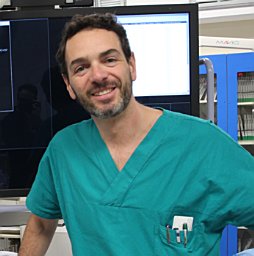 Bernardo Cortese合作论文数Ospedale della Misericordia Interventional Cardiology10Giulio Piedimonte合作论文数9Giolitto Sara合作论文数9E. Tizzani合作论文数8Paolo Giay Pron合作论文数8Fabio Mariani合作论文数8Massimo Leoncini合作论文数8
 Mario Bollati合作论文数Interventional Cardiology, Policlinico San Donato8
 Mario Iannaccone合作论文数Città della Scienza e della Salute8
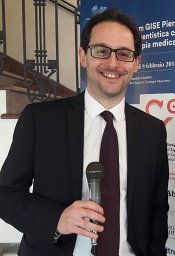 Andrea Rognoni合作论文数Division of Cardiology, Università del Piemonte Orientale8
 Giacomo Boccuzzi合作论文数7
 Chiara Bernelli合作论文数Catheterization Lab and Interventional Cardiology Unit, San Raffaele Hospital7Gili Sebastiano合作论文数Department of Medical Sciences, University of Turin7
 Salvatore Geraci合作论文数7
 Davide Minniti合作论文数7Gennaro Sardella合作论文数7D. Celentani合作论文数6Rosario Tripodi合作论文数6Luca Lo Savio合作论文数6Chieffo Alaide合作论文数6
 Alicia Quiros合作论文数From the Departments of Cardiology (, VU University Medical Center;and Cardiovascular Institute, Hospital Clinico San Carlos/Complutense University;VU University Medical Center, Hospital Clinico San Carlos/Complutense University6
 Giuseppe Biondi Zoccai合作论文数Dip. di Scienze e Biotecnologie Medico Chirurgiche, Sapienza University of Rome;Ospedale Santa Maria Goretti6
 Alfonso Ielasi合作论文数Cardiology Division, Ospedale Galeazzi - Sant'Ambrogio6




