Background Renewable energy sources occupy a pivotal role in contemporary society, underpinning a substantial portion of our daily energy requirements. Given the inherent variability and intermittency of these resources, a comprehensive understanding of their underlying systems is essential for accurately forecasting performance under diverse environmental conditions. For instance, in photovoltaic systems, the identification of key unknown parameters enables precise prediction of output behavior across varying levels of solar irradiance and ambient temperature. Similarly, in fuel cell configurations, parameter estimation facilitates the modeling of system dynamics under fluctuating pressures and temperatures, thereby informing effective energy management strategies. Methods This paper presents a novel strategy aimed at advancing the performance of metacognitive optimization algorithms, with a particular focus on refining their exploration and exploitation dynamics. The proposed technique is characterized by its ease of implementation and high computational efficiency, contributing to faster convergence toward global optimal solutions while enhancing overall algorithmic stability and resilience. Notably, it also addresses the common challenge of becoming trapped in local minima—achieving this without the need to construct entirely new algorithmic frameworks. To demonstrate the practical value of this enhancement, the method was embedded into the structure of the Butterfly Optimization Algorithm, resulting in an improved version termed the Smart Butterfly Optimization Algorithm (SBOA). Significant finding This upgraded model was rigorously evaluated through parameter identification tasks in two widely used energy systems: photovoltaic cells and proton exchange membrane fuel cells (PEMFCs). The solar cell assessment included various diode configurations—single, double, and triple—as well as benchmark models such as SM55, KC200GT, and SW255, under varying thermal and irradiance conditions. For fuel cells, a single test scenario was examined, involving a system with seven unknown parameters. The model’s reliability was validated by comparing SBOA-generated current-voltage characteristics to empirical PEMFC data collected under different environmental parameters. Results highlight the improved algorithm's superior accuracy, convergence speed, and robustness across multiple engineering applications.
Integrating consumer-grade drones into the Internet of Vehicles (IoV) can extend coverage and enable low-latency services, but it also introduces authentication challenges due to high mobility, intermittent connectivity, resource constraints, and the reliance on centralized trusted authorities, which increases exposure to physical compromise and sophisticated attacks. Existing drone-assisted IoV authentication schemes are often computationally expensive, insufficiently scalable, or fragile under disconnections. To address these gaps, we propose drone-to-vehicle authentication (D2VAuth), a lightweight drone-to-vehicle authentication framework that combines Hyperelliptic Curve Cryptography (HECC) for energy-efficient key establishment with a permissioned blockchain using Practical Byzantine Fault Tolerance (PBFT) for decentralized trust management, auditability, and revocation. D2VAuth supports offline and delayed authentication and resists common attacks, including Sybil, replay, cloning, Man-in-the-Middle (MITM), and Denial of Service (DoS). OMNeT++/Castalia simulations across six mobility and density scenarios demonstrate stable overhead, with per-node energy consumption of 32.82-32.86 mJ, single-session creation time of 5.1-135 ms, two-session creation time of 39.2-162 ms, and low packet loss of 1.8-4.1 under higher-density deployments. These results indicate that D2VAuth provides scalable, energy-efficient, and resilient authentication suitable for practical drone-assisted IoV applications such as logistics, surveillance, and secure vehicular networks.
Melanoma, a highly aggressive form of skin cancer, is primarily driven by DNA alterations often linked to environmental factors such as ultraviolet radiation. Addressing the need for improved early detection, this study tackles the key limitations of current methods, which frequently employ convolutional neural networks (CNNs) but struggle with feature selection, class imbalance, hyperparameter tuning, and generalizability. Our strategy leverages dilated convolution (DC) layers trained using reinforcement learning (RL). Unlike other RL-based approaches that handle these challenges in isolation, our method introduces a multi-stage architecture. It integrates RL for feature selection and class balancing. Shapley additive explanations (SHAP) guide feature identification, while augmented rewards for underrepresented classes help mitigate data imbalance. Bayesian optimization hyperband (BOHB) is used for hyperparameter tuning in a unified training process. BOHB combines the predictive strength of Bayesian optimization with the efficiency of hyperband, accelerating model tuning. It also includes an online GAN module for dynamic data augmentation that responds to the evolving output of the RL agent. A novel regularization technique stabilizes GAN training and prevents mode collapse. Importantly, existing RL methods face the challenge of balancing exploration and exploitation. In our RL model, the scope loss function (SLF), integrated with RL, balances exploration and exploitation, thereby ensuring accuracy and generalizability. Collectively, the model jointly tackles four persistent challenges in earlier RL-based approaches: poor exploration-exploitation balance, unstable reward dynamics, static data augmentation, and manual hyperparameter tuning. The model achieved F-measures of 94.3 %, 93.7 %, and 91.5 % on ISIC-2020, HAM10000, and PH2, respectively. This advancement significantly improves early melanoma detection and supports more accurate treatment decisions, contributing valuably to the ongoing effort to combat this lethal cancer.
The sustainability of Underwater Wireless Communication Networks (UWCNs) is evaluated to support environmentally responsible marine monitoring systems. A Fuzzy-TOPSIS multi-criteria decision-making approach is applied to assess five UWCN configurations across environmental, technical, and operational dimensions under uncertainty. Expert-derived weights indicate that communication reliability (0.152) and marine ecosystem protection efficiency (0.147) are the most influential criteria. The results show that the hybrid acoustic-optical configuration achieves the highest sustainability performance, with a closeness coefficient of 0.731. The energy-harvesting network ranks second (0.693), followed by the optical-only system (0.624). Acoustic-only and RF-assisted configurations demonstrate lower performance due to higher energy demand and limited communication effectiveness. Sensitivity analysis confirms the stability of the ranking under ±20% variation in indicator weights. The findings indicate that hybrid and energy-autonomous UWCN architectures provide balanced solutions for reliable communication and reduced environmental impact. The proposed framework provides a structured, robust decision-support tool for designing sustainable UWCNs aligned with marine environmental protection objectives.
Brain tumor classification from magnetic resonance imaging (MRI) is an important task in computer-aided diagnosis, requiring high accuracy to provide reliable clinical decision support and assist radiologists in their diagnostic workflow as a complementary tool, without aiming to replace expert clinical judgment. In this paper, we propose a hardware-oriented method for four-class brain tumor MRI classification, based on a multi-scale representation using discrete Hahn moments and a lightweight convolutional neural network. Instead of processing raw images directly, the proposed approach transforms each image into a compact multi-channel tensor obtained by extracting Hahn coefficients at three complementary spatial levels: global, regional, and local. This representation captures discriminative information at different scales while reducing input redundancy and enabling parallel execution on FPGA. The Hahn polynomial matrices are pre-computed offline, while multi-scale moment extraction and lightweight network inference are performed online on a Xilinx Zynq UltraScale+ ZCU106 platform. Furthermore, the student network is trained offline via knowledge distillation to improve accuracy under complexity constraints. Experiments conducted on the Kaggle Brain Tumor MRI dataset, comprising glioma, meningioma, no tumor and pituitary classes, show that the proposed method achieves an accuracy of 89.21
Coastal marine pollution is a major pressure on nearshore biodiversity, degrading habitats and altering food webs through nutrient enrichment, toxic contaminants, and plastic debris. These impacts can be spatially patchy and episodic, making timely detection and tracking essential for protecting ecosystem health and coastal services. Accordingly, coastal managers increasingly rely on sensor networks to detect and track marine pollution, yet alternative monitoring architectures differ markedly in performance, cost, and robustness. An integrated Analytic Hierarchy Process-Technique for Order Preference by Similarity to Ideal Solution (AHP-TOPSIS) framework is employed to evaluate three representative architectures, moored buoy system (A₁), mobile autonomous platforms (A₂) and an IoT-based underwater sensor network (A₃), against five criteria: detection capability, spatio-temporal coverage, life-cycle cost, energy/maintenance demand and operational robustness. Judgments from 100 experts were collected via an online questionnaire; 92 respondents provided complete AHP pairwise-comparison matrices, and 86 of these satisfied the AHP consistency threshold (CR ≤ 0.10) and were used to derive criteria weights. Aggregated weights indicate that detection capability (0.31) and coverage (0.24) are the dominant criteria, followed by cost (0.18), robustness (0.14), and energy/maintenance (0.13). Sensitivity analyses, including ±20% weight perturbations, cost- and performance-oriented scenarios, and 100 stochastic perturbations of performance scores, consistently retain A₃ as the top alternative. Results support IoT-based underwater sensor networks as the most balanced option for coastal pollution monitoring under the examined conditions and demonstrate the practicality of AHP-TOPSIS for transparently comparing complex marine observation architectures.
The early detection of fire and smoke is a significant aspect in the prevention of disasters in smart cities and the development of extensive monitoring systems. In such scenarios, the early response is critical in ensuring the safety and prevention of further damage. The traditional sensor-based approach in the detection of fire and smoke using heat sensors and smoke detectors is prone to several limitations such as delayed response times, increased false alarm rates, and the inability of the system to adjust to changing environmental conditions. To improve the detection of fire and smoke in the context of a smart-city and the development of extensive monitoring systems, a privacy-preserving vision-based framework called FireSmoke-FL is proposed. FireSmoke-FL is a Federated Learning-based framework that integrates an enhanced YOLOv11 model. The model sensitivity is enhanced by incorporating a high-resolution P2 detection head and an attention-refined C2PSA-iEMA module. These improvements aim to enhance the model’s robustness in detecting fire and smoke in the presence of background interference, such as fog, clouds, and varying illumination conditions. To ensure the privacy of data collected from edge devices, such as IoT devices and drones, FireSmoke-FL is designed to enable devices to learn locally without sharing data. The Dynamic Average Fusion Algorithm (DAFA) is adapted to improve the performance of the model through the adaptive selection of the clients based on the quality of the models developed locally. The FireSmoke-FL framework is validated through extensive experiments on the Fire and Smoke dataset and the Indoor Fire Smoke dataset. The results show that the framework achieves 96.7% mAP at 84.7 FPS and 96.5% mAP at 82.4 FPS on the Fire and Smoke dataset and the Indoor Fire Smoke dataset, respectively. These findings indicate that the proposed model possesses accuracy, efficiency, scalability, and privacy protection.
The paper introduces a novel approach that leverages the unique characteristics of users’ authenticated usernames to determine the sequence in which image blocks are encrypted. This methodology adopts two main strategies: first, it utilizes four distinct chaotic maps—Sine, Chebyshev, Logistic, and Gaussian—for encryption; second, it encrypts image blocks using a newly proposed 4D chaotic map. The process begins with the segmentation of an N×N×3 color image into its red, blue, and green components, each of size N×N. The image components are further subdivided into four arrays, each sized (4 × 4) × (N/4) × (N/4). The chaotic sequences generated by Schemes 1 and 2 serve as crucial encryption keys, guiding the confusion and diffusion processes and facilitating the encryption of various image bands. Using comprehensive simulations, the proposed encryption schemes, Schemes 1 and 2, were carefully assessed and contrasted with a conventional method. It is found that even though both the schemes outperformed against statistical analysis differential attacks, notably, Scheme 2, with the proposed 4D map, performed better than Scheme 1, especially with respect to UACI and NPCR. Also, the proposed methodology has a larger key space, thereby making decryption highly impossible within speculated timeframe. Also the validation of the proposed methodology with entropy and correlation analysis produced results in accordance with accepted methods while homogeneity in the horizontal, vertical, and diagonal directions was verified using pixel distribution analysis. The research work thus presents a novel encryption technique that surpasses conventional techniques in terms of security and performance while using user-specific attributes.
Education is pivotal in shaping future generations, with artificial intelligence (AI) technologies revolutionizing conventional classroom approaches. Understanding student behavior is essential for improving teaching quality and learning outcomes. However, in large classrooms, monitoring each student becomes a challenge. Therefore, we propose an intelligent framework utilizing deep learning to create a vision-based classroom capable of autonomously analyzing student behavior and attention. Our approach, Parallel Spatio-Temporal SlowFast (PST-SlowFast), combines spatial and temporal attention mechanisms to enhance behavior detection accuracy. The key contributions of the PST-SlowFast model lie in its ability to handle spatial and temporal features in videos effectively, facilitated by integrating both spatial and temporal attention modules. By leveraging these attention mechanisms, the model captures relevant spatial and temporal features, enhancing performance in behavior detection tasks. The experimental results demonstrate the effectiveness of the PST-SlowFast model in recognizing behaviors such as reading, writing, and hand-raising. The PST-SlowFast model achieves an average mAP@50 of 88.8%, which is an improvement of 14% compared to state-of-the-art models such as YOLOv5x and YOLOv8x. These findings indicate the promise of the PST-SlowFast model for real-world applications in educational settings.
Using Google cluster traces, the research presents a task offloading algorithm and a hybrid forecasting model that unites Bidirectional Long Short-Term Memory (BiLSTM) with Gated Recurrent Unit (GRU) layers along an attention mechanism. This model predicts resource usage for flexible task scheduling in Internet of Things (IoT) applications based on edge computing. The suggested algorithm improves task distribution to boost performance and reduce energy consumption. The system’s design includes collecting data, fusing and preparing it for use, training models, and performing simulations with EdgeSimPy. Experimental outcomes show that the method we suggest is better than those used in best-fit, first-fit, and worst-fit basic algorithms. It maintains power stability usage among edge servers while surpassing old-fashioned heuristic techniques. Moreover, we also propose the Deep Deterministic Policy Gradient (D4PG) based on a Federated Learning algorithm for adjusting the participation of dynamic user equipment (UE) according to resource availability and data distribution. This algorithm is compared to DQN, DDQN, Dueling DQN, and Dueling DDQN models using Non-IID EMNIST, IID EMNIST datasets, and with the Crop Prediction dataset. Results indicate that the proposed D4PG method achieves superior performance, with an accuracy of 92.86% on the Crop Prediction dataset, outperforming alternative models. On the Non-IID EMNIST dataset, the proposed approach achieves an F1-score of 0.9192, demonstrating better efficiency and fairness in model updates while preserving privacy. Similarly, on the IID EMNIST dataset, the proposed D4PG model attains an F1-score of 0.82 and an accuracy of 82%, surpassing other Reinforcement Learning-based approaches. Additionally, for edge server power consumption, the hybrid offloading algorithm reduces fluctuations compared to existing methods, ensuring more stable energy usage across edge nodes. This corroborates that the proposed method can preserve privacy by handling issues related to fairness in model updates and improving efficiency better than state-of-the-art alternatives.
The next generation of industrial Internet of Things (IoT) dominated by uncrewed aerial vehicle (UAV) relies on the coordinated operation of heterogeneous UAV-mounted transceiver cluster (HUTC) in constrained environments. However, the electromagnetic resources available to these transceivers deployed in crowded spaces are limited, and the resulting spectrum conflicts can easily lead to difficulties in aerial sensing, computing, and networking. Beyond interference from external sources, spectrum allocation in dense spaces is further complicated by interference from frequency-domain neighbors, making efficient resource allocation challenging. Thus, this article utilize the electromagnetic interference (EMI) characteristics of heterogeneous transceivers as prior knowledge and proposes an innovative joint spectrum and power allocation based on better response (JSPA-BR) method to tackle the EMI problem in HUTC composed of heterogeneous transceivers. More specifically, we construct a game-theoretic model for joint spectrum and power allocation, and it is proved that the model constitutes an exact potential game (EPG) with at least one Nash equilibrium (NE) point. We then design the JSPA-BR algorithm which can converge quickly and approach the global optimal solution. Simulations and measurements show that this method maximizes the use of limited spectrum resources. It also mitigates EMI between transceivers and the external radiation of the system. It achieves electromagnetic compatibility of HUTC, thereby demonstrating the effectiveness and accuracy of the proposed approach.
In smart manufacturing, logistics, and other inside settings where the Global Positioning System (GPS) doesn't work, indoor positioning systems (IPS) are essential. Due to environmental complexity, signal noise, and possible data manipulation, traditional IPS techniques struggle with accuracy, resilience, and security. Online and offline phases are distinguished in the suggested indoor location system that employs deep learning and fingerprinting. During the offline phase, mobile devices gather signal strength measurements and contextual data traverse inside settings via Wi-Fi, Bluetooth, and magnetometers. Fingerprint classification using Density-Based Spatial Clustering of Applications with Noise (DBSCAN) clustering follows the application of signal processing techniques for noise reduction and data augmentation. The online phase involves extracting information to improve the model's accuracy. These features can be signal-based, spatial-temporal, motion-based, or environmental. The Deep Spatial-Temporal Attention Network (Deep-STAN) is an innovative hybrid model for location classification that combines Convolutional Neural Networks (CNNs), Vision Transformers (ViTs), Long-Short Term Memory (LSTMs), and attention processes. The model hyperparameters are fine-tuned using hybrid optimization to guarantee optimal performance. The work's main contribution is the incorporation of ECC, an effective encryption and decryption method for signal data, which is based on Galois fields. This cryptographic method is well-suited for real-world applications since it guarantees low-latency operations while simultaneously improving data integrity and confidentiality. In addition, S-box enhances the IPS's resilience and security by including QR codes for distinct location marking and blockchain technology for safe and immutable storing of positioning data. Moreover, the performance of the suggested model includes an accuracy of 0.9937, precision of 0.987, sensitivity of 0.9898, and specificity of 0.9878, while when 80% of data were used it had an accuracy of 0.9804, precision of 0.9722, sensitivity of 0.9859, and specificity of 0.9756. These outcomes prove that the proposed system is stable and flexible enough to be used in indoor positioning applications.
The growing demand for energy-efficient solutions in Wireless Body Area Networks (WBANs) calls for innovative protocols that can optimize energy consumption while ensuring high network performance. This paper introduces the energy-efficient dual sink protocol (EEDSP) designed to enhance the performance of WBANs through a combination of advanced energy management and reliable communication techniques. EEDSP operates with a dual-sink architecture, utilizing any-casting to ensure optimal data routing while minimizing packet loss and communication delays. The protocol also integrates energy-aware routing mechanisms, which dynamically select paths based on residual energy and distance, extending the network's lifetime. Extensive simulation results demonstrate that EEDSP outperforms existing protocols, such as CRPBA and EEDLABA, in key performance metrics, including PDR, network lifetime, residual energy, end-to-end delay, path loss, and CCR. These results confirm EEDSP as a promising solution for energy-efficient WBANs, making it well-suited for applications in healthcare and other energy-constrained environments.
The secure storage and transmission of healthcare data have become a critical concern due to their increasing use in the diagnosis and treatment of various diseases. Medical images contain confidential patient information, and unauthorized access to or modification of these images can have severe consequences. Chaotic maps are commonly used for constructing medical image cipher systems, but with the growth of quantum technology, these systems may become vulnerable. To address this issue, a new medical image cipher algorithm based on cascading quantum walk with Chebyshev map has been presented in this paper. The proposed system has been tested and found to have high levels of security and efficiency, with UACI, NPCR, Chi-square, and global information entropy values averaging at 33.48095%, 99.62984%, 248.92128, and 7.99923, respectively.
One of the most crucial elements in the design of a block cipher is the substitution box or S-box. Its cipher strength directly impacts the cipher algorithm's security, and the block cipher algorithm requires a good S-box. According to the cryptanalysis result of the S-box construction in AES: (1) the number of irreducible polynomials can be increased to 30; (2) the affinity transformation constant c can be chosen from all elements if the existence of fixed points and reverse fixed points in an S-box is ignored; and (3) the S-box in AES is fixed, which poses possible security risks to the AES algorithm. The study above led us to build a non-degenerate 2D enhanced quadratic map (2D-EQM) with unpredictability and ergodicity. From there, we generated affine transformation constants and affine transformation matrices, which were then applied to seed S-boxes to create a batch of strongly nonlinear S-boxes. Finally, we assessed the performance of suggested S-boxes using six criteria. Security and statistical research showed that the suggested S-box batch generation procedure was practical and effective.
The increasing demand for sustainable offshore energy solutions necessitates efficient power conversion technologies that minimize environmental impact while ensuring reliable energy delivery. The DC-DC buck converter plays a crucial role in marine renewable energy systems, optimizing power conversion for offshore wind, wave, and floating solar applications. However, selecting the most efficient and sustainable converter requires balancing efficiency, reliability, cost, thermal performance, and size under harsh marine conditions. This study proposes a hybrid AHP-VIKOR methodology to evaluate and rank DC-DC buck converter designs, integrating expert-driven weighting (AHP) with quantitative ranking (VIKOR). The results identify the most optimal design, achieving high efficiency, minimal thermal losses, and improved durability, thus contributing to the sustainability of offshore energy systems. This approach systematically addresses multi-criteria trade-offs, ensuring a data-driven and environmentally conscious selection process. It supports the development of resilient, energy-efficient marine power electronics.
Diffusive Molecular Communication (DMC) represents a critical paradigm in nanoscale communication, yet various noise models significantly influence its performance. This paper presents an analytical framework for evaluating error probability under H-noise. This novel noise model accounts for anomalous diffusion scenarios, including sub-diffusion, super-diffusion, and normal diffusion. Unlike conventional noise models that primarily focus on normal diffusion, H-noise provides a unified characterization of uncertainty in molecular propagation across diverse diffusion environments. The study introduces a mathematical formulation of error probability, integrating parameters such as decision thresholds, binary transmission probability, and diffusion coefficients. Numerical simulations validate the theoretical analysis, demonstrating the impact of scenario parameters on error probability and the statistical behavior of molecular arrival times. In addition to error analysis, this study explores broader applications of DMC in biomedical systems, environmental monitoring, and nanoscale computing, highlighting its potential beyond intelligent transportation systems. This work enhances the understanding of DMC under complex noise conditions by delineating different evaluation metrics and extending the discussion to a broader spectrum of applications. It provides insights into optimizing molecular communication systems for future nano-networking applications.
Optimization algorithms play a crucial role in solving complex challenges across various fields, including engineering, finance, and data science. This study introduces a novel hybrid optimization algorithm, the Hybrid Crayfish Optimization Algorithm with Differential Evolution (HCOADE), which addresses the limitations of premature convergence and inadequate exploitation in the traditional Crayfish Optimization Algorithm (COA). By integrating COA with Differential Evolution (DE) strategies, HCOADE leverages DE’s mutation and crossover mechanisms to enhance global optimization performance. The COA, inspired by the foraging and social behaviors of crayfish, provides a flexible framework for exploring the solution space, while DE’s robust strategies effectively exploit this space. To evaluate HCOADE’s performance, extensive experiments are conducted using 34 benchmark functions from CEC 2014 and CEC 2017, as well as six engineering design problems. The results are compared with ten leading optimization algorithms, including classical COA, Particle Swarm Optimization (PSO), Grey Wolf Optimizer (GWO), Whale Optimization Algorithm (WOA), Moth-flame Optimization (MFO), Salp Swarm Algorithm (SSA), Reptile Search Algorithm (RSA), Sine Cosine Algorithm (SCA), Constriction Coefficient-Based Particle Swarm Optimization Gravitational Search Algorithm (CPSOGSA), and Biogeography-based Optimization (BBO). The average rankings and results from the Wilcoxon Rank Sum Test provide a comprehensive comparison of HCOADE’s performance, clearly demonstrating its superiority. Furthermore, HCOADE’s performance is assessed on the CEC 2020 and CEC 2022 test suites, further confirming its effectiveness. A comparative analysis against notable winners from the CEC competitions, including LSHADEcnEpSin, LSHADESPACMA, and CMA-ES, using the CEC-2017 test suite, revealed superior results for HCOADE. This study underscores the advantages of integrating DE strategies with COA and offers valuable insights for addressing complex global optimization problems.
In the current landscape, there is a rapid increase in the creation of new algorithms designed for specialized problem scenarios. The performance of these algorithms in unfamiliar or practical settings often remains untested. This paper presents a new development, the multi-objective Runge–Kutta optimizer (MORKO), which is built upon the principles of elitist non-dominated sorting and crowding distance. The goal is to achieve superior efficiency, diversity, and robustness in solutions. MORKO effectiveness is further enhanced by incorporating various strategies that maintain a balance between diversity and execution efficiency. This approach not only directs the search toward optimal regions but also ensures that the process does not become stagnant. The efficiency of MORKO is compared against renowned algorithms like the multi-objective marine predicator algorithm (MOMPA), multi-objective gradient-based optimizer (MOGBO), multi-objective evolutionary algorithm based on decomposition (MOEA/D), and non-dominated sorting genetic algorithm (NSGA-II) on several test benchmarks such as ZDT, DTLZ, constraint (CONSTR, TNK, SRN, BNH, OSY and KITA) and real-world engineering design (brushless DC wheel motor, safety isolating transformer, helical spring, two-bar truss, welded beam, disk brake, tool spindle and cantilever beam) problems. We used unique, non-overlapping performance metrics for this comparison and suggested a fresh correlation analysis technique for exploration. The MORKO algorithm outcomes were rigorously tested and confirmed using the non-parametric statistical evaluations. The MORKO algorithm proves to excel in deriving comprehensive and varied solutions for many tests and practical challenges, owing to its multifaceted features. Looking ahead, MORKO has potential applications in complex engineering and management tasks.
 Ahmed Ibrahim Alzahrani合作论文数Community College, King Saud University12
 Waleed Mugahed Al-Rahmi合作论文数Univ Teknol Malaysia, Fac Educ, Johor Baharu 81310, Malaysia9
 Osama Alfarraj合作论文数Comp Sci Dept, King Saud Univ8
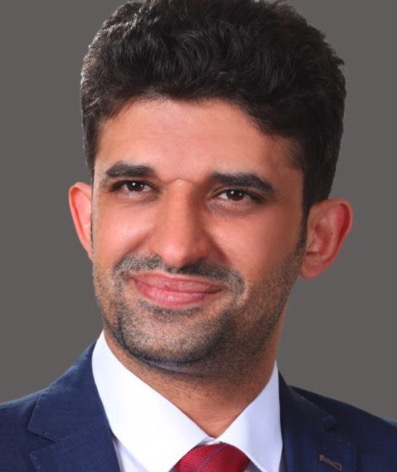 Laith Abualigah合作论文数Department of International Relations and Affairs, Al Al-Bayt University;Computer Science Department, Al Al-Bayt University6
 Sajjad Shaukat Jamal合作论文数King Khalid Univ, Coll Sci, Dept Math, Abha 61413, Saudi Arabia5
 Amr Tolba合作论文数Math & Computer Science Department, Faculty of Science, Menoufia University;Department of Computer Science, College of Computer and Information Sciences, King Saud University5
 Pawel Plawiak合作论文数5
 Absalom Ezugwu合作论文数School of Computer Science and Information Systems, North-West University4
 Mohammed Habes合作论文数Radio & TV Dept, Yarmouk Univ4
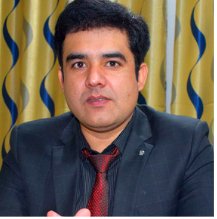 Nisar Ahmed Dahri合作论文数Faculty of Science, Quaid-e-Awam University of Engineering, Science and Technology3
 Nazir Ullah合作论文数Corresponding author.3
 Mohammad Mazyad Hazzazi合作论文数King Khalid Univ, Coll Sci, Dept Math, Abha 61413, Saudi Arabia3
 Anna Shutaleva合作论文数Ural State Law University3
 Khalid El Makkaoui合作论文数Mohammed First University3
 Muhammad Kamran Jamil合作论文数3
 Zaffar Ahmed Shaikh合作论文数Institute of Business Administration, Karachi, Karachi, Pakistan3
 Ahmed A. Abd El-Latif合作论文数Department of Mathematics and Computer Science, Faculty of Science, Menoufia University;College of Computer and Information Sciences, Prince Sultan University3
 Hosam Al-Samarraie合作论文数Centre for Instructional Technology and Multimedia, Universiti Sains Malaysia3
 Maleh Yassine合作论文数3
 Mohamed Fartitchou合作论文数2
 Nasser Alalwan合作论文数2
 Rashad Ali合作论文数2Giovanni Pau合作论文数2
 Sudeep Tanwar合作论文数Department of Computer Science and Engineering, Institute of Technology, Nirma University;Sudeep Tanwar's Research Group Lab2
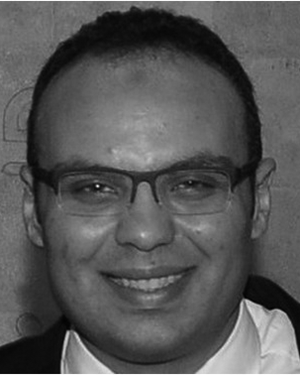 Mahmoud Abdelsalam合作论文数Dept Elect Energy Engn, Arab Acad Sci Technol & Maritime Transport2
 Amr Abozeid合作论文数Dept Comp Sci, Jouf Univ2
 Mohamed Yamni合作论文数Sidi Mohamed Ben Abdellah University, Faculty of Sciences Dhar el Mahraz, Fez, Morocco2
 Ahmad Samed Al-Adwan合作论文数Hourani Center for Applied Scientific Research, Al-Ahliyya Amman University2
 Samer Sarsam合作论文数School of Communication, Universiti Sains Malaysia, Penang, Malaysia2
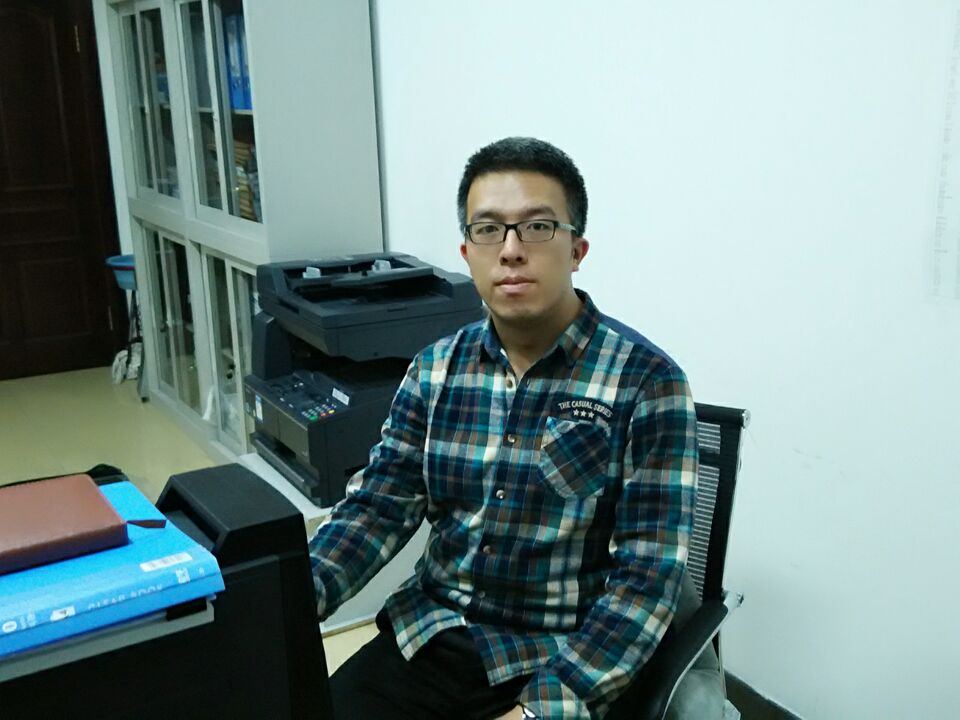 Heming Jia (贾鹤鸣)合作论文数2
 Noraffandy Yahaya合作论文数2
 Omar Said合作论文数Taif University, Menoufia University2
 Ali H. Al-Bayatti合作论文数De Montfort University2
 Tariq Shah合作论文数Department of Mathematics, Quaid-i-Azam University2
 Irfan Umar合作论文数Universiti Sains Malaysia2
 Zakaria El Allali合作论文数2Youwei Meng合作论文数1Chinmay Chakraborty合作论文数1Houpu Xiao合作论文数1Japie Greeff合作论文数1Bassem Abd-El-Atty合作论文数1
 Muhammad Rashid合作论文数1Madhav Raj Theeng Tamang合作论文数1
 Abdallah Mohamed合作论文数1Hechao Liu合作论文数1
 Saptadeep Biswas合作论文数1
 Mohd Asif Shah合作论文数1
 Hassan Qjidaa合作论文数1
 Ammar Muthanna合作论文数1




