Alzheimer’s disease (AD) is the leading cause of dementia worldwide. With rising prevalence in countries such as Iran, assessing healthcare professionals’ knowledge of AD is essential. This study translated and adapted the Alzheimer’s Disease Knowledge Scale (ADKS) into Persian and provided preliminary evidence of validity and reliability. A cross-sectional study was conducted with 304 healthcare professionals and students. The mean Persian version of the Alzheimer’s Disease Knowledge Scale (ADKS-P) score was 20.27 (standard deviation (SD) = 3.62; possible range 0–30). The ADKS-P was developed using forward–backward translation, expert review, and pilot testing. Content validity, item-level performance, internal consistency estimated with Kuder–Richardson Formula 20 (KR-20), and two-week test–retest reliability were assessed. Known-groups validity was examined through education, occupation, and familiarity with dementia. All items met the critical Content Validity Ratio (CVR) threshold. Internal consistency was modest (KR-20 = 0.64), test–retest reliability was moderate (r = 0.53, p = 0.016), and several items showed weak discrimination (item–total r < 0.20 for 15 items; item 24 r = − 0.05). Higher ADKS-P scores were associated with greater education, professional role, and dementia familiarity. The ADKS-P offers a preliminary, culturally adapted tool for group-level baseline knowledge assessment in Persian-speaking contexts. Further refinement and validation are recommended before broader application. The study was approved by the ethics committee of the Tehran University of Medical Sciences (IR.TUMS.MEDICINE.REC.1401.202).
This study aimed to evaluate the effect of melatonin on sleep Quality, anxiety, and depression in the patients with primary breast cancer undergoing adjuvant chemotherapy in a double-blind, placebo-controlled trial. Forty patients with stage I-III breast cancer were allocated randomly to the intervention and control groups. The intervention group received 6 mg/day/6 months. At baseline, middle and end of chemotherapy, patients were evaluated using Pittsburgh Sleep Quality Index (PSQI), Insomnia Severity Index (ISI), Hospital Anxiety, and Depression Scale (HADS) questionnaires, respectively. Melatonin administration resulted in significant improvements in sleep latency (1.50 ± 1.04,1.28 ± 1.02,1.00 ± 1.08, P = 0.001), sleep efficiency (1.11 ± 1.08, 0.83 ± 1.15, 0.56 ± 0.92, P = 0.003), and total Pittsburgh Sleep Quality Index scores (8.39 ± 4.63, 7.56 ± 4.41, 6.50 ± 3.71, P = 0.003) when compared to the placebo group throughout the three phases of chemotherapy. Importantly, no statistically significant differences were noted during the Adriamycin phase of chemotherapy. In contrast, during the Taxol phase, the melatonin showed a statistically significant improvement in anxiety levels (7.33 ± 4.01 to 5.67 ± 0.88, P = 0.077) and overall PSQI scores (8.39 ± 4.62 to 9.13 ± 4.96, P = 0.015). These results indicate that melatonin may be a promising therapeutic option for addressing sleep disturbances in breast cancer patients.
Introduction: This study investigates the occupational performance and life habits of elderly adults with early stages of Alzheimer disease. Materials and Methods: This was a cross-sectional study. The participants were elderly adults, aged 65-85 years with Alzheimer disease who were referred to Roozbeh and Ziaeian Hospital, in addition to Kahrizak Charity in Tehran City, Iran in 2022. A total of 70 Seventy patients (36 male, 34 female) were recruited based on the convenience sampling method. The Canadian occupational performance measure and life habits questionnaire were used to determine occupational performance and life habits. Meanwhile, the data were analyzed using the independent t-test and the Mann-Whitney test using the SPSS software, version 21. Results: The mean age of elderly males and females was 72.02±3.74 and 71.14±4.09 years, respectively. Meanwhile, 68.3% of the priorities of occupational performance were related to self-care. In the male participants, the priorities of self-care were 76.7% and in female subjects, it was 59.4%. No significant gender difference was found in satisfaction with occupational performance (P>0.05; P>0.05). In the life habit questionnaire, fitness had the highest participation level, while communication had the lowest. A significant gender difference was observed in participation levels in daily activities (P<0.05). Conclusion: The most important occupational performance priority of elderly adults with Alzheimer disease was self-care. The highest level of participation in daily activities was related to fitness and the lowest was communication. This study helps occupational therapists identify the priorities, habits, and participation levels of men and women with early Alzheimer in daily activities.
Selective serotonin reuptake inhibitors (SSRIs) are widely used for treating major depressive disorder (MDD) but are frequently associated with adverse effects such as sexual dysfunction and emotional blunting. This study aimed to investigate the relationship between sexual dysfunction and emotional blunting in female patients with MDD who were in remission under long-term sertraline therapy. In this pilot study, 22 women in remission from MDD and receiving long-term sertraline treatment were compared to 20 age-matched healthy controls. Participants completed the validated Persian versions of the Female Sexual Function Index (FSFI) and the Laukes Emotional Intensity Scale (LEIS). Between-group comparisons were performed using independent samples t-tests. Pearson correlation analysis was conducted to assess the relationship between sexual function and emotional blunting in the sertraline group. Statistical analysis was conducted using SPSS v26, with significance set at p < 0.05. The total FSFI score was significantly lower in the sertraline group compared with the control group (19.6 ± 4.2 vs. 28.1 ± 3.3; p < 0.001), and 81.8% of patients on sertraline met the criteria for sexual dysfunction, whereas none in the control group did (p < 0.001). Emotional responsiveness was also markedly reduced in the sertraline group (LEIS: 46.36 ± 5.22 vs. 58.95 ± 6.85; p < 0.001). A significant positive correlation was found between total FSFI and LEIS scores (r = 0.76, p < 0.001). These findings suggest a strong relationship between SSRI-induced sexual dysfunction and emotional blunting. Recognizing this overlap is crucial for clinicians managing patients treated with SSRIs. Routine screening for both side effects and personalized treatment strategies may improve patient adherence, quality of life, and overall therapeutic satisfaction. However, these results are specific to women receiving long-term sertraline therapy, and broader generalizations to all SSRI users should be made with caution.
Major depressive disorder (MDD) is a prevalent mental health condition, wherein the JAK/STAT signaling pathway serves as a potent cellular mechanism implicated in its pathophysiology. Increased expression of JAK2, STAT3, and subsequently IDO1 genes appears to be linked to depressive symptoms. With their antioxidant capabilities and improved absorption due to the nano formula, selenium nanoparticles could potentially modulate this molecular pathway. This study aimed to assess the impact of nano-selenium supplementation on the expression of JAK2, STAT3, and IDO1 genes in patients with MDD. A triple-blind, randomized, placebo-controlled trial was conducted at the Psychosomatic Clinic of Imam Khomeini Hospital Complex. A total of 50 participants, newly diagnosed with MDD were randomized to either a nano-selenium (55 µg/day) or placebo group for 12 weeks. All participants were receiving their standard treatment (sertraline 50 mg/day). Blood samples were collected at baseline and post-intervention to measure the gene expression using RT-qPCR. At the end of the study, both groups showed reductions in JAK2 and STAT3 relative gene expression after 12 weeks (P < 0.05). Although the reduction was more in the nano-selenium group, the between-group differences were not statistically significant. This study is the first to examine nano-selenium as a novel potential adjunct treatment for MDD. Though the degree of reduction in JAK2 and STAT3 levels was greater within the nano-selenium group, it appears that additional investigations are needed to elucidate its effects. The research received approval from the Research Ethics Committees of Iran University of Medical Sciences (Approval ID: IR IUMS.REC.1402.206, dated 2023-06-13) and was duly registered with the Iranian Registry of Clinical Trials (IRCT; registration number: IRCT20091114002709N62, dated 2023-07-29). This research represents the first human trial investigating the effects of the nano-selenium formulation on the expression of a key signaling pathway associated with major depressive disorder.
Increasing life expectancy leads to more cancer incidence in older people, consider that preservation and improvement of Quality of Life (QoL) is a major goal of geriatric oncology and examining the factors affecting QoL is very important, this study aimed to explore the relationship between social support and hospital anxiety-depression with QoL in the geriatric cancer outpatients under oncology treatments. This cross-sectional study was conducted from June to September 2023, on 300 elderly aged 60 ≥ and over, who received at least two sessions of chemotherapy or radiotherapy and or both, selected from a cancer institute of a general hospital in Tehran, Iran. Data sampling was collected by demographic/clinical questionnaires (need help in doing ADLs (Activities of Daily Living), number of comorbidities, cancer types, and stage), and tools (MSPSS (Multidimensional Scale of Perceived Social Support ), HADS (Hospital Anxiety and Depression Scale), and EORTC QLQ-C30 (EORTC QLQ C-30, European Organization of Research and Treatment of Cancer Quality of Life Questionnaire)) to analyze. Significant positive relationships between social support with global health status/QoL scale (P < 0.0001) and functional scales (P < 0.001) were observed, but a negative relationship between social support and symptom scales (P < 0.05) was noted. Also, significant negative relationships between hospital anxiety (P < 0.001) and depression (P < 001) with global health status/QoL scale (P < 0.001) and functional scales (P < 0.001) were observed, but there was a significant positive relationship between hospital anxiety (P < 0.05) and depression (P < 0.05) with symptom scales. So, more social support and less anxiety and depression were related to better global health status/QoL scale, better functional scales, and lower symptoms/problems. Considering the positive role of social support and mental health in improving QoL, carrying out interventions to increase better social support sources (family, friends, and other important people) and preventing or reducing anxiety and depression could be effective in improving QoL in cancer geriatric outpatients.
Antihyperglycemic medications can affect more than just glucose control; they may also influence mental health outcomes. This study aimed to investigate the relationships between various antidiabetic medications and psychiatric disorders, including depression, anxiety, and sleep disturbances, in individuals with type 2 diabetes (T2DM). This cross-sectional study analyzed data from patients with T2DM, assessing psychiatric outcomes among these patients using various antidiabetic therapies. Sleep quality, anxiety, and depression were measured using validated scales, including the Pittsburgh Sleep Quality Index (PSQI), Generalized Anxiety Disorder-7 (GAD-7), and Patient Health Questionnaire-9 (PHQ-9), respectively. This study involved 229 patients with a mean age ± standard deviation of 63.43 ± 10.38 years. The median body mass index (BMI) was 27.18 kg/m2, with an interquartile range (IQR) of 24.55–30.10, and the median duration of diabetes was 11.00 years (IQR: 6.00–16.00). The use of sodium glucose cotransporter-2 (SGLT-2) inhibitors was significantly associated with poorer sleep quality, as indicated by a higher odds ratio (odds ratio [OR] = 2.076, 95
Major depressive disorder (MDD) is a prevalent psychiatric condition associated with increased oxidative stress, which may contribute to its pathophysiology. Elevated malondialdehyde (MDA) levels and reduced total antioxidant capacity (TAC) and glutathione peroxidase (GPX) activity have been observed in individuals with MDD. Nano-selenium, a novel formulation with enhanced bioavailability and antioxidant potency compared to conventional selenium, may help modulate these oxidative stress biomarkers. In this randomized, triple-blind, placebo-controlled trial, 50 adults newly diagnosed with MDD received either nano-selenium (55 µg/day) or placebo, both alongside sertraline (50 mg/day), over a 12-week period. A total of 42 participants (21 per group) completed the study. Depressive symptoms were measured using the Hamilton Depression Rating Scale (HDRS), and serum levels of GPX, TAC, and MDA were assessed at baseline and post-intervention. Compared to placebo, nano-selenium significantly reduced depressive symptoms (mean change: −5.09 ± 4.94; P < 0.001) and increased TAC (mean change: 0.03 ± 0.04 mmol/L; P = 0.003) and GPX levels (median change: 9.56 U/L; IQR: −7.86 to 30.31; P = 0.044). While MDA levels decreased significantly in both groups, between-group differences were not statistically significant. These findings suggest that nano-selenium may serve as a safe and effective adjunctive therapy for reducing depressive symptoms and improving antioxidant status in MDD. However, the short duration and modest sample size of this study limit generalizability. Larger, multicenter trials with extended follow-up are recommended to confirm and expand upon these results. This study was approved by the Research Ethics Committee of Iran University of Medical Sciences (IR.IUMS.REC.1402.206; June 13, 2023) and registered with the Iranian Registry of Clinical Trials (IRCT20091114002709N62; July 29, 2023). Written informed consent was obtained from all participants.
Understanding the prevalence of mental distress in hospitalized patients and identifying associated factors can help reduce the burden of mental disorders on their medical management and improve their quality of life. This study aimed to examine the prevalence of mental distress among hospitalized patients in general hospitals and assess its associated factors. In this cross-sectional study, we evaluated the mental health status of inpatients in seven cities in Iran, using the General Health Questionnaire-12 (GHQ-12), with a total GHQ-12 score ≥ 4 or higher categorized as “mentally distressed.” Statistical analyses were conducted using independent t-tests, one-way analysis of variance, and cross-tabulations. A total of 524 patients (347 females) were assessed, with 208 (38.7
Background: Major depressive disorder (MDD) is a prevalent psychiatric condition. Dysregulation of signaling pathways interacting with SRC family kinases has been implicated in the pathophysiology of MDD through inflammation. Nano-selenium, a nanoscale form of selenium with enhanced bioavailability, has the potential to modulate oxidative stress and inflammation, which are implicated in MDD. To the best of our knowledge, in this study, for the first time we aimed to examine whether nano-selenium supplementation would decrease c-SRC gene expression. Methods: This triple-blind, randomized, placebo-controlled clinical trial was conducted at Imam Khomeini Hospital Complex, Tehran, Iran. Using block randomization, fifty participants diagnosed with MDD per Diagnostic and Statistical Manual of Mental Disorders, Fifth Edition (DSM-V) criteria were randomly assigned to receive nano-selenium (55 µg/day, n = 25) or placebo (n = 25) for 12 weeks alongside sertraline (50 mg/day). c-SRC gene expression was assessed using real-time reverse transcription quantitative polymerase chain reaction (RT-qPCR) from peripheral blood samples collected at baseline and after 12 weeks. Results: Twenty-one participants in each group completed the study, with an 84% retention rate in both groups. No serious adverse events were reported. There was no significant difference between groups at baseline. Post-intervention, c-SRC gene expression levels decreased in both the nano-selenium and placebo groups [median change (Q1, Q3): -0.0031, (-0.0065, -0.0005) vs. -0.0021 (-0.0085, 0), respectively; P < 0.05]; however, no significant differences were observed between the two groups (P = 0.606). Conclusion: Nano-selenium supplementation did not significantly modulate c-SRC gene expression. Limitations included a short duration. Future studies should explore alternative molecular pathways, higher supplementation doses, and treatment-naïve populations to better understand nano-selenium’s therapeutic potential in MDD.
Introduction Schemas serve as a framework in the cognitive theory of mental disorders. Schemas are the most important factors in the incidence of depression and suicide attempts. Therefore, this study was designed and conducted to determine early maladaptive schemas in suicide attempters by poisoning methods. Materials & Methods This descriptive-analytical study was performed on suicide attempters who referred to the poisoning emergency department in Baharloo Hospital in Tehran from May 2023 to May 2024. Using convenience (non-probability) sampling, 116 subjects were included in this study. All of these subjects were evaluated for demographic variables, history of suicide, history of psychological problems and the type of substance or drug used for suicide. Then the initial non-adaptive schemas were assessed by Young's questionnaire. The data were analyzed using SPSS26 statistical software. Results The mean age of the subjects was 24.13 ± 5.095 years. 68.1% of the subjects were female and 31.9% were male. 53.45% had a history of suicide and 76.72% had a history of psychological problems. The highest scores were respectively related to abandonment (25.17), social isolation (24.34), defectiveness/shame (23.63), emotional deprivation (22.63) and failure (22.57) schemas. In subjects with a history of mental problems, schemas such as abandonment, distrust, emotional deprivation, social isolation, dependency/incompetence, undeveloped self, emotional inhibition and unrelenting standards were significantly higher (P < 0.05). In individuals with a history of suicide, the defectiveness/shame schema, dependence/incompetence, vulnerability to harm/illness and failure were substantially higher (P < 0.05). Conclusion Early maladaptive schemas were active among suicide attempters and had a role in the incidence of suicide. The highest scores were related to abandonment, social isolation, defectiveness/shame, emotional deprivation and failure, respectively. The most important factors associated with these schemas were the history of psychological problems, age, history of suicide attempts and gender. Considering the meaningful correlation between these schemas and the factors mentioned earlier, these factors can be considered in interventions and for offering strategies to reduce suicide attempts.
Mild cognitive impairment (MCI) and Alzheimer’s disease (AD) are significant neurodegenerative disorders with increasing prevalence worldwide. Lifestyle and dietary factors, including micronutrients, have been suggested as modifiable risk factors for disease development. This study aims to investigate the association between micronutrients and cognitive ability in these diseases. A cross-sectional study involving 105 participants with MCI and AD was conducted. Dietary assessments were performed using a validated food frequency questionnaire (FFQ), and micronutrient intake was calculated based on nutrient content. Disease severity was evaluated using the Functional Assessment Staging Tool (FAST). Statistical analyses, including correlation coefficients and multiple regression models, were employed to examine the association between micronutrients and disease progression. The results revealed significant correlations between disease severity and several micronutrients, including omega-3 fatty acids (B = -0.2, P = 0.01), carotenoids (B = -0.19, P = 0.02), dietary antioxidant compounds, including vitamins A, C, D, E (B = -0.19, P = 0.02), selenium (B = -0.17, P = 0.03), alpha-carotene (B = -0.16, P = 0.04), beta-carotene (B = -0.17, P = 0.03), and lycopene (B = -0.16, P = 0.04). Multivariate regression analysis showed that higher intake of omega-3 fatty acids was associated with slower disease progression. Furthermore, the levels of these micronutrients declined in advanced stages of the disease. Omega-3 fatty acids and carotenoids may affect the cognitive ability and disease progression. Further longitudinal studies are warranted to establish causality and explore the therapeutic implications of these findings for the prevention and management of MCI and AD.
BackgroundPerceived social support (PSS) plays a considerable role in mental health. The Multidimensional Scale of Perceived Social Support (MSPSS) is one of the most widely used scales, leading to much research evidence. The present study investigated its measurement model, equivalence across gender (male and female) and age groups (older patients= above 60 and non-older patients= below 60), and concurrent validity.MethodsA cross-sectional survey was conducted between March and October 2020, on patients hospitalized due to COVID-19 in Tehran, Iran. The scales were administered to 328 COVID-19 patients (54.6% male, aged 21 to 92) from two general hospitals; participants completed MSPSS (including friends, family, and significant others subscales), Pittsburgh Sleep Quality Index (PSQI, include sleep latency, subjective sleep quality, habitual sleep efficiency, sleep duration, use of sleep medication, daytime dysfunction, and sleep disturbances subscales), and the Perceived Stress Scale-10 (PSS-10, to assess patients’ appraisal of stressful conditions).ResultsThe MSPSS three-factor structure was confirmed among COVID-19 patients by Confirmatory Factor Analysis (CFA). The results support the MSPSS internal consistency and configural, metric, and scalar invariance across gender and age groups. Nevertheless, small but significant differences were found across ages based on the latent factor mean of the MSPSS from friends, with a lower mean level in older patients. The coefficients of Cronbach’s alpha (ranging from.92 to.96), the ordinal theta (ranging from.95 to.98), and Omega (ranging from.93 to.97) suggested high internal consistency of MSPSS. The concurrent validity of MSPSS was evidenced by its significant negative correlation with PSS-10 (τb = -.13, p <.01) and also subjective sleep quality (τb = -.22, p <.01), sleep disturbances (τb = -.26, p <.001), and daytime dysfunction (τb = -.26, p <.001).ConclusionsThe MSPSS was valid and reliable for measuring individuals’ perception of social support between males and females and older and non-older COVID-19 patients.
Background: Considering the limited information on suicide determinants, especially in low- and middle-income countries, the establishment and promotion of a suicide registration system are among the prominent strategies for suicide prevention programs around the world. The multicenter suicide registry is designed to collect standardized data from the two provinces of Iran according to the latest World Health Organization (WHO) guidelines. Methods: The Suicidal Behavior Registration Program is a multicenter study designed in five stages, including literature review, infrastructure establishment, database design, training, data analysis, and examining opportunities and challenges. The research samples cases of suicide attempts and self-harm from hospitals in the provinces of Tehran and Ilam. Results: The multicenter suicide registration program was carried out for 8 months in the two provinces of Tehran and Ilam. During the study period, data of 1382 people were registered, of which 7 cases in Ilam resulted in death. The study uncovered significant differences in socio-demographic, psychological status, and suicide characteristics in the two provinces. Conclusion: The design and implementation of the suicide registration program help researchers and policymakers make more innovative and effective interventions to prevent suicide by creating a comprehensive database of suicidal behavior determinants.
Introduction: Chemotherapeutic agents have the potential to induce neurotoxicity, resulting in a range of symptoms, including mild paresthesia, neuropathic pain, pronounced ataxia, and significant impairment. Taxane-induced neuropathy (TIN) is a prevalent adverse effect and a significant constraint of Taxane-based chemotherapy protocols in treating breast cancer. In this current study, we aim to compare the effects of Venlafaxine and Duloxetine in taxaneinduced Neuropathy as well as the quality of life, Depression, and Anxiety in Breast cancer Patients. Methods: The present study investigated breast cancer patients who experienced acute neuropathic pain after receiving paclitaxel treatment, a chemotherapeutic agent. The participants were allocated randomly into two groups, one receiving Venlafaxine and the other receiving Duloxetine. The participants underwent assessments for anxiety, depression, pain, neuropathy, quality of life, and neuropathic pain through the administration of questionnaires at the commencement of the study and after ten weeks following the intervention. Results: Both groups exhibited decreased neuropathic pain, with the venlafaxine group significantly reducing McGill's pain score. Although, the result is not suggestive of a difference between venlafaxine and duloxetine impact on any variables scores. Conclusion: Duloxetine and Venlafaxine effectively treat neuropathic symptoms such as paraesthesia, tingling, and itching. Venlafaxine is also beneficial for relieving pain associated with neuropathy.
Background: Sleep disorders are one of the most common complications in patients undergoing open-heart surgery. Cognitive-behavioral therapy (CBT-I) is used as a way to improve sleep quality. Objectives: This study aimed to determine the effect of a nurse-led CBT-I on sleep quality among patients undergoing open-heart surgery. Methods: This prospective randomized clinical trial was conducted on 90 patients undergoing open-heart surgery in both intervention and control groups (N = 45). The control group received routine care. The intervention group received 10-12 sessions of nurse-led CBT-I. The demographic questionnaire and the Pittsburgh Sleep Quality Index (PSQI) were used to collect data. The data was analyzed in SPSS v. 22 software using X2, independent sample t -test, analysis of covariance (ANCOVA), and paired t-test. Results: The majority of samples were in the age range of 31 - 40 years (33.33%) and male (53.33%). The results of the independent t-test showed that the mean total PSQI score in the 2 groups before the intervention was not significantly different (P = 0.245). Also, the results of ANCOVA showed that the mean total PSQI score after the intervention has a significant difference in the 2 groups (P = 0.0001). Conclusions: Nurse-led CBT-I intervention helps to improve the sleep quality of patients after open-heart surgery by reducing their automatic thoughts that affect behavior. Thus, it is recommended that training in nurse-led CBT-I be included in the nurses' academic training program, as well as in continuing education programs for nurses working in heart surgery wards.
Background: The present study examined the prevalence of obsessive-compulsive disorder (OCD) among Iranian patients with multiple sclerosis (MS) and the relationship between OCD and the patient’s demographic characteristics. Methods: The present study used a cluster sampling method to randomly select 297 patients with MS from the patients referred to the MS Clinic and Research Center of Sina University Hospital, Tehran, Iran, during 2018-2019. To gather the required data, a questionnaire consisting of demographic characteristics and disease information sections was used. Moreover, Yale-Brown Obsessive Compulsive Scale (Y-BOCS), Obsessive-Compulsive Inventory-Revised (OCI-R), and Hospital Anxiety and Depression Scale (HADS) were employed in the present study. between OCD-positive and negative groups was examined with chi-square test and independent samples t-test, respectively. Binary logistic regression was used as multivariate modeling to adjust the effects of potential confounders that could distort the relation of OCD with intended variables. Data were analyzed using SPSS software. The significance level was considered lower than 0.05. Results: Of the total of 297 patients, 77.8% were women. Moreover, analysis of the data obtained from the HADS questionnaire revealed that 11.44% (n = 34) and 15.15% (n = 45) of patients had severe depression and severe anxiety, respectively. The results of Y-BOCS indicated that the prevalence of severe OCD among patients was 19.9%. The OCI-R questionnaire revealed that the prevalence of OCD was 47.8%, which was consistent with the total of moderate, severe, and extreme values of Y-BOCS (47.9%). Furthermore, the subscales of ordering-arranging with 69 patients (22.9%) and obsessing with 46 patients (15.5%) indicated the highest frequencies as compared to other subscales. Moreover, OCD had a significant relationship with depression, anxiety, and type of MS in this regard. Conclusion: In this study, the prevalence rate of OCD among patients with MS was higher than its rate among the general population.
 Vahabi Zahra合作论文数Shariati Hospital, Tehran University of Medical Sceinces18
 Noorbala Ahmad Ali合作论文数Imam Hospital, Tehran University of Medical Sciences7
 Mohammad Ali Sahraian合作论文数MS Research Center, Tehran University of Medical Sciences;Neuroscience Institute, Tehran University of Medical Sciences7
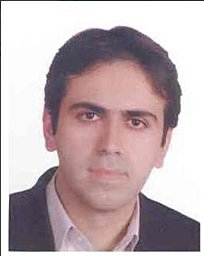 Azimi Amirreza合作论文数Neurosci Inst, Univ Tehran Med Sci6
 Akbarpour Samaneh合作论文数6
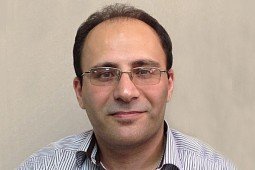 Moghadasi Abdorreza Naser合作论文数Sina Hospital, Tehran University of Medical Sciences6
 Fatemeh Sadat Asgarian合作论文数Social Determinants Hlth SDH Res Ctr, Kashan Univ Med Sci5
 Rahim Badrfam合作论文数Roozbeh Hosp5
 Sharafi Elham合作论文数Sports Medicine Research Center, Tehran University of Medical Sciences5
 Maryam Noroozian合作论文数Roozbeh Psychiatric Hospital, Tehran University of Medical Sciences5Mohammad Arbabi合作论文数5
 Farshad Sharifi合作论文数Endocrinology and Metabolism Research Center, Tehran University of Medical Sciences5
 Mohammad Hossein Sadeghian合作论文数School of Medicine, Tehran University of Medical Sciences4
 Amin Nakhostin-Ansari合作论文数Neuroscience Institute, Tehran University of Medical Sciences4
 Ali-Akbar Nejatisafa合作论文数Department of Psychiatry, Tehran University of Medical Sciences;Psychiatry and Psychology Research Center, Tehran University of Medical Sciences;Tehran University of Medical Sciences, Tehran University of Medical Sciences4Nazila Shahmansouri合作论文数4
 Mohsen Esfandbod合作论文数3Marzieh Mahboobi合作论文数School of Public Health, Isfahan University of Medical Sciences3
 Morvarid Noormohammadi合作论文数School of Public Health, Iran University of Medical Sciences3
 Atefeh Zandifar合作论文数Social Determinants Hlth Res Ctr, Alborz Univ Med Sci3
 Zahra Hooshyari合作论文数Ziaeian Hosp, Univ Tehran Med Sci3
 Farzad Shidfar合作论文数Dept . of Nutrition;School of Public Health;Dept . of Nutrition|School of Public Health3
 Mitra Akhlaghi合作论文数School of Medicine, Tehran University of Medical Sciences3
 Fatemeh Assarian合作论文数3Fatemeh Sadat Ghoreishi合作论文数2Fatemeh Fathi合作论文数2Fatemeh Ghosi合作论文数2Niusha Akbari Saneh合作论文数2Helia Tarighatnia合作论文数2Pardis Salehi Yegaei合作论文数2
 Fatemeh Ghasemi Sakha合作论文数2
 Ashraf Rouhbakhsh合作论文数2Maryam Bidadian合作论文数2
 Camellia Akhgarjand合作论文数Dept Clin Nutr, Univ Tehran Med Sci2
 Sahar Ansari合作论文数Psychosomat Med Res Ctr, Univ Tehran Med Sci2
 Moazzeni Seyed Mohammad合作论文数Dept Immunol, Tarbiat Modares Univ2
 Shahin Akhondzadeh合作论文数Psychiatric Research Center, Tehran University of Medical Sciences2
 Elham Navab合作论文数School of Nursing and Midwifery, Tehran University of Medical Sciences2Najafi Atabak合作论文数Dept Anesthesiol & Crit Care, Univ Tehran Med Sci2Alemohammad Zahra Banafsheh合作论文数Tehran University of Medical Sciences, Tehran University of Medical Sciences2
 Vaezi Gholamhassan合作论文数Department of Biology, Islamic Azad University2
 Mojtaba Habibi Asgarabad合作论文数Family Research Institute, Shahid-Beheshti University2
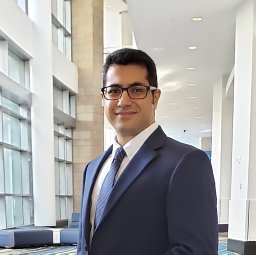 Ehsan Moazen Zadeh合作论文数Tehran Psychiatric Institute, Iran University of Medical Sciences2Owji Mahsa合作论文数Sina Hospital, Tehran University of Medical Sciences2
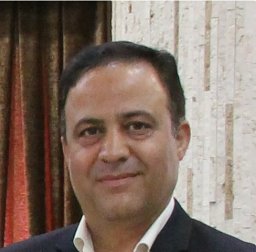 Hossein Fallah合作论文数Faculty of Health, Shahid Sadoughi University of Medical Sciences2
 Ghadiri Fereshteh合作论文数Department of Surgery, Tehran University of Medical Sciences2
 Zahra Sepehrmanesh合作论文数Kashan University of Medical Sciences2Nora Wiium合作论文数2
 Afshin Ahmadvand合作论文数Kashan University of Medical Sciences2




