Background: Major depressive disorder (MDD) frequently occurs alongside coronary artery disease (CAD), worsening cardiovascular outcomes. Cilostazol is a phosphodiesterase 3 inhibitor used as an antiplatelet agent with potential antidepressant effects. This study evaluated the efficacy of cilostazol for treating depressive symptoms in participants with CAD. Methods: This 6-week, double-blind, placebo-controlled clinical trial enrolled individuals with MDD and Hamilton Depression Rating Scale (HDRS) scores of 14 to 17 who had undergone percutaneous coronary intervention (PCI) or coronary artery bypass grafting (CABG). Participants were randomly assigned to receive cilostazol (100 mg/d) or placebo. Outcomes included HDRS scores and adverse events. Results: Baseline characteristics were similar between the groups (all P>.05). A significant time × treatment interaction effect on HDRS scores was observed (P=.037; partial η2=0.055). The cilostazol group showed greater reductions in HDRS scores through weeks 4 and 6 (P=.012 and P=.054, respectively). Adverse effects were not serious and were comparable between the groups (all P>.05). Conclusion: Cilostazol was beneficial and safe for treating depressive symptoms in individuals who had recently undergone PCI or CABG. Further studies are needed to support broader clinical application
This study was conducted with the aim of identifying indicators of spiritual resilience in disasters and emergencies. In this systematic review, English and Persian-language documents were searched in databases and 32 articles were included in the study. The extracted indicators in the field of spiritual resilience in disasters and emergencies were categorized into three domains: adherence to rituals, personal growth, and a sense of social responsibility. Based on the findings of this study and subsequent complementary research, it is possible to develop an assessment tool for measuring spiritual resilience in disasters and emergencies.
Understanding the prevalence of mental distress in hospitalized patients and identifying associated factors can help reduce the burden of mental disorders on their medical management and improve their quality of life. This study aimed to examine the prevalence of mental distress among hospitalized patients in general hospitals and assess its associated factors. In this cross-sectional study, we evaluated the mental health status of inpatients in seven cities in Iran, using the General Health Questionnaire-12 (GHQ-12), with a total GHQ-12 score ≥ 4 or higher categorized as “mentally distressed.” Statistical analyses were conducted using independent t-tests, one-way analysis of variance, and cross-tabulations. A total of 524 patients (347 females) were assessed, with 208 (38.7
Background and Objectives: Resilience is related to self-management and optimal use of energy resources in four areas: physical, mental, emotional and spiritual. The existence of different components of spirituality can have a positive effect on the resilience process of people in disasters. This study was conducted to explore the concept of spiritual resilience in disasters and identify its properties in the Iranian society. Methods: For this study, semi-structured interviews were held in 2022-2023. The interviewees were selected from Iranian subjects with sufficient knowledge and experience in spiritual resilience through purposive sampling. Data were collected and analyzed based on a qualitative approach using inductive content analysis. Results: After categorizing the codes obtained from 27 interviews, three categories, i.e., "the concept", "the properties", and "the consequences" of spiritual resilience in disasters and emergencies, were identified. Five subcategories, namely patience, preserving of one's existence, flexibility, recovery, and faith in a supernatural source, collectively formed the concept of resilience. According to the experts' opinions, spiritual resilience in disasters could be explored from three properties, including self-awareness, awareness of others, and theology. Conclusion: The originality of this paper can be valuable for decision-makers and managers in relevant organizations, as they can utilize the results to plan and implement essential intervention measures. By understanding the factors that contribute to spiritual resilience, these interventions can be designed to improve the overall spiritual resilience of society and mitigate the adverse impacts of disasters.
Purpose Social determinants of stressful events (SE) play an important role in justifying the cause of inequality in the experience of SE. The purpose of this study is to investigate the determinants that impact on inequality in the experience of SE. Design/methodology/approach The statistical population of this study includes all residents of Tehran. The statistical sample was 5,895 people who were selected by multistage cluster method and were proportional to the population size. The research tool is a researcher-made questionnaire designed to measure SE in Tehran, which includes 11 psychological stressors. The Oaxaca–Blinder decomposing method was used to analyze data. Findings In a total of 11 psychological SE, in 6 of those events, there was significant inequality in the experience of SE. Concentration Index (CI) of political SE is (CI = −0.27, 95% CI: −0.47, −0.07) and in favor of the rich (pro-rich). Education (OR = 1.60) in poor group and region development in poor and rich (respectively in all of the following) (OR = 0.42–0.73) are the main determinants of inequality in this stressor. CI of neighborhood underdevelopment SE is (CI = −0.47, 95% CI: 0.66, −0.28) and pro-rich. Education (OR = 1.26–1.27) and region development (OR = 1.18–2.24) are the main determinants of inequality in this stressor. CI of livelihood problems SE is (CI = −0.58, 95% CI: 0.68, −0.32) and pro-rich. Education (OR = 1.40) and health status (OR = 1.63) in poor group are the main determinants of inequality in this stressor. CI of future uncertainty SE is (CI = −0.12, 95% CI: 0.34, −0.08) and pro-rich. Gender (OR = 1.22) in poor group and region development (OR = 0.24–0.58) are the main determinants of inequality in this stressor. CI of education problems (CI = 0.19, 95% CI: 0.05, 0.32) and pro-poor. Age (OR = 0.32–0.34) and education (OR = 3.65–3.30) are the main determinants of inequality in this stressor. CI of housing problems is (CI = −0.29, 95% CI: −0.49, −0.08) and pro-rich. Education (OR = 1.31) and region development (OR = 1.64) in poor group are the main determinants of inequality in this stressor. Research limitations/implications The first limitation is related to the level of data analysis, and the second limitation is the lack of comprehensive data on social determinants. Practical implications Social determinants affecting the formation of inequality in the experience of SE. Some social determinants, such as the level of education and development of the region, play a more prominent role in justifying inequality in the experience of stress between rich and poor groups. Social implications Inequality in the experience of SE is a serious threat to mental and social health. One of the ways to reduce the experience of psychological and social stress is to pay attention to social determinants that play a role in the formation of stress. Originality/value This original paper was conducted by examining the effect of social determinants on the formation of inequality in the experience of stress, which draws the serious attention of policymakers.
AbstractAimThe aim of this study was to evaluate the short‐term and long‐term effects of routine repetitive transcranial magnetic stimulation (rTMS) on the sleep duration, depressive symptoms, and quality of life of patients with treatment‐resistant depression (TRD).MethodsIn this prospective cohort study, 25 participants with TRD were assessed using the Insomnia Severity Index (ISI) and four sleep duration components of the Pittsburgh Sleep Quality Index (PSQI). Depression severity was measured with Hamilton's Depression Rating Scale (HDRS) and Beck's Depression Inventory (BDI‐II), and patient‐perceived quality of life with the 36‐Item Short‐Form Survey (SF‐36). All of these measures were evaluated at baseline (T0), and immediately (T1), 6 weeks (T2), and 12 weeks (T3) after the end of intervention.ResultsAt T1 endpoint, HDRS, BDI, SF‐36, ISI, and three PSQI items (time to wake up, time taken to fall asleep, and Real Sleep Time) significantly improved, though these gains were reduced at follow‐up endpoints (T2 and T3). Adjusting for confounders (age, sex, occupational status, BMI, and hypnotic medication) revealed that only improvements in HDRS, BDI, and time taken to fall asleep at T1 remained statistically significant. Linear regression analyses showed no significant association between reduced time taken to fall asleep and depression symptoms, suggesting rTMS can independently enhance this parameter, irrespective of depression resolution.ConclusionRoutine rTMS therapy can potentially enhance sleep duration in TRD individuals, alongside improved depressive symptoms and quality of life. However, these benefits tend to decrease over long‐term follow‐up, emphasizing a more pronounced short‐term efficacy of rTMS.
Objectives Cancer is a chronic and life-threatening disease. More than 50% of patients with cancer suffer from some psychological disorders. Compassion-focused therapy (CFT) is a new approach in psychology. This study aimed to evaluate the effectiveness of CFT on some Pychological Sympthoms and quality of life of cancer patients. Methods This is a randomized clinical trial with a pre-test-post-test design. Thirty cancer patients referred to the chemotherapy ward of Imam Khomeini Hospital in Tehran, Iran, were selected by a convenience sampling method and randomly assigned to intervention and control groups. The intervention group received CFT for 8 weeks. All participants were assessed by self-compassion scale (SCS), depression anxiety stress (DASS), and EORTC QLQ-C30 before, immediately after the intervention. Data were analyzed by Multivariate analysis of covariance (MANCOVA) and univariate analysis of covariance (ANCOVA)with SPSS software, version 23. Results Anxiety, depression, and stress were significantly reduced in the intervention group in the post-test and follow-up phases (P<0.01). the quality of life significantly increased after treatment compared to the control group. Conclusion CFT can be an effective treatment for reducing depression, anxiety, and stress and improving the QoL of patients with cancer.
Transcranial direct current stimulation (tDCS) has been increasingly applied in fibromyalgia (FM) to reduce pain and fatigue. While results are promising, observed effects are variable, and there are questions about optimal stimulation parameters such as target region (e.g., motor vs. prefrontal cortices). This systematic review aimed to provide the latest update on published randomized controlled trials with a parallel-group design to examine the specific effects of active tDCS in reducing pain and disability in FM patients. Using the PRISMA approach, a literature search identified 14 randomized controlled trials investigating the effects of tDCS on pain and fatigue in patients with FM. Assessment of biases shows an overall low-to-moderate risk of bias. tDCS was found effective in all included studies conducted in patients with FM, except one study, in which the improving effects of tDCS were due to placebo. We recommended tDCS over the motor and prefrontal cortices as “effective” and “probably effective” respectively, and also safe for reducing pain perception and fatigue in patients with FM, according to evidence-based guidelines. Stimulation polarity was anodal in all studies, and one single-session study also examined cathodal polarity. The stimulation intensity ranged from 1-mA (7.14% of studies) to 1.5-mA (7.14% of studies) and 2-mA (85.7% of studies). In all of the included studies, a significant improvement in at least one outcome variable (pain or fatigue reduction) was observed. Moreover, 92.8% (13 of 14) applied multi-session tDCS protocols in FM treatment and reported significant improvement in their outcome variables. While tDCS is therapeutically effective for FM, titration studies that systematically evaluate different stimulation intensities, durations, and electrode placement are needed.
War as an unpleasant and stressful phenomenon could be the cause of psychiatric disorders. This study aims to collect and compare conducted research to estimate the prevalence of Post-Traumatic Stress Disorder (PTSD) in combatants, veterans, and freed soldiers of the 1980-88 Iran-Iraq war. This study is a case review study in which articles were found using keywords, such as Post-Traumatic Stress Disorder (PTSD), veterans, combatants, captive, soldiers and war in domestic and foreign databases, personal archives, libraries of Iran and Tehran Universities of Medical Sciences and the National Library. The cumulative incidence of PTSD was determined to be 27.8% in veterans, combatants, and freed soldiers. The prevalence of PTSD as seen in civilian and some military studies is less than the values determined in this study. Reasons for this discrepancy may be due to longer durations of exposure and greater numbers of in-the-field missions, multiple traumas, and higher rates of combat exposure, as well as differences in sampling and measurement strategies (e.g. the use of questionnaires instead of clinical interviews).
Depression is one of the current dilemmas in both developed and developing societies. Studies show that the severity of psychiatric symptoms is directly related to the degree of inflammation caused by cytokines secreted by the immune system. Hence, evaluating serum cytokine levels in patients with depression can help to understand the pathogenesis of the disease and make the best therapeutic decisions. The present study investigated the levels of inflammatory cytokines, tumor necrosis factor-α (TNF-α), interleukin-1 (IL-1), and interleukin-6 (IL-6) in patients with major depression or bipolar disorder during depressive episodes (BDDE) before and after a 6-month pharmaceutical intervention. Patients referring to 3 clinics were recruited for the study. The diagnosis of major depression or bipolar disorder in a depressive phase was made according to the Diagnostic and Statistical Manual of Mental Disorders -5(DSM-5) criteria. There was a significant difference in depression levels between the pre-intervention and 6-month follow-up in both groups. After 6 months, IL-1 and IL-6 levels in the bipolar disorder group had decreased while TNF-α levels had increased. There was also a significant difference between pre-intervention and follow-up levels of IL-1. Serum levels of IL-1 and IL-6 decreased significantly in both groups after the 6-month follow-up, and symptom improvement was observed. TNF-α levels, on the other hand, decreased in the major depression group but increased in the bipolar disorder group. Considering that inflammation is a major outcome of depression, treatment strategies to reduce inflammation could be a practical approach to improving psychiatric symptoms.
Mental health disorders (MHD) impose a considerable burden on public health systems. With an increasing worldwide trend in urbanization, urban mental health stressors are affecting a larger population. In this study, we evaluated the epidemiology of mental health disorders in the citizens of Tehran using the Tehran Cohort Study (TeCS) data. We utilized data from the TeCS recruitment phase. A total of 10,247 permanent residents of Tehran metropolitan (aged 15 years and older) were enrolled in the study from March 2016 to 2019 via systematic random sampling from all 22 districts of Tehran. The participant's demographic, socioeconomic, and medical characteristics were evaluated by conducting comprehensive interviews. The standardized Persian version of the General Health Questionnaire version 28 was utilized to assess the mental status of the patients according to four central mental health disorders. Almost 37.1
OBJECTIVES:This is an investigation of the efficacy and safety of famotidine, a selective histamine H2 receptor antagonist, on improvement of cognitive impairment, depression and anxiety symptoms developing post-COVID-19, in a 12-week, randomized controlled trial. METHODS:A total of 50 patients with a confirmed diagnosis of COVID-19 and a score ≤ 23 on the Mini-Mental State Examination (MMSE) test or a score ≤ 22 on the Montreal Cognitive Assessment (MoCA) were randomly assigned to either the famotidine (40 mg twice daily) or the placebo group. Changes in MMSE scores at weeks 6 and 12 were the primary outcome, while changes in other scales were the secondary outcomes. Participants and evaluators were blinded. RESULTS:At weeks 6 and 12, patients in the famotidine group had significantly higher MMSE scores (p = 0.014, p < 0.001, respectively). Regarding the MoCA scale, the famotidine group had a significantly higher score at weeks 6 and 12 (p = 0.001, p < 0.001, respectively). Considering the HAM-D scale (Hamilton Depression Rating Scale), at weeks 6 and 12, the famotidine group experienced a larger reduction (p = 0.009, p = 0.02, respectively). Additionally, comparison of the HAM-A scale scores (Hamilton Anxiety Rating Scale) at weeks 6 and 12 showed a statistically significant larger reduction in the famotidine group (p = 0.04, p = 0.02, respectively). The two groups did not differ in the frequency of adverse effects. CONCLUSION:Our study supports safety and efficacy of famotidine in treating cognitive impairment, depression and anxiety symptoms induced by COVID-19. TRIAL REGISTRATION:This trial was registered at the Iranian registry of clinical trials (IRCT: www.irct.ir; registration number: IRCT20090117001556N138).
Abstract Background COVID-19 spread between and across nearly every country, with considerable negative health consequences. The current study aimed to determine the prevalence of violence and its association with mental health among Iranians older than 15 years in 2020. Methods Data was collected through National Mental Health Survey on 24,584 Iranians older than 15 years in 2020. were analyzed to determine the prevalence of violence and its association with mental health. Multi-stage sampling method was used, and data on demographic characteristics and domestic-social violence and mental health (GHQ-28) were collected. Data analysis was administered using descriptive statistics and a chi-square test at a 95% level. Results The mean age of participants was 44.18 ± 16.4 years. The overall prevalence of domestic and social violence was 11.4% and 5.5%, respectively. Verbal violence was the most common type; with 61.8% and 66.8% for domestic and social violence, respectively. A suspected case of mental disorder, female gender, being younger than 25 years, living apart together, unemployment, low education, and history of COVID-19 infection presented a significant association with domestic and social violence (p > 0.05). Conclusion In comparison to the previous study in 2015, the prevalence of violence has increased. Therefore, domestic and social violence are the social concerns of Iranian society, indicating the necessity of appropriate interventions, particularly for those suspected of mental disorders and young women with low education levels.
Background As stigma is one of the main barriers in promoting the mental health, the present study was designed with the purpose of reviewing clergy's viewpoint regarding the effect of mental health workshops on these barriers. Methods For this study, by order of Iran's Health Ministry, a questionnaire was designed to examine the clergy's viewpoint related to mental illnesses and the consequent stigma. Ten faculty members and psychiatrists confirmed the questionnaire's validity after some modifications. In this research, 30 members of the clergy from the main religious city in Iran's “Qom” Seminary attended the training workshops for 2 days. The data obtained from the clergy's responses were analyzed using the SPSS software (ver.16) and descriptive and analytical tests. Also, the significance level was considered p < 0.05 in all tests. The results exhibited that the mean and standard deviation (Mean ± SD) of the clergy's attitude domain and awareness before the workshop was 1.90 ± 26.30 and 8.31 ± 1.64, respectively. Also, average and standard deviation (Mean ± SD) of their attitude domain and awareness after the workshop was 1.95 ± 29.73 and 1.18 ± 10.70, respectively. Discussion The present study, which was designed to examine the clergy's viewpoint toward mental illnesses and the consequent stigma in the most considerable religious base in the country, illustrated that one strategy for reducing mental illness stigma in religious communities can be by holding training sessions to promote the clergy's awareness of and attitude toward mental health. Conclusion There was a significant statistical difference between their awareness and attitude scores before and after the workshop (p < 0.01). In the present research, the awareness and attitude of clergy toward mental health and stigma due to mental illness was relatively good and significantly increased by holding the workshop.
Background: In this study, screening of mental health problems among Health Care Workers (HCWs) was performed in order to assess the prevalence and severity of depression, anxiety, and perceived stress at Iran’s largest teaching hospital during the COVID-19 pandemic. Methods: In this cross-sectional study, HCWs who were working professionally in specific wards for COVID-19 patients were selected by availability sampling. The patients who met the inclusion criteria and answered the submitted questions were included in the study. Next, two instruments including HADS (Hospital Anxiety and Depression Scale) and PSS-4 (Perceived Stress Scale-4) were used. Results: The study was conducted on 306 HCWs. The mean score and standard deviation of depression, anxiety, and perceived stress were 6.33±4.10, 8.33±4.29, and 6.88±2.90, respectively. Fifty-four percent and 36.6% of the participants showed some degree of anxiety and depression, respectively. Conclusion: It is necessary to use screening methods for psy- chological disorders among HCWs, along with psychosocial support and appropriate psychological interventions in this field.
Background: The main objectives of this study were the translation, cultural adaptation, and assessment of the psychometric properties of the Persian version of Mini International Neuropsychiatric Interview (MINI). Methods: All processes of linguistic methodology were conducted according to the published guidelines. A total of 180 patients with psychiatric problems were interviewed using MINI and Structured Clinical Interview for DSM-5(R) - Clinician Version (SCID-5-CV) by different interviewers. Another 30 patients were selected for examining the test-retest reliability. The study sample was recruited from a psychiatric hospital and a general hospital in Tehran, Iran. Face validity, feasibility, time of the interview, test-retest reliability, and concurrent validity were evaluated. Results: Mean interview time was 19.76±10.30 minutes, indicating satisfactory feasibility. The test-retest reliability was very good (phi=2, Cramer’s V=0.89, P<0.0001). The kappa values showed good or excellent agreement between MINI and SCID-5-CV for psychotic disorders (0.88), substance-related disorders (0.86), bipolar disorder (0.85), major depressive disorder (0.84), obsessive-compulsive disorder (0.74), and mental disorder due to other medical disorders (0.7). However, the kappa values were found to be lower for generalized anxiety disorder (0.44) and posttraumatic stress disorder (0.32) diagnoses. Conclusion: The Persian version of MINI is a feasible, reliable, and valid instrument for diagnosing some mental disorders. Further research is needed to evaluate the validity of this instrument in other categories of psychiatric diagnoses in the general population.
Objective. Obsessive-compulsive disorder (OCD) is a frequent and disabling neuropsychiatric disorder with a lifetime prevalence of 3%. About 40% to 60% of patients show no or just partial symptom improvement to treatment with a first-line drug and cognitive behavior therapy. Ten percent of patients remain treatment refractory despite several treatments. For these patients, repetitive Transcranial Magnetic Stimulation (rTMS) has been suggested as a treatment option. Method. We investigated the efficacy of rTMS on the Supplementary Motor Area (SMA) in 16 right handed pharmaco-resistant OCD patients in an outpatient setting. The patients have been diagnosed with OCD by two psychiatrists and referred for rTMS intervention. Patients received 16 sessions of low frequency (0.5 HZ) rTMS on SMA,100% motor threshold, 1200 stimuli/day for 40 minutes every other day. OCD, depression, and anxiety symptoms were measured at baseline, 2, 6, and 12 weeks by Yale-Brown Obsessive Compulsive Scale(Y-BOCS) and Hamilton Depressive and Anxiety rating scales (HAM-D and HAM-A). We assessed the side effects of rTMS by a self-administrative questionnaire. Results. Patients' scores in Y-BOCS, HAM-D, and HAM-A were significantly decreased following rTMS treatment. The baseline and 12 weeks scores of Y-BOCS were 28.94 and 18.31 (P-value < 0.01), HAM-D were 14.69 and 7.94 (P-value <0.01) and HAM-A were 16.38 and 6.94 (P- value < 0.01), respectively. The patients reported no serious side effects of rTMS except two case that reported light headach. Conclusion. This study showed that low-frequency rTMS on SMA improved OCD, anxiety, and depression symptoms after 16 sessions.
BACKGROUND:Covid-19 patients suffer from psychiatric disorders too. The present study was designed to investigate the rate of psychiatric consultation requests in a general hospital. Reasons for consultation requests, types of psychiatric diagnoses, and factors in consultation requests were also investigated.METHODS:This cross-sectional study included all patients admitted with Covid-19 and referred to psychiatric consultation service in a major Covid-19 center in Tehran, Iran (2020). After acceing patients' electronic files, records of patients' demographic information, positive psychiatric symptoms, past psychiatric history and DSM5 diagnoses were made. Statistical analyses were done in SPSS 26 using descriptive statistics and chi-square and Fisher's exact test (p<0.05).RESULTS:Out of 1791 Covid-19 hospitalized patients, 132 patients (7.3%) had been referred to psychiatric consultation service. The most common reason for requests were restlessness and aggression (23.5%). Meanwhile, 92.4% of the patients were diagnosed to suffer from at least one psychiatric disorder including insomnia (64%), delirium (30.3%), anxiety due to hypoxia (15.3%) and generalized anxiety disorder (10.6%).CONCLUSION:Although studies report a high prevalence of psychiatric disorders in Covid-19 patients, requests for psychiatric consultations and consideration of psychiatric disorders are still remarkably low. The most common disorders appeared to be insomnia, delirium and anxiety.
Background: This study aimed to evaluate the prevalence of domestic and non-domestic violence (outside home) in Iran during 2015. Methods: This descriptive cross-sectional study was conducted on individuals aged 15 and older living in urban and rural areas of Iran. A total of 36,600 people from 31 provinces of Iran were selected by systematic and cluster random sampling using the postal code available in the country’s post office software. A researcher-made survey questionnaire was used for evaluating violence. The data were analyzed using SPSS software version 20. Results: A total of 23.1% of individuals have admitted domestic violence towards their families in the last 12 months, and 8.1% have admitted non-domestic violence in the past 30 days. The prevalence of domestic and non-domestic violence was higher among males than females and in urban areas than rural places. In addition, the highest prevalence rate of domestic violence in the last 12 months was related to Lorestan province. Tehran province had the highest prevalence rate of non-domestic violence during the last 30 days. However, the lowest prevalence rate of domestic and non-domestic violence was related to Qom province. Conclusions: Based on the results, the prevalence rate of 23.1% of domestic violence and 8.1% of non-domestic violence necessitates preventing and treating this social problem. Therefore, health authorities need to take necessary action to raise awareness and reduce the risk-taking behaviors of the population in Iran.
 Shahin Akhondzadeh合作论文数Psychiatric Research Center, Tehran University of Medical Sciences22
 Mohammad Arbabi合作论文数15
 Soghrat Faghihzadeh合作论文数Department of Biostatistics, Tarbiat Modarres University14Nasrin Abedinia合作论文数14
 Ahmad Alipour合作论文数School of Public Health, Tehran University of Medical Sciences12Seyed Abbas Bagheri Yazdi合作论文数11Nazila Shahmansouri合作论文数9
 Ahmad Hajebi合作论文数Tehran Psychiatric Institute, Iran University of Medical Sciences (IUMS),9
 Koorosh Kamali合作论文数8
 Sharafi Elham合作论文数Sports Medicine Research Center, Tehran University of Medical Sciences8
 Elham Faghihzadeh合作论文数8Fatemeh Alijaniha合作论文数Traditional Medicine Clinical Trial Research Center, Shahed University7
 Ali-Akbar Nejatisafa合作论文数Department of Psychiatry, Tehran University of Medical Sciences;Psychiatry and Psychology Research Center, Tehran University of Medical Sciences;Tehran University of Medical Sciences, Tehran University of Medical Sciences7
 Etesam Farnaz合作论文数Baharloo Hospital, Tehran University of Medical Sciences7
 Sahar Ansari合作论文数Psychosomat Med Res Ctr, Univ Tehran Med Sci6
 Naseri Mohsen合作论文数6
 Babamahmoodi Abdolreza合作论文数Health Management Research Center, Baqiyatallah University of Medical Sciences6Mostafa Ghanei合作论文数6
 Mojgan Agah合作论文数Payam-e-noor university5
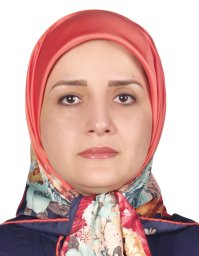 Bita Mesgarpour合作论文数School of Medicine, Tehran University of Medical Sciences5
 Mamak Shariat合作论文数Maternal Fetal & Neonatal Res Ctr, Univ Tehran Med Sci5Rahgozar Mehdi合作论文数5Mohammad Reza Vaez Mahdavi合作论文数5
 Arsia Taghva合作论文数Faculty of Medicine, Army University of Medical Sciences5
 Mohammad Reza Mohammadi合作论文数Psychiatry and Psychology Research Center, Tehran University of Medical Sciences5Hossein Malekafzali合作论文数5
 Zahra Arefnasab合作论文数5Arefeh Erfan合作论文数4
 Morteza Jafarinia合作论文数Shiraz Neuroscience Research Center, Shiraz University of Medical Sciences4
 Rahim Badrfam合作论文数Roozbeh Hosp4
 Amir Mohsen Rahnejat合作论文数Faculty of Medicine, Aja University of Medical Sciences4
 Asadi-Lari Mohsen合作论文数Dept Epidemiol, Iran Univ Med Sci4
 Ahmadian-Attari Mohammad Mahdi合作论文数School of Traditional Medicine, Shahid Beheshti University of Medical Sciences4Razaghi Emran M合作论文数4
 Emadi Fatemeh合作论文数4
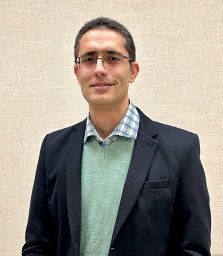 Mohammadi Abolfazl合作论文数School of Medicine, Tehran University of Medical Sciences4Ahmad Ghanizadeh合作论文数4
 Hamid Reza Naghavi合作论文数Roozbeh Hospital, Tehran University of Medical Sciences4
 Hassan Rafiey合作论文数Iranian Research Center for Substance Abuse and Dependence (IRCSAD),, University of Social Welfare and Rehabilitation Science4
 Jafar Bolhari合作论文数Mental Health Research Centre, Iran University of Medical Sciences4
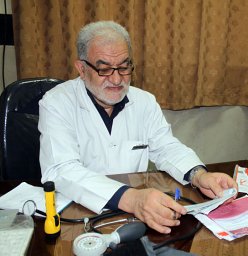 Farhang Babamahmoodi合作论文数Sari School of Medicine, Mazandaran University of Medical Sciences4
 Minoo Mohraz合作论文数4
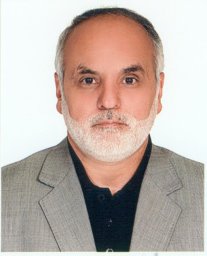 Mahmoud Mosaddegh合作论文数Traditional Medicine & Materia Medica Research Center;Shaheed Beheshti University;Traditional Medicine & Materia Medica Research Center, Shaheed Beheshti University4Alireza Khoshdel合作论文数3Mehrnaz Rasoolinajad合作论文数3
 Fateh Tavangar合作论文数3
 Farhad Nosrati Nejad合作论文数Social Welfare Management Research Center, University of Social Welfare and Rehabilitation Science3
 Mostafa Araj-Khodaei合作论文数Dept Persian Med, Tabriz Univ Med Sci3
 Zahra Parsian合作论文数Emergency Medicine Research Team, Tabriz University of medical sciences3




