You have accessJournal of UrologyCME1 May 2022MP55-06 FOCAL ABLATIVE SALVAGE THERAPY FOR RADIO-RECURRENT PROSTATE CANCER: 6 YEAR ONCOLOGICAL AND SAFETY OUTCOMES Deepika Reddy, Max Peters, Taimur Shah, Marieke van Son, Mariana Tanaka Bertoncelli, Philipp Huber, Derek Lomas, Arnas Rakauskas, Saiful Miah, David Eldred-Evans, Stephanie Guillaumier, Feargus Hosking-Jervis, Ryan Engle, Tim Dudderidge, Richard Hindley, Amr Emara, Raj Nigam, Neil McCartan, Massimo Valerio, Naveed Afzal, Henry Lewi, Clement Orczyk, Chris Ogden, Iqbal Shergill, Raj Persad, Jaspal Virdi, Stuart McCracken, Damian Greene, Caroline Moore, Manit Arya, Mathias Winkler, Mark Emberton, and Hashim Ahmed Deepika ReddyDeepika Reddy More articles by this author , Max PetersMax Peters More articles by this author , Taimur ShahTaimur Shah More articles by this author , Marieke van SonMarieke van Son More articles by this author , Mariana Tanaka BertoncelliMariana Tanaka Bertoncelli More articles by this author , Philipp HuberPhilipp Huber More articles by this author , Derek LomasDerek Lomas More articles by this author , Arnas RakauskasArnas Rakauskas More articles by this author , Saiful MiahSaiful Miah More articles by this author , David Eldred-EvansDavid Eldred-Evans More articles by this author , Stephanie GuillaumierStephanie Guillaumier More articles by this author , Feargus Hosking-JervisFeargus Hosking-Jervis More articles by this author , Ryan EngleRyan Engle More articles by this author , Tim DudderidgeTim Dudderidge More articles by this author , Richard HindleyRichard Hindley More articles by this author , Amr EmaraAmr Emara More articles by this author , Raj NigamRaj Nigam More articles by this author , Neil McCartanNeil McCartan More articles by this author , Massimo ValerioMassimo Valerio More articles by this author , Naveed AfzalNaveed Afzal More articles by this author , Henry LewiHenry Lewi More articles by this author , Clement OrczykClement Orczyk More articles by this author , Chris OgdenChris Ogden More articles by this author , Iqbal ShergillIqbal Shergill More articles by this author , Raj PersadRaj Persad More articles by this author , Jaspal VirdiJaspal Virdi More articles by this author , Stuart McCrackenStuart McCracken More articles by this author , Damian GreeneDamian Greene More articles by this author , Caroline MooreCaroline Moore More articles by this author , Manit AryaManit Arya More articles by this author , Mathias WinklerMathias Winkler More articles by this author , Mark EmbertonMark Emberton More articles by this author , and Hashim AhmedHashim Ahmed More articles by this author View All Author Informationhttps://doi.org/10.1097/JU.0000000000002634.06AboutPDF ToolsAdd to favoritesDownload CitationsTrack CitationsPermissionsReprints ShareFacebookLinked InTwitterEmail Abstract INTRODUCTION AND OBJECTIVE: Radiotherapy is effective in the treatment of non-metastatic prostate cancer. When recurrence occurs, patients are usually managed with watchful waiting and systemic therapy due to significant urinary and rectal morbidity resulting from salvage prostatectomy. Focal ablative salvage therapy (FAST) may provide oncological control with fewer adverse effects. We report on outcomes following FAST using high intensity focused ultrasound (HIFU) or cryotherapy. METHODS: Within the UK’s HEAT and ICE prospective registries, 288 consecutive patients across 8 sites underwent FAST for recurrence after radiotherapy (11/2006-7/2020). 221 (76.5%) underwent HIFU and 67 (23.2%) underwent cryotherapy (for mostly anterior or T3b disease). Follow-up data was available in 265 cases. Primary outcome was failure-free survival (FFS) defined as avoidance of systemic therapy, whole-gland treatment, metastases or prostate cancer-specific death. Secondary outcomes were retreatment- free survival, overall survival and adverse events. RESULTS: Median (IQR) age was 70 years (66-74) and PSA 5.3 ng/ml (3.3-8.2). 188/288 (65.3%) had rT2 and 68 (23.6%) rT3 disease, 105 (36.5%), 89 (30/9%) and 62 (21.5%) had ISUP Grade Group 2, 3 and >3 respectively. Overall median (IQR) follow-up was 23.3 months (12.6- 44.9). FFS (95% CI) at 6 years was 77% (66-90%), respectively [Figure 1]. Retreatment- free survival at 6 years was 77% (66-90%) [Figure 2]. Overall survival (95% CI) at 6 years was 82% (73-94%). Adverse events were reported in 7.3% (21/288) patients. Overall, 1 (0.3%) was managed for fistula formation, 17 (5.9%) were treated for urine infections, 1 (0.3%) for haematuria managed as an outpatient and 1 for pubic bone osteitis. CONCLUSIONS: Focal ablative salvage therapy for radio-recurrent prostate cancer has low rates of significant adverse events and provides good short to medium-term oncological control. Source of Funding: No external sources of funding © 2022 by American Urological Association Education and Research, Inc.FiguresReferencesRelatedDetails Volume 207Issue Supplement 5May 2022Page: e938 Advertisement Copyright & Permissions© 2022 by American Urological Association Education and Research, Inc.MetricsAuthor Information Deepika Reddy More articles by this author Max Peters More articles by this author Taimur Shah More articles by this author Marieke van Son More articles by this author Mariana Tanaka Bertoncelli More articles by this author Philipp Huber More articles by this author Derek Lomas More articles by this author Arnas Rakauskas More articles by this author Saiful Miah More articles by this author David Eldred-Evans More articles by this author Stephanie Guillaumier More articles by this author Feargus Hosking-Jervis More articles by this author Ryan Engle More articles by this author Tim Dudderidge More articles by this author Richard Hindley More articles by this author Amr Emara More articles by this author Raj Nigam More articles by this author Neil McCartan More articles by this author Massimo Valerio More articles by this author Naveed Afzal More articles by this author Henry Lewi More articles by this author Clement Orczyk More articles by this author Chris Ogden More articles by this author Iqbal Shergill More articles by this author Raj Persad More articles by this author Jaspal Virdi More articles by this author Stuart McCracken More articles by this author Damian Greene More articles by this author Caroline Moore More articles by this author Manit Arya More articles by this author Mathias Winkler More articles by this author Mark Emberton More articles by this author Hashim Ahmed More articles by this author Expand All Advertisement PDF downloadLoading ...
You have accessJournal of UrologyCME1 May 2022PD17-01 DERIVATION AND EXTERNAL VALIDATION OF A RAPID RISK SCORE FOR PREDICTING CLINICALLY SIGNIFICANT PROSTATE CANCER IN MEN WITH AN MRI VISIBLE LESION: A MULTINATIONAL COHORT STUDY Max Peters, David Eldred-Evans, Piet Kurver, Ugo Giovanni Falagario, Martin J. Connor, Joost J.C. Verhoeff, Giuseppe Carrieri, Luigi Cormio, Pekka Taimen, Hannu J Aronen, Juha Knaapila, Ileana Montoya Perez, Otto Ettala, Armando Stabile, Giorgio Gandaglia, Nicola Fossati, Alberto Martini, Vito Cucchiara, Alberto Briganti, Anna Lantz, Wolfgang Picker, Erik Haug, Tobias Nordström, Mariana Bertoncelli Tanaka, Feargus Hosking-Jervis, Deepika Reddy, Edward Bass, Peter S.N. van Rossum, Suchita Joshi, Elizabeth Pegers, Kathie Wong, Henry Tam, David Hrouda, Stuart McCraken, Mathias Winkler, Stephen Gordon, Hasan Qazi, Peter J. Boström, Ivan Jambor, and Hashim U. Ahmed Max PetersMax Peters More articles by this author , David Eldred-EvansDavid Eldred-Evans More articles by this author , Piet KurverPiet Kurver More articles by this author , Ugo Giovanni FalagarioUgo Giovanni Falagario More articles by this author , Martin J. ConnorMartin J. Connor More articles by this author , Joost J.C. VerhoeffJoost J.C. Verhoeff More articles by this author , Giuseppe CarrieriGiuseppe Carrieri More articles by this author , Luigi CormioLuigi Cormio More articles by this author , Pekka TaimenPekka Taimen More articles by this author , Hannu J AronenHannu J Aronen More articles by this author , Juha KnaapilaJuha Knaapila More articles by this author , Ileana Montoya PerezIleana Montoya Perez More articles by this author , Otto EttalaOtto Ettala More articles by this author , Armando StabileArmando Stabile More articles by this author , Giorgio GandagliaGiorgio Gandaglia More articles by this author , Nicola FossatiNicola Fossati More articles by this author , Alberto MartiniAlberto Martini More articles by this author , Vito CucchiaraVito Cucchiara More articles by this author , Alberto BrigantiAlberto Briganti More articles by this author , Anna LantzAnna Lantz More articles by this author , Wolfgang PickerWolfgang Picker More articles by this author , Erik HaugErik Haug More articles by this author , Tobias NordströmTobias Nordström More articles by this author , Mariana Bertoncelli TanakaMariana Bertoncelli Tanaka More articles by this author , Feargus Hosking-JervisFeargus Hosking-Jervis More articles by this author , Deepika ReddyDeepika Reddy More articles by this author , Edward BassEdward Bass More articles by this author , Peter S.N. van RossumPeter S.N. van Rossum More articles by this author , Suchita JoshiSuchita Joshi More articles by this author , Elizabeth PegersElizabeth Pegers More articles by this author , Kathie WongKathie Wong More articles by this author , Henry TamHenry Tam More articles by this author , David HroudaDavid Hrouda More articles by this author , Stuart McCrakenStuart McCraken More articles by this author , Mathias WinklerMathias Winkler More articles by this author , Stephen GordonStephen Gordon More articles by this author , Hasan QaziHasan Qazi More articles by this author , Peter J. BoströmPeter J. Boström More articles by this author , Ivan JamborIvan Jambor More articles by this author , and Hashim U. AhmedHashim U. Ahmed More articles by this author View All Author Informationhttps://doi.org/10.1097/JU.0000000000002555.01AboutPDF ToolsAdd to favoritesDownload CitationsTrack CitationsPermissionsReprints ShareFacebookLinked InTwitterEmail Abstract INTRODUCTION AND OBJECTIVE: Although multi-parametric MRI has high sensitivity for significant prostate cancer (sPCa), the lower specificity, particularly with equivocal (PIRADS 3) lesions, can result in numerous unnecessary biopsies. We aimed to develop and externally validate a simple scoring system for men with a visible MRI lesion to reduce the number of prostate biopsies. METHODS: 1,189 consecutive men with a visible MRI lesion were identified from a prospective prostate cancer diagnostic registry. A total of 14 clinical and radiological MRI variables known to be associated with risk of sPCa were evaluated. Using multivariable logistic regression, we derived a parsimonious risk score for different definitions of sPCa.The performance of the risk score was internally validated and then externally validated across 6 international cohorts. For the final risk scores nomograms were created and analyses of clinical benefit were performed. RESULTS: For the primary endpoint (detection of ≥Gleason 3+4), the simplified RAPID risk score included age, PSA density (logged), prior negative biopsy, prostate volume and MRI Score (available at: https://rapidriskscore.shinyapps.io/RapidRiskScore1). The model had a discriminative ability (c-statistic or AUC) of 0.82 after internal validation which was similar in different years of data collection and in the external validation cohorts.This simplified model was compared to alternative models with additional clinical variables (including Afro-Caribbean ethnicity, DRE and a family history) and the clinical differences were negligible With thresholds for ≥Gleason 3+4 prostate cancer from 1-20% predicted by the model, the model was able to reduce the amount of biopsies up to 10.7%, while missing up to 1.9% of sPCa. The full models reduced biopsies up to 11.6%, albeit missing up to 2.4% sPCa. CONCLUSIONS: The basic RAPID risk score is a simple 5-item score which provides a standardized tool for prediction of sPCa in men with a visible MRI lesion. It is available online as an app and its performance has been externally validated across multiple external, geographically distinct and independent datasets. In the context of a risk-stratified MRI pathway, this tool can support patients and clinicians making decisions regarding the need for prostate biopsy. Source of Funding: None © 2022 by American Urological Association Education and Research, Inc.FiguresReferencesRelatedDetails Volume 207Issue Supplement 5May 2022Page: e336 Advertisement Copyright & Permissions© 2022 by American Urological Association Education and Research, Inc.MetricsAuthor Information Max Peters More articles by this author David Eldred-Evans More articles by this author Piet Kurver More articles by this author Ugo Giovanni Falagario More articles by this author Martin J. Connor More articles by this author Joost J.C. Verhoeff More articles by this author Giuseppe Carrieri More articles by this author Luigi Cormio More articles by this author Pekka Taimen More articles by this author Hannu J Aronen More articles by this author Juha Knaapila More articles by this author Ileana Montoya Perez More articles by this author Otto Ettala More articles by this author Armando Stabile More articles by this author Giorgio Gandaglia More articles by this author Nicola Fossati More articles by this author Alberto Martini More articles by this author Vito Cucchiara More articles by this author Alberto Briganti More articles by this author Anna Lantz More articles by this author Wolfgang Picker More articles by this author Erik Haug More articles by this author Tobias Nordström More articles by this author Mariana Bertoncelli Tanaka More articles by this author Feargus Hosking-Jervis More articles by this author Deepika Reddy More articles by this author Edward Bass More articles by this author Peter S.N. van Rossum More articles by this author Suchita Joshi More articles by this author Elizabeth Pegers More articles by this author Kathie Wong More articles by this author Henry Tam More articles by this author David Hrouda More articles by this author Stuart McCraken More articles by this author Mathias Winkler More articles by this author Stephen Gordon More articles by this author Hasan Qazi More articles by this author Peter J. Boström More articles by this author Ivan Jambor More articles by this author Hashim U. Ahmed More articles by this author Expand All Advertisement PDF downloadLoading ...
You have accessJournal of UrologyCME1 May 2022MP55-01 CANCER CONTROL OUTCOMES FOLLOWING FOCAL THERAPY USING HIFU IN 1,379 MEN WITH NON-METASTATIC PROSTATE CANCER: A MULTI-INSTITUTE 15-YEAR EXPERIENCE Deepika Reddy, Max Peters, Taimur Shah, Marieke van Son, Mariana Tanaka Bertoncelli, Philipp Huber, Derek Lomas, Arnas Rakauskas, Saiful Miah, David Eldred-Evans, Stephanie Guillaumier, Feargus Hosking-Jervis, Ryan Engle, Tim Dudderidge, Richard Hindley, Amr Emara, Raj Nigam, Neil McCartan, Massimo Valerio, Naveed Afzal, Henry Lewi, Clement Orczyk, Chris Ogden, Iqbal Shergill, Raj Persad, Jaspal Virdi, Caroline Moore, Manit Arya, Mathias Winkler, Mark Emberton, and Hashim Ahmed Deepika ReddyDeepika Reddy More articles by this author , Max PetersMax Peters More articles by this author , Taimur ShahTaimur Shah More articles by this author , Marieke van SonMarieke van Son More articles by this author , Mariana Tanaka BertoncelliMariana Tanaka Bertoncelli More articles by this author , Philipp HuberPhilipp Huber More articles by this author , Derek LomasDerek Lomas More articles by this author , Arnas RakauskasArnas Rakauskas More articles by this author , Saiful MiahSaiful Miah More articles by this author , David Eldred-EvansDavid Eldred-Evans More articles by this author , Stephanie GuillaumierStephanie Guillaumier More articles by this author , Feargus Hosking-JervisFeargus Hosking-Jervis More articles by this author , Ryan EngleRyan Engle More articles by this author , Tim DudderidgeTim Dudderidge More articles by this author , Richard HindleyRichard Hindley More articles by this author , Amr EmaraAmr Emara More articles by this author , Raj NigamRaj Nigam More articles by this author , Neil McCartanNeil McCartan More articles by this author , Massimo ValerioMassimo Valerio More articles by this author , Naveed AfzalNaveed Afzal More articles by this author , Henry LewiHenry Lewi More articles by this author , Clement OrczykClement Orczyk More articles by this author , Chris OgdenChris Ogden More articles by this author , Iqbal ShergillIqbal Shergill More articles by this author , Raj PersadRaj Persad More articles by this author , Jaspal VirdiJaspal Virdi More articles by this author , Caroline MooreCaroline Moore More articles by this author , Manit AryaManit Arya More articles by this author , Mathias WinklerMathias Winkler More articles by this author , Mark EmbertonMark Emberton More articles by this author , and Hashim AhmedHashim Ahmed More articles by this author View All Author Informationhttps://doi.org/10.1097/JU.0000000000002634.01AboutPDF ToolsAdd to favoritesDownload CitationsTrack CitationsPermissionsReprints ShareFacebookLinked InTwitterEmail Abstract INTRODUCTION AND OBJECTIVE: Focal therapy aims to treat areas of cancer to confer oncological control whilst reducing treatment-related functional detriment. We report oncological outcomes and adverse events following focal HIFU for treating non-metastatic prostate cancer. METHODS: 1379 patients with 6 months follow-up or greater prospectively recorded in the HEAT registry from 13 UK centres (2005-2020) were analysed. 5-year follow-up or greater was available in 325 (24%). Focal HIFU therapy used a transrectal ultrasound-guided device (Sonablate, Sonacare). Failure-free survival (FFS) was primarily defined as avoidance of no evidence of disease to require salvage whole-gland or systemic treatment, or metastases or prostate cancer-specific mortality. Differences in FFS between D’Amico risk groups were determined using log rank analysis. Adverse events were reported using Clavien-Dindo classification. RESULTS: Median (IQR) age was 66 years (60-71) and PSA 6.9 ng/ml (4.9- 9.4) with D’Amico intermediate in 65% (896/1379) and high-risk in 28% (386/1379). Overall median follow-up was 32 (17-58) months; for those with ≥5 years follow-up 82 (72-94). 252 had repeat focal due to residual or recurrent cancer; overall 92 patients required salvage whole-gland treatment. Overall, Kaplan-Meier 7-year FFS was 69% (64-74%) [Figure 1a]. 7-year FFS in intermediate and high-risk cancers was 68% (95%CI 62-75%) and 65% (95%CI 56-74%) (p=0.3) [Figure 1b]. Kaplan-Meier 7-year FFS in patients with at least 5 years follow up was 69% (64-74%). No difference in FFS (95% CI) at 7 years were demonstrated between intermediate and high- risk disease (68% (62-75%) vs 65% (56-74%)) respectively, p=0.3. Clavien-Dindo >2 adverse events occurred in 0.4% (6/1379). CONCLUSIONS: Focal HIFU in carefully selected patients with clinically significant prostate cancer, with 6 and 3 in 10 patients having intermediate and high-risk cancer, has good cancer control in the medium term. Source of Funding: This study had no external funding sources © 2022 by American Urological Association Education and Research, Inc.FiguresReferencesRelatedDetails Volume 207Issue Supplement 5May 2022Page: e936 Advertisement Copyright & Permissions© 2022 by American Urological Association Education and Research, Inc.MetricsAuthor Information Deepika Reddy More articles by this author Max Peters More articles by this author Taimur Shah More articles by this author Marieke van Son More articles by this author Mariana Tanaka Bertoncelli More articles by this author Philipp Huber More articles by this author Derek Lomas More articles by this author Arnas Rakauskas More articles by this author Saiful Miah More articles by this author David Eldred-Evans More articles by this author Stephanie Guillaumier More articles by this author Feargus Hosking-Jervis More articles by this author Ryan Engle More articles by this author Tim Dudderidge More articles by this author Richard Hindley More articles by this author Amr Emara More articles by this author Raj Nigam More articles by this author Neil McCartan More articles by this author Massimo Valerio More articles by this author Naveed Afzal More articles by this author Henry Lewi More articles by this author Clement Orczyk More articles by this author Chris Ogden More articles by this author Iqbal Shergill More articles by this author Raj Persad More articles by this author Jaspal Virdi More articles by this author Caroline Moore More articles by this author Manit Arya More articles by this author Mathias Winkler More articles by this author Mark Emberton More articles by this author Hashim Ahmed More articles by this author Expand All Advertisement PDF downloadLoading ...
BACKGROUND:Focal therapy aims to treat areas of cancer to confer oncological control whilst reducing treatment-related functional detriment. OBJECTIVE:To report oncological outcomes and adverse events following focal high-intensity focused ultrasound (HIFU) for treating nonmetastatic prostate cancer. DESIGN, SETTING, AND PARTICIPANTS:An analysis of 1379 patients with ≥6 mo of follow-up prospectively recorded in the HIFU Evaluation and Assessment of Treatment (HEAT) registry from 13 UK centres (2005-2020) was conducted. Five or more years of follow-up was available for 325 (24%) patients. Focal HIFU therapy used a transrectal ultrasound-guided device (Sonablate; Sonacare Inc., Charlotte, NC, USA). OUTCOME MEASUREMENTS AND STATISTICAL ANALYSIS:Failure-free survival (FFS) was primarily defined as avoidance of no evidence of disease to require salvage whole-gland or systemic treatment, or metastases or prostate cancer-specific mortality. Differences in FFS between D'Amico risk groups were determined using a log-rank analysis. Adverse events were reported using Clavien-Dindo classification. RESULTS AND LIMITATIONS:The median (interquartile range) age was 66 (60-71) yr and prostate-specific antigen was 6.9 (4.9-9.4) ng/ml with D'Amico intermediate risk in 65% (896/1379) and high risk in 28% (386/1379). The overall median follow-up was 32 (17-58) mo; for those with ≥5 yr of follow-up, it was 82 (72-94). A total of 252 patients had repeat focal treatment due to residual or recurrent cancer; overall 92 patients required salvage whole-gland treatment. Kaplan-Meier 7-yr FFS was 69% (64-74%). Seven-year FFS in intermediate- and high-risk cancers was 68% (95% confidence interval [CI] 62-75%) and 65% (95% CI 56-74%; p = 0.3). Clavien-Dindo >2 adverse events occurred in 0.5% (7/1379). The median 10-yr follow-up is lacking. CONCLUSIONS:Focal HIFU in carefully selected patients with clinically significant prostate cancer, with six and three of ten patients having, respectively, intermediate- and high-risk cancer, has good cancer control in the medium term. PATIENT SUMMARY:Focal high-intensity focused ultrasound treatment to areas of prostate with cancer can provide an alternative to treating the whole prostate. This treatment modality has good medium-term cancer control over 7 yr, although 10-yr data are not yet available.
INTRODUCTION:Focal therapy (FT) ablates areas of prostate cancer rather than treating the whole gland. We compared oncological outcomes of FT to radical prostatectomy (RP). METHODS:Using prospective multicentre databases of 761 FT and 572 RP cases (November/2005-September/2018), patients with PSA < 20 ng/ml, Gleason </= 4 + 3 and stage </= T2c were 1-1 propensity score-matched for treatment year, age, PSA, Gleason, T-stage, cancer core length and use of neoadjuvant hormones. FT included 1-2 sessions. Primary outcome was failure-free survival (FFS) defined by need for salvage local or systemic therapy or metastases. Differences in FFS were determined using Kaplan-Meier analysis with log-rank test. RESULTS:335 radical prostatectomy and 501 focal therapy patients were eligible for matching. For focal therapy, 420 had HIFU and 81 cryotherapy. Cryotherapy was used predominantly for anterior cancer. After matching, 246 RP and 246 FT cases were identified. For radical prostatectomy, mean (SD) age was 63.4 (5.6) years, median (IQR) PSA 7.9 g/ml (6-10) and median (IQR) follow-up 64 (30-89) months. For focal therapy, these were 63.3 (6.9) years, 7.9 ng/ml (5.5-10.6) and 49 [34-67] months, respectively. At 3, 5 and 8 years, FFS (95%CI) was 86% (81-91%), 82% (77-88%) and 79% (73-86%) for radical prostatectomy compared to 91% (87-95%), 86% (81-92%) and 83% (76-90%) following focal therapy (p = 0.12). CONCLUSIONS:In patients with non-metastatic low- intermediate prostate cancer, oncological outcomes over 8 years were similar between focal therapy and radical prostatectomy.
You have accessJournal of UrologyProstate Cancer: Detection & Screening I (MP05)1 Sep 2021MP05-10 IMPACT OF NON-TARGETED PROSTATE SAMPLING HISTOLOGY ON THE PROBABILITY OF RECEIVING INVASIVE LOCAL TREATMENT IN AN MPMRI-TARGETED PATHWAY—ANALYSIS OF 1,719 MEN Martin John Connor, Marieke van Son, David Eldred-Evans, Edward J. Bass, Mariana Bertoncelli Tanaka, Uma Walter, Pallab Sakar, Feargus Hosking-Jervis, Heather Bhola-Stewart, Elizabeth Pegers, Deepa Leelamany, Kathie Wong, Shahzad Ahmad, Stuart McCracken, David Hrouda, Hasan Qazi, Stephen Gordon, Mathias Winkler, and Hashim U. Ahmed Martin John ConnorMartin John Connor More articles by this author , Marieke van SonMarieke van Son More articles by this author , David Eldred-EvansDavid Eldred-Evans More articles by this author , Edward J. BassEdward J. Bass More articles by this author , Mariana Bertoncelli TanakaMariana Bertoncelli Tanaka More articles by this author , Uma WalterUma Walter More articles by this author , Pallab SakarPallab Sakar More articles by this author , Feargus Hosking-JervisFeargus Hosking-Jervis More articles by this author , Heather Bhola-StewartHeather Bhola-Stewart More articles by this author , Elizabeth PegersElizabeth Pegers More articles by this author , Deepa LeelamanyDeepa Leelamany More articles by this author , Kathie WongKathie Wong More articles by this author , Shahzad AhmadShahzad Ahmad More articles by this author , Stuart McCrackenStuart McCracken More articles by this author , David HroudaDavid Hrouda More articles by this author , Hasan QaziHasan Qazi More articles by this author , Stephen GordonStephen Gordon More articles by this author , Mathias WinklerMathias Winkler More articles by this author , and Hashim U. AhmedHashim U. Ahmed More articles by this author View All Author Informationhttps://doi.org/10.1097/JU.0000000000001972.10AboutPDF ToolsAdd to favoritesDownload CitationsTrack CitationsPermissionsReprints ShareFacebookLinked InTwitterEmail Abstract INTRODUCTION AND OBJECTIVE: Concern about MRI-invisible clinically significant prostate cancer (csPCa) drives use of systematic non-targeted prostate sampling, alongside MRI-targeted biopsy. We aimed to determine the impact of histology from additional non-targeted sampling on the probability of receiving invasive local prostate treatments. METHODS: 1,719 consecutive patients (April/2017-October/2019) underwent a pre-biopsy prostate mpMRI with TPBx advised if PI-RADS >/=4 or score 3 with PSA-density >/=0.12ng/ml. csPCa defined as Gleason >/=3+4. T4 disease was excluded. Comparative model analysis: (Model-1) targeted only [age; PSA; PVol; PIRADS; targeted biopsy Gleason-grade] and (Model-2) targeted and non-targeted sampling [Model-1 parameters, non-targeted sampling Gleason-grade]. Two logistic regression models were used to predict likelihood of receiving invasive local prostate treatment (RP, EBRT, BT, FT) or not (systemic therapy alone, AS). Statistical analyses: R(v.3.5.3); likelihood ratio test; receiver operating characteristic (ROC) analysis; DeLong’s test (p<0.05). RESULTS: 888 (51.7%) underwent MRI-targeted biopsy with csPCa in 503/888 (56.6%), 314/888 (35.4%) receiving active treatment thus far. 679/888 (76.5%) underwent combined targeted and non-targeted systematic biopsies. Likelihood ratio test demonstrated no significant difference between Model-1 and Model-2 (p=0.32). Further, ROC analysis demonstrated similar area under the ROC (AUROC=0.757 vs 0.754; DeLong’s test [p=0.88]). In men without cancer in their targeted-sampling, 13/679 (1.9%) had csPCa in non-targeted biopsy, all Gleason =4+3. CONCLUSIONS: Histological findings in non-targeted biopsies did not significantly alter the decision to undergo invasive local prostate treatments. Further work is required to assess the utility of non-targeted biopsy outcomes for nerve-sparing surgery. Source of Funding: Imperial Health Charity, RM Partners © 2021 by American Urological Association Education and Research, Inc.FiguresReferencesRelatedDetails Volume 206Issue Supplement 3September 2021Page: e81-e82 Advertisement Copyright & Permissions© 2021 by American Urological Association Education and Research, Inc.MetricsAuthor Information Martin John Connor More articles by this author Marieke van Son More articles by this author David Eldred-Evans More articles by this author Edward J. Bass More articles by this author Mariana Bertoncelli Tanaka More articles by this author Uma Walter More articles by this author Pallab Sakar More articles by this author Feargus Hosking-Jervis More articles by this author Heather Bhola-Stewart More articles by this author Elizabeth Pegers More articles by this author Deepa Leelamany More articles by this author Kathie Wong More articles by this author Shahzad Ahmad More articles by this author Stuart McCracken More articles by this author David Hrouda More articles by this author Hasan Qazi More articles by this author Stephen Gordon More articles by this author Mathias Winkler More articles by this author Hashim U. Ahmed More articles by this author Expand All Advertisement Loading ...
Introduction: ACL and MPFL reconstructions are commonly viewed as day case procedures in the adult sector. However, our experience at a tertiary paediatrics hospital is that very few of these operations are done as day cases. We wanted to explore why we were failing to get patients done as day cases and how we could improve this. Methods: We performed a retrospective audit looking at all ACL and MPFL reconstructions performed from January 2019 to March 2020 Results: 63 ligament reconstructions were performed at our hospital during the above time period. Only 9 (14%) patients were discharged on the same day as their operation. Whilst our average length of stay was 1.34 days, 26 patients (41%) had their operations on afternoon lists and none of them went home the same day. Nearly all patients (97%) had either a femoral or adductor canal block and, whilst there were comparable pain scores (femoral 2.23, adductor canal 2.56), the femoral nerve block precipitated significantly more leg weakness (37% vs 4.5%) which inhibited engagement with physio in the post-op period. We found no benefit in pain scores from the use of intra-operative morphine (2.38 vs 2.41) and only a mild benefit from clonidine (1.94 vs 2.64). Conclusion: Our work demonstrates that paediatric ligament reconstructions can be performed as day case procedures. We recommend that day case pathways for patients in this context should include placement on a morning list, administration of intra-operative adductor canal blocks and a multi-model approach to analgesia that avoids opiates. 46 Early Experience of Primary Transurethral water vapour treatment (Rezum®) for symptomatic Benign Prostatic Hyperplasia: an analysis of 332 consecutive patients Nimlan Shanmugathas, Christopher Khoo, Martin Connor, David Eldred-Evans, Carmen Lok Tung Ho, Arsam Mahmood, Soroush Nokhodchi, Andrew Ser Jien Ting, Amar Rai, Feargus Hosking-Jervis, Deepika Reddy, Mariana Bertoncelli Tanaka, Taimur T Shah, Arnas Rakauskas, Mathias Winkler, Sanjiv Agarwal, Taimur El-Husseiny, Hashim Ahmed Imperial College NHS Foundation Trust, London, United Kingdom Abstract Introduction: Transurethral water vapour treatment (Rezum®) is a novel minimallyinvasive therapy for lower urinary tract symptoms (LUTS) secondary to benign prostatic hyperplasia (BPH). We report early functional outcomes and adverse events. Methods: Retrospective analysis of 332 consecutive patients at two centres between Aug/2017-Nov/2019. Inclusion criteria: LUTS secondary to BPH (pVol<120cc), acute urinary retention (failed TWOC), long-term catheter in-situ, absence of clinically significant prostate cancer and no prior BPH treatment. Results: Median age was 69yrs (IQR 62-74) and median pVol 53cc (IQR 41-70) with 20.8% (69/332) >80cc. Pre-operatively, 66.9% (222/332) used α-blockers, with 42.7% (99/332) using 5α-reductase inhibitors. 99.0% (329/332) procedures were successfully completed. General anaesthesia, sedation and local anaesthetic were used in 81.3% (270/332), 18.4% (61/332) and 0.3% (1/332), respectively. Median operative duration was 9 minutes (IQR 7–12). There was successful 1st TWOC in 72.9% (242/332) a median 7 days post-operatively. 96.4% (320/332) achieved same-day discharge. Clavien-Dindo complications grade >/=2 occurred in 1.8% (6/332). 1.5% (5/332) were re-admitted for post-operative haematuria; none required blood product transfusion. In patients with paired outcomes, mean baseline IPSS was 22.7 (SD 6.6) and at 3-months 7.42 (SD 5.8) (change -15.3 (-67.4%)). Mean baseline QMax was 10.6 ml/s (SD 5.9) and at 3-months 17.4 ml/s (SD 8.1); (change +6.8 ml/s (+64.3%)). Further BPH surgery was performed for refractory symptoms in 1.8% (6/332). Conclusion: Early outcomes for primary Rezum® demonstrate few serious adverse events and promising improvements in LUTS. Further prospective long-term and comparative evaluation will determine validity of these findings.Introduction: Transurethral water vapour treatment (Rezum®) is a novel minimallyinvasive therapy for lower urinary tract symptoms (LUTS) secondary to benign prostatic hyperplasia (BPH). We report early functional outcomes and adverse events. Methods: Retrospective analysis of 332 consecutive patients at two centres between Aug/2017-Nov/2019. Inclusion criteria: LUTS secondary to BPH (pVol<120cc), acute urinary retention (failed TWOC), long-term catheter in-situ, absence of clinically significant prostate cancer and no prior BPH treatment. Results: Median age was 69yrs (IQR 62-74) and median pVol 53cc (IQR 41-70) with 20.8% (69/332) >80cc. Pre-operatively, 66.9% (222/332) used α-blockers, with 42.7% (99/332) using 5α-reductase inhibitors. 99.0% (329/332) procedures were successfully completed. General anaesthesia, sedation and local anaesthetic were used in 81.3% (270/332), 18.4% (61/332) and 0.3% (1/332), respectively. Median operative duration was 9 minutes (IQR 7–12). There was successful 1st TWOC in 72.9% (242/332) a median 7 days post-operatively. 96.4% (320/332) achieved same-day discharge. Clavien-Dindo complications grade >/=2 occurred in 1.8% (6/332). 1.5% (5/332) were re-admitted for post-operative haematuria; none required blood product transfusion. In patients with paired outcomes, mean baseline IPSS was 22.7 (SD 6.6) and at 3-months 7.42 (SD 5.8) (change -15.3 (-67.4%)). Mean baseline QMax was 10.6 ml/s (SD 5.9) and at 3-months 17.4 ml/s (SD 8.1); (change +6.8 ml/s (+64.3%)). Further BPH surgery was performed for refractory symptoms in 1.8% (6/332). Conclusion: Early outcomes for primary Rezum® demonstrate few serious adverse events and promising improvements in LUTS. Further prospective long-term and comparative evaluation will determine validity of these findings. 55 Introducing Day Case Arthroplasty at a District General Hospital During the Coronavirus Pandemic Alireza Esfandiari, Rami Ashour Countess of Chester Hospital, Chester, United Kingdom Abstract Introduction: Day case arthroplasty has gained increased traction in recent years, freeing up hospital beds and reducing healthcare costs whilst maintaining excellent outcomes. The Coronavirus pandemic has forced a rethink of elective surgery in order to minimise inpatient stays and address the backlog of patients on waiting lists. Our aim has been to facilitate the restart of lower limb arthroplasty surgery during the pandemic by introducing day case surgery at our average-sized district general hospital. Methods: Criteria were outlined to identify patients that may be suitable for day case arthroplasty surgery. Appropriate patients were counselled in the outpatient clinic, given preoperative instructions and listed accordingly. Preoperative narcotics were ceased, and patients commenced on anti-inflammatories, neuropathic analgesia and highcalorie drinks two days prior to admission. Patients were discharged on a predetermined analgesic combination based on their bodyweight. Followup was made by telephone the same night and later in the week, and in person at 6 weeks. Results: Between October and December 2020, all total hip replacements (THR) that were planned as day cases went ahead successfully, representing 54% of THR cases and 37.5% of all joint replacements performed by the senior author. Total length of stay ranged from 9 to 12 hours. There were no readmissions, good pain control and excellent patient satisfaction. No patients contracted Coronavirus during their hospital journey. Conclusions: Our experience of introducing day case surgery at our hospital has thus far been successful and will be expanding to include total knee replacements in the near future.Introduction: Day case arthroplasty has gained increased traction in recent years, freeing up hospital beds and reducing healthcare costs whilst maintaining excellent outcomes. The Coronavirus pandemic has forced a rethink of elective surgery in order to minimise inpatient stays and address the backlog of patients on waiting lists. Our aim has been to facilitate the restart of lower limb arthroplasty surgery during the pandemic by introducing day case surgery at our average-sized district general hospital. Methods: Criteria were outlined to identify patients that may be suitable for day case arthroplasty surgery. Appropriate patients were counselled in the outpatient clinic, given preoperative instructions and listed accordingly. Preoperative narcotics were ceased, and patients commenced on anti-inflammatories, neuropathic analgesia and highcalorie drinks two days prior to admission. Patients were discharged on a predetermined analgesic combination based on their bodyweight. Followup was made by telephone the same night and later in the week, and in person at 6 weeks. Results: Between October and December 2020, all total hip replacements (THR) that were planned as day cases went ahead successfully, representing 54% of THR cases and 37.5% of all joint replacements performed by the senior author. Total length of stay ranged from 9 to 12 hours. There were no readmissions, good pain control and excellent patient satisfaction. No patients contracted Coronavirus during their hospital journey. Conclusions: Our experience of introducing day case surgery at our hospital has thus far been successful and will be expanding to include total knee replacements in the near future. 58 The Coronavirus Pandemic: A catalyst for the accelerated development of a successful new Orthopaedic service in Glasgow Lindsay Hudman, Colin Drury, Sonya McKinlay Glasgow Royal Infirmary, Glasgow, United Kingdom Abstract Introduction: North Glasgow Orthopaedic services are provided at Glasgow Royal Infirmary (GRI) and New Stobhill Ambulatory Care Hospital (NSH), with arthroplasty predominantly undertaken at GRI (2019, n=586) and selected unicondylar kneeIntroduction: North Glasgow Orthopaedic services are provided at Glasgow Royal Infirmary (GRI) and New Stobhill Ambulatory Care Hospital (NSH), with arthroplasty predominantly undertaken at GRI (2019, n=586) and
You have accessJournal of UrologyHealth Services Research: Quality Improvement & Patient Safety II (MP34)1 Sep 2021MP34-16 SWITCHING FROM SEDATION TO LOCAL ANAESTHETIC TRANSPERINEAL PROSTATE BIOPSIES: A COST-BENEFIT ANALYSIS Uma Walters, Martin J Connor, Edward J Bass, David Eldred-Evans, William Maynard, Pallab Sarkar, Mariana Bertoncelli Tanaka, Henry Tam, Mathias Winkler, and Hashim U Ahmed Uma WaltersUma Walters More articles by this author , Martin J ConnorMartin J Connor More articles by this author , Edward J BassEdward J Bass More articles by this author , David Eldred-EvansDavid Eldred-Evans More articles by this author , William MaynardWilliam Maynard More articles by this author , Pallab SarkarPallab Sarkar More articles by this author , Mariana Bertoncelli TanakaMariana Bertoncelli Tanaka More articles by this author , Henry TamHenry Tam More articles by this author , Mathias WinklerMathias Winkler More articles by this author , and Hashim U AhmedHashim U Ahmed More articles by this author View All Author Informationhttps://doi.org/10.1097/JU.0000000000002043.16AboutPDF ToolsAdd to favoritesDownload CitationsTrack CitationsPermissionsReprints ShareFacebookLinked InTwitterEmail Abstract INTRODUCTION AND OBJECTIVE: Transperineal prostate biopsy (TPB) can be performed under local anaesthetic (LA), LA and sedation (S) or general anaesthetic (GA). The method used depends on patient preference, tolerability, theatre/office-space availability and anaesthetic risk factors. The aim of this study was to investigate the cost-benefit analysis of performing all S-TPBs under LA alone. METHODS: 664 consecutive men undergoing TPB were identified from a prospective prostate cancer registry. NHS tariff payment for TPB is £1,088/biopsy. Costs were derived from NHS employers: £94.46 consultant anaesthetist half-day rate, £15.66 Band 5 nurse and £12.74 Band 5 ODP hourly-rates. NHS cost of 1-hour theatre utilisation £1,200 and NHS cost of 1-hour outpatient clinic room hire £142. Biopsy time was estimated as 15 minutes/biopsy. RESULTS: 339 underwent LA-TPBs, 257 underwent S-TPBs and 68 underwent GA-TPBs (for specific health reasons). There were no significant differences in complication rates or histology outcomes between the different anaesthetic methods. 9% could not tolerate LA-TPB. The total direct cost of 257 S-TPBs is £214,511.90 and £35,631.16 for 339 LA-TPBs. Converting S-TPBs to LA would result in a direct cost saving of £187,499.49. The potential profitability against the tariff would be £564,180.77 if all (who could tolerate LA-TPBs) were done under LA. CONCLUSIONS: There are no significant differences in outcomes amongst men undergoing TPB under LA, sedation or GA. Men undergoing GA-TPBs underwent this for significant health indications. Offering men LA as the first-line anaesthetic method for TPBs would result in a significant direct cost saving and improve profitability against fixed tariff. Source of Funding: None © 2021 by American Urological Association Education and Research, Inc.FiguresReferencesRelatedDetails Volume 206Issue Supplement 3September 2021Page: e622-e622 Advertisement Copyright & Permissions© 2021 by American Urological Association Education and Research, Inc.MetricsAuthor Information Uma Walters More articles by this author Martin J Connor More articles by this author Edward J Bass More articles by this author David Eldred-Evans More articles by this author William Maynard More articles by this author Pallab Sarkar More articles by this author Mariana Bertoncelli Tanaka More articles by this author Henry Tam More articles by this author Mathias Winkler More articles by this author Hashim U Ahmed More articles by this author Expand All Advertisement Loading ...
Introduction: COVID-19 has disrupted traditional training and education, requiring a shift to remote learning. Videoconferencing has limitations in surgical education, but more immersive techniques, such as 360 Virtual Reality (360VR), may have a greater role in demonstrating surgical anatomy and techniques. In person cadaveric courses and online VR resources have independently been proven to be effective educational tools. By combining both elements, we ran the first live VR cadaveric course in Urology which aimed to bridge the current educational gaps. Methods: Urological operations were recorded using multiple cameras superimposed onto 360VR view. The candidates watch using headsets that hold their smartphones. The course, run for regional trainees, covered procedures including ureteric reimplantation, glansectomy, penile fracture and open cystostomy. Feedback was sent to candidates via an online survey. Results: 15 people attended, with 100% survey completion rate. Of the attendees, 72% had little or no prior VR experience, 100% thought VR was valuable with 91% saying it was very or extremely useful. 55% have attended postgraduate cadaveric courses, with 100% reporting it would be useful. 100% would attend again. Qualitative feedback highlighted 70% benefited specifically from observing procedures that they would otherwise not experience. Improvements include obtaining higher quality VR headsets and more live stream sessions. Conclusion: Utilising VR technology in the context of live cadaveric teaching allows an innovative immersive experience which is easily accessible, low cost to participants and integrates the fundamentals of education. A national course with further live content is being planned for later this year.
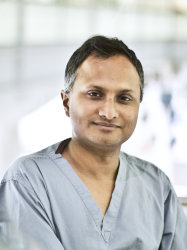 Hashim Ahmed合作论文数Department of Surgery and Cancer, Faculty of Medicine, Imperial College London48
 Mathias Winkler合作论文数Department of Surgery & Cancer, Faculty of Medicine, Imperial College London;Institute for Health Innovation, Imperial College London;Imperial College Healthcare NHS Trust;Bupa Cromwell Hospital;Parkside Hospital and BMI Syon Clinic42
 Eldred-Evans David合作论文数King's College London39
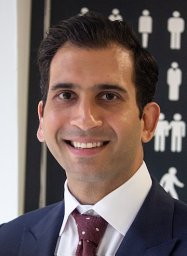 Taimur Shah合作论文数Department of Surgery & Cancer, Faculty of Medicine, Imperial College London30
 Martin J. Connor合作论文数Department of Surgery & Cancer, Faculty of Medicine, Imperial College London27
 Manit Arya合作论文数Imperial Urology, Charing Cross Hospital, Imperial College Healthcare NHS Trust25
 H. Tam合作论文数23Tim Dudderidge合作论文数Department of Pathology and Cancer Institute, University College London21
 Max Peters合作论文数21
 Raj Nigam合作论文数20
 Richard G Hindley合作论文数Hampshire Hospitals NHS Foundation Trust20
 Mark Emberton合作论文数Faculty of Medical Sciences, University College London;Division of Surgery and Interventional Science, Royal Free and University College London School of Medicine, University College London;University College London Hospitals19Deepika Reddy合作论文数18
 Jaspal S Virdi合作论文数18David Hrouda合作论文数18
 Neil Mccartan合作论文数17
 Caroline Moore合作论文数Department of Targeted Intervention, University College London17Elizabeth Pegers合作论文数16
 Saiful Miah合作论文数Department of Urology, Buckinghamshire Healthcare NHS Trust16Heather Bhola-Stewart合作论文数15Raj Persad合作论文数15Stephanie Guillaumier合作论文数14Henry Lewi合作论文数14Mariana Bertoncelli Tanaka合作论文数14Naveed Afzal合作论文数13Bertoncelli Tanaka M.合作论文数11
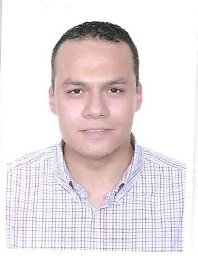 Mohamed E M Noureldin合作论文数Department of Urology, Basingstoke and North Hampshire Hospital11Chris Ogden合作论文数11Christopher C. Khoo合作论文数10
 Clement Orczyk合作论文数10
 Stuart Robert Crozier Mccracken合作论文数10
 Massimo Valerio合作论文数Lausanne10Hasan Qazi合作论文数9Marieke J van Son合作论文数9
 Arnas Rakauskas合作论文数Department of Surgery and Cancer, Imperial College9K. Wong合作论文数8Natalia Klimowska-Nassar合作论文数8Stephen Gordon合作论文数8
 Kathie Wong合作论文数8Bass Edward James合作论文数8Sri D合作论文数8Walters U.合作论文数7L. Powell合作论文数7
 Sultan Ahmad合作论文数7S. Mccracken合作论文数7Shahzad Ahmad合作论文数7Suks Minhas合作论文数London7E. J. Bass合作论文数6Suchita Joshi合作论文数6




