The common form of extrapulmonary tuberculosis is spinal tuberculosis (TB). Spinal TB can lead to vertebral damage, resulting in kyphosis and neurological impairment. Debridement, bone grafting, and reconstruction are common surgical treatments for spinal TB. Spinal TB patients with anterior-middle spinal column destruction are more likely to experience loosening of internal fixation. Cortical bone trajectory (CBT) screw fixation reduces this complication probability because the entrance trajectory of CBT screws in the sagittal and axial planes substantially interacts with the cortical bone and boosts the screw-bone contact strength interface. The CBT screw insertion path is closer to the spinous process and involves less dissection of the paraspinal muscles; this approach appears to reduce intrinsic injury and postoperative pain. CBT screw is a safe and effective internal fixation method for spinal TB because it can effectively reduce the number of fixed segments, maximize spinal mobility, reduce tissue damage, and alleviate postoperative pain at the surgical site.
Background Osteoporosis is a chronic metabolic bone disease that causes excessive osteoclast formation, ultimately resulting in massive bone loss. Yougui pills (YGPs) are the classic traditional Chinese medicine formula with an anti-osteoporosis effect, but the underlying mechanisms are unknown.Materials and methods The ameliorative impact of YGPs on bone loss in ovarectomized mice model was examined by Alcian Blue Haematoxylin (ABH) staining and micro-CT scanning. The “YGPs-osteoporosis-target” network was established and analyzed to explore the molecular mechanism of YGPs on osteoporosis. In addition, flow cytometry and immunohistochemistry (IHC) were used to detect the Th17 response and the expression levels of CD4, IL-17A, RANKL, and RORγt. Finally, we examined the expressions of p-P65, nuclear factor of activated T cells 1 (NFATc1), and cathepsin K (CTSK) by IHC and immunofluorescence (IF) staining to investigate the inhibitory effects of YGPs on osteoclast formation and function in vitro and in vivo.Results The results of ABH staining and micro-CT scanning showed that YGPs can significantly prevent bone loss. The ‘YGPs-osteoporosis-target’ network found that IL-17 is the key target, and its effects may be closely related to the upstream Th17 cells and the downstream NF-κB pathway of IL-17. Meanwhile, Th17 response and the expression levels of CD4, IL-17A, RANKL, and RORγt increased in the OVX group compared with the sham group, while YGPs treatment significantly reduced the above conditions. We also found that the number and function of osteoclasts (OCs) were significantly increased by incubation with IL-17, while YGPs treatment inhibited osteoclast formation and function. Furthermore, YGPs can suppress the expression of p-P65, NFATc1, and CTSK by IHC and IF staining in vitro and in vivo.Conclusion YGPs can exert anti-osteoporosis effects by regulating osteoimmunity, and the mechanism is to inhibit osteoclast formation and bone loss by suppressing the Th17 response and IL-17/NF-κB pathway.
OBJECTIVE:To observe the clinical efficacy of lesion removal, bone grafting, fusion, and external fixation in the treatment of late-stage wrist tuberculosis.METHODS:From October 2015 to May 2019, 25 patients with late-stage wrist tuberculosis were treated using lesion removal, bone grafting, fusion, and external fixation. Among these patients, there were 14 males and 11 females, aged from 40 to 74 years old, with an average age of (60.72±8.45) years old. The duration of the disease ranged from 5 to 24 months, with an average of (11.52±7.61) months. There were 11 cases of left wrist tuberculosis and 14 cases of right wrist tuberculosis, with 5 cases accompanied by sinus formation. Postoperative regular anti-tuberculosis treatment was continued. Visual analogue score (VAS), inflammatory indicators, Gartland-Werley wrist function score, and upper limb function score were observed before and after treatment.RESULTS:All 25 patients were followed up for ranging from 12 to 36 months with an average of (19.7±6.3) months. At the latest follow-up, all wounds were healed satisfactorily, and there was no recurrence of tuberculosis or infection. VAS at one week before operation and three months after operation were (5.16±1.14) score and (1.68±0.80) score respectively. One week before operation and three months after operation, erythrocyte sedimentation rate (ESR) was (44.20±20.56) mm·h-1 and (14.44±1.14) mm·h-1, and C-reactive protein (CRP) was (12.37±7.95) mg·L-1 and (4.3±3.37) mg·L-1. The differences in all three data sets were statistically significant (P<0.01). According to Gartland-Werley wrist function scoring, the scores at one week before operation and one year after operation were (21.32±3.44) and (14.96±1.37) respectively, showed a statistically significant difference (P<0.01). According to the upper limb function score (disabilities of the arm, shoulder, and hand, DASH), the score was (70.52±7.95) at one week before operation and(28.84±2.30) at one year after operation. The difference was statistically significant (P<0.01). At the latest follow-up, no patient had a recurrence of tuberculosis.CONCLUSION:The short-term clinical efficacy of treating wrist tuberculosis with lesion removal, bone grafting, fusion, and external fixation is satisfactory.
INTRODUCTION:Pneumatic tourniquets (PTs) play a crucial role in hemostasis during orthopedic surgery. This study aimed to investigate the current knowledge, attitudes, and practices (KAP) of orthopedic operating room personnel concerning the use of PTs. METHODS:This cross-sectional study was conducted from Jul. 2023 to Aug. 2023. An online questionnaire was used to collect demographic information and KAP score data of the orthopedic operating room personnel from Hangzhou Regional Hospitals. RESULTS:A total of 336 participants included orthopedic physicians (37.8%), orthopedic nurses (31.5%), anesthesiologists (8.9%), operating room nurses (19.9%) and medical students (1.8%). The median knowledge score was 28.5 (24, 32), with a maximum score of 38; the median attitude score was 31 (28, 35), of a maximum of 35; the median practice score was 41 (36, 44), of a maximum of 45. Correlation analysis showed links between knowledge and attitude (r = 0.388, p<0.001), knowledge and practice (r = 0.401, p<0.001), and attitude and practice (r = 0.485, p<0.001). Multivariate logistic regression analysis confirmed that female gender (OR = 0.294, 95% CI: 0.167-0.520; p<0.001), working in a specialized hospital (OR = 0.420, 95% CI: 0.219-0.803; p = 0.009), and occupation as a surgical anesthesiologist (OR = 3.358, 95% CI: 1.466-7.694; p = 0.004) were associated with better knowledge scores. A higher educational degree (OR = 0.237, 95% CI: 0.093-0.608; p = 0.003) was associated with better practice scores. No previous training was associated with lower knowledge (OR = 0.312, 95% CI: 0.187-0.520; p<0.001) and practice (OR = 0.325, 95% CI: 0.203-0.521; p<0.001) scores. CONCLUSION:Orthopedic personnel in this study had acceptable knowledge, attitude, and practice concerning the use of PTs; additional training and guidance might enhance proficiency.
Accurate spinal tuberculosis (TB) diagnosis is of utmost importance for adequately treating and managing the disease. Given the need for additional diagnostic tools, this study aimed to investigate the utility of host serum miRNA biomarkers for diagnosing and distinguishing spinal tuberculosis (STB) from pulmonary tuberculosis (PTB) and other spinal diseases of different origins (SDD). For a case-controlled investigation, a total of 423 subjects were voluntarily recruited, with 157 cases of STB, 83 cases of SDD, 30 cases of active PTB, and 153 cases of healthy controls (CONT) in 4 clinical centers. To discover the STB-specific miRNA biosignature, a high-throughput miRNA profiling study was performed in the pilot study with 12 cases of STB and 8 cases of CONT using the Exiqon miRNA PCR array platform. A bioinformatics study identified that the 3-plasma miRNA combination (hsa-miR-506-3p, hsa-miR-543, hsa-miR-195-5p) might serve as a candidate biomarker for STB. The subsequent training study developed the diagnostic model using multivariate logistic regression in training data sets, including CONT(n=100) and STB (n=100). Youden’s J index determined the optimal classification threshold. Receiver Operating Characteristic (ROC) curve analysis showed that 3-plasma miRNA biomarker signatures have an area under the curve (AUC) = 0.87, sensitivity = 80.5%, and specificity = 80.0%. To explore the possible potential to distinguish spinal TB from PDB and other SDD, the diagnostic model with the same classification threshold was applied to the analysis of the independent validation data set, including CONT(n=45), STB(n=45), brucellosis spondylitis (BS, n=30), PTB (n=30), spinal tumor (ST, n=30) and pyogenic spondylitis (PS, n=23). The results showed diagnostic model based on three miRNA signatures could discriminate the STB from other SDD groups with sensitivity=80%, specificity=96%, Positive Predictive Value (PPV)=84%, Negative Predictive Value (NPV)=94%, the total accuracy rate of 92%. These results indicate that this 3-plasma miRNA biomarker signature could effectively discriminate the STB from other spinal destructive diseases and pulmonary tuberculosis. The present study shows that the diagnostic model based on 3-plasma miRNA biomarker signature (hsa-miR-506-3p, hsa-miR-543, hsa-miR-195-5p) may be used for medical guidance to discriminate the STB from other spinal destructive disease and pulmonary tuberculosis.
目的 研究松果菊苷(ECH)对骨质疏松症(OP)模型小鼠破骨细胞活性的影响.方法 选取 10周龄雌性C57/BL6 小鼠 28 只,随机分为假手术(Sham)组、OP组和ECH低、高剂量组,每组 7只.OP组和ECH两组小鼠通过去除双侧卵巢建立OP模型,之后ECH两组分别采用 10、20 mg/kg ECH进行腹腔注射干预,2 d/次,连续干预 8 周后,处死各组小鼠获取完整的股骨.股骨远端切片后进行阿利新蓝(ABH)染色、抗酒石酸酸性磷酸酶(TRAP)染色以及免疫组化检测组织蛋白酶K(CTSK)、核因子κB磷酸化P65(NF-κB p-P65)蛋白表达情况.结果 股骨远端ABH染色:与Sham组比较,OP组股骨远端骨小梁变薄、稀疏,髓腔内脂肪细胞堆积;与OP组比较,ECH组股骨远端骨小梁数量增加,骨小梁变粗,髓腔内脂肪细胞减少,尤其是高剂量组ECH作用更加明显.股骨远端TRAP染色:与Sham组比较,OP组股骨远端破骨细胞分化显著增加[(6.79±0.66)N.Oc/T.A比(2.15±0.28)N.Oc/T.A,P<0.01)];与OP组比较,ECH低、高剂量组股骨远端破骨细胞分化减少,尤其是高剂量组ECH抑制作用更加明显[(4.35±1.03)N.Oc/T.A、(3.75±0.60)N.Oc/T.A比(6.79±0.66)N.Oc/T.A,P<0.01].股骨远端免疫组化(CTSK、NF-κB p-P65)染色:与Sham组比较,OP组股骨远端CTSK、NF-κB p-P65 表达显著上调[CTSK:(0.031±0.005)%比(0.010±0.003)%;NF-κB p-P65:(0.013±0.002)%比(0.003±0.003)%;P<0.01];与OP组比较,ECH低、高剂量组股骨远端CT-SK、NF-κB p-P65 表达显著下调,高剂量组ECH抑制作用更加明显[CTSK:(0.018±0.002)%、(0.015±0.003)%比(0.031±0.005)%;NF-κB p-P65:(0.009±0.001)%、(0.007±0.002)%比(0.013±0.002)%;P<0.01].结论 ECH可能通过抑制NF-κB信号通路,减弱破骨细胞活性,改善OP模型小鼠骨量丢失.
颈椎结核在脊柱结核中发生率较低,但其造成的危害较严重,患者常因病灶压迫颈脊髓而瘫痪,甚至死亡,由于颈椎活动度大、颈脊髓周围空间小,颈椎结核常伴随颈脊髓受压和颈椎后凸畸形,需要手术进行病灶清除、神经减压和颈椎稳定性重建[1].颈椎结核主要临床表现为椎体前中柱破坏,手术方式以前路清除病灶、重建脊柱稳定性为主.2017年1月至2020年6月,浙江省中西医结合医院骨科应用前路病灶清除髂骨植骨融合钛板内固定治疗下颈椎结核25例,临床疗效满意,现报道如下.
Objective:To investigate the safety of nano-hydroxyapatite/polyamide 66 (n-HA/PA66) bioactive support in bone grafting and fusion for elderly patients with lumbar tuberculosis, and to analyze its effectiveness and advantages by comparing with autologous iliac bone grafting. Methods:A retrospective analysis was performed on 48 elderly patients with lumbar tuberculosis who met the selection criteria between January 2017 and January 2020. The patients all underwent one-stage posterior pedicle screw internal fixation combined with anterior lesion removal and bone grafting and fusion, of which 23 cases applied n-HA/PA66 bioactive support+allogeneic bone graft (n-HA/PA66 group) and 25 cases applied autologous iliac bone graft (autologous iliac bone group). There was no significant difference between the two groups in gender, age, bone density, disease duration, lesion segment, and preoperative pain visual analogue scale (VAS) score, Japanese Orthopaedic Association (JOA) score, and Cobb angle ( P>0.05). The operation time, intraoperative blood loss, and postoperative complications, as well as the VAS score, JOA score, American Spinal Injury Association (ASIA) spinal cord injury grading, Cobb angle, and bone fusion were recorded and compared between the two groups. Results:The operations were completed successfully in both groups. n-HA/PA66 group had significantly less operation time and intraoperative blood loss than the autologous iliac bone group ( P<0.05). All patients were followed up 12-24 months, with an average of 15.7 months. And the difference in follow-up time between the two groups was not significant ( P>0.05). Postoperative complications occurred in 3 cases (13%) in the n-HA/PA66 group and 10 cases (40%) in the autologous iliac group, and the difference in the incidence of complications between the two groups was significant ( χ 2=4.408, P=0.036). The postoperative VAS scores and JOA scores significantly improved when compared with the preoperative scores in both groups ( P<0.05), and the difference was significant ( P<0.05) between 2 weeks after operation and the last follow-up. The difference in VAS score at 2 weeks after operation was significant between the two groups ( P<0.05), and there was no significant difference ( P>0.05) at the other time points. At last follow-up, according to the ASIA grading, the effective improvement rate was 86% (18/21) in the n-HA/PA66 group and 90% (18/20) in the autologous iliac group, with no significant difference ( χ 2=0.176, P=0.675). Imaging review showed that grade Ⅰ bony fusion was obtained in both groups, and the fusion time of bone graft in the n-HA/PA66 group was significantly longer than that in the autologous iliac bone group ( P<0.05). There was no significant difference in the Cobb angle at each time point between the two groups ( P>0.05). No recurrence of tuberculosis, loosening or fracture of the internal fixator, or displacement of the bone graft was observed during follow-up. Conclusion:In elderly patients with lumbar spine tuberculosis, the n-HA/PA66 bioactive support combined with allogeneic bone graft can effectively restore and maintain the fusion segment height and physiological curvature of the lumbar spine, and the fusion rate of bone graft is similar to that of autologous iliac bone, which can achieve better effectiveness.
Abstract This study aimed to compare the clinical efficacy of nano-hydroxyapatite/polyamide 66 strut (n-HA/PA66 group) with autogenous iliac bone grafts(AIBG group) in anterior reconstructive surgery for lumbar spinal tuberculosis(LSTB). A total of 67 patients with LSTB who underwent one-stage combined anterior-posterior surgery using an n-HA/PA66 strut or an autogenous iliac bone graft were studied retrospectively at a mean follow-up of 33.8±7.0 months. The Data about erythrocyte sedimentation rate (ESR), C-reactive protein (CRP), Orthopaedic Association (JOA) and Oswestry Disability Index (ODI)score, visual analog scale (VAS) score, American Spinal Injury Association(ASIA )grade, and Cobb's angle were recorded and compared between the two groups before surgery, three months after surgery and at the last follow-up. At the last follow-up, both groups achieved satisfactory bony fusion without recurrence of tuberculosis, while ESR, CRP, VAS, ASIA grade, and Cobb angle were significantly improved at the last follow-up compared to the preoperative. The n-HA/PA66 group was superior in operation time(P < 0.05), intraoperative blood loss (P < 0.05), VAS at 3 months after surgery (P < 0.05), and surgical complications as compared with the AIBG group. But the bone fusion time of the n-HA/PA66 group (8.4±1.3 months) was slightly longer than the TMC group (7.5±1.6 months)( P < 0.05). The nano-hydroxyapatite/polyamide 66 strut can achieve good clinical efficacy comparable to autologous iliac bone grafts when treating tuberculosis of the lumbar spine. The less traumatic, lower incidence of complications, and similar excellent bony fusion indicated it could serve as a superior material in the anterior reconstructive surgery for lumbar spinal tuberculosis.
Osteoporosis is a common metabolic bone disease with a rapidly increasing prevalence, characterized by massive bone loss because of excessive osteoclast formation. Gallic acid (GA), a phenolic acid isolated from Cornus officinalis, has anti-inflammatory and anti-oxidant effects, but its effect on osteoclast formation has not been confirmed. In our study, we demonstrated that GA significantly inhibited RANKL-induced osteoclast formation and function of osteoclast in bone marrow monocytes (BMMs) and RAW264.7 cells in a dose-dependent manner without cytotoxicity. For molecular mechanisms, GA repressed osteoclastogenesis by blocking Akt, ERK, and JNK pathways, and suppressed osteoclastogenesis-related marker expression, including nuclear factor of the activated T-cell cytoplasmic 1 (NFATc1), c-Fos, and cathepsin K (CTSK). In addition, we further assessed the effect of GA in an ovariectomized mouse model, which indicated that GA has a notable effect on preventing bone loss. In conclusion, GA exerts notable effects in inhibiting osteoclastogenesis and preventing ovariectomy-induced bone loss, suggesting that GA is a potential agent in osteoporosis treatment.
Purpose:This study is aimed at comparing the clinical efficacy of cortical bone trajectory (CBT) screw fixation and pedicle screw (PS) fixation of the affected vertebrae in lumbar tuberculosis.Methods:We retrospectively analyzed the outcomes in 52 patients (27 cases in the CBT group, 25 cases in the PS group) with lumbar TB who underwent posterior affected-vertebra fixation combined with anterior debridement and bone grafting. The intraoperative blood loss, operative time, visual analog scale (VAS) scores for incision pain and leg pain, Japanese Orthopedic Association (JOA) score, bone grafting fusion, and complications were recorded.Results:All patients were followed up for 35-52 months and achieved good clinical outcomes. There were no differences between the two groups in the operative time, intraoperative blood loss, JOA score, bone grafting fusion, and complications. However, there was a significant difference between the two groups in VAS scores for incision pain on the 1st day and 3rd day after surgery. At the last follow-up, JOA scores were significantly improved in both groups compared to the preoperation.Conclusion:This retrospective study confirmed that both the affected-vertebra CBT screw fixation and PS fixation for lumbar TB via posterior and anterior approaches could achieve satisfactory outcomes, while the former resulted in better improvement for postoperative VAS scores.
Objective:To investigate the application value of metagenomic next generation sequencing (mNGS) in the diagnosis of spinal infectious diseases except tuberculosis and non-tuberculous mycobacterium infection.Methods:According to the inclusion and exclusion criteria, the clinical data of 171 patients with suspected non-tuberculous infectious diseases of spine from January 2019 to November 2020 were analyzed retrospectively. All patients underwent puncture biopsy of spine or surgery to obtain tissue specimens, then tissue biopsy were measured, and Foci purulent blood or lavage fluid was obtained for routine bacterial and mNGS. The differences of reporting time, sensitivity (positive rate) and specificity (true negative rate) were compared between the two methods. The pathogenic microorganism spectrum of spinal infection was analyzed. The effects of specimen collection method, preoperative antibiotic use and specimen type on the detection of pathogenic microorganisms were analyzed.Results:According to the diagnostic criteria of non-tuberculous infectious diseases of the spine, there were 136 cases of infection, among which 111 cases had specific pathogenic microorganism. The average reporting time of traditional culture and mNGS were 81.67+15.52 h and 36.33+11.92 h. There were 43 positive cases and 5 false positive cases in traditional culture, the sensitivity was 31.62%, and the specificity was 85.71%; There were 76 positive cases and 19 false positive cases in mNGS, the sensitivity was 55.88%, and the specificity was 45.71%. There were significant statistical differences in the sensitivity, specificity and reporting time for detection of pathogenic microorganisms by mNGS. The top 3 pathogens of non-specific infection were Staphylococcus aureus and Staphylococcus, Escherichia coli and Streptococcus. Eleven patients with non-tuberculous specific infection were confirmed, including 2 positive cases with traditional culture, 11 positive cases with mNGS. A higher detection rate for rare specific infections were expressed in mNGS. Logistic regression analysis indicated that the standard antibiotic use 4 weeks before surgery and specimen acquisition methods had significant effects on the traditional culture results, while the specimen acquisition methods had no statistically significant effects on the mNGS.Conclusion:Metagenomic next generation sequencing has a higher sensitivity to the detection of pathogenic microorganisms in the diagnosis of non-tuberculous spinal infectious diseases, especially for the detection of rare pathogenic microorganisms, which has a high diagnostic value.
C-arm fluoroscopy-guided percutaneous needle biopsy (PNB) is a commonly used biopsy method, which shows similar diagnostic outcomes to CT-guided biopsy. This study aimed to evaluate the diagnostic value of C-arm fluoroscopy-guided percutaneous needle biopsy (PNB) for spinal infection. A total of 30 male and 73 female patients with suspected spinal infection were enrolled. Among enrolled patients, the spinal lesion was mainly located in the thoracic (T3-T12, 48.28%) and lumbar vertebra (L1-L5, 46.80%), and T12 was the most frequently involved site. C-arm fluoroscopy-guided PNB was performed for the isolation of biopsy samples in these patients. The overall detection rate of pathological changes in bone tissues was 94.1% (191/203), including 92 granulomata with caseous necrosis, 81 inflammatory tissues, 18 tumor tissues, and 12 bone tissues without visible pathological changes. After excluding the tumors, the detection rate of pathogenic microorganisms in liquid tissues was 50.27% (93/185), including 68 Mycobacterium tuberculosis, and 25 other microorganisms. Spinal tuberculosis was diagnosed in 118 (58%) cases, and nonspecific spinal infection with microorganisms other than Mycobacterium tuberculosis was diagnosed in 25 (12.7%) cases. Definite diagnosis was not determined in the left 42 (20.5%) patients with neither positive pathological nor pathogenic results. C-arm fluoroscopy-guided PNB is effective in the detection of pathological changes and pathogenic microorganisms, which is a practical approach for the diagnosis of spinal infection with high accuracy.
Infectious diseases of spine (IDS) refer to a series of infectious diseases in different parts of the spine (vertebral body, intervertebral disc, appendix of vertebra, spinal canal, and adjacent paravertebral tissues) caused by various pathogenic microorganisms, accounting for about 2%~7% of systemic musculoskeletal system infections. According to the classic classification IDS can be divided into two types: specific infection and non-specific infection. IDS often has an insidious onset, atypical clinical manifestations, and less-specific imaging and laboratory tests, which causes great difficulties for the accurate diagnosis and treatment, often leading to missed diagnosis, misdiagnosis, and even mistreatment. Problems such as disordered clinical diagnosis and treatment procedures, diverse treatment methods, and non-standard medication and course of treatment still affect the prognosis of IDS. This article reviews the current research progress of the diagnosis and treatment process of IDS, in order to further standardize the diagnosis and treatment process of IDS.
目的 探讨一期病灶清除植骨内固定术治疗经皮椎体后凸成形术(PKP)误治后的脊柱结核的临床疗效.方法 将11例经PKP误治后的脊柱结核患者行一期病灶清除植骨内固定术.记录术后疼痛VAS评分、红细胞沉降率(ESR)、C-反应蛋白(CRP)、植骨融合情况、ODI及神经功能改善情况.结果 患者均获得随访,时间18~36个月.VAS评分术后1个月、末次随访均低于术前(P<0.05).ESR、CRP术后3个月均低于术前(P<0.05).ODI术后6个月低于术前(P<0.05).ASIA分级:1例术前B级恢复至术后D级,2例术前D级恢复至术后E级.术后12个月植骨均达到Ⅰ级融合.结论 一期病灶清除植骨内固定术治疗经PKP误治后的脊柱结核,可有效控制结核病情,改善疼痛症状,重建脊柱稳定性,提高生活质量,临床疗效满意.
目的 探讨一期后、前路手术治疗非特异性腰椎间隙感染的疗效.方法 采用一期后路肌间隙椎弓根螺钉内固定联合前路微创切口病灶清除髂骨植骨治疗23例单节段非特异性腰椎间隙感染患者.记录手术情况,比较患者手术前后红细胞沉降率(ESR)、C-反应蛋白(CRP)指标,采用腰痛VAS评分、ODI评估腰部疼痛及功能障碍程度.结果 手术时间220~280(249.3±18.2)min,术中出血量265~365(316.1±29.3)ml.患者均获得随访,时间36~58(46.7±6.9)个月.2例术前及术后送检均未明确病原菌,病理结果提示炎性组织且常规抗感染治疗有效;病原学培养结果阳性21例(21/23),其中2例血培养及术前穿刺均证实为金黄色葡萄球菌;4例术前穿刺结果为阴性,但术后送检脓液培养明确病原菌;15例术前穿刺及术后送检均明确同一致病菌.ESR、CRP、腰痛VAS评分、ODI末次随访时均较术前明显降低(P<0.001).术后5例下肢神经刺激症状,3例髂骨取骨区疼痛,2例抗感染周期内肝功能异常.结论 一期后、前路手术治疗非特异性腰椎间隙感染,临床疗效满意,具有手术时间短、术中出血少、病灶清除彻底、重建及维护脊柱稳定的优点.
目的 探讨3D打印技术辅助置钉治疗骶髂关节结核的临床效果.方法 对30例骶髂关节结核患者采用3D打印技术辅助置钉治疗.采用疼痛VAS评分评估患者腰臀部疼痛程度,采用Majeed评分标准评估骨盆功能.结果 患者均获得随访,时间12~43个月.手术时间50~82(63.00±4.39)min.VAS评分、Ma-jeed评分:术前1周时分别为5~9(7.12±1.68)分、48~70(53.68±7.25)分;术后12个月时分别为1~4(1.98±1.25)分、79~92(83.45±6.94)分;手术前后比较差异均有统计学意义(P<0.05).末次随访时均未出现结核复发情况.结论 3D打印技术辅助置钉治疗骶髂关节结核,具有缩短手术时间、缓解患者疼痛、恢复患者站立行走能力等优点,更利于病灶完全清除,建立良好的医患关系,为获得理想手术效果提供新的技术保障.
Due to the complexity of the anatomical structure and the difficulty of exposing the surgical area, the surgery for spinal tuberculosis in the upper thoracic vertebra (above T6–T7) is complicated and the prognosis is not good. This study aimed to investigate the clinical effects of posterolateral costotransversectomy using an extrapleural approach in patients with upper thoracic spinal tuberculosis. This was a retrospective analysis of 132 patients (including 78 males and 54 females) with upper thoracic spinal tuberculosis who underwent one-stage internal fixation and debridement followed by combined interbody and posterior fusion via posterolateral costotransversectomy using an extrapleural approach. The age ranged from 23 to 82 years (54.5 ± 13.2 years). Lesion segments were distributed from T2 to T7. According to Frankel’s spinal cord function evaluation, there were 2 cases of grade A, 6 of grade B, 6 of grade C, 12 of grade D, and 106 of grade E. The preoperative Cobb angle was 16–40° (29.1° ± 6.5°). Operation time, bleeding volume, incision healing, bone graft fusion, deformity correction, and improvement of nerve function were analyzed. The operation time ranged from 2.8 to 4.1 h (3.4 ± 0.3 h), and blood loss ranged from 350 to 550 mL (460 ± 47 mL). All incisions healed in the first stage. The bone graft fusion time was 3–6 months (median of 4 months). There was no loosening or broken of the internal fixation. The C-reactive protein and erythrocyte sedimentation rate were significantly improved at the end of follow-up in comparison with before surgery. The Cobb angle of the fusion segment was corrected and ranged from 5° to 17° (average of 10.7° ± 3.3°) at the end of follow-up. The nerve function of all patients improved at different degrees by the time of the last follow-up. In the last follow-up, the Frankel grade distribution was 1 case in B grade, 2 cases in grade C, 6 cases in grade D, and 123 cases in grade E. Posterolateral costotransversectomy using an extrapleural approach is a safe and effective surgical method that can expose the upper thoracic spine lesions and reduce trauma.
目的 观察负载抗结核药物对骨水泥材料生物力学性能的影响.方法 无载药的骨水泥作为对照组,将40g骨水泥分别与不同剂量的利福平、异烟肼、乙胺丁醇、吡嗪酰胺,在无菌条件下真空搅拌,并加入骨水泥单体15mL,制成直径6mm、厚度3mm的矮圆柱体实验样品,分为R1组予负载0.75g利福平,R2组予负载1.5g利福平,R3组予负载2.25g利福平,H1组予负载0.3g异烟肼,H2组予负载0.6g异烟肼,H3组予负载0.9g异烟肼,E1组予负载0.75g乙胺丁醇,E2组予负载1.5g乙胺丁醇,E3组予负载2.25g乙胺丁醇,Z1组予负载1.5g吡嗪酰胺,Z2组予负载3.0g吡嗪酰胺,Z3组予负载4.5g吡嗪酰胺,每组6个,共制成78个试验样品.测定各骨水泥的面团时间和凝固时间.测量载抗结核药骨水泥的弯曲强度、弯曲模量和压缩强度的变化.结果 载药骨水泥的压缩强度较标准骨水泥均有不同程度的降低,随着载药量越大压缩强度降低越明显.与对照组比较,低剂量载药组(R1组、H1组、E1组、Z1组)和中剂量载药组(R2组、H2组、E2组、Z2组)压缩强度差异无统计学意义(P>0.05),高剂量载药组(R3组、H3组、E3组、Z3组)压缩强度降低[(46.15±9.34)Mpa、(79.22±9.07)Mpa、(21.96±6.85)Mpa、(42.02±5.23)Mpa比(86.34±9.24)Mpa],差异有统计学意义(P<0.05).载药骨水泥的弯曲强度和弯曲模量较对照组标准骨水泥均有不同程度的降低,随着载药量越大弯曲强度和弯曲模量降低越明显.与对照组比较,低剂量载药组(R1组、H1组、E1组、Z1组)弯曲强度和弯曲模量,差异无统计学意义(P>0.05),中剂量载药组(R2组、H2组、E2组、Z2组)和高剂量载药组(R3组、H3组、E3组、Z3组)弯曲强度[(46.87±3.72)Mpa、(38.38±3.51)Mpa、(28.38±2.75)Mpa、(36.31±2.38)Mpa比(60.86±5.30)Mpa,(26.89±2.36)Mpa、(21.70±4.47)Mpa、(19.79±2.03)Mpa、(22.38±1.79)Mpa比(60.86±5.30)Mpa]和弯曲模量[(1719.13±142.36)Mpa、(1482.20±93.50)Mpa、(1235.25±100.74)Mpa、(831.14±92.82)Mpa比(2328.27±255.34)Mpa,(929.99±106.27)Mpa、(966.73±136.73)Mpa、(582.80±67.24)Mpa、(657.56±86.22)Mpa比(2328.27±255.34)Mpa]降低,差异有统计学意义(P均<0.05).结论 负载抗结核药物后骨水泥材料生物力学性能发生变化,随着抗结核药物比例增高,骨水泥材料生物力学强度逐渐下降.
 Zhen Lai (赖震)合作论文数50Shi-yuan Shi合作论文数47ShengPing Hu (胡胜平)合作论文数27DaWei Bi (毕大卫)合作论文数21Wei Wei (魏威)合作论文数18Qi Zheng (郑琦)合作论文数15GuiHe Han (韩贵和)合作论文数14Jin-ping HU (胡金平)合作论文数13Gang Zu (祖罡)合作论文数13YongJie Yu (余涌杰)合作论文数12Genjun Chen合作论文数10DeXin Hu (胡德新)合作论文数10Weichen Zhang合作论文数9Tianyi Cao合作论文数8Jiekai Ye合作论文数6
 Sheng-Hui Liao (廖胜辉)合作论文数School of Computer Science and Engineering, Central South University6YaoSheng Liu (刘耀升)合作论文数6YiFan Wang (汪翼凡)合作论文数5Jian Shen (沈健)合作论文数5Xiao Zhang Ying合作论文数4Quan Zhang (章权)合作论文数3YiJin Wang (王以进)合作论文数3Jun Gu (顾军)合作论文数3
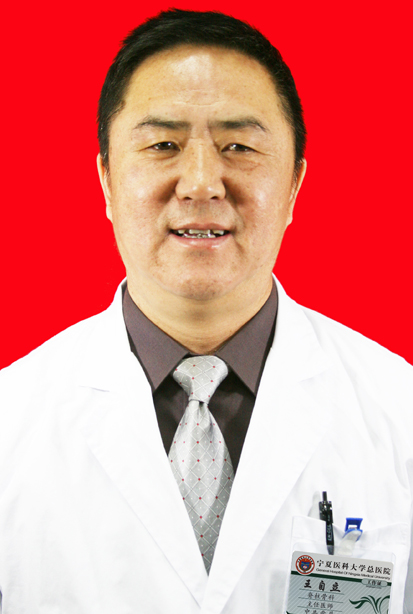 Zili Wang (王自立)合作论文数宁夏医科大学3Qimiao Hu合作论文数2Xiao Tao合作论文数2Peng Zhang合作论文数2Tian-Yi Cao合作论文数2Yang-Hui Jin合作论文数2Yi-Fan Wang合作论文数2Yongjie Yu合作论文数2linfeng shi (石林锋)合作论文数2shuifa xie (谢水法)合作论文数2yizhen liu (刘一震)合作论文数2MA Pengfei (马鹏飞)合作论文数2yun luo (罗赟)合作论文数2Bo Zhu合作论文数2Fei YU (俞飞)合作论文数2Dexin Hu合作论文数2Chen-Wei Zhang合作论文数2Bin MO (莫斌)合作论文数2WeiDong Jin (金卫东)合作论文数2Zhongxing Hu (胡中兴)合作论文数2
 Chao Xu (许超)合作论文数浙江中医药大学附属第二医院2Jiale Dai合作论文数1Jinping Hu合作论文数1




